
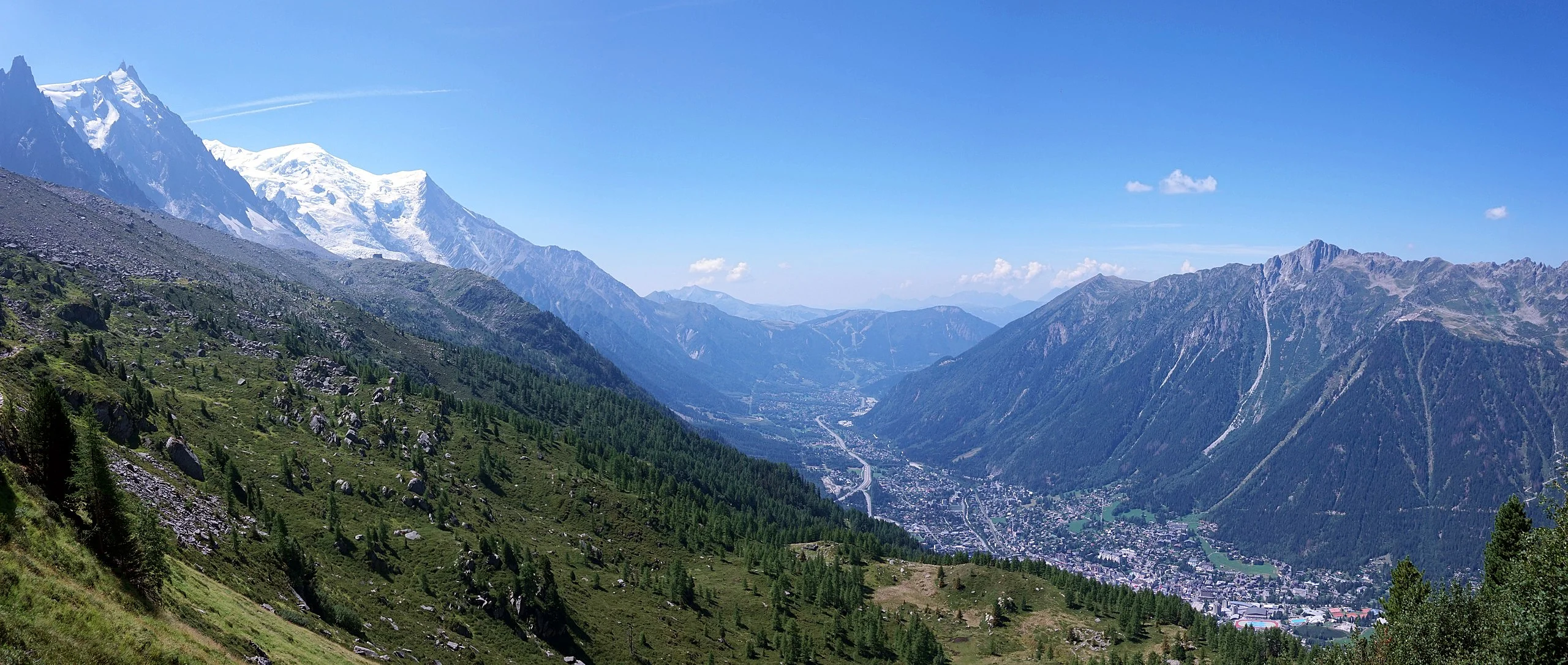
Visiting Chamonix, a gateway to the authentic Alps
Tucked right below Mont Blanc, Chamonix pulls in travelers chasing dramatic alpine views and outdoor grit. Whether you are tackling technical hikes, hitting the ski slopes, or simply looking to explore a mountain town with real history, Chamonix delivers without feeling like a manufactured resort town.
Raw alpine nature
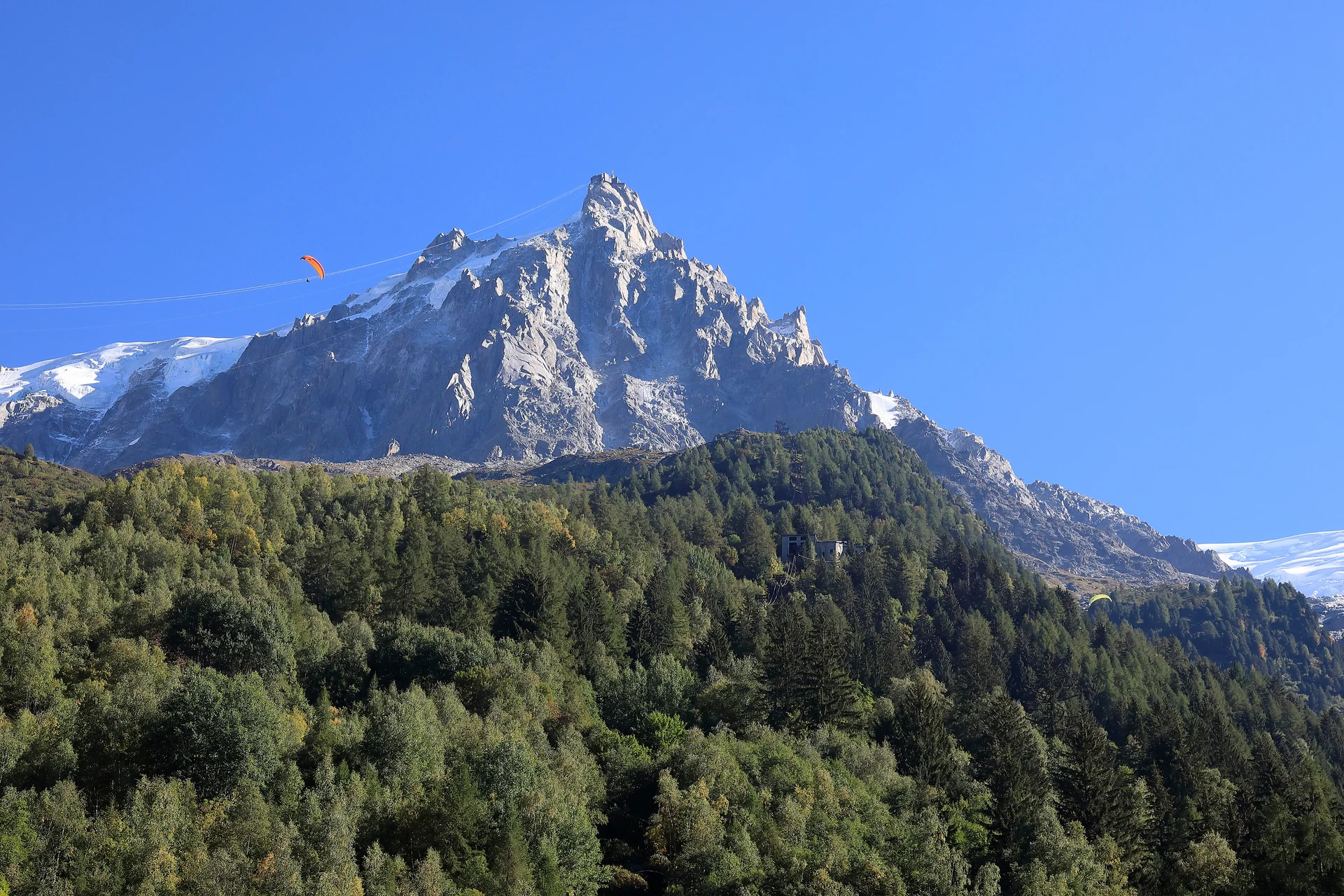
Massive peaks surround the valley, starting with Aiguille du Midi, reachable via a cable car that lifts you to an altitude of 3,842 meters. The scale of the surrounding peaks from the top is hard to process. Nearby, la Mer de Glace stands as France's largest glacier, reached by riding the vintage Train du Montenvers. Even as the ice recedes, the train ride and the glacier views show the stark reality of shifting climate patterns.
Activities for every pace
Winter brings serious skiing, but summer opens up terrain for hiking, rock climbing, paragliding, and mountain biking. Marked trails around lac Blanc and Brévent frame wide panoramas of the range. If you prefer to skip the elevation gain, the pedestrian downtown area invites you to wander past gear shops, art galleries, and sidewalk cafes.
A subtle cultural footprint
While the draw is the vertical terrain, Chamonix also has a quiet local history. The Musée du Mont-Blanc, the former Musée Alpin reopened in July 2026 after five years of works, documents the evolution of mountaineering and valley tourism through old prints and gear. Temporary exhibits and local events fill the calendar, offering a look at mountain culture beyond the outdoor sports.
Real mountain character
Unlike newer purpose-built ski resorts, Chamonix kept its architectural roots. Wooden chalets, neighborhood markets, and local festivals give the town an actual pulse. It draws climbers and tourists from around the world, yet maintains a distinct identity tied to the surrounding peaks.
Mountain food: hearty and filling
Chamoniard cuisine relies on high-calorie, cheese-heavy dishes designed to refuel you after hours outside. Local standards include tartiflette made with potatoes, bacon lardons, and melted reblochon cheese, fondue savoyarde featuring melted cheeses stirred with white wine, and raclette served over potatoes with cured meats. For dessert, local tarte aux myrtilles (blueberry tart) is a reliable favorite.
Where to eat?
- La Maison Carrier (downtown): A traditional restaurant serving regional Savoyard plates in a rustic, cozy dining room.
- Le Monchu (downtown): A lively spot with a broad menu of classic mountain comfort food.
- La Crèmerie du Glacier (Argentière): A classic chalet known for generous cheese fondues and raclette.
- Le Matafan (downtown): Refined local ingredients prepared with a modern touch in a stylish space.
When to go?
Timing depends entirely on what you want to do. Winter runs from December through March for skiing and snow sports, while summer spans June to September for dry trails and climbing. Events like the Marathon du Mont-Blanc in June draw big crowds of runners and spectators.
How to get there?
You can take the train from Paris, which takes roughly 6 hours with a transfer at Saint-Gervais-les-Bains, or drive in via the A40 highway. Geneva International Airport sits 88 km away, with regular shuttle buses running directly to Chamonix in about 1 hour and 15 minutes.
How to get around?
The town center is entirely pedestrian and easy to navigate on foot. Shuttle buses connect the outlying neighborhoods and lift stations, and the guest card handed over by your accommodation gets you reduced bus passes plus free rides on the Mont-Blanc Express train.
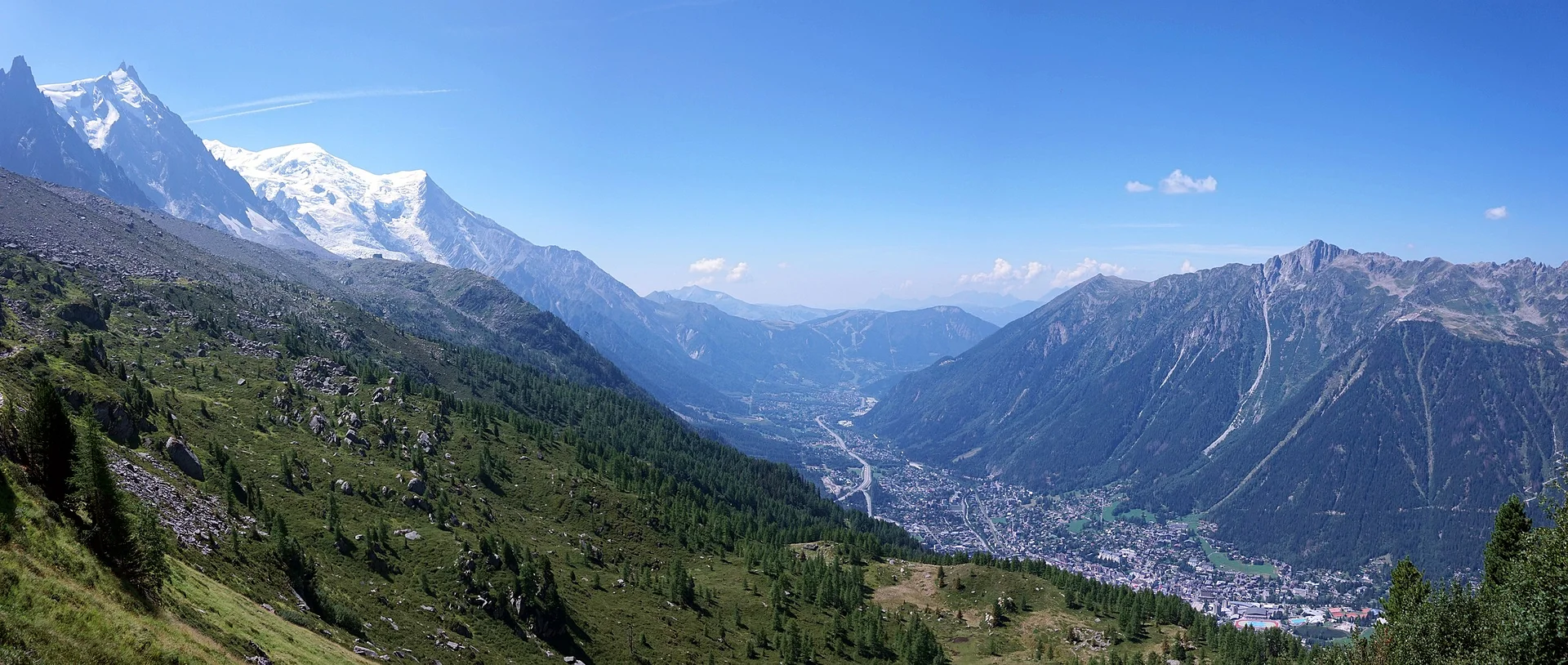
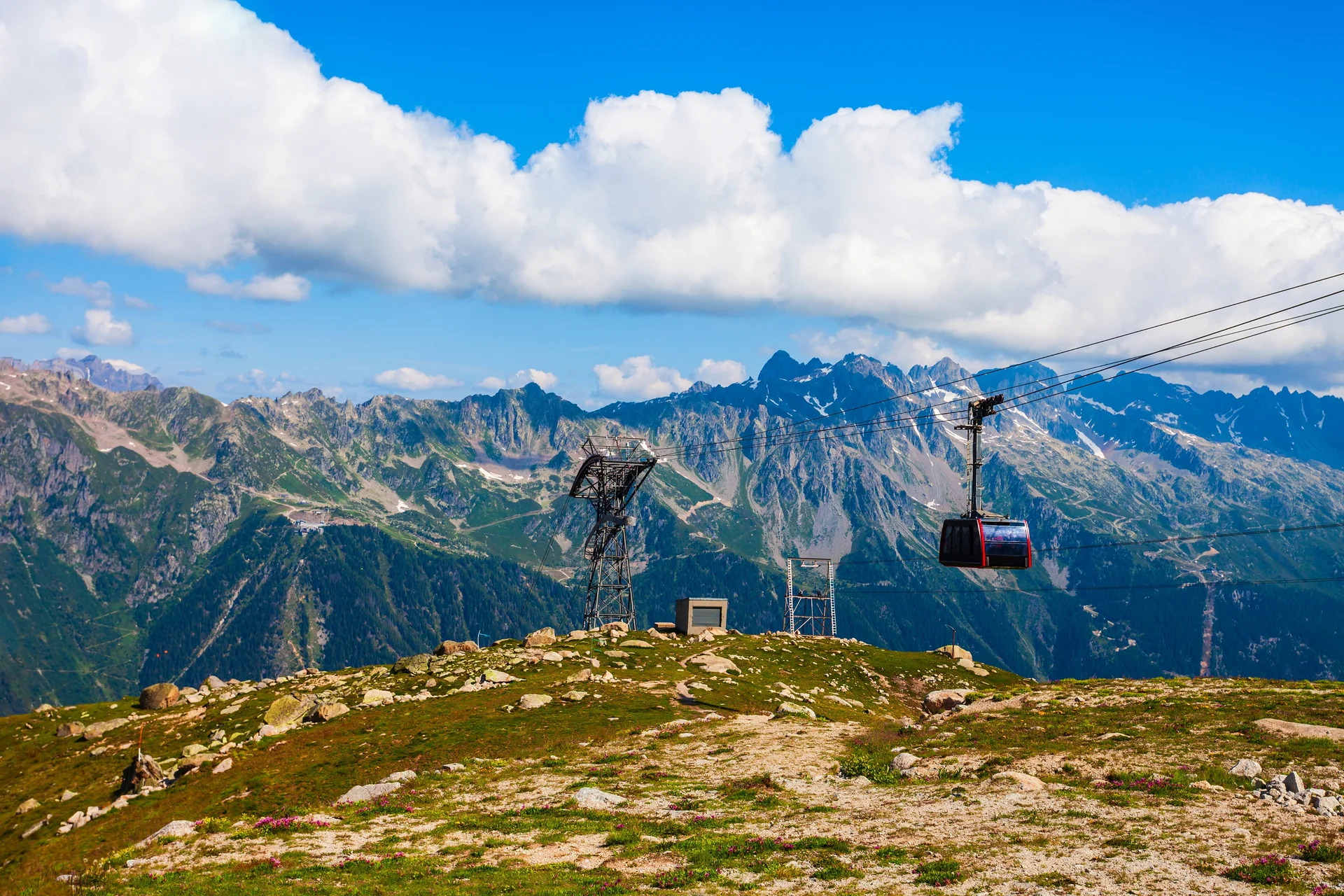
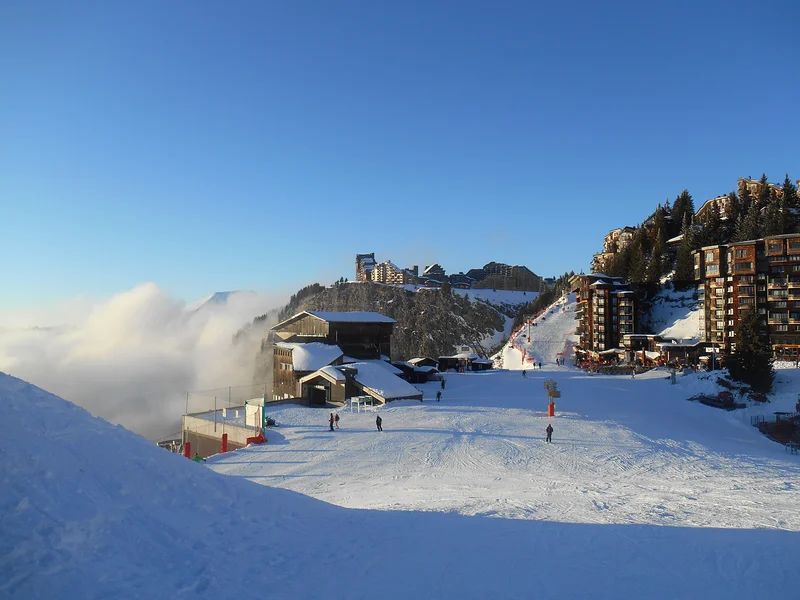
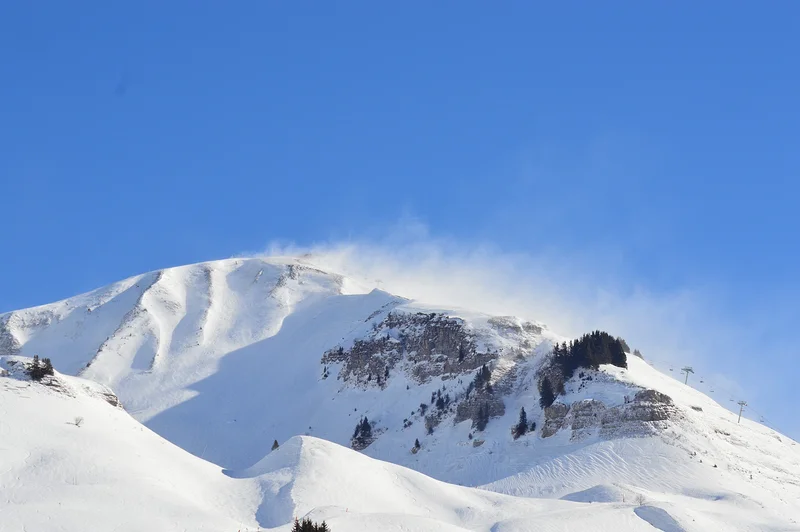
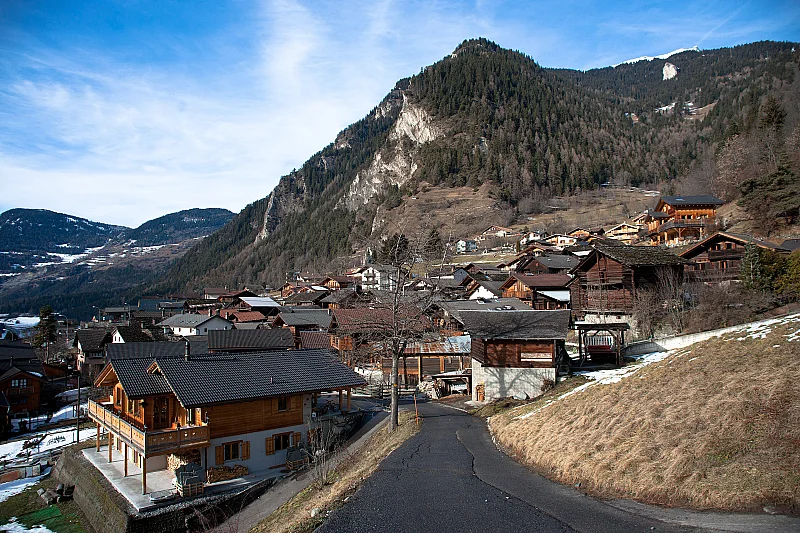
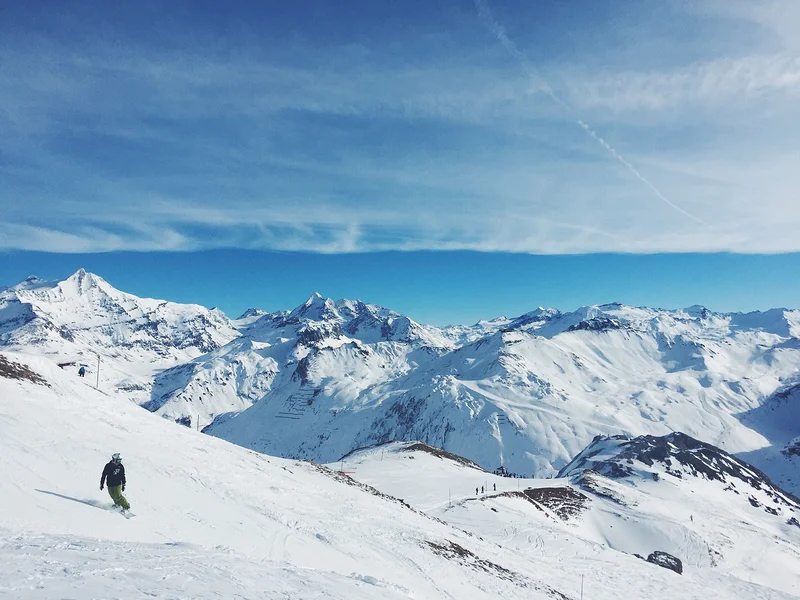
Big village or small town, Chamonix-Mont-Blanc, besides being at the foot of the white giant, has a special, magical atmosphere. You run into hikers and mountaineers there, but you can also go shopping (some very beautiful stores), visit the mineral museum, grab a drink facing Mont-Blanc, or eat an ice cream or a chestnut waffle.
It is also where you board for the Mer de Glace or the Aiguille du Midi... such a dream...