Bagnes, the Valley Behind Verbier
Most travelers say Verbier without ever hearing of Bagnes. Yet this municipality in the Valais canton encompasses the famous resort along with a dozen quieter villages strung out along a valley that climbs from the Rhône river all the way up to the glaciers.
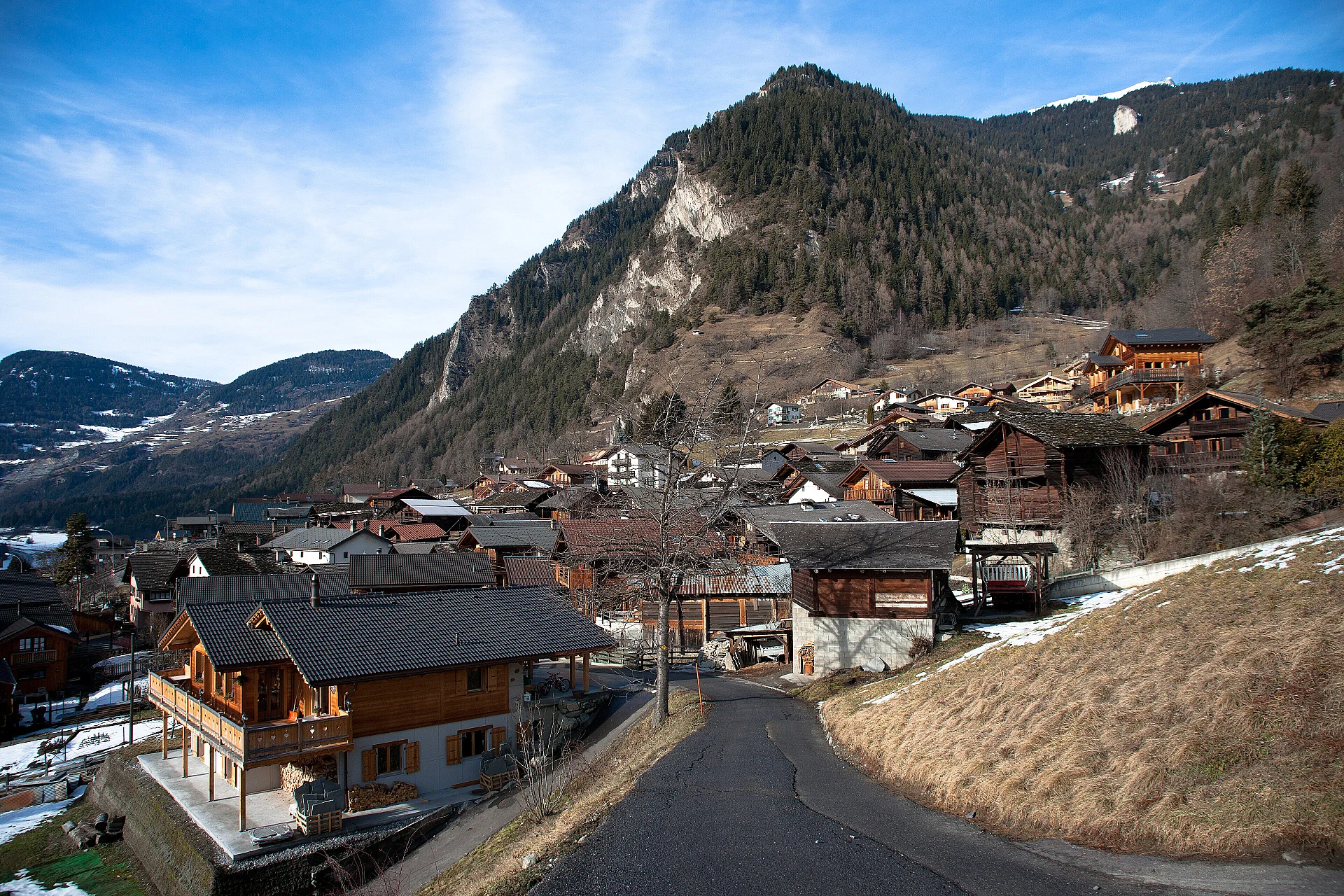
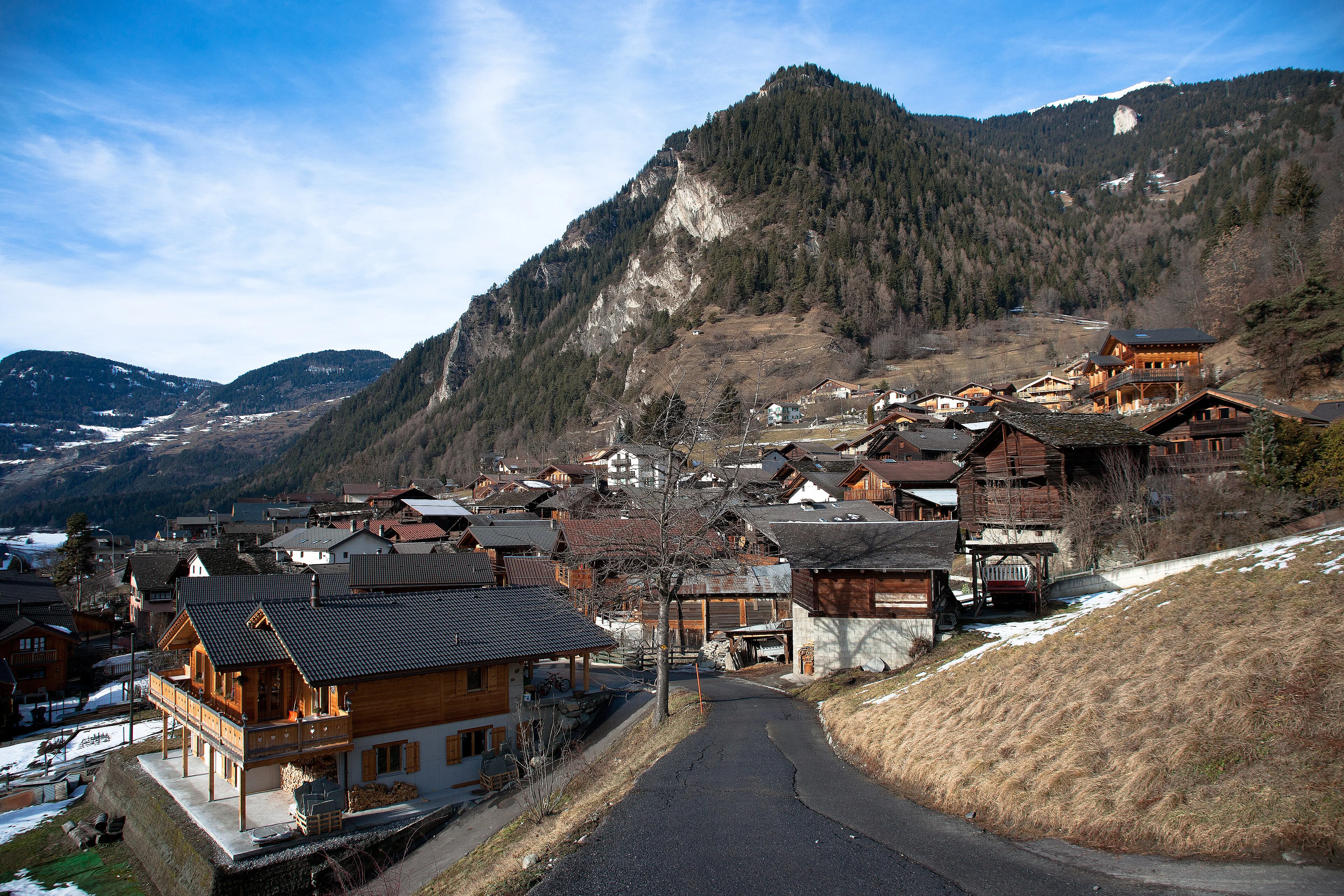
The contrast is striking: on one side, the international chic of Verbier's luxury chalets; on the other, the blackened wooden roofs of the village of Le Châble where the bells of Hérens cows still echo in the summer.
A Destination Built for You?
If you dream of serious skiing, high-altitude hiking, or a mix of raw nature and lively nightlife, Bagnes has enough to keep you busy for a full week without getting bored.
If you are looking for a tight budget or an authentic village vibe without any tourist gloss, the upper part of the valley (Verbier) might disappoint you. You will need to look lower down, toward Le Châble or Lourtier.
Best suited for:
- Skiers and hikers looking for serious vertical gain
- Lovers of high-altitude nightlife
- Travelers wanting to combine glaciers, alpine pastures, and local gastronomy
Not suited for:
- Tighter budgets aiming for Verbier in peak season
- Those looking for urban life or a dense cultural scene
- Travelers without independent transport outside of buses
Heads up on Verbier's steep prices
The municipality of Bagnes covers vastly different price points. Expect prices comparable to Manhattan, if not higher, once you reach Verbier during peak ski season.
| Expense | Range |
|---|---|
| Dorm bed or simple room (Le Châble) | 40 to 70 CHF |
| Night in a comfortable chalet or hotel (Verbier) | 150 to 350 CHF |
| Quick bite (raclette, sandwich) | 15 to 25 CHF |
| Sit-down restaurant meal | 35 to 60 CHF |
| Daily lift ticket | 75 to 85 CHF |
Estimated rates subject to change
Practical realities of the valley
The road climbing from the Rhône plain up to Verbier is steep and full of switchbacks. In winter, make sure you have proper winter tires or snow chains. The cable car connecting Le Châble to Verbier is a reliable alternative if you prefer not to drive on snow-packed mountain roads.
The local language is French, but English is widely spoken in Verbier thanks to the international crowd. In more remote villages like Fionnay or Mauvoisin, the atmosphere becomes intensely local and almost silent off-season.
Verbier, the Resort That Never Sleeps
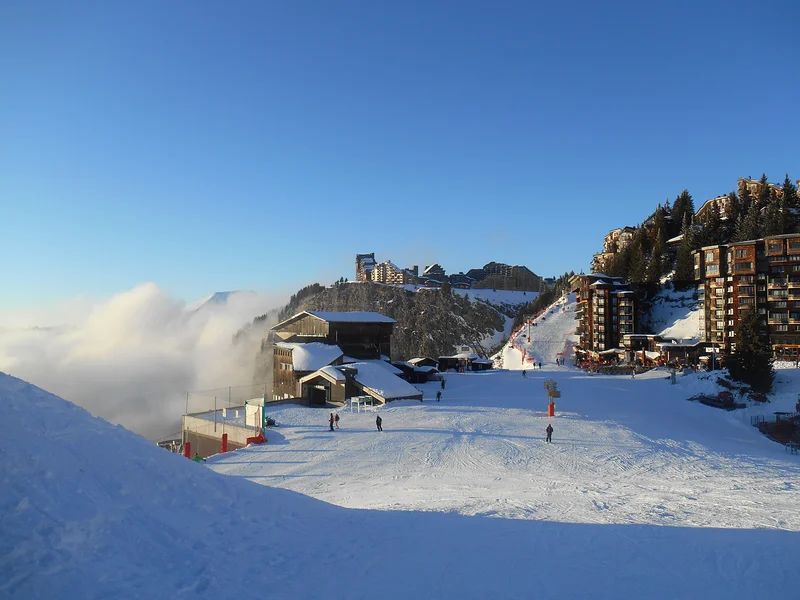
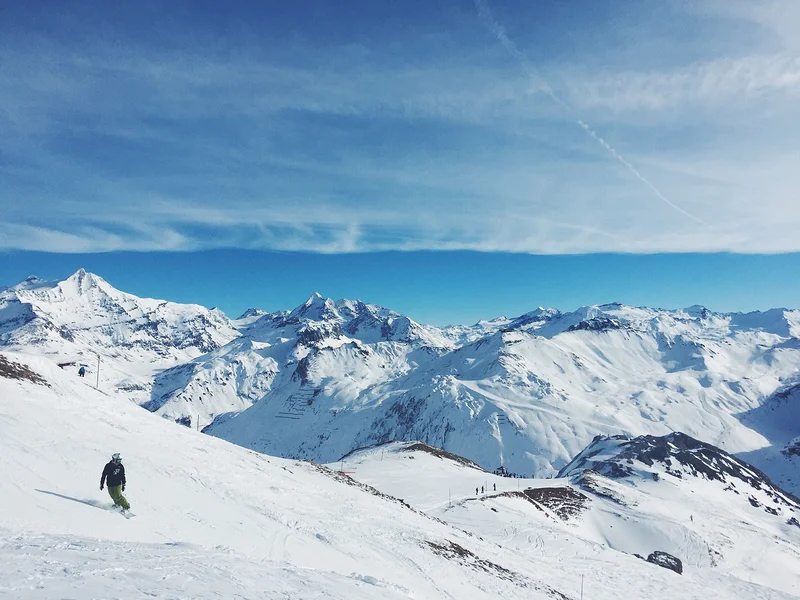
Perched at 1,500 meters, Verbier has drawn an international clientele for decades with its 4 Vallées ski area, one of the largest in Europe. The Tortin run, famous for its steep, mogul-covered pitch, serves as a true test for advanced skiers.
When evening arrives, the resort transforms. The center's bars fill up with a young crowd, largely British and Scandinavian, including local seasonal workers. You are far from the silence of the alpine pastures here, as the party runs late, especially during the Xtreme Verbier events that traditionally close out the freeride season.
Le Châble and the Deep Valley Villages
About ten minutes by car or cable car from Verbier, Le Châble breathes at an entirely different rhythm. It serves as the administrative hub of the municipality, renamed Val de Bagnes after its 2021 merger with Vollèges, complete with local shops and a regular market.
The Mauvoisin Dam
At the far end of the valley, the Mauvoisin Dam impresses with its sheer height, standing among the tallest arch dams in Europe. The access road cuts through dramatic mineral landscapes with views of the Giétro glacier on clear days.
Fionnay and the Alpine Pastures
Fionnay acts as a launching pad for several hikes leading up to high-mountain huts, including the FXB Panossière hut, at the foot of the Corbassière glacier. The vibe here is noticeably more rustic, far removed from the bustle of the resort.
Friendly tip: to dodge the crowds and high prices of Verbier while keeping full access to the ski domain, stay in Le Châble and catch the first gondola up in the morning. You save money and time without missing a single run.
Summer Hiking and Mountaineering
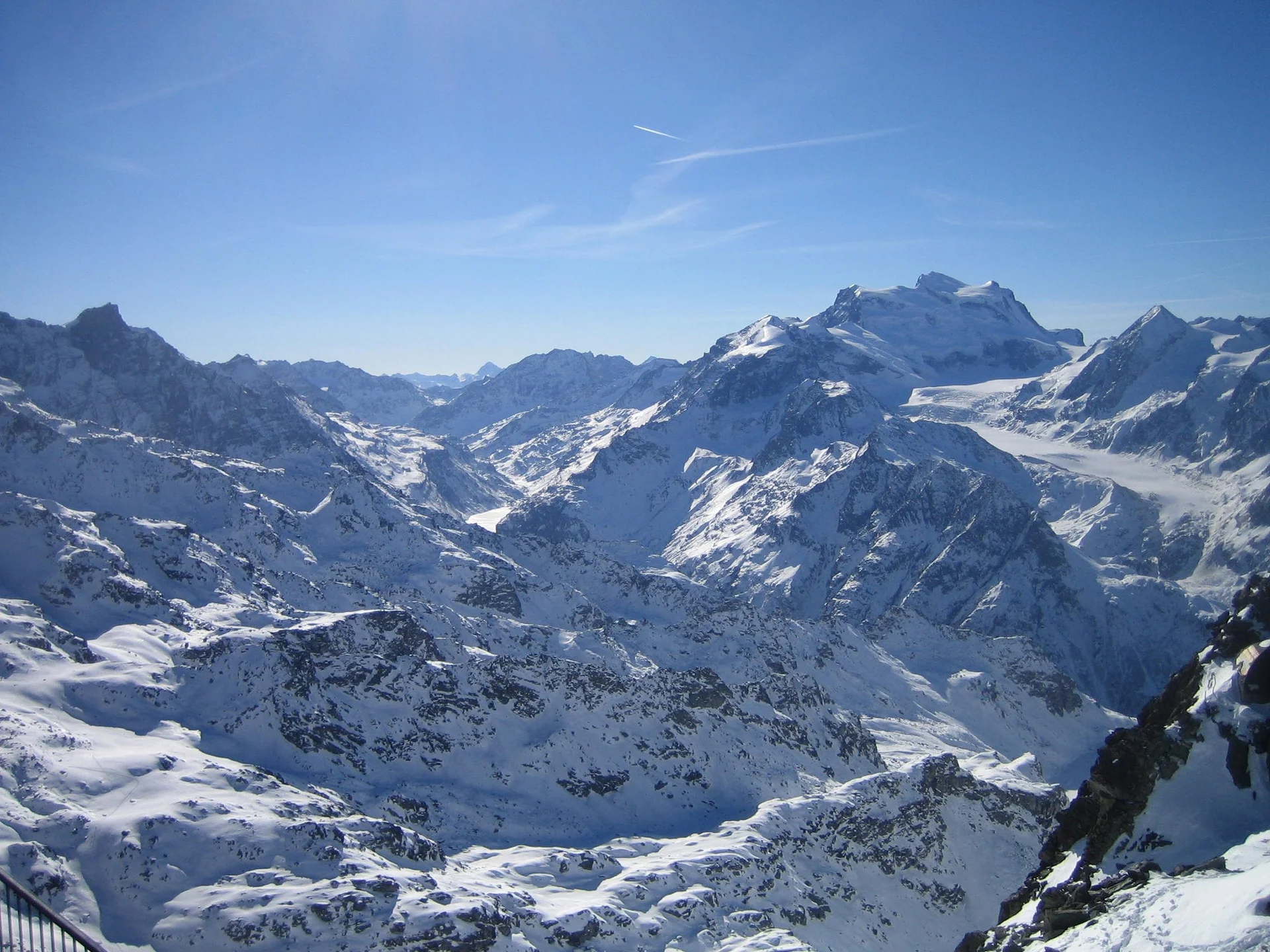
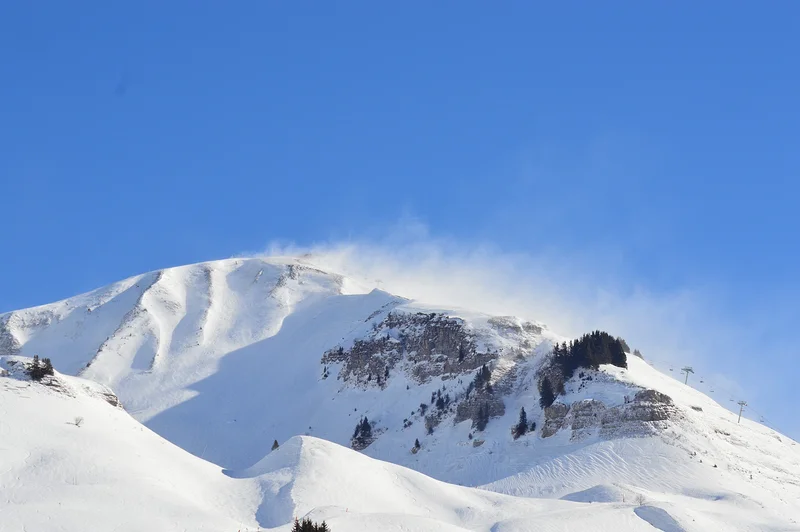
Summer completely flips the character of the valley. The lifts keep running to give you access to high-altitude trails, notably toward Mont Fort which peaks at over 3,300 meters and offers sweeping panoramas stretching toward Mont Blanc.
More relaxed hikers will enjoy the Vine Trail or walks around the mayens, those traditional stone-and-wood alpine chalets scattered across the valley.
Where to Eat and Drink in Bagnes?
The signature dish of the region remains Valais raclette, made with local cheese often aged in natural rock cellars. Up in Verbier, several mountain restaurants also serve half-and-half fondue, a rich blend of Gruyère and Vacherin.
For a more grounded experience, track down the raclette cellars in Le Châble, which see fewer tourists than the resort spots and are often run by local families.
Where to Stay in Bagnes and Around?
Verbier claims the lion's share of high-end lodging, luxury chalets, and full-service spas. For a friendlier budget, Le Châble and Villette offer guesthouses and smaller inns at friendlier rates, just minutes from the main cable car.
The campgrounds deeper in the valley toward Fionnay appeal to summer backpackers looking for a practical basecamp near the glaciers.
How to Get to Bagnes?
The closest major international airport is Geneva, roughly a 2.5-hour drive away. Sion also features a small regional airport with limited seasonal flights. By train, the line out of Martigny runs to Le Châble via Sembrancher, with no car or bus transfer needed.
How to Get Around Bagnes?
The cable car linking Le Châble to Verbier forms the backbone of winter travel. In summer, a network of buses serves the upper valley villages, though frequencies drop outside the main tourist windows.
Renting a car is helpful for exploring isolated hamlets like Mauvoisin, particularly outside the winter months when public buses run infrequently.
When to Go to Bagnes?
The ski season generally runs from December through April, hitting peaks in both crowds and pricing during the Christmas and February school breaks.
Summer, running from June to September, delivers prime conditions for trekking and glacier access. Skip May, a transitional shoulder month when the weather tends to be gray, the lifts close for maintenance, and the high-altitude snowpack begins to melt.