
Visiting Grenoble
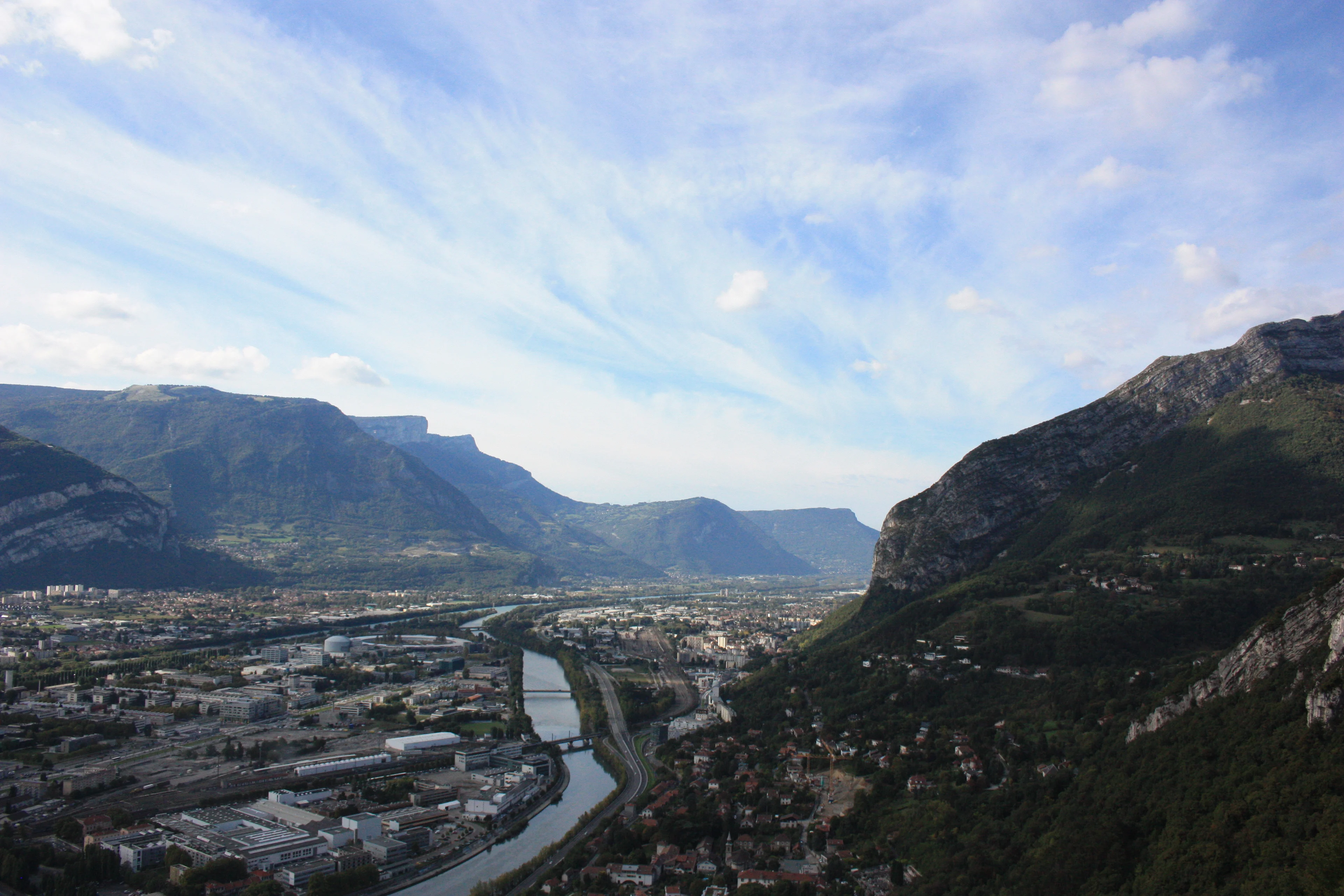
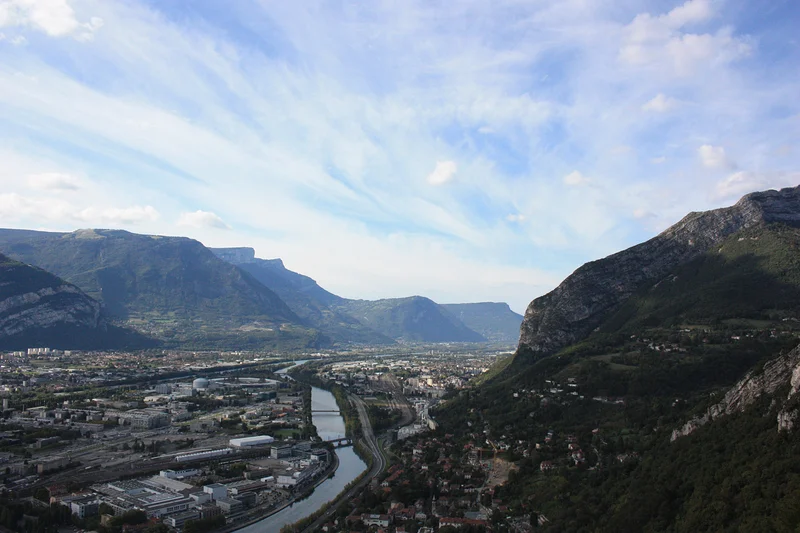
Home to over 150,000 residents, Grenoble is a modern city hemmed in by mountains, a geographic reality that its native son Stendhal famously pointed out. From the installation of one of the world's first urban cable cars in 1934 to its transition into a major scientific hub and the hosting of the 1968 Winter Olympics, Grenoble has always been a place of innovation. The city began its environmental pivot in 1987 by launching a tramway network. As the first major city in France to elect an ecologist mayor in 2014, it has since built out an extensive cycling network known as Chronovélo, cementing its status as one of the most bike-friendly cities in France.
Grenoble, city of art and history
The city has deep roots. The Musée archéologique Saint-Laurent preserves a 6th-century crypt that serves as a testament to its long past. The arrival of the comtes d'Albon marked the beginning of a period of significant growth. Founded in 1906, the Musée dauphinois des arts et traditions populaires explores the history and culture of the Dauphiné region, for which Grenoble once served as the capital.
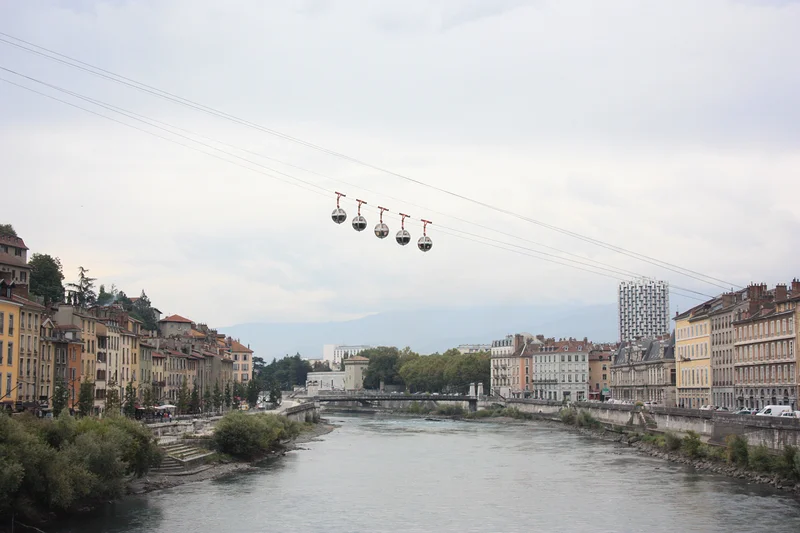
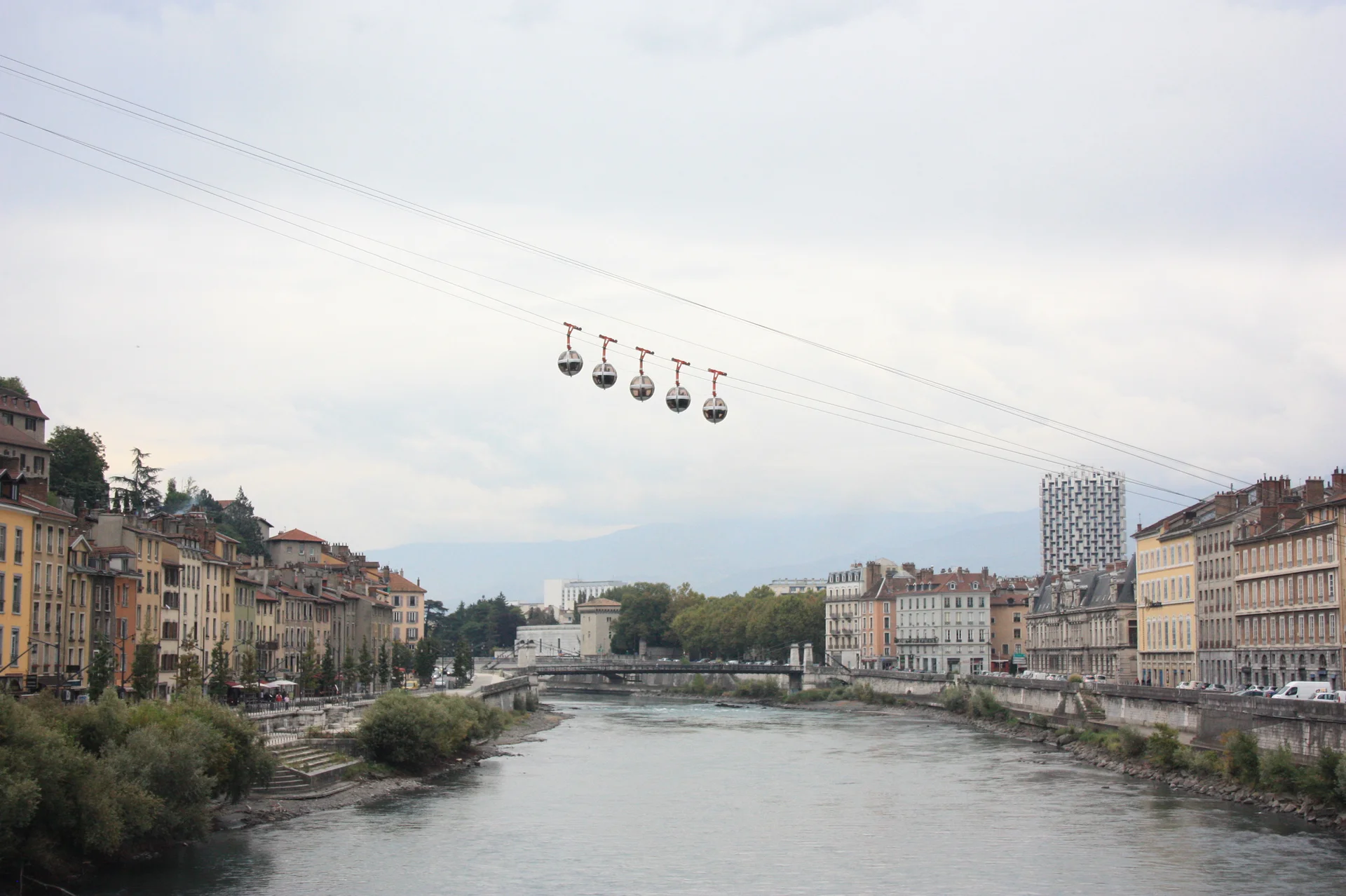
Spend time walking along the banks of the Isère, which are lined with restaurants and lively spots. Near place de la Cimaise, you will find a fountain depicting a lion fighting a snake, a symbol said to represent the courage and greatness of the people of Grenoble.
Cross the passerelle Saint-Laurent, the city's oldest bridge, which connects the Mounier and Jongkind quays. Continue toward the city center and place Grenette. Along the way, stop at the Halles Sainte-Claire for lunch, a market hall that gathers the best of local gastronomy. Be sure to explore the neighborhood to find its private mansions, especially that of the duc de Lesdiguières and its gardens. The cathédrale Notre-Dame and the former episcopal palace museum are close by. Don't miss the Musée de Grenoble, home to an impressive collection of art spanning from the 13th to the 21st century.
The symbols of Grenoble
Beyond the historic core, no trip to Grenoble is complete without visiting the Bastille. This former military fort is perched high on a hill in the Chartreuse massif and can be reached on foot or via the cable car, known locally as the bulles (bubbles). The view of the city from the summit is impressive at any time of day.
Next, head to the domaine de Vizille. The castle and its English-style gardens have been converted into the Musée de la Révolution Française. It was here that the first states-general of the Dauphiné took place, setting the stage for the events of 1789.
When to go
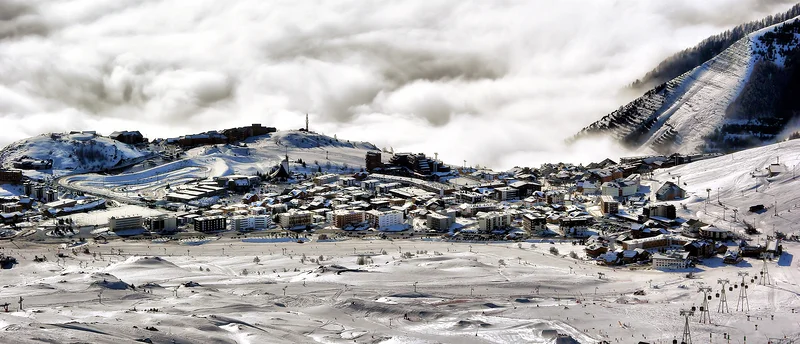
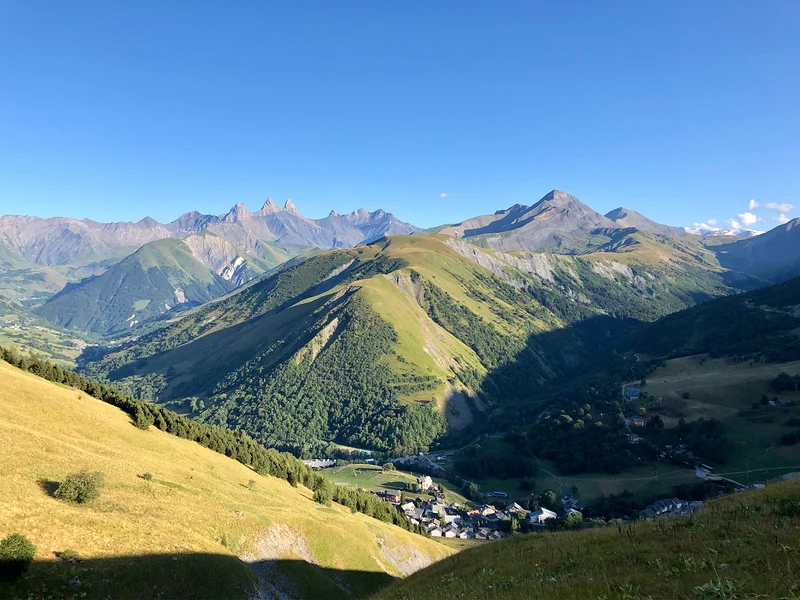
Grenoble is worth visiting in both winter and summer, depending on whether you want to hit the many surrounding ski resorts.
How to get there
Grenoble is accessible by air via Grenoble Alpes Isère Airport. The city is also easy to reach by train. By car, it sits at the crossroads of the A41, A48, and A51 highways.
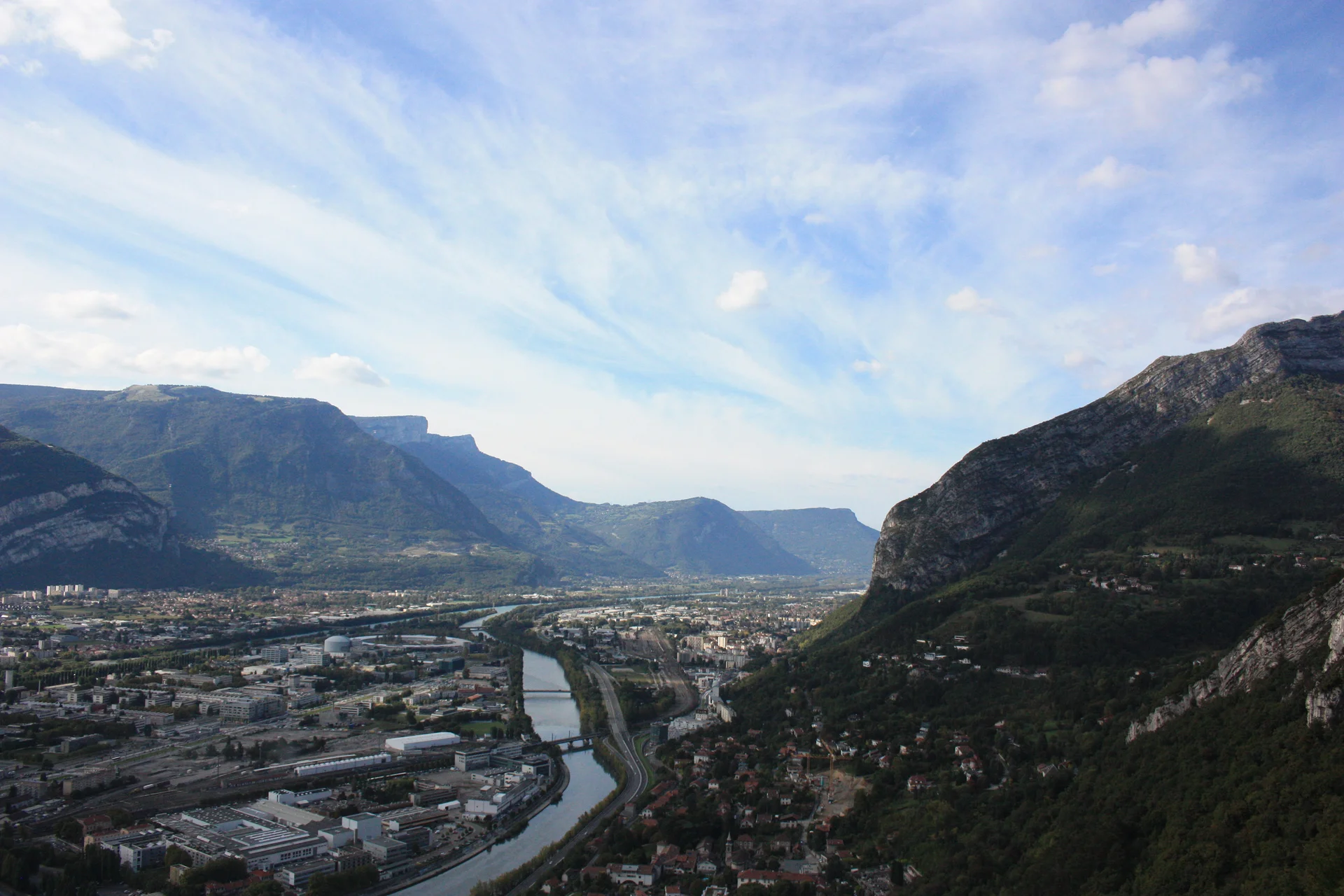
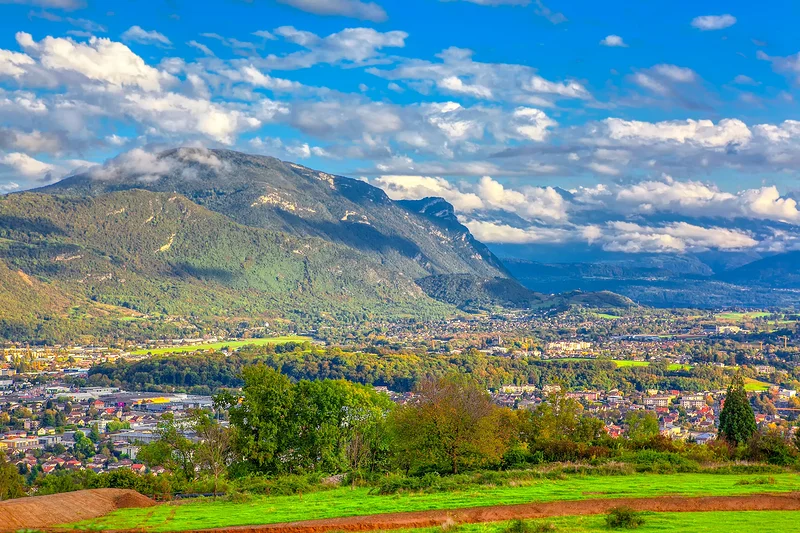
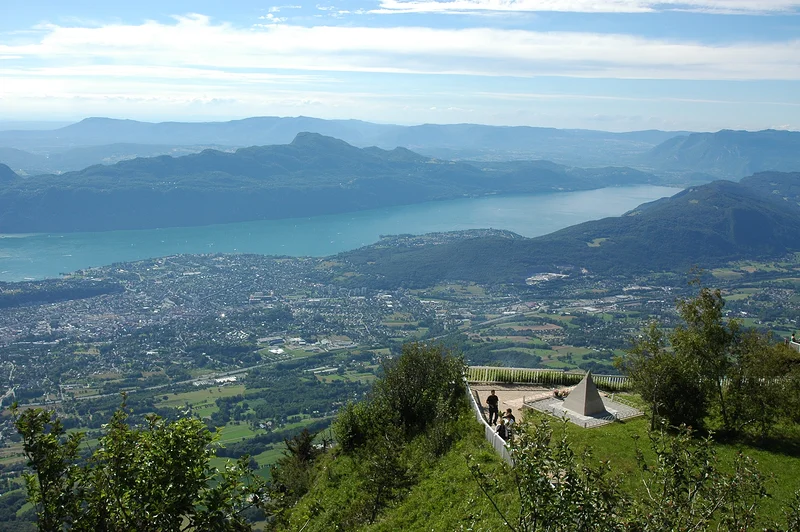
Perfect for a short stay, Grenoble has a few perks, including its many green spaces, which are pleasant for escaping the sometimes stifling heat. Whether you go up on foot or by the bubbles, take a trip to the Bastille, where you will discover a superb view of the capital of the Alps. The Isère prefecture is ideal for sports fans, with high-level clubs in various disciplines (soccer, rugby, ice hockey, and roller hockey in particular).