
Visiting Chambéry
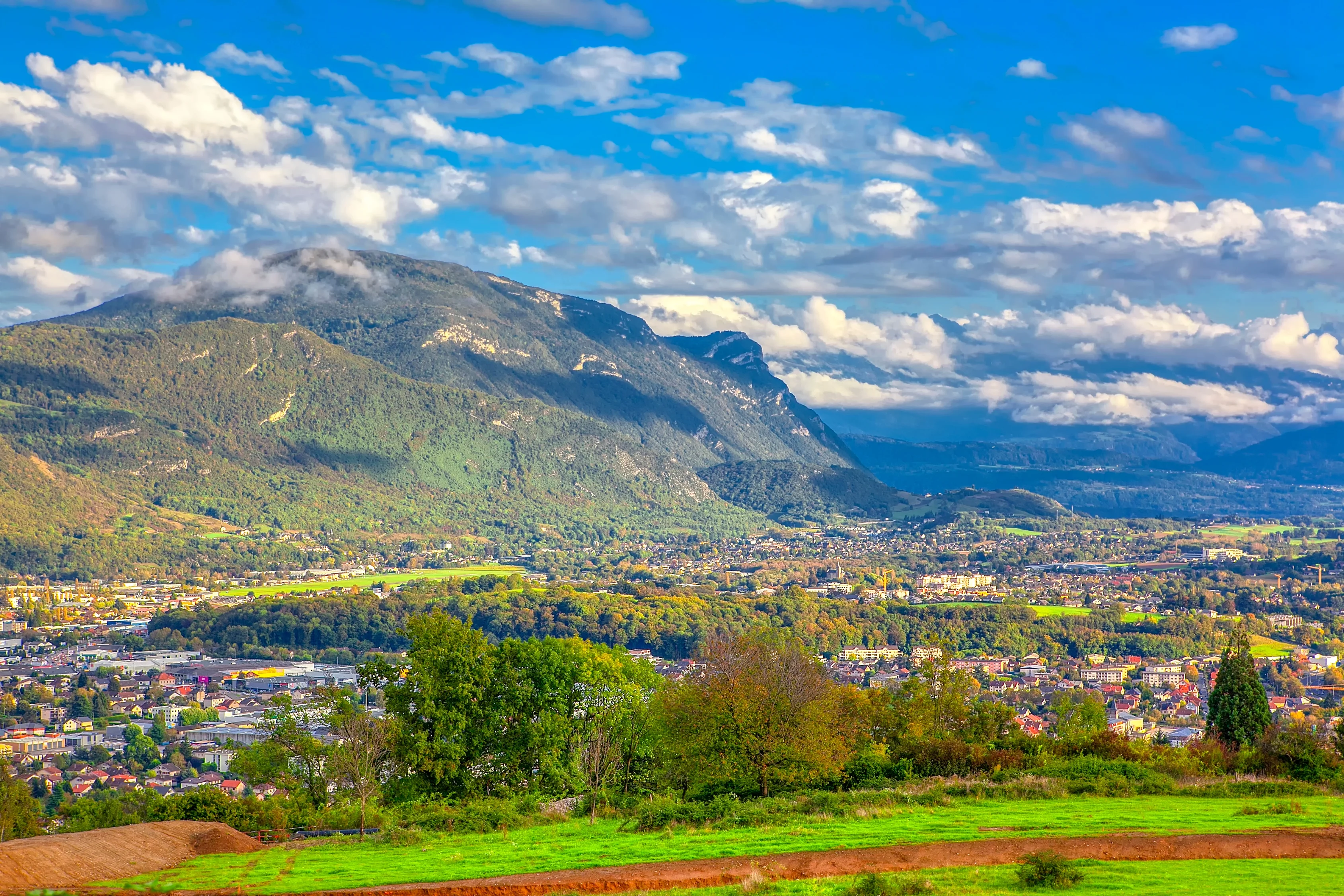
As the historic capital of Savoy, Chambéry serves as the gateway to the Alps. The city sits backed against two regional natural parks, the Chartreuse and the Bauges. People have lived in this area since the Middle Neolithic period, around 4000 BC. It grew significantly thanks to its strategic spot along trade routes connecting Lyon and the cities of northern Italy. Starting in the 13th century, the Counts of Savoy made Chambéry their capital, breaking away from the rule of the Holy Roman Empire. Plenty of landmarks remain from this era, including the Château des Ducs and its Sainte-Chapelle, which housed the Holy Shroud between 1452 and 1578 before it moved to Turin.
The rich heritage of Chambéry
Chambéry is often treated as just a quick stop on the way to the mountains, but it actually holds some great architecture. The old town is packed with Renaissance townhouses linked by narrow passageways and quiet courtyards, similar to the traboules, the covered walk-through passageways of Vieux-Lyon. Kick off your walking tour at the lively Place Saint-Léger right in the center before wandering off into the side streets. That is where you will find the former residence of the Dukes of Savoy, now home to the prefecture, though part of it remains open to visitors. While you are there, do not miss the Grand Carillon, one of the biggest bell systems in the world with 70 bells.
The Cathedral of Saint-François-de-Sales is worth a stop in Chambéry. Its interior features extensive trompe-l'œil paintings done in the 19th century to mimic Gothic style, making up one of the largest trompe-l'œil collections in Europe. Also in the historic center, you will spot the city symbol, the Elephant Fountain, built to honor General de Boigne. After returning from successful expeditions in India, he funded major beautification projects for the city.
Culture and nature
On the cultural side, you can check out the Museum of Fine Arts, housed in a former grain market and featuring strong French and Italian collections. The Savoy Museum, located inside a 13th-century convent, dives deep into the history and culture of Savoy. The Natural History Museum of Chambéry is another standout site, running for over 150 years entirely managed and organized by a volunteer community. A bit further out, make sure to visit Les Charmettes, the former home of Jean-Jacques Rousseau turned into a small literary museum, which offers great walking paths overlooking the surrounding mountains.
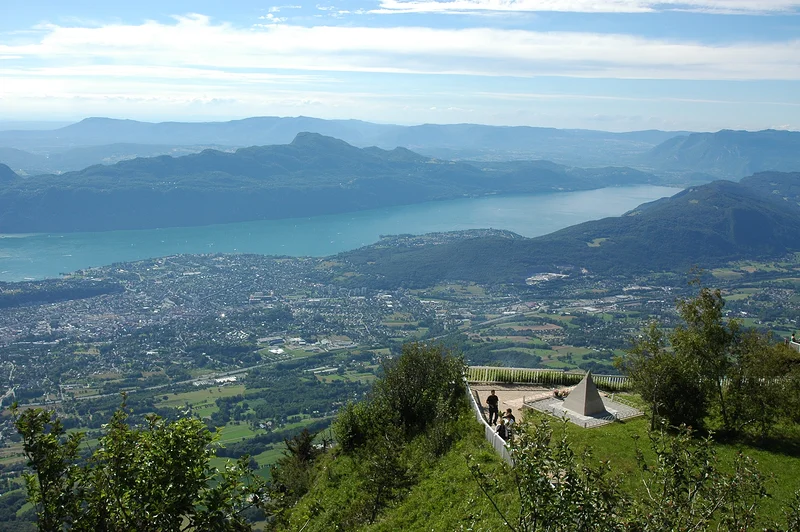
The city makes a solid base for hiking and outdoor activities like canyoning in the Bauges massif or swimming in Lake Bourget and Lake Aiguebelette.
When to go?
You can visit Chambéry in either summer or winter, depending on what kind of trip you want to put together.
How to get there?
Chambéry has its own regional airport, Chambéry-Savoie Airport. Coming from North America means connecting through Paris or another European hub; from there you can also reach the city through Lyon-Saint-Exupéry Airport or Geneva Airport. High-speed TGV trains connect to the city as well. Once you arrive, you can hop on the V63 greenway, a paved bike route that takes you out to the region's best spots.
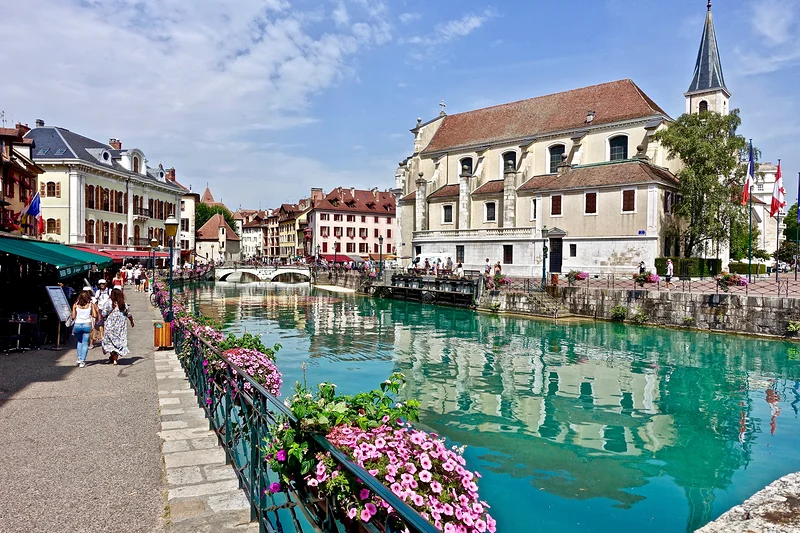
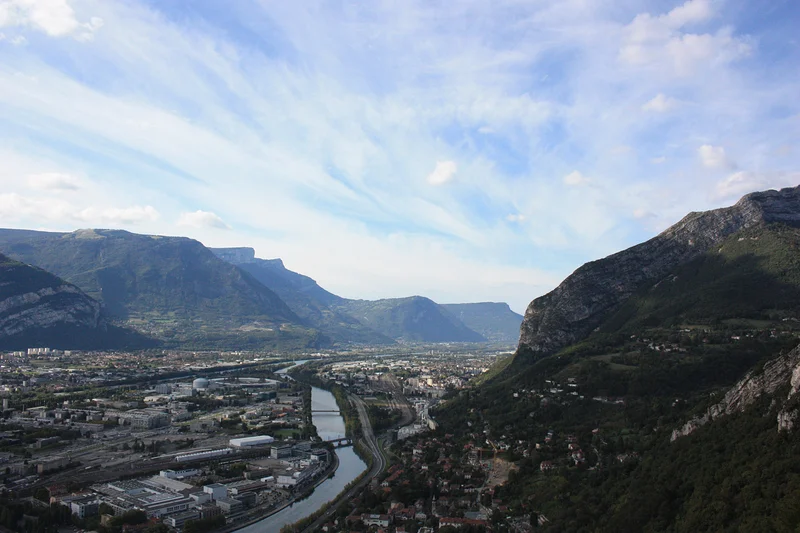
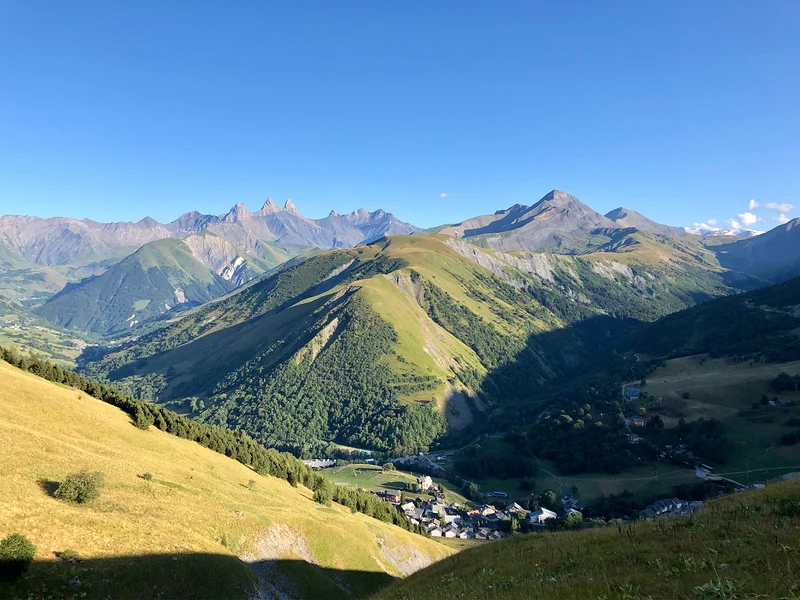
Spent a short weekend in Chambery almost by accident, without too many expectations. A very pleasant surprise, with an old town center full of charm and life. Lots of cozy spots to grab a drink or sit down for a meal at reasonable prices (though not exactly cheap either).
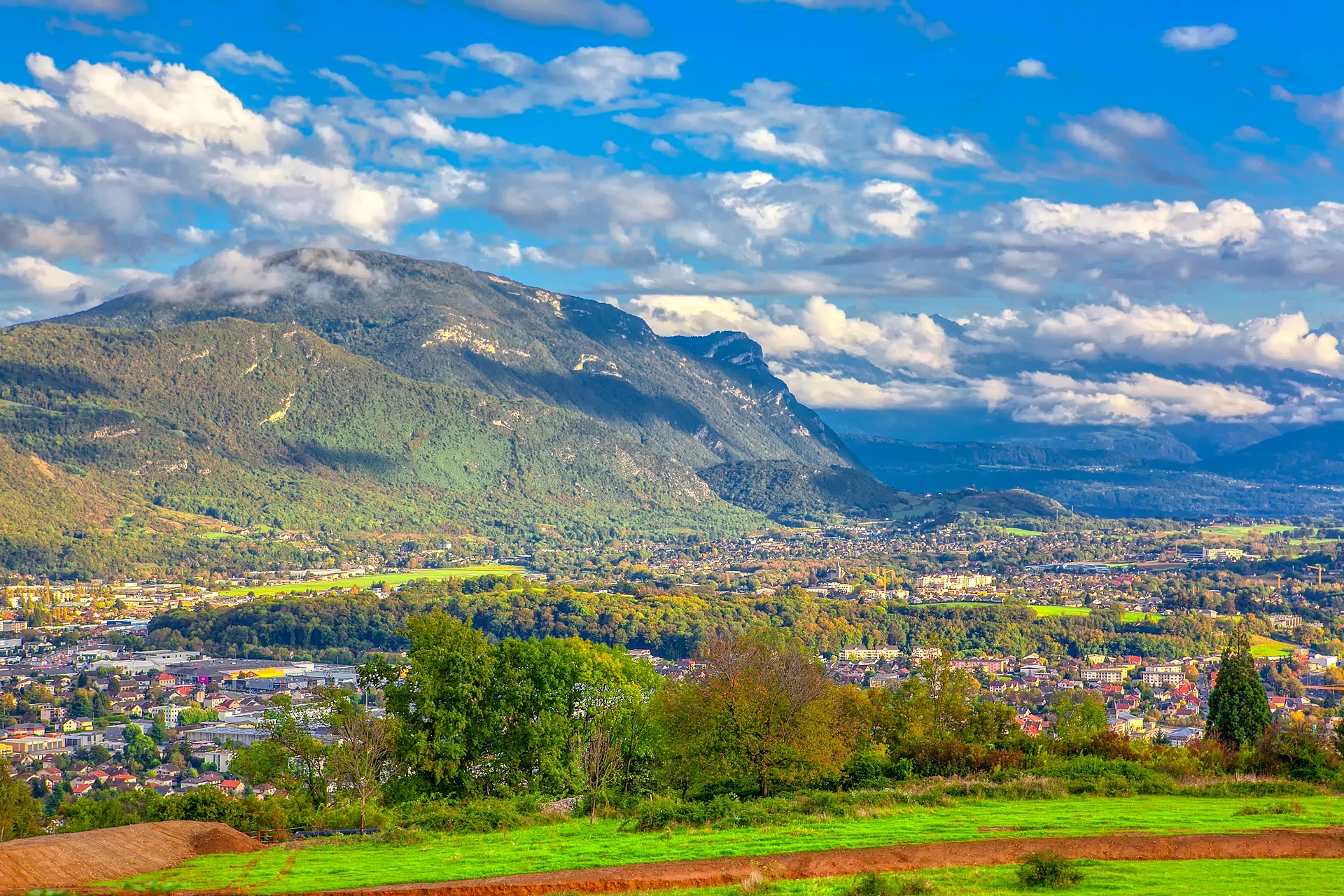
The setting of the city, with its mountains, is really lovely to see.