
Lyon, A Capital for Food Lovers and the Curious
It is 8:00 AM on the banks of the Saône. A light fog hugs the ochre facades of Vieux Lyon, and the cobblestones still gleam with morning dew. Somewhere nearby, a baker is pulling the first praline brioches from the oven. That aroma of caramelized sugar and roasted almonds means Lyon is waking up. This is a city where the food is remarkably good, where getting lost in secret passageways is part of the charm, and where two rivers shape a fascinating urban geography.
Is Lyon Right for You?
Lyon will win over travelers who appreciate hearty, unpretentious food. If you dream of checkered tablecloths, paper napkins, and robust dishes served with plenty of personality, you are in the right spot. The city also suits urban hikers well. Its hills offer sweeping views, but you have to earn them, so pack comfortable shoes.
On the flip side, if you are looking for a beach vacation, skip this trip. Lyon can also disappoint travelers who dislike crowds. The Presqu'île buzzes with activity on Saturdays, and certain neighborhoods become tough to navigate during the Fête des Lumières in early December.
A Reasonable Budget for a Major City
Expect to spend $90 to $169* per day for a couple, lodging included. A meal in a traditional bouchon costs between $23 and $40* per person. Public transit runs efficiently, and a day pass at $7.30* lets you explore everywhere without breaking the bank.
Vieux Lyon and Its Traboules: The Renaissance District
Vieux Lyon forms one of the largest Renaissance architectural ensembles in Europe. It consists of three sectors: Saint-Jean, Saint-Paul, and Saint-Georges. Saint-Jean draws the most crowds, Saint-Paul stays quieter, and Saint-Georges keeps a distinct village feel.
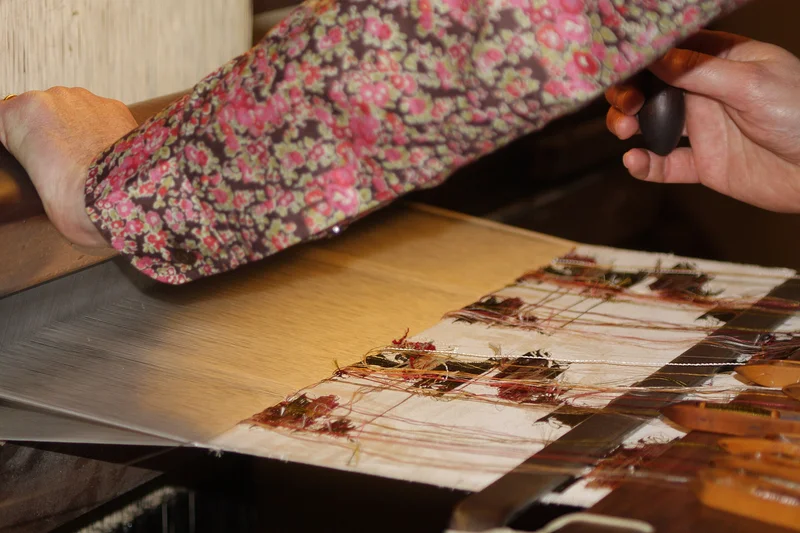
The traboules are covered passageways cutting right through residential buildings. Historically, silk workers known as canuts used them to transport their fabrics sheltered from the rain. Today, about forty of them remain open to the public. Push open the heavy wooden doors and step into the inner courtyards, where some hide monumental spiral staircases.
Friendly tip: The traboule running from 54 rue Saint-Jean to 27 rue du Bœuf is spectacular but crowded. Opt for the one at 16 rue du Bœuf instead, which is less known and features a pink tower and a Renaissance well.
La Croix-Rousse: Silk Worker Heritage and Neighborhood Life
The hill of Croix-Rousse long served as the home of Lyon's silk weavers. Their high-ceilinged apartments, originally built to accommodate bulky looms, now make for sought-after, light-filled homes. The neighborhood retains its working-class, independent spirit.
The Croix-Rousse market, held every morning along the main boulevard, ranks among the best open-air markets in France. Goat cheeses from Pilat, cured sausages from the Ardèche, and vegetables from local farmers fill the stalls with fresh, flavorful produce. Walk up the montée de la Grande Côte to feel the pulse of the district, browse independent designer shops, and grab a coffee where locals debate current events.
The Presqu'île: Commercial Elegance
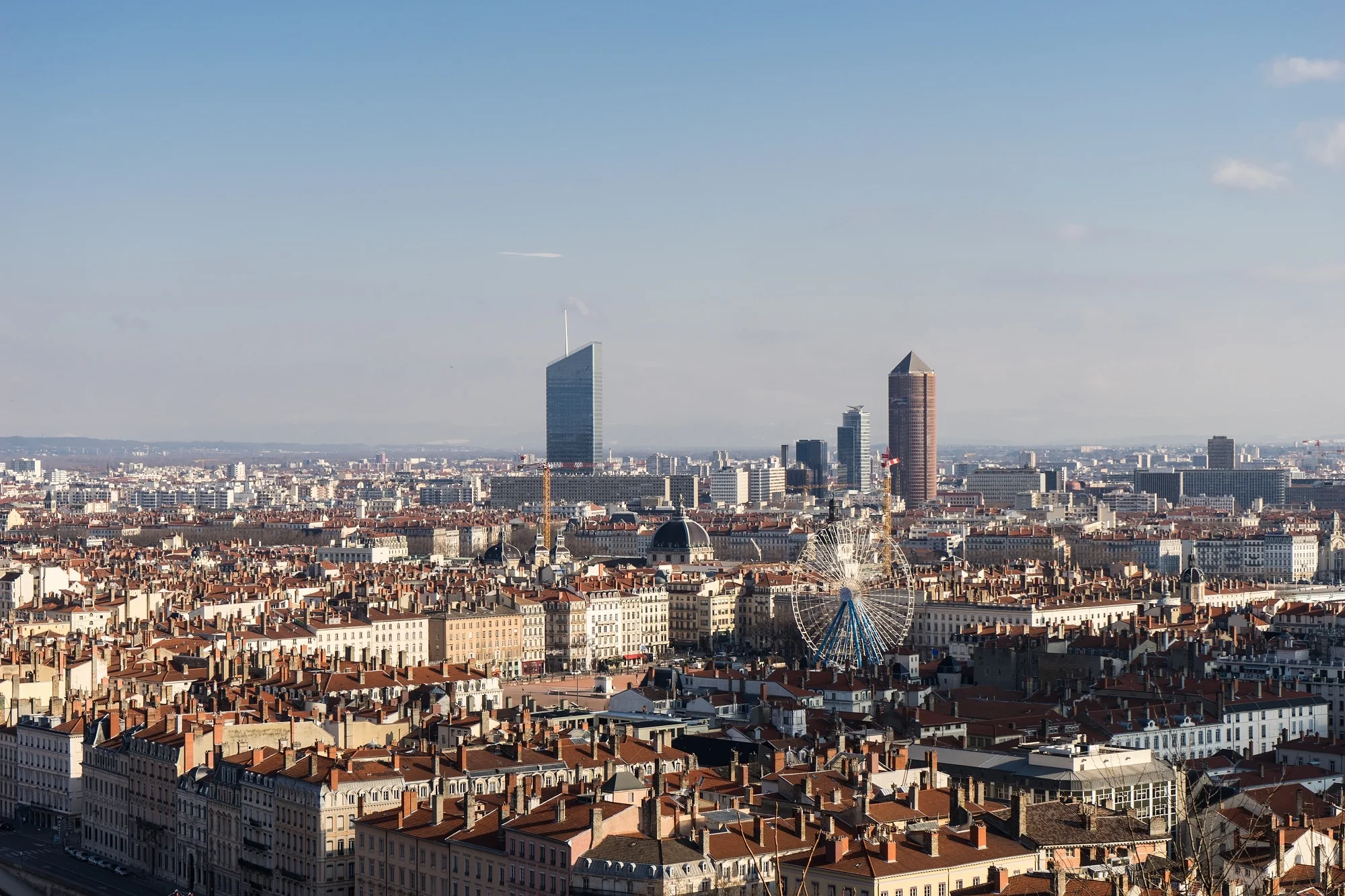
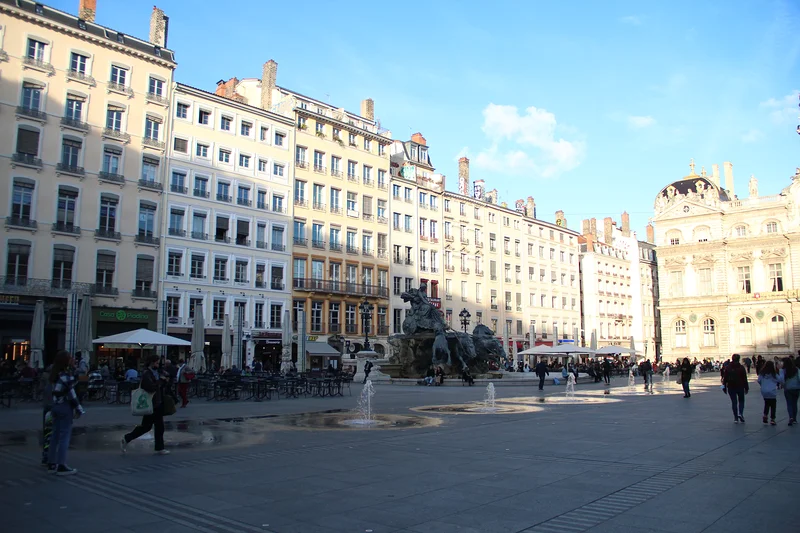
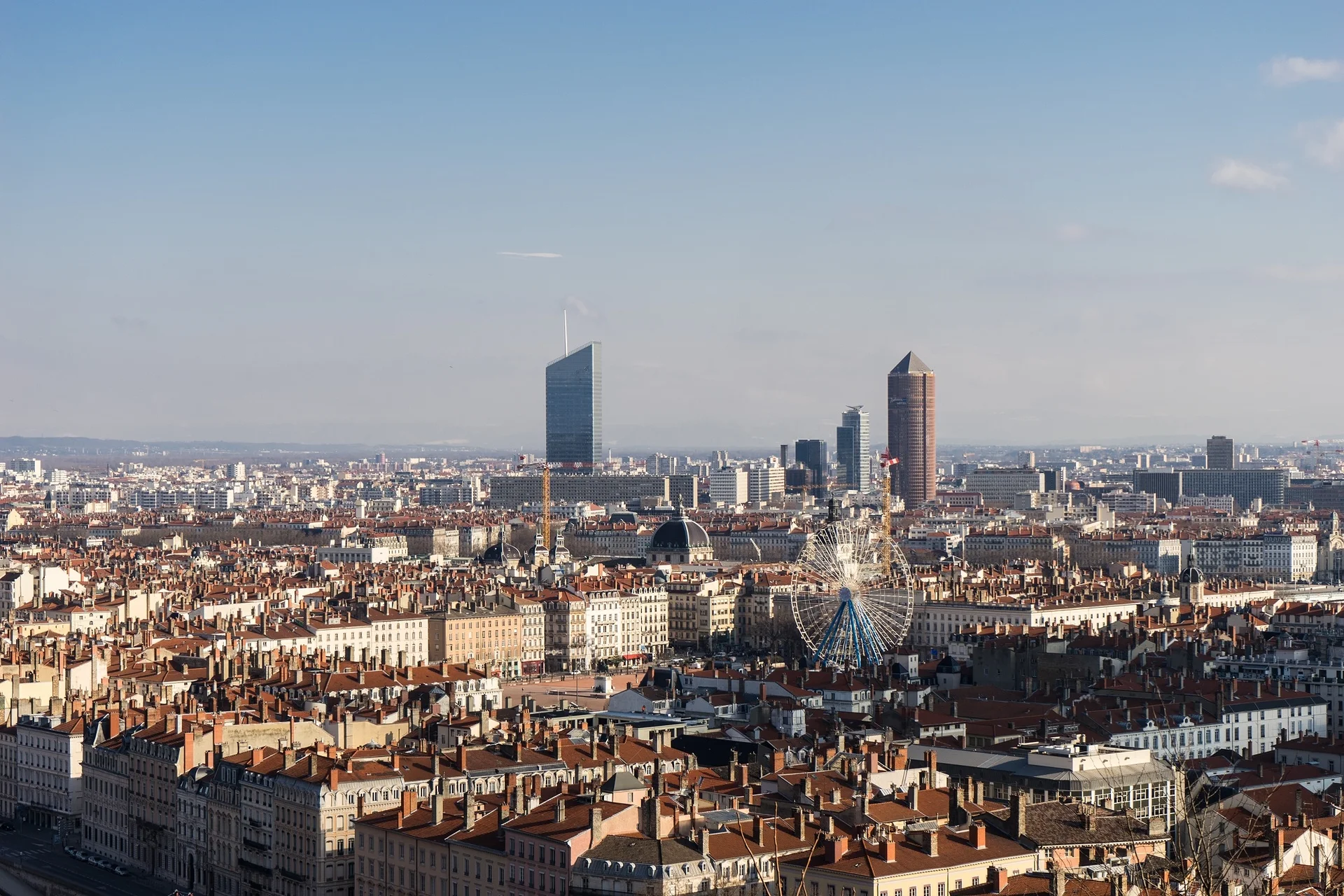
Wedged between the Rhône and the Saône, the Presqu'île packs in boutiques, theaters, and classic brasseries. Place Bellecour, one of the largest public squares in Europe, impresses with its sheer scale even if it lacks a bit of character. Instead, head to Place des Terreaux to see Bartholdi's grand fountain, or wander the narrow streets around rue Mercière.
The Ainay district, just south of Bellecour, offers a quieter, more upscale side of the Presqu'île. Antique dealers, art galleries, and understated restaurants thrive here. On Sunday mornings, the Place Carnot market draws local families out for a stroll.
Fourvière and the Right Bank of the Saône
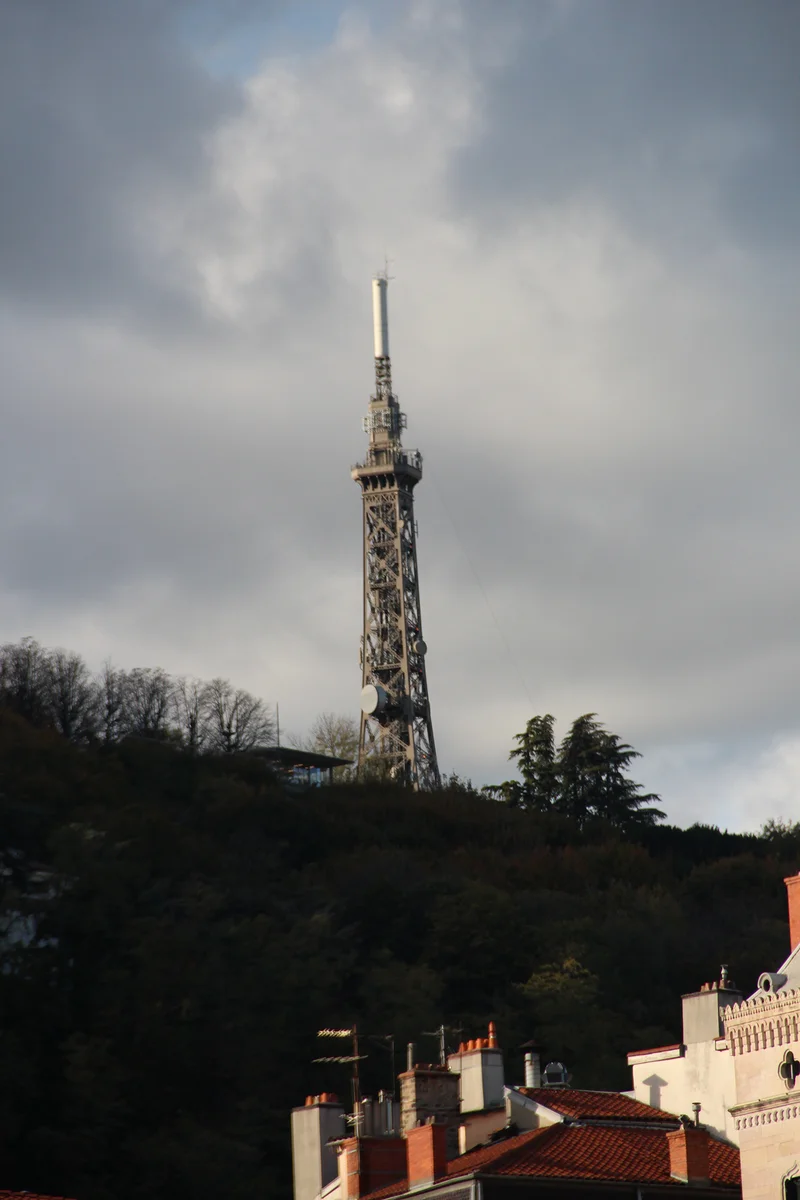
The basilica of Notre-Dame de Fourvière looks down over the city from its hilltop perch. Locals affectionately call it the inverted elephant because of its four stout towers. The interior divides opinion with its unapologetic mix of gold mosaics and multi-colored marble, but the view from the esplanade satisfies everyone.
Just below, the ancient theater and the Odeon stand as reminders of Lugdunum's Roman past. The Gallo-Roman museum, tucked into the hillside, easily deserves an hour of your time. Walk back down via the jardin du Rosaire rather than taking the funicular, as the path winds through rose bushes and peeks out over the rooftops.
Friendly tip: Avoid Fourvière on Sunday afternoons and during wedding season, when the area around the basilica gets packed with visitors and wedding processions.
Where to Eat and Drink in Lyon
Lyon claims the title of world capital of gastronomy, and it is more than just marketing. The bouchons, traditional eateries with checkered tablecloths, dish out hearty, unpretentious comfort food. Pike quenelles in Nantua sauce, tablier de sapeur (breaded tripe), cervelle de canut (herbed cheese spread), and andouillette sausage do not hold back on richness.
For an authentic bouchon, look for the official "Les Bouchons Lyonnais" window sticker, which guarantees baseline quality. Café Comptoir Abel in the Ainay district and Daniel et Denise on rue de Créqui are solid bets. When it comes to drinks, the traditional pot lyonnais wine bottle holding 46 cl remains the local standard for ordering wine. Ask for a Côtes-du-Rhône or a Beaujolais, since you are right in their backyard.
How to Get to and Around Lyon
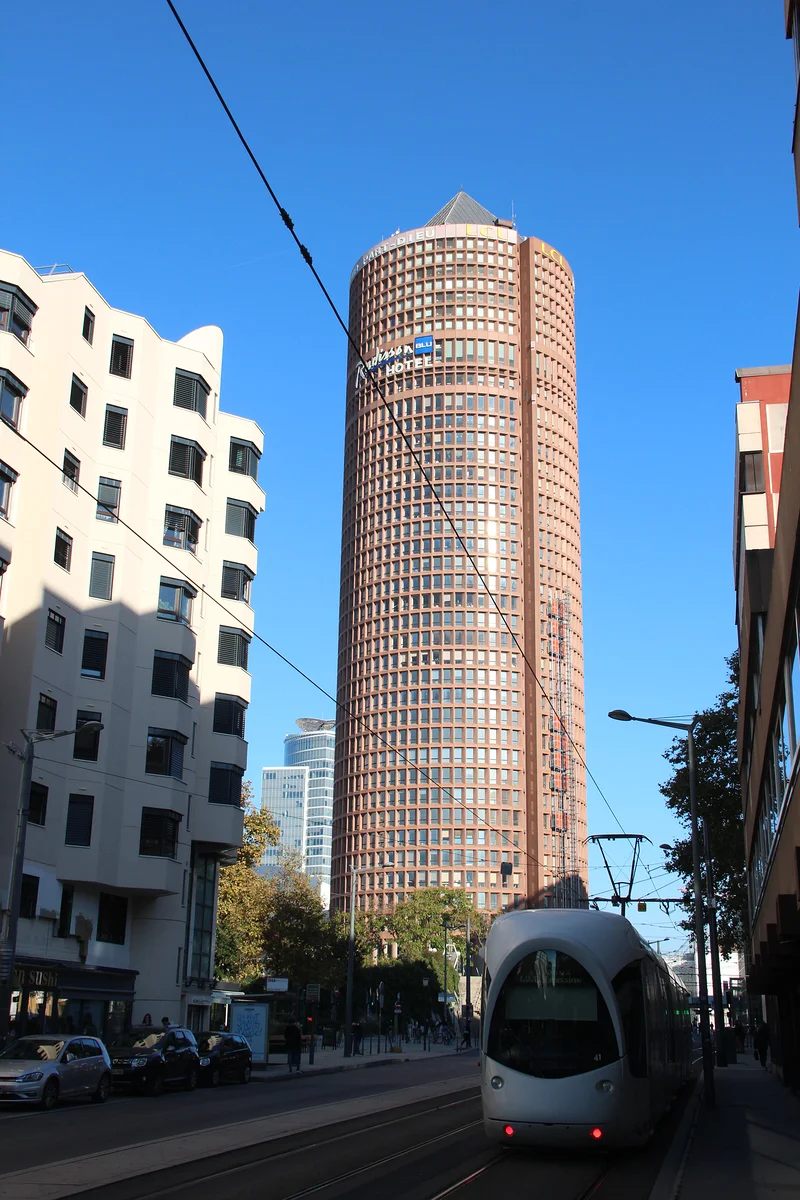
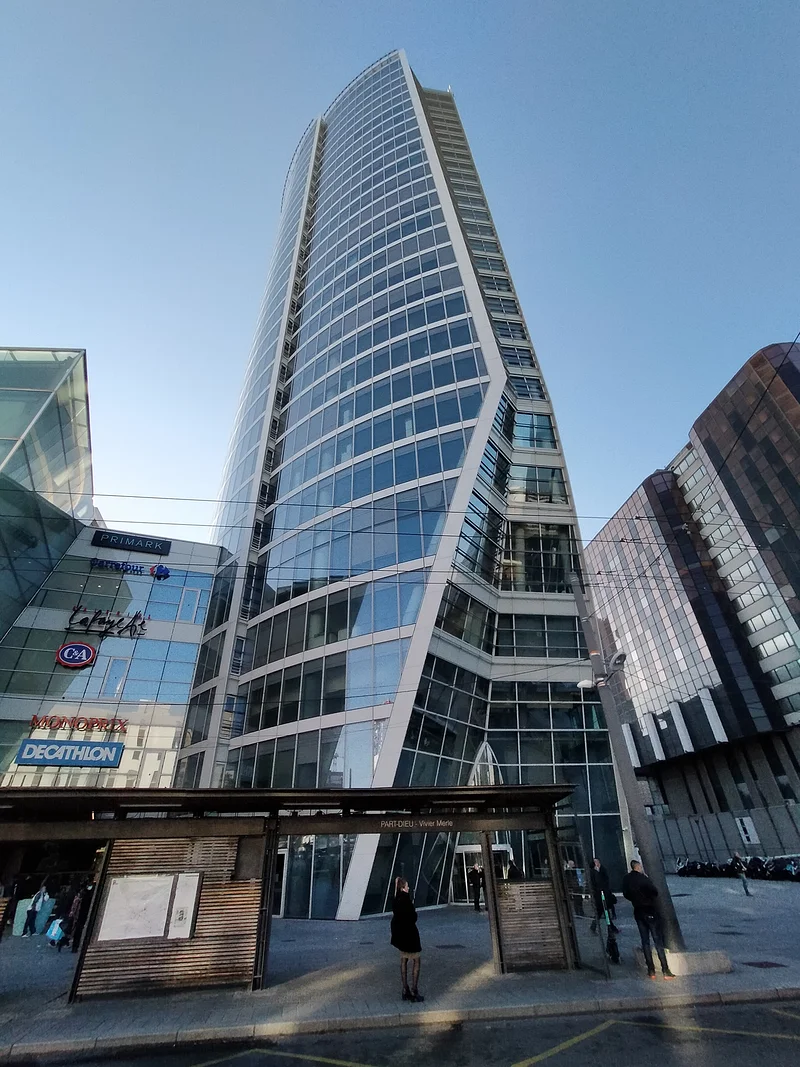
High-speed trains connect Paris to Lyon in 2 hours, with tickets starting at $33* if booked in advance. From Marseille, the trip takes 1 hour and 40 minutes. Saint-Exupéry Airport serves numerous European destinations, and the Rhônexpress tram links it to the Part-Dieu station in 30 minutes for $19*.
Once you arrive, the TCL transit network covers the city efficiently via metro, tram, and bus. The funiculars climbing up to Fourvière are included in standard transit tickets. On foot, Lyon is remarkably compact, requiring only about 25 minutes to walk straight across the Presqu'île.
When to go
Spring and autumn deliver the best weather conditions with mild temperatures, lively café terraces, and manageable crowds. Summer can feel stifling, with afternoon temperatures hitting 95 degrees Fahrenheit in July and August. The Fête des Lumières, spanning four days around December 8th, turns the city into an open-air art gallery but draws three million visitors, so book your lodging months ahead if you plan to visit then.

Si vous aimez les histoires de trésors, une autre rumeur sur Lyon raconte qu'une riche famille aurait converti leur fortune en un immense diamant, et l'aurait caché dans une statue de lion . On dit qu'il y serait toujours .
Selon certaines croyances ce ne serait pas un diamant qui est cacher, mais la pierre philosophale de Nicolas Flamel ( espèrons que Voldemort ne connaît pas ce détail ) .