
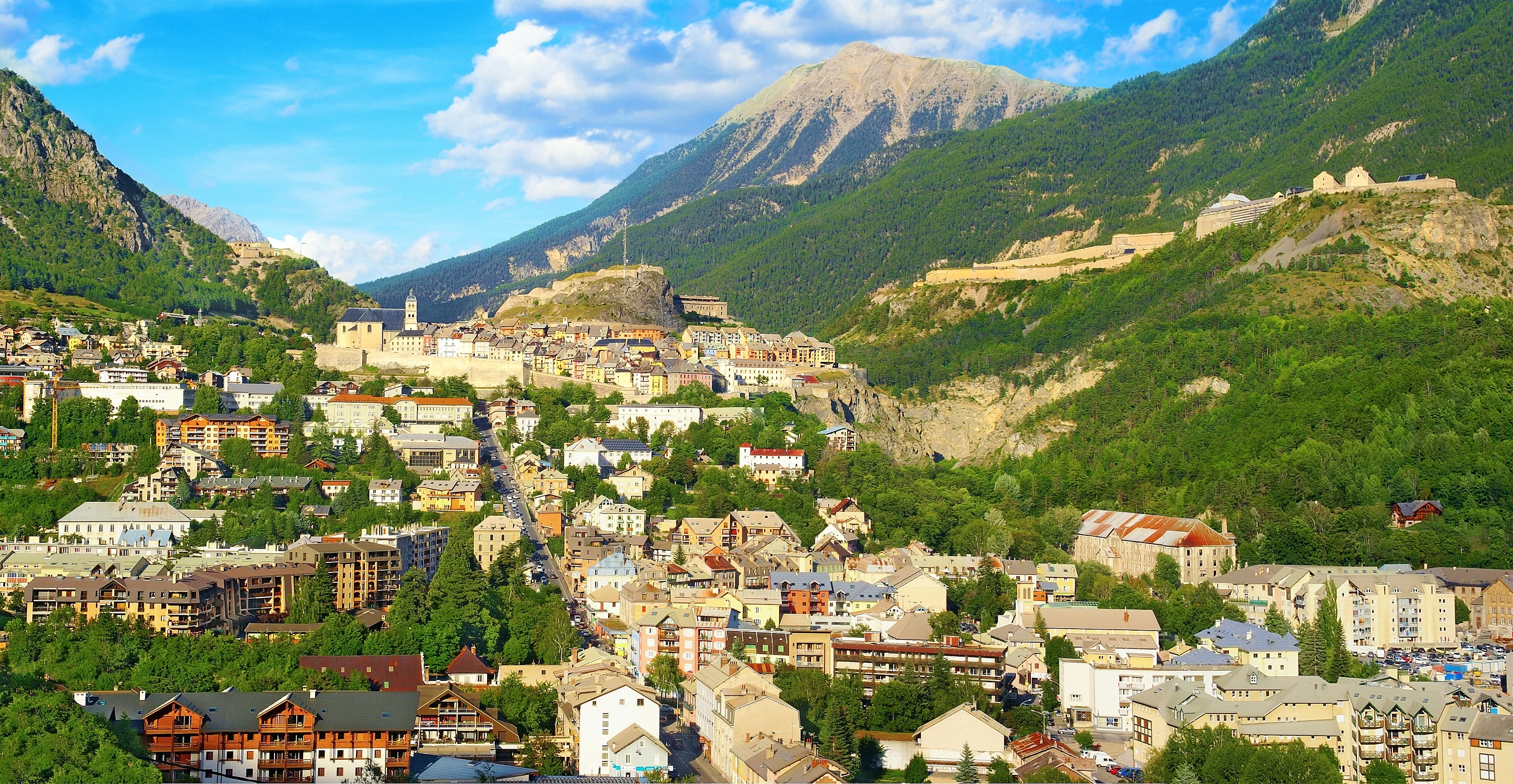
Briançon, the Citadel Locking Down the Alps
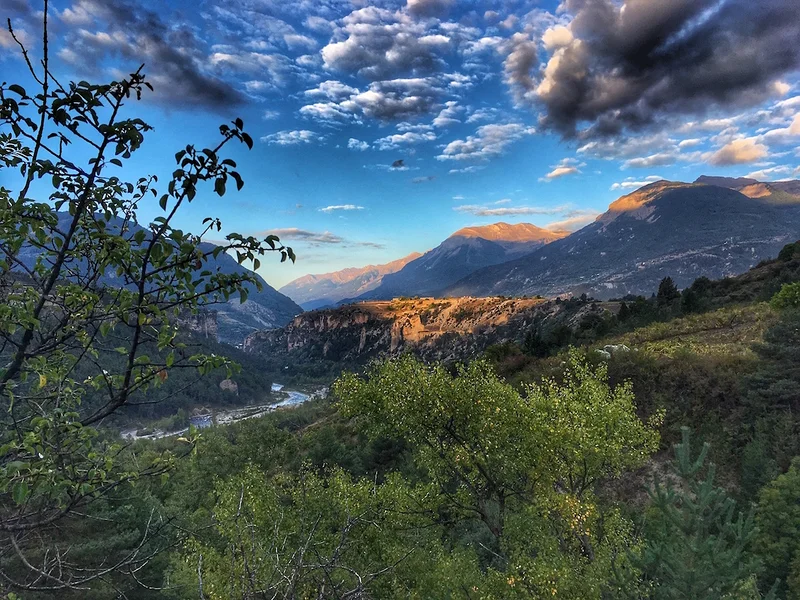
Sitting at an altitude of 1,326 meters, France's highest city is tucked into a mountain pass between the Écrins and the Queyras. Vauban fortified this rocky spur in the 17th century to keep an eye on the Italian border, barely a 20-minute drive away.
The result is a fortified town recognized as a UNESCO World Heritage site since 2008, suspended above the Durance valley with ramparts that still command the landscape just as they did on day one.
Is this destination right for you?
Do you love towns that tell a story while offering direct access to high-altitude peaks? Briançon hits both marks. Hiking enthusiasts, skiers, and military history buffs will find plenty to love here, all without the massive crowds or steep price tags of Chamonix or Courchevel.
On the flip side, if you are looking for bustling nightlife or a dense cultural scene with museums, theaters, and an active urban core, the city might feel quiet or even a bit sleepy outside the peak tourist seasons.
Good fit for:
- hikers and outdoor enthusiasts year-round
- fans of history and Vauban fortifications
- families looking for accessible and reasonably priced skiing
- travelers wanting to steer clear of overcrowded Alpine resorts
Bad fit for:
- nightlife lovers and clubbers
- those looking for major museum options
- travelers without a car wanting to explore the surrounding region
Reasonable pricing compared to major Alpine resorts
| Expense | Range |
|---|---|
| Night in a gîte or guesthouse | 35 to 55 € |
| Night in a comfortable hotel | 80 to 130 € |
| Quick bite on the go | 8 to 12 € |
| Sit-down restaurant meal | 20 to 35 € |
| Day ski pass (Serre Chevalier) | 40 to 50 € |
Estimated rates subject to change
Practical realities
The city operates at two entirely different speeds: packed in February during the ski break, and practically empty in May and November between seasons. The climate is dry and sunny, and Briançon boasts one of the highest sunshine rates in France, but winters are harsh with frequent sub-zero temperatures.
Without a car, exploring the surrounding valleys like Névache, Queyras, and the col de l'Izoard gets complicated since bus connections are sparse and geared mostly toward school schedules and ski shuttles.
The Upper Town, Fortified Heart
The Grande Gargouille and Main Street
The Grande Rue, also known as the Grande Gargouille, climbs steeply through the center of the old town, split down the middle by an open drainage channel that once carried away wastewater and melting snow. Colorful facades, small shops, and cafes line this cobblestone thoroughfare, which serves as the main spine of the fortified city.
Fort du Château and the Vauban Ramparts
The fortifications designed by Vauban encircle the upper town with ramparts, fortified gates, and the Fort du Château overlooking everything from a rocky promontory. Walking up to the fort takes a bit of effort, but the sweeping views over the Durance valley and surrounding peaks make the climb worthwhile.
Friendly tip: head up in the late afternoon when the sunlight rakes across the ramparts and the daytime heat breaks. The tour bus crowds will have already cleared out.
Major Climbs and Legendary Mountain Passes
Briançon is a natural launchpad for taking on some of the most famous passes in cycling and alpine hiking. The col de l'Izoard, a legendary Tour de France stage, sits about thirty kilometers away through the lunar landscape of the Casse Déserte. The col du Galibier and the col du Lautaret complete this trio, all accessible within a roughly one-hour drive.
For hikers, the Écrins National Park starts right at the edge of town, with trails leading up to high-altitude alpine lakes and active glaciers.
Skiing and Winter Sports at Serre Chevalier
The Serre Chevalier resort, which groups together several villages including Chantemerle and Villeneuve, stretches right alongside Briançon. The ski area spans more than 250 km of runs, with lift tickets that are noticeably easier on the wallet than neighboring Savoyard resorts.
Good to know:
- Vast and varied ski area covering everything from beginner slopes to backcountry terrain
- Lift ticket prices significantly lower than major resorts
- Option to stay right in Briançon and catch the slopes within minutes
Where to eat and drink in Briançon?
Local cooking draws heavily on mountain traditions: tourtons, which are small fried turnovers with sweet or savory fillings and a specialty of the Briançon region, along with alpine cheeses and mountain cured meats. The market held on Wednesday and Saturday mornings on place du Temple is the best way to sample local products without sitting down at a restaurant.
In the upper town, several restaurants focus on concise menus featuring ingredients from the valley. Prices remain generally reasonable compared to upscale ski resorts in the Northern Alps.
Where to stay in and around Briançon?
The fortified upper town draws travelers in for its historic character, offering guesthouses and small hotels housed in centuries-old buildings, often with views of the ramparts. The more functional lower town provides standard hotel options close to the train station and major roadways.
In the surrounding area, the villages of Serre Chevalier including Chantemerle and Villeneuve provide direct ski-in access ideal for winter, while the wilder Clarée valley pulls in travelers looking for quiet and nature during the summer months.
How to get to Briançon?
Driving remains the easiest option: plan for about 1.5 hours from Grenoble, 2.5 hours from Turin in Italy, and a bit over 4 hours from Marseille. The mountain road over the col du Lautaret or the col de Montgenèvre can close during heavy snowstorms, so check conditions before heading out in winter.
By train, the rail line terminates at the Briançon station with connections from Marseille or Grenoble, but the trips run long at often over 4 hours and operate infrequently. The closest airport with international flights is Turin, roughly 1.75 hours away by car.
How to get around Briançon?
The historic center is entirely walkable, and the cobblestone streets of the upper town are closed off to vehicle traffic in certain sections. For the lower town, a few local bus routes connect the neighborhoods, though they run on limited schedules.
To explore the mountain passes and nearby valleys, a car is practically essential, particularly outside the ski season when shuttle buses become scarce.
When to go to Briançon?
Summer between June and September delivers the best conditions for hiking and cycling, with open mountain passes and exceptionally clear light. Winter from December to March suits ski enthusiasts, with peak crowds arriving during the February school breaks.
The months of May and November bring a true lull: resorts close down, trails at higher elevations are sometimes still blocked by snow, and the town shifts into low gear. You are better off skipping this window if outdoor activities are your priority.
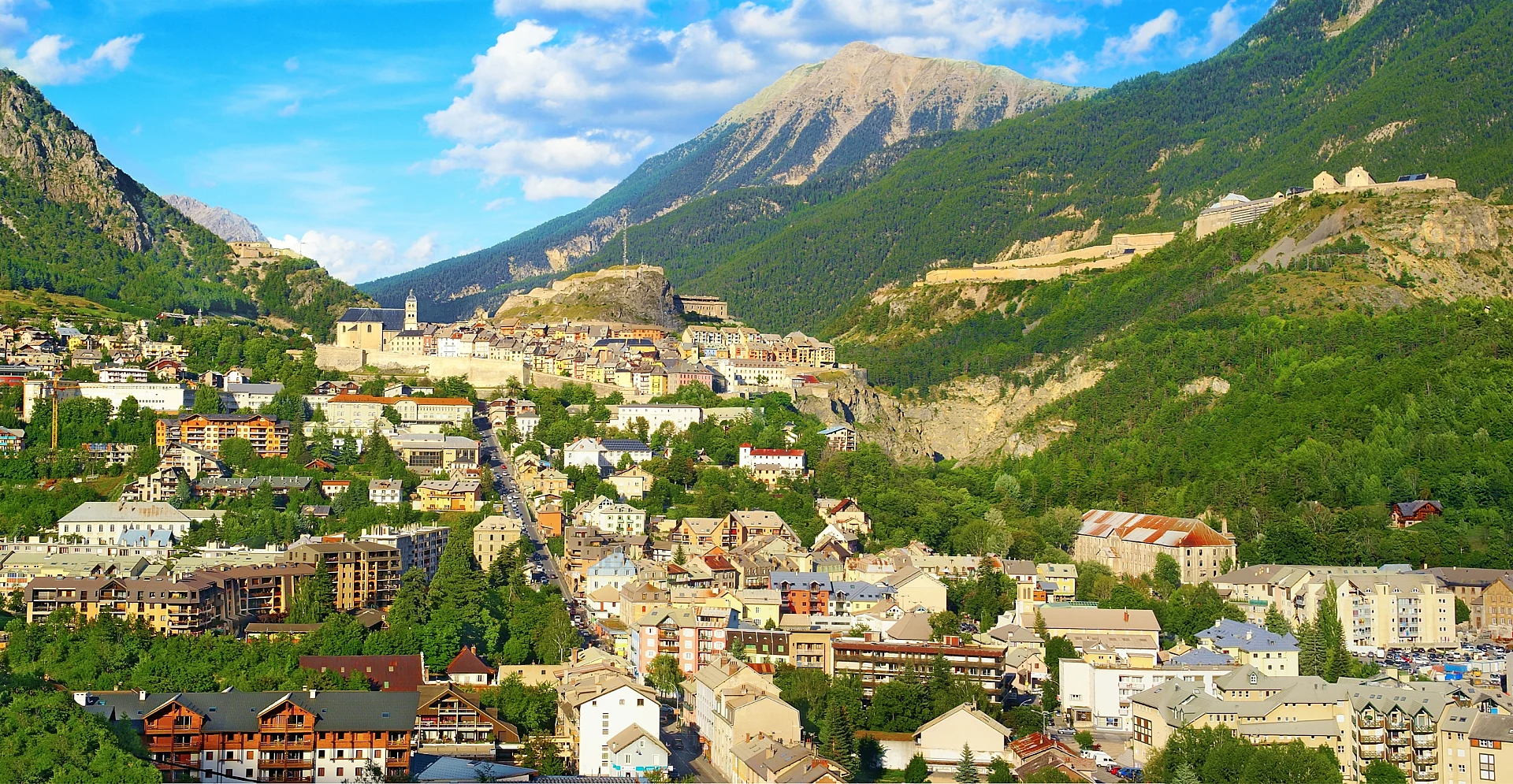
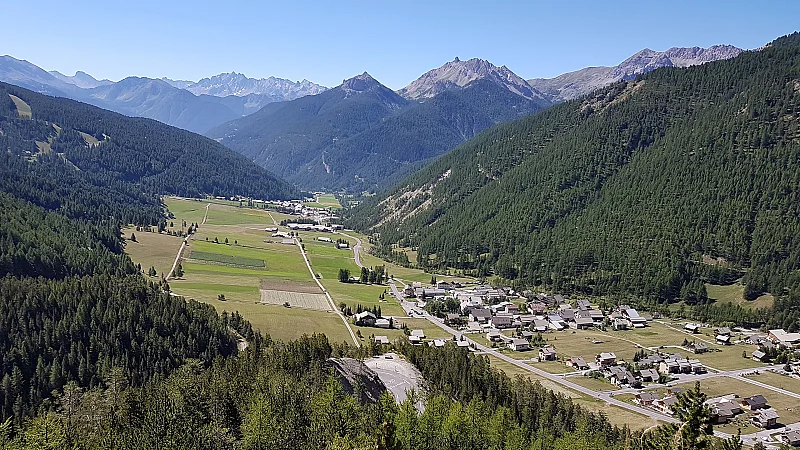
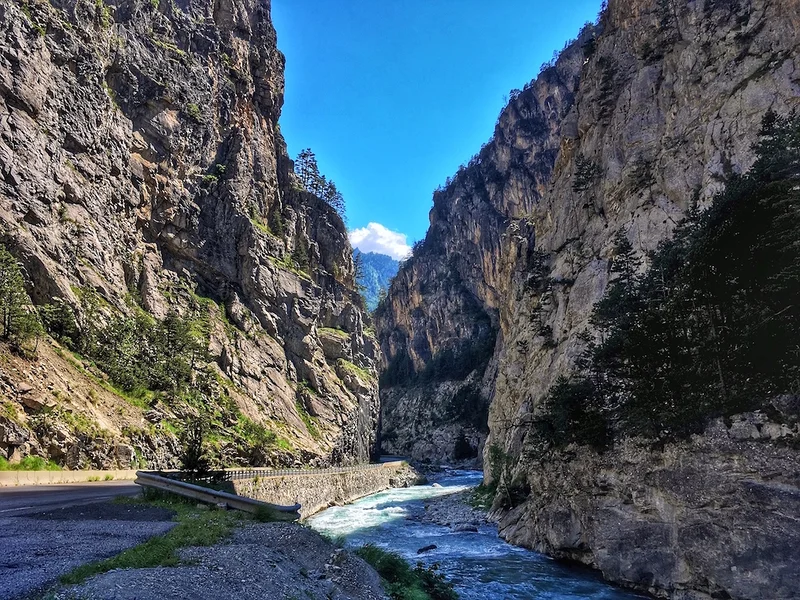
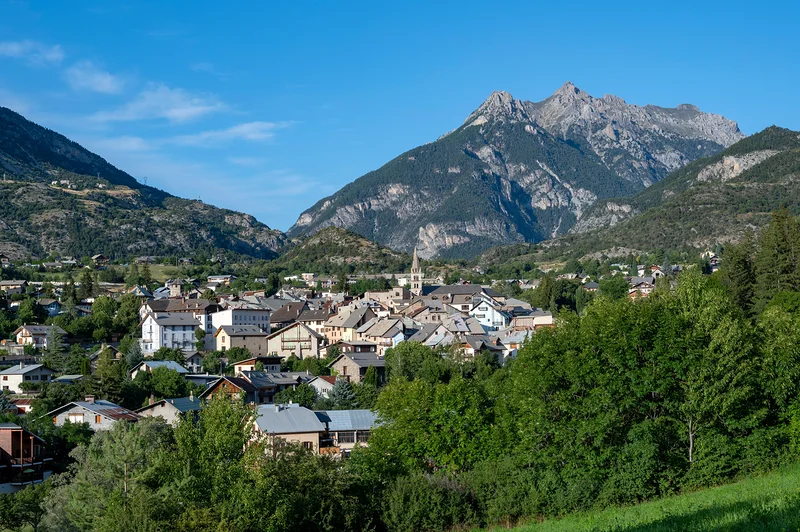
What a setting. Surrounded by mountains, I really liked this town. Actually, what really stood out to me was the layout of the upper town. Enclosed by ramparts, I enjoyed being able to easily discover the main sights. You have a choice between the collegiate church, the Maison du Parc des Ecrins, and the Grand-Rue shopping street. Plus, in Briançon, you can take a cable car that leads you straight up into the mountains, which is top notch!