Visiting Corsica
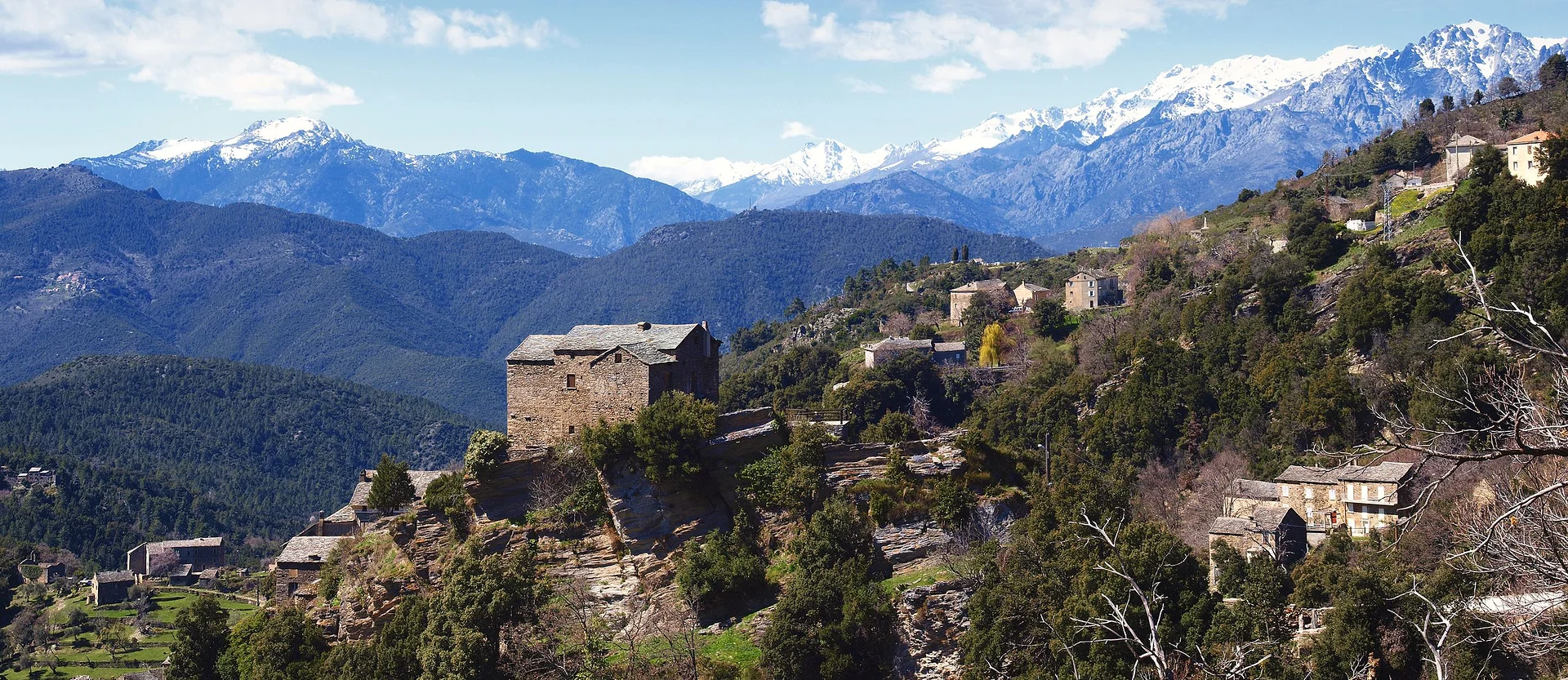
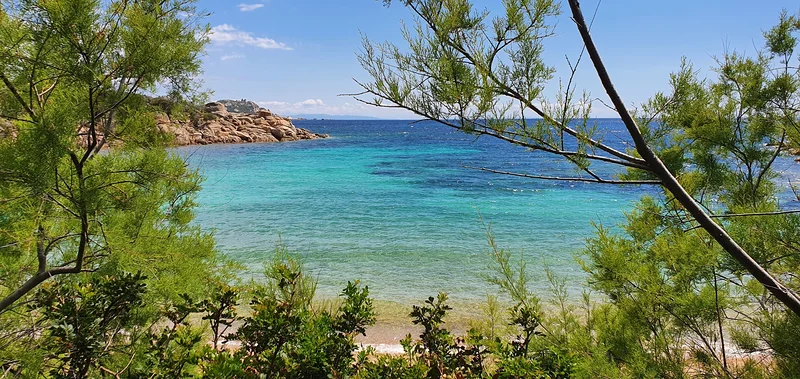
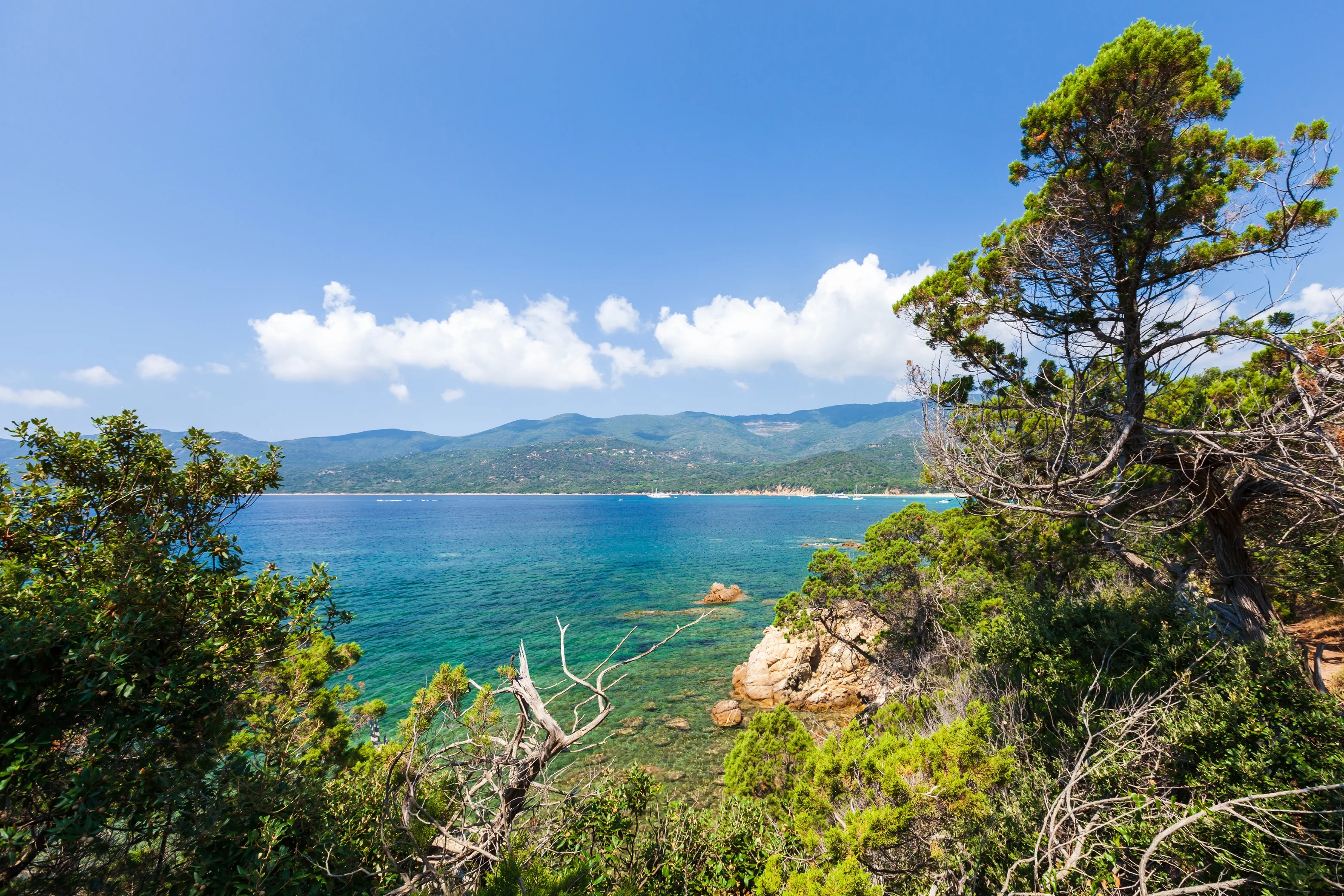
The south has pink granite and the coves of Porto-Vecchio. White limestone takes over at Bonifacio, fifty kilometres further on. Turn inland, towards Corte, and the road climbs through the maquis until the sea drops out of sight. Three landscapes, two hours of driving between them.
Pale sand in the morning, a pass at 1,500 metres an hour later. That is what Corsica has and the rest of the Mediterranean does not. Its interior remains the least travelled part of the island, even by people who come back every summer.
You'll love it if
- You want the sea and the mountains without having to choose
- You're going in June or September, or booking six months ahead
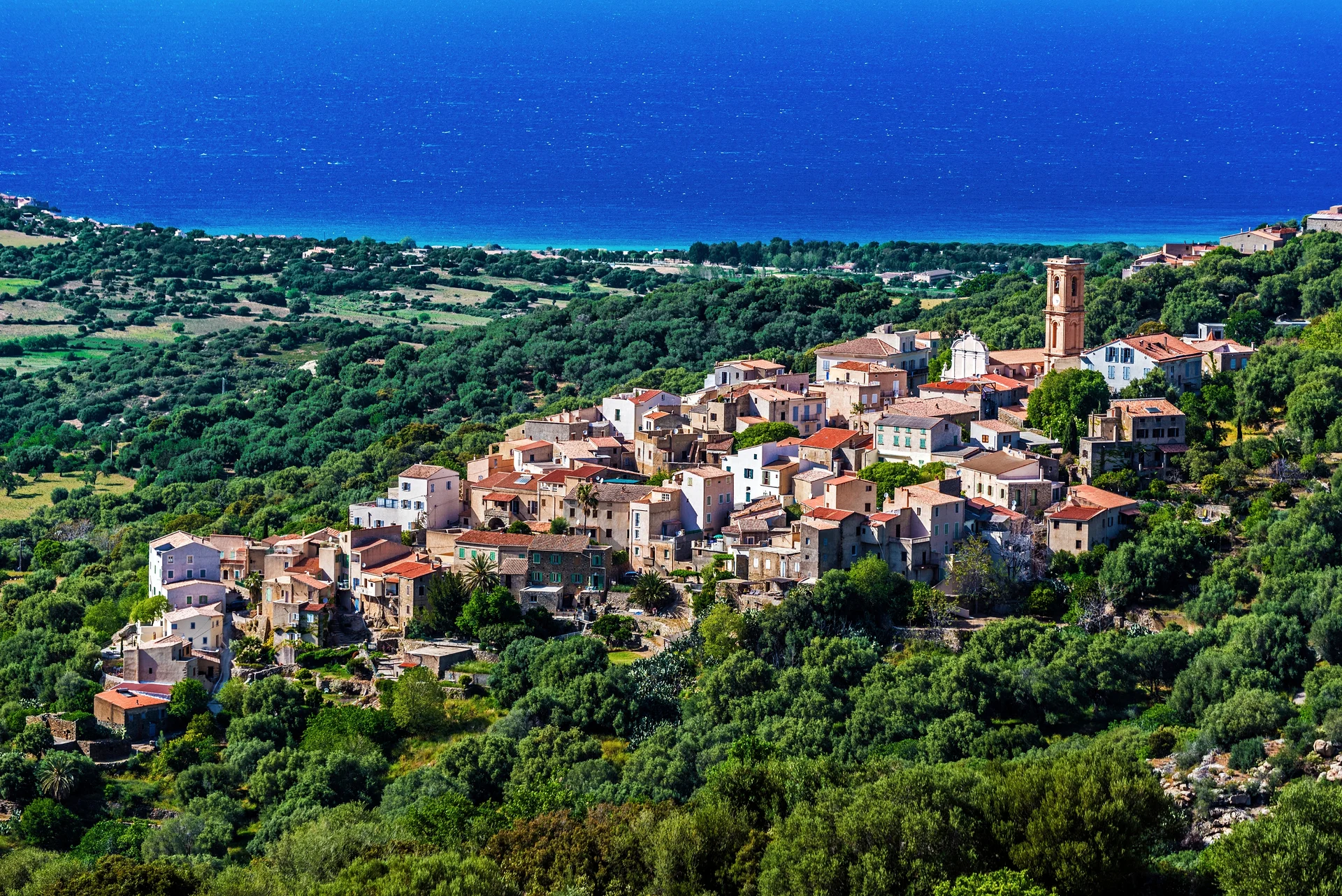
- A village clinging to a mountainside appeals to you as much as a cove
Give it a miss if
- You're aiming for August with nowhere booked
- Narrow hairpin roads put you on edge
- You want nightlife outside the three main towns
The must-sees
-
1 Bonifacio +57 recs
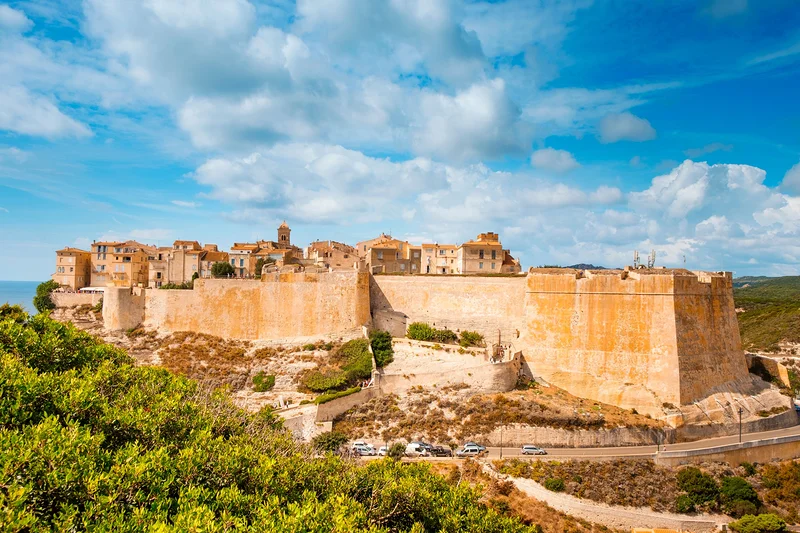
The old town sits on a ridge of white limestone. Below it, the sea pushes into a narrow channel that looks like a fjord. The Escalier du Roi d'Aragon (Staircase of the King of Aragon) cuts 187 steps straight down into the cliff face; across the water, Sardinia sits about a dozen kilometers away.
-
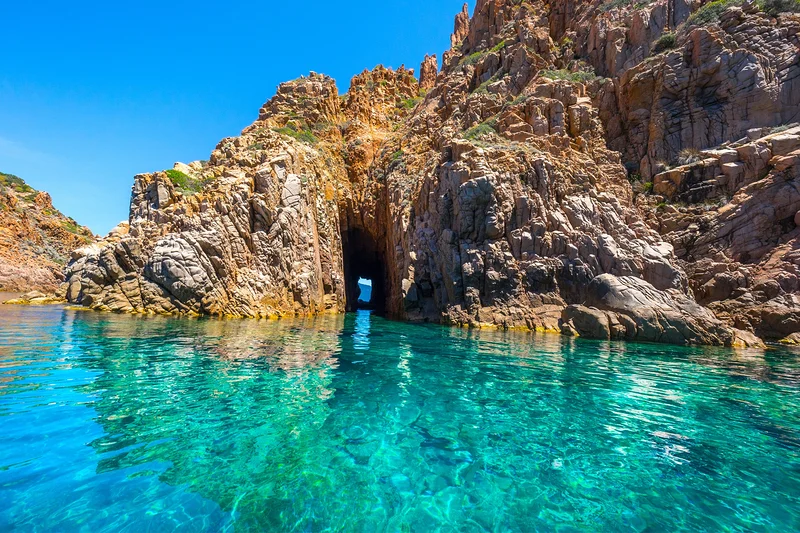
2 The Calanques de Piana +9 recs
Red granite cliffs rising above the Gulf of Porto, a UNESCO World Heritage Site. The road through them is narrow and slow-going. Get there early in the morning, or come by boat from Porto.
-
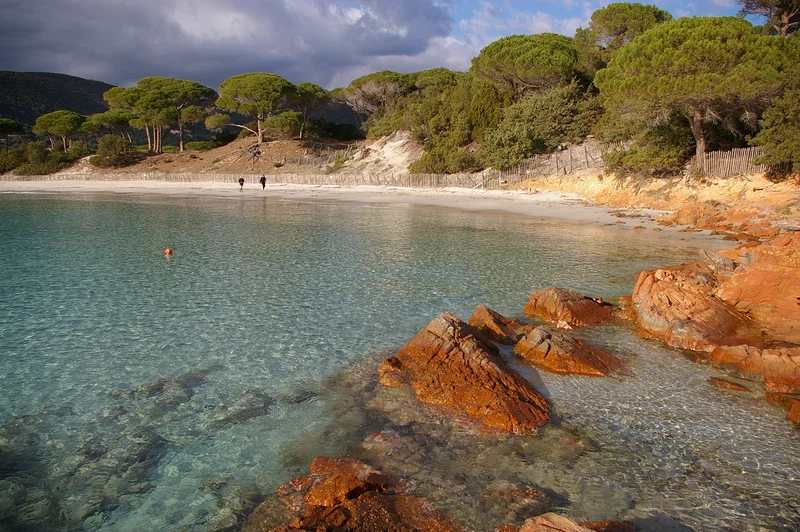
3 Palombaggia and the beaches of the far south +18 recs
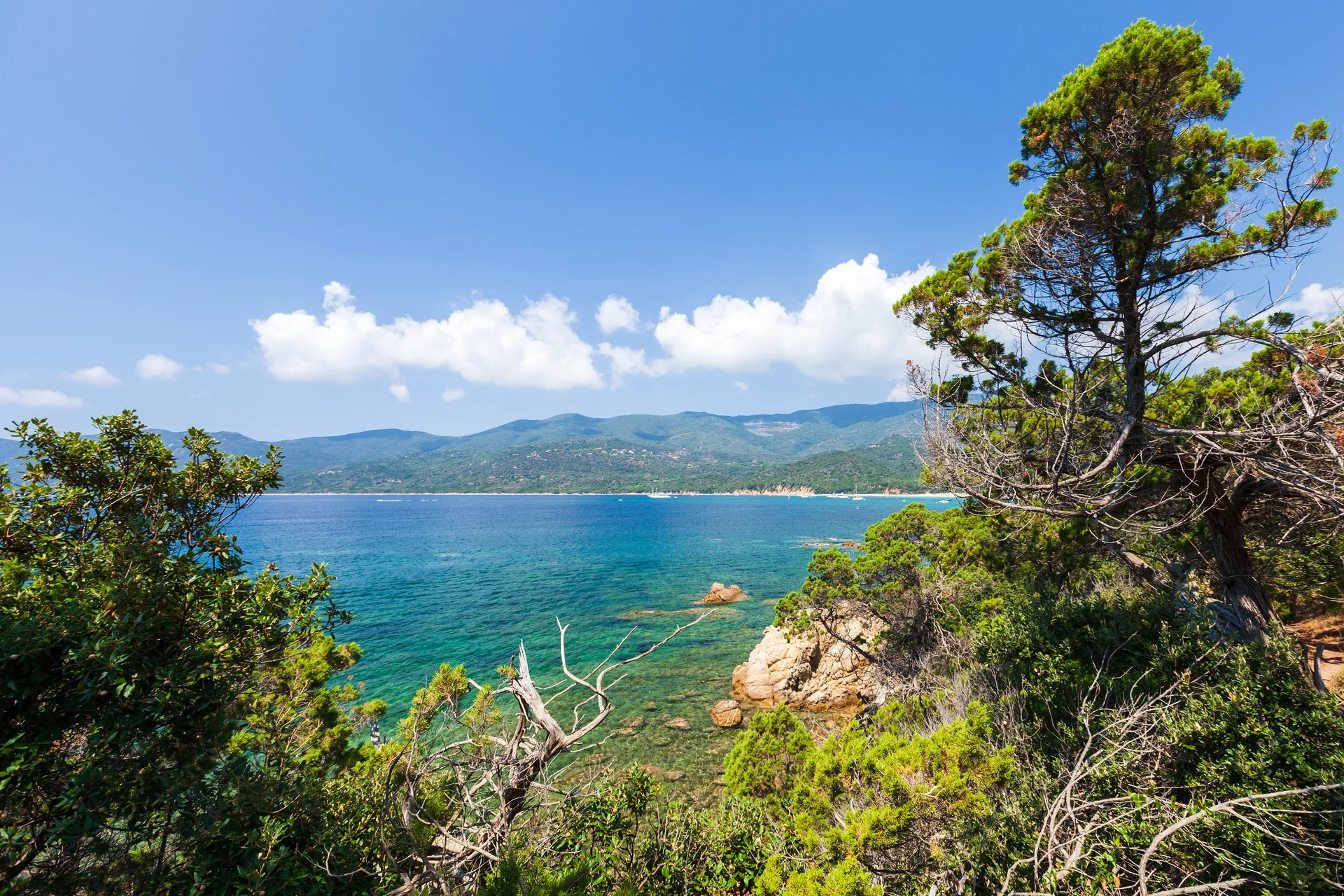
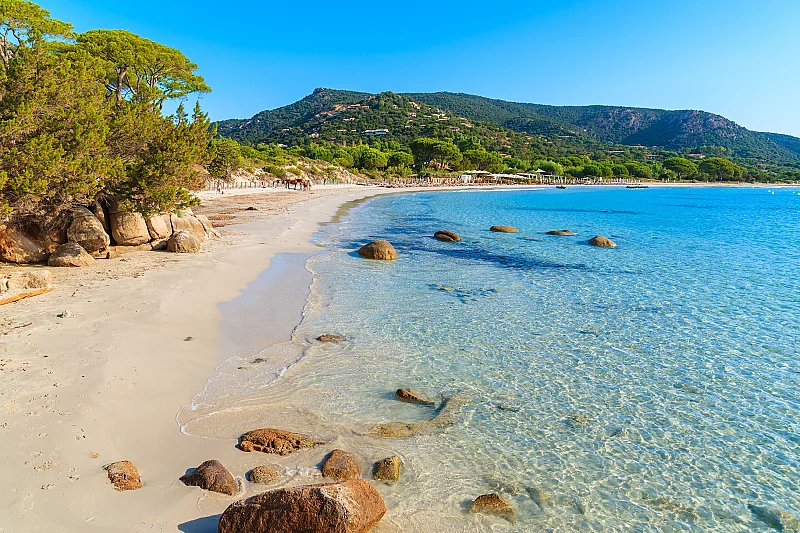
Clear sand, wind-bent umbrella pines, turquoise water barely knee-deep for dozens of meters out. Santa Giulia is just a few minutes away and offers much the same experience. You can easily fit both into a single day from Porto-Vecchio.
-
4 The GR20 Hiking
185 kilometers of ridgeline between Calenzana and Conca, 12 to 16 days on foot. It ranks among the most demanding long-distance trails in Europe. The northern stages can also be done on their own, in two or three days.
-
5 The grape harvest September
In September, the wine estates of Patrimonio, Ajaccio, and Figari open their cellars to visitors. The sea is still at 23°C and the roads have quieted down. It's the month that keeps people coming back.
The classic trap
Don't build your whole itinerary around the coast. Corte and the Restonica gorges, the Niolu, and the Castagniccia are all within an hour of the beaches and feel like a completely different island. Spend your entire trip on the shoreline and you'll miss what makes Corsica worth the trip.
Our itineraries in Corsica
| Length | Route | What you see |
|---|---|---|
| Long weekend (4 days) | Ajaccio › Porto-Vecchio › Bonifacio | The south at full strength, beaches and cliffs |
| 1 week | Ajaccio › Bonifacio › Porto-Vecchio › Corte › L'Ile-Rousse › Calvi | The full circuit, at a brisk pace |
| 10 days | Bastia › L'Ile-Rousse › Calvi › Piana › Ajaccio › Corte › Porto-Vecchio › Bonifacio | The whole loop, north and south |
Two ways in: Ajaccio in the south-west and Bastia in the north-east. From either one you can loop round or go out and back. Neither direction beats the other. The one rule: don't cross the island three times. The mountain roads towards Corte are worth the detour, and they also eat the day. Count on double whatever the sat-nav tells you.
When to visit Corsica
| Interest | Season | Temperatures | Sea | Crowds and Prices |
|---|---|---|---|---|
| WinterNov. to Mar. | 6 to 19 °C | 14 to 18 °C | Low | |
| SpringApr. to Jun. | 10 to 28 °C | 15 to 22 °C | Intermediate | |
| SummerJuly and August | 20 to 32 °C | 23 to 26 °C | High | |
| FallSept. & Oct. | 14 to 28 °C | 21 to 24 °C | Intermediate |
Our tip
Aim for June or September: the water is warm enough to swim, you can actually find a spot on the beach, and prices have come back down. Skip the week of August 15 if you haven't booked everything months in advance: the road between Porto-Vecchio and Bonifacio turns into a parking lot, and the lots at Palombaggia and Santa Giulia are full by 9:30am.
Getting to Corsica
-
By plane The fastest
Four airports: Ajaccio, Bastia, Calvi and Figari, the last being the closest to Porto-Vecchio and Bonifacio. There is no nonstop service from the US, so budget one change. Nice is the smoothest hub: American Airlines and United fly nonstop from New York and Washington, and Nice sends at least one flight a day to each Corsican airport, most of them on Air Corsica. Paris-CDG (Air France, EasyJet) and Rome-Fiumicino (ITA Airways, EasyJet) work too.
-
By ferry, with your car The most freedom
Only worth it if you are already driving in Europe. Crossings leave from southern France (Marseille, Toulon, Nice) for Bastia, Ajaccio, L'Ile-Rousse, Porto-Vecchio and Propriano, and from four Italian ports: Piombino is the shortest at about 2h45, Livorno about 4h30, Genoa and Savona between 5 and 10 hours. Handy if Provence or Tuscany is already on the itinerary.
-
By ferry, on foot The most affordable
Traveling without a vehicle cuts the fare significantly. You rent on-site instead, but book well ahead in peak season: agencies run out of cars several weeks before July.
Coming from the US, the car ferry rarely pays off: fly in and rent on the island. Corsica has no highways and the mountain switchbacks eat up the kilometers, so allow far more driving time than the distance suggests.
In July and August, flights and rental cars sell out weeks ahead. Book the car at the same time as the flight, never after.
Getting around Corsica
A car here isn't a convenience, it's a requirement. Trains and buses connect the main towns to each other, and that's where the coverage ends. Hilltop villages, hidden coves, and trailheads have no public transit whatsoever.
Build serious time into your driving estimates: 60 kilometers of switchbacks takes two hours, not one. In July and August, you'll circle endlessly looking for parking in Bonifacio, Porto-Vecchio, and Calvi, and car rental rates double, or worse if you book last minute.
Good to know
Rental agencies run out of cars weeks before July and August even begin. Book your rental car at the same time you book your ferry or flight, never after.
What to eat in Corsica
- Lonzu, coppa, figatellu: the three pillars of Corsican mountain pork charcuterie. Figatellu is eaten grilled, and only in winter. Ask for a charcuterie board at a deli in Corte or one of the inland villages.
- Brocciu: a fresh whey cheese made from sheep's or goat's milk, PDO-protected. Eat it plain at breakfast, or melted into a mint omelet at the mountain sheepfolds of Haute-Corse.
- Corsican milk-fed veal: raised by the mother, free-ranging through the maquis scrubland. You'll find it roasted on tables in Corte and the interior, especially in winter and spring.
- Patrimonio wines: Corsica's first AOC appellation, at the foot of Cap Corse. Nielluccio for reds, muscat for whites. The estates around Saint-Florent offer tastings right on the property.
- Chestnut flour: the variety from the Castagniccia region holds AOP (protected designation of origin) status. It's the base for fritelli and pulenda. Pietra beer, brewed in Furiani with chestnut flour, is the easiest way to take a taste of it home.
- Tomme corse: ranging from semi-soft to deeply aged, the flavor shifts with the altitude of the herd and the season. The markets of Ajaccio and Porto-Vecchio carry it year-round.
- Maquis honey: seven PDO varieties tied to the flowering season, ranging from the floral spring harvest to the fall myrtle and strawberry tree harvest. Buy directly from producers in the interior villages.
Before 7:30 pm, almost nothing opens for dinner, and kitchens close early once you're outside the beach resort towns. In July and August in Porto-Vecchio or Bonifacio, book the night before: the good restaurants are fully booked by noon for that same evening.
Where to stay in Corsica
| Area | Good for | Worth knowing |
|---|---|---|
| Porto-Vecchio | Southern beaches, lively evenings | Bonifacio is 30 minutes away |
| Ajaccio | City, museums, ferries and flights | The island's largest town, and the best connected |
| Calvi / L'Ile-Rousse | The Balagne, north-western beaches | Two neighbouring moods, pick by the pace you want |
| Corte | The interior, hiking, the GR20 | Few shops, but right at the foot of the range |
| Bastia | The north, Cap Corse, links with Italy | A handy way in, and far less busy |
Short trip: one base only, chosen for what you came for, the wild south or the town. Beyond a week, split it in two, north and south, or coast and interior. You'll see the same things with half the time behind the wheel.
How much does a trip in Corsica cost?
| Style | Length | Budget per person |
|---|---|---|
| Budget (campsite or gîte, cooking in, free beaches) | 7 days | €350 to €550 |
| Comfortable (3-star hotel or rental, restaurants, a few excursions) | 7 days | €900 to €1,400 |
| High-end (4-5 star hotel, fine dining, water sports) | 7 days | €2,000 to €2,800 |
- When you go: in July and August, accommodation costs 30 to 50% more. Shifting by one month is enough to change the bill.
- Where you stay: Porto-Vecchio and Bonifacio carry the island's highest prices. Corte or the Balagne come out distinctly cheaper for the same comfort.
- Booking early: on accommodation and ferries, booking four to six months ahead can halve the bill in high season.
- The car: unavoidable, and a budget line of its own. With two of you, the cost per person becomes bearable again.
- Eating: beach restaurants are the priciest on the island. Markets and grocers bring the food budget down without taking anything away from the trip.
- Cash: plenty of places inland don't take cards. Keep €50 to €100 in notes.
Traditions and way of life in Corsica
French is spoken everywhere, but Corsican is no museum language. It's on the road signs, often alone since the French versions were spray-painted over. You'll hear it in the inland villages, among locals talking to each other.
On June 2, Saint-Érasme honors fishermen in Ajaccio and several other ports. Local craftsmanship centers on the Vendetta knife, honey, and cured meats, with each valley fiercely defending its own recipes against the next one over.
Pointing your camera at someone's house, a flock of sheep, or a village bread oven without asking first doesn't go over well. A glance toward the owner and a nod is all it takes, and it makes all the difference in how you're received.