
Conca, a Corsican Village at the Foot of the Bavella Needles
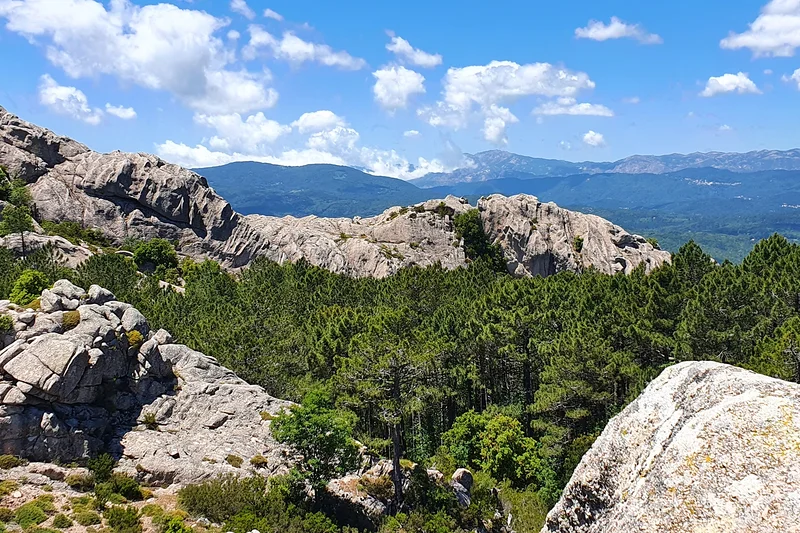
Framed by laricio pines, pink granite boulders, and the scent of the sun-baked maquis, Conca acts as the final gateway before the high mountains. This Corse-du-Sud village has 808 residents and climbs the slopes roughly ten kilometres from the sea.
This is where the famous GR20 trail either starts or finishes, depending on whether you are trekking the island from south to north or vice versa.
Is This Destination for You?
Conca suits travelers who enjoy hiking, slowing down, and using a quiet home base to explore the region. The village serves as a jump-off point for the mountains as well as the southeast beaches, which are a short drive away.
It usually disappoints those looking for nightlife, shopping, or bustling entertainment. The village stays small and keeps a slow pace.
Best suited for:
- Hikers, ranging from casual walkers to serious GR20 backpackers
- Travelers who want both mountain peaks and sea views in the same day
- Anyone who prefers a quiet village over a crowded beach resort
Not recommended for:
- Travelers without a car who rely entirely on public transit
- Fans of nightlife and shopping
- Those who want every amenity within walking distance of their lodging
Corsican Pricing, High in Summer
Lodging rates climb steeply in July and August across the southern part of the island. In the off-season, prices drop significantly. Factor a rental car into your budget, because without one, your mobility is quite limited.
Practical Realities
The village is small, meaning shops and services are scarce, so stock up on supplies in larger towns like Porto-Vecchio before heading up the mountain. French is the everyday language here.
The winding mountain roads demand patience. Summer sun beats down hard on the trails, so head out early and bring plenty of water.
Hiking Out of Conca
The Southern Stretch of the GR20
Conca marks the official trailhead for the southern leg of the GR20 leading toward the Bavella pass. Even without tackling the entire cross-island trek, spending a few hours on the opening kilometres gives you a real taste of the terrain: bare rock, pine forests, and sweeping views out to sea.
The Bavella Needles
Just a short drive away, the aiguilles de Bavella thrust their jagged granite spires high above the forest canopy. The local trail network scales everything from quick strolls to full-day excursions. Keep an eye out for mouflon sheep and semi-wild pigs crossing the paths.
Friendly tip: get moving before 9 am to catch the cool morning air and have the trails mostly to yourself. By afternoon, high temperatures and summer thunderstorms can easily derail a hike.
Nearby Beaches and Swimming
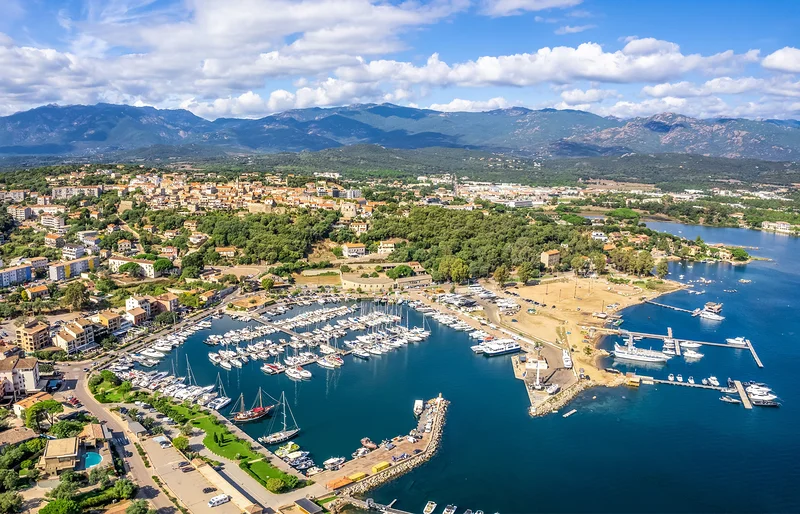
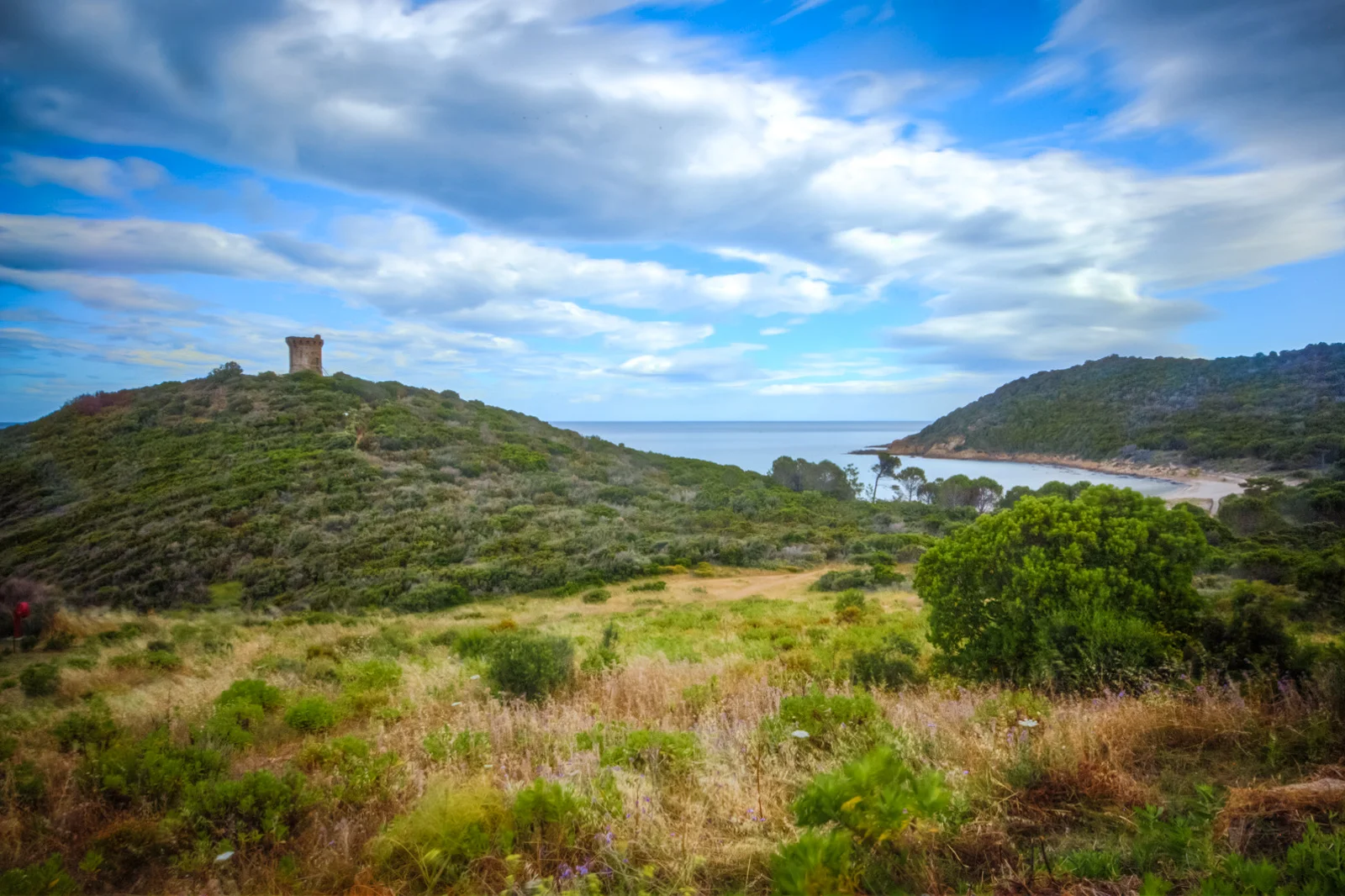
The coast is an easy drive away: plan on about 20 to 30 minutes to reach the southeast beaches, including the baie de Cala Rossa and the stretches around Solenzara. A classic daily routine involves hiking in the morning and swimming by late afternoon.
Rivers and Natural Pools
Local mountain streams carve crystal-clear basins directly into the granite. They offer a refreshing freshwater alternative to the sea, though the water runs cold and the rocks can be slick. Avoid these spots right after a storm when water levels rise rapidly.
Where to Eat and Drink Around Conca
Traditional Corsican food takes centre stage: mountain cured meats (coppa, lonzu, and seasonal figatellu), fresh brocciu cheese when in season, slow-cooked wild boar stews, and sharp sheep or goat milk cheeses. Village taverns and surrounding eateries serve hearty, unpretentious local cooking.
For everyday groceries, the markets and small supermarkets in Porto-Vecchio and Solenzara are your most reliable bets.
Where to Stay in and Around Conca
Right in the village, lodging options are limited to small guesthouses, gîtes, and vacation rentals. For a wider selection, look toward Porto-Vecchio or the coastal stretch near Solenzara, which host hotels, campsites, and villas.
During July and August, book well in advance since local capacity fills up quickly.
Getting to Conca
The closest airport is Figari-Sud Corse, which handles seasonal flights from various French and European hubs. Flying into Bastia or Ajaccio requires a longer drive, but can sometimes yield better airfares.
From Porto-Vecchio, the road climbs up to the village in roughly 20 to 30 minutes. Ferries also cross to the island from Marseille, Toulon, and Nice, docking in Porto-Vecchio or Bastia.
Getting Around Conca
Exploring the village on foot is simple, but reaching Bavella, the beaches, or neighboring towns requires a car. Public transit options are scarce and run infrequently.
Book your rental vehicle at the same time as your flights during peak season, as rental fleets deplete fast.
When to Visit?
Spring and early autumn deliver the best weather: mild temperatures, quieter trails, and a sea that stays warm enough for swimming well into September. July and August bring intense heat, heavy crowds, and high prices, requiring early morning starts for any high-altitude hiking. Winter brings potential road closures in the mountains and seasonal closures for local businesses.