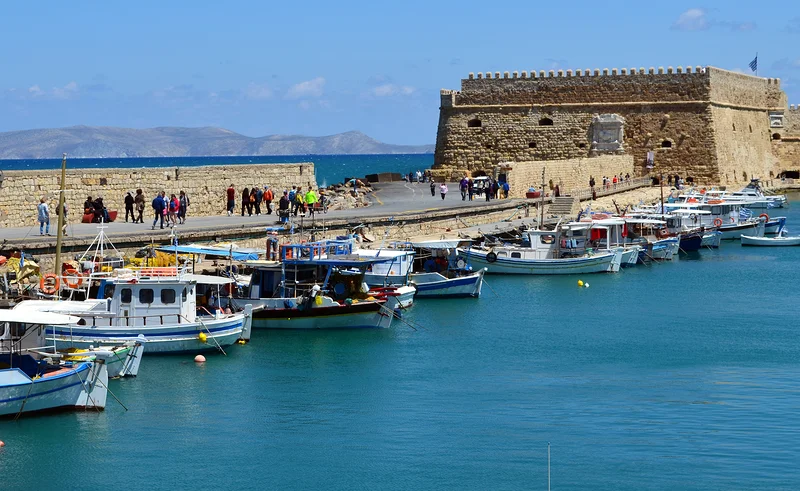
Greece: 5,000 Years of History with Your Feet in Turquoise Water
Wild thyme drifting up from sun-baked hillsides. A white tablecloth snapping open on a terrace above the Aegean Sea. A tomato so sweet you'd swear it was a peach. Greece hits the senses first and tells its story second.
The country has more than 6,000 islands and islets, but only 227 of them are inhabited. The rest are wind-scraped rocks sitting in water so blue it looks digitally enhanced. That said, reducing Greece to its Cycladic postcard image means missing most of what makes it worth the trip. This is a full-scale European destination where dramatic gorges in the north compete with the beaches of the south, and where nearly every village seems to be sitting on a secret that's a few thousand years old.
A Country That Works for Almost Everyone
Greece casts a wide net. Couples chasing sunsets in Santorini, families looking for calm, shallow beaches in Crete, hikers drawn to the Samaria Gorge or Mount Olympus, the country checks a lot of boxes. But certain traveler profiles are likely to be disappointed, and it's better to know that before you book.
thumb_up Great fit for:
- History and mythology lovers: no country in Europe packs this many ancient sites into this small a territory
- Couples and honeymooners looking for island romance
- Families with kids: shallow beaches, unfussy food, relaxed pace
- Night owls and party travelers, especially on Mykonos and Ios
- Hikers and outdoor enthusiasts, from the Peloponnese to the mountainous north
- Food lovers: Greek cuisine is one of the most generous in the Mediterranean
warning Not ideal for:
- Heat-avoiders: in July and August, Athens regularly tops 104°F (40°C)
- Travelers with mobility challenges on the islands, where cobblestone alleys and staircases are the norm
- Those seeking a radical cultural departure: Greece is still very much a Western European experience
- Fans of modern big-city shopping and luxury retail scenes
A Reasonable Budget, Except on the Marquee Islands
Greece is a noticeably more affordable destination than most of Western Europe, with a cost of living roughly 12 to 15% lower than France. But prices can swing dramatically: expect to pay two to three times more on Mykonos in August than on a quieter island. Ferry costs between islands also add up fast, especially in peak season.
| Trip Type | Where | Duration | Budget per person |
|---|---|---|---|
| Cultural city trip | Athens | 4 days | €250 to €500 (about $275, $550) |
| Cyclades island hopping | Paros, Naxos, Santorini | 10 days | €800 to €1,800 (about $880, $2,000) |
| Family beach vacation | Crete or Rhodes | 1 week | €500 to €1,000 (about $550, $1,100) |
| Mainland road trip | Peloponnese and Meteora | 10 days | €600 to €1,200 (about $660, $1,320) |
| Party trip | Mykonos or Ios | 5 days | €600 to €2,000 (about $660, $2,200) |
| Hiking and nature | Zagori, Mount Olympus, Crete | 1 week | €400 to €800 (about $440, $880) |
Getting Around on the Ground: What to Know
Greece's transportation network works well, but it rewards a bit of planning. Ferries connect the islands on a reliable schedule, except when the meltemi, a strong northern wind that picks up in summer, grounds boats at port. On the mainland, KTEL buses cover the major cities efficiently and cheaply. Credit cards are accepted almost everywhere, including village tavernas. Wi-Fi is generally solid, and a local SIM card runs about €15 (around $16) for a month of data.
English is widely spoken in tourist areas. In remote villages in the Peloponnese or Epirus, a few words of Greek go a long way. A simple "efcharistó" (thank you) often earns a smile and a free slice of cake.
Is Greece Safe?
Yes, very. Violent crime rates are low, including in Athens. The usual big-city precautions apply: watch your belongings on the metro and in high-traffic areas like Monastiraki. On the islands, the sense of safety is even stronger. Many solo female travelers report feeling completely comfortable, day and night.
Heads up: the biggest hazard in Greece isn't pickpockets or scams, it's local driving. Scooters appear out of nowhere, sidewalks are often nonexistent, and the winding roads on the islands demand real caution if you're renting a vehicle.
Ancient Sites That Put Everything in Perspective
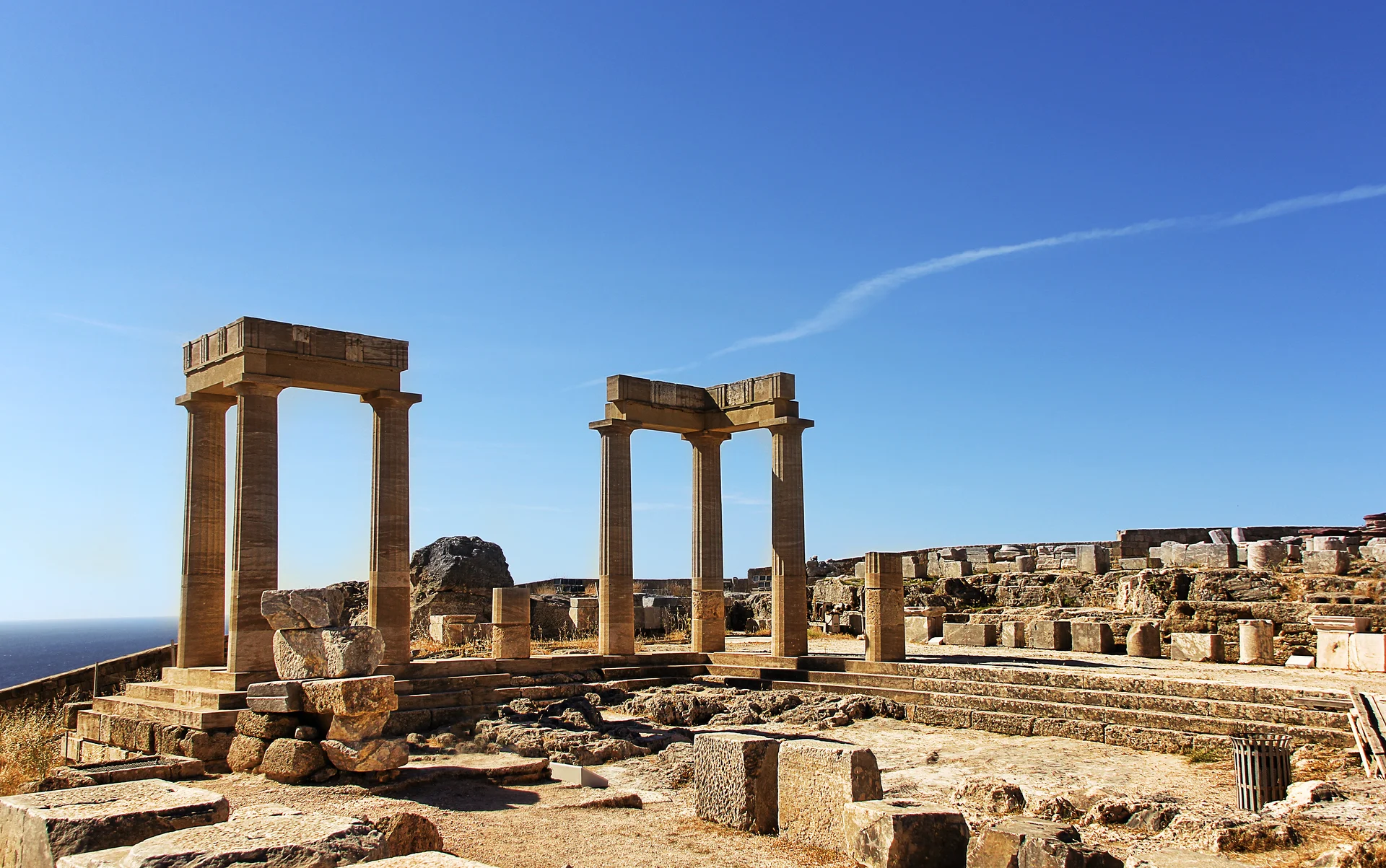
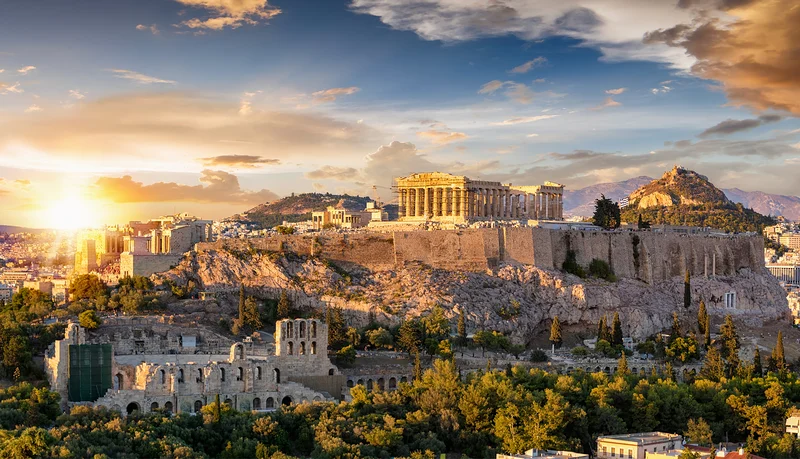
No country in Europe concentrates this many ancient sites per square mile. The Acropolis in Athens, with its 2,500-year-old Parthenon, is the obvious starting point. Admission is €20 per adult (about $22), and free for visitors under 25 from EU countries. Down the hill, the Ancient Agora, where Socrates once walked, offers a quieter, more contemplative stroll.
But Greek history doesn't begin and end in the capital. In the Peloponnese, the theater of Epidaurus has acoustics so precise that a coin dropped on the stage can be heard from the top row. Mycenae, with its Lion Gate, takes you back to the Bronze Age. Further north, the site of Delphi, perched on a mountainside, looks out over an olive-covered valley that drops toward the Gulf of Corinth.
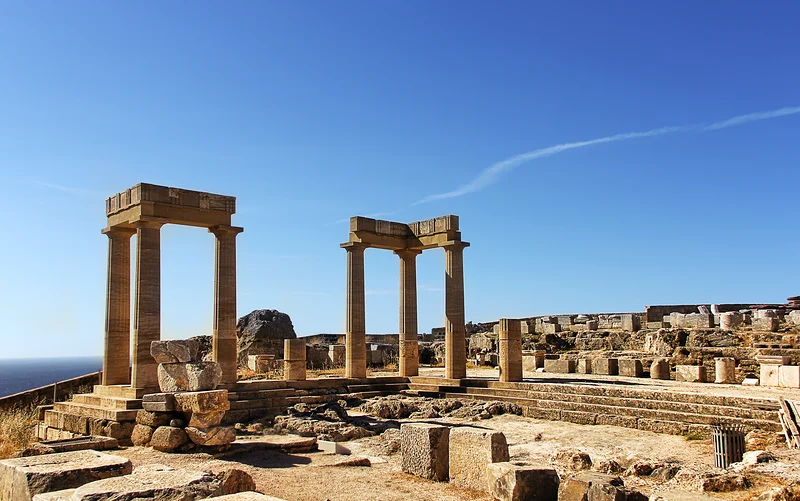
At Delos, reachable by boat from Mykonos, an entire island functions as an open-air museum. Doric temples, ancient mosaics, and the famous Terrace of the Lions make up a UNESCO World Heritage site that draws far fewer visitors than the beaches nearby.
The Islands, Beyond the Blue-and-White Clichés
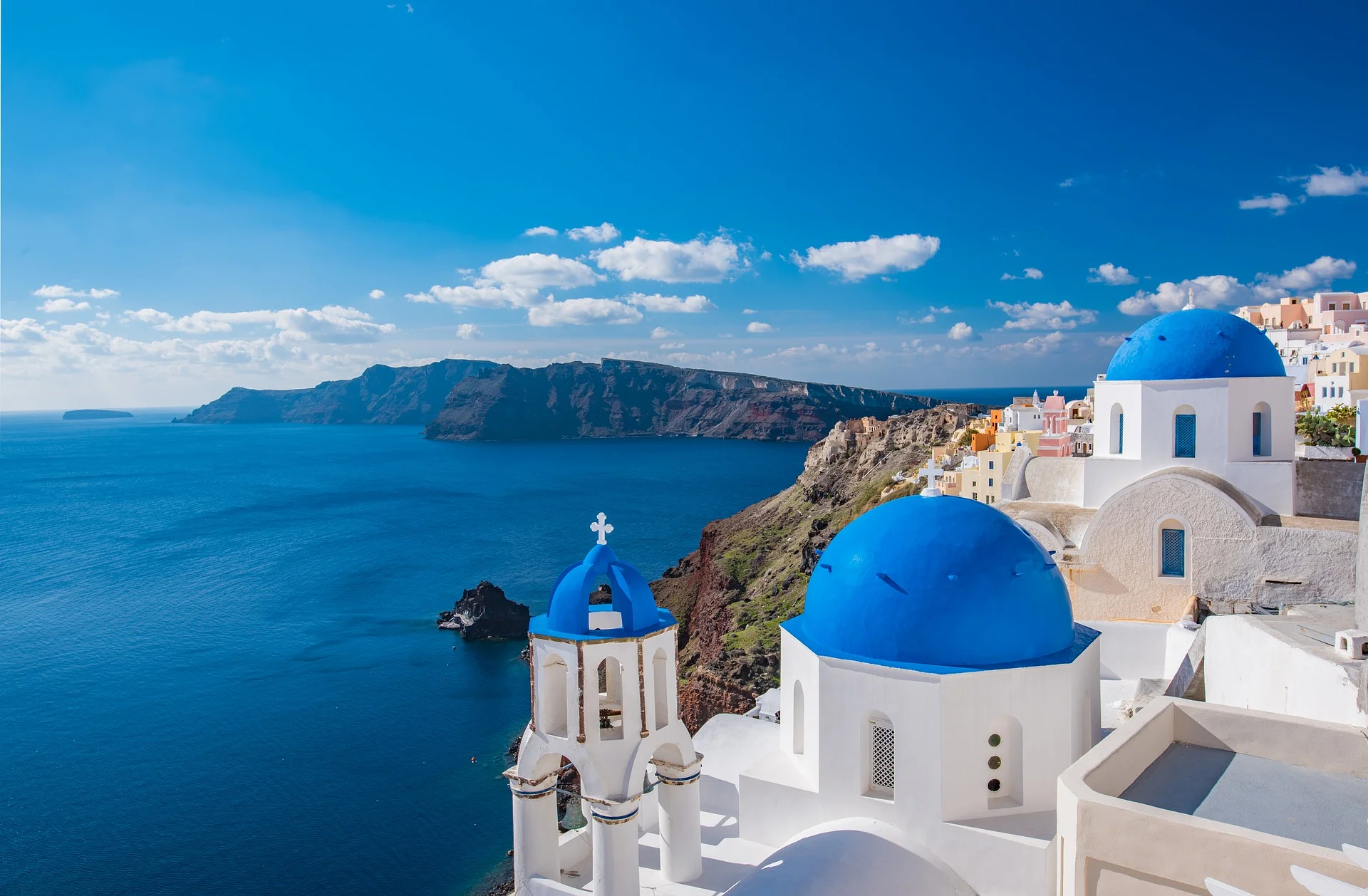
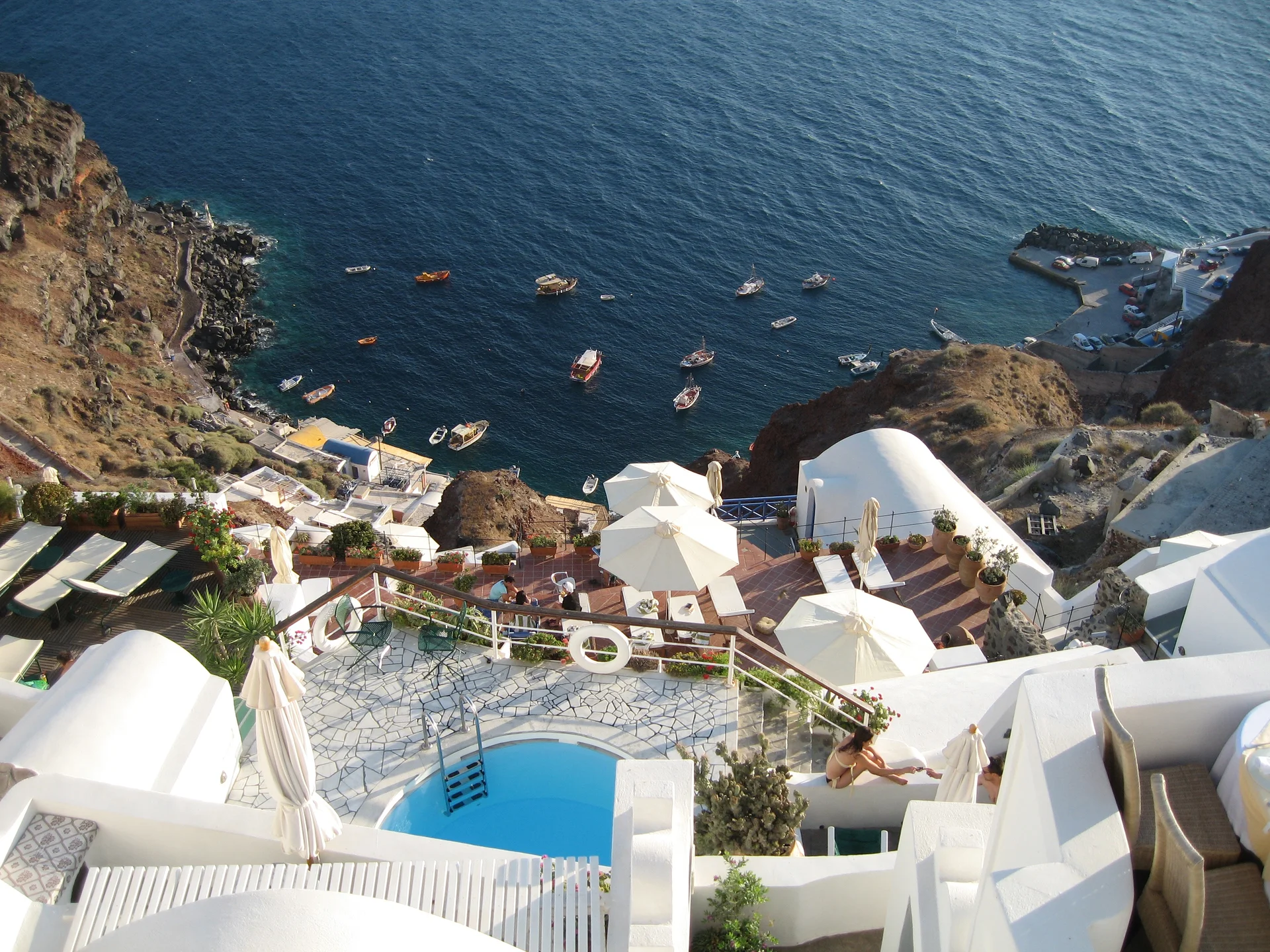
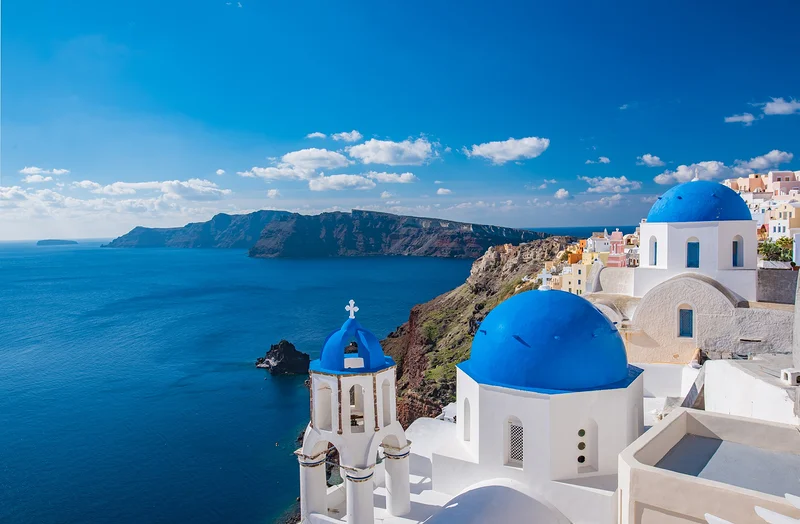
Santorini and its blue-domed buildings earn their reputation, especially at sunset from Oia. But the lines for a decent photo, the NYC-level restaurant prices, and the wall-to-wall crowds in July and August take the edge off the fantasy. Our take at Avygeo: Santorini is best in May or October, when the island has room to breathe.
For a quieter island experience, head to the less-trafficked Cyclades. Naxos combines sandy beaches, mountain villages, and ancient ruins without the crowds. Folegandros, with its clifftop Hora, draws mostly Greek vacationers. Milos, shaped by volcanic activity, has beaches in colors that look almost unreal, from Sarakiniko's lunar white rock formations to the multicolored sand of Firiplaka.
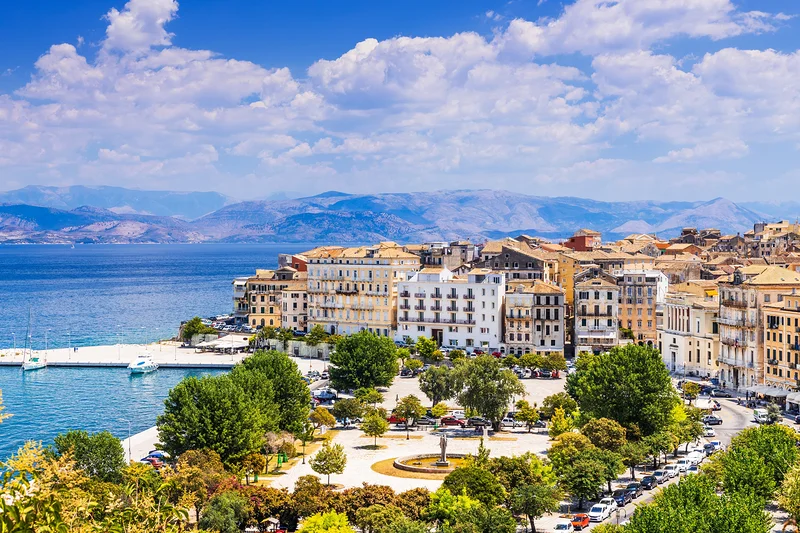
Over in the Ionian Islands, Corfu blends Venetian architecture with emerald-green coves. Lefkada, connected to the mainland by a bridge, has some of the best beaches in the Mediterranean, Porto Katsiki and Egremni both feature white cliffs plunging straight into turquoise water.
Heads up: book your ferries in advance during peak season, especially fast ferries. Early-booking rates on Ferryhopper can save you 30 to 40% compared to last-minute purchases.
Northern Greece and the Mainland: The Part Nobody Sees
Most tourists head straight for the islands and miss an entirely different Greece. Meteora, about four hours by road from Athens, is one of the more surreal sights in Europe: six Byzantine monasteries perched on top of rock pillars rising over 300 meters (nearly 1,000 feet). The morning light there is extraordinary, and the crowds are a fraction of what you'll find at coastal sites.
Thessaloniki, Greece's second city, runs on a completely different energy than Athens. Its waterfront promenade, covered markets at Modiano and Kapani, UNESCO-listed Byzantine churches, and serious food scene make it worth two to three days on their own. The Ano Poli neighborhood, the old upper town, has sweeping views over the Thermaic Gulf at sunset.
Further northwest, the Zagori region of Epirus holds 46 stone villages connected by Ottoman arched bridges. The Vikos Gorge, one of the deepest in Europe, can be hiked in a full day, it's demanding but genuinely impressive. This is alpine Greece, with nothing in common with any beach postcard.
Beaches and Coves: Where to Lay Your Towel
With 13,676 kilometers (about 8,500 miles) of coastline, Greece has the eleventh-longest shoreline in the world. Navagio Beach on Zakynthos (Zante), with a shipwreck stranded on white sand between sheer cliffs, is one of the most photographed beaches on earth. It's only reachable by boat, which gives it a genuinely otherworldly quality.
In Crete, the Elafonissi lagoon has pinkish sand and shallow water that's perfect for families. On the southern coast, Preveli Beach sits where a palm-lined river meets the sea. Less known but worth tracking down: Voidokilia in the Peloponnese, a near-perfect semicircle of golden sand backed by dunes, with surprisingly few visitors even in summer.
For snorkeling and diving, the waters around the Cyclades and Dodecanese offer exceptional visibility. Kastellorizo, a tiny island near the Turkish border, hides the Parasta Blue Cave, one of the most impressive sea caves in the Mediterranean.
Greek Food: When Simple Ingredients Become Something Else
Greek cooking is built on produce that actually tastes like something: sun-ripened tomatoes, cold-pressed olive oil, brine-aged feta, wild herbs picked from the hillsides. Meals are communal, you order several mezze for the table, from tzatziki to tarama (fish roe dip), dolmadakia (stuffed grape leaves), and zucchini fritters. Wash it down with retsina, a resin-infused white wine that polarizes people, or an ouzo diluted with ice water until it turns cloudy.
Main dishes center on souvlaki (grilled meat skewers served in pita with onions and tzatziki) and moussaka, a layered bake of eggplant, ground meat, and béchamel that varies from one household to the next. In Thessaloniki, don't skip the bougatsa, a flaky pastry filled with custard cream or cheese, eaten warm from market bakeries first thing in the morning.
Insider tip: at tavernas, ask for "krasi hyma", house wine served by the carafe. It costs three to four times less than bottled wine and is often surprisingly good.
When to Go to Greece
May, June, and September are the sweet spot: good weather, manageable crowds, and reasonable prices. The sea is warm enough to swim in by late May and stays that way through mid-October. Spring brings wildflowers across the landscape and temperatures between 68°F and 82°F (20, 28°C), ideal for hiking and site visits.
July and August are the hottest and most expensive months. Athens becomes oppressive, the popular islands are packed, and prices can double or triple. That said, if nightlife is the point, the party islands are in full swing. Greek winters are mild in Athens and Crete but cold and wet in the north. The islands go quiet, but Athens and Thessaloniki are genuinely enjoyable in the off-season, with rock-bottom prices and a more local atmosphere.
Getting to Greece from the US
Most US travelers fly into Athens International Airport (ATH), with connecting flights through major European hubs. No visa is required for US passport holders for stays up to 90 days, Greece is part of the Schengen Area, and US citizens enter visa-free. Make sure your passport is valid for at least six months beyond your travel dates. Airlines including Aegean Airlines, easyJet, and Sky Express cover onward domestic routes once you're in the country. In summer, direct or one-stop flights also serve Santorini, Mykonos, Crete, and Rhodes.
If you're already in Europe, ferries from Italy are an option. The main routes run from Bari, Ancona, or Brindisi to the Greek ports of Igoumenitsa and Patras, with crossings taking 8 to 16 hours depending on the departure point.
Getting Around Greece
Between islands, the ferry is the main mode of transport. Companies including Blue Star Ferries, SeaJets, and Hellenic Seaways serve most island groups departing from the Port of Piraeus, Athens' main harbor. A Piraeus-to-Santorini ticket runs €35 to €80 (about $38, $88) depending on the vessel. Fast ferries take around 4 hours; standard ferries take closer to 8. Keep in mind: the meltemi wind can cause delays and cancellations in summer.
On the mainland, renting a car is the most practical way to explore the Peloponnese, Meteora, or Epirus. Expect to pay €25 to €60 per day (about $27, $66) depending on the season. Gas runs around €1.80 per liter (roughly $7.50/gallon), and tolls are common on the main highways. KTEL buses are a solid budget alternative on major routes, at roughly €5 per 100 km (about $5.50 per 60 miles). Athens' metro is efficient, covering the city and the airport for €1.20 per ride (about $1.30) within the city center.
Heads up: on the islands, rent a small vehicle rather than a full-size car. The lanes are narrow, parking is scarce, and a scooter or compact car is more than enough. Get full coverage insurance, local driving style is aggressive.