Indonesia, 17,000 islands and just as many reasons to get lost
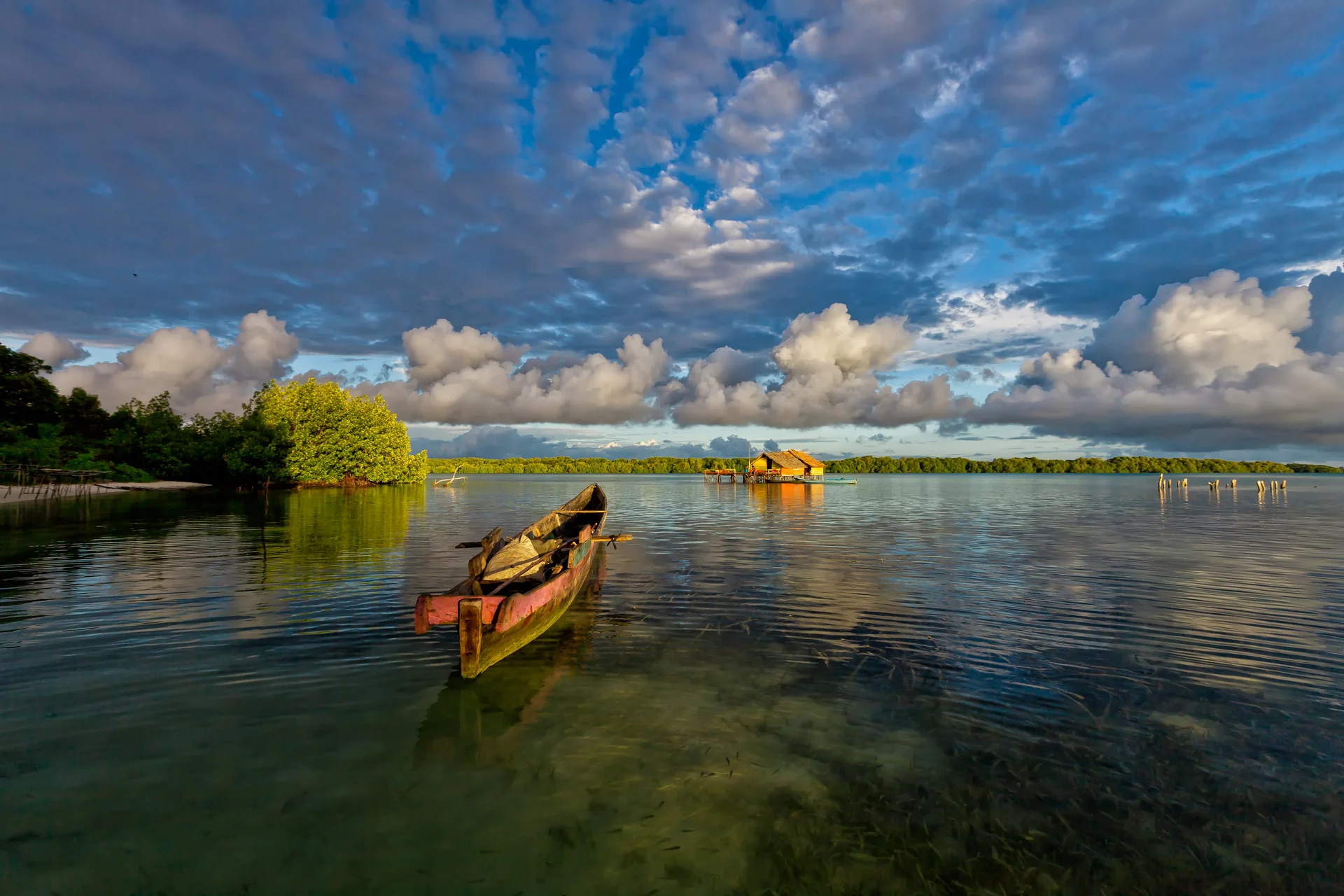
An archipelago the size of continental Europe, stretching across 5,000 km of ocean. Volcanoes breathing blue flames in the dead of night. Orangutans watching you from the canopy in Sumatra. Everywhere, that heavy scent of incense mixes with spices sizzling in the local warungs. Travelers flock for Bali, but those who slow down find a country where every island tells a completely different story.
Indonesia: a massive playground, but not for everyone
This country rewards curious travelers who roll with the unexpected. Infrastructure outside tourist hotspots remains basic, overland travel often takes three times longer than you think, and Western comforts are far from guaranteed. If you are after empty scooter trails, active volcano treks, and untouched local cultures, go for it. If you want a packaged resort stay with a pool and flawless service, stick to southern Bali or Lombok.
The country is predominantly Muslim, except for Bali where Hinduism shapes daily life. Indonesians are remarkably warm and often fascinated by outsiders, though you should expect requests for selfies, especially off the beaten path. Constant tropical heat and heavy humidity can drain unprepared travelers.
A gentler budget than the rest of Southeast Asia
Plan for $23 to $35* a day for a backpacker setup: hostel dorms, meals at local warungs, and transit by bus or ferry. A comfort budget of $58 to $92* a day opens up private air-conditioned rooms, a few guided excursions, and sit-down tourist restaurants. Activities like scuba diving, guided treks, or boat trips to Komodo add up fast.
The volcanoes driving Java
The island of Java packs in the country's most intense sights. Mount Bromo delivers a lunar sunrise show with its smoking caldera, ash fields, and rumbling crater. The pre-dawn journey from Malang or Probolinggo starts in the dark, but the exhaustion vanishes the second you see the view.
Further east, Kawah Ijen hides a rare spectacle. Electric blue flames burst from sulfur deposits between 2:00 AM and 4:00 AM, creating an otherworldly scene. Sulfur porters still haul heavy loads out of the crater under grueling conditions, a stark reminder that this landscape is a working workplace, not just a tourist stop.
Friendly tip: Book a 3-day combo tour out of Yogyakarta that covers Bromo, Ijen, and a waterfall. You will save hours of transit and bypass the usual headaches of stitching the logistics together yourself.
Yogyakarta, the cultural capital
Yogyakarta demands at least two days. The Buddhist temple of Borobudur, the largest Buddhist monument on earth, is best visited at sunrise to beat the crowds and catch the morning mist rolling in. Forty-five minutes away, the Hindu temples of Prambanan pierce the sky. The city itself overflows with art galleries, traditional dance performances, and neighborhood lanes where street art sits right next to markets.
Sumatra, territory of the great apes
Sumatra calls to anyone wanting to spot wild orangutans. The village of Bukit Lawang serves as the trailhead for multi-day treks into Gunung Leuser National Park. The primates you encounter are semi-wild, rehabilitated after past captivity. Locked in an eye-to-eye gaze with an orangutan, time simply stops.
Further north, Lake Toba fills a volcanic caldera blown open 75,000 years ago. This massive crater lake holds Samosir Island right in its center, where the Batak people keep their traditions alive. The pace here is unhurried and timeless. Plenty of travelers end up staying twice as long as planned.
Bali and beyond the clichés
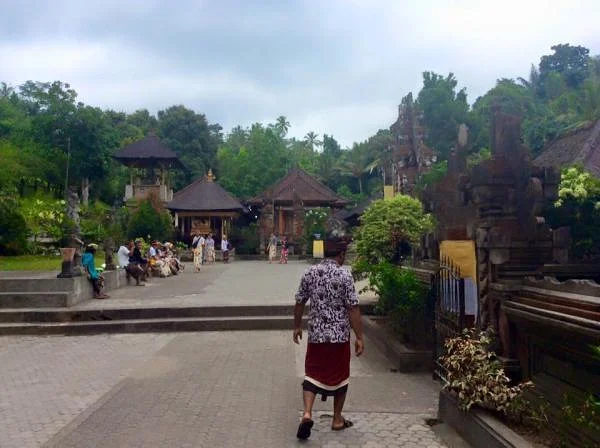
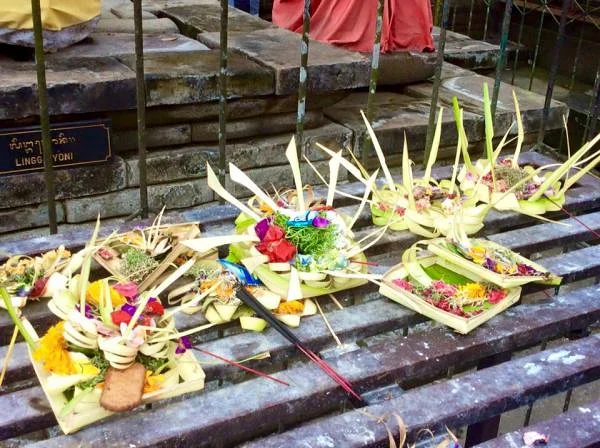
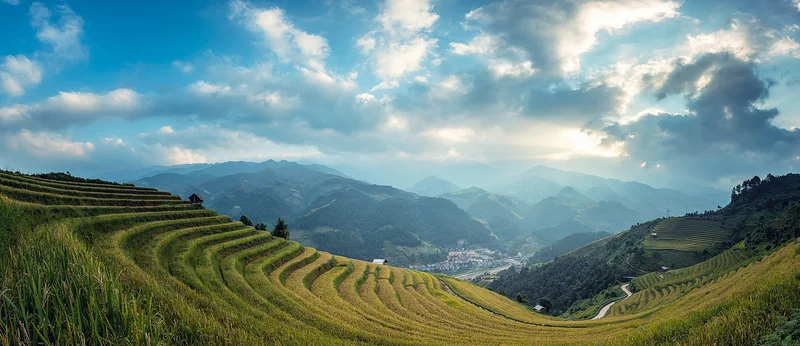
It is impossible to skip Bali, but the south of the island groans under heavy resort development, gridlock, and souvenir hawkers. Head north or inland to find the island's quieter spirit. The UNESCO-listed rice terraces of Jatiluwih roll out in brilliant shades of green. The village of Sebatu, 20 km from Ubud, remains largely untouched by mass tourism.
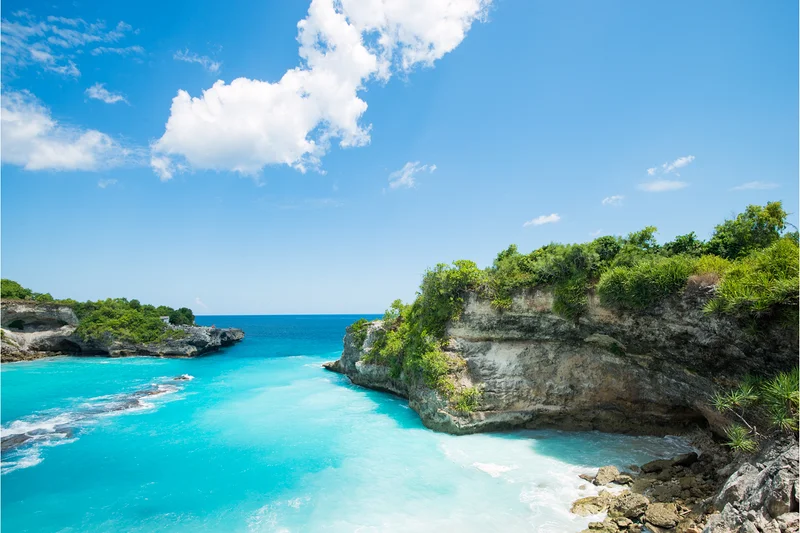
The Nusa islands draw visitors looking for dramatic coastal cliffs. Nusa Penida boasts incredible overlooks, though its bone-shaking roads demand caution on a scooter. Nusa Ceningan and Nusa Lembongan suit travelers after a quieter vibe and snorkeling spots.
The Gili Islands and Lombok
The three Gili islands split up the roles: Gili Trawangan for nightlife, Gili Air for a mix of social spots and quiet corners, and Gili Meno for peace and sea turtles. No cars are allowed on any of them. Lombok offers a less built-up alternative to Bali, featuring southern white-sand beaches and Mount Rinjani for serious hikers.
Flores and Komodo: the edge of the archipelago
The island of Flores stays off the main tourist track despite its wild beauty. The winding road cutting across the island uncovers carved rice paddies, traditional villages, and crater lakes that change colors. Labuan Bajo acts as the jump-off point for Komodo National Park, home to three-meter-long monitor lizards.
A two-day boat trip lets you track the dragons, snorkel over pristine coral reefs, and sleep under the stars on deck. The local marine life ranks among the healthiest on the planet, with manta rays and sea turtles making regular appearances.
Friendly tip: The Togian Islands, reached from Sulawesi after three days of transit, offer world-class diving far from the crowds. Bring plenty of time and patience.
Sulawesi, island of ritual
Toraja country in the southern mountains of Sulawesi captivates visitors with unique funeral rites. Families keep their deceased relatives at home for months, sometimes years, before elaborate ceremonies involving water buffalo and pig sacrifices. Cliffside burial graves and carved wooden effigies of the dead create a haunting landscape.
The north of the island hides Bunaken, a marine park where visibility often hits 30 meters. Divers here run into reef sharks, turtles, rays, and top-tier marine biodiversity.
Indonesian cooking: the realm of sambal and fried rice
Nasi goreng, fried rice spiked with sweet soy sauce and topped with a fried egg, shows up from breakfast to late night. Satay skewers charred over coals and dipped in rich peanut sauce turn up on every corner. Rendang, originating from Sumatra, is beef simmered for hours in coconut milk and spices, frequently voted among the best dishes in the world.
Every region runs on its own specialties. In Padang, restaurants set a dozen dishes across your table at once, and you only pay for what you touch. In Bali, babi guling features spit-roasted spiced suckling pig. Local warungs serve full meals for under $2.30*.
Indonesian coffee deserves attention. Beans from Toraja, Sumatra, and Java yield bold, earthy profiles. Kopi tubruk, finely ground coffee brewed right in the cup with the grounds left at the bottom, remains the traditional style.
When to visit Indonesia?
The dry season runs from May to October across most of the archipelago. June through September hits the sweet spot for volcano climbs and jungle treks. The rainy season, from November to March, brings daily afternoon downpours rather than endless washouts. Some travelers prefer these months for lower prices and quieter sights.
Weather varies by island. Bali and Lombok have distinct seasons. Sumatra and Kalimantan stay humid year-round. For diving, April to September delivers top visibility. Skip Indonesian school holidays in December and January if you want empty beaches.
How to get to Indonesia?
No airline flies nonstop from North America to Indonesia. Expect 22 to 26 hours of travel time with a stopover in Tokyo, Seoul, Singapore, Doha or Dubai, and a west-coast departure if you want the shortest version. Fares run between $690 and $1,030* depending on the season. Garuda Indonesia, Singapore Airlines, Emirates, and Qatar Airways handle the most comfortable routes.
The airports in Jakarta and Denpasar handle the bulk of international arrivals. US, Canadian and European passport holders need a visa on arrival, about $40*, valid 30 days and extendable once while in the country. You can buy it at the airport or online before departure; the old visa-free entry was not reinstated after 2022.
Getting around Indonesia
Domestic flights are the fastest way to hop between major islands. Lion Air, Citilink, and Batik Air offer affordable fares if you book ahead. Keep an eye on safety records for smaller propeller planes flying regional routes, as maintenance standards can lag.
On Java, the rail network run by Kereta Api Indonesia provides a comfortable ride connecting Jakarta, Yogyakarta, and Surabaya. Ferries link neighboring islands, but crossings can run long and basic. Local buses run cheap but crawl and get cramped on long hauls.
Across the islands, the scooter rules. Rentals cost between $4.60 and $9.20* per day. Traffic drives on the left and gets chaotic in a hurry. Ride-hailing apps Grab and Gojek work smoothly in cities for motorbike taxis or private cars.