
Ubud at a Glance
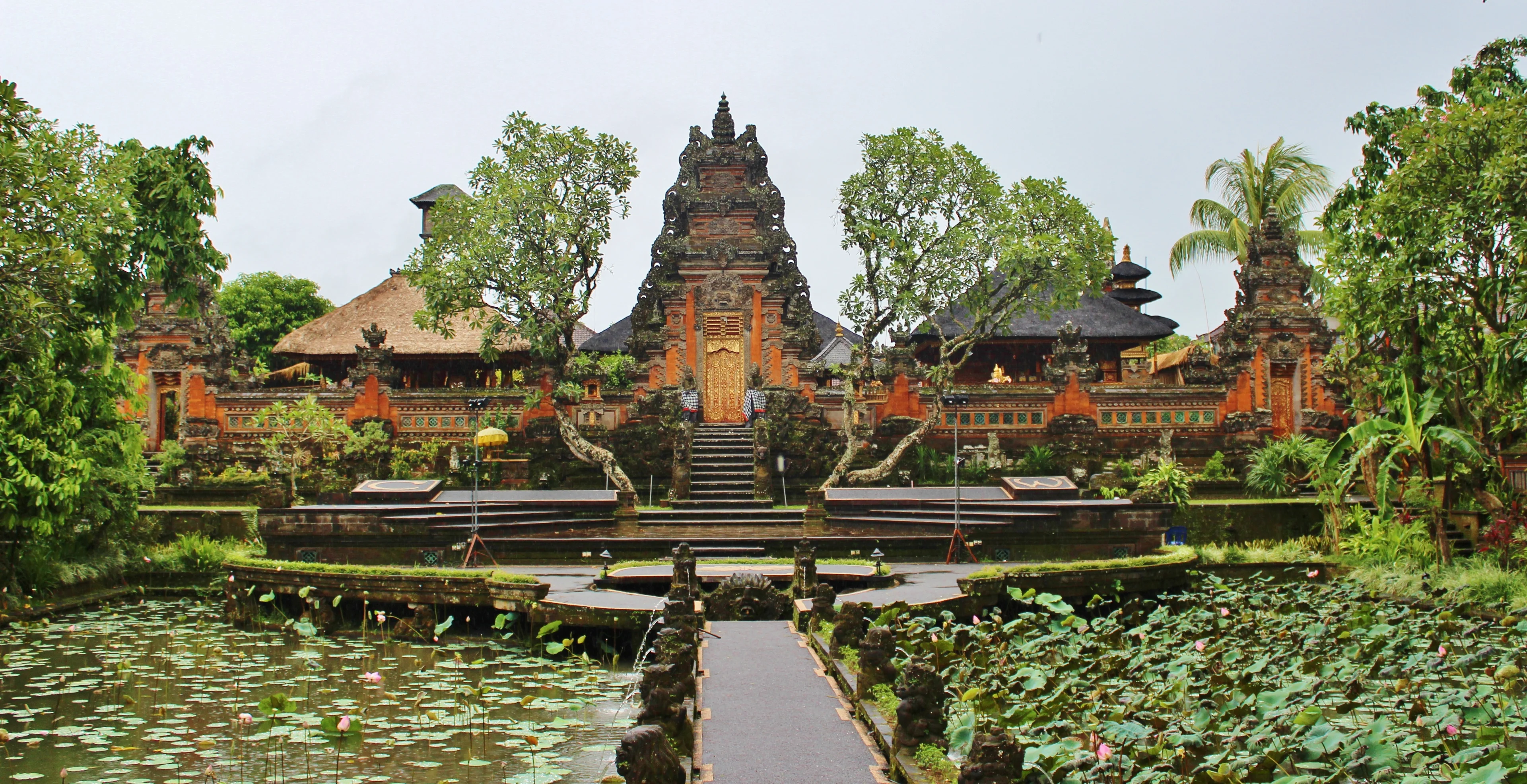
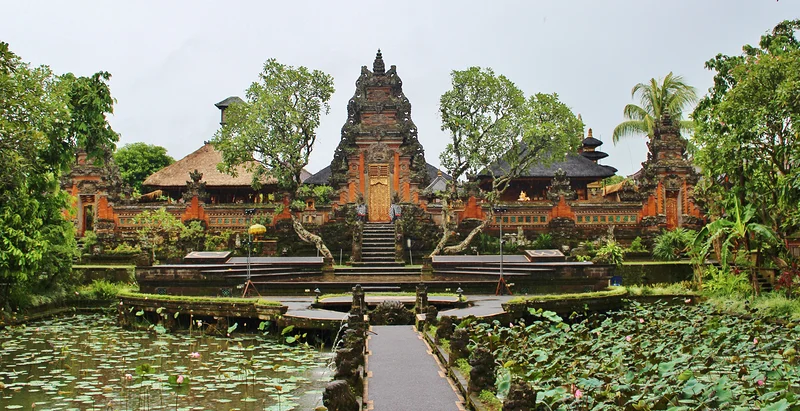
As the cultural center of Indonesia, Ubud is famous for its gorgeous terraced rice paddies, temples, and craft traditions, sitting right in the center of the Hindu island of Bali. Set where two rivers meet, this artistic hub lets you catch traditional legong and gamelan music and dance performances, plus browse dozens of art galleries. Nature lovers will find plenty to love here too, starting with the surprising depth of the local rainforest. The name Ubud literally translates to medicine, reflecting its deep historical roots in herbal healing. That tradition carries on today through the town's massive selection of hiking trails, yoga studios, and spas. You can also book a four-hand Balinese massage and sample refined local dishes like nasi goreng (fried rice), bebek betutu (slow-cooked spiced duck), and babi guling (Balinese-style roast pork).
The climate is tropical and equatorial, featuring a dry season from April to October and a wet season from November to February. Heavy rain is mostly limited to January and February.
A Jungle in the Middle of Town, Balancing Nature and Macaques
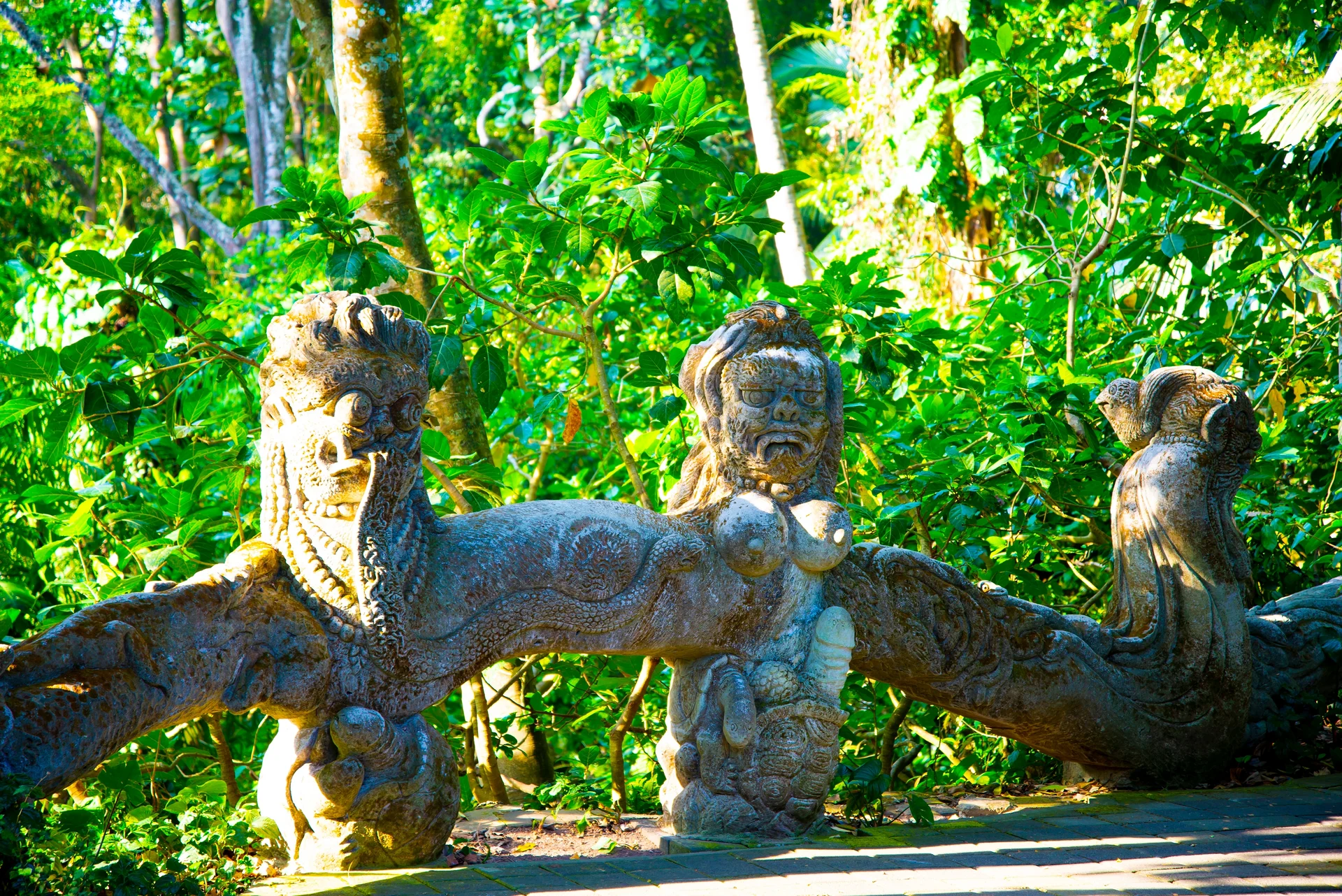
Start your trip at the Monkey Forest Sacred Sanctuary, set inside a wooded area that houses the temple of death and evil spirits, which locals avoid entering due to local superstition. You will appreciate the intricate Hindu stone carvings and the lively atmosphere. Keep a close eye on the thousand or so resident monkeys, as they love anything shiny or edible. If you want to feed them, do it only with the help of the reserve's staff of monkey experts.
Next up is the Purilukisan Museum, a fine arts museum where you can explore the kamasan painting style along with works by Nyoman Lempad and Arie Smit. When evening hits, head over to Puri Saren Ubud, the Royal Palace right in the middle of town, which hosts fantastic evening performances.
A short walk away, Lempad’s House is worth checking out. This was the home of Gusti Nyoman Lempad, a legendary local artist who lived to be 116 years old. Another notable historic residence is the Walter Spies House, named after the Moscow-born artist who hosted famous guests like Charlie Chaplin here. Today, anyone can book a room at the property, which operates as the Campuhan hotel.
Art Around Every Corner
The Neka Art Museum is a private institution tracing the history of Balinese painting and how Western influences shaped local artists. The museum stands out for its clear explanations, chronological layout, and strong international collection.
Art fans should also visit the museum dedicated to Antonio Blanco, often called the Bali Dali. The setting is a meticulously maintained estate, and while local censorship famously burned many of his erotic works, the remaining collection is fascinating. Afterward, grab a cold drink on the terrace of the Bridge Café for relaxing views of the river and gardens.
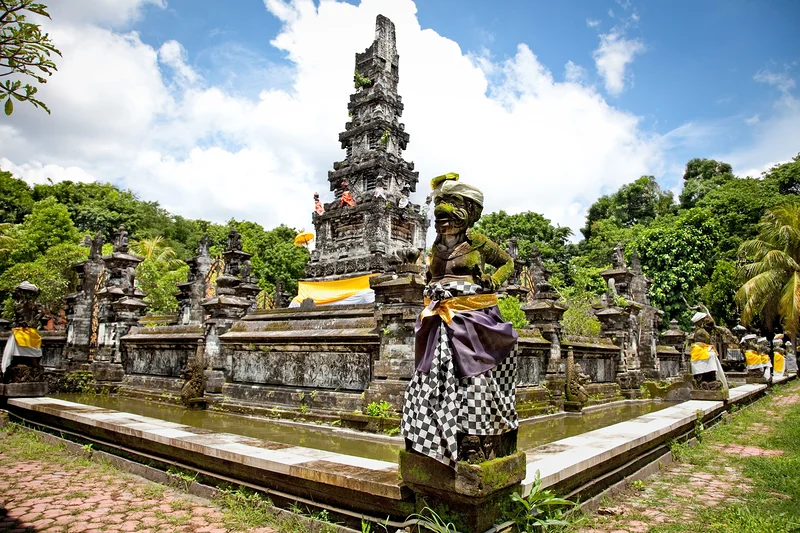
Just down the hill, do not miss the Pura Gunung Lebah temple, surrounded by lush greenery that makes for a peaceful stop.
Getting There
There is no nonstop route from North America: carriers such as Singapore Airlines, Cathay Pacific, Qatar Airways, Korean Air and EVA Air fly from the West Coast to Denpasar with layovers in Singapore, Hong Kong, Doha, and Bangkok.
Getting Around
Book a ride with the country's main taxi company, Blue Bird, right at the airport for a flat rate of around 300,000 Rp. Expect the drive to take 1 hour and 30 minutes to 2 hours and 30 minutes depending on your arrival time. Traffic in Bali is heavy, and cars rarely exceed 30 km/h.
Compact and walkable, Ubud is easy to explore on foot. To reach the outlying rice fields, rent a bicycle or a scooter for about 30,000 to 50,000 Rp per day.
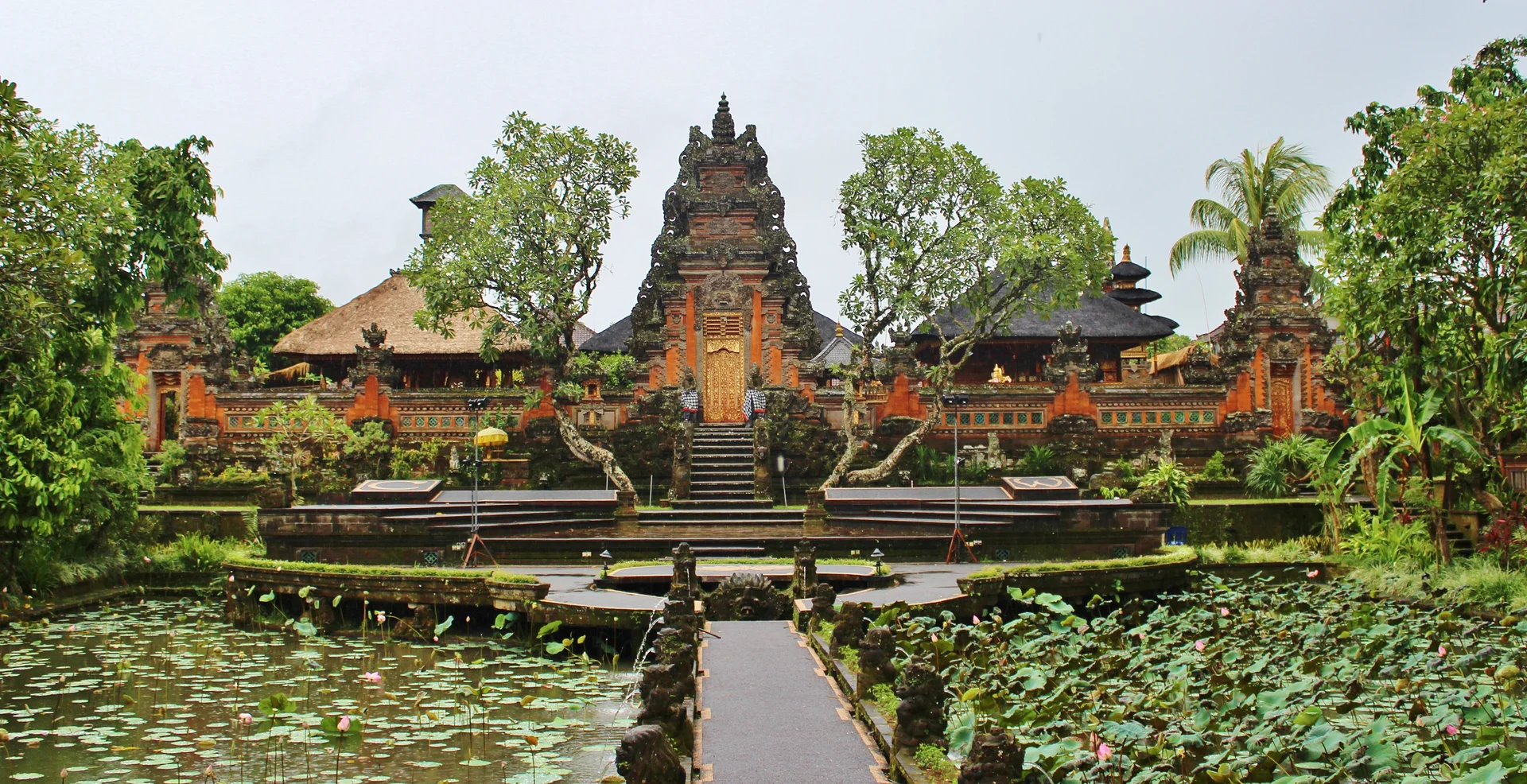
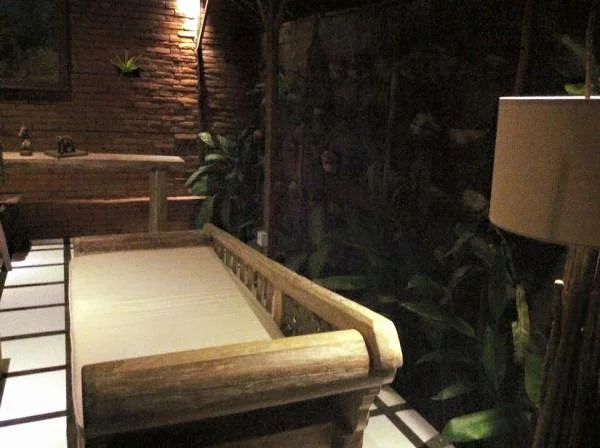
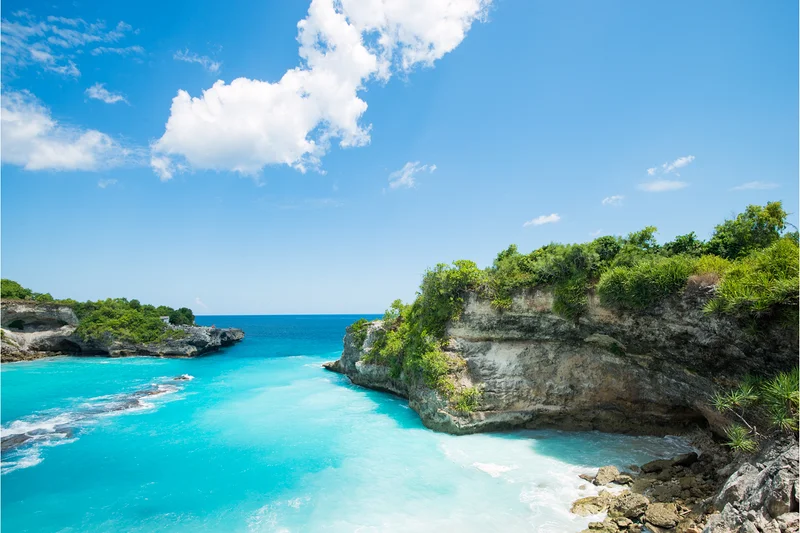
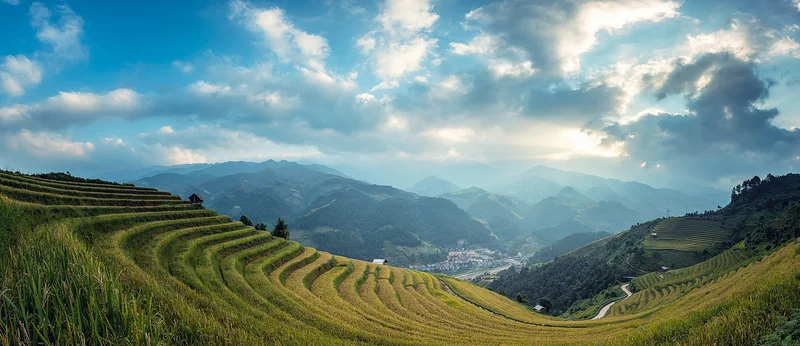
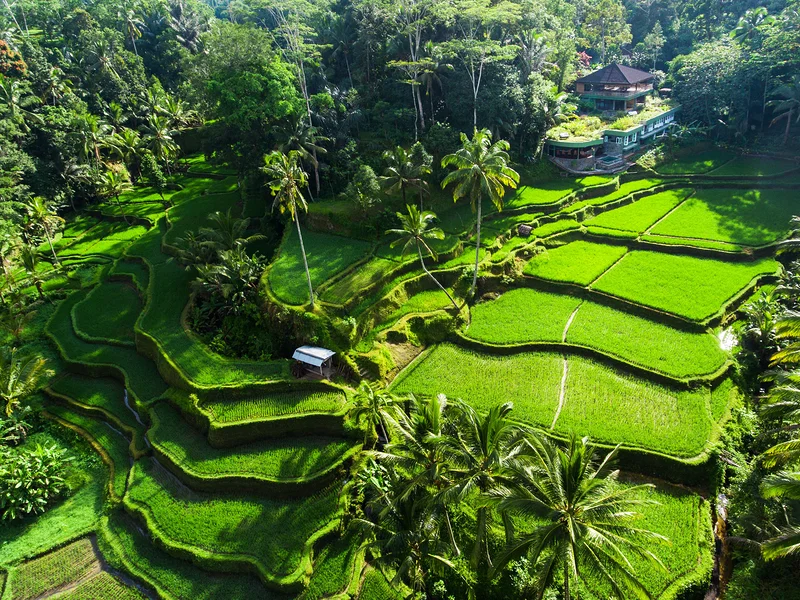
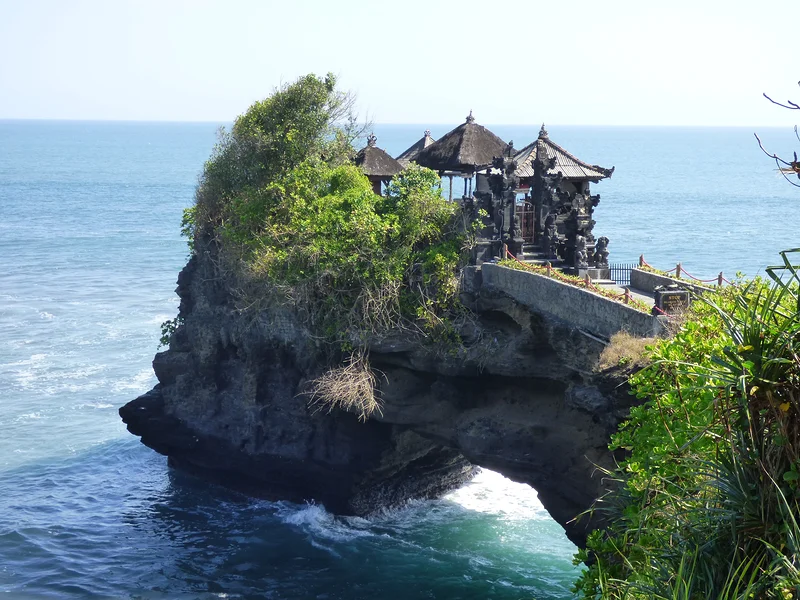
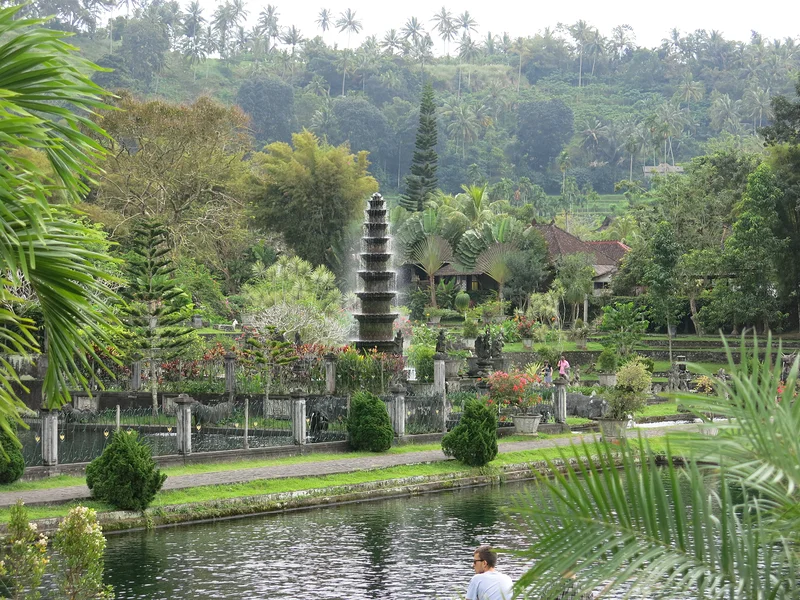
I completely fell in love with Ubud, on the island of Bali in Indonesia. Located in the middle of rice paddies, it is a haven of peace, popular with Westerners looking for relaxation and digital nomads. The accommodations are affordable and luxurious, often with gardens and pools. The food is varied and high quality. The locals are adorable.
It is possible to take yoga or dance classes and get a massage for a good price. Or you can simply go hiking and biking through the rice paddies and visit the temples and the monkey forest.