Visiting Tegallalang
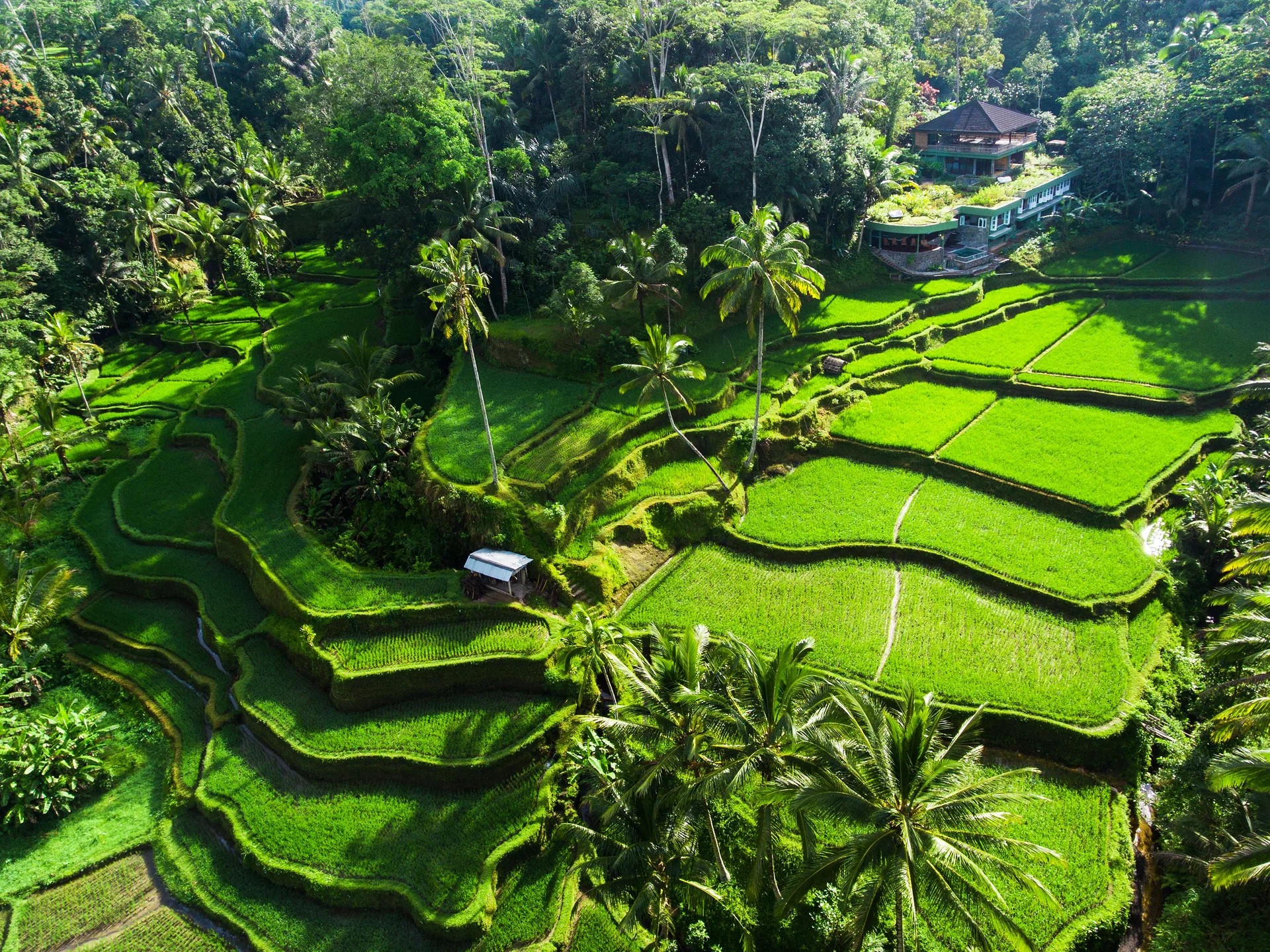
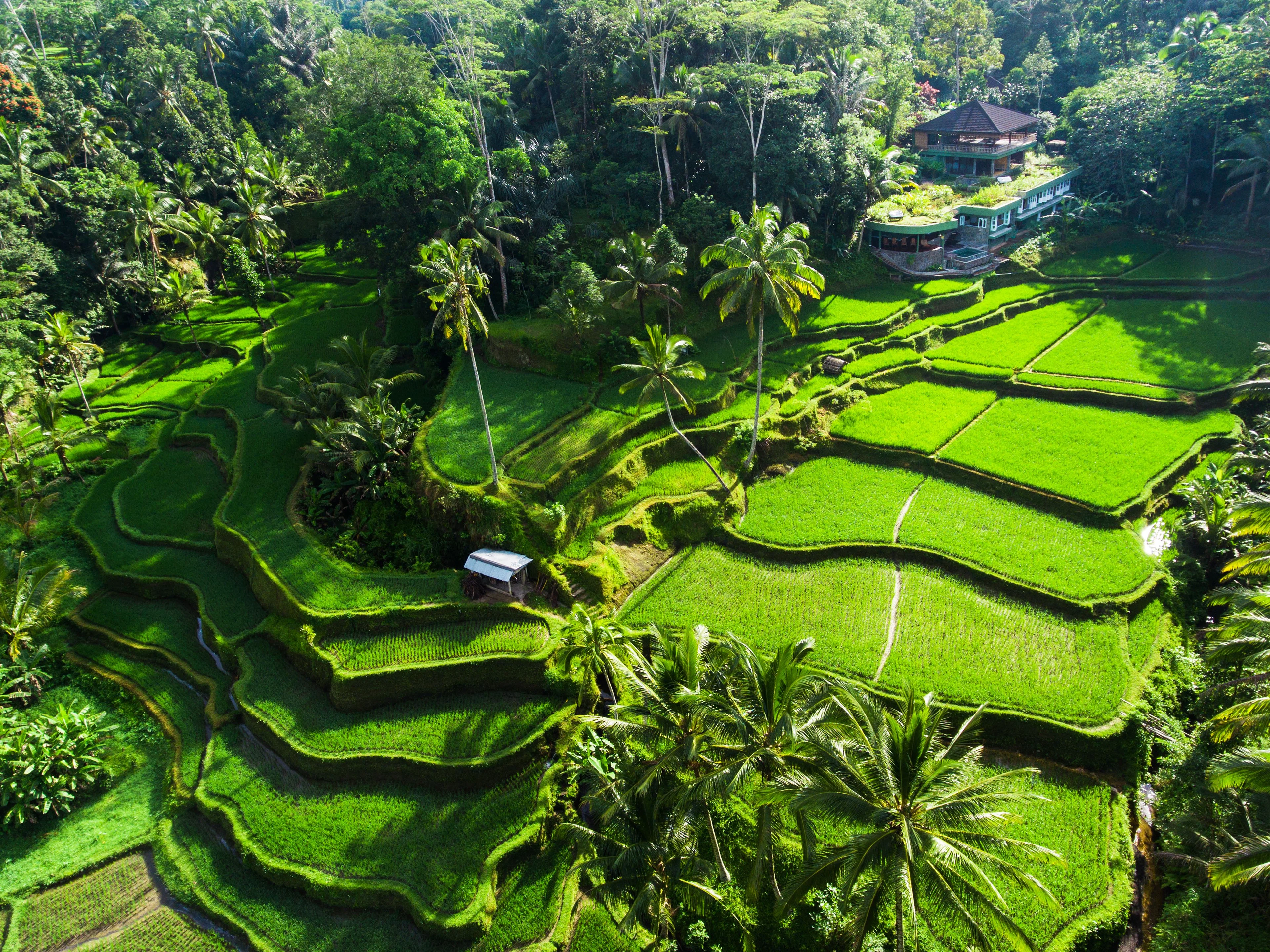
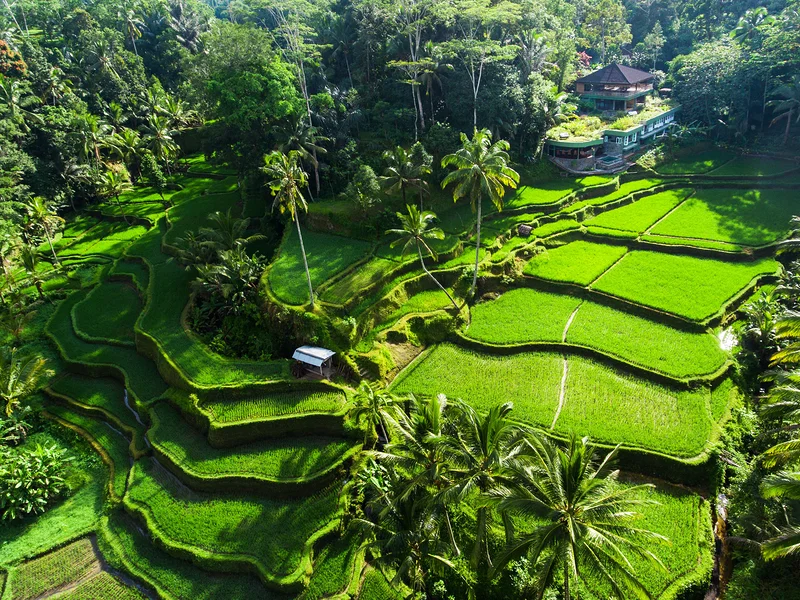
Tegallalang sits in the Gianyar province on the island of Bali in Indonesia. It is known for its terraced rice paddies, a traditional agricultural layout carved into hillsides at an altitude of 600 meters. Perfectly positioned between the town of Ubud and the sacred Lake Batur, it is a standard stop for anyone traveling through Bali.
Beautiful rice fields in Indonesia
The rice terraces of Tegallalang rank among the most visited sites on the island of Bali. They operate on the Subak principle, an agricultural management system created in the 9th century by the saint Rsi Markandeya that is specific to Indonesia. In this complex water distribution system, priests oversee irrigation and farming schedules. You can take scenic walks through the Tegallalang rice paddies, often for a small entrance fee of around 25,000 IDR (about $1.60). In recent years, swings and a zipline have been added to accommodate the rise in tourism.
To relax after exploring the fields, head to the sacred springs of Tirta Empul, built in 1957 by the first Indonesian president Soekarno in the Tegallalang region. While the water in the bathing pools is quite cool, it is believed to purify those who bathe in it, as the temple is dedicated to Vishnu, the Hindu god of water. Be sure to properly knot your sarong before entering the site.
Artisan capital of Bali
Along with the nearby small village of Pakudui, Tegallalang is famous for its thriving craft scene focused on wood carving techniques. This local art is passed down through generations, and their creations, including bowls, dishware, and small decorative items, are sold globally. You will likely find something to take home at the town market.
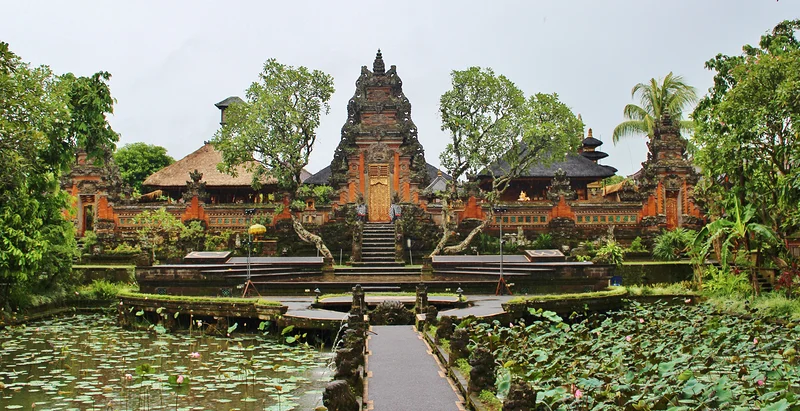
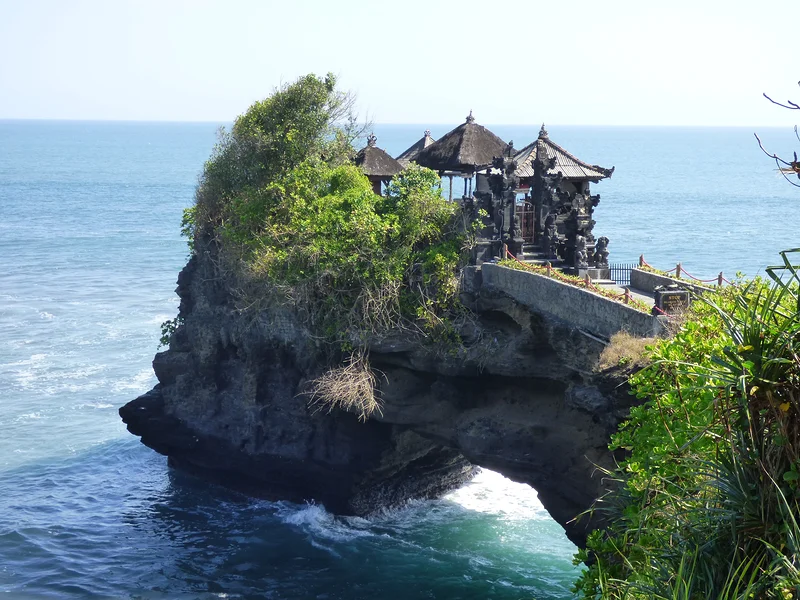
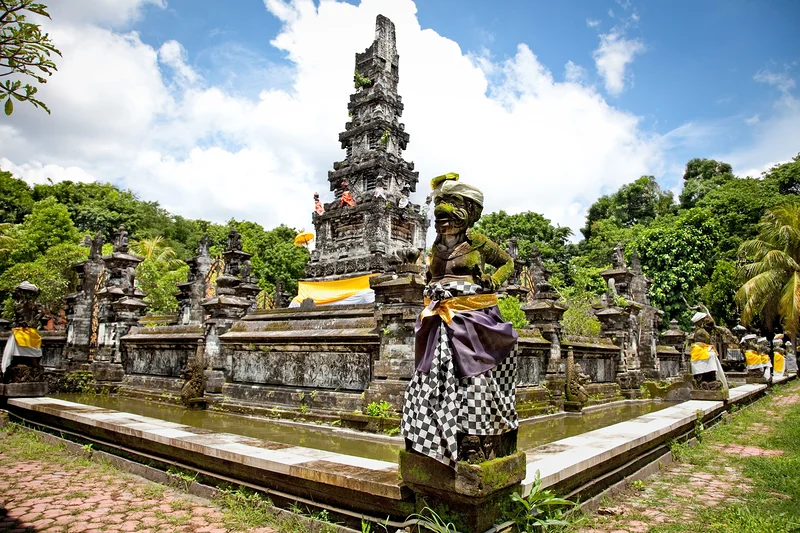
Regarding religious heritage, the area around Tegallalang was once home to a powerful Brahmin caste. In Manuaba, a small village a few miles from Tegallalang, you will find the Pura Griya Sakti temple, built in the 17th century. Among the temples to see in this part of the island, do not miss the Lake Batur temple, perched in the middle of the caldera at an altitude of 1,000 meters. The Gunung Kawi temple in Tampaksiring is another essential stop. Built in the 10th century, it features a dozen mausoleums carved directly into the rock face, within cavities nearly seven meters high. The tombs hold members of the royal family from that era. Note that to reach Gunung Kawi, you must climb a total of 230 stone steps that wind through lush rice paddies.
When to go
The best time to see the rice paddies of Tegallalang is right before the harvest, specifically in May and June or between September and November.
How to get there
The best way to reach Tegallalang is by motorized vehicle, either a car or a scooter. Additionally, many local agencies organize their own shuttle excursions directly to the rice terraces.