
Visiting Jakarta
Jakarta is the capital of Indonesia, sitting on the northwest coast of Java. With over 30 million residents, the sprawling megacity ranks as the second most populated urban area in the world right behind Tokyo. The site started as a harbor controlled by the Hindu kingdom of Pajajaran before a Muslim warrior named Fatahillah took it over in 1527. He renamed the area Jayakarta, meaning victorious deed in Sanskrit. Dutch colonists arrived on the island of Java in 1619, turning Jakarta into the capital of the Dutch East Indies under the name Batavia.
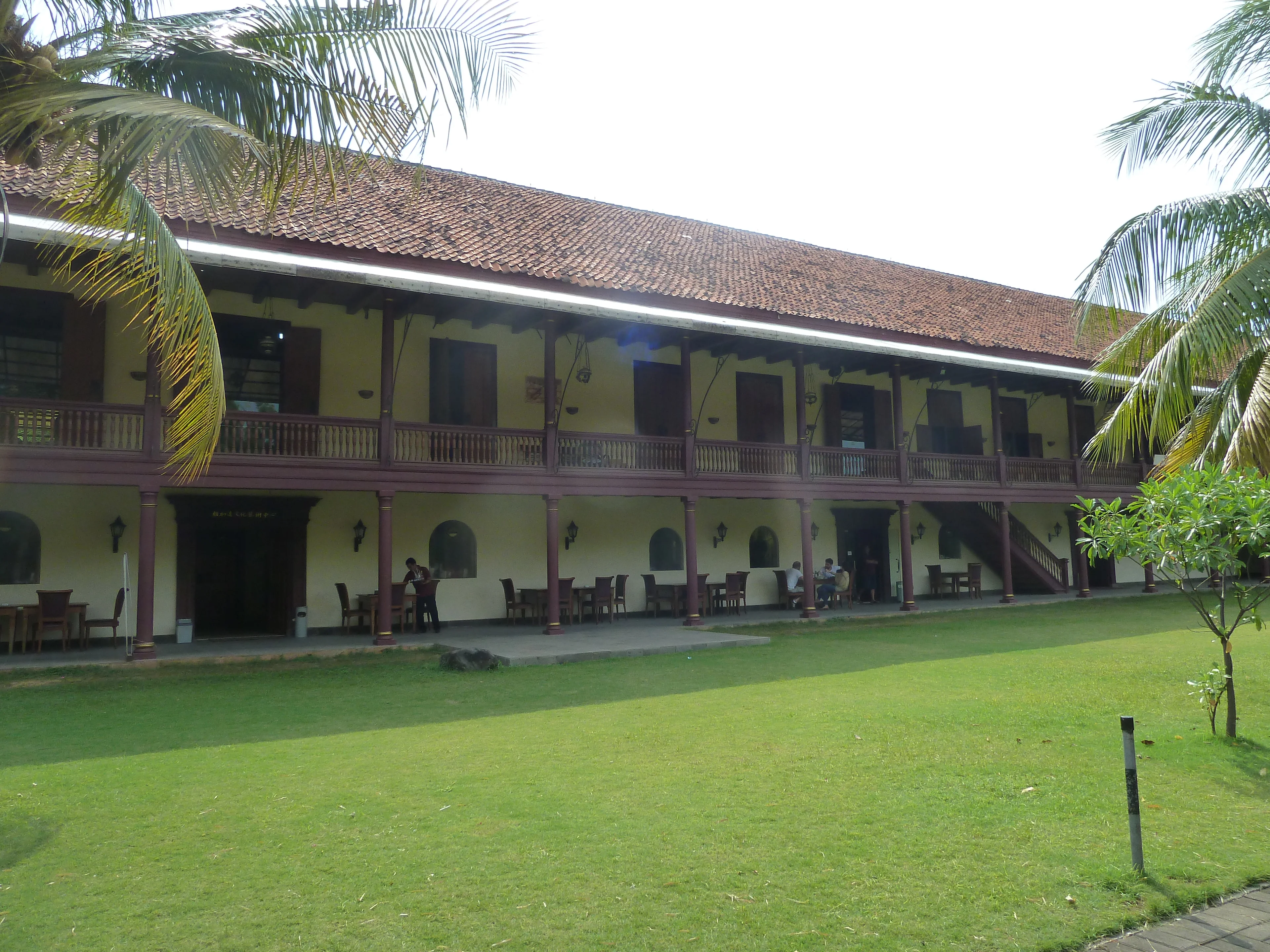
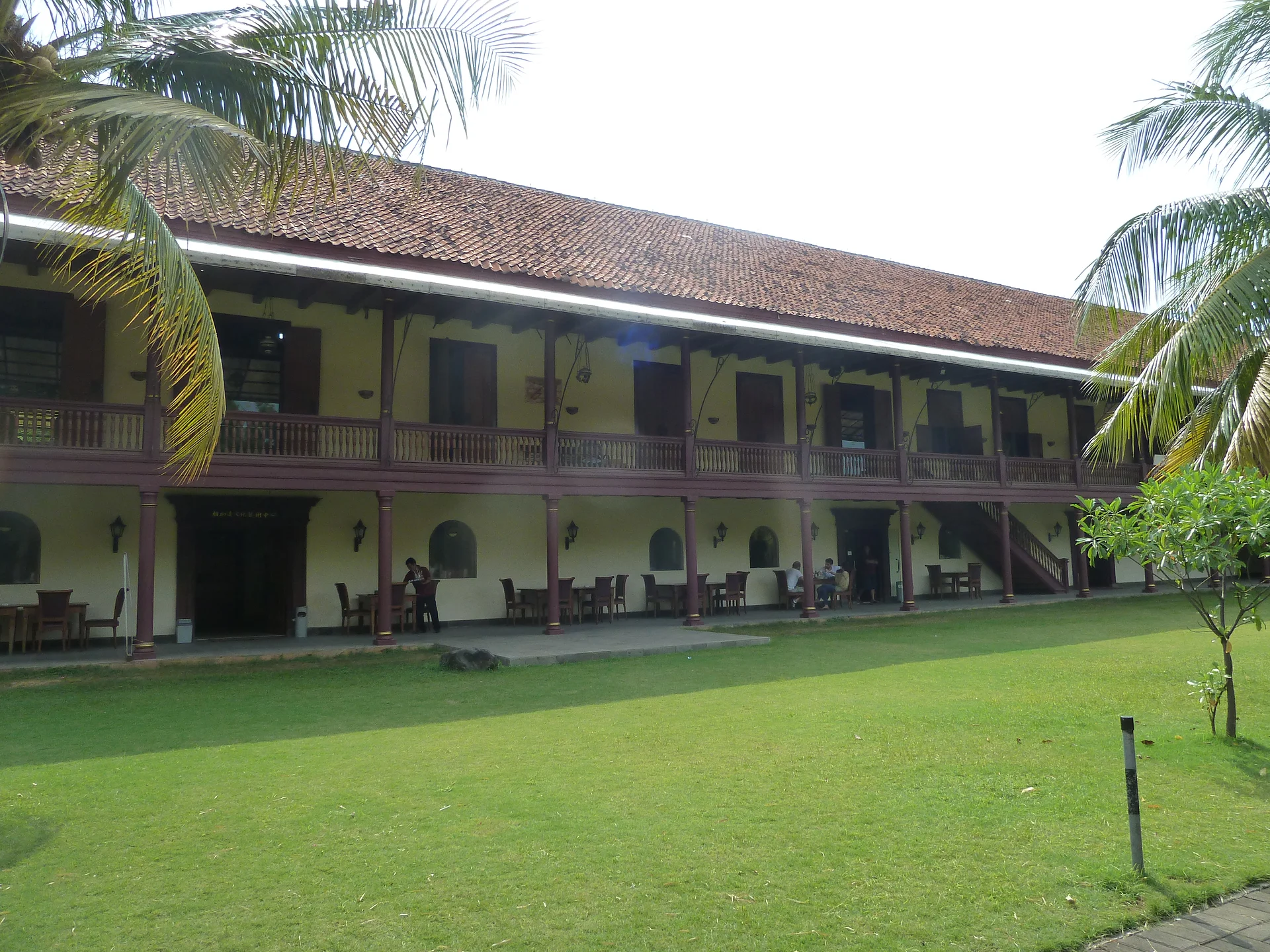
Exploring Old Jakarta
Kota Tua and the harbor of Sunda Kelapa stand as the main remnants of Jakarta's colonial past. Start your walk at Fatahillah Square, which hosts several cultural institutions. The Jakarta History Museum dominates the square, occupying a building erected in 1710 that once served as the headquarters of the Dutch colonial administration. Its architecture reflects traditional Dutch design from that era, and the exhibits trace the history of the island from prehistoric times through the colonial period. If you enjoy traditional museums, do not miss the Wayang Museum, dedicated to the puppet theater tradition recognized by Unesco as part of the intangible cultural heritage of humanity. It houses a vast collection of the island's traditional puppets once used in elaborate shadow play performances.
Head north to the historic port of Sunda Kelapa, where a major share of the spice trade between the Netherlands and Indonesia once took place. You will see a tangle of wooden beams alongside traditional wooden schooners from that period. Close to the historic center, make sure to visit the lively Glodok Chinatown and its Buddhist temple, Dharma Bhakti.
A Southeast Asian Powerhouse
Today, Jakarta functions as a massive metropolis complete with heavy traffic, pollution, and steep economic disparities. Rising sea levels and the unregulated extraction of groundwater prompted the government to announce plans in 2019 to relocate the Indonesian capital to the neighboring island of Borneo.
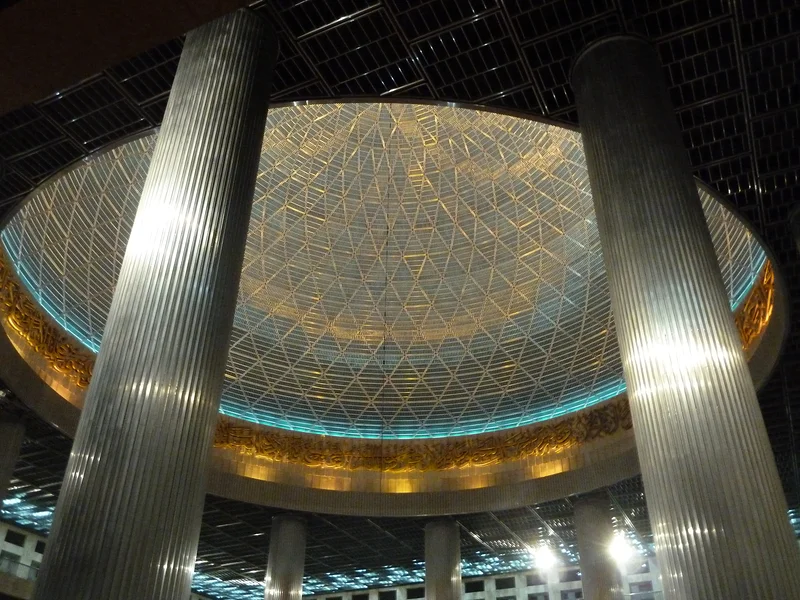
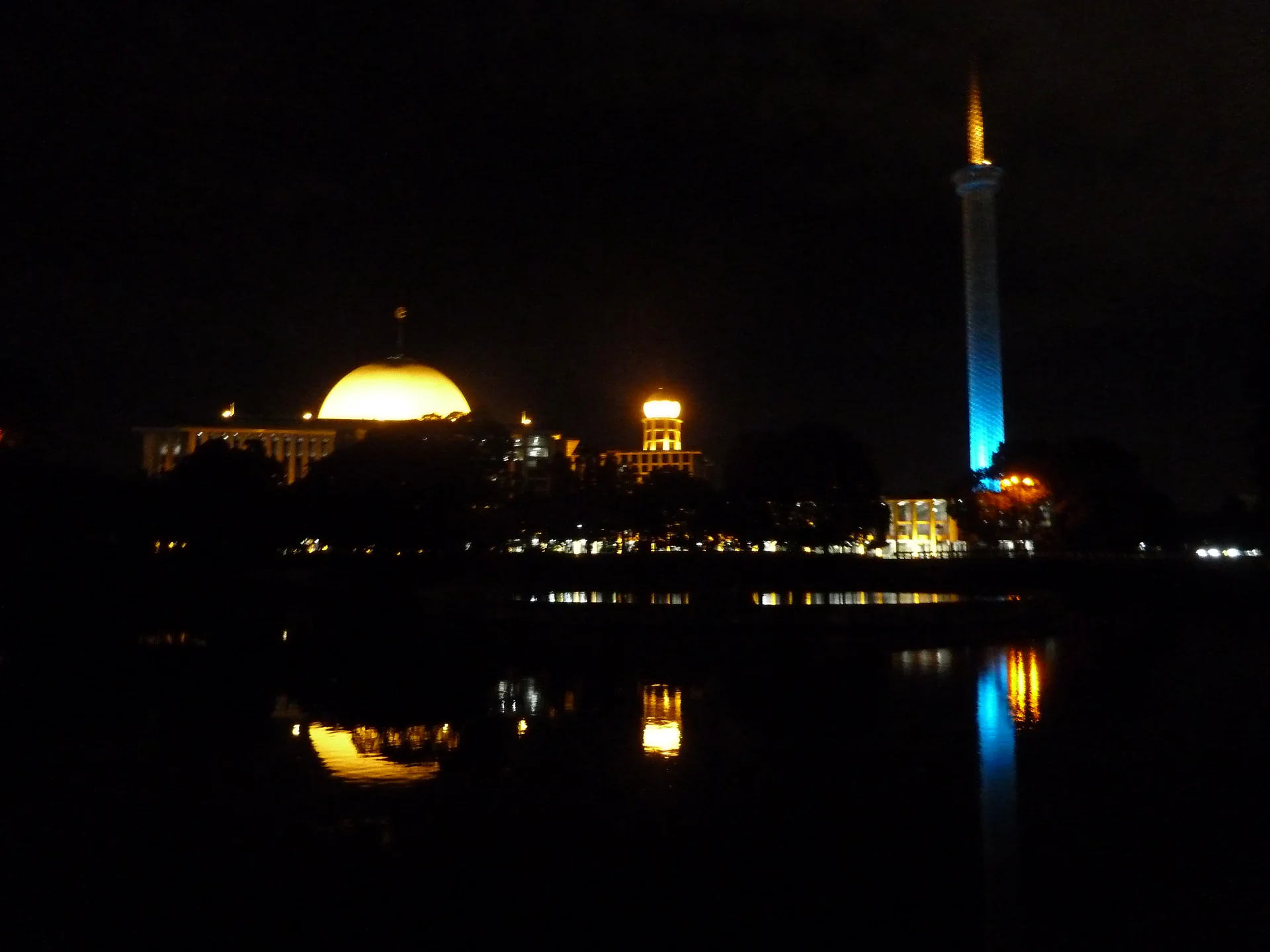
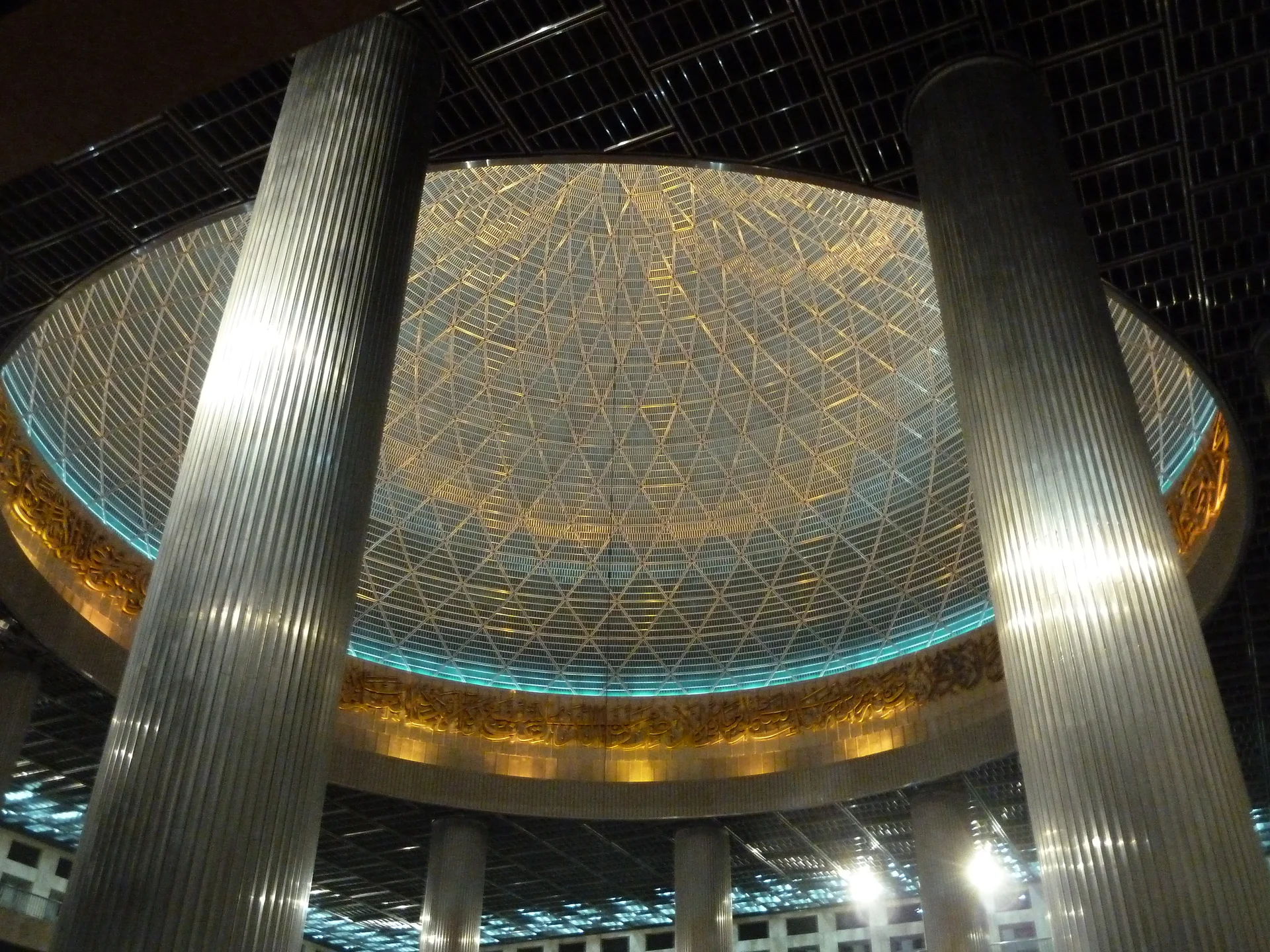
As the headquarters of the Association of Southeast Asian Nations, Jakarta operates as a powerful and modern city. Merdeka Square symbolizes this evolution as one of the largest public squares in the world. At its center stands Monas, a 137 meter tall monument commemorating the country's fight for independence that offers sweeping views of the city from the top. The square also houses the National Museum of Indonesia, holding around 115,000 art and historical objects typical of Southeast Asia. Another major landmark in Jakarta is the massive Istiqlal Mosque, which can accommodate up to 120,000 worshippers.
When to go
The best time to visit Jakarta is during the dry season, running from May to October.
How to get there
Jakarta is served by Soekarno-Hatta International Airport. You can get to downtown from the airport by train, bus, or motorcycle taxi. The metro system continues to expand across the city, connecting the main tourist neighborhoods.
Indonesia is a beautiful country, but I don't find its capital very welcoming. Lots of concrete, traffic, and shopping malls. Get out of there quickly to discover the rest of the country.