Visiting Bali
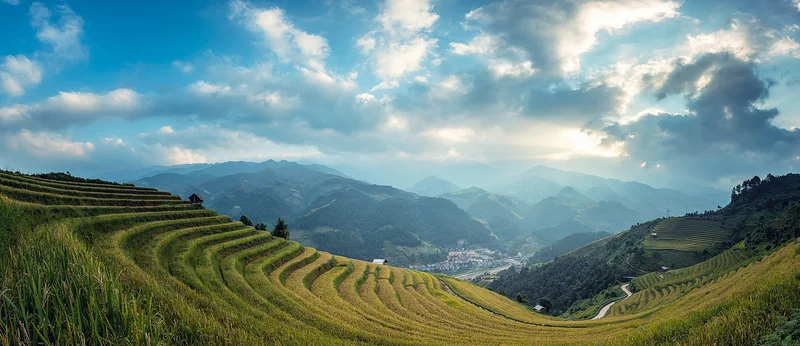
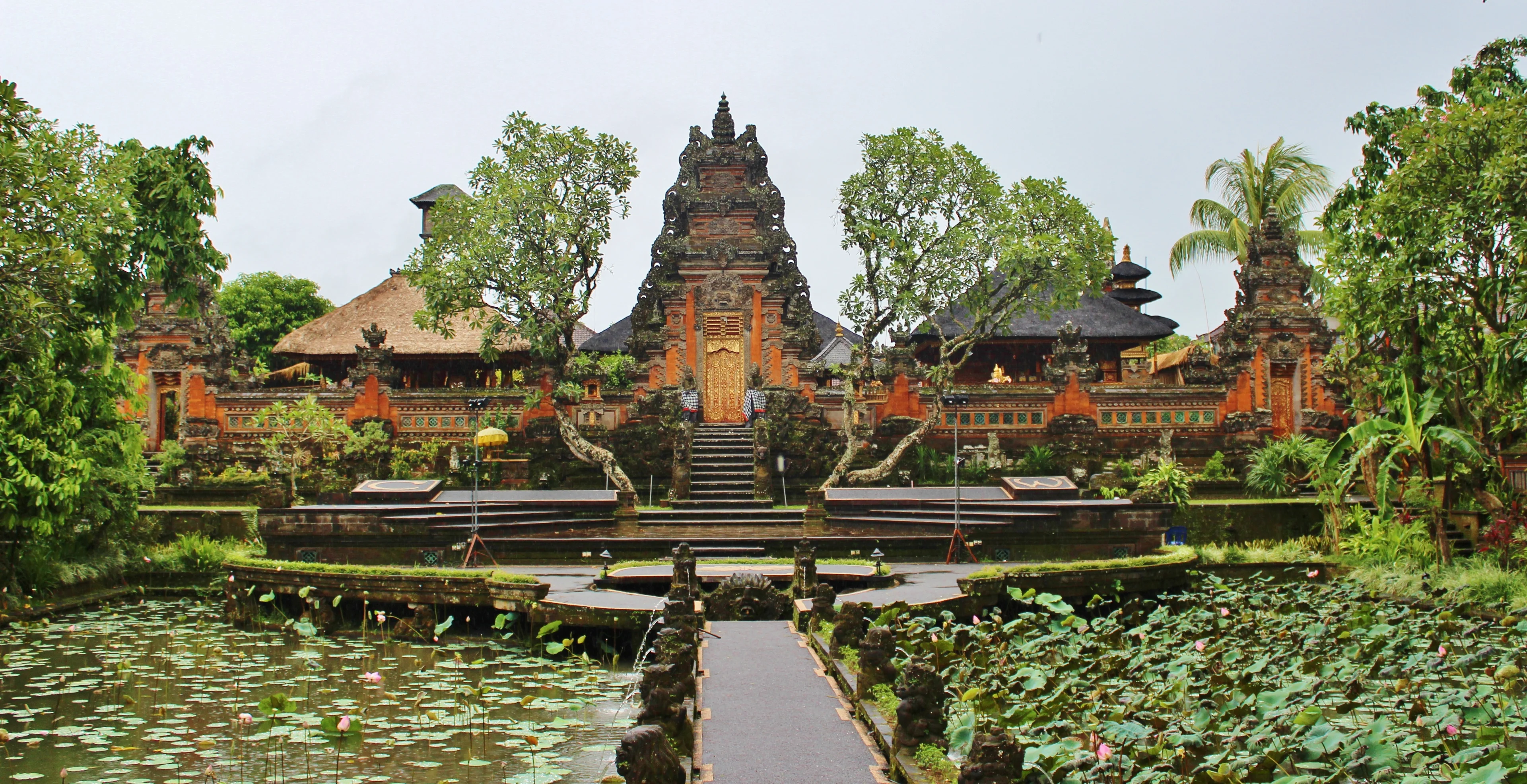
On the map, forty minutes of road separate the airport from Ubud. In reality, they separate two islands. In the south, around Seminyak and Canggu: surf breaks, cafés and scooters bumper to bumper. Inland: terraced rice fields, village temples and the gamelan rehearsing at nightfall.
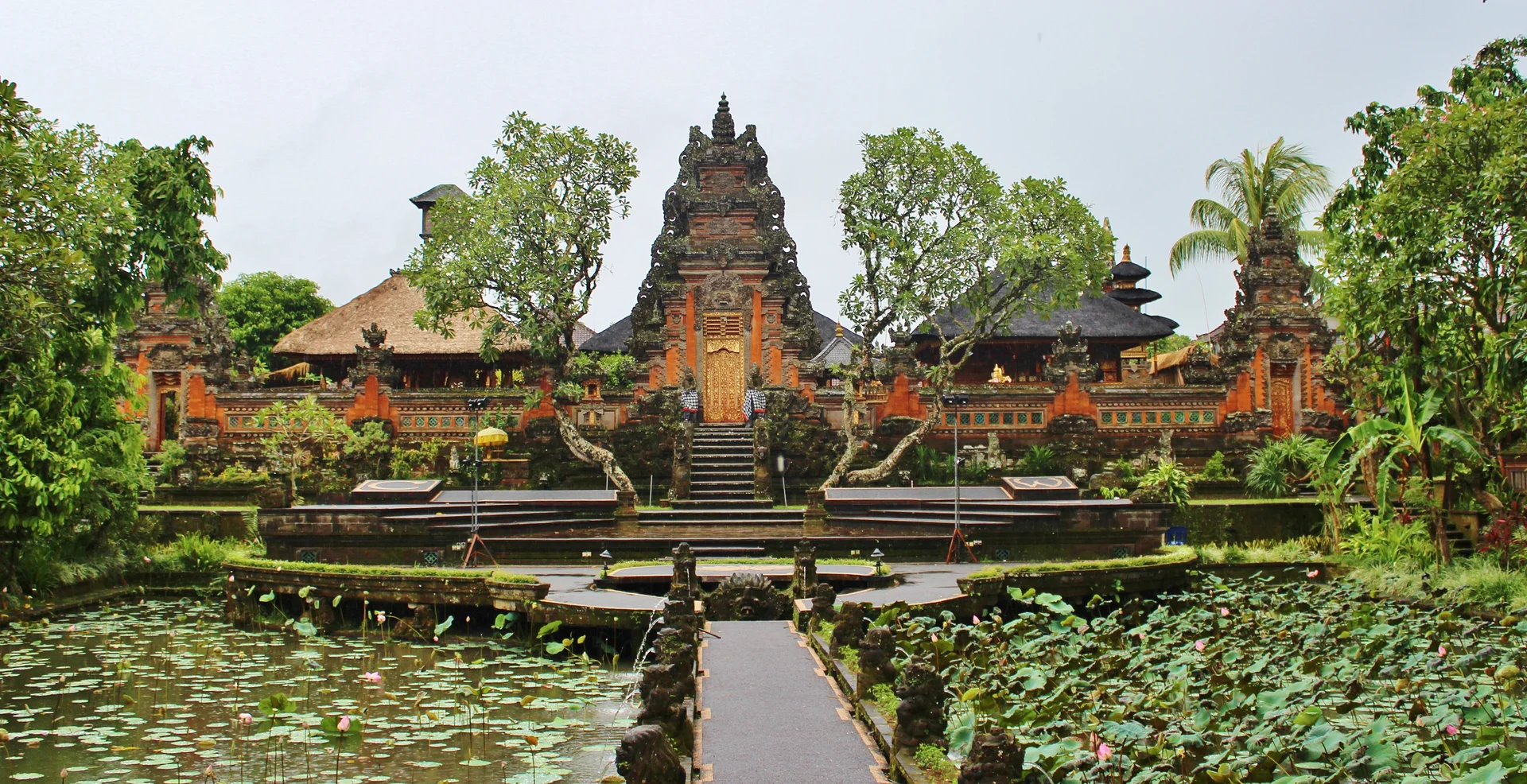
What strikes you is a religion lived on every street corner. Nearly nine Balinese in ten are Hindu, in the middle of the world's largest Muslim country. Every house sets out offerings several times a day, and a procession can hold up your car for half an hour.
You'll love it if
- You want temples where people pray, not museums
- Rice fields, volcanoes and diving matter as much to you as the beach
- You're willing to spend time on the road to get out of the south
Look elsewhere if
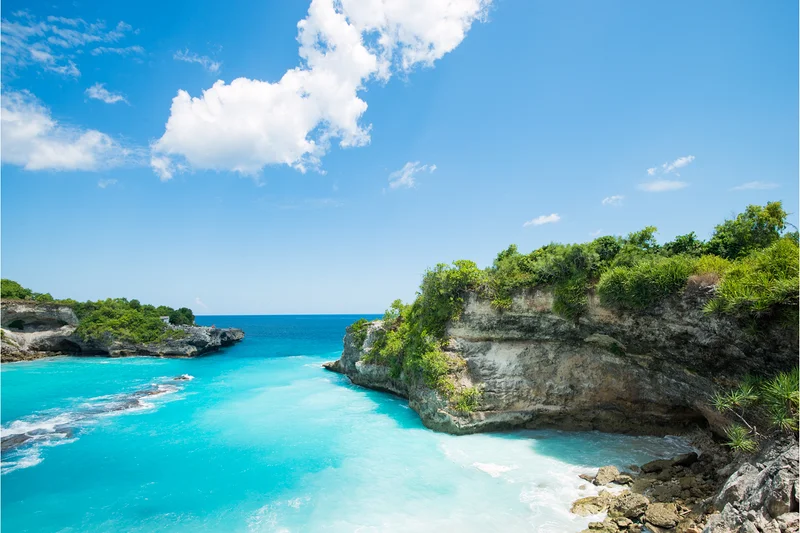
- You dream of an empty beach right below your hotel
- Crowds and traffic jams spoil a trip for you
- You want to see everything in a week
The must-sees
-
1 Sunrise on Mount Batur Start around 4 am
The volcano rises to 1,717 metres above its crater lake. Groups set off in the dark, around four, by headlamp, on black ash that slides under your shoes. At the top, the day breaks behind Mount Agung. A guide from the local association is in practice compulsory at the trailheads: book one the day before, and bring a fleece, as it is cold before dawn.
-
2 Nyepi, the day the island stops 8 March 2027
In 2027 the Balinese New Year falls on Monday 8 March. The evening before, every village parades its ogoh-ogoh, giant papier-mâché monsters, before burning them. The next day brings twenty-four hours of silence: the airport closes, the ferries stop, the roads empty, and nobody may go out, tourists included. Your hotel stays open, and at night, with not a single light on, the sky fills with stars.
-
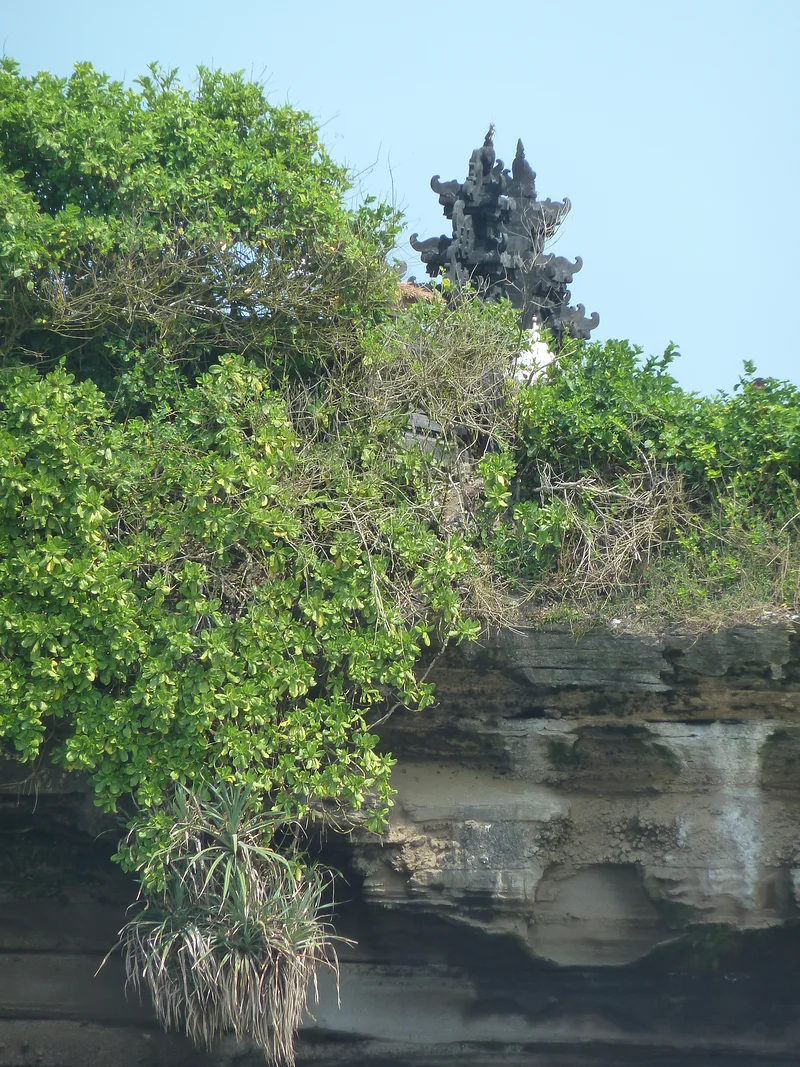 Photo posted by IsahSairen
3 Kecak at Uluwatu temple At sunset
The temple stands on the edge of a cliff above the Indian Ocean, at the southern tip of the island. Every evening, dozens of men seated in a circle chant the "chak" of the kecak, which tells an episode of the Ramayana, while the sun sinks behind them. Arrive an hour before the performance to get a seat. Hold on to your glasses and phone: the temple monkeys snatch them.
-
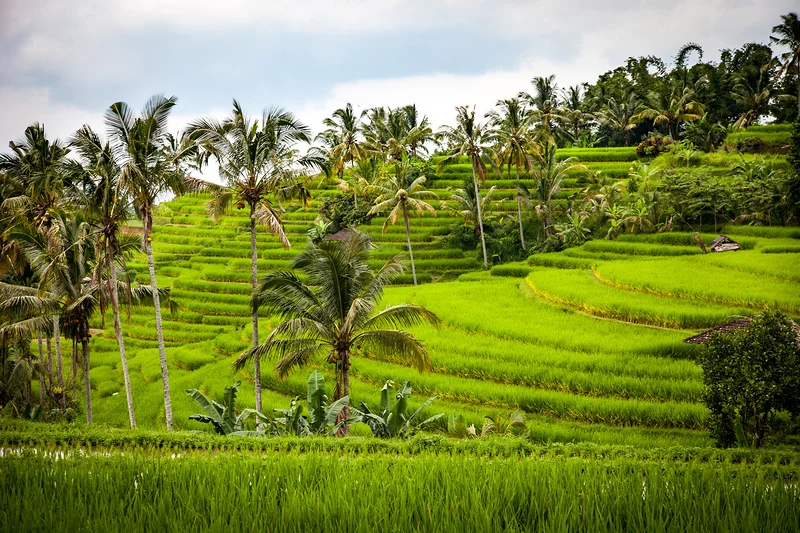
4 The Jatiluwih rice terraces World Heritage
At the foot of Mount Batukaru, these terraces have been on the UNESCO list since 2012, together with the subak, the network of channels that has shared water between the rice fields since the 9th century. Marked trails offer walks of one to three hours. You'll meet fewer coaches here than at Tegallalang, closer to Ubud, which is not part of the listing. Come in the morning, before the heat.
-
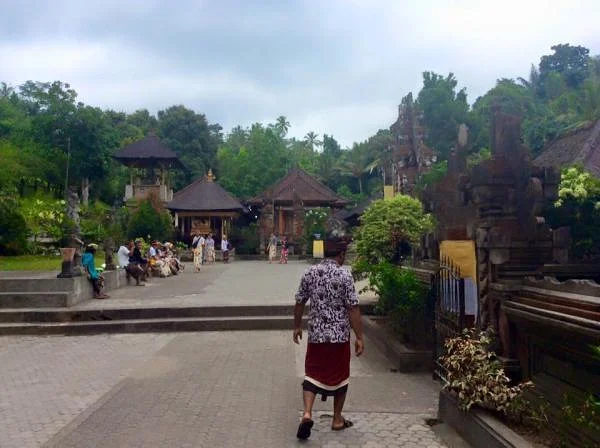
A sacred spring fills a pool where water pours from a row of stone spouts. The Balinese come here to purify themselves, moving from one fountain to the next, and you can step into the water with them. A sarong is compulsory and provided at the entrance. Watch how the worshippers do it first, follow the order of the fountains, and go early, before the groups arrive.
The classic mistake
Cramming five sights into one day. On the map, Uluwatu, Ubud and Lake Bratan look like neighbours; on the road, each leg takes one to two hours. Aim for two visits a day, not five, and sleep close to what you want to see.
Our itineraries in Bali
| Length | Itinerary | What you see |
|---|---|---|
| 1 week | Ubud › Mount Batur › Tirta Empul › Uluwatu | Rice fields, volcano, cliffs |
| 10 days | Ubud › Sidemen › Amed › Sanur › Uluwatu | The interior, the east, the sea |
| 2 weeks | Ubud › Munduk › Lovina › Amed › Nusa Lembongan › Uluwatu | Around the island |
Head inland as soon as you land, and finish at the beach. Ubud is within reach of the airport on your first day, and two or three nights in the south before your flight home spare you a dawn departure through the traffic. The north and the east are done in stages: more than two hours' drive from the south, they aren't worth a return trip in a day.
When to visit Bali
| Rating | Season | Rain | Sea | Crowds and prices |
|---|---|---|---|---|
| Early dry seasonApril to June | Occasional showers | 27 to 29 °C | Medium | |
| Peak summerJuly and Aug. | Almost dry | 26 to 27 °C | High | |
| Late dry seasonSept. and Oct. | Occasional showers | 27 to 28 °C | Medium | |
| Rainy seasonNov. to March | Daily storms | 28 to 29 °C | Low |
Our advice
Aim for May, June or September: the dry season has settled in and you avoid the prices of July, August and the end-of-year holidays. If your dates fall on Nyepi, 8 March 2027, book your hotel for the whole day and plan no flight or transfer on it.
Getting to Bali
-
By air, with a connection The only realistic way in
No direct flight links Europe or North America to Bali. From Europe, you change planes in Istanbul, Doha, Abu Dhabi, Dubai, Singapore or Kuala Lumpur; from North America, usually in an Asian hub such as Singapore, Tokyo, Taipei or Hong Kong. You land at Denpasar, in the south of the island, a few minutes from the beaches of Kuta and Jimbaran.
-
By ferry from Java Overland
At the far western tip, the port of Gilimanuk receives ferries from Ketapang, on Java, day and night, after a crossing of about forty-five minutes. It is the gateway for anyone travelling across Indonesia by land.
-
By boat from Lombok To combine the islands
The public ferry links Lembar, on Lombok, to the port of Padangbai in four and a half hours. Faster private boats shuttle between Padangbai and the Gili Islands.
Before you leave, fill in the All Indonesia arrival form within the 72 hours before your flight, and pay the island's tourist levy online, 150,000 rupiah per person. The visa on arrival is valid for thirty days: check its price when you travel, as an increase was announced in 2026.
Getting around Bali
Without a driver or a scooter, you won't get out of the south. Public buses come down to a few routes around Denpasar, and ride-hailing apps are turned away in several villages, in Ubud as in Uluwatu. The simplest option is a private driver by the day: 600,000 to 1,000,000 rupiah for the car, fuel included, a modest cost once split between four.
Good to know
To rent a scooter, bring your motorcycle licence and an International Driving Permit. The island's police run frequent checks in Canggu, Seminyak, Uluwatu and Ubud, and advise inexperienced foreigners not to ride. Without these papers, your travel insurance won't cover you in an accident.
What to eat in Bali
- Babi guling: a whole pig stuffed with spices and vegetables and roasted on a spit. It is eaten at lunch, in warungs that serve nothing else, and it is often sold out by mid-afternoon.
- Bebek betutu: a duck rubbed with spices, wrapped in banana leaves and slow-cooked for hours. Some places ask you to order it the day before.
- Sate lilit: fish or meat minced with coconut and spices, wrapped around a lemongrass stalk, then grilled.
- Lawar: a highly fragrant mix of minced meat, vegetables and coconut, served alongside ceremonial dishes.
- Nasi campur: a plate of rice surrounded by small portions of whatever the warung cooked that morning. The everyday meal, and the cheapest on the island.
- Arak: the island's rice or palm spirit, legal since 2020. Only drink it from a sealed bottle: adulterated arak has already caused blindness and deaths.
Eat in warungs, the small family-run canteens: you'll find the best of Balinese cooking there for a fraction of the price of the restaurants in the south. On a menu, the "++" sign tells you that tax and service will be added to the bill, often a fifth more.
Where to stay in Bali
| Area | What it's for | Good to know |
|---|---|---|
| Seminyak and Canggu | Surf, cafés, nights out | Gridlocked traffic in the evening |
| Uluwatu and Jimbaran | Cliffs, surf, sunsets | Beaches at the bottom of long staircases |
| Sanur and Nusa Lembongan | Calm sea, boats to the islands | Quiet feel, little nightlife |
| Ubud and its rice fields | Temples, rice fields, culture | No sea, cooler nights |
| Sidemen and Amed | Rice fields, diving, Mount Agung | Far from the south, very quiet |
| Munduk and Lovina | Lakes, waterfalls, north coast | Two hours' drive from the south |
How much does a trip in Bali cost?
| Trip | Length | Budget per person |
|---|---|---|
| Budget (homestay, scooter, warungs) | 10 days | 400 to 650 € |
| Comfort (hotel with pool, driver on some days, restaurants) | 10 days | 1,000 to 1,600 € |
| Luxury (villa with private pool, driver, renowned tables) | 10 days | 2,500 to 4,500 € |
- The area: the same class of hotel costs noticeably more in Seminyak, Canggu or on the Bukit than in Sidemen or Lovina.
- The driver: split between four, it comes to very little per person and spares you the ride-hailing refusals.
- Warungs: eating there rather than on a terrace in the south cuts your food bill by three or four.
- Entrance fees: every temple charges its own, and some add sarong hire or a shuttle. With several visits a day, the total adds up.
- Arrival costs: the visa and the 150,000 rupiah tourist levy are paid per person, children included for the levy.
Traditions and way of life in Bali
Balinese Hinduism blends the gods of India with the worship of ancestors and local spirits. Its festivals follow a 210-day calendar: at Galungan, on 13 January and 11 August 2027, tall decorated bamboo poles, the penjor, go up in front of every house.
Each village is organised into banjar, the neighbourhood council that prepares the ceremonies and rehearses the gamelan. In Ubud, village troupes perform the legong and the barong for visitors every evening.
Local etiquette
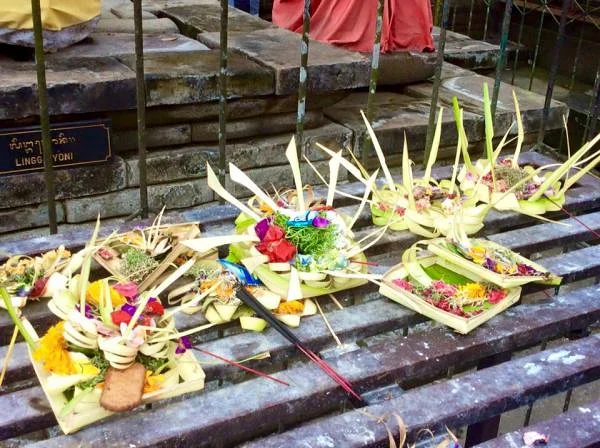
In a temple, cover your legs with a sarong, often lent or rented at the entrance, and stay out of the inner courtyards reserved for prayer. Never step on the small offerings of leaves and flowers laid on the ground, and never climb a sacred tree or wall for a photo.