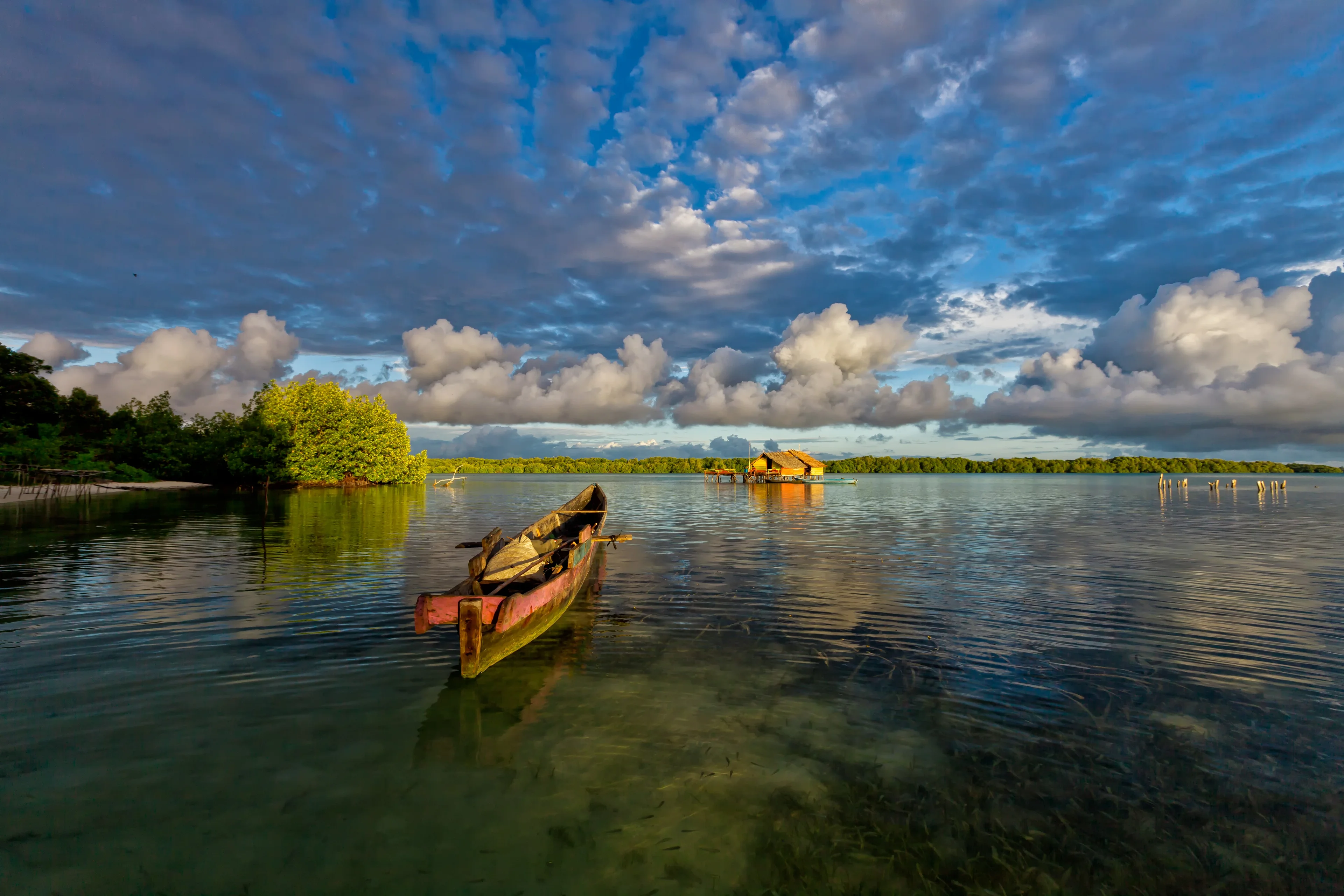
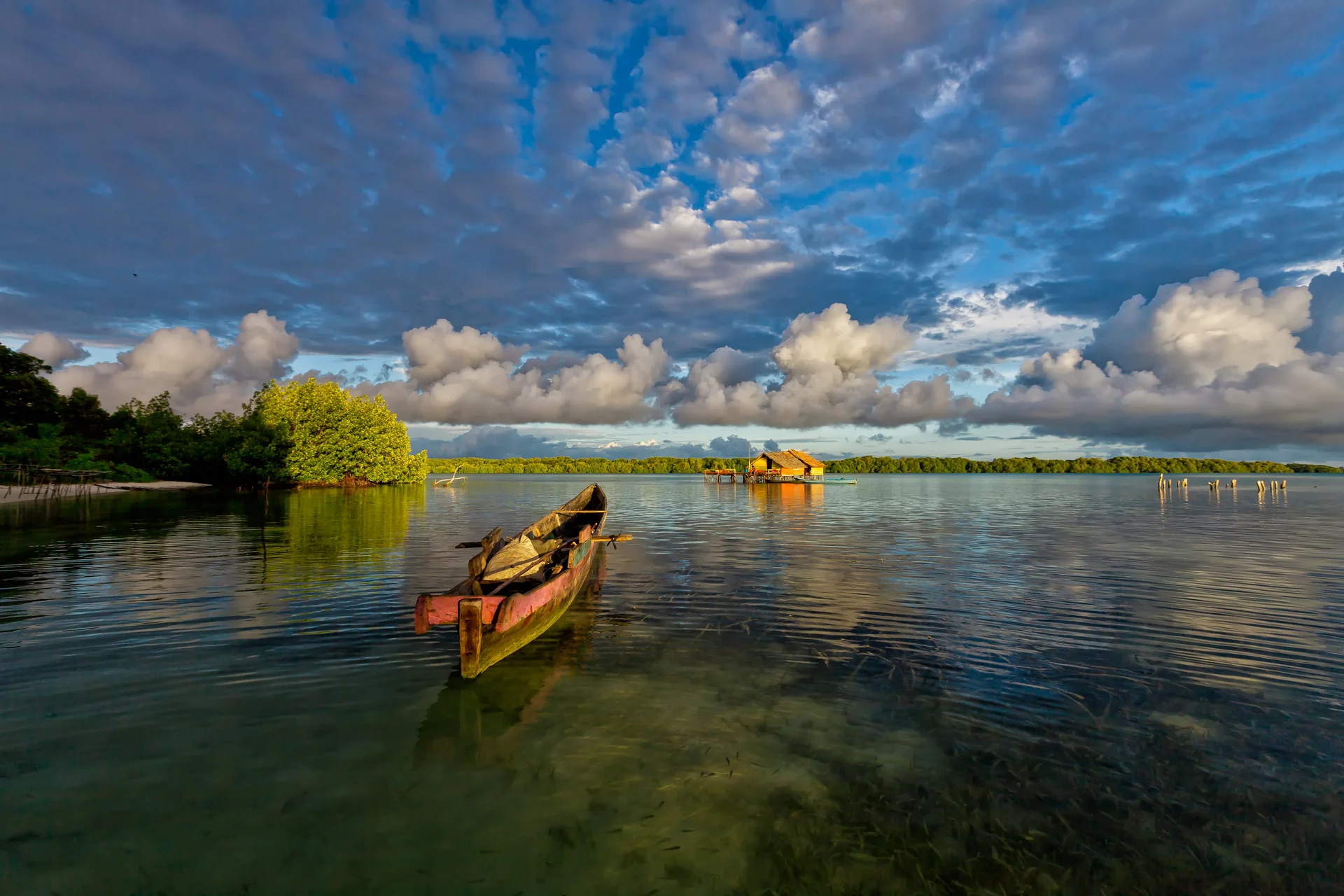
Pilotis à Halmahera

Things to do in Indonesia: 11 must-see attractions in 2026

Discover our members' favorite destinations in Indonesia, plus reviews, practical info, and traveler photos...

The 5 most beautiful cities to visit in Indonesia

#1 Ubud +14 recs

As the cultural center of Indonesia, Ubud is famous for its gorgeous terraced rice paddies, temples, and craft traditions, sitting right in the center of the Hindu island of Bali. Set where two rivers meet, this artistic hub lets you catch traditional legong and gamelan music and dance performances, plus browse dozens of art galleries. Nature lovers will find plenty to love here too, starting with the surprising depth of the local rainforest. The name Ubud literally translates to medicine, reflecting its deep historical roots in herbal healing. That tradition carries on today through the town's massive selection of hiking trails, yoga studios, and spas. You can also book a four-hand Balinese massage and sample refined local dishes like nasi goreng (fried rice), bebek betutu (slow-cooked spiced duck), and babi guling (Balinese-style roast pork).

The climate is tropical and equatorial, featuring a dry season from April to October and a wet season from November to February. Heavy rain is mostly limited to January and February.

A Jungle in the Middle of Town, Balancing Nature and Macaques

Start your trip at the Monkey Forest Sacred Sanctuary, set inside a wooded area that houses the temple of death and evil spirits, which locals avoid entering due to local superstition. You will appreciate the intricate Hindu stone carvings and the lively atmosphere. Keep a close eye on the thousand or so resident monkeys, as they love anything shiny or edible. If you want to feed them, do it only with the help of the reserve's staff of monkey experts.

Next up is the Purilukisan Museum, a fine arts museum where you can explore the kamasan painting style along with works by Nyoman Lempad and Arie Smit. When evening hits, head over to Puri Saren Ubud, the Royal Palace right in the middle of town, which hosts fantastic evening performances.

A short walk away, Lempad’s House is worth checking out. This was the home of Gusti Nyoman Lempad, a legendary local artist who lived to be 116 years old. Another notable historic residence is the Walter Spies House, named after the Moscow-born artist who hosted famous guests like Charlie Chaplin here. Today, anyone can book a room at the property, which operates as the Campuhan hotel.

Art Around Every Corner

The Neka Art Museum is a private institution tracing the history of Balinese painting and how Western influences shaped local artists. The museum stands out for its clear explanations, chronological layout, and strong international collection.

Art fans should also visit the museum dedicated to Antonio Blanco, often called the Bali Dali. The setting is a meticulously maintained estate, and while local censorship famously burned many of his erotic works, the remaining collection is fascinating. Afterward, grab a cold drink on the terrace of the Bridge Café for relaxing views of the river and gardens.

Just down the hill, do not miss the Pura Gunung Lebah temple, surrounded by lush greenery that makes for a peaceful stop.

Getting There

There is no nonstop route from North America: carriers such as Singapore Airlines, Cathay Pacific, Qatar Airways, Korean Air and EVA Air fly from the West Coast to Denpasar with layovers in Singapore, Hong Kong, Doha, and Bangkok.

Getting Around

Book a ride with the country's main taxi company, Blue Bird, right at the airport for a flat rate of around 300,000 Rp. Expect the drive to take 1 hour and 30 minutes to 2 hours and 30 minutes depending on your arrival time. Traffic in Bali is heavy, and cars rarely exceed 30 km/h.

Compact and walkable, Ubud is easy to explore on foot. To reach the outlying rice fields, rent a bicycle or a scooter for about 30,000 to 50,000 Rp per day.

#2 Gili Trawangan +8 recs

Alongside Gili Meno and Gili Air, Gili Trawangan makes up the small Gili Islands archipelago sitting northwest of Lombok. In Sasak, the local language spoken in this part of Indonesia, Gili translates to small island. Gili Trawangan is indeed the largest of the three, spanning a mere 3.4 km²! Motorized vehicles are banned across these islands, meaning you will get around strictly on foot, by bicycle, or via horse-drawn carriage. In 2018, the area was struck by a magnitude 7 earthquake that caused widespread damage.

Scuba Diving and Snorkeling in Gili Trawangan

The primary draw on Gili Trawangan is unquestionably diving and snorkeling. Grab a boat tour out to Nest, located just offshore from Gili Meno. This underwater art installation features human figures sculpted by Jason deCaires Taylor, consisting of 48 statues arranged in a circle on the seabed to form a giant nest. The project was designed to help regenerate the coral reef in this corner of the Indian Ocean. Another underwater highlight is the local population of sea turtles, which you might encounter while swimming.

The beaches on Gili Trawangan are exceptionally scenic, offering front-row seats to sunsets on the western side of the island, particularly around the famous overwater swing at the Ombak Sunset hotel.

Things to Do on Gili Trawangan

The island invites exploration, whether you are riding a horse along the shoreline or hiking inland to the summit of the 73-meter hill for panoramic views sweeping across the Gili Islands, Lombok, and Mount Rinjani. For downtime, you can alternate between yoga sessions, lounging on the sand, and traditional Indonesian massages.

Gili Trawangan is equally famous for its nightlife, where parties run until dawn on the beach or even aboard floating boat parties.

Down by the port, a nightly street food market pops up where you can sample regional specialties like Nasi Goreng, a plate of spiced, stir-fried rice with vegetables, or Satays, which are small grilled skewers of meat or fish. Near the market, you might stumble upon a traditional stick-fighting martial arts tournament.

When to go

The optimal window for visiting Gili Trawangan in Indonesia falls during the dry season between May and September. July and August form the peak season for heading to the Gili Islands as a way to trade the heavy crowds found on Bali during those months for a more relaxed island atmosphere.

How to get there

You can reach Gili Trawangan by boat from Bali, departing from the ports of Amed, Sanur, and Padangbai via regular ferry or speed boat. From Lombok, departures leave out of the port of Bangsal. You can also hop between the neighboring islands of Gili Meno and Gili Air by booking crossings locally through island agencies.

#3 Borobudur +4 recs

Borobudur sits on the island of Java in Indonesia. Tucked into the Kedu plain, the area is framed by the Menoreh mountain range and the volcano Merapi. These peaks served as a spiritual sanctuary for Buddhist monks for centuries, leading to a high density of temples in the region. Among them is the largest Buddhist monument on the planet, the Borobudur temple, built in the 9th century during the Sailendra dynasty. After being abandoned around 1100 and left to be reclaimed by volcanic ash and jungle growth, the temple was rediscovered in the early 19th century by Java governor Thomas Stamford Raffles.

The world's largest Buddhist temple

Starting in the 1970s, the Indonesian government and Unesco teamed up for a major restoration project to save the structure from collapse. It was named a World Heritage site in 1991. The temple is essentially a massive stupa, a bell-shaped Buddhist monument measuring 123 meters long and 43 meters high. From above, the layout forms a mandala, a visual representation of Buddhist cosmology. Its construction involved moving nearly 1,600,000 blocks of volcanic stone.

The structure consists of nine platforms, with six square bases topped by three circular ones. The highest level holds a large stupa, surrounded by 72 smaller stupas. The temple walls are covered in detailed reliefs telling the story of Buddha. There are 2,670 relief panels in total. Of these, 1,460 are narrative, documenting the transformation of Prince Siddharta into Buddha and the spiritual journey of the pilgrim Sudhana toward ultimate truth. The temple was originally home to 504 statues of Buddha, though 43 have been lost and at least 300 have been damaged.

The sacred valley of Borobudur

The Borobudur temple is only part of the story, as the entire Kedu plain was a hub for ancient religious life. The valley is lush and fertile, filled with rice paddies and palm trees, and the surrounding mountains have long held deep significance. Nearby, you will find two other notable sites: the Mendut temple and the Pawon temple. The Mendut temple houses three well-preserved statues of Buddha and serves as a center for learning Buddhist precepts. The Pawon temple commemorates the moment Siddharta reached supreme wisdom.

Each year between May and June, during the full moon, processions are held to celebrate Vesak, a sacred day marking the birth, enlightenment and death of the Buddha, which is a public holiday in Indonesia. Pilgrims begin their journey at the Mendut temple, continue through Pawon, and finish at the Borobudur temple.

When to go

The best time to visit Borobudur is during the dry season, which runs from May or June through October.

How to get there

From the bus terminal in Yogyakarta, you can take a local bus or a taxi to reach Borobudur. Alternatively, you can book a private excursion through a tour operator.

#4 Tegallalang +3 recs

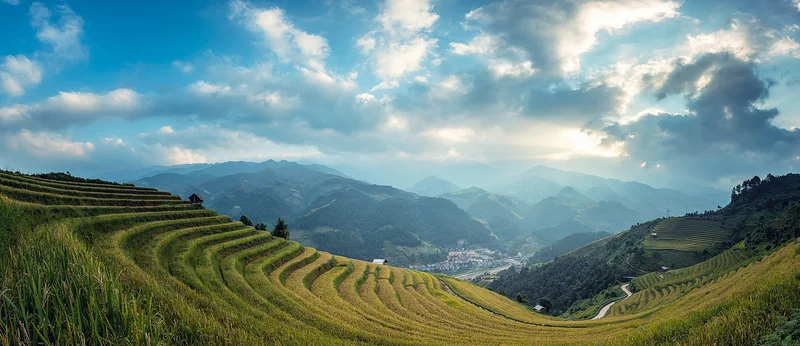
Tegallalang sits in the Gianyar province on the island of Bali in Indonesia. It is known for its terraced rice paddies, a traditional agricultural layout carved into hillsides at an altitude of 600 meters. Perfectly positioned between the town of Ubud and the sacred Lake Batur, it is a standard stop for anyone traveling through Bali.

Beautiful rice fields in Indonesia

The rice terraces of Tegallalang rank among the most visited sites on the island of Bali. They operate on the Subak principle, an agricultural management system created in the 9th century by the saint Rsi Markandeya that is specific to Indonesia. In this complex water distribution system, priests oversee irrigation and farming schedules. You can take scenic walks through the Tegallalang rice paddies, often for a small entrance fee. In recent years, swings and a zipline have been added to accommodate the rise in tourism.

To relax after exploring the fields, head to the sacred springs of Tirta Empul, founded in 962, in the Tegallalang region. The presidential palace overlooking them was built in 1957 for the first Indonesian president, Soekarno. While the water in the bathing pools is quite cool, it is believed to purify those who bathe in it, as the temple is dedicated to Vishnu, the Hindu god of water. Be sure to properly knot your sarong before entering the site.

Artisan capital of Bali

Along with the nearby small village of Pakudui, Tegallalang is famous for its thriving craft scene focused on wood carving techniques. This local art is passed down through generations, and their creations, including bowls, dishware, and small decorative items, are sold globally. You will likely find something to take home at the town market.

Regarding religious heritage, the area around Tegallalang was once home to a powerful Brahmin caste. In Manuaba, a small village a few miles from Tegallalang, you will find the Pura Griya Sakti temple, built in the 17th century. Among the temples to see in this part of the island, do not miss the Lake Batur temple, perched in the middle of the caldera at an altitude of 1,000 meters. The Gunung Kawi temple in Tampaksiring is another essential stop. Built in the 10th century, it features a dozen mausoleums carved directly into the rock face, within cavities nearly seven meters high. The tombs hold members of the royal family from that era. Note that to reach Gunung Kawi, you must climb a total of 230 stone steps that wind through lush rice paddies.

When to go

The best time to see the rice paddies of Tegallalang is right before the harvest, specifically in May and June or between September and November.

How to get there

The best way to reach Tegallalang is by motorized vehicle, either a car or a scooter. Additionally, many local agencies organize their own shuttle excursions directly to the rice terraces.

#5 Karangasem +3 recs

Karangasem is a regency located on the far eastern side of the island of Bali in Indonesia. It served as the seat of a historically powerful Balinese kingdom. The rulers took the name Anak Agung, a direct reference to Mount Agung. At 10,308 feet, this is the highest volcano on Bali, and the ruling dynasty considered it the center of the world. By the 19th century, the nine kingdoms of Bali had gradually fallen under Dutch administrative control. The Besakih temple, the most significant on the island, and the vestiges of Semarapura remain as markers of the grand history of Karangasem's sovereigns.

Surrounding areas: remnants of a kingdom

On the road to Karangasem, stop at the historic site of Klungkung, or Semarapura, which holds the remains of the former royal capital. Its courthouse, built in 1710, is packed with traditional Balinese frescoes, carvings, and paintings. The site preserves a deep cultural and ritual legacy from the Dewa Agung dynasty. Closer to Karangasem, a trip to Tirtagangga is essential. This water palace was founded in 1946 by the last rajah of Karangasem. After suffering damage during the 1963 eruption of Mount Agung, the pools and gardens were carefully restored for public access. In a similar vein, the Soekasada Ujung water palace is worth the detour. Built right on the coastline, it once served as an observation point for monitoring maritime traffic coming from the neighboring island of Lombok.

The Karangasem region is dense with temples. The nearest is Lempuyang Luhur, a complex dedicated to Shiva that consists of seven distinct temples. Be prepared for a climb of 1,700 steps to reach the top. Not far away, on the slopes of Mount Agung, stands the most sacred temple in Bali: Besakih. It encompasses nearly 80 individual temples scattered across a wide area, all dedicated to the three major Hindu deities, Brahma, Vishnu, and Shiva.

Eastern Bali: rice paddies and the coast

Experience the local geography of Karangasem by hiking in Sidemen, a lush valley filled with vibrant green rice terraces. For those looking for a physical challenge, you can arrange a trek to summit Mount Agung.

The Karangasem coastline is equally striking. The small village of Amed, with its black volcanic sand beaches, offers a quiet, authentic atmosphere. Beyond the beaches, diving enthusiasts should head to Tulamben, a coastal spot known for exceptional marine life. Resting on the seafloor here is the wreck of the Liberty, an American cargo ship torpedoed by a Japanese submarine in 1942 and beached at Tulamben, which the 1963 eruption of Mount Agung sent sliding to the seabed.

When to go

Plan your trip to Bali during the dry season, which runs from April through September.

How to get there

From Denpasar, where the international airport is located, you can take a taxi or a shuttle to Karangasem. Alternatively, renting your own vehicle gives you the freedom to explore the rest of the island at your own pace.

Ranking of the 6 activities selected by our editors in Indonesia

#1 Ubud Monkey Forest (Ubud) +3 recs 5/5

Ubud Monkey Forest is a sacred Hindu reserve in the village of Padangtegal, Indonesia, managed by the local community. It houses three active temples where religious events like the Ngebejiang ceremony, Ngelawang performances, or Tumpek Kandang celebrations occur. During these times, parts of the forest close to visitors. Home to 1,260 long-tailed macaques as of 2022, these monkeys are considered sacred.

#2 Manusela National Park (Amahai) +3 recs 5/5

Manusela National Park covers 189 hectares on the island of Ceram in Indonesia. This tropical jungle shelters numerous endemic species threatened by poaching, including rare cockatoos. It acts as a vital sanctuary for nearly 200 bird species. Manusela means bird of freedom in the local language. Four traditional villages help protect this area. A guide is required to enter.

#3 Tirtagangga Water Palace (Karangasem) +3 recs 5/5

Tirtagangga Water Palace sits in eastern Bali, within the Karangasem regency, once one of the island's nine kingdoms. While the 1946 original was destroyed by a 1963 volcanic eruption, the current site remains a peaceful retreat. Explore its fountains, tiered ponds, and natural spring-fed pools where you can swim.

#4 Tanah Lot (Tabanan) +3 recs 5/5

Tanah Lot sits on a rocky islet just off the coast of Bali, Indonesia. Dedicated to sea deities, this temple is only reachable on foot during low tide. While visitors are welcome, most areas remain reserved for prayer. Locals frequently gather here to celebrate Odalan, a ritual blessing occurring every 210 days.

#5 Prambanan Temple (Prambanan) +2 recs 5/5

Prambanan Temple, located near Yogyakarta, is a major Hindu complex dedicated to the Trimurti of Brahma, Vishnu, and Shiva. This UNESCO World Heritage site features intricate bas-reliefs and impressive architecture. In the evening, watch a Ramayana dance performance, a traditional reenactment of the classic epic. It is a key stop for history and art enthusiasts on Java.

See the guide See deals

#6 Borobudur Temple (Borobudur) +2 recs 4/5

Borobudur Temple, located on the island of Java, stands as the largest Buddhist monument in the world. Built in the 9th century, it features nine platforms adorned with intricate bas-reliefs and Buddha statues. Known for its sunrise views, this site remains a major pilgrimage destination for Buddhists, especially during the Vesak festival.

See the guide See deals
See the best activities in Indonesia

Indonesia, 17,000 islands and just as many reasons to get lost

An archipelago the size of continental Europe, stretching across 5,000 km of ocean. Volcanoes breathing blue flames in the dead of night. Orangutans watching you from the canopy in Sumatra. Everywhere, that heavy scent of incense mixes with spices sizzling in the local warungs. Travelers flock for Bali, but those who slow down find a country where every island tells a completely different story.

Indonesia: a massive playground, but not for everyone

This country rewards curious travelers who roll with the unexpected. Infrastructure outside tourist hotspots remains basic, overland travel often takes three times longer than you think, and Western comforts are far from guaranteed. If you are after empty scooter trails, active volcano treks, and untouched local cultures, go for it. If you want a packaged resort stay with a pool and flawless service, stick to southern Bali or Lombok.

The country is predominantly Muslim, except for Bali where Hinduism shapes daily life. Indonesians are remarkably warm and often fascinated by outsiders, though you should expect requests for selfies, especially off the beaten path. Constant tropical heat and heavy humidity can drain unprepared travelers.

A gentler budget than the rest of Southeast Asia

Plan for $23 to $35* a day for a backpacker setup: hostel dorms, meals at local warungs, and transit by bus or ferry. A comfort budget of $58 to $92* a day opens up private air-conditioned rooms, a few guided excursions, and sit-down tourist restaurants. Activities like scuba diving, guided treks, or boat trips to Komodo add up fast.

The volcanoes driving Java

The island of Java packs in the country's most intense sights. Mount Bromo delivers a lunar sunrise show with its smoking caldera, ash fields, and rumbling crater. The pre-dawn journey from Malang or Probolinggo starts in the dark, but the exhaustion vanishes the second you see the view.

Further east, Kawah Ijen hides a rare spectacle. Electric blue flames burst from sulfur deposits between 2:00 AM and 4:00 AM, creating an otherworldly scene. Sulfur porters still haul heavy loads out of the crater under grueling conditions, a stark reminder that this landscape is a working workplace, not just a tourist stop.

Friendly tip: Book a 3-day combo tour out of Yogyakarta that covers Bromo, Ijen, and a waterfall. You will save hours of transit and bypass the usual headaches of stitching the logistics together yourself.

Yogyakarta, the cultural capital

Yogyakarta demands at least two days. The Buddhist temple of Borobudur, the largest Buddhist monument on earth, is best visited at sunrise to beat the crowds and catch the morning mist rolling in. Forty-five minutes away, the Hindu temples of Prambanan pierce the sky. The city itself overflows with art galleries, traditional dance performances, and neighborhood lanes where street art sits right next to markets.

Sumatra, territory of the great apes

Sumatra calls to anyone wanting to spot wild orangutans. The village of Bukit Lawang serves as the trailhead for multi-day treks into Gunung Leuser National Park. The primates you encounter are semi-wild, rehabilitated after past captivity. Locked in an eye-to-eye gaze with an orangutan, time simply stops.

Further north, Lake Toba fills a volcanic caldera blown open 75,000 years ago. This massive crater lake holds Samosir Island right in its center, where the Batak people keep their traditions alive. The pace here is unhurried and timeless. Plenty of travelers end up staying twice as long as planned.

Bali and beyond the clichés

It is impossible to skip Bali, but the south of the island groans under heavy resort development, gridlock, and souvenir hawkers. Head north or inland to find the island's quieter spirit. The UNESCO-listed rice terraces of Jatiluwih roll out in brilliant shades of green. The village of Sebatu, 20 km from Ubud, remains largely untouched by mass tourism.

The Nusa islands draw visitors looking for dramatic coastal cliffs. Nusa Penida boasts incredible overlooks, though its bone-shaking roads demand caution on a scooter. Nusa Ceningan and Nusa Lembongan suit travelers after a quieter vibe and snorkeling spots.

The Gili Islands and Lombok

The three Gili islands split up the roles: Gili Trawangan for nightlife, Gili Air for a mix of social spots and quiet corners, and Gili Meno for peace and sea turtles. No cars are allowed on any of them. Lombok offers a less built-up alternative to Bali, featuring southern white-sand beaches and Mount Rinjani for serious hikers.

Flores and Komodo: the edge of the archipelago

The island of Flores stays off the main tourist track despite its wild beauty. The winding road cutting across the island uncovers carved rice paddies, traditional villages, and crater lakes that change colors. Labuan Bajo acts as the jump-off point for Komodo National Park, home to three-meter-long monitor lizards.

A two-day boat trip lets you track the dragons, snorkel over pristine coral reefs, and sleep under the stars on deck. The local marine life ranks among the healthiest on the planet, with manta rays and sea turtles making regular appearances.

Friendly tip: The Togian Islands, reached from Sulawesi after three days of transit, offer world-class diving far from the crowds. Bring plenty of time and patience.

Sulawesi, island of ritual

Toraja country in the southern mountains of Sulawesi captivates visitors with unique funeral rites. Families keep their deceased relatives at home for months, sometimes years, before elaborate ceremonies involving water buffalo and pig sacrifices. Cliffside burial graves and carved wooden effigies of the dead create a haunting landscape.

The north of the island hides Bunaken, a marine park where visibility often hits 30 meters. Divers here run into reef sharks, turtles, rays, and top-tier marine biodiversity.

Indonesian cooking: the realm of sambal and fried rice

Nasi goreng, fried rice spiked with sweet soy sauce and topped with a fried egg, shows up from breakfast to late night. Satay skewers charred over coals and dipped in rich peanut sauce turn up on every corner. Rendang, originating from Sumatra, is beef simmered for hours in coconut milk and spices, frequently voted among the best dishes in the world.

Every region runs on its own specialties. In Padang, restaurants set a dozen dishes across your table at once, and you only pay for what you touch. In Bali, babi guling features spit-roasted spiced suckling pig. Local warungs serve full meals for under $2.30*.

Indonesian coffee deserves attention. Beans from Toraja, Sumatra, and Java yield bold, earthy profiles. Kopi tubruk, finely ground coffee brewed right in the cup with the grounds left at the bottom, remains the traditional style.

When to visit Indonesia?

The dry season runs from May to October across most of the archipelago. June through September hits the sweet spot for volcano climbs and jungle treks. The rainy season, from November to March, brings daily afternoon downpours rather than endless washouts. Some travelers prefer these months for lower prices and quieter sights.

Weather varies by island. Bali and Lombok have distinct seasons. Sumatra and Kalimantan stay humid year-round. For diving, April to September delivers top visibility. Skip Indonesian school holidays in December and January if you want empty beaches.

How to get to Indonesia?

No airline flies nonstop from North America to Indonesia. Expect 22 to 26 hours of travel time with a stopover in Tokyo, Seoul, Singapore, Doha or Dubai, and a west-coast departure if you want the shortest version. Fares run between $690 and $1,030* depending on the season. Garuda Indonesia, Singapore Airlines, Emirates, and Qatar Airways handle the most comfortable routes.

The airports in Jakarta and Denpasar handle the bulk of international arrivals. US, Canadian and European passport holders need a visa on arrival, about $40*, valid 30 days and extendable once while in the country. You can buy it at the airport or online before departure; the old visa-free entry was not reinstated after 2022.

Getting around Indonesia

Domestic flights are the fastest way to hop between major islands. Lion Air, Citilink, and Batik Air offer affordable fares if you book ahead. Keep an eye on safety records for smaller propeller planes flying regional routes, as maintenance standards can lag.

On Java, the rail network run by Kereta Api Indonesia provides a comfortable ride connecting Jakarta, Yogyakarta, and Surabaya. Ferries link neighboring islands, but crossings can run long and basic. Local buses run cheap but crawl and get cramped on long hauls.

Across the islands, the scooter rules. Rentals cost between $4.60 and $9.20* per day. Traffic drives on the left and gets chaotic in a hurry. Ride-hailing apps Grab and Gojek work smoothly in cities for motorbike taxis or private cars.
Find the best travel deals in Indonesia

Hotels and stays Flights Car rentals Custom trips

Top photos posted by members

Pilotis à Halmahera
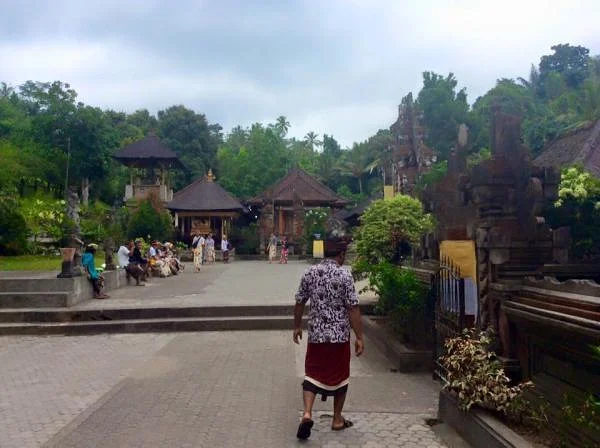
Gunung kawi
Temple Pura Ulun Danu

Articles about Indonesia

Latest reviews

The magic of the colored lakes

Kelimutu, on the island of Flores, is a volcano that is home to three crater lakes with colors changing from turquoise to black via red, depending on the minerals and geothermal activity. I have an un…

102

Gili Trawangan, the Gili for partying

Accessible by boat from Bali, the three Gilis each have their own personality. Gili Trawangan is known for being the most festive. Popular with groups of young travelers, you will indeed find plenty o…

39

A true paradise on Earth

I completely fell in love with Ubud, on the island of Bali in Indonesia. Located in the middle of rice paddies, it is a haven of peace, popular with Westerners looking for relaxation and digital nomad…

118

A beautiful site that you can visit at YOUR own pace

If you read my review of Borobudur, you know I was frustrated by the somewhat rushed way the guide showed us the inside of the temple. At Prambanan, it is the complete opposite. With the same ticket,…

38

Grand, but expensive and short

This temple, which is the largest Buddhist temple in the world, is worth the trip. In addition to being impressive for its size, it is very interesting to explore. The bas-reliefs carved into the rock…

38