The Netherlands Beyond Clichés: Canals, Bikes, and Way More Than Tulips
One-quarter of Dutch territory sits below sea level. This country literally engineered its existence against the elements by pumping, diking, and dredging. That stubborn relationship with space explains why the Dutch managed to pack so many museums, architectural feats, and daily life into a territory roughly twice the size of New Jersey.
The Netherlands Works for Almost Everyone, As Long as You Skip the Clichés
Amsterdam usually steals all the attention, often at the expense of everything else. That is a mistake. The country deserves a wider look, and it works just as well for a quick long weekend as it does for a two-week bike road trip.
Great destination for:
- City trippers: Amsterdam, Rotterdam, Utrecht, and The Hague sit less than an hour from each other
- Art and museum lovers who want access to collections that rank among the best in Europe
- Cyclists looking to ride the most developed bike lane network on earth
- Family travelers thanks to top-tier infrastructure and a very safe environment
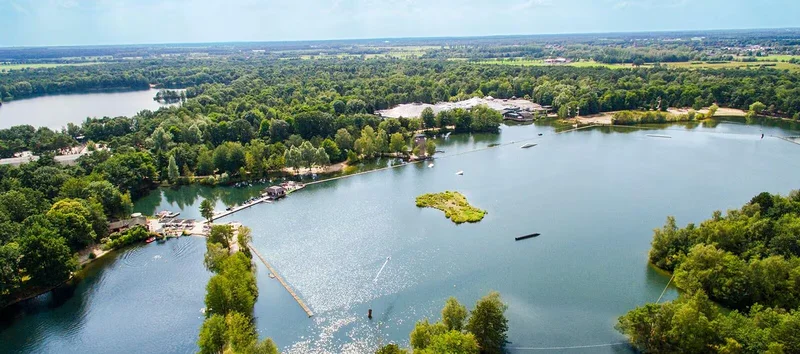
- Nature seekers drawn to coastal dunes, forests, wetlands, and North Sea beaches
- Rail travelers: Amsterdam is about four hours from London and three from Paris or Brussels by direct train
Skip this destination if:
- You want guaranteed sunshine and warmth because the local weather shifts constantly year-round
- You hate crowds since Amsterdam gets packed during the summer months
- You are on a tight budget because lodging ranks among the highest in Western Europe
- You are looking for mountain ranges and vast wilderness
A Western European Budget: Comfortable But Not Cheap
The Netherlands will not break the bank, but hotel rates in Amsterdam climb fast. Booking well ahead is almost mandatory during peak season. Rotterdam and Utrecht offer much more reasonable alternatives.
| Trip Style | Destination | Duration | Estimated Budget / Person |
|---|---|---|---|
| Art and culture city trip | Amsterdam | 1 weekend (2 nights) | $280 to $560* |
| Architecture and urban design | Rotterdam | 2 to 3 days | $230 to $450* |
| Tulips and countryside | Keukenhof and Leiden region | 2 to 3 days | $230 to $450* |
| Biking road trip | Entire Netherlands | 1 to 2 weeks | $680 to $1,350* |
| Nature and major parks | Hoge Veluwe and Veluwe | 3 to 4 days | $280 to $560* |
A Remarkably Easy Country to Navigate
Almost everyone speaks English, trains run on time, and the cycling infrastructure is flawless. US citizens do not need a visa for tourist stays up to 90 days, though you will need a valid US passport and soon an ETIAS travel authorization when European entry rules update. It is one of the most accessible European destinations for a first-time solo trip or a family vacation.
The language barrier simply does not exist here since English is spoken fluently by nearly everyone, even in rural towns. Dutch remains the official language, but a few polite local words go a long way.
Amsterdam Through Local Eyes Instead of Standard Guidebooks
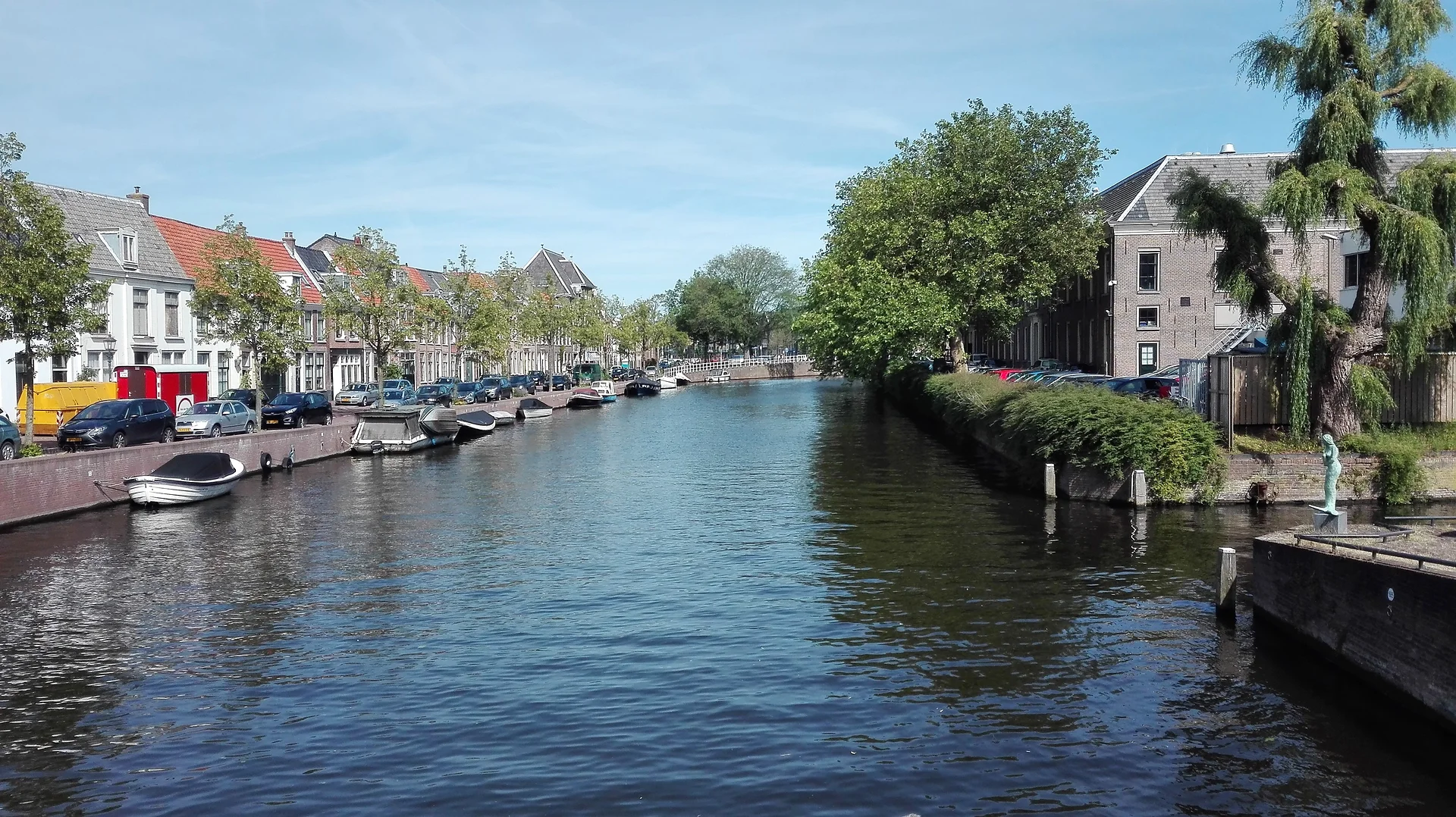
Amsterdam struggles with summer overtourism. That said, its UNESCO-listed canals, gabled facades, and world-class museums truly deserve a spot on your itinerary if you visit smart.
The Rijksmuseum is a must-see for its stellar Rembrandt and Vermeer collections, and the Anne Frank House draws heavy interest as well. Book your tickets online weeks in advance for both spots to skip the endless walk-up lines. The Stedelijk Museum focuses on modern art and design, and it usually stays less crowded while remaining just as engaging.
Friendly tip: Skip the historic center for meals and head to neighborhoods like De Pijp around the Albert Cuyp Market or the Jordaan for a genuinely local atmosphere. Head out early around 7:30 or 8:00 AM when the canals are nearly empty and photo opportunities open up without the crowds.
Cities Worth a Stop
- Rotterdam is a favorite for architecture fans. Rebuilt entirely after the 1940 bombings, it serves as a bold laboratory for contemporary design. Check out the soaring arches of the Markthal, the pencil-shaped Rotterdam Library, and Piet Blom's tilted cube houses to see a masterclass in modern urban planning.
- Utrecht feels like Amsterdam without the massive crowds, offering lower prices and a distinct neighborhood feel. Water-level cellar restaurants line the canals, the Dom Tower dominates the skyline, and bicycles rule every street. It takes just 30 minutes by train to get there from Amsterdam.
- The Hague deserves more attention than guidebooks give it. As the seat of government and international law, it also houses the Mauritshuis, an intimate museum holding Vermeer's Girl with a Pearl Earring. A ten-minute tram ride takes you out to Scheveningen, the largest beach resort in the country.
Windmills, Polders, and Postcard Villages
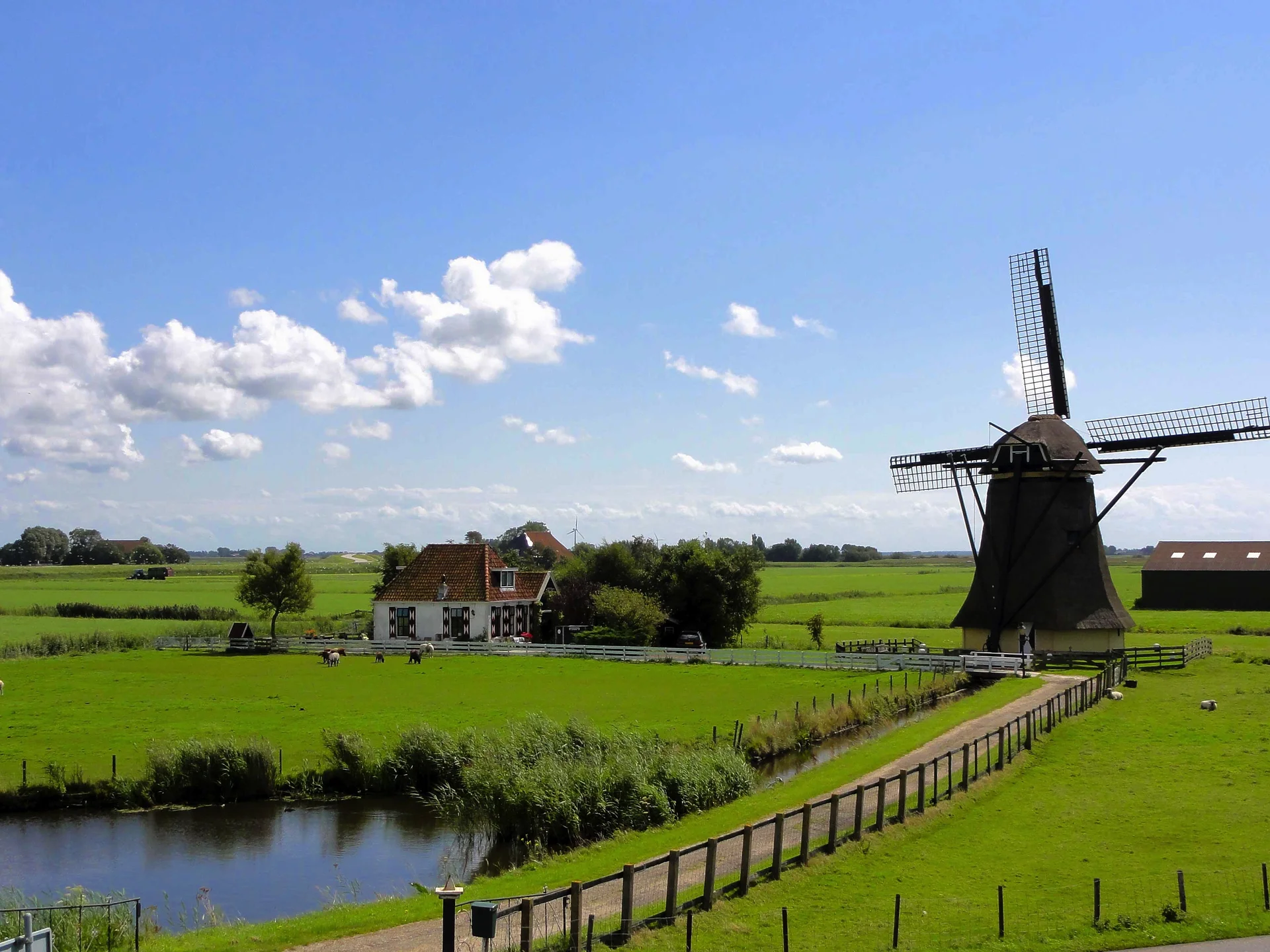
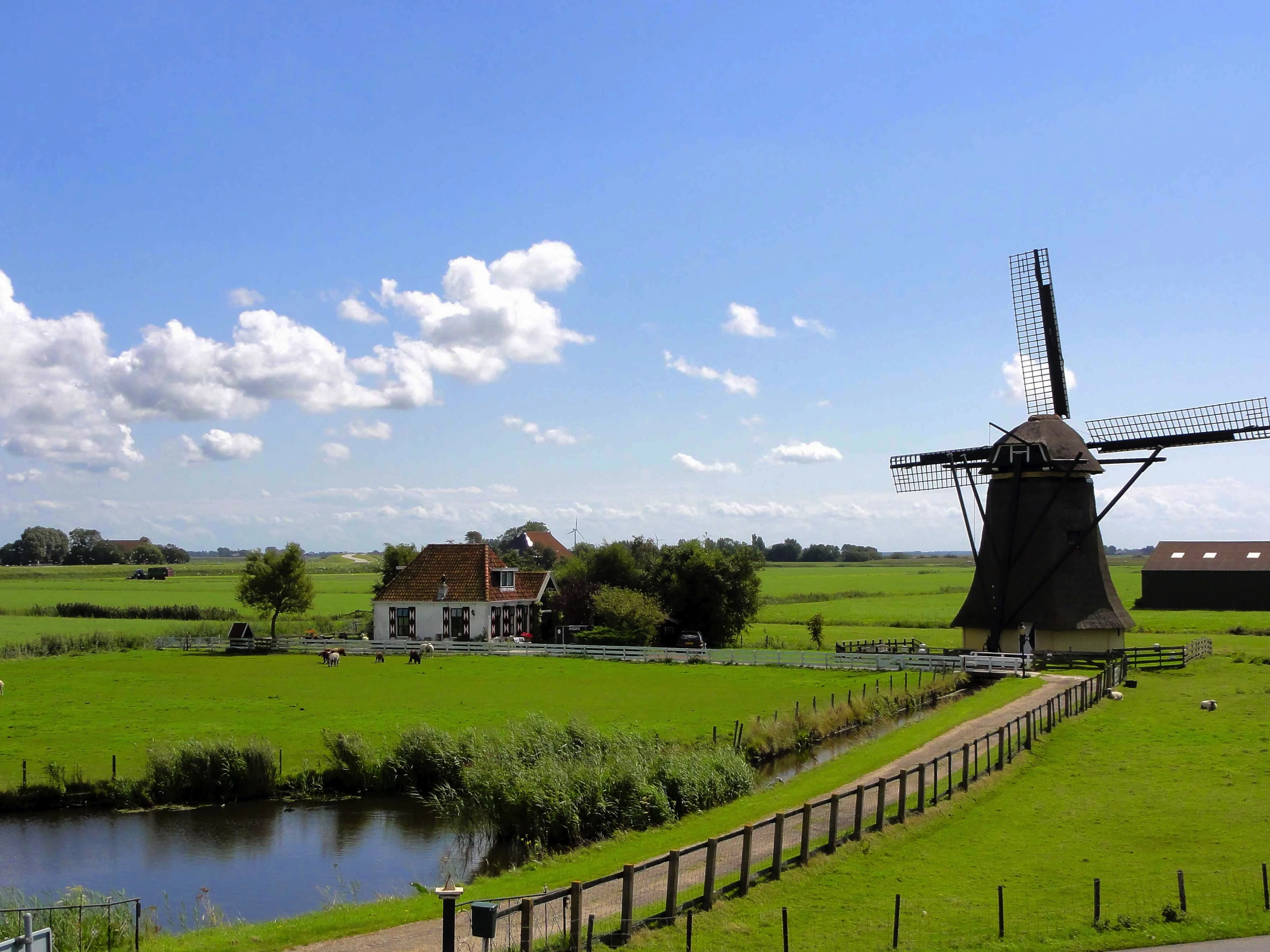
The Dutch landscape is as much a human creation as it is a natural one. The windmills scattered across the polders are not just for decoration as they pumped water away for centuries to make farming possible. Many of them still operate today.
Zaanse Schans sits twenty minutes northwest of Amsterdam and reconstructs a 17th-century village complete with working windmills, painted wooden homes, and cheese-making workshops. It is touristy, but well put together. An even better option is Kinderdijk near Rotterdam, where nineteen authentic windmills line a UNESCO-protected polder landscape. The late afternoon light here is incredible.
Volendam and Marken sit along the IJmeer lake, keeping their maritime look intact with colorful houses and occasional locals wearing traditional festive clothing. It leans into folklore, but still holds plenty of charm.
Tulip Fields and Dutch Wilderness
From April to May, the Bollenstreek (bulb region) between Leiden and Haarlem bursts into bright bands of color. Keukenhof Park opens from mid-March to mid-May as the largest spring flower garden on earth with seven million bulbs planted annually. Crowds are massive, but the sight makes the trip worthwhile.
If you want nature far from the tulips and tour buses, Hoge Veluwe National Park in Gelderland province sits two hours from Amsterdam and covers 5,500 hectares of sand dunes, forests, and heathland. Free white bikes sit at every entrance so visitors can explore the trail network on two wheels. The Kröller-Müller Museum sits right inside the park and holds one of the largest Van Gogh collections anywhere.
Friendly tip: To see the tulip fields without the chaos, skip focusing solely on Keukenhof. The bike paths running between Lisse and Hillegom cut through endless rows of flowers and offer much better photo ops than the crowded park. Ride a bike out there on a weekday morning.
The Frisian Islands: The Other Edge of the Country
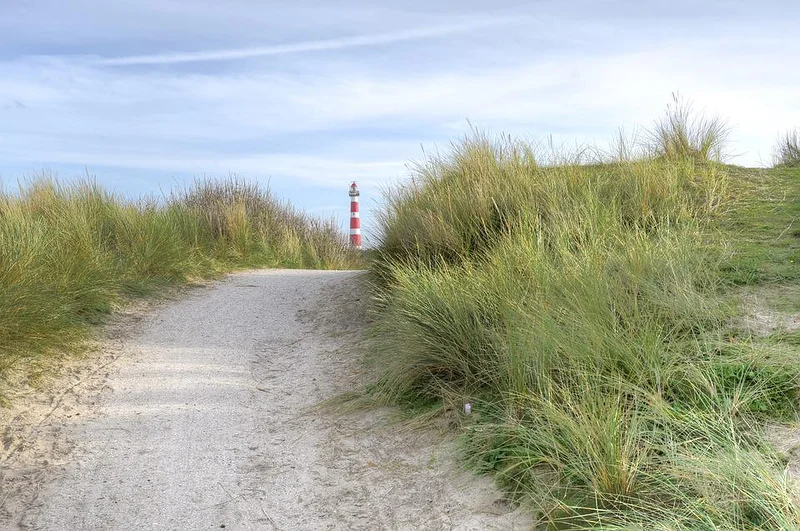
Just off the northern coast, the West Frisian Islands form an archipelago that most international travelers miss entirely. Texel is the largest and easiest to reach via a twenty-minute ferry from Den Helder, offering sandy beaches, bird sanctuaries, and a windswept North Sea atmosphere.
Vlieland and Terschelling stay even quieter and more isolated. Cars are banned or heavily restricted on these islands, meaning you get around by bicycle, sleep in small boutique inns, and eat fresh local fish. It is a side of the Netherlands most visitors never see.
Dutch Cuisine: Between Maritime Roots and an Unexpected Food Scene
Dutch cooking battled a rough reputation for a long time. It leans simple and hearty as a legacy of a seafaring and farming nation, but it offers genuine highlights. Haring (raw cured herring) is eaten straight by the tail with diced onions and pickles. It is a street food ritual every visitor should try, preferably at an outdoor fish stall rather than a sit-down restaurant.
Stroopwafels (thin caramel-filled waffle cookies) and bitterballen (crispy fried gravy croquettes served at bars with mustard) form two pillars of local snack culture. Cheeses like Gouda and Edam taste best when you try aged (oud) versions rather than the mild young blocks exported worldwide.
Amsterdam and Rotterdam run lively restaurant scenes heavily influenced by Indonesian flavors left over from the colonial era. A rijsttafel, which is an Indonesian feast featuring dozens of small dishes served around rice, is an institution you should try at least once. The Fenix Food Factory market in Rotterdam stands out as a top spot to sample a bit of everything inside a converted industrial warehouse.
When to Visit the Netherlands
Spring (April through May) stands as the peak season for an obvious reason: tulips. It also brings the best weather with comfortable temperatures and bright daylight. Naturally, it is also the busiest time for crowds, especially around Keukenhof.
Summer (June through August) is ideal for sidewalk cafe culture, outdoor festivals like the North Sea Jazz Festival in Rotterdam during July or DGTL in Amsterdam over Easter, and coastal beach days. Temperatures rarely pass the mid-70s. This is peak travel season, so book lodging and museums months in advance.
Fall brings fewer crowds and lower hotel rates to the cities. Winter turns gray and cold, but holiday markets and outdoor ice rinks give the towns a cozy energy. December also brings Sinterklaas celebrations across the country on December 5th.
How to Get to the Netherlands
High-speed rail is the most comfortable and eco-friendly option if you are arriving from major European hubs like Paris or Brussels. The Eurostar runs straight from Paris Gare du Nord to Amsterdam in just over three and a half hours, with early-bird tickets available. From Brussels, the train ride takes under two hours.
Flying makes sense if you are arriving from cities without direct rail connections. Amsterdam Airport Schiphol operates as one of Europe's largest hubs, served by carriers like Air France, KLM, and various budget airlines. Rotterdam The Hague Airport offers a smaller and sometimes cheaper alternative.
Getting Around the Netherlands
Biking is the ultimate way to get around. The country maintains thousands of miles of marked cycling paths. Bikes are available for rent at train stations through OV-fiets short-term rentals or from independent local shops. It is often the fastest way to navigate urban centers.
The NS (Nederlandse Spoorwegen) rail network is dense and remarkably punctual, connecting every major city multiple times an hour. The OV-chipkaart lets you tap into all public transit including trains, buses, trams, and subways nationwide using a single card, and day passes make things easy for visitors.
Cars work well for exploring rural areas, the Frisian Islands, or the polders of Zeeland province. In the cities, however, parking is expensive and complicated. In Amsterdam, street parking can cost a lot per hour. Public transit and bikes remain much better choices for city stays.