Visiting Volendam, Where Herring Still Dances on the Quays
The cry of gulls over the seawall, the salty scent of smoked eel drifting from smokehouses, the clack of wooden clogs on the cobblestones of the Doolhof.. This small fishing port in the Netherlands, founded in the 14th century, cultivates an identity so distinct that a local once put it this way: "There are 16 million Dutchmen and 22,000 residents of Volendam." Translation: we are different, and proud of it.
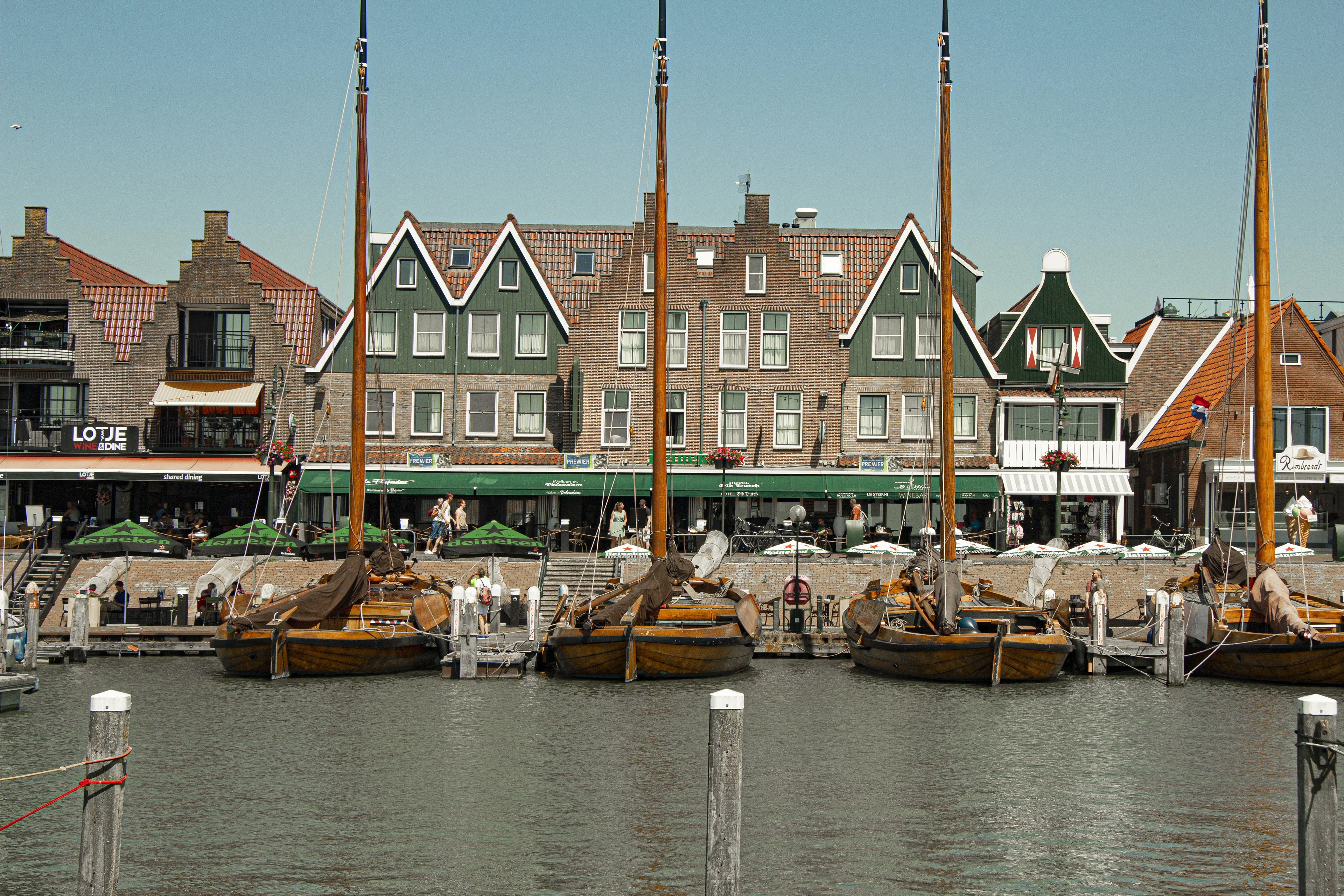
Yes, the town lives on tourism. Yes, you will cross paths with souvenir shops and day-trippers from Amsterdam. But beyond the postcard folklore, Volendam keeps the soul of a fishing village, with colorful wooden houses packed tightly along the Markermeer lake and locals fiercely attached to their traditions.
Volendam: A Getaway for Fans of Authentic Dutch Charm
This destination suits travelers seeking total immersion in traditional Dutch culture, families looking for an easy day trip from Amsterdam, and photography buffs dreaming of postcard-worthy shots. You can easily see the village in half a day, or stretch it to a full day if you add Marken.
On the flip side, if you avoid tourist hotspots or want rugged adventure, skip it. The harbor swarms with crowds in peak season and the atmosphere remains heavily geared toward tourism. Budget-wise, figure on $34 to $68* per person for a day covering transport, food, and activities. No car is needed because bus 316 from Amsterdam Central drops you right there in 20 minutes.
Strolling the Seawall and the Doolhof Labyrinth
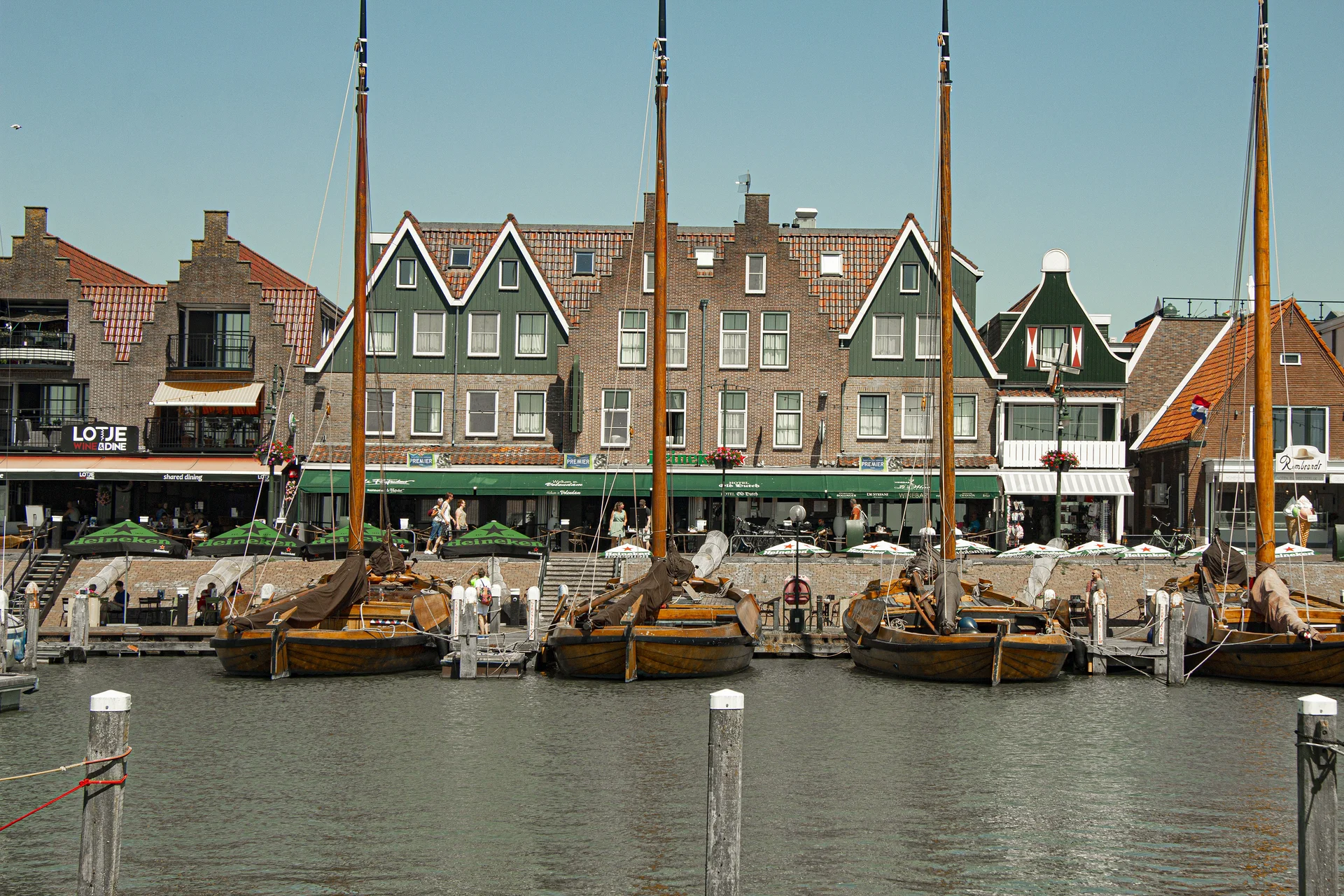
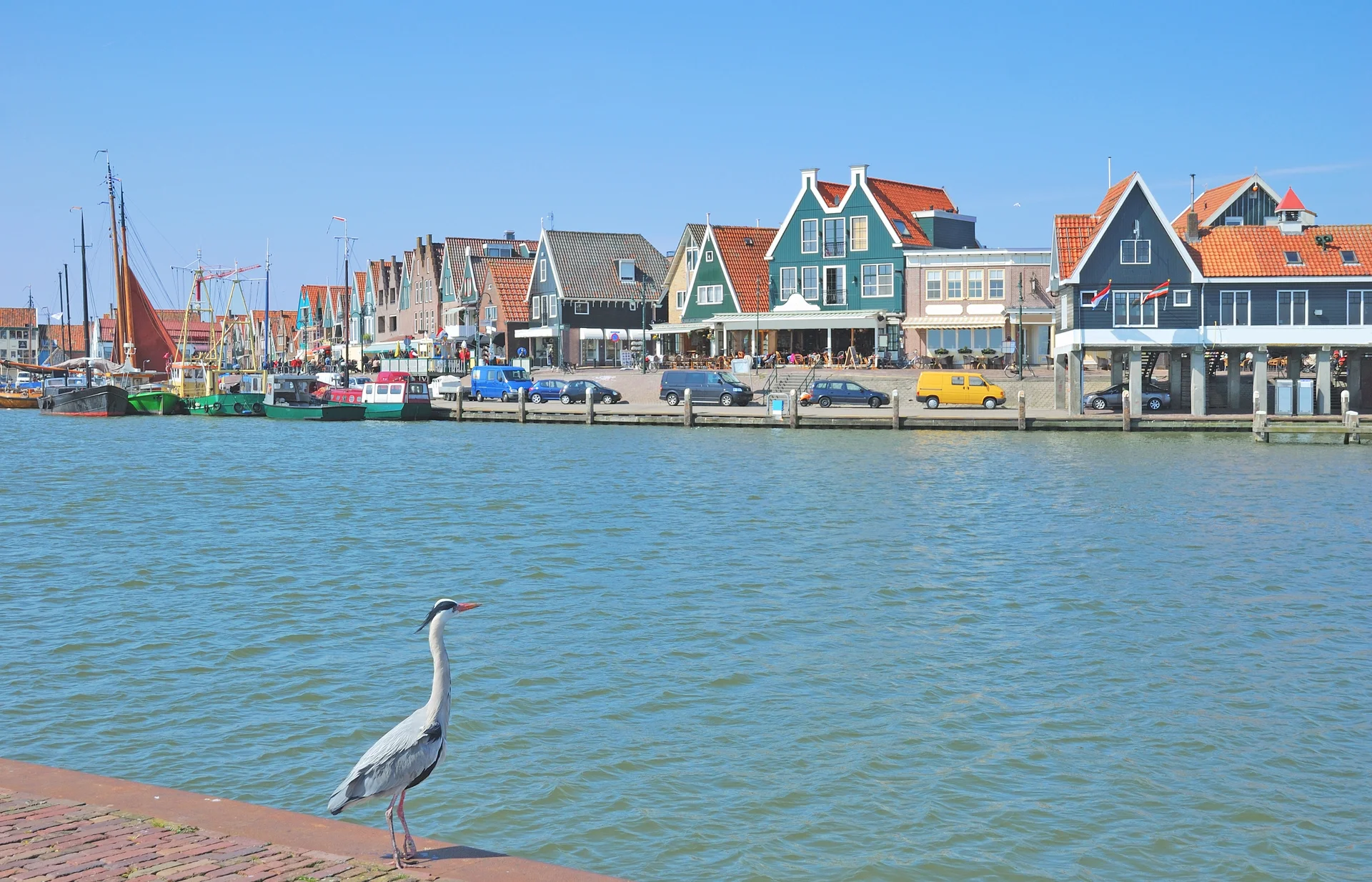
The beating heart of the village is its seawall running alongside the harbor. Traditional fishing boats bob gently here while restaurants roll out their terraces facing the Markermeer lake. The vibe bounces between festive energy and quiet contemplation depending on the hour you visit. Early morning or late afternoon off-season brings out the village at its most peaceful.
Slip away next into the Doolhof, which literally means maze. This historic neighborhood in the heart of the old village lives up to its name with narrow alleys winding without obvious logic between wooden houses and tiny canals. Fishermen once lived here, and in the 19th and 20th centuries, artists drawn to the unique light and atmosphere set up shop.
Do not miss the Art Hotel Spaander, a legendary 1854 establishment where painters came to lodge and find inspiration. The walls of the interior restaurant still overflow with artwork left as payment by broke artists. A walk will lead you to the Sint-Vincentiuskerk church, a quiet witness to the village's Catholic past.
Friendly tip: to photograph the colorful houses without the crowds, venture into the Oude Kom, another old street far less traveled than the main seawall. The facades are just as photogenic and you will run into more locals than tourists.
Diving Into Maritime History: Museums and Traditions
The Volendam Museum and Its Cigar Band House
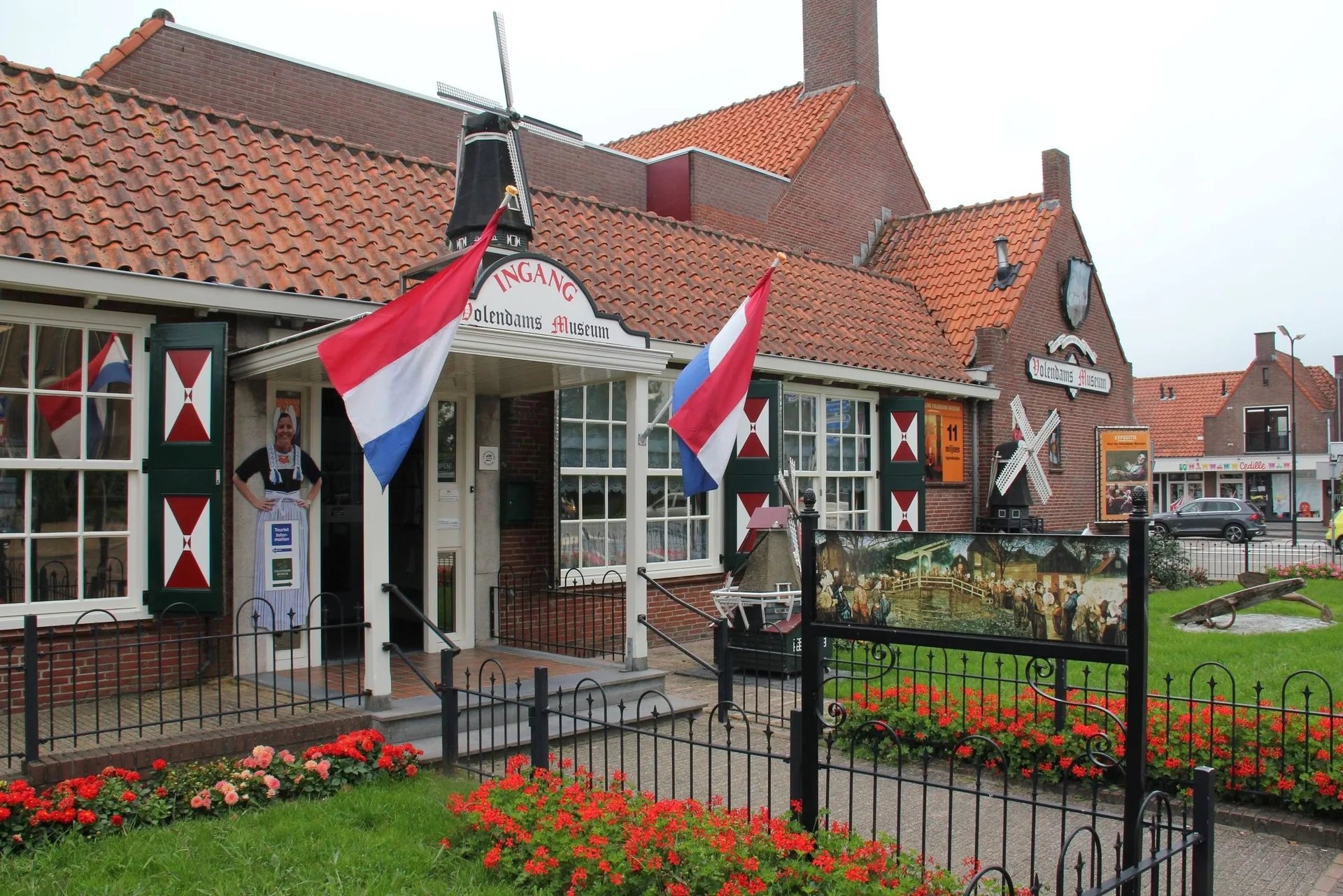
The Volendam Museum steps back into local life between 1850 and 1950 through period room reconstructions, traditional costumes, and everyday objects. The real surprise hides inside: the Cigar Bands House, a room entirely covered in mosaics made from 11 million cigar bands. It is a massive, hypnotic project depicting the map of the Netherlands and even the Empire State Building. Coffee or tea is offered at the entrance, and a warm welcome is guaranteed.
Experience Volendam: The Village in Virtual Reality
Experience Volendam offers an immersive setup using virtual reality goggles that drop you right into the port of 1916. You virtually stroll among boats, discover old-time trades, and pass locals in period dress. The introductory guided tour rounds out the VR experience nicely. Expect about $11* per person, with options to snap a photo in traditional costume.
The Palingsound Museum and the Musical Soul of the Village
Historically, the village survived on fishing and smoking eel. The Palingsound Museum tracks this tradition while exploring the rise of palingsound, literally eel sound, a characteristic pop music genre that defined a whole generation of Dutch artists. It is an unexpected dive into local cultural identity.
Friendly tip: if weather permits, pedal out to the De Kathammer windmill standing among the pastures about 2 kilometers from downtown. The path cuts through the classic green countryside of North Holland and offers a relaxing break after the bustling harbor.
From Volendam to Marken: Crossing to a Former Island
From the port, the Volendam Marken Express whisks you across to the former island of Marken in 25 minutes, connected to the mainland by a causeway since 1957. The boat ride across the Markermeer lake delivers great views while an audio guide shares the fascinating history of these fishing communities.
Over on Marken, traditional architecture immediately stands out: houses built on mounds of earth or stilts to dodge floods before the dikes went up. The pace is even slower than in Volendam, and the mood is noticeably less touristy. Make sure to catch the Marken Museum explaining local customs, the old clog factory, and the walk out to the Paard van Marken lighthouse, built in 1839 and still working.
Volendam has a small, modest, yet welcoming beach for a refreshing swim in the fresh water of the Markermeer, which used to be saltwater before the Afsluitdijk closed in 1932. It works well for families with kids on hot summer afternoons.
Where to Eat and Drink in Volendam?
The undisputed specialty remains raw herring (haring), served with chopped onions that you slide down in one gulp, head tilted back, the Dutch way. Seawall kiosks sell them for about $2.30*. Try the kibbeling too, which are crispy fried cod nuggets, alongside smoked eel (paling), a historic local specialty with a strong flavor and naturally rich texture.
For a sit-down meal with a view, Smit-Bokkum excels in smoked fish dishes and even houses a small museum and gourmet shop. Plan for around $40* per person. Restaurant De Lunch, right in the harbor, dishes out traditional fish plates in an authentic setting packed with mementos. For a budget-friendly option, De Haven serves generous fish and chips at fair prices right on the seawall.
On the cheese front, taste Gouda and Edam at nearby cheese farms like Alida Hoeve or Henri Willig, both offering free tastings and production demos. Some spots also demonstrate how artisans carve wooden clogs (klompen).
Where to Stay in Volendam and Around?
The village features a few boutique hotels, including the famous Hotel Spaander (Best Western Signature Collection) with a unique historic feel and art-covered walls. It is ideal for soaking up the local artistic vibe. The Hotel Old Dutch provides a comfortable alternative right downtown.
For something different, the Marinapark Volendam rents out small houses modeled after traditional local architecture, making them great for families. Expect anywhere from $90 to $169* a night depending on the season and room tier.
If everything is booked or you want a change of pace, Edam (5 km away) has more lodging choices wrapped in equally charming surroundings. Amsterdam sits just 20 kilometers away, meaning you can crash in the capital and swing out for day trips if you want maximum flexibility.
How to Get to and Around Volendam?
From Amsterdam, grab bus 316 at Central Station (Centraal Station). The ride takes 20 minutes and costs about $5.70* one way. The Amsterdam and Region Ticket day pass (around $14*) covers regional transit and pays off if you stack multiple stops. Buses run all day long with high frequency.
By car, figure on 20 to 25 minutes from Amsterdam via the A10 and then the N247. Paid parking lots (around $5.70* a day) sit right along the village edge. Once you arrive, everything is walkable as you can cross the historic center end to end in 15 minutes.
Plenty of organized tours out of Amsterdam pair Volendam with Marken, Zaanse Schans (windmills), and Edam (cheese). That is handy if you are short on time or prefer to skip the logistics.
When to go?
Spring (April-May) and summer (June-August) bring the best weather with temperatures between 15 and 22°C. It is also peak tourist season, so expect crowds along the seawall between 11 AM and 4 PM, especially on weekends. Tour buses roll in constantly.
Autumn (September-October) hits the sweet spot with mild weather, gorgeous light for photography, and way fewer people on weekdays. Winter turns cold and windy, but offers an authentic mood if you want total quiet. Some restaurants close in the off-season, so double-check before you head out.