Visiting Alsace
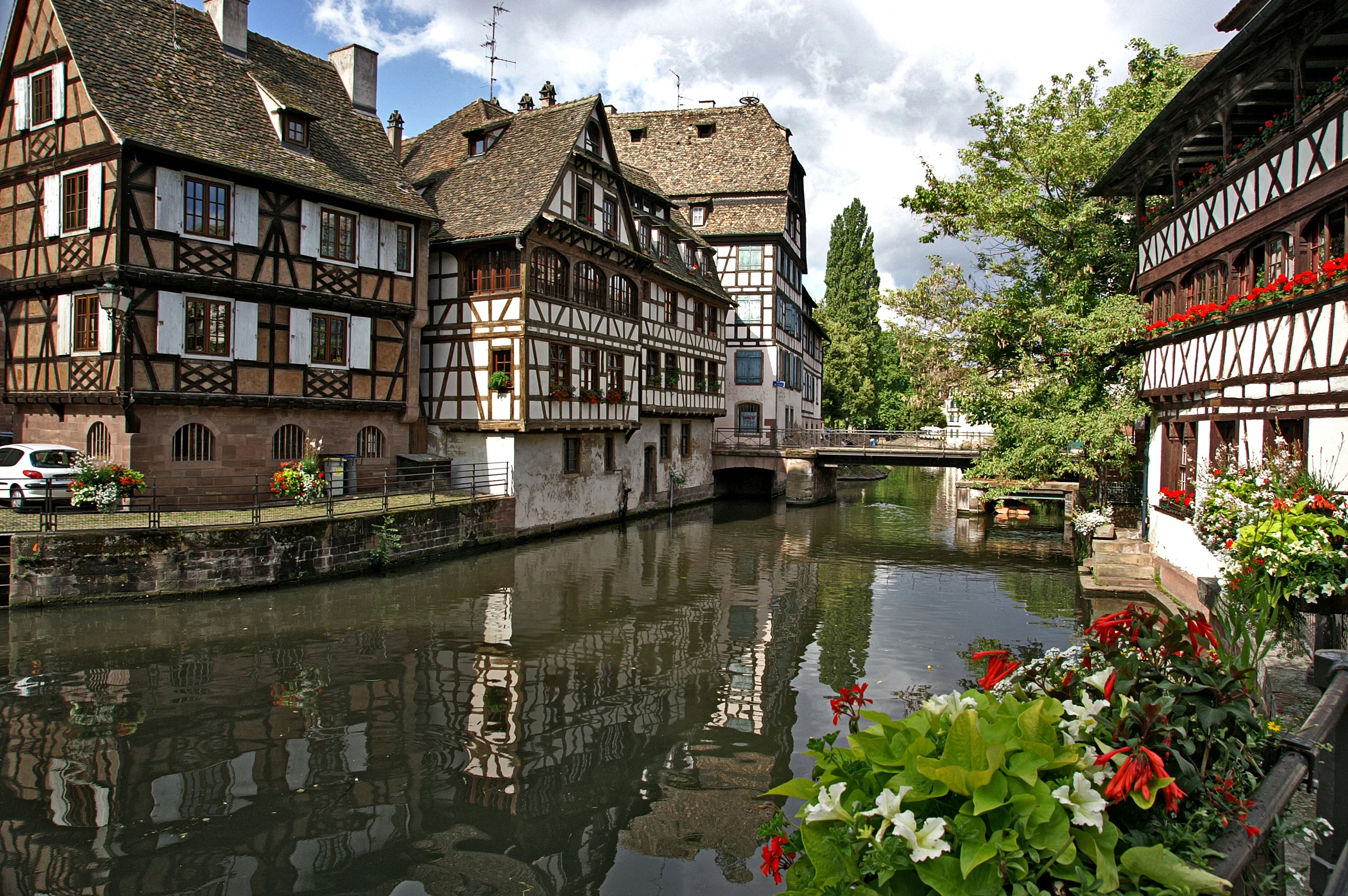
Alsace fits between the Rhine and a line of ridges, a hundred and fifty kilometres north to south and forty wide. That narrowness explains everything: the density of the villages, the concentration of the vineyard, and the fact that you cross the region in two hours without ever driving straight.
Strasbourg is its capital and a seat of the European Parliament, Colmar the centre of the vineyard, and Mulhouse the former industrial city nobody expects.
You will love it if
- You want a city, villages and mountains within an hour's drive
- White wine interests you: seven grape varieties on one vineyard
- You come in September or October, for the harvest
Look elsewhere if
- You hate crowds: Riquewihr and Colmar are saturated in summer
- You come in December without a booking: the markets fill everything
- You are after the sea: it is five hours away
The must-sees
The highlights
-
1 Strasbourg Cathedral +36 recs
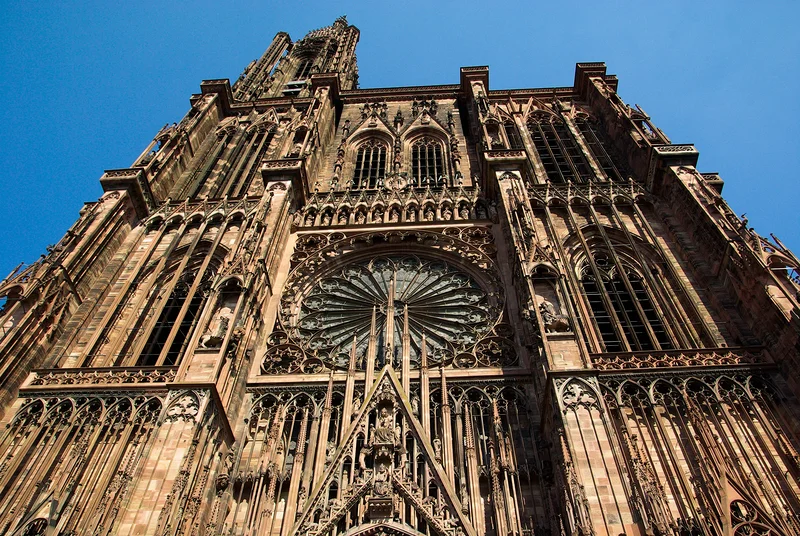
Founded in the eleventh century on the Grande Île, in pink Vosges sandstone, with a single spire of 142 metres: it was the tallest building in the world for two centuries. The astronomical clock runs its procession of apostles at half past twelve, and the platform is three hundred and thirty steps up.
-
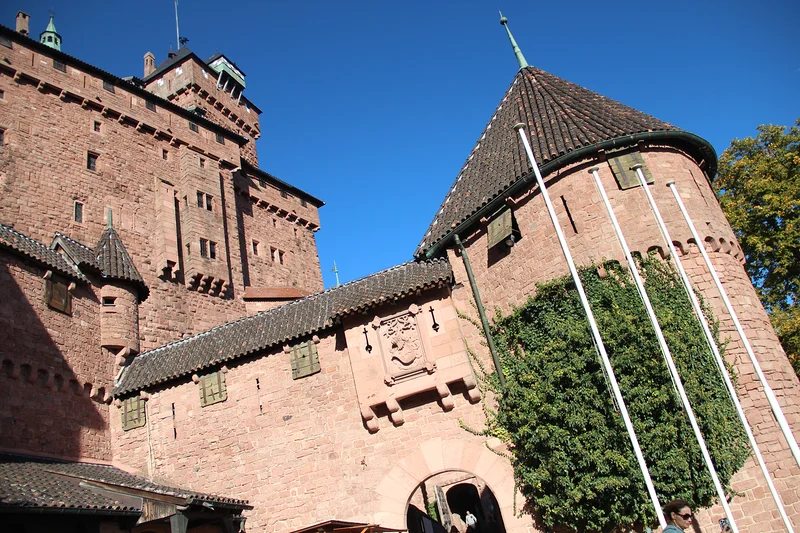 Photo posted by Petite-Terre
2 Haut-Koenigsbourg Castle +20 recs
At 757 metres on the Vosges foothills, a ruined fortress that Wilhelm II had entirely rebuilt between 1900 and 1908. Historians argue about the restoration, and that is exactly what makes it interesting: you visit the Middle Ages and the idea people had of them in 1900.
-
3 Mont Sainte-Odile +11 recs
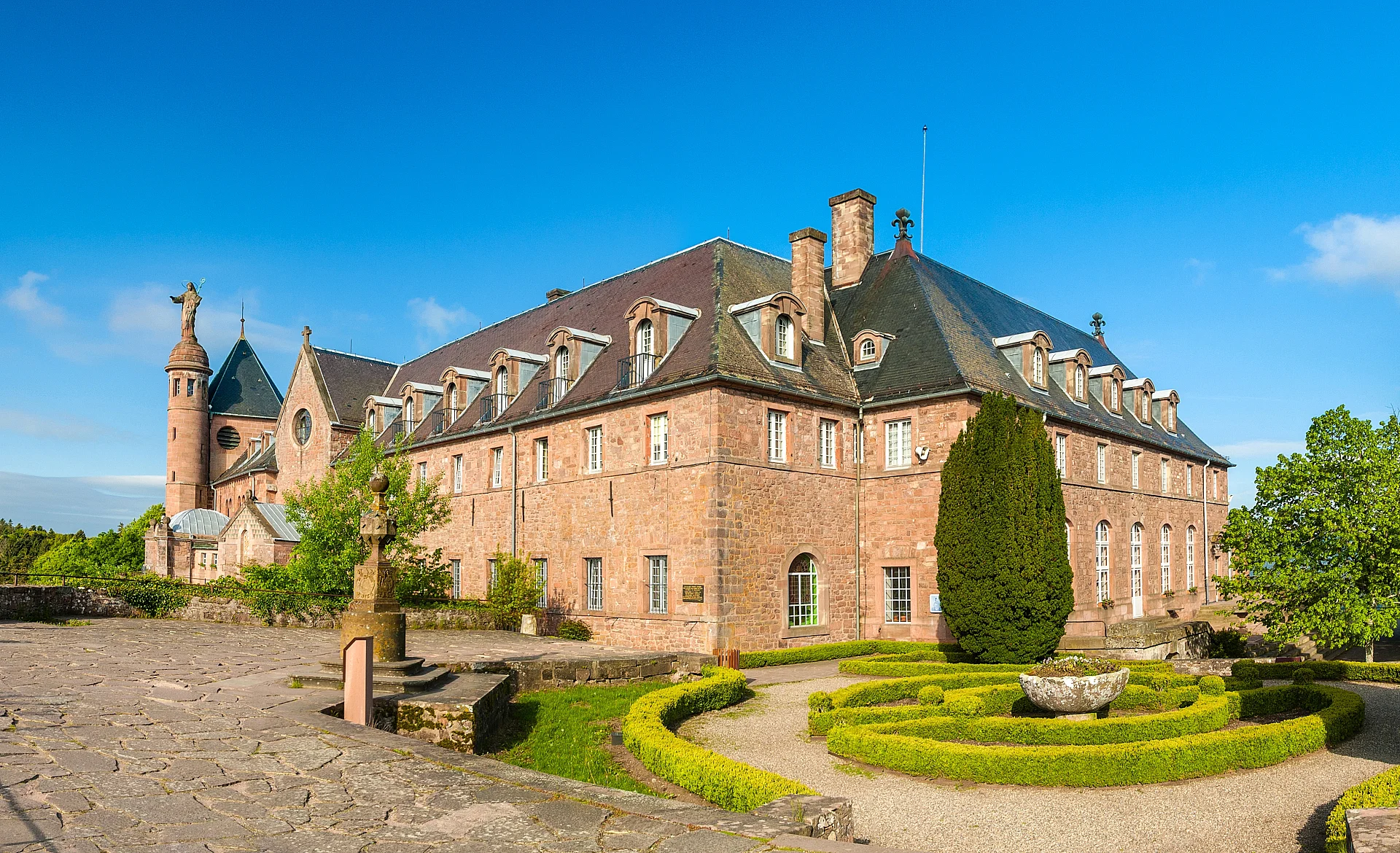
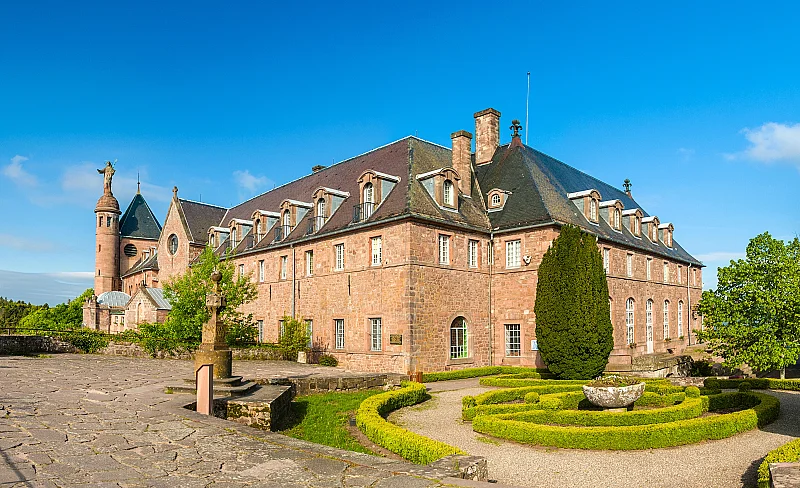
A monastery set on a Vosges cliff above the plain, founded in the seventh century by the patron saint of Alsace. The pagan wall around it, ten kilometres of blocks fitted without mortar, predates it by more than a thousand years and nobody knows who built it.
-
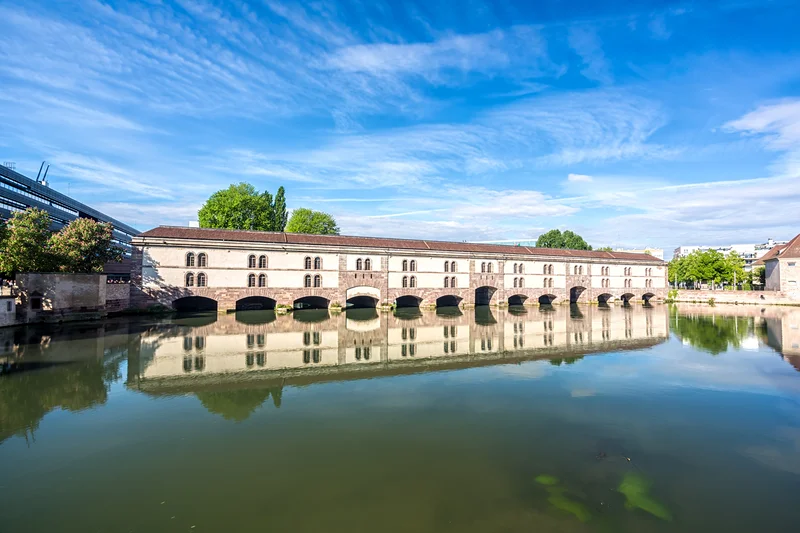
4 The Vauban Dam +10 recs
A bridge-lock across the Ill, built at the end of the seventeenth century so the land south of the city could be flooded in a siege. Listed since 1971, its terrace gives the best view of the covered bridges.
-
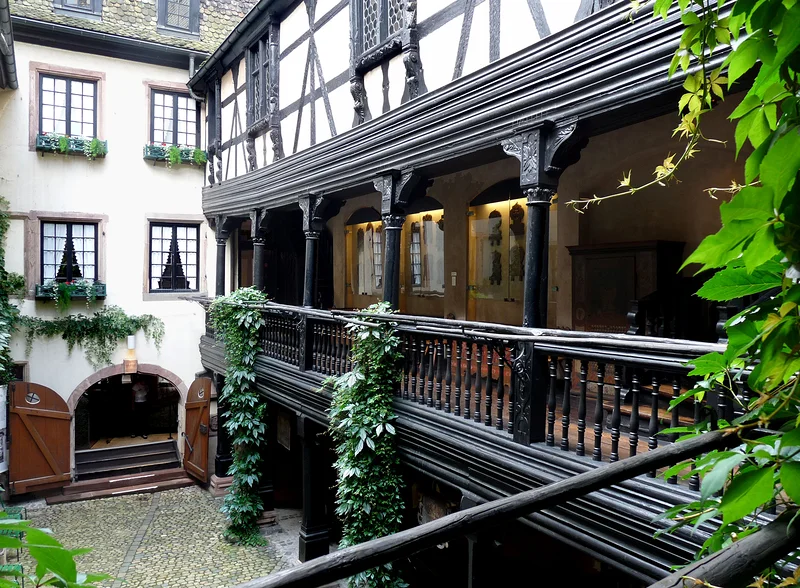
5 The Alsatian Museum +9 recs
At 23 quai Saint-Nicolas, three houses linked by wooden galleries, showing Alsatian life from the seventeenth to the twentieth century: kitchens, kouglof moulds, toys, a pharmacy. The one place where half-timbering is visited from the inside.
The classic mistake
Doing the wine road in a day. The villages are five kilometres apart, and that is the trap: you string together eight and keep none. Three villages over two days, with a seated tasting and a walk in the vines, leaves you something; eight car parks do not.
Our itineraries in Alsace
| Length | Itinerary | What you see |
|---|---|---|
| Weekend (2 days) | Strasbourg | Cathedral, Petite France, museums |
| 4 days | Strasbourg › Colmar | The capital, the vineyard, Haut-Koenigsbourg |
| 1 week | Strasbourg › the wine road › Mulhouse | All three Alsaces: city, vines, industry |
Strasbourg needs two full days: six of the region's ten top-ranked places are there, all within a kilometre of the Grande Île.
The wine road runs a hundred and seventy kilometres between Marlenheim and Thann, and the densest stretch is between Ribeauvillé and Eguisheim, thirty kilometres that hold the essentials.
When to visit Alsace
| Rating | Season | Weather | Crowds and prices |
|---|---|---|---|
| September and October | 16 to 23 °C, low light | Harvest, the best season | |
| May and June | 18 to 24 °C, green vines | Moderate, villages workable | |
| December | 0 to 6 °C, damp | Christmas markets: hotels at double | |
| July and August | 24 to 32 °C, stormy | Busy, the plain is an oven |
Our advice
The Strasbourg Christmas market has run since 1570 and remains the oldest in France. It draws two million visitors in a month: come on a Tuesday or Wednesday, not a Saturday, and book from the summer. The vineyard villages have their own, smaller and far more bearable.
Getting to Alsace
-
1 By train Best option
Eurostar to Paris, then a high-speed train to Strasbourg in 1 h 46, Colmar in 2 h 30 or Mulhouse in 2 h 40. Around six hours in all, and you arrive in the city centre.
-
2 By plane Fastest
easyJet and Ryanair serve Basel-Mulhouse EuroAirport from several British airports, an hour from Colmar. Strasbourg-Entzheim takes connecting flights through Paris.
-
3 By car For the vineyard
the A35 runs the length of the region, north to south. Useful for the wine road and the Vosges passes, a burden in Strasbourg, where the centre is pedestrian and parking deliberately discouraging.
From Colmar, seasonal shuttles climb to Haut-Koenigsbourg and serve three vineyard villages. Out of season you need a car: the bus routes exist but run to school timetables.
Getting around Alsace
Strasbourg is done on foot and by bike: six tram lines, five hundred kilometres of cycle paths, and perfectly flat ground. Orangerie Park is fifteen minutes from the cathedral along the quays.
Worth knowing
Vineyard cellars close between noon and two, and many do not open on Sundays or during the harvest, when the grower is out in the rows. A tasting belongs in the morning or late afternoon, and a phone call the day before spares you a closed door.
What to eat in Alsace
- Choucroute garnie: fermented cabbage cooked in riesling, with half a dozen cured meats and a knuckle. A winter dish, served all year for visitors, and meant to be shared.
- Tarte flambée: very thin dough, cream, onions and bacon, two minutes in a wood oven. Eaten in several rounds, with your fingers, and never at lunch according to the purists.
- Baeckeoffe: three meats marinated in white wine with potatoes, in a terrine sealed with bread and taken to the baker. The Monday dish, washing day, when nobody had time to cook.
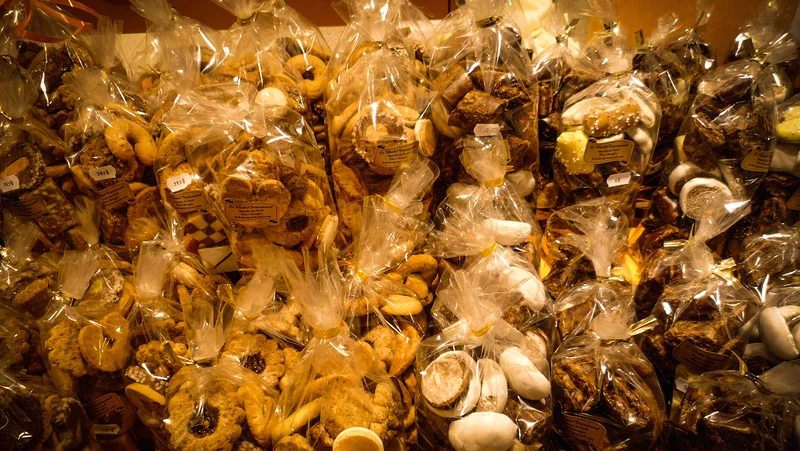
- Kouglof: the raisin and almond brioche, baked in a glazed earthenware mould that people collect. Salted with drinks, sweet at breakfast.
- Bretzel: thinner and drier than the German one, sold on street corners and in stations. It goes with beer, and Alsace still brews half of France's.
- The seven grapes: riesling, gewurztraminer, pinot gris, sylvaner, muscat, pinot blanc and pinot noir, the last the only red. Ottrott holds the only red appellation on the wine road.
- Munster: the washed-rind cheese matured in the farms of the Munster valley, served with cumin and a glass of gewurztraminer. The smell arrives several metres before the board.
The winstub is the institution to know: a panelled room, chequered cloths, wine by the jug and five dishes on the card. It is neither restaurant nor bar, it is where you eat while drinking wine, and the best are in the streets behind the cathedral.
Where to stay in Alsace
| Area | What it is for | Worth knowing |
|---|---|---|
| Strasbourg, Grande Île | Cathedral, Palais Rohan, winstubs | All on foot, dear, full in December |
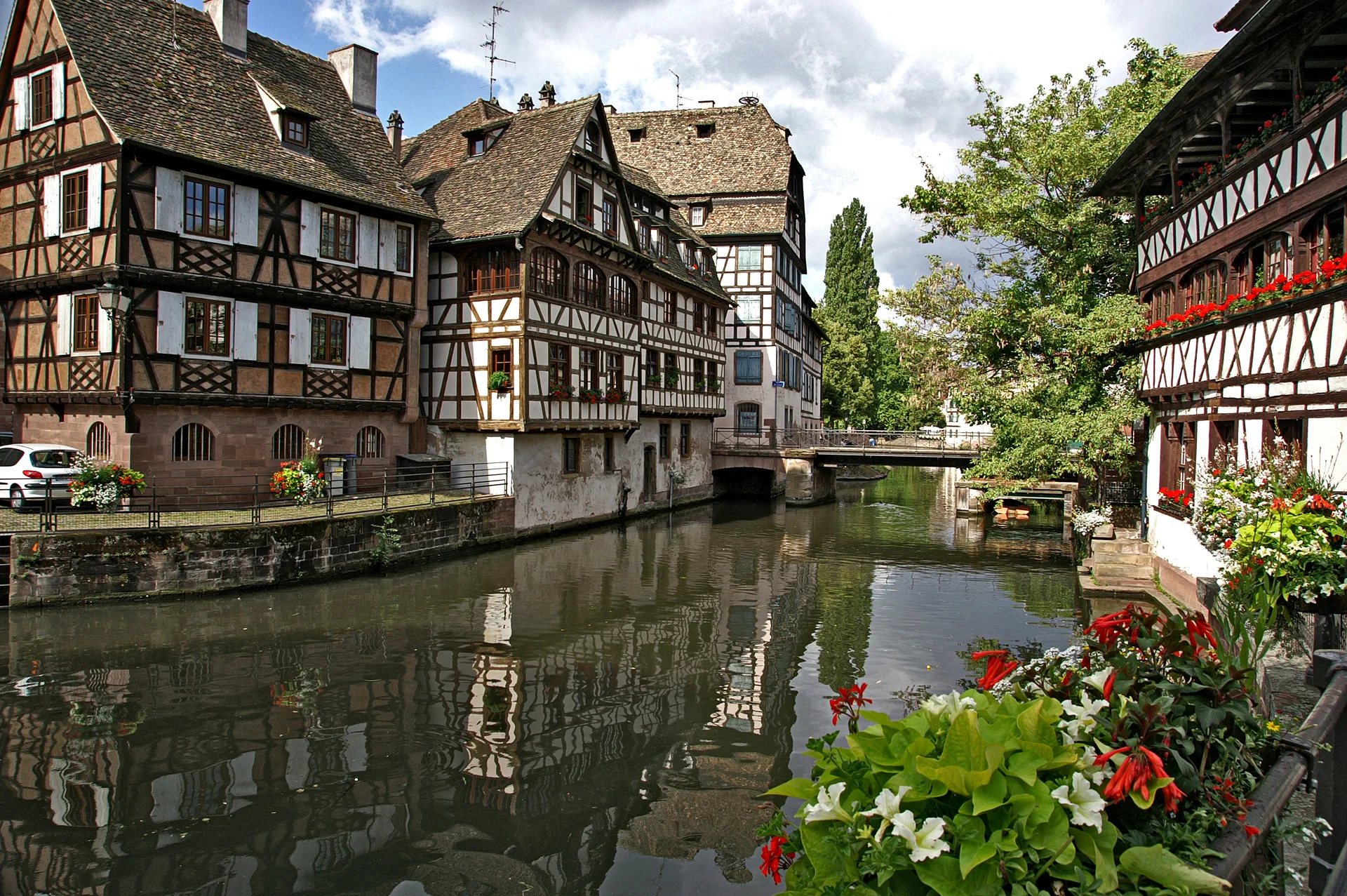
| Strasbourg, Petite France | Canals, Vauban Dam, photographs | The prettiest and the busiest |
| Colmar | Vineyard, Petite Venise, museums | The best base for the wine road |
| Ribeauvillé or Riquewihr | Vines, cellars, the castle | Villages, quiet at night, dead in January |
| Mulhouse | Technical museums, price, Basel | Underrated, half the cost |
In December, Strasbourg hotels double their rates and fill from the summer. Sleeping in Colmar or Mulhouse, half an hour by train, costs half as much and opens other markets.
In the vineyard, many growers let rooms or cottages above their cellar. It is the best value in the region, and the evening tasting happens without getting back in the car.
How much does a trip in Alsace cost?
| Style | Length | Budget per person |
|---|---|---|
| Budget (hostel, winstubs, free museums) | 5 days | 300 to 450 € |
| Comfortable (hotel, restaurants, car) | 5 days | 700 to 1,000 € |
| High end (boutique hotel, starred tables, cellars) | 5 days | 1,800 to 2,800 € |
- The first Sunday of the month: Strasbourg's municipal museums, the Alsatian Museum and the Historical Museum among them, are free.
- The Strasbourg museum pass: it covers the city's ten museums, including the three in the Palais Rohan, and pays off from the second.
- Cellar tastings: free at most growers, and you are not obliged to buy, even if you almost always do.
- September rather than December: the same room costs half as much, and the vines are being picked.
- Orangerie Park: twenty-six free hectares with its storks in an enclosure, and the Sunday outing of every Strasbourgeois.
Traditions and way of life in Alsace
Alsace changed nationality four times between 1871 and 1945, and that fact still governs a great deal: a local law on religions, two extra public holidays, and a relation to history that families know through their grandfathers. Saint Thomas Church, Protestant since 1524, is a reminder that the Reformation arrived here before France did.
The Strasbourg National Theatre is the only French national theatre outside Paris, and it houses the only national drama school in the regions. That is no accident: after 1945 it was deliberate policy.
Two useful habits. Alsatian is still spoken, mostly by people over sixty and in the villages: you will not understand it, but a clear bonjour keeps you from reading as a hurried tourist.
And at table, you do not order a jug of wine at random: the village grower is often named on the card, and asking which one is nearest almost always opens a conversation.