
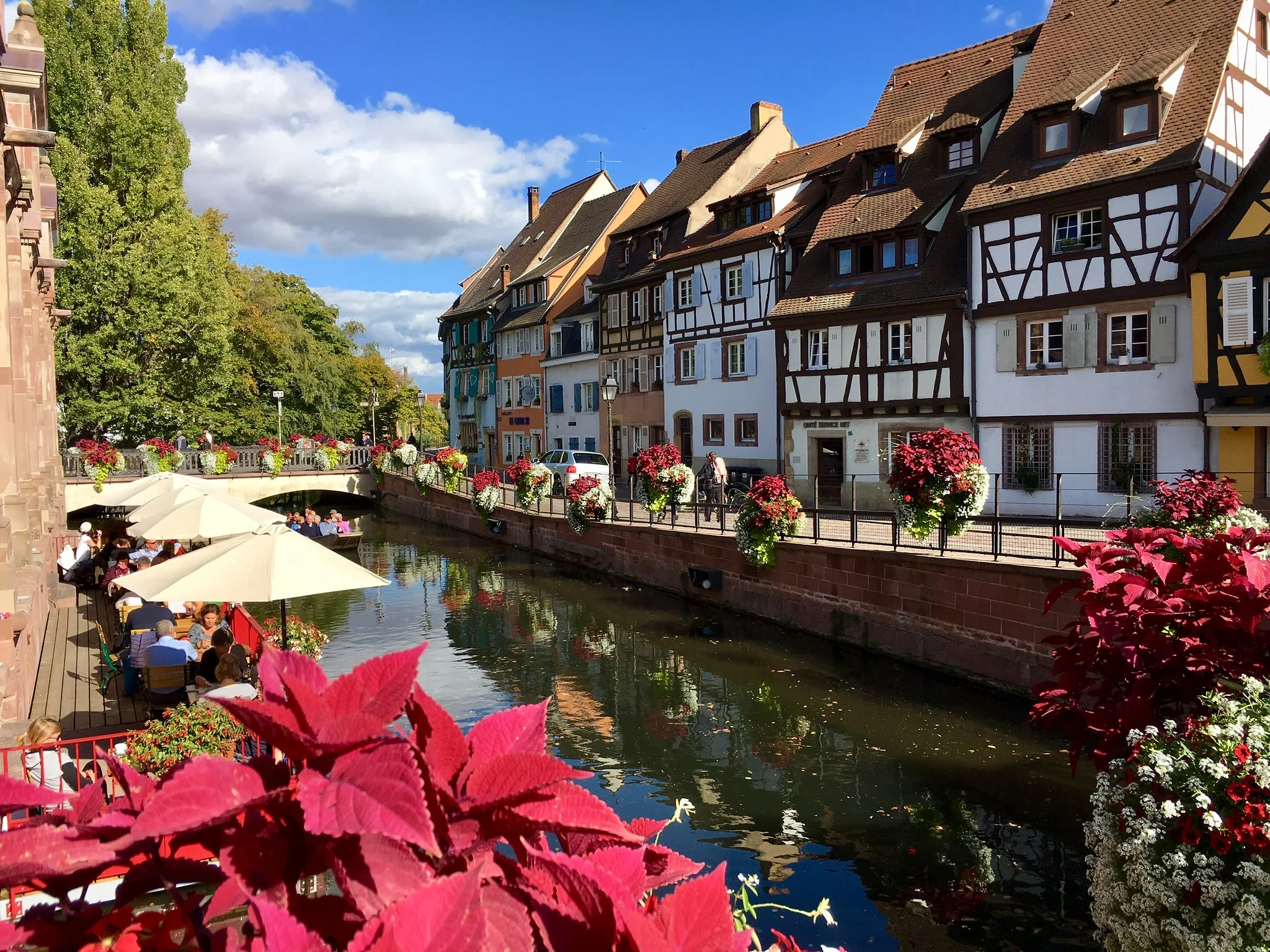
Colmar, the Capital of Alsatian Wines and a Living Postcard
Ochre and vermilion half-timbered facades, the scent of gingerbread drifting out of a bakery, the gentle gurgle of the Lauch river beneath the flower-draped bridges of Petite Venise. Colmar is one of those rare European towns where medieval architecture isn't a museum piece or a movie set, but the actual backdrop for 65,000 residents.
Spared from the heavy bombing of World War II, it kept its historic center intact in a way few European destinations manage. The downside is obvious: everyone knows it, and the cobblestone streets fill up fast.
Is This Destination Right for You?
Colmar suits architecture lovers, families with kids, couples planning a weekend getaway, and travelers eager to dive into Alsatian food and wine. The town is compact, highly walkable, and offers enough to fill two to three relaxed days.
On the flip side, if you hate crowds and tour groups, the historic center in July, August, or during the December holiday markets can test your patience. Nightlife seekers will also find the town too quiet after dark.
Great for:
- Fans of medieval heritage and traditional Alsatian design
- Couples looking for a romantic weekend
- Families traveling with kids (toy museum, mini-train, and Europa-Park nearby)
- Wine enthusiasts and food lovers
- Travelers wanting a base to explore the Wine Route
Not ideal for:
- Travelers who try to avoid peak tourist crowds, especially in summer and December
- Nightlife enthusiasts
- Tight budgets, as central hotels and restaurants run high
Budget: Plan to Spend More Than You Think
Colmar remains a classic French destination, but tourist demand pushes up lodging costs, particularly in peak season and around the Christmas markets. Booking well in advance helps tremendously.
| Expense | Estimated Range |
|---|---|
| Basic night (budget hotel or hostel) | $57 to $90* |
| Comfortable night (3 to 4-star hotel) | $113 to $210* |
| Casual meal (winstub, daily special) | $14 to $21* |
| Sit-down dinner (appetizer, main, glass of wine) | $34 to $57* |
| Museums and daytime activities | $12 to $29* |
| Daily backpacker total | $90 to $135* |
| Daily comfort total | $180 to $290* |
Indicative rates subject to change
Practical Realities
The historic center of Colmar is entirely walkable. The main sights sit within a half-mile radius, so you do not need a car once you arrive. In fact, a car becomes a liability since downtown parking is scarce and expensive. Park in one of the peripheral lots and walk into the center.
The town caters smoothly to visitors. The tourist office on Place Unterlinden provides detailed maps, thematic guided tours, and well-organized winter evening walks. English is spoken across almost all tourist shops and restaurants.
The Historic Center: Getting Lost Is the Best Strategy
The heart of Colmar begs to be explored without a strict map. Every alley reveals a half-timbered facade, a wrought-iron sign, or a carved detail you did not expect. A few landmarks still deserve a spot on your itinerary.
The Gothic-style Saint-Martin Collegiate Church stands out with its glowing pink sandstone exterior from Rouffach. Look up at the roof to spot storks nesting, a classic Alsatian sight. Nearby, the Dominican Church houses Martin Schongauer's painting of the Madonna of the Rose Bush, a remarkably delicate 15th-century work. The Maison des têtes, listed as a historic monument, gets its name from the 106 grotesque carved heads decorating its Renaissance facade.
The Koïfhus, the city's oldest public building, dates back to the 15th century. This former customs house now serves as a cultural space opening onto a lively square. Right nearby, the Maison Pfister stands out as one of the most photographed spots in Alsace, thanks to its arcaded gallery and painted medallions.
Friendly tip: wake up early. Petite Venise and quai de la Poissonnerie before 8:00 AM feel like a completely different town. The facades mirror in the water without a single tourist in sight. Tour groups start arriving by 10:00 AM.
Museums and Culture: Beyond the Timber Frames
The Unterlinden Museum ranks among the region's best surprises. Housed in a 13th-century Dominican convent, it displays the Issenheim Altarpiece by Matthias Grünewald, considered a masterpiece of Western art. A contemporary wing designed by Herzog & de Meuron added modern exhibition space in 2016. This single museum justifies the trip.
The Bartholdi Museum, dedicated to the Colmar-born sculptor who created the Statue of Liberty, often surprises visitors with its display of models and preparatory sketches for New York's most famous landmark. The Hansi Village and its museum honoring caricaturist Jean-Jacques Waltz round out the picture for those interested in local history.
For a strictly contemporary vibe, the André Malraux Contemporary Art Center (EACAM), set inside a former sauerkraut factory, hosts five temporary exhibitions a year. The space is clean, quiet, and far removed from downtown commotion.
Around Colmar: The Wine Route and Europa-Park
Colmar serves as the ideal launchpad for exploring the Alsace Wine Route. The nearby villages of Riquewihr, Ribeauvillé, and Kaysersberg are all under a 20-minute drive away, each offering its own character, open cellars, and local markets.
If you are traveling with kids, Europa-Park in Rust, Germany, is reachable in under two hours. It stands as Europe's second-most-visited theme park, with French-language signage throughout.
For a walk without leaving town, the Champ de Mars park provides a pleasant green space right near the center, perfect for catching your breath between sightseeing stops.
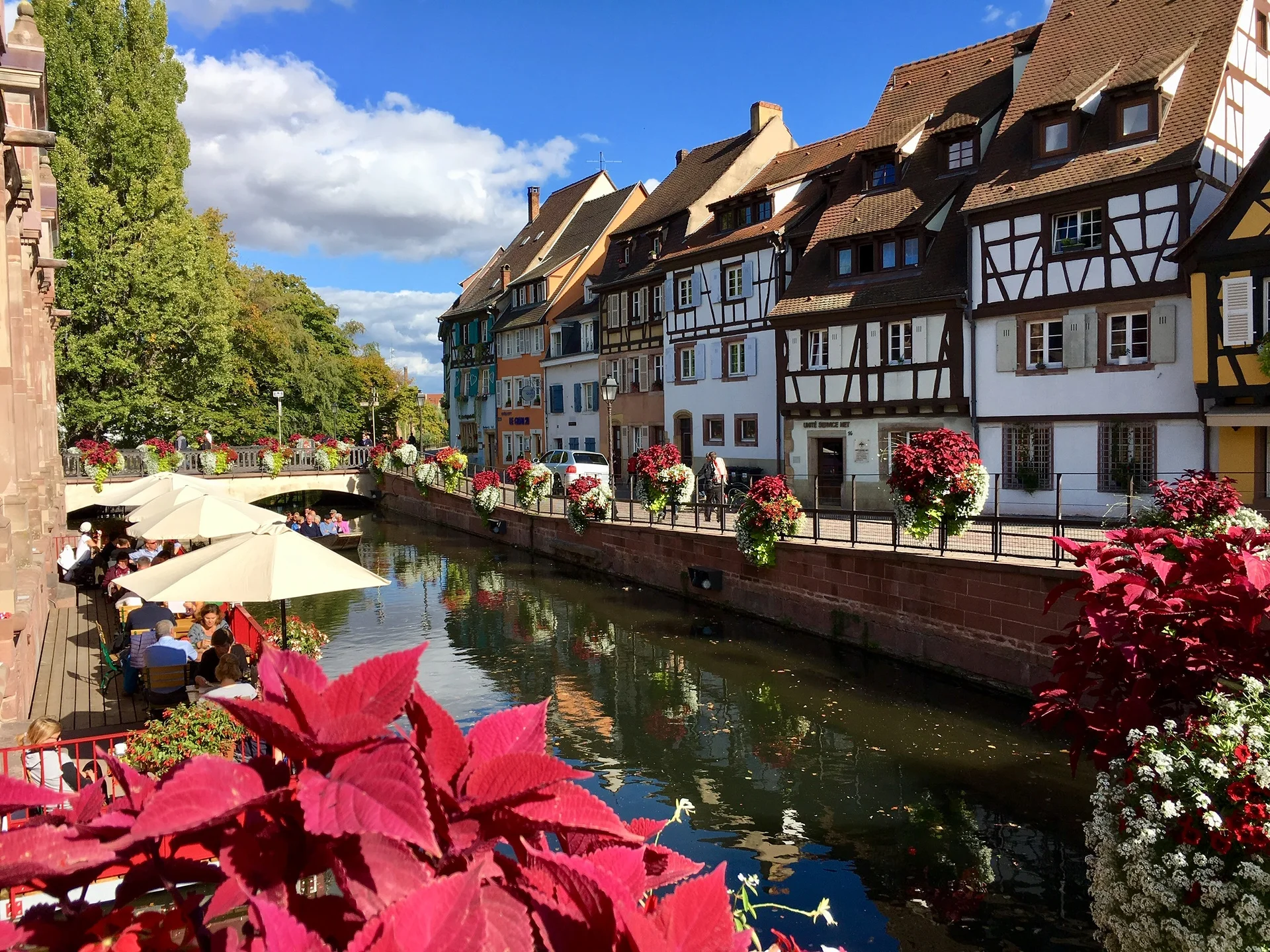
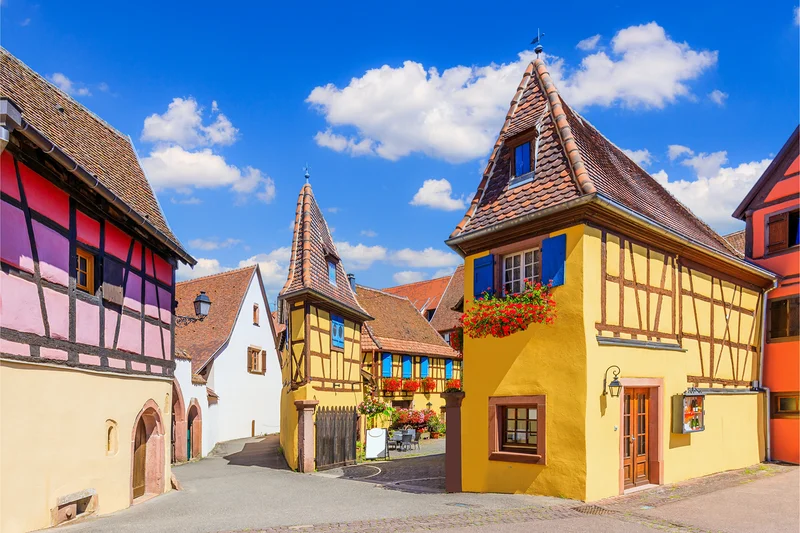
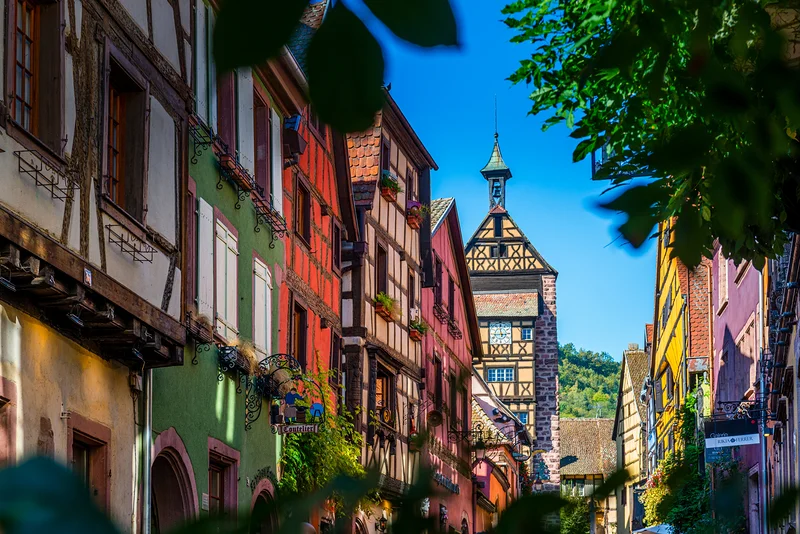
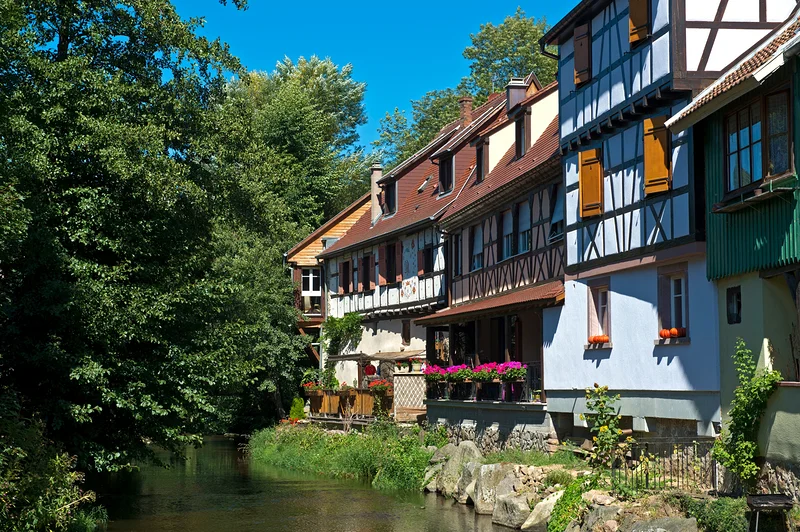
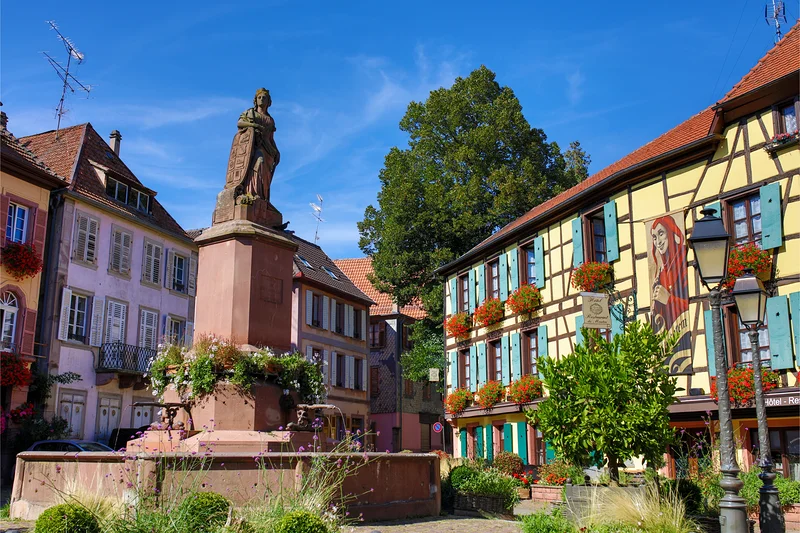
Colmar is a must when we stay in Alsace. It is easy to park near the city center to discover the Alsatian architectural treasures of this charming city. I especially love Little Venice, a neighborhood crossed by the Lauch River. It is possible to discover the history of the city and the region aboard a small boat, with stories told by passionate, friendly, and sometimes funny guides! In summer and winter alike, there are many events, and there is no shortage of local specialties.