
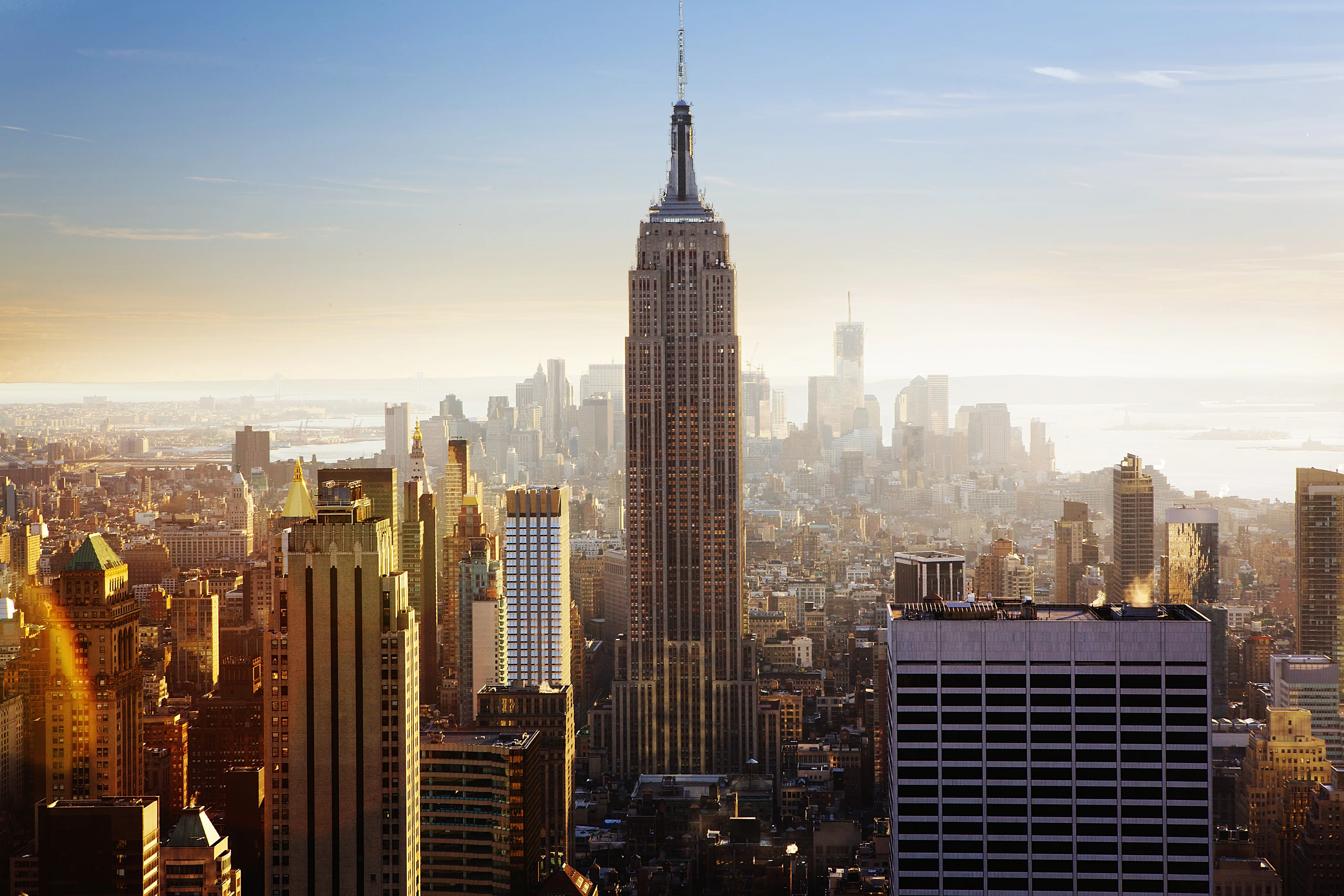
New York, the city that changes you
It is 6 AM in Manhattan. The first rays of sun hit the glass facades of Midtown while the smell of fresh coffee wafts out of delis that are just waking up. A jogger cuts through Central Park under the indifferent gaze of the squirrels. A few hours later, this same park will be swarmed by millions of hurried footsteps, wide-eyed tourists, and New Yorkers who don't have the time to look up at the skyscrapers.
This city never sleeps, certainly, but it also never leaves you indifferent.
Is New York right for you?
Let's be honest: New York can be exhausting. Eight million people packed onto a few islands, constant noise, dizzying prices, and a frantic energy that never quits. If you are looking for quiet and contemplation, you won't find it here. But if the idea of crossing paths with twenty different nationalities on a single block excites you, if you enjoy walking for miles without realizing it, and if art, gastronomy, and architecture make you tick, then go for it.
The city is a perfect fit for curious travelers, urban culture lovers, and those who want an intense experience. However, it may be disappointing for families with young children or travelers with limited mobility, as infrastructure is not always well-adapted. The subway, while functional 24/7, is not a model of accessibility.
Regarding safety, the fears inherited from the 80s are largely a thing of the past. Today, the city is one of the safest major American metropolises.
Budget: prepare to grit your teeth
New York is among the most expensive destinations in the world. Expect to pay between $165 and $330 per day per person for a comfortable stay, including lodging, meals, and activities. Hotels in Manhattan rarely start below $220 per night, museums cost about $25 to $40 for admission, and a simple lunch in a decent restaurant will easily run you $25. To keep costs down, prioritize Brooklyn or Queens for lodging, eat at food trucks and delis, and invest in a New York CityPASS or an Explorer Pass.
Manhattan: the heart beating at full speed
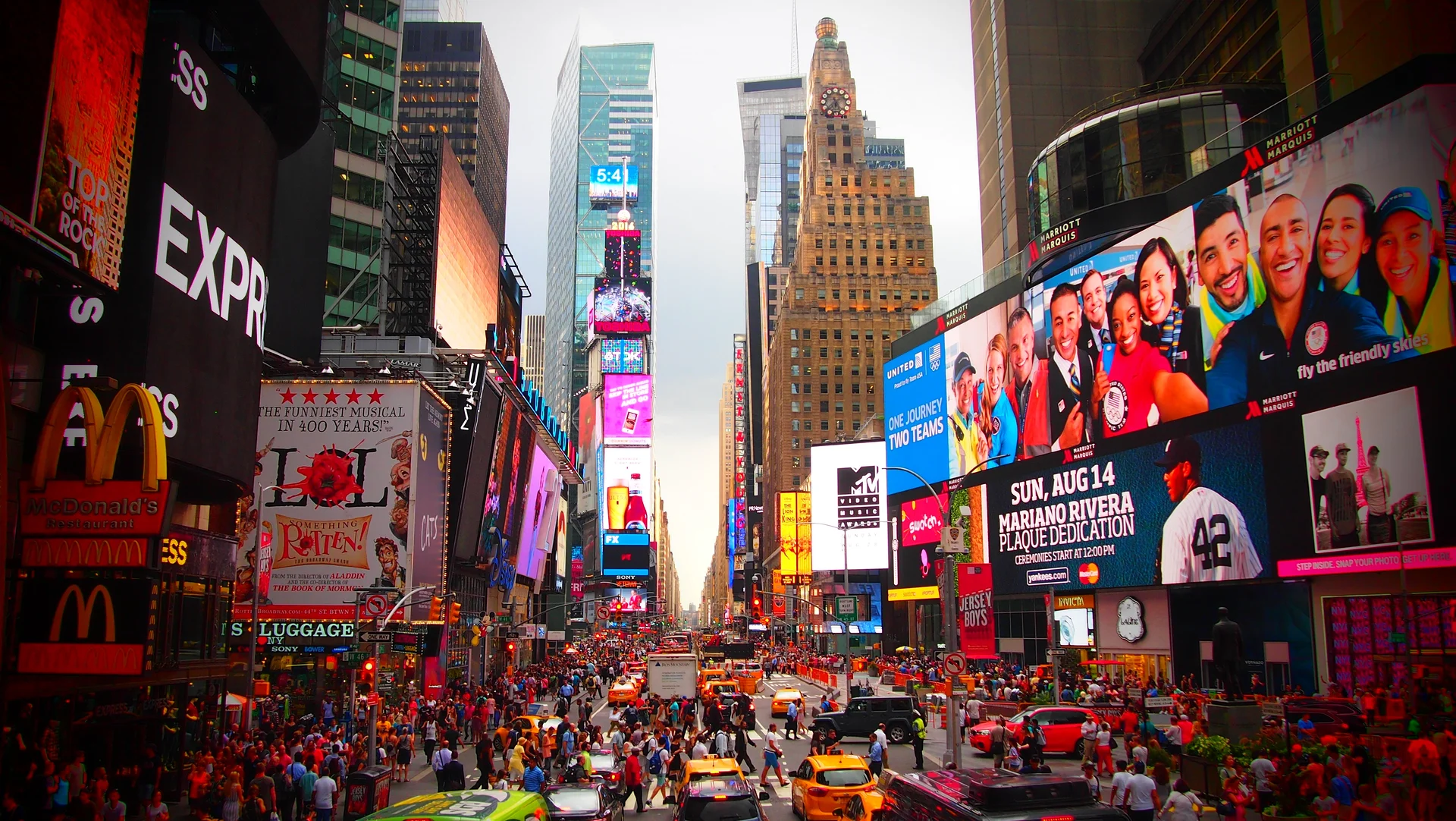
It is impossible to visit New York without trekking through Manhattan. The island holds most of the iconic monuments and offers a density of experiences that is unique in the world. Start at Times Square, not for its charm, but for the shock value. Those giant screens, the constant crowd, the deafening noise: this is ground zero for New York tourism. Go in the evening for the light display, then escape to more breathable neighborhoods.
A few streets away, Rockefeller Center offers a different atmosphere entirely. The Top of the Rock observation deck remains my favorite vantage point: the view encompasses both Central Park to the north and the Empire State Building to the south. For museums, the Metropolitan Museum of Art could keep you occupied for an entire week. The MoMA, more compact, allows for a quality visit in just a few hours.
Friendly advice: book your tickets online several days in advance. Wait times can exceed two hours for observation decks during peak hours. On weekdays, aim for 8 AM or after 6 PM.
Brooklyn: the other New York
Walking across the Brooklyn Bridge remains one of the high points of any trip to New York. Take your time and admire the Manhattan skyline as it slowly pulls away. Once on the other side, the DUMBO neighborhood welcomes you with its warehouses converted into galleries and its legendary photo-ready views of the Manhattan Bridge.
Further south, Williamsburg embodies the creative and trendy side of Brooklyn. Graffiti-covered walls sit alongside artisanal cafes and vintage thrift shops. On weekends, the Smorgasburg market brings together a hundred street food stands by the water. Park Slope, a more residential area, wins people over with its immaculate brownstones and proximity to Prospect Park, designed by the same architects as Central Park but significantly less crowded.
Queens and the Bronx: off the beaten path
Queens represents the New York melting pot in all its glory. In Astoria, Greek taverns sit next to Egyptian restaurants. Flushing houses one of the most authentic Chinatowns in the country, far from the tourist traps of Manhattan. On Saturday nights between April and October, the Queens Night Market offers specialties from all over the world at reasonable prices.
The Bronx, long ignored by tourists, is actually worth the detour. The New York Botanical Garden offers 250 acres of spectacular gardens, and the Bronx Zoo remains one of the largest urban zoos in the world. For hip-hop fans, a tour of the South Bronx reveals the birthplace of this culture, which emerged in the 70s.
Friendly advice: the NYC Ferry connects Manhattan, Brooklyn, and Queens for only $4 per trip. It is the most pleasant and cost-effective way to see the skyline while getting around.
Where to eat and drink in New York?
The New York culinary scene is dizzying. The bagel remains a local religion: establishments like Ess-a-Bagel in Midtown or Russ & Daughters in the Lower East Side have served classics topped with smoked salmon and cream cheese for decades. For pizza, L'Industrie in Williamsburg and Joe's Pizza in Greenwich Village are local favorites. The pastrami sandwich at Katz's Delicatessen justifies a visit to the Lower East Side all on its own, despite the long lines.
As for drinks, rooftops offer spectacular views if you are willing to pay the price. For a more local vibe, the speakeasies hidden behind anonymous doors carry on the Prohibition tradition. The East Village and West Village neighborhoods are packed with cocktail bars and natural wine cellars.
Where to stay in New York and the surrounding areas?
Midtown remains the most convenient choice for a first trip, at a premium price. The Lower East Side and Lower Manhattan offer a good compromise between price and accessibility. For more reasonable rates, look toward Long Island City in Queens or Williamsburg in Brooklyn, both just a few subway stops from Manhattan. Avoid hotels around Times Square: prices are inflated and the environment is noisy. Hostels like HI NYC Hostel offer clean dorms for budget travelers.
How to get to and around New York?
From abroad, daily direct flights connect major hubs to JFK or Newark. JFK serves Manhattan better via the AirTrain combined with the subway, while Newark sometimes offers better airfare rates. Expect to pay between $15 and $25 to reach Manhattan via public transit, compared to $60 to $90 by taxi.
Once in the city, the subway remains the most efficient way to travel. A single ride costs $2.90, but the OMNY system caps your spending at $34 over seven days if you pay with the same contactless bank card. Yellow and green cabs remain affordable for short distances, especially if you are traveling in a group. Forget about renting a car: parking is a nightmare and costs a fortune.
Friendly advice: ask for a subway map at the booth. Lines are marked by letters or numbers, and direction is read as "Uptown" for north or "Downtown" for south. A green light at a station entrance signals that it is monitored 24/7.
When to go?
Autumn and spring offer ideal conditions: mild temperatures, beautiful light, and reasonable crowds. Summer can be stifling, with temperatures exceeding 95°F and oppressive humidity. Winter, while freezing, offers a magical atmosphere for the holidays, with the decorations at Rockefeller Center and the window displays on Fifth Avenue. January and February attract fewer tourists and offer lower lodging rates, provided you can handle the cold.
Haha, je valide la référence à Jay Z pour parler de New-York :)