Saint-Hippolyte, the village that smells like grapes and woodsmoke
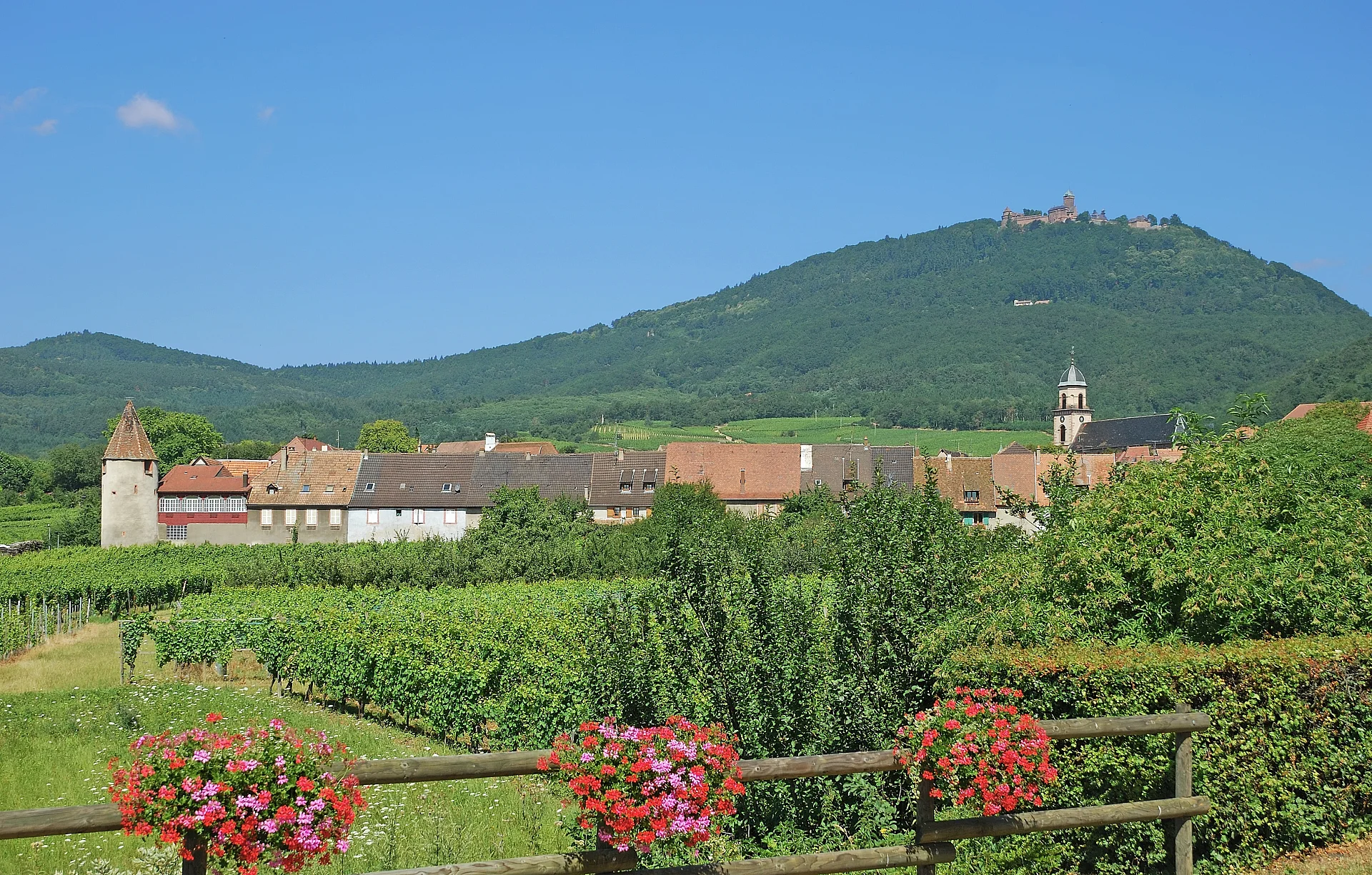
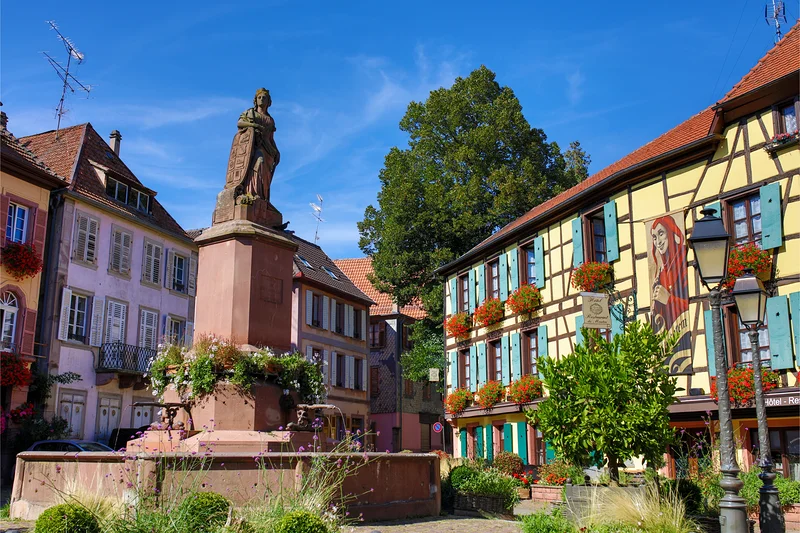
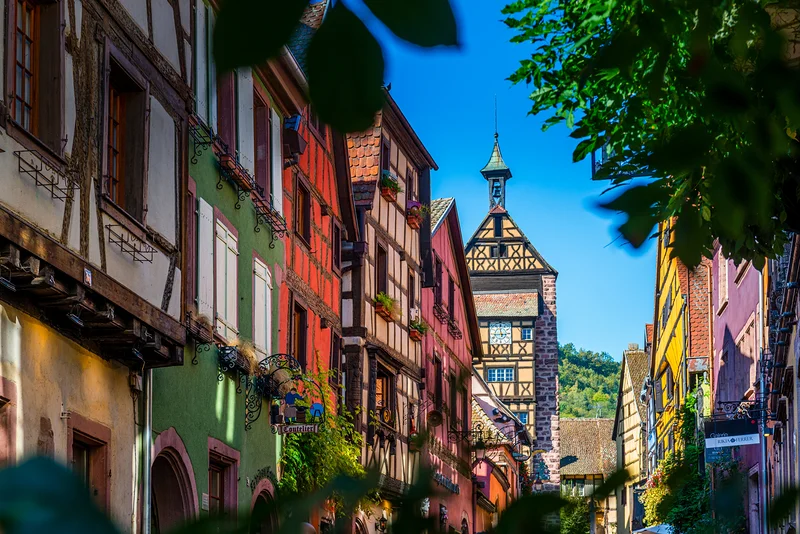
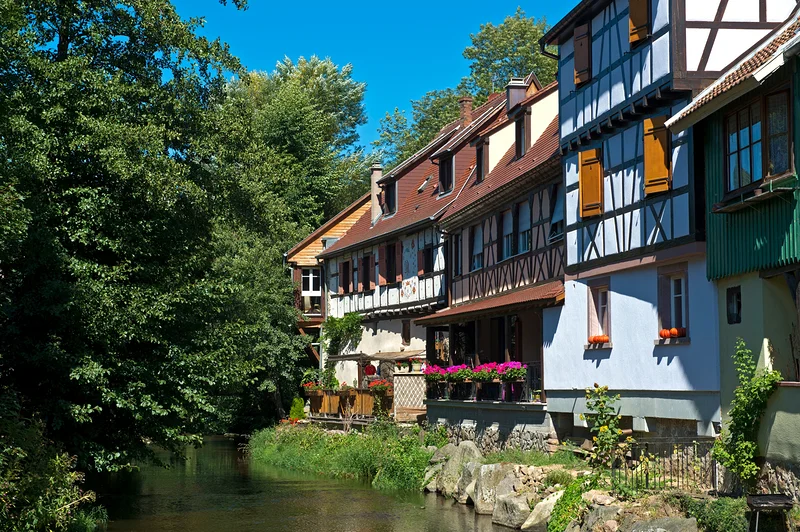
Here, the wine route draws a straight line between the vineyards and the half-timbered facades. You can smell the grape must fermenting in the first days of October, and red shutters tap gently against the cobblestone alleys.
Saint-Hippolyte is nothing like a frozen postcard. It is a working wine village that has lived to the rhythm of the harvest for generations.
A destination made for you?
Do you enjoy stops that slow down the pace of a road trip? Endless vineyards, tasting rooms where people talk more than they sell, and walks up to ruined castles overlooking the Alsace plain? Then this village checks every box.
On the other hand, if you are looking for nightlife, cookie-cutter museums, or a wide variety of restaurants, Saint-Hippolyte will quickly feel too quiet. It is a base camp, not a standalone destination.
Good fit for:
Not a good fit for:
- City breaks featuring nightlife and diverse dining
- Travelers without a car (limited public transit)
- Anyone looking for major tourist sites right in town
An accessible budget, far from the prices in marquee villages
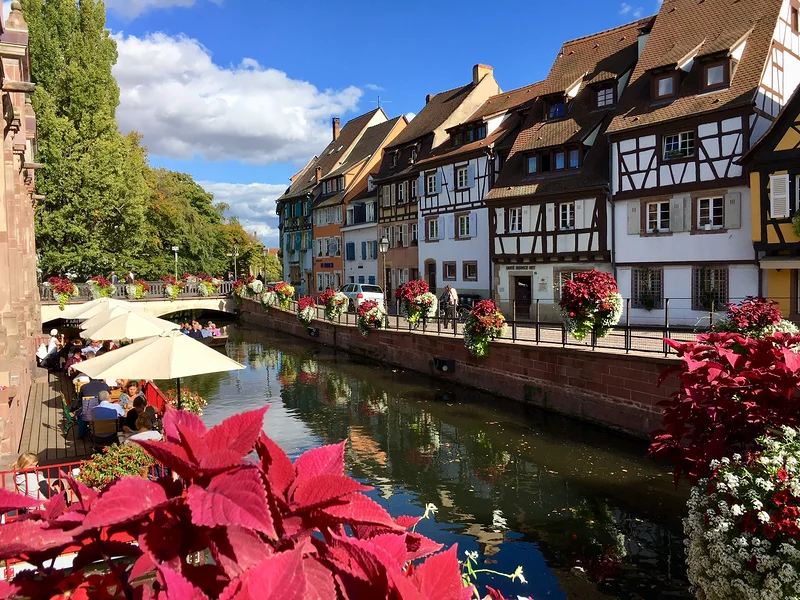
Compared to Riquewihr or Colmar, prices stay reasonable here. You pay for the wine and hearty meals, not the postcard image.
| Expense | Range |
|---|---|
| Night in a bed and breakfast | 60 to 80 € |
| Night in a gîte or comfortable rental | 90 to 130 € |
| Quick bite (pretzel, takeout flammekueche) | 6 to 10 € |
| Restaurant meal or winstub | 18 to 30 € |
| Tasting room visit | 5 to 15 € |
Estimated rates subject to change
On-the-ground reality
No large hotels here. Lodging is mostly found in chambres d'hôtes and gîtes run by the winemakers themselves, often with a view of the vines right outside the window. Book early during the harvest season, when the village fills up fast.
A car is practically essential for exploring the wine route and reaching neighboring villages. The mountain roads climbing toward the Haut-Koenigsbourg get steep, so make sure your vehicle is in good shape in the winter.
The vineyards and alleys
The heart of the village can be walked in under an hour. 16th-century half-timbered houses line narrow streets where winemakers sometimes open their cellars right onto the street. You are more likely to pass harvest tractors than tour buses.
The village cooperative cellar pools the production of several local winemakers and offers tastings of riesling and pinot noir, the region's star red grape.
Friendly tip: plan your visit for a weekday outside of the harvest season, meaning avoid September and October, if you want a quiet chat with the winemakers instead of waiting in line.
Hikes to the castles
Haut-Koenigsbourg Castle
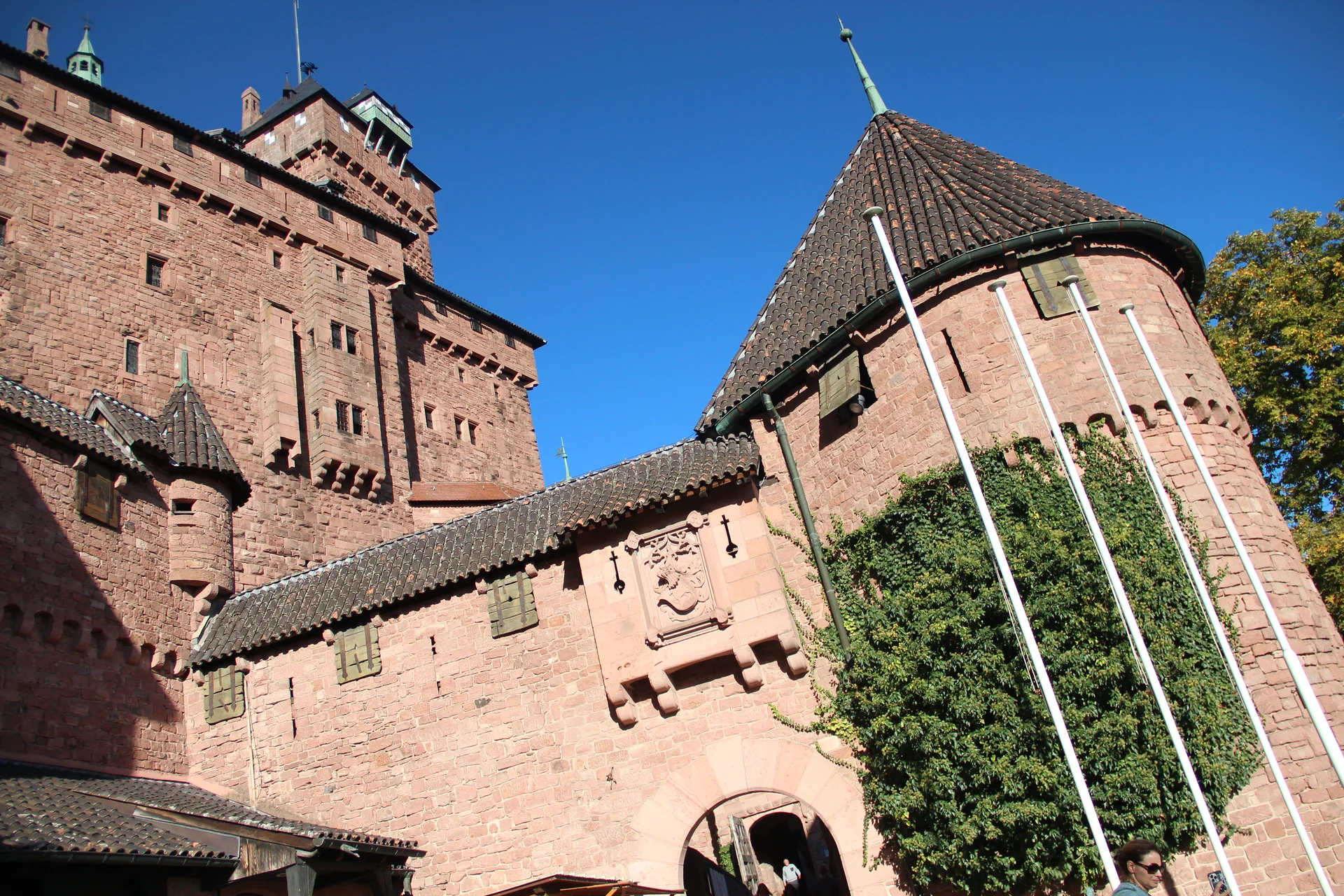
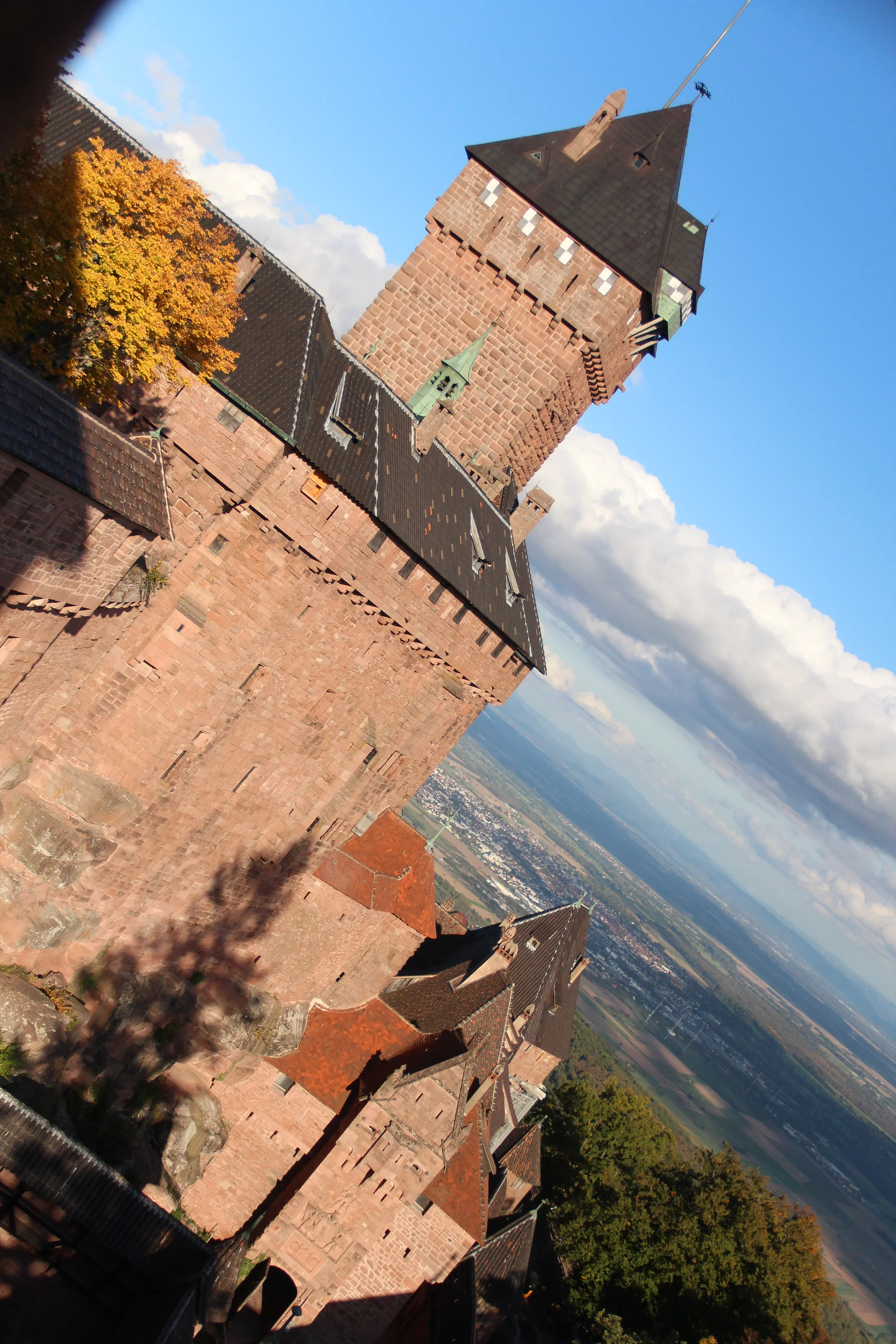
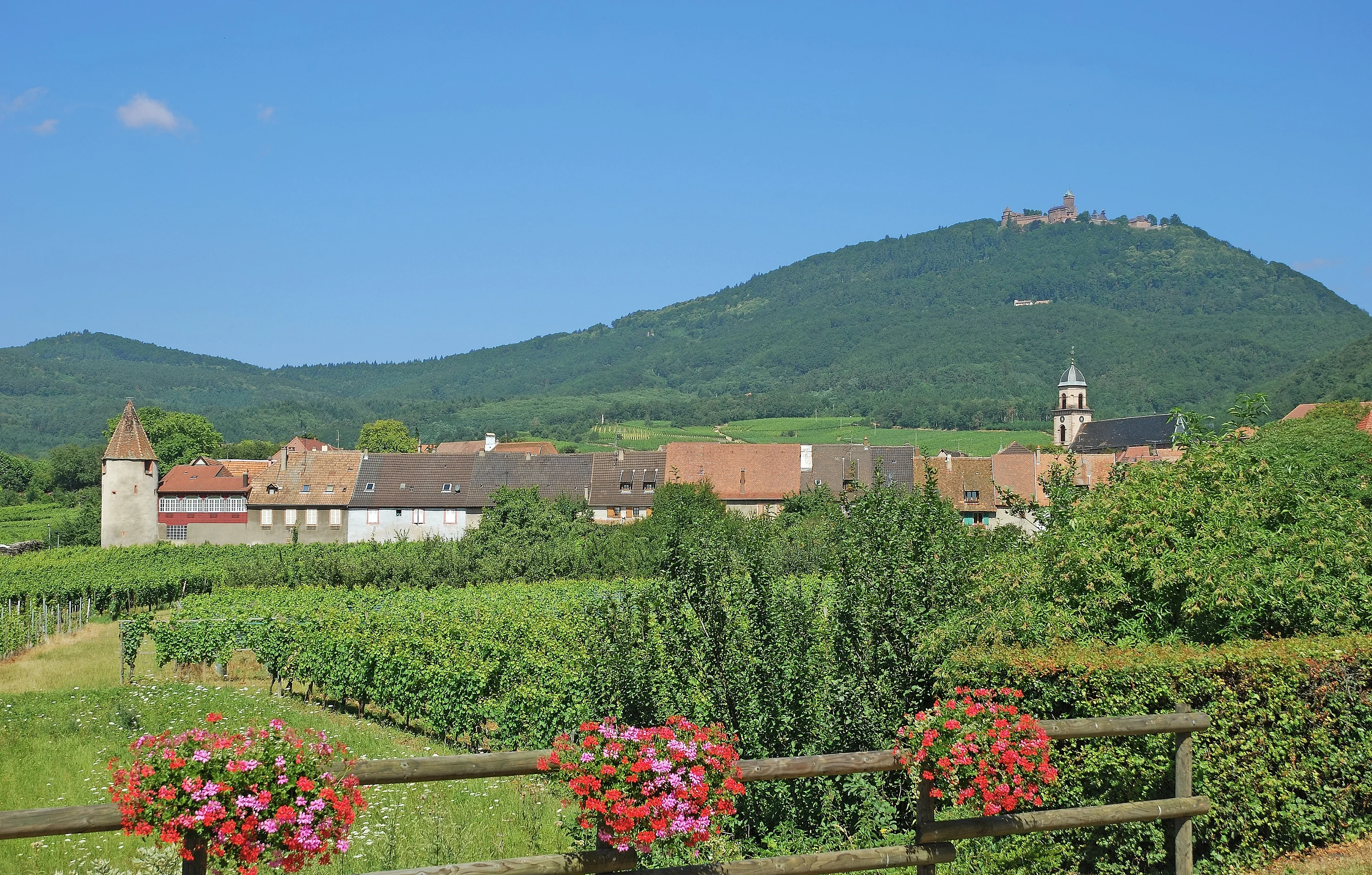
Just a few miles away, this medieval fortress restored in the early 20th century has towered over the Alsace plain from an altitude of over 700 meters. You can hike up from the village via forest trails, or drive there in about fifteen minutes.
The ruins of Petit-Hohnack
Less frequented, these ruins accessible through the forest offer an open view of the surrounding vineyards and villages. Plan on a solid hour of walking round-trip from the center of the village.
The vines and their flavors
The vineyards of Saint-Hippolyte spread across southeast-facing slopes, which are ideal for the pinot noir that built the local reputation, a rarity in Alsace where white wines largely dominate. Certain parcels also produce a mineral-driven riesling shaped by the granitic soil of the Vosges mountains.
Good to know:
- Free tastings at several independent winemakers in the village
- Cooperative cellar open year-round with direct sales
- Marked wine trail for a digestive walk between the rows
Where to eat and drink in Saint-Hippolyte?
The village winstubs serve straightforward Alsatian cuisine: crispy flammekueche, baeckeoffe stewed for hours, and of course a glass of local pinot noir on the side. The menus rarely change, but the quality never dips.
For a simpler meal, the bakeries in the center sell slices of plum tart (quetsche) when in season, perfect for a picnic in the vines.
Where to stay in Saint-Hippolyte and the surrounding area?
The village center mostly offers winemaker bed and breakfasts, a top choice for total immersion and a usually hearty breakfast. For more dining and nightlife options, Ribeauvillé, 5 kilometers away, or Bergheim right next door offer plenty more addresses.
How to get to Saint-Hippolyte?
The closest airport is Strasbourg-Entzheim, about a 45-minute drive away. From Strasbourg, figure on 45 minutes by car via the wine route or the highway. From Colmar, the drive takes 20 minutes.
From neighboring Belgium or Germany, the village is an easy 2 to 3-hour drive depending on your starting point.
How to get around Saint-Hippolyte?
The village is completely walkable, but to explore the wine route and surrounding castles, a car remains the most practical option. Bus connections to Ribeauvillé or Sélestat do exist but run infrequently, especially on weekends.
When to go?
The September and October harvest offers the most vibrant atmosphere, with winemakers working the rows and cellars buzzing with activity. Spring, in April and May, appeals with blooming vines and smaller crowds.
Winter stays very quiet, almost sleepy, with several businesses closed.