
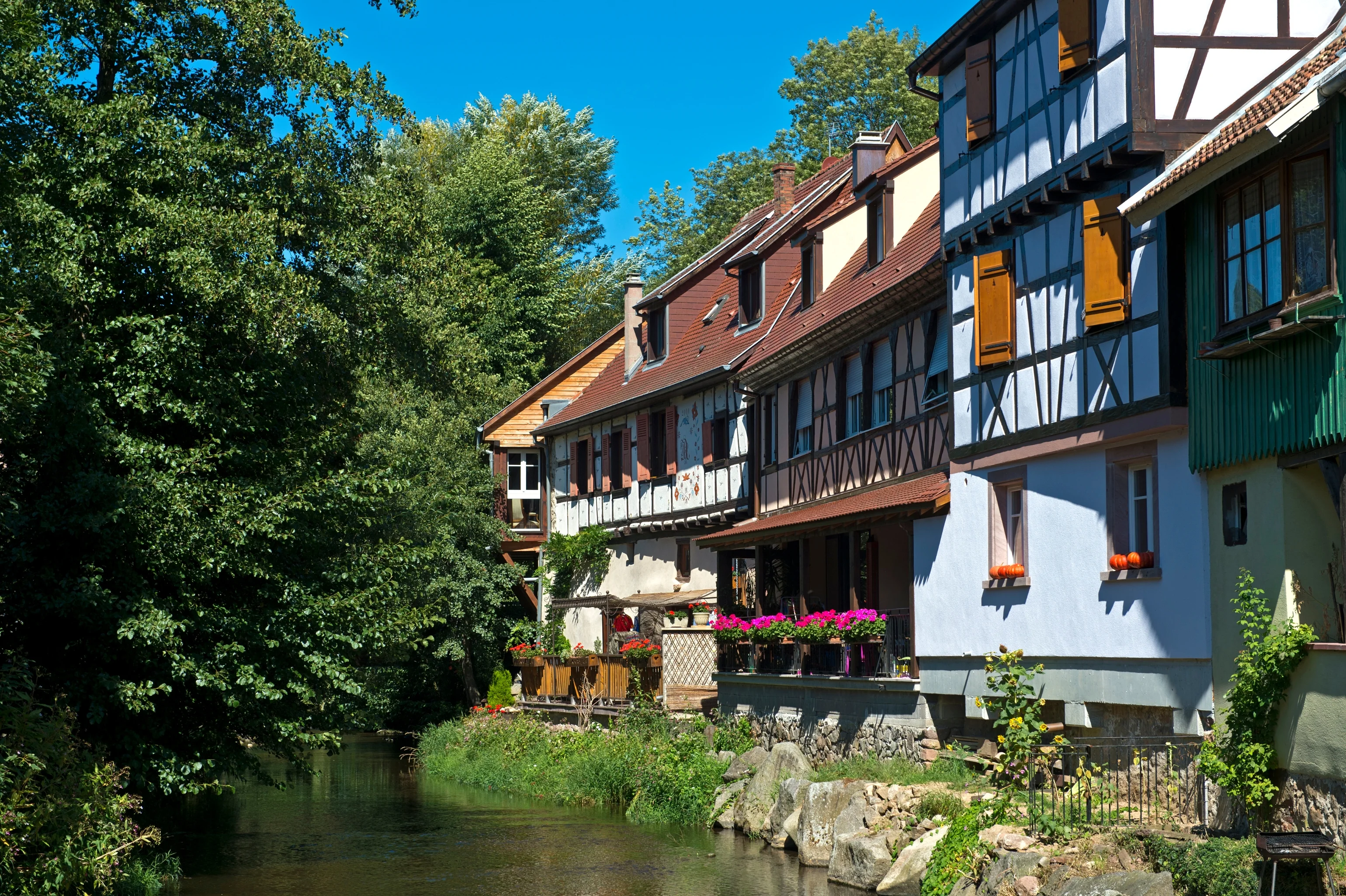
Kaysersberg, the floral citadel of the Alsatian vineyards
A fortified bridge from the 16th century spans the Weiss, a river running straight down from the Vosges Mountains. Above, vineyards climb all the way to the ruins of a medieval castle. Down below, the half-timbered houses lean slightly, as if tired by the centuries.
Kaysersberg didn't invent anything to charm visitors, it simply let time do the work.
A destination made for you?
You love cobblestone alleys where people walk slower than elsewhere, half-timbered facades that change color from one house to the next, and the idea of tasting white wine straight from the winemaker who produced it. You have time, or you know how to make time for yourself, because this town cannot be rushed.
You are looking for nightlife, innovative restaurants, or a town that stays lively after 10 pm? This is not it. Kaysersberg goes to sleep early, and in the summer, it overflows with visitors who came to do the exact same thing as you, which is photograph the fortified bridge.
Destination well-suited for:
- Wine lovers and wine road enthusiasts
- Couples looking for a romantic and photogenic setting
- Families seeking a calm pace, mixing nature and heritage
- Fans of medieval and Renaissance architecture
Destination poorly suited for:
- Travelers looking for nightlife or urban action
- Anyone who hates crowds (summer and December get very busy)
- Strict budgets, as touristy Alsace remains pricey
A fairly comfortable budget, though Alsace is not the cheapest region in France
| Category | Range |
|---|---|
| Night in a guesthouse or simple gîte | 60 à 80 € |
| Night in a comfortable boutique hotel | 110 à 180 € |
| Quick bite (tarte flambée, sandwich) | 8 à 15 € |
| Traditional restaurant meal | 25 à 45 € |
| Tasting at a winery | 5 à 15 € depending on the cuvée |
Estimated prices subject to change
Practical realities: a tiny town best combined with the surrounding area
With fewer than 3,000 residents, Kaysersberg can be explored entirely on foot in half a day. Accommodation and dining options in the town center are limited, so it is best to book ahead, especially in the summer and during the December Christmas market, when the town gets packed.
A car is essential for exploring the wine route and neighboring villages like Riquewihr or Colmar, about twenty minutes away. The roads can be winding, so allow a little extra time beyond what your GPS suggests.
The old town, between a fortified bridge and timber-framed houses
The 16th-century fortified bridge remains the symbol of the town, complete with a miniature chapel built right in the middle. Right next to it, the Renaissance town hall and the Constantine fountain set the tone for a historic center that has remained remarkably intact.
Rue du Général de Gaulle
This is the main thoroughfare, lined with brightly colored half-timbered houses, some dating back to the 15th century. You will find local specialty shops here, with kougelhopf front and center, along with a few pottery and weaving shops keeping old crafts alive.
Saint-Croix Church
Its Romanesque portal stands out with its mix of styles, a 12th-century remnant integrated into a later Gothic structure. Inside, a carved altarpiece draws fans of religious art, usually in relative peace, far from the crowds on the nearby bridge.
Friendly tip: arrive before 9 am or after 6 pm to photograph the fortified bridge without the tour bus crowds. The morning light on the timber framing makes the early wake-up call worth it.
Hiking and vineyards: getting some elevation
Above the town, the ruins of Kaysersberg Castle can be reached via a trail that takes about 20 minutes, getting fairly steep in spots. The view over the tile roofs and the vineyards below makes the effort worthwhile, particularly late in the day when the sun hits the hills at an angle.
The town sits right on the Alsace wine route, surrounded by grand cru vineyards like the Schlossberg. Several family estates offer tastings directly in their cellars, which is a much more personal way to discover Riesling or Gewurztraminer than visiting the larger houses in Colmar.
Where to eat and drink in Kaysersberg?
The tarte flambée (flammekueche) is the undisputed classic, consisting of a thin, crispy crust topped with cream, bacon, and onions. You will find it in almost every winstub in the center, those traditional taverns where diners sit at long communal wooden tables.
The kougelhopf, a ring-molded brioche, is enjoyed for breakfast or dessert depending on where you go. When it comes to wine, choose small producers over the tourist shops on the main street, as the prices there are usually more honest.
Where to stay in Kaysersberg and the surrounding area?
The historic center holds a few guesthouses and small boutique hotels, often set inside protected half-timbered buildings. Options are limited, so book several weeks in advance during high season.
The surrounding area, particularly near Kientzheim or Ammerschwihr, offers gîtes and wine estates with guest rooms, which are often cheaper and quieter, less than 10 minutes by car from the center.
How to get to Kaysersberg?
The Basel-Mulhouse airport is the closest, about a 45-minute drive away, with direct flights from several European capitals. Strasbourg airport is just under an hour away.
By train, the Colmar station serves the region from Paris (about 2.5 hours by TGV) or Strasbourg (30 minutes). From Colmar, you then need to take a bus or rent a car to reach Kaysersberg, which is about twenty kilometres away.
How to get around Kaysersberg?
The town center is explored exclusively on foot, and you won't need a car once you arrive. The narrow cobblestone streets are not built for car traffic anyway.
To explore the wine route and neighboring villages, a car is the most practical option. A few regional bus lines do run, but with limited schedules, especially on weekends.
When to go to Kaysersberg?
Spring and early autumn offer the best balance between pleasant weather and manageable crowds. Grape harvesting season in September and october adds a unique atmosphere to the surrounding vineyards.
Avoid July-August weekends and the month of December if possible, when the Christmas market draws massive crowds into the already narrow alleys of the old town.
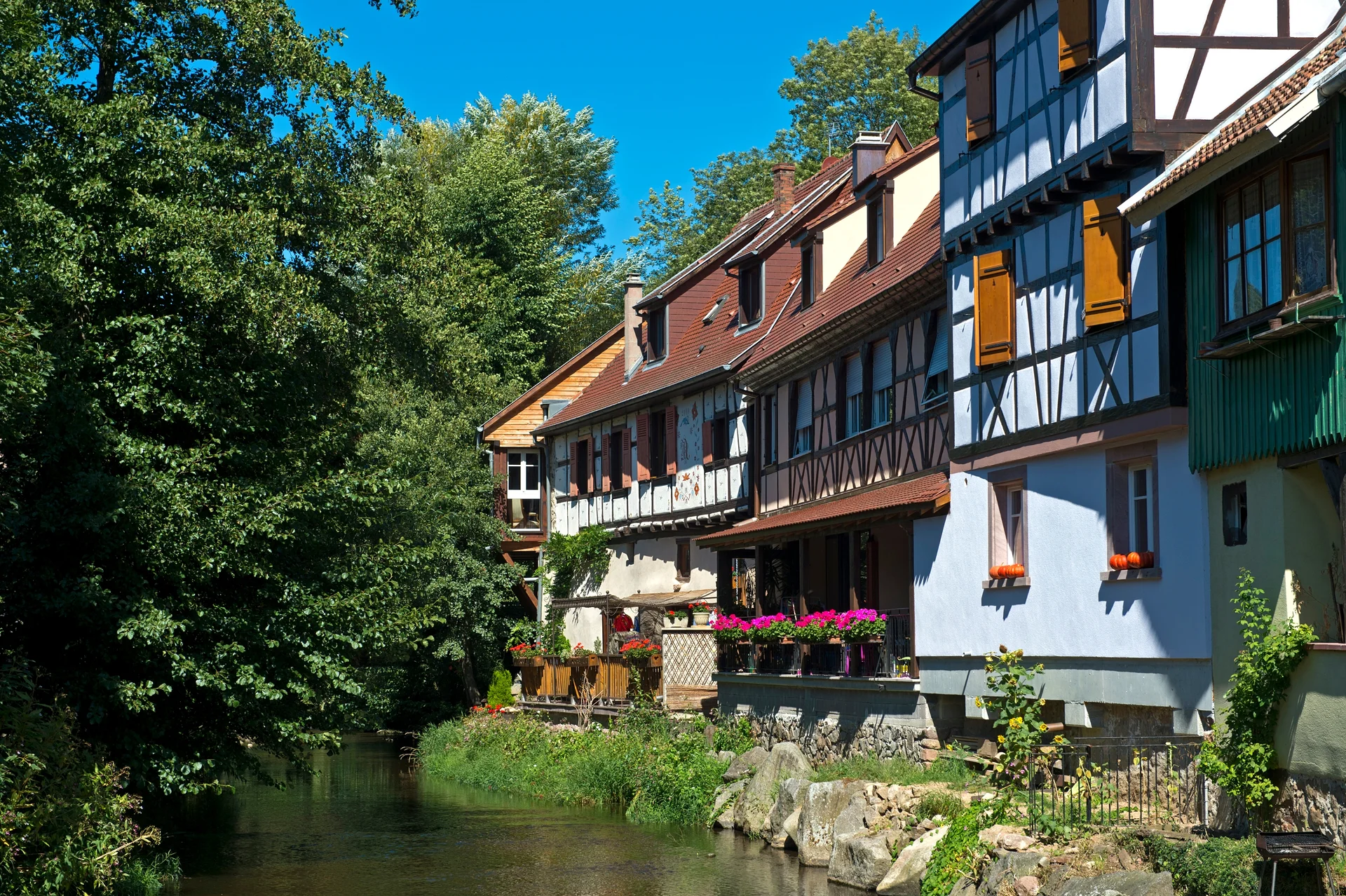
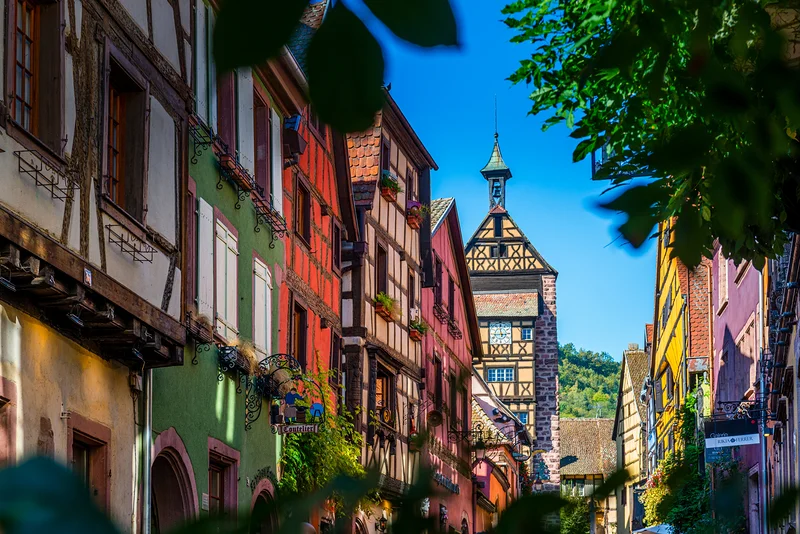
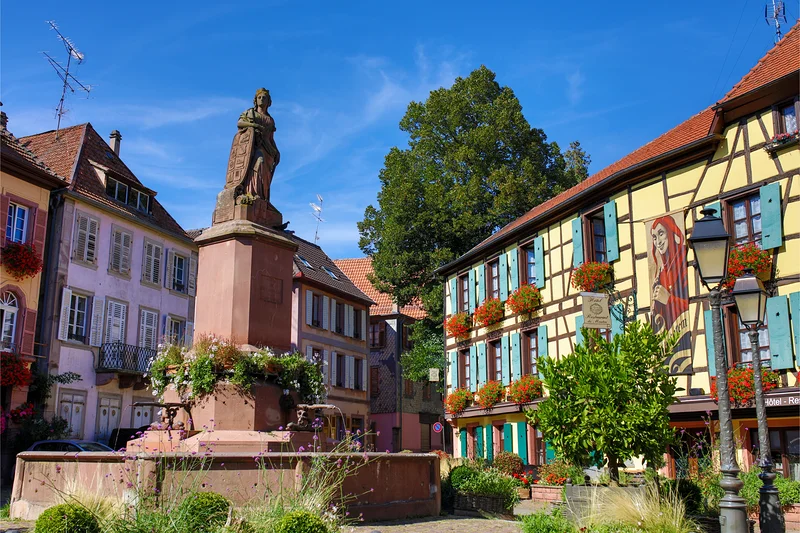
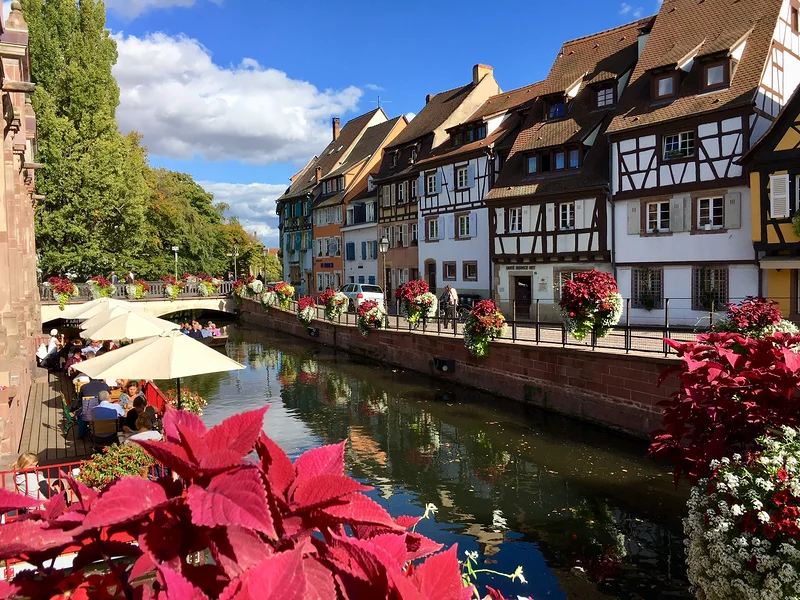
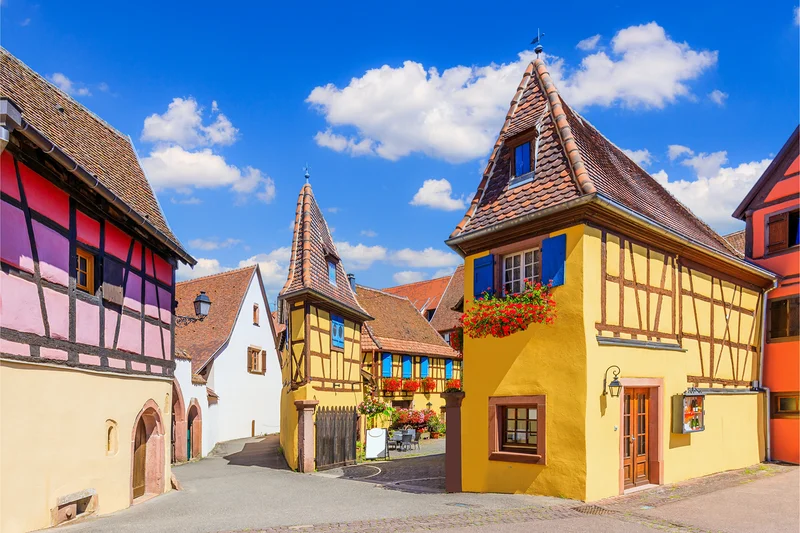
Like many other Alsatian villages, Kaysersberg offers everything you look for when visiting a typical village in Alsace. Colorful timber-framed houses and plenty of souvenir shops and regional products can be discovered all along the main street, the Rue du Général de Gaulle. The Kaysersberg castle, which overlooks the town, makes all the difference for me compared to the other villages. Its silhouette has long been the symbol of the town. Kaysersberg is worth discovering in summer (when it is full of flowers) as well as in winter (with its many Christmas decorations!).