
Where to stay in Havana: the 4 neighborhoods to know in 2026
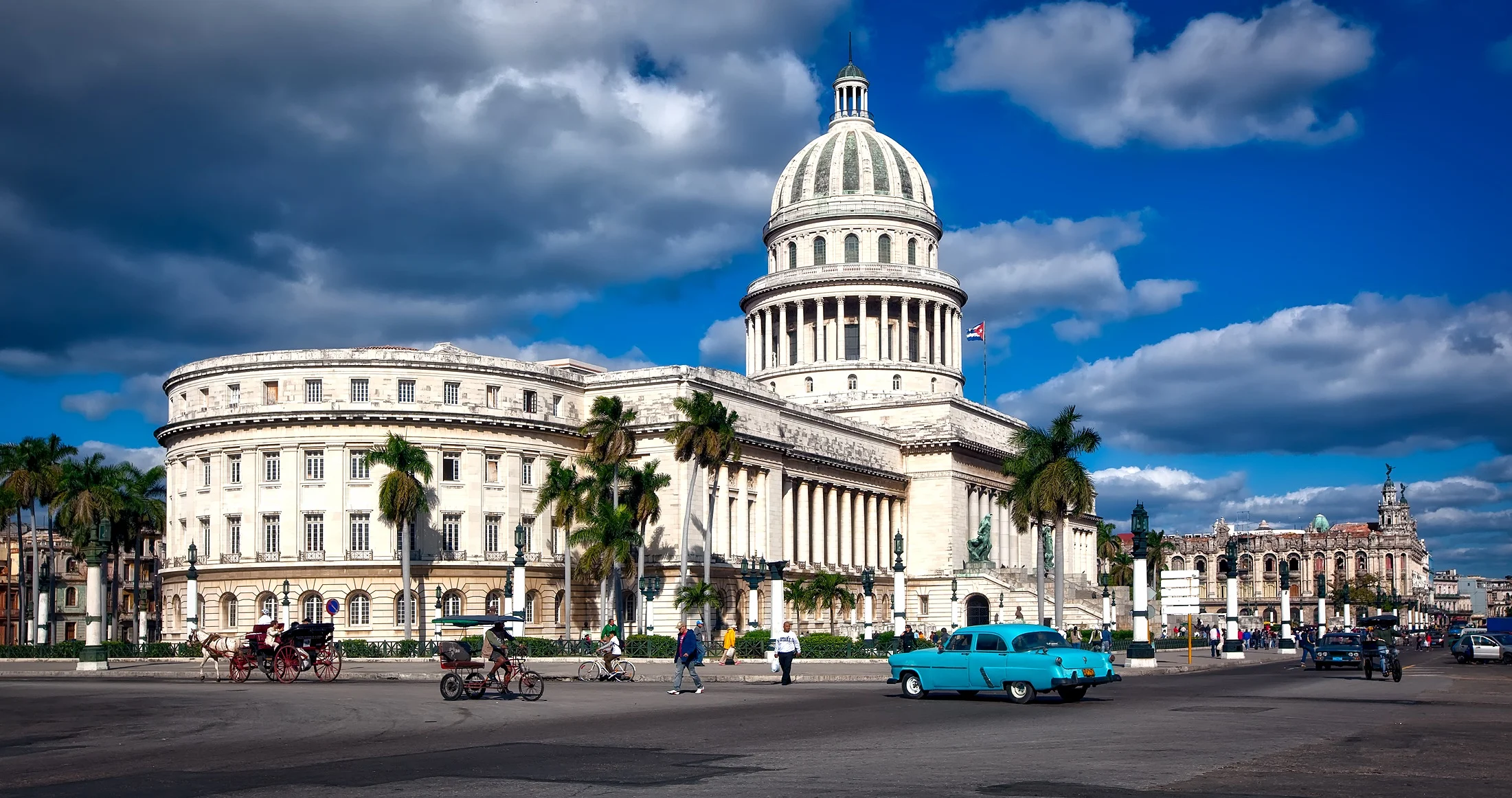
In Havana, the neighborhood is chosen by how far you want to keep from the touts, and by a question you ask nowhere else: state hotel or a room in a family home. A member just back from the city describes both faces of it in a single review: the colonial facades, the colored houses and the cars from the sixties that carry you back in time, then the tenfold prices and the hustlers on your back. Both are true, and they sort themselves out by neighborhood. The restored old town concentrates the visitors, and therefore the soliciting, between Plaza Vieja and Obispo street; the Prado, the Capitol and the Malecón, on its edge, hold the grand hotels and the seawall where the whole city sits down in the evening; the Vedado, twenty minutes away, is the neighborhood where Habaneros live, go out and eat, with its 1950s towers and its casas inside villas; Miramar, across the river, is the city of embassies, quiet, green and far from everything. The further you get from the Capitol, the less anyone approaches you.
State hotels are paid in dollars and euros, casas often in cash. A room in a family home, with breakfast served by the family, hovers around $34* and seldom goes beyond $62*; a boutique casa or a budget hotel, in the old town, in Centro Habana or in the Vedado, asks $79*, sometimes $136*; a state five-star, a tower in the Vedado or Miramar with pool and generator, wants no less than $158* and no more than $260*; and the two palaces of this guide, the one on Parque Central and the one on Plaza de San Francisco, climb from $300* all the way to $460*. Twelve addresses in all, three to a neighborhood, three of them casas run by families: in Havana, those are often the ones people recommend most readily.
The old colonial style buildings, the colorful houses, and the vintage cars from the 60s and 70s really take you back in time.
Compare hotel prices in Havana
In a hurry? Find the best accommodation deals in 3 clicks.
Compare live deals from Booking, Expedia, Agoda and other partners.
At a glance: our picks by traveller type
Pick the profile that suits you to head straight to the recommended neighborhood.
The neighborhood map in Havana
Get your bearings on the neighborhoods and must-see sights before choosing where to drop your bags. Click a name to jump to its description.
- 1Habana Vieja: the four squares, Obispo street and the balconies
- 2The Prado, Parque Central, the Capitol and the Malecón: the grand hotels and the seawall
- 3The Vedado: La Rampa, the 1950s towers and the casas inside villas
- 4Miramar and Playa: the Quinta Avenida, the embassies and the hotels with pools
Habana Vieja: the four squares, Obispo street and the balconies The listed old town: Plaza Vieja, Plaza de Armas and the Castillo de la Real Fuerza, Plaza de la Catedral and the Bodeguita del Medio, Plaza de San Francisco and the harbor, the streets Obispo, Mercaderes and Oficios, the City Museum, the church of La Merced, the Alameda de Paula
for a first visit, everything on foot, sleeping in a colonial house with a balcony, and putting up with the soliciting on Obispo street
The old town fits in a rectangle of one kilometer by two, between the harbor and the Prado, and it has two faces one street apart: the blocks restored over thirty years by the City Historian's Office, with their repainted facades, their museums and their terraces, and the blocks next door, where balconies are held up by props and laundry dries on the columns. The four squares make the route: Plaza de Armas and its booksellers under the ficus trees, Plaza de la Catedral and its baroque facade that seems to ripple, Plaza de San Francisco facing the cruise terminal, and Plaza Vieja, the finest, with its stained glass, its brewery and its children playing ball until nightfall. Between them, Obispo street, pedestrian and packed from morning to evening, where you hear "¿de dónde eres, amigo?" ten times before reaching the first square: this is where the restaurant touts, the sellers of "factory" cigars and the fake guides gather. You stay here to do everything on foot, for the casas in colonial houses with high ceilings and iron balconies, and for the empty squares in the early morning, before the groups. The downside: soliciting at every corner until evening, and state hotels whose name is worth more than the room.
Prices are inflated tenfold for them, and touts are constantly on your back trying to pull off scams.
Where to stay in this neighborhood
Hotel Palacio del Marqués de San Felipe y Santiago de Bejucal Luxury
On Plaza de San Francisco, in a palace from 1771: twenty-seven rooms with six-meter ceilings, a colonnaded patio, a breakfast that reviews mention first, and the best-rated location in the neighborhood. Reviews also mention temperamental showers and a palace price for a service that is not always one: you stay here for the square and the ceilings.
Balcones Habana Vieja Mid-range
A hundred meters from Plaza Vieja: a restored colonial house, tall rooms with balconies over the street, breakfast taken together, and reviews that give top marks to cleanliness and service. The best-kept casa in the neighborhood, at the price of a budget hotel: quiet is bought on the courtyard side.
Art Studio Habana Vieja 55 Budget
In the old town, a few streets from Plaza Vieja: an artist's casa on several floors, rooms hung with paintings, a rooftop terrace where you dine facing the bell towers, and a cleanliness that reviews rate at the maximum. The downside, written in the same reviews: a service charge on every bill and a price that climbs fast in high season.
Pros
- The four squares and the museums on foot, the empty squares in the early morning
- The casas in colonial houses with balconies, the terraces of Plaza Vieja
Cons
- Soliciting at every corner, from morning to evening
- State hotels whose name is worth more than the room
The Prado, Parque Central, the Capitol and the Malecón: the grand hotels and the seawall The Paseo del Prado and its bronze lions, Parque Central and the Gran Teatro, the Capitol, the Barrio Chino, Neptuno street, the Malecón from the Castillo de la Punta to La Rampa, the Callejón de Hamel; on the Centro Habana side
for the grand hotels with pools, the Capitol and the theater on the doorstep, the Malecón at sunset
Between the old town and the Vedado, the Prado runs down from the Capitol to the sea under its laurels, lined with marble benches and eight bronze lions, and this is where the city set its palaces: around Parque Central, where men have been arguing baseball out loud on the same corner for fifty years, the hotels of 1875 and 1930 have been joined by two five-stars with rooftop pools, facing the Gran Teatro and the restored Capitol, whose dome tops the one in Washington by a few meters, and Habaneros are attached to that. In front of the hotels, the American cars of the fifties, repainted pink and turquoise, wait for customers for the city tour by the hour. Behind, Centro Habana, the densest neighborhood in the city, its treeless streets, its weary buildings, the Barrio Chino and its two streets of restaurants, the Callejón de Hamel and its Sunday-noon rumba. And the Malecón, eight kilometers of seawall along the water, where the whole city comes to sit at sunset, with a bottle and a guitar, and where the waves come over the top on days of north wind. You stay here for the grand hotels with pools and generators, for the theater and the Capitol on the doorstep, and for the wall at dusk. The downside: the most insistent touts in the city around Parque Central, and Centro Habana streets without lighting as soon as you leave the Prado.
Where to stay in this neighborhood
Iberostar Selection Parque Central Luxury
On Parque Central, two buildings linked by a passage: a colonial facade and a modern tower, a rooftop pool facing the Capitol, three restaurants, a generator that rides out the blackouts, and more than ten thousand reviews that make it the best-rated hotel in the city. The same reviews warn: Cuban five stars, not European ones, and the price of a palace.
Hotel Terral Mid-range
On the Malecón, at the corner of Lealtad street: fourteen modern rooms in a small glass building, all with a balcony over the sea, staff that reviews praise, and the wave hitting the wall under the window. The downside sits in the same window: traffic on the Malecón does not stop at night, and the finishes have aged fast.
Hostal Peregrino Consulado Budget
On Consulado street, two streets from the Prado, on the Centro Habana side: a casa of a few rooms with high ceilings and original tiles, run by the same family for years, a breakfast of fruit and juices that more than eight hundred reviews mention, and hosts who call the taxi and the repairman. The best address in the neighborhood at the price of a room in a family home: the street is dark in the evening, you come back by taxi.
Pros
- The grand hotels with pools and generators, the Capitol and the Gran Teatro on the doorstep
- The Malecón at sunset, the Prado under its laurels
Cons
- The most insistent touts in the city around Parque Central
- Centro Habana streets without lighting as soon as you leave the Prado
The Vedado: La Rampa, the 1950s towers and the casas inside villas La Rampa (23rd street) and the Yara cinema, Coppelia, the Hotel Nacional on its bluff, the FOCSA tower, the university and its steps, the Plaza de la Revolución, the Colón cemetery, the Fábrica de Arte Cubano, Avenida Paseo, Línea street
for living like Habaneros, the private restaurants in villas, the concerts and the Fábrica de Arte, less soliciting
Twenty minutes from the old town, the Vedado is the city of the 1950s, laid out in a grid of lettered and numbered streets, planted with flame trees and colonnaded villas, many of which have become casas and private restaurants. La Rampa, 23rd street climbing up from the sea, is its main artery: the Yara cinema, the ice cream of Coppelia under its concrete saucer, where Habaneros queue for an hour for three scoops, the former Hilton of 1958 that became the Habana Libre, and, on its bluff facing the Malecón, the Hotel Nacional, the 1930 palace where the American mob held its conference in 1946 and whose garden, peacocks and cannons are open to anyone who buys a drink. Further on, the university steps, the FOCSA tower of 1956, the Plaza de la Revolución and its two iron faces on the ministries, the Colón cemetery and its marbles, and the Fábrica de Arte Cubano, the former oil mill that became the place where the city goes out from Thursday to Sunday, exhibitions, concerts and bars on three floors. You stay here to live at the Habaneros' scale, for the private restaurants in villas, for the concerts, and because nobody offers cigars to passers-by. The downside: a taxi or a thirty-minute walk to the old town, and broken sidewalks you learn by heart.
Where to stay in this neighborhood
Hotel Nacional de Cuba Luxury
On the bluff above the Malecón, the 1930 palace: two towers, a garden with a sea view, peacocks, the bar where Sinatra and Churchill have their photo, and eight thousand reviews that all say the same thing: the lounges and the garden are grand, the rooms are fifty years old and the price has five stars. You stay here for the history and for the garden at sunset, asking for a renovated room on the sea side.
Meliá Cohiba Mid-range
At the end of Avenida Paseo, facing the Malecón: the glass tower of 1994, rooms rated clean and spacious, five restaurants, a pool, a generator, and the only score out of ten in this guide above eight, an 8.0: the most reliable of the big state hotels. Reviews regret a décor left in the nineties and twenty minutes by taxi to the old town.
Boutique Hotel Vapor 156 Budget
On Vapor street, on the edge of the Vedado and Centro Habana: an old house turned into a hotel of a handful of rooms, colonial furniture chosen piece by piece, a rooftop terrace, a manager whom reviews name, and solar panels that keep the house lit when the neighborhood goes dark. The price of a high-end casa, for the best address in this guide according to the reviews.
Pros
- Living like Habaneros: La Rampa, Coppelia, the private restaurants in villas
- The Fábrica de Arte Cubano, the concerts, almost no soliciting
Cons
- A taxi or a thirty-minute walk to the old town
- Broken sidewalks you learn by heart
Miramar and Playa: the Quinta Avenida, the embassies and the hotels with pools The Quinta Avenida and its villas, the tunnel under the Almendares, the Club Habana, the National Aquarium, Fusterlandia in Jaimanitas, the Marina Hemingway, the Karl Marx theater, the private restaurants of streets 20 to 40
for quiet, families, a pool and a generator, business and the embassies
On the other side of the tunnel under the Almendares, the city changes scale: Miramar is a grid of 1940s villas under the flame trees, where the Quinta Avenida, as wide as a motorway and planted down its middle with a garden, lines up the embassies, the offices of foreign companies and some of the best private restaurants in the city, in houses with gardens. There is nothing to visit, and that is what you come for: the silence, the unbroken sidewalks, the business hotels with pool, gym and generator, the Club Habana, the former yacht club of 1928 whose beach is rented by the day, the aquarium and its dolphins for the children. Further west, in Jaimanitas, Fusterlandia, the whole neighborhood that an artist has been covering with mosaics for thirty years, the neighbors' houses included, and the Marina Hemingway. You stay here for the quiet, for families, for business, and for a night without a blackout. The downside: twenty to thirty minutes by taxi for everything, no street life in the evening, and state hotels whose scores range from one to double.
Where to stay in this neighborhood
Meliá Habana Luxury
On the Tercera Avenida, facing the sea: the business tower of 1998, the largest pool of any hotel in the city, a breakfast that reviews mention, spacious rooms, a generator, and a 7.9. The same reviews mention uneven maintenance and the distance: the old town is twenty-five minutes away by taxi.
Memories Miramar Habana Mid-range
On the Quinta Avenida, at the level of 72nd street: a 1990s hotel around a large pool, rooms renovated floor by floor, staff that reviews praise, and thousands of divided reviews: very good for the pool and the quiet, less so for upkeep. The platform gives it 6.6 on twenty-eight reviews: the lowest score in this guide, for a hotel you choose for its pool.
Alturas de Miramar Hotel Boutique Budget
In the residential streets of Playa, on Avenida 31A: a villa turned boutique casa of a few rooms, one of them on a mezzanine for families, a garden, hosts who organize taxis and visits, and reviews that find nothing to fault. The price of a room in a family home, ten minutes by taxi from the Quinta Avenida.
Pros
- The quiet, the unbroken sidewalks, the pools and the generators
- The best private restaurants in villas, Fusterlandia, the Club Habana
Cons
- Twenty to thirty minutes by taxi for everything
- No street life in the evening, state hotels with uneven scores
Our tips for booking the right place
- Casa particular or state hotel: the real question: Casas particulares are rooms in family homes, authorized since 1997 and marked by a small blue anchor on the door: a room with a bathroom, often in a colonial house or a villa, breakfast served by the family for a few dollars, hosts who call the taxi, book the bus and know the restaurant around the corner. They are booked on the platforms or by word of mouth, are often paid in cash, and the best ones are full weeks ahead from December to March. State hotels, for their part, have what casas do not: the pool, the generator, the water tank, currency exchange and the bank card; they also have uneven upkeep and European-capital prices. Many visitors mix: a casa in the old town, a hotel with a pool in the Vedado.
- Cash, blackouts and water tanks: what to know in 2026: Cards from American banks do not work, the others work in state hotels and almost nowhere else: you arrive with euros in cash, in mixed notes, and change small amounts at a time. Since 2024, the power grid has been failing regularly: blackouts of several hours hit the city some weeks, and the running water stops with the pumps. The big hotels have a generator and a tank; a good casa has solar panels, a tank on the roof and candles in the drawer, and its reviews say so: read them before booking. A flashlight, a power bank and a supply of bottled water are part of the luggage. Wifi goes through the hotels and through prepaid cards, slowly.
- The airport is twenty-five kilometers away, and everything is agreed before you get in: José Martí airport is twenty-five kilometers to the south, with no train and no useful bus: the taxi takes thirty to forty minutes and costs $29 to $34*, to be agreed before getting in; casas send a driver for the same price. In town, the old town is done on foot, the Vedado and Miramar by taxi: a ride from the old town to the Vedado is worth $9.10 to $12*, in a yellow cab or in an almendrón, the old American cars that also serve as shared taxis on fixed routes for Habaneros. Bici-taxis serve the old town, the yellow cocotaxis are attractions. For Viñales and Trinidad, the Viazul buses are booked online days ahead, and shared taxis leave from the casas.
- The dry season from November to April, the wall that overflows in winter: The dry season, from November to April, brings twenty-five to twenty-eight degrees, a clear sky and the highest prices, from mid-December to the end of February; it is also the season of north winds, when the waves come over the Malecón and the road closes. From May to October, the heat climbs to thirty-three degrees with the humidity, showers fall in the late afternoon, and the hurricane season runs from August to October, with hotels at half price and a few days of rain to accept. The Habano festival in February, the Jazz Plaza in January and the Biennial fill the hotels of the Vedado.
- The historic state hotels of the old town and the Prado booked for their name: Hemingway's hotel on Obispo street and the 1875 elder facing Parque Central have thousands of reviews that rate the location at the top and the room at the bottom. You go up for a drink on the roof, you sleep elsewhere.
- The hotels of the Playas del Este, at Santa María del Mar, for visiting the city: the beach is beautiful, but it is twenty-five kilometers away, the hotels there are among the lowest rated in the country, and the evening taxi is negotiated every time.
- A hotel or a casa booked without reading the reviews about blackouts: in 2026, the address with no generator, no solar panels and no water tank spends evenings in the dark and mornings without a shower. Recent reviews always say so.
FAQ: where to stay in Havana
Which neighborhood should you stay in for a first time in Havana?
Where can you stay cheaply in Havana?
How many nights should you plan in Havana?
Is Havana safe for a traveler?
How do you get to the center from the airport?
How much does a night in Havana cost?
 Keep exploring
Things to do in Havana
Keep exploring
Things to do in Havana
Comments (0)
No comments yet. Be the first!