Cuba at a Glance
Cuba is unlike anywhere else. Spanish colonial architecture, warm locals, and striking landscapes command attention. Recent diplomatic shifts with the US have left the island with a distinct atmosphere caught between nostalgia for the past and a push toward the future.
Architecture and Music in Havana
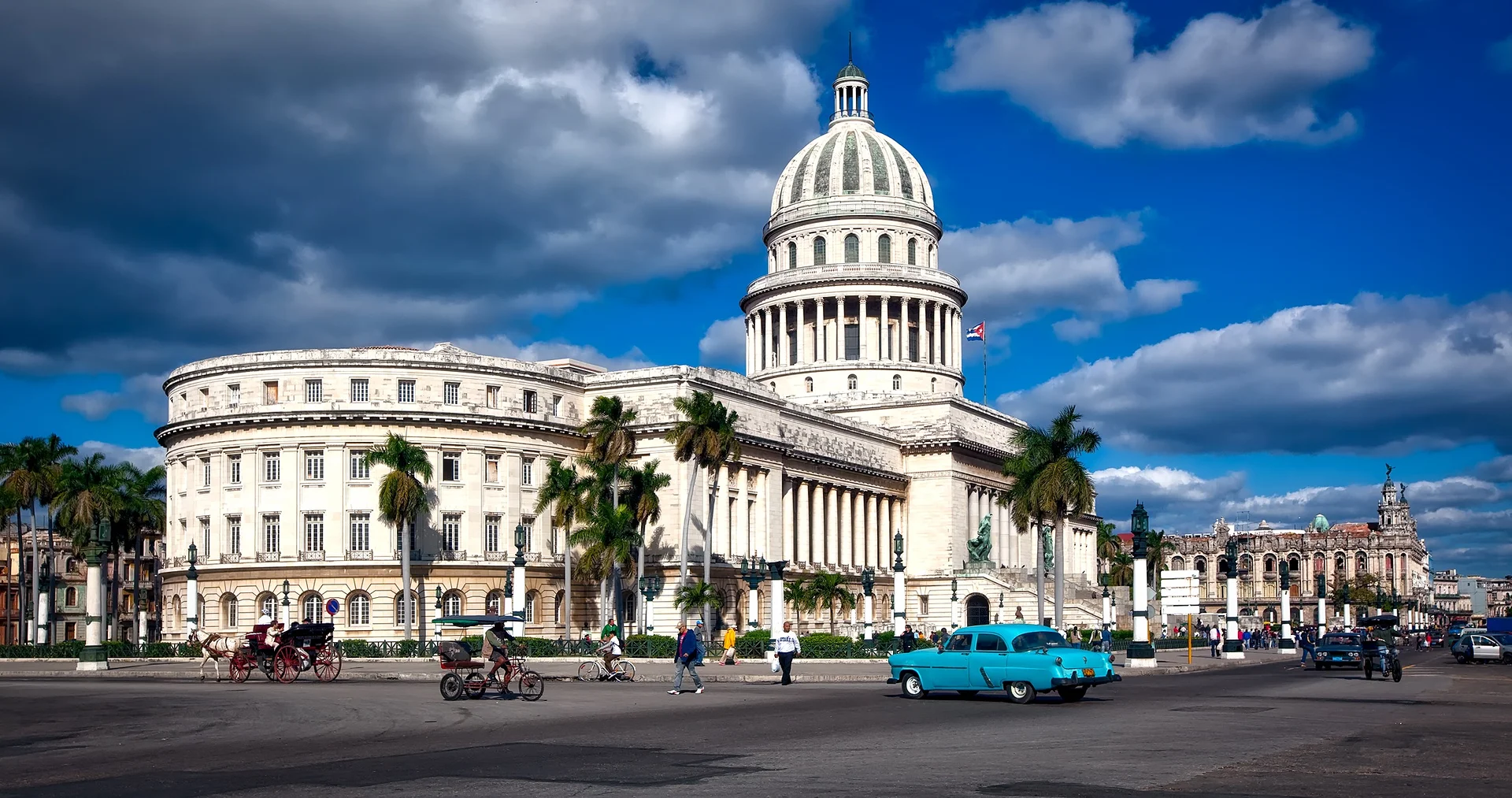
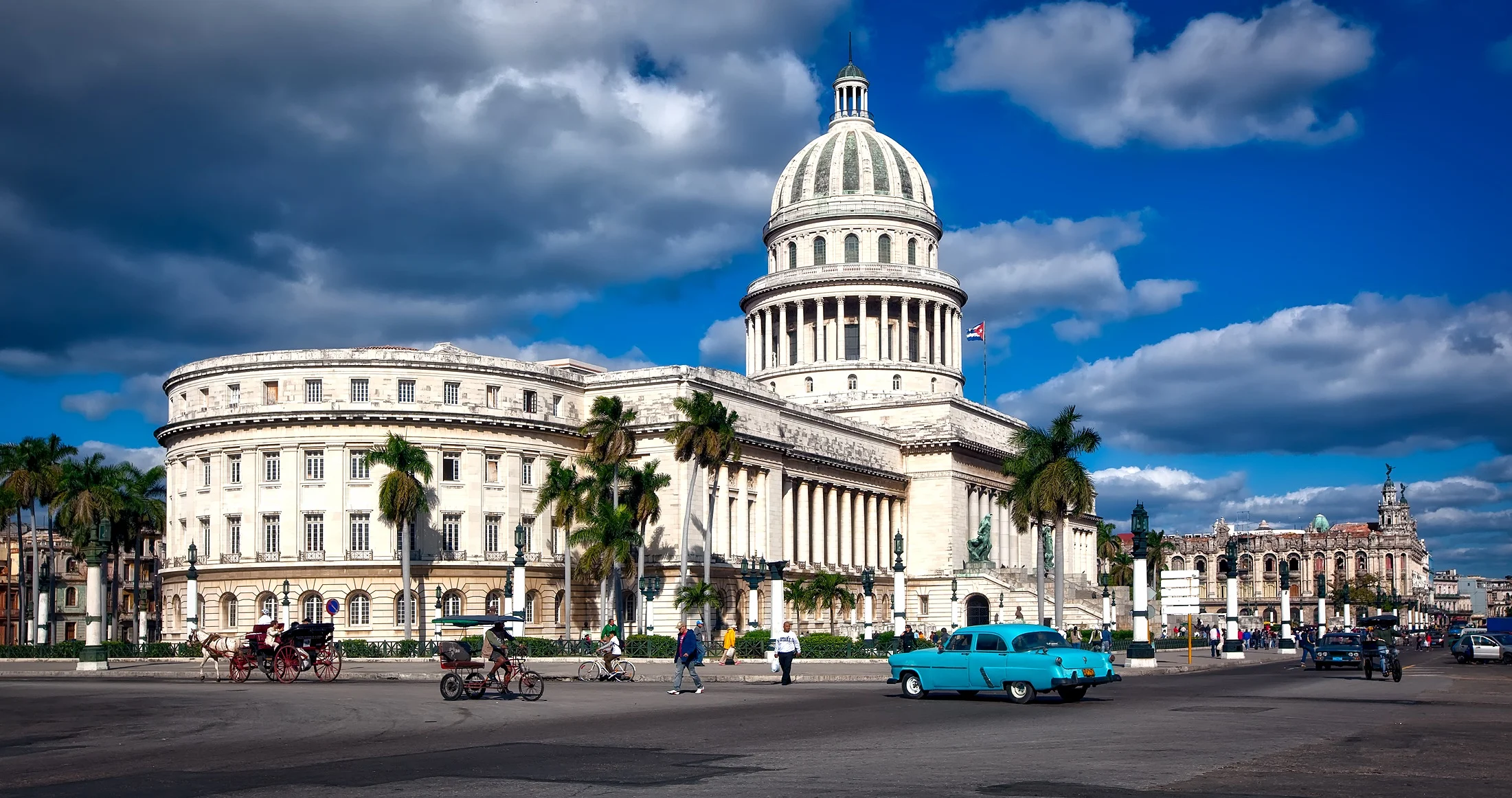
The star of Cuba is undoubtedly Havana. Nicknamed the "City of Columns", it is a UNESCO World Heritage site recognized for its beauty and signature ambiance. Its architecture blends Art Deco, Art Nouveau, French classical, and Spanish baroque styles. Grand colonial hotels still stand today as testaments to another era. In Havana, celebrations take center stage, setting a relentless pace day and night across venues and directly in the streets. Music lovers will be in their element as melodies of rumba, salsa, trova, and reggaeton echo through the city.
Period Cities
Havana is not the only draw in Cuba. Several other charming towns are absolute must-visits across the island. Trinidad is one of the finest, featuring pastel-colored facades that feel frozen in the mid-19th century. Plaza Mayor, historic mansions, and stately hotels reveal themselves around cobblestone alleys. Santiago de Cuba, the island's second-largest city, is known for its multiculturalism, having been inhabited over the centuries by the French, Indigenous peoples, Spanish, Asians, and Africans. It is also the "Cradle of the Revolution", making it a treasure trove for history buffs. History enthusiasts should also head to Santa Clara to see the monuments honoring Che Guevara.
Hiking and Dream Beaches
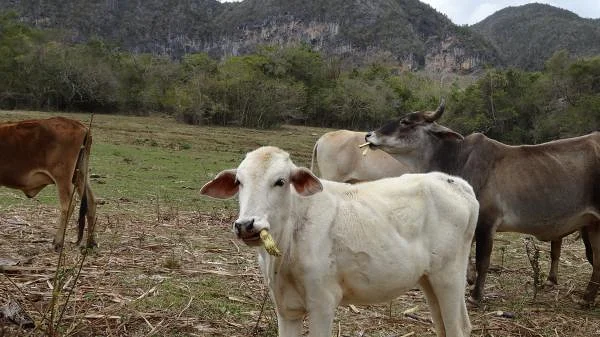
After exploring the cities, you will likely welcome a chance to immerse yourself in nature. Baracoa, northeast of Guantanamo, serves as the starting point for incredible hikes. You should also visit the Viñales Valley, a striking landscape of sugar cane and tobacco fields, mogotes (steep limestone hillocks), and quaint wooden houses.
Next up is the coast and the well-known resort town of Varadero. Do not expect to have the shore to yourself since there are over 50 hotels on the peninsula. If you prefer quiet surroundings, you will find what you are looking for at pristine stretches like Playa Pilar or Playa Maguana. The cay of Cayo Levisa offers an even more idyllic escape with translucent waters and lush tropical vegetation.
When to Go
The best time to visit Cuba runs from December to April, though this is also peak tourist season when accommodations fill up and prices rise. The period from June to November brings heavier rainfall. Try to avoid July and August, which line up with local vacation periods in Cuba.
Getting There
The primary airport on the island is José Martí in Havana. A flight from Paris takes about 9 to 10 hours. Airfare averages around $680*.