
Visiting Havana: Chronicles of a Timeless Beauty
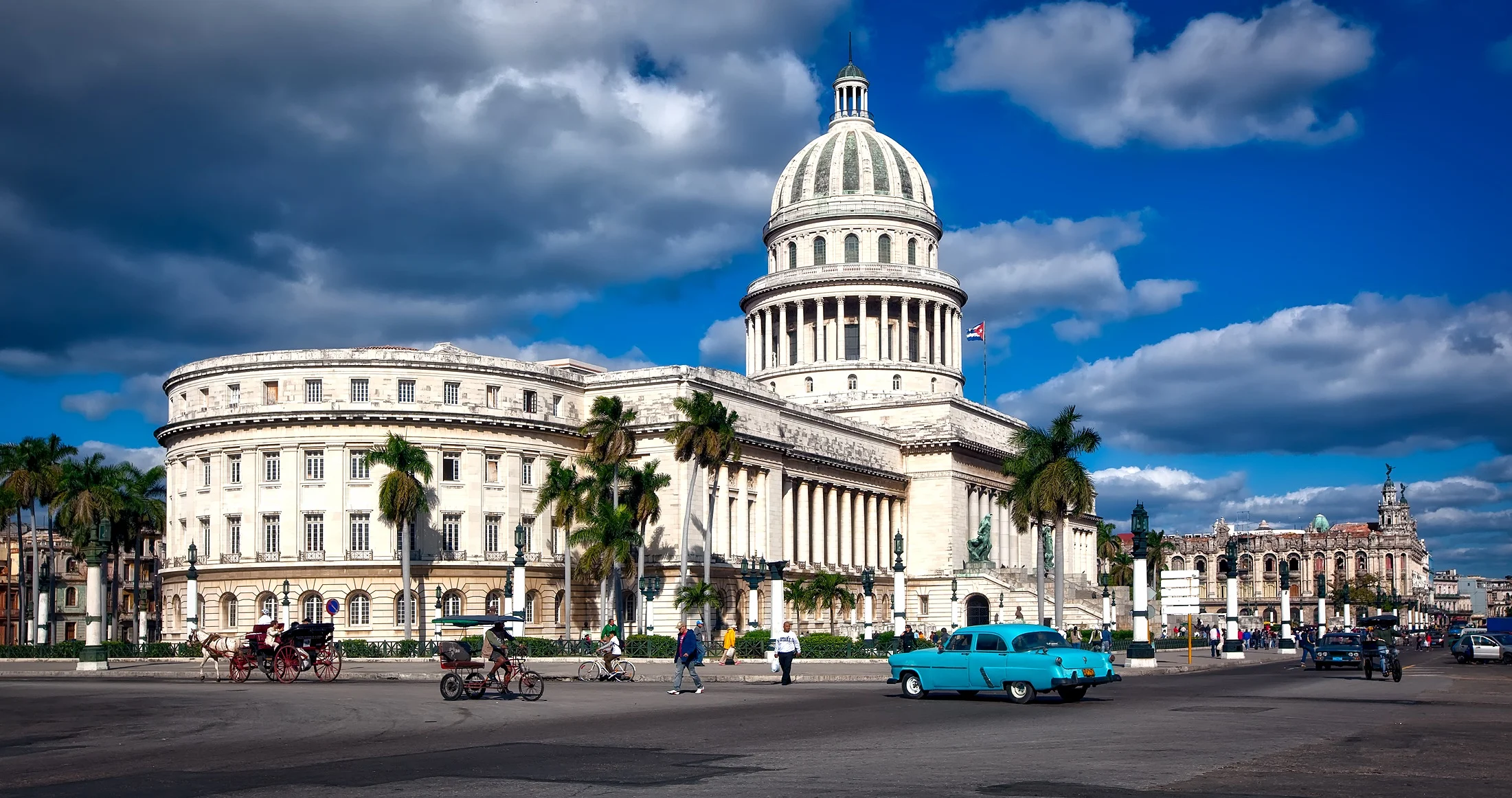
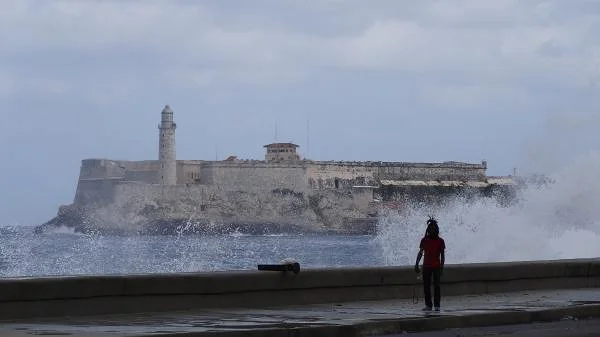
What sound does a city make when it is frozen in time yet beats with the infectious rhythm of rumba? It is the heavy thud of waves crashing against the Malecón, the roar of a 1957 Chevrolet engine coughing to life, and the laughter of a child echoing between peeling colonial facades. Havana refuses to simply be described. You feel it from your very first breath of warm air, heavy with sea spray, exhaust fumes, and an indefinable sense of nostalgia.
Havana: An Intense Journey, But Not for Everyone
This city functions as a time machine, a muse for photographers, musicians, and souls searching for raw authenticity. If history captivates you, if crumbling architecture moves you more than spotless facades, and if you believe a conversation with a stranger outranks any museum, then you are in the right place. Havana delivers a total sensory experience where music fills the air and daily life unfolds right on the front steps.
On the flip side, if unstable internet causes you genuine anxiety, if you expect five-star service and flawless efficiency, or if decay brings you down, the Cuban capital might disappoint. This destination demands patience, an open mind, and the capacity to embrace the unexpected.
Getting around is an adventure in itself, and a healthy budget is required because local life is no longer as cheap as it once was.
Habana Vieja, the Historic Heartbeat
The historic center, a UNESCO World Heritage site, is a labyrinth of cobblestone streets where every corner holds a surprise. Architectural jewels, from baroque palaces to imposing fortresses, concentrate right here. Exploration typically starts at its four main squares: the majestic Plaza de la Catedral, the lively Plaza Vieja lined with cafes, the solemn Plaza de Armas with its open-air book dealers, and the more modest Plaza de San Francisco de Asís. The real show, however, is the daily life playing out between strolling musicians and sun-bleached pastel facades.
Friendly tip: Skip the crowds on Calle Obispo, the most tourist-heavy thoroughfare. Venture a few blocks away into alleyways like Aguacate or Compostela. Real neighborhood life happens here: laundry hanging from balconies, lively conversations shouting from one doorstep to another, and the genuine soul of old Havana.
Centro Habana, Raw Popular Soul
Just west of the old town, Centro Habana presents a rougher yet deeply endearing face. This dense, noisy, working-class neighborhood features neoclassical buildings proudly wearing the scars of time. The undisputed highlight is the Malecón, the legendary 8-kilometre (5-mile) boulevard running alongside the ocean. It serves as Havana's open-air living room, where fishermen, lovers, and families gather at sunset to catch the sea breeze.
Friendly tip: Do not miss the Callejón de Hamel on Sunday at noon. This alleyway, transformed into an open-air Afro-Cuban art installation, erupts with the sound of percussion and ritual dance. It is an explosion of energy and color, offering a powerful and authentic cultural experience.
Vedado, Faded Elegance and Jazz Nights
The mood shifts completely upon entering Vedado. Featuring wide, tree-lined avenues and majestic mansions that range from impeccably restored to claimed by tropical vegetation, this neighborhood reveals another side of Cuban history. It serves as the modern administrative and cultural center of the city. At night, its streets take on a different, more subdued energy, particularly around its renowned jazz clubs.
Friendly tip: Treat yourself to a ride in a vintage American convertible and ask the driver to drop you off in the gardens of the Hotel Nacional. Order a mojito, sit facing the sea, and watch the sun go down. The place is steeped in history and the view over the Malecón is spectacular.
Where to Eat and Drink in Havana?
The Cuban culinary scene has evolved significantly thanks to paladares, which are private restaurants set up in family homes. These spots serve local classics like ropa vieja (shredded beef in sauce) or moros y cristianos (rice and black beans). For drinks, while the legendary Bodeguita del Medio and El Floridita are mandatory stops for history's sake, do not hesitate to explore the more modern bars in Vedado or the small neighborhood counters of Centro Habana for better-quality rum and a more local vibe.
Where to Stay in and Around Havana?
For an authentic immersion, skip the state-run hotels and choose a casa particular. Staying with locals is the best way to discover Cuban culture, get invaluable advice, and directly support the local economy. Pick Habana Vieja to stay right in the center of the action, Centro Habana for a raw and working-class experience, or Vedado for more quiet, space, and nightlife within easy reach.
How to Get to and Around Havana?
José Martí International Airport handles international flights. Once in the city, old Havana is best explored on foot. For longer distances, a taxi is essential. You can choose between official yellow cabs, almendrones (vintage American cars operating as shared taxis on fixed routes), or quirky yellow coco-taxis for short, fun rides. Always negotiate the fare before getting in.
When to go?
The dry season, running from late November to April, is unquestionably the best time to visit Havana. Days are sunny, temperatures are pleasant, and humidity is far more manageable. Summer months are hot and very humid, carrying a risk of intense tropical rains. It is best to avoid the peak hurricane season from August to October.
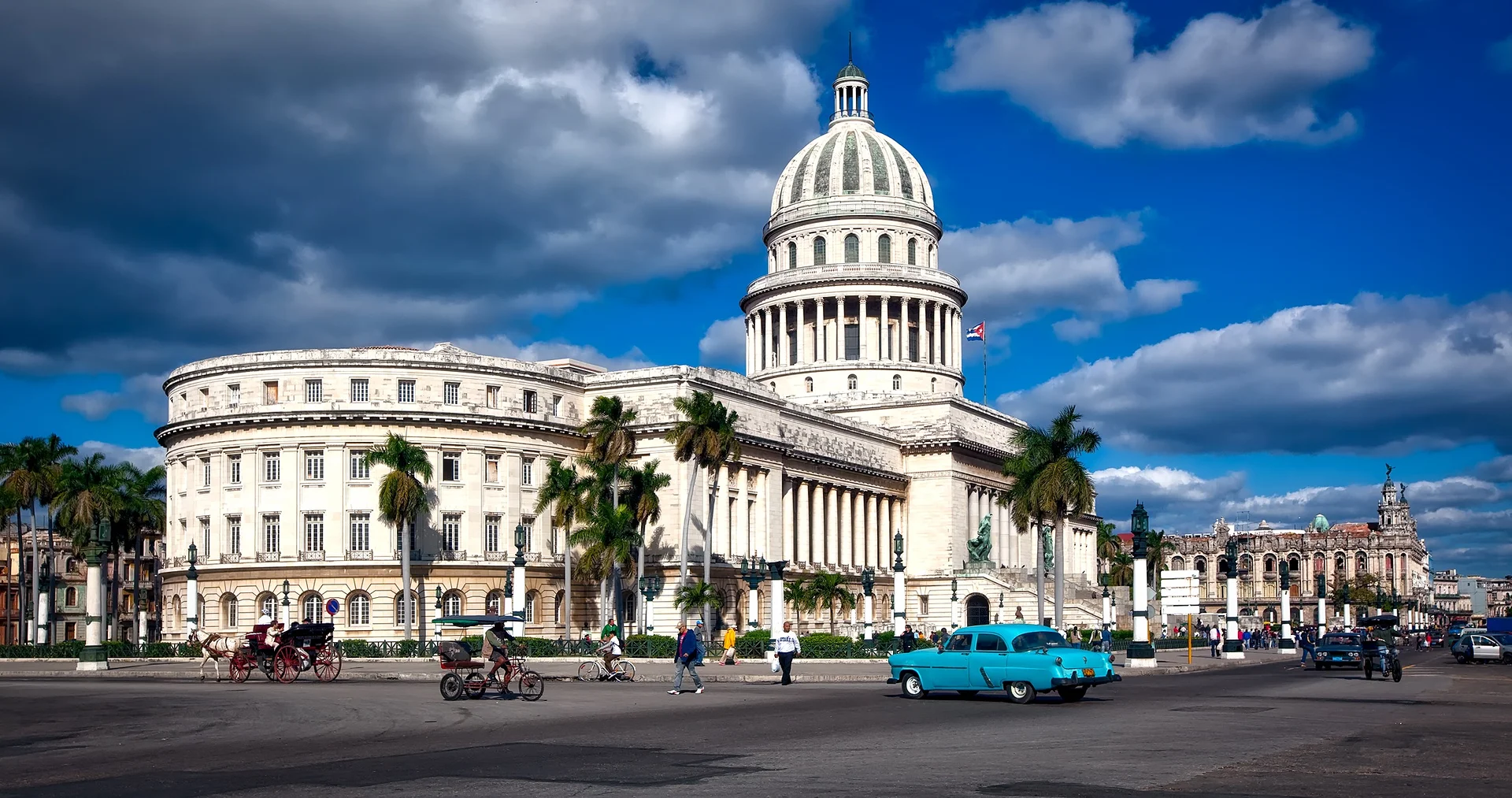
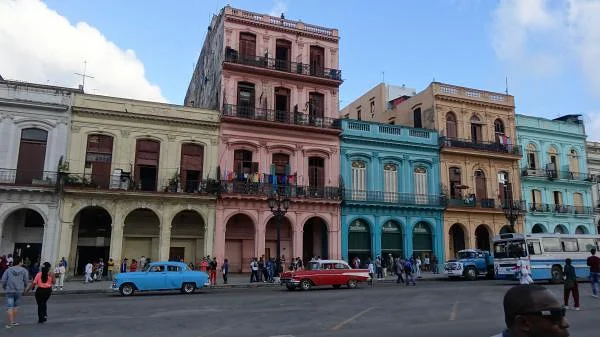
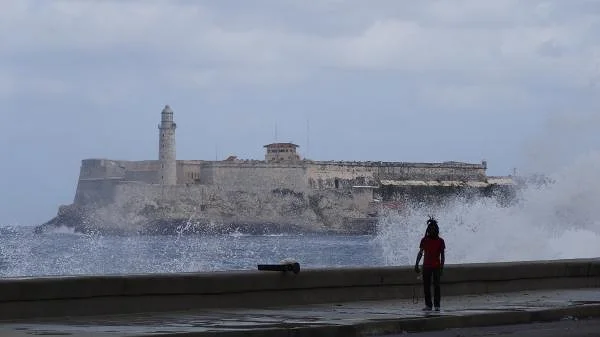
My feelings about Havana, and Cuba in general, are pretty mixed. The old colonial style buildings, the colorful houses, and the vintage cars from the 60s and 70s really take you back in time.
Now, tourists are openly treated like walking ATMs. Prices are inflated tenfold for them, and touts are constantly on your back trying to pull off scams. I felt like I wasn't being treated as a human being, just a piggy bank to be emptied as much as possible.
Some will tell you that the income gap is so wide that it is normal. I would point out that not all "less wealthy" countries behave this way. In Morocco or Mexico, for example, I did not get that feeling. People can say hello and talk to you without having the intention of emptying your wallet.
What a shame, Cuba really is a unique country that deserves better than that.