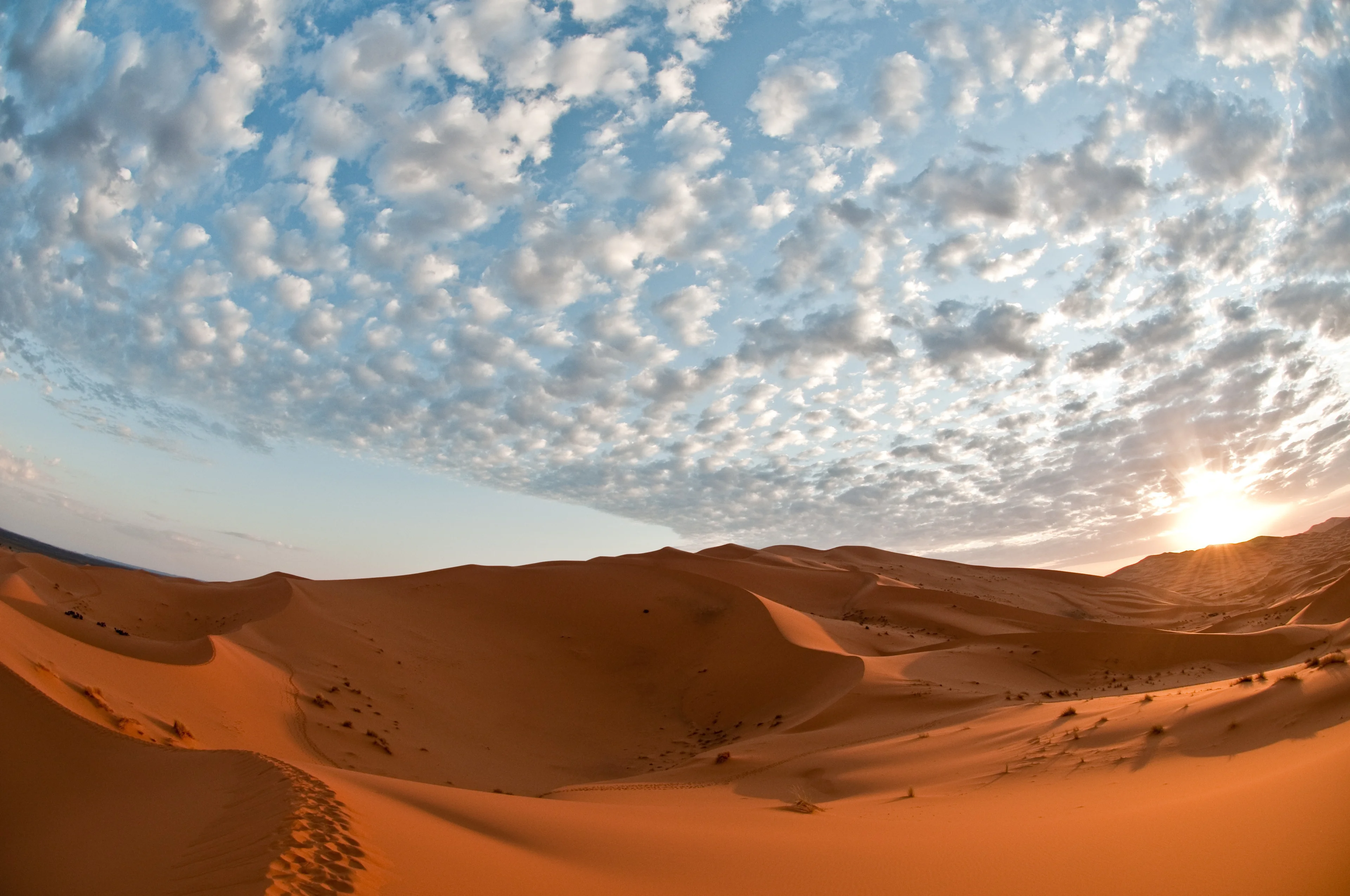
Désert marocain

Things to do in Morocco: 18 must-see attractions

Discover our members' favorite destinations in Morocco, plus reviews, practical info, and traveler photos...

The 5 most beautiful cities to visit in Morocco

#1 Marrakech +74 recs

Marrakech is an assault on the senses. In the narrow alleys of the medina, the scent of cumin mingles with tanned leather as the call to prayer echoes from the Koutoubia. The red city offers labyrinthine souks, secret riads with tile-covered patios, and tanjia slow-cooked in hammam ashes. It is an intense, occasionally disorienting experience that stays with you.

#2 Rabat +17 recs

Morocco's capital sits right on the Atlantic coast, offering a distinct alternative to the country's busier tourist hubs. Founded in the 12th century, this imperial city operates as a genuine center of daily life and culture where you experience Moroccan rhythms firsthand.

At the heart of Moroccan history

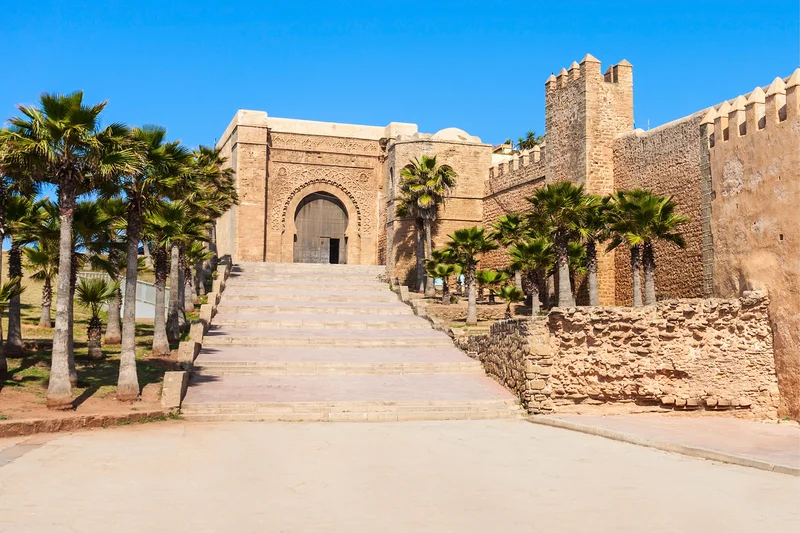
A UNESCO World Heritage site, the Kasbah of the Udayas is an absolute must-see in Rabat. Walking through this ancient fortified military camp offers a direct look into Morocco's political and cultural past. You can wander narrow alleys framed by whitewashed walls and enjoy the surprising quiet inside the kasbah, located just steps from the Rabat Beach. Make time for the exceptional Museum of History and Civilizations, which traces Morocco's timeline from prehistory all the way through the contemporary Islamic era.

Head about a mile and a half from downtown to reach the Chellah Necropolis. Built over the ruins of an ancient Roman city, this atmospheric site holds layers of history. Stork nests sit atop the ruined tombs, and the grounds offer sweeping views over the Bouregreg River. It carries a remarkably peaceful and poetic energy, making it a favorite spot for a late afternoon walk as the light hits the stone.

Life at the local rhythm

Skip the overwhelming crowds found in Fez or Marrakech and head instead to the Rabat Souk. You will find a much calmer environment here for browsing. The finest leather goods are concentrated on Rue des Consuls. If you do not mind getting slightly turned around, dive deeper into the stalls to track down authentic pastillas (flaky pigeon or chicken pies with almonds and cinnamon), traditional tajine, or local sweets like chebakias (sesame and honey pastries scented with orange blossom and anise), briwates (crispy almond triangles), and other Maghrebi baked goods.

To decompress after the market noise, head to the Botanical Trial Gardens, established in 1914 during the French Protectorate. It is an ideal spot to put the local proverb into practice: those who hurry are already dead. If leafy paths and local flora are not your priority, you can check out the coast, though swimming here requires caution because the surf can run rough and debris occasionally washes ashore.

When to go

Rabat enjoys an oceanic climate where temperatures rarely top 86 degrees Fahrenheit, making it comfortable to visit nearly year-round. To minimize rain and maximize sunshine, plan your trip between May and October.

How to get there

No airline flies nonstop from North America to Rabat itself. Royal Air Maroc serves Casablanca direct from New York, Washington, Miami and Montreal, and a train runs from that airport to Rabat in about an hour and a half. If you are already in Europe, low-cost carriers fly straight into Rabat-Salé from a number of cities, with fares from $90 to $230* depending on the airline.

#3 Fez +12 recs

Fez holds its own against Marrakech, its larger Moroccan counterpart. This imperial city boasts a history stretching back over 1,200 years, and travelers increasingly view it as a top-tier destination in North Africa.

The Medina, a World Apart

The defining neighborhood here is the ancient medina, a UNESCO World Heritage site since 1981. It stands as the largest medieval city in North Africa, sprawling across more than 9,000 narrow alleyways. Getting lost in Fez-el-Bali, the historic walled quarter, is practically part of the itinerary. You enter through one of the monumental gates cut into the ramparts that frame the old town. Bab Boujloud is the most striking, with brilliant blue and green ceramic tiles laid in 1913. The commercial corridors of Talâa Kbira to the north and Tala Seghira to the south overflow with traditional merchants and food stalls amid a lively sensory mix of sounds, spices, and bright textiles. Local cooperatives offer hands-on introductions to argan oil production, Moroccan pastry baking, and traditional weaving. The Bou Inania madrasa ranks as the architectural crown jewel of the medina, showcasing intricate bronze metalwork, carved cedar wood, onyx, marble, and colorful tilework. The Merenid Tombs sit on a nearby hill, offering panoramic sunset views over the entire medina.

Mosques, Festivals, and Tanneries

Fès-el-Jdid, the new town the Merinids built beside the medina in the 13th century, holds the royal palace and the mellah. Back in Fez-el-Bali, Karaouine functions simultaneously as the oldest continuously operating university in the world and a major mosque capable of holding 20,000 worshippers. Because interior access is restricted to Muslims, non-Muslim visitors view it from the threshold. Housed in a 19th-century summer palace, the Batha Museum displays an extensive collection of Moroccan craftsmanship, including wood carvings, Berber textiles, and regional musical instruments. Its Andalusian-style garden hosts the annual World Sacred Music Festival, a major international gathering featuring musical acts from around the globe alongside literary debates, film screenings, and art exhibitions. The Nejjarine Museum of Wooden Arts and Crafts also warrants a stop.

Another essential stop is the tanners' quarter, an area known for intense aromas and striking visual contrasts. Near Place Seffarine, the Chouara Tanneries process leather goods famed for their durability. Visiting in the morning lets you watch artisans working alongside stone vats filled with natural dyes.

When to go

Temperatures stay mild year-round in Fez, but spring and autumn offer the most comfortable weather. Summer temperatures spike significantly, often reaching oppressive levels during the afternoon. June is an ideal time to visit if you want to experience the World Sacred Music Festival firsthand.

How to get there

There are no nonstop flights from North America: you connect in Madrid, Paris, or Casablanca, and the final European leg into Fez runs about two hours and forty-five minutes. Airfare drops considerably during the off-season, with tickets starting as low as $45*.

#4 Casablanca +3 recs

Casablanca is Morocco's largest city, blending high-rise modernity with deep historical roots. You can spend your morning at the Hassan II Mosque, which features one of the tallest minarets in the world, before wandering the traditional alleys of the medina. The city also showcases a striking collection of Art Deco architecture from the colonial era, while the Aïn Diab waterfront offers a coastal scene for relaxing that feels similar to a Pacific beach town.

#5 Agadir +2 recs

Flattened by a 1960 earthquake, Agadir was rebuilt for the sun rather than for history. Forget the old-world medina, because this city is all about its six kilometers of beach and an Atlantic light that feels like Santa Monica. It is a secure, accessible seaside base that works well for families or a quiet off-season trip.

Twenty minutes away, Taghazout draws surfers from all over the globe to breaks like Anchor Point.

Ranking of the 13 activities selected by our editors in Morocco

#1 Jemaa el-Fnaa (Marrakech) +18 recs 4.2/5

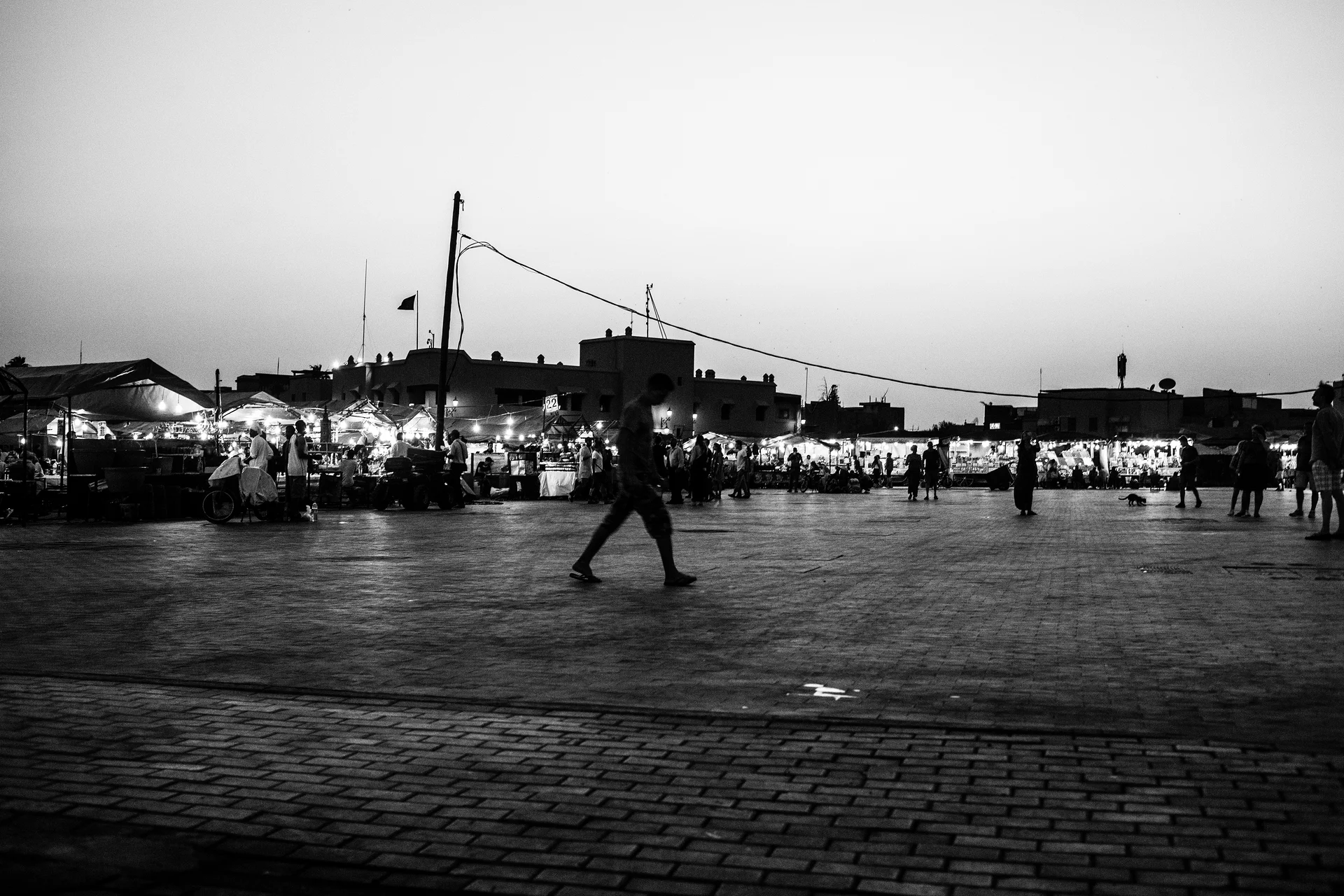
The beating heart of Marrakech day and night, Jemaa el-Fnaa offers a distinct atmosphere for anyone wanting a true taste of local folklore, recognized as UNESCO intangible cultural heritage. By day, fire eaters and snake charmers put on shows alongside fortune tellers of all kinds. In the evening, restaurant terraces take over the square for you to try local food, particularly couscous and tagines.

See the guide See deals

#2 Koutoubia Mosque (Marrakech) +7 recs 5/5

The Koutoubia Mosque, built in the 12th century by the Almohads, towers over Marrakech with its 252-foot pink sandstone minaret. As the city's largest mosque, its name honors the booksellers who once gathered at its base. Admire the landmark from the lush gardens or historic esplanade. Non-Muslims cannot enter, but the site remains the city's spiritual beacon.

See the guide See deals

#3 Hassan II Mosque (Casablanca) +7 recs 4.5/5

The Hassan II Mosque in Casablanca is a modern architectural feat and one of the largest mosques on the planet. Its 210-meter minaret is the second tallest in the world. Perched partially over the Atlantic Ocean, the site offers guided tours for non-Muslims to explore the prayer hall and elaborate ablution rooms.

See the guide See deals

#4 Chellah (Rabat) +4 recs 4.5/5

Chellah is a Marinid necropolis built over an ancient city. Located just 200 meters from the Almohad walls in Rabat, this archaeological site has become a top destination in Morocco. It has hosted the Jazz au Chellah festival since 2005 and earned status as a UNESCO World Heritage site in 2012.

See the guide See deals

#5 Majorelle Garden (Marrakech) +4 recs 5/5

Established in 1923 by French painter Jacques Majorelle and saved from demolition in 1980 by Yves Saint Laurent and Pierre Bergé, this one-hectare botanical garden in the Guéliz district is the most visited paid attraction in Morocco. Its iconic cobalt blue, 300 plant species, and two museums make it far more than a simple stroll.

See the guide See deals

#6 Maison de la Photographie (Marrakech) +4 recs 4/5

Housed in a 19th-century funduq (traditional inn) in the medina since 2009, Maison de la Photographie holds over 10,000 photographic pieces spanning Morocco from 1879 to 1960. You will find glass plates, portraits, street scenes, and documentaries. It is quieter than the Jardin Majorelle, featuring impressive architecture and a rooftop with some of the best views of Marrakech.

See the guide See deals

#7 Bahia Palace (Marrakech) +4 recs 4/5

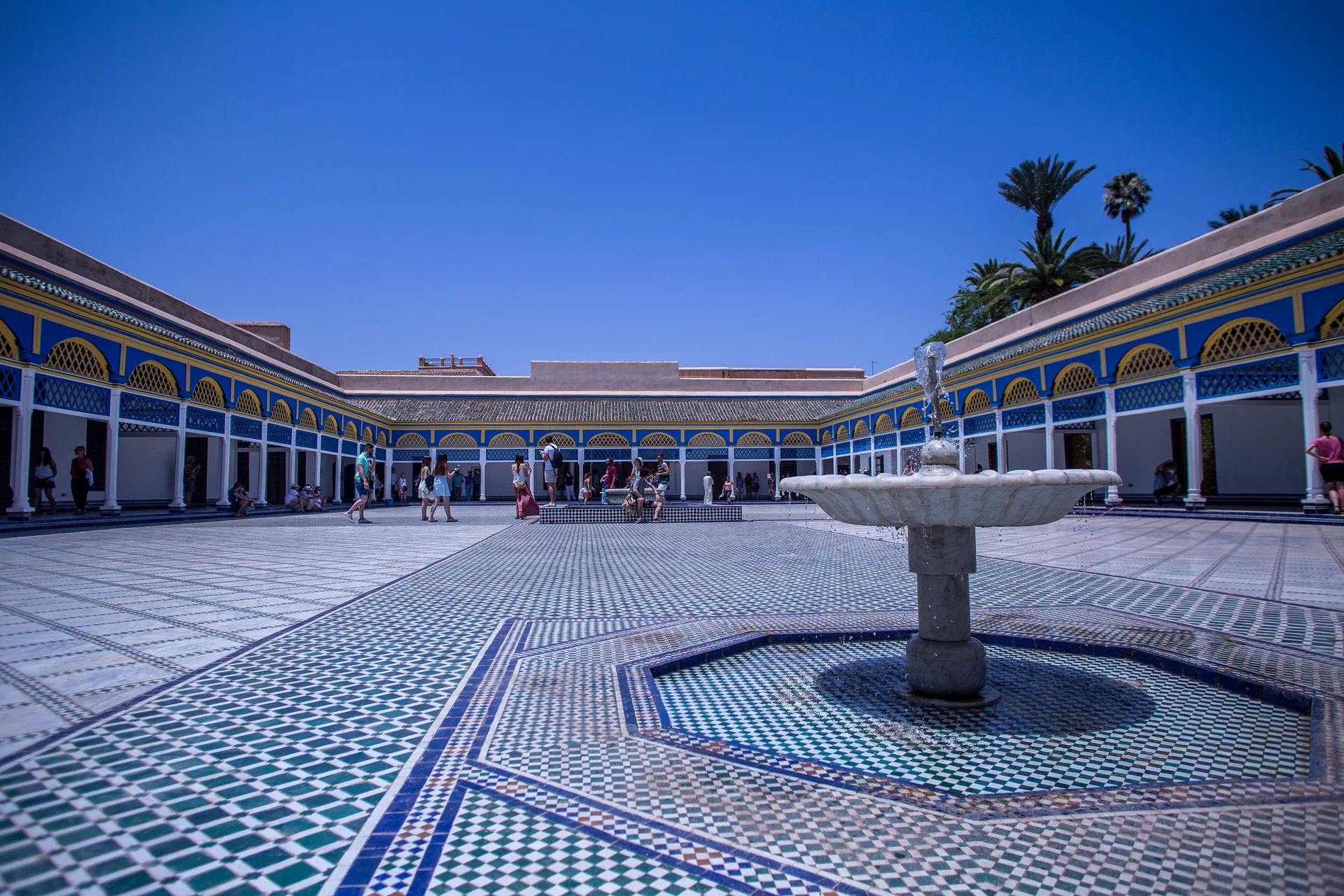
Bahia Palace showcases the 19th-century lifestyle of the Moroccan nobility across 160 lavishly decorated rooms. Painted ceilings, multicolored zellige tilework, carved stucco, and shaded gardens create a striking atmosphere. Built by the vizier Ba Ahmed, this architectural masterpiece offers an immersive look into the refinement of the Alaouite era in Marrakech.

See the guide See deals

#8 Volubilis (Moulay Idriss Zerhoun) +3 recs 5/5

Morocco holds archaeological sites dating back to antiquity. Among the most significant is Volubilis, a Roman city built over a Punic-Berber settlement. Once the capital of the Kingdom of Mauretania, these ruins sit in the Saïss plain along the Rhoumane river, just outside the holy city of Moulay Idriss Zerhoun.

#9 Prince Moulay Abdellah Stadium (Rabat) +1 rec 5/5

The Prince Moulay Abdellah Stadium, rebuilt in 2025, leads the Moroccan sports scene with its 69,500 seats and a modern gold facade inspired by the palm trees of Rabat. As a host for the 2025 Africa Cup of Nations and the 2030 World Cup, it houses national team matches and the AS FAR club within a full sports complex.

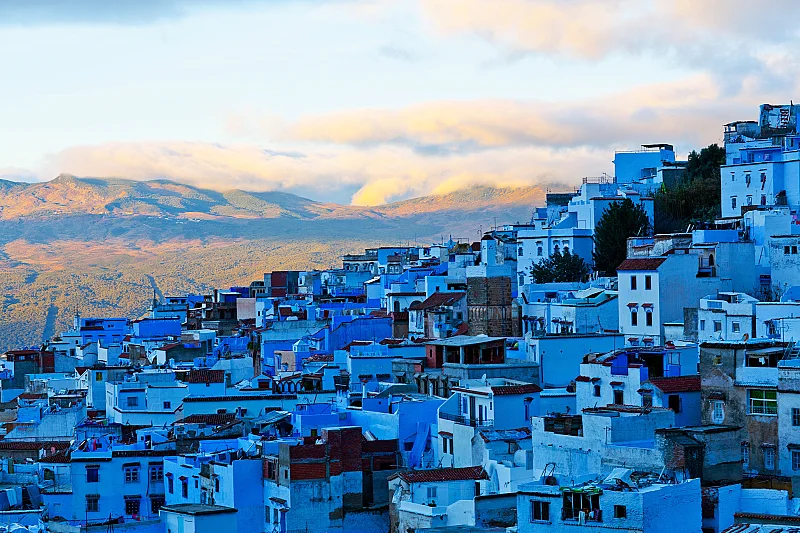
#10 Kasbah of Chefchaouen (Chefchaouen) +1 rec 5/5

Built in the 15th century, the Kasbah of Chefchaouen remains a primary landmark in Morocco. This fortress sits in the Place Outa El-Hamman, near the city grand mosque. Chefchaouen sits at an elevation of 600 meters in the Rif mountains, with the Kasbah serving as the historic center for the entire city.

#11 Ibn Batouta Stadium (Tangier)

As the largest venue for the 2025 Africa Cup of Nations with 75,500 seats, Ibn Batouta Stadium honors the famous explorer. Fully renovated between 2023 and 2025, it features a record-breaking 55,000 square-meter roof and stands moved closer to the pitch. Prepared for the 2030 World Cup, it hosts Ittihad de Tanger and international matches.

#12 Medina of Casablanca (Casablanca)

Rebuilt in 1770 following a devastating earthquake, the Medina of Casablanca is the newest in Morocco. Its architecture blends Arab-Muslim and European influences, reflecting a cosmopolitan past. Between buzzing souks, the Sqala bastion, the monotheistic triangle, and local shrines, it offers an authentic experience at the heart of the Casablanca economic hub.

See the guide See deals

#13 Mohammed V Stadium (Casablanca)

Mohammed V Stadium in Casablanca, opened in 1955, is the largest arena in Morocco with 67,000 seats. Home to rivals Raja and Wydad, it hosts major events like the CAF Champions League. Regularly updated with modern facilities, it remains the pulse of Moroccan soccer, delivering an intense atmosphere for every match.

See the best activities in Morocco

Visiting Morocco, where East meets West

Just off the coast of Europe, Morocco brings centuries of trading routes and diverse influences together in one captivating destination. The sheer contrast between the energy of Marrakech and the quiet expanse of the Sahara sets the tone for the entire trip.

Cities with distinct character and timeless charm

Marrakech and its infectious energy

Moroccan cities are known for their distinct architecture and deep historical roots. You need to experience Marrakech, starting with the nonstop activity on place Jemaa-el-Fna. Walk through the famous jardin Majorelle, the final home of fashion designer Yves Saint Laurent, and tour the Médersa Ben-Youssef, the largest Koranic school in the country. The winding alleys of the UNESCO-listed medina and the bustling souks are absolute essentials on any itinerary.

Casablanca, Fès, and Meknès, three different sides of the country

Head next to Casablanca to take in the Moorish and Art Deco architecture alongside the monumental mosquée Hassan II. Set right on the Atlantic coast, Morocco's financial hub is packed with restaurants, live entertainment, and coastal spots to explore.

The city of Fès draws travelers in with its famously labyrinthine medina. Do not worry about getting lost, as every turn brings a new workshop, courtyard, or hidden square into view. An international festival of sacred music takes place here every year in June.

Rounding out the classic imperial cities, Meknès features massive monumental gates and a slower, more deliberate pace.

The quiet vastness of the Sahara Desert

Deserts hold a powerful pull for travelers, and the Sahara is no exception. It remains the most famous expanse of sand on the planet.

Dunes stretching to the horizon

Riding a camel through the ridges of the erg Chebbi dunes is an unforgettable experience, especially at sunset when the sand turns a deep amber and rose. Heading out into the erg Chigaga dunes as night falls offers some of the clearest stargazing you will find anywhere.

Remnants of the past

Another memorable route runs down the Vallée du Drâa from Ouarzazate toward the desert gates. Along the way, you will pass raw brick fortresses in towns like Timidarte, Zagora, and Agdz. In the evening, check into a traditional casbah, former caravan trading stops that now operate as guesthouses.

The rugged peaks of the Atlas Mountains

In the center of the country, the landscape shifts dramatically as the Atlas Mountains rise sharply from the plains. This region brings cooler weather, regular autumn rain, and snowcapped peaks through the winter months.

Hikers tackle the trails of the Haut Atlas while passing through traditional villages berbères. Experienced mountaineers can aim for the summit of mont Toubkal, which stands at 4167m as North Africa's highest peak. Afterward, winding down with a glass of fresh mint tea or wild wormwood tea hits the spot.

Beaches for swimming and surfing

If you prefer the coast, Morocco has miles of shoreline for swimming and water sports. Resort towns like Agadir, with its long sandy stretches, and Essaouira, known for its laid-back atmosphere, make for easygoing Atlantic stops.

For surfers, spots like Taghazout, Dakhla, and Sidi Kaouki pull in swells that suit both beginners and seasoned boarders.

Flavors shaped by spices and Mediterranean traditions

Moroccan cooking builds its flavors around a mix of Berber, Arab, and Mediterranean influences. couscous, traditionally served on Fridays, and slow-cooked tajine seasoned with warming spices and dried fruits are staples of every menu. For dessert, almond and honey pastries like gazelle horns pair naturally with a glass of piping hot mint tea.

When to go

Plan your trip for the shoulder seasons of spring, from April to May, or autumn, from September to October. Summer temperatures across the interior can be punishing, and while winter days in Marrakech are pleasant, desert nights drop to freezing temperatures.

How to get there

Major international flights land at Mohammed V Airport in Casablanca, Menara Airport in Marrakech, or the airport in Fès. Round-trip airfare typically runs from $169 to $230*, with a flight time of around 3 hours from European hubs like Paris.

Getting around

Morocco has a reliable network of trains and bus routes connecting major hubs like Casablanca, Marrakech, and Fès. Shared grands taxis cover longer intercity routes, while petits taxis get you around within city limits. For exploring remote mountain passes or the open desert, renting a car through a location de voiture service gives you the freedom to set your own pace.
Find the best travel deals in Morocco

Hotels and stays Flights Car rentals Custom trips

Trip ideas and themed activities

Top 7 best travel agencies in Morocco

Planning a solo trip to Morocco involves coordinating Sahara treks, booking riads in Marrakech, and managing transport between imperial cities. It takes time, and the wrong agency can turn your vacation into a logistical headache. We compiled this list using feedback and recommendations from the Avygeo community to help you identify agencies that actually know the lay of the land in Morocco.

Top photos posted by members

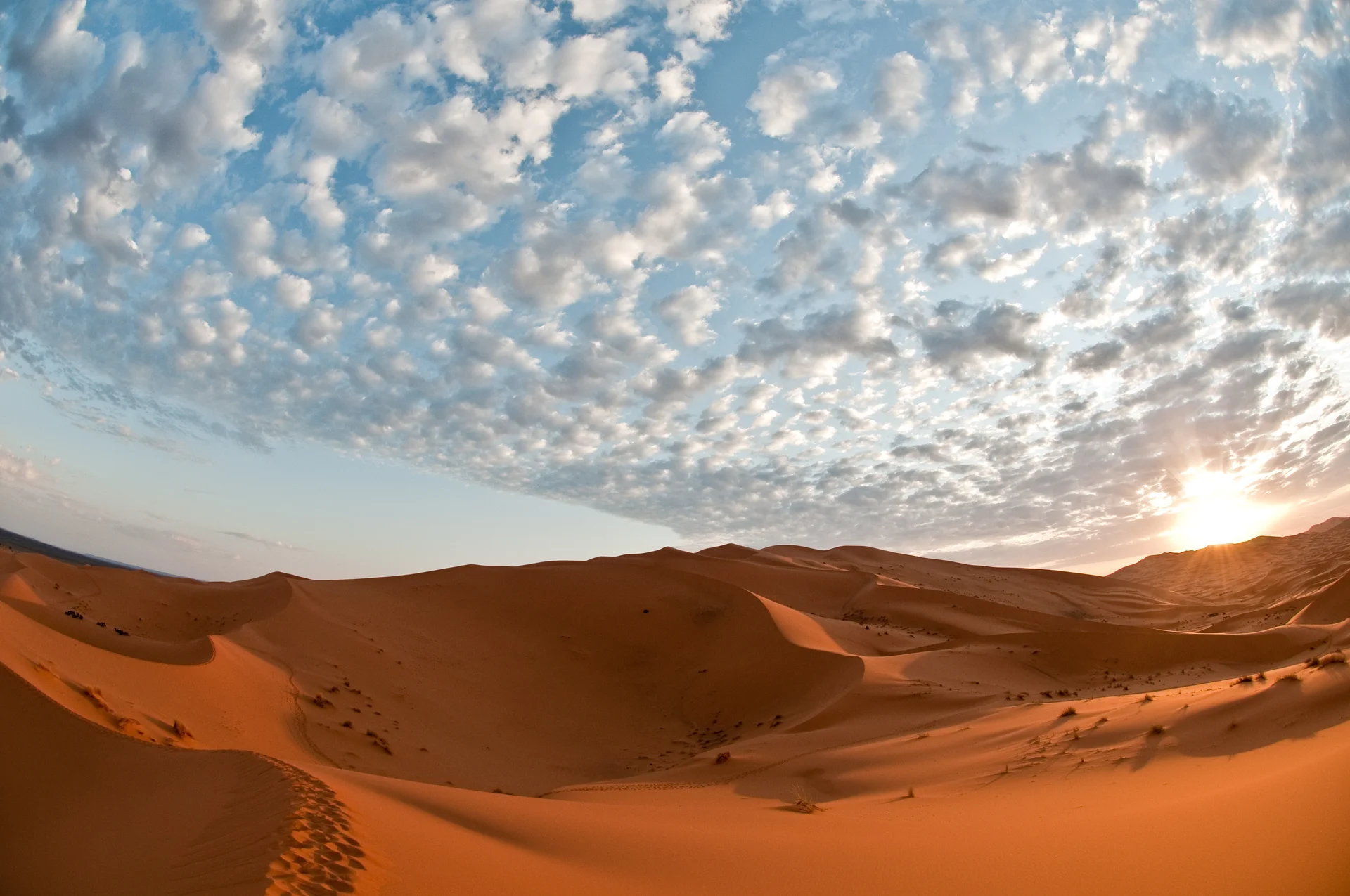
Désert marocain
Marrakech 29
Marrakech 9

Articles about Morocco

Traveler reviews

A historic site worth seeing

Very old and well-preserved site. If you are interested in old stones, come here with a guide to learn a lot about the history of the region.

167

A real source of national pride

This stadium is a real architectural success, worthy of the best venues in the world. It was completely renovated for the 2025 AFCON: super big, modern, and impressive. The stands remind me a bit of t…

1.3K

A welcome stop

Not far from the souks and the overwhelming hustle and bustle, this is an interesting cultural stop. Certainly, it is not the most remarkable site in the city, but I liked the palace architecture and…

65

The heart of Marrakech

What a spectacle! You really feel worlds away here. Between the snake charmers, the street vendors, and the colorful stalls covered in fruit, you do not know where to look. All your senses are on high…

37

At the gateway to the mountains

Gateway to the national park and the Toubkal mountain. Imlil was my base for heading out to discover the highest mountain in Morocco. I loved its location, you feel far from everything and at the same…

275