
Visiting Tangier
Perched on a hillside overlooking the Strait of Gibraltar, Tangier ranks among the essential stops of any trip to Morocco. Dating back to its roots as an ancient Phoenician port, this strategic meeting point between Europe and Africa, on either side of the Strait of Gibraltar, has evolved over centuries into a distinct coastal city with a multicultural spirit.
Alleys, Markets, and Palaces
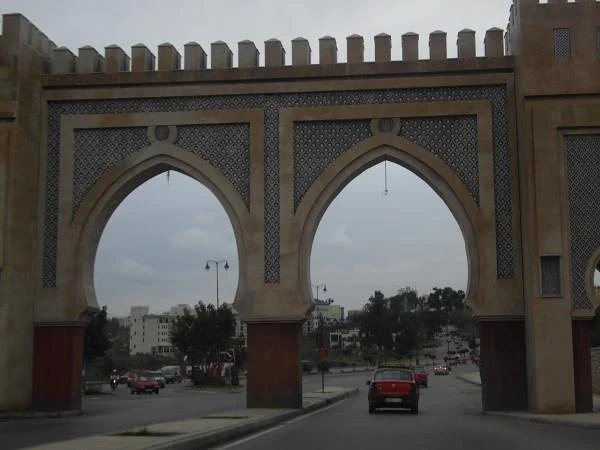
Tangier centers around its old medina, a labyrinth of narrow, shaded lanes where you navigate by following the scent of fresh mint tea and local spices. These winding paths frequently lead you out to the Grand Socco, a wide public square that serves as a primary gateway to the medina. A lively open-air market fills the space daily, offering fresh produce beneath palm trees and a central fountain.
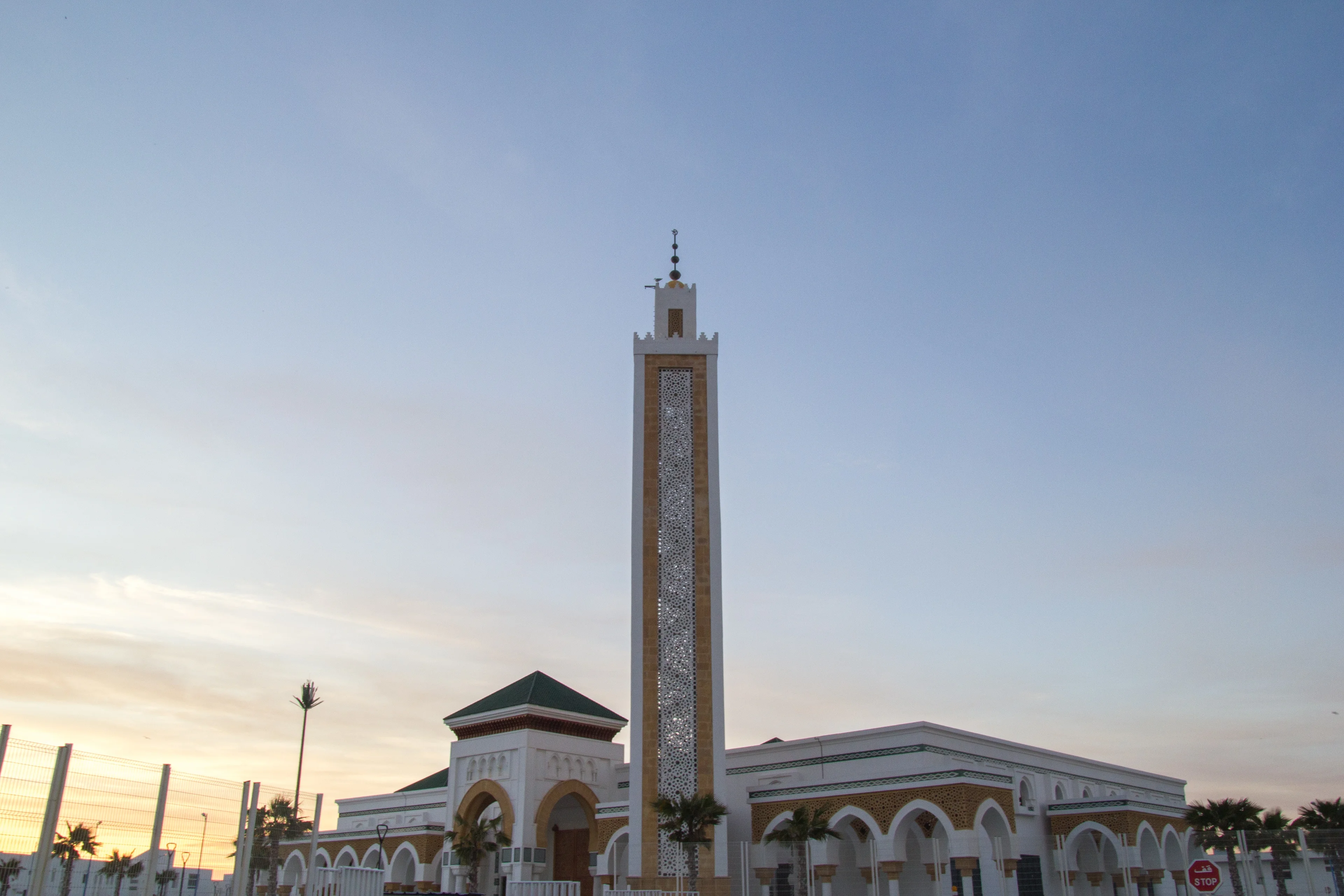
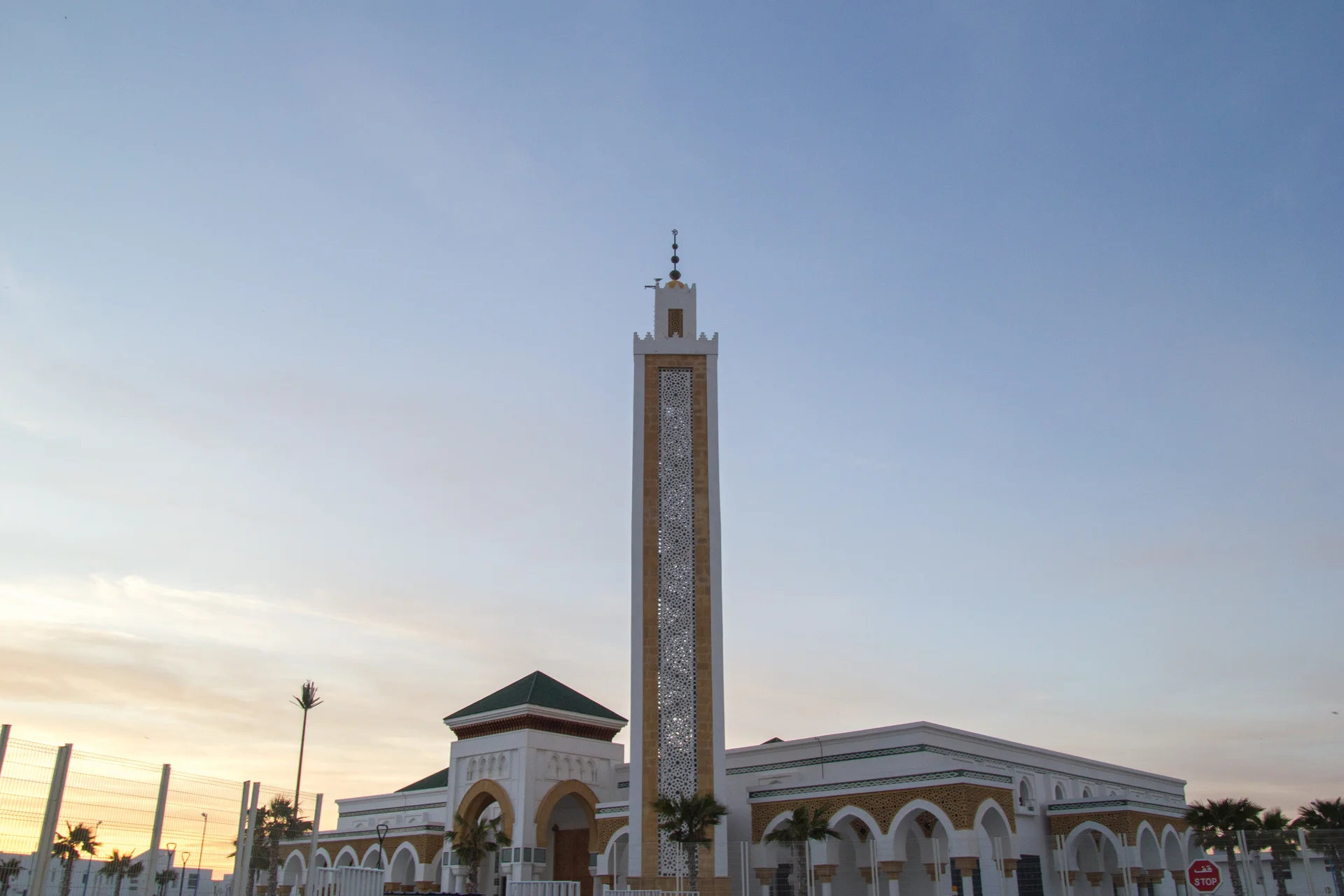
From there, head toward the Grande Mosquée, a traditional Alawite place of worship built over the ruins of an ancient Roman temple. Nearby, the place de la France delivers panoramic views across the city. Deeper inside the medina lies the Kasbah district, home to artisan craft shops and neighborhood cafés. The Kasbah Museum occupies a historic palace with 13th-century ramparts, holding exhibits dedicated to regional history and Moroccan arts.
Ocean, Caves, and Gardens
Outside the city center, the coastal road toward Talâa Cherif reveals sweeping views over the Atlantic Ocean. Located 15 kilometres from downtown, the grottes d'Hercule draw visitors for their mythological ties. Local legend holds that Hercules rested inside these seaside caverns between labors. For a similar pace, the municipal beach and the adjacent Corniche gardens offer an easy stretch of sand where families gather along the shore.
Further up the coast, the parc Perdicaris spans 67 hectares of protected green space. This botanical garden shelters local flora like laurels, acacias, and pines, while serving as a stopover point for migratory birds. Along the coastal drive leading to the park stands the Cap Spartel lighthouse, marking the northwestern tip of the peninsula.
When to go
Tangier works as a year-round destination thanks to its temperate coastal climate. From March through December, expect sunny days with temperatures hovering between 20 and 30 degrees. January and February bring cooler conditions around 15-16 degrees, though rainfall remains low.
How to get there
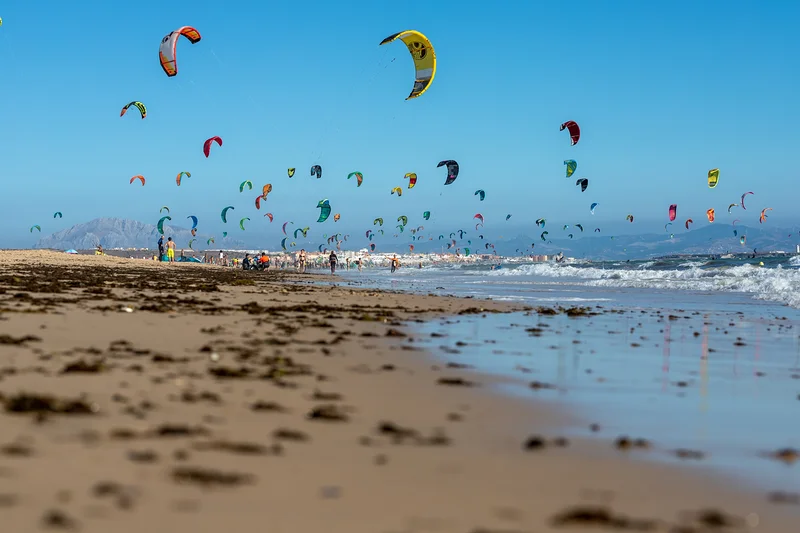
Flights from major European hubs connect directly to Tangier Ibn Battouta Airport, while ferry service across the Strait of Gibraltar links the city from Spain, including a 45-minute crossing from Tarifa. Travelers arriving from other parts of Morocco can take domestic flights or drive north from Marrakech, a route taking about 5 hours and 30 minutes by car.

When I went there a few years ago, the city was dirty and poorly maintained, with quite a few construction sites that seemed abandoned. It is a shame, because there is potential with the medina, the bay, and the view of Europe to the north.