
Fez at a Glance
Fez holds its own against Marrakech, its larger Moroccan counterpart. This imperial city boasts a history stretching back over 1,200 years, and travelers increasingly view it as a top-tier destination in North Africa.
The Medina, a World Apart
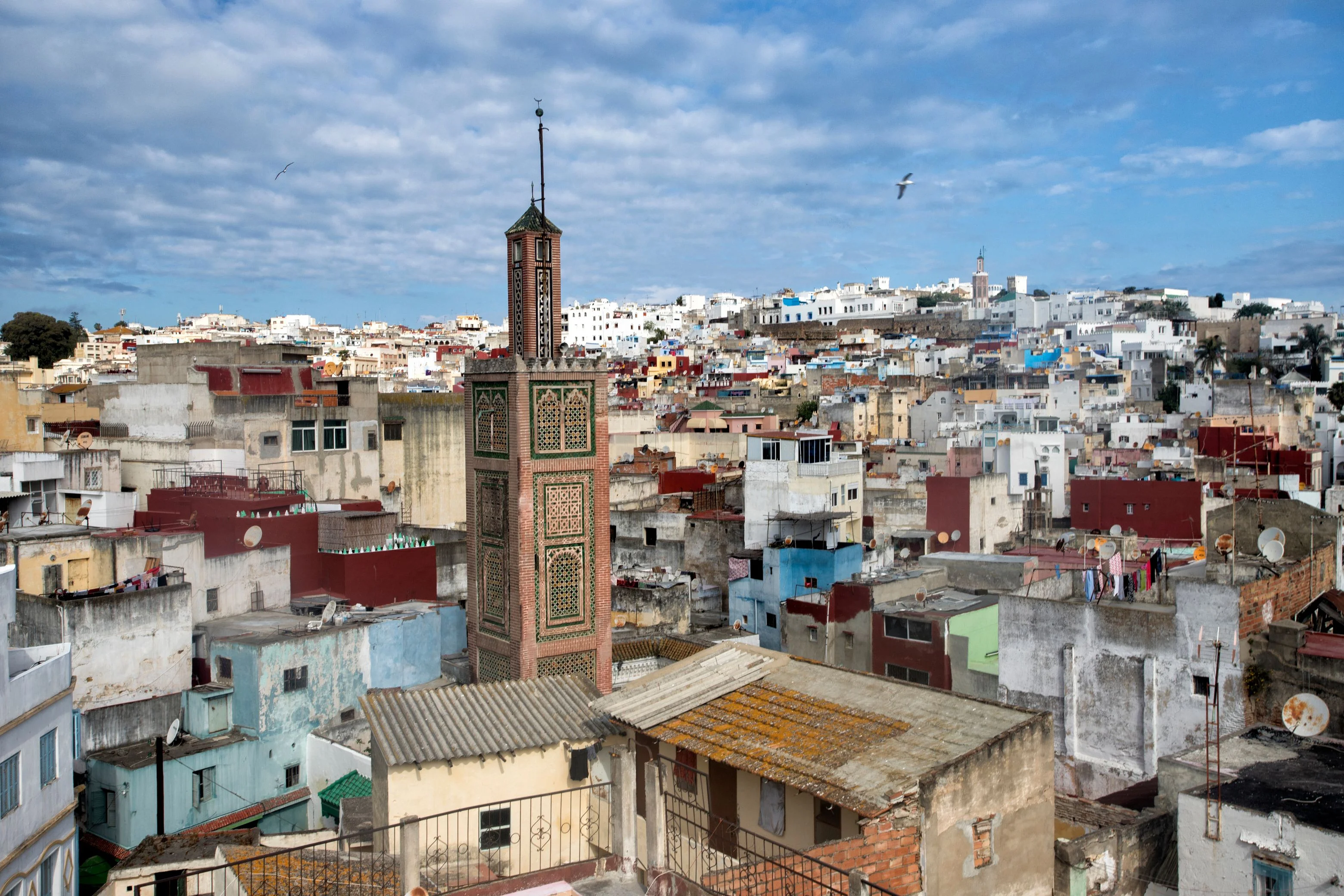
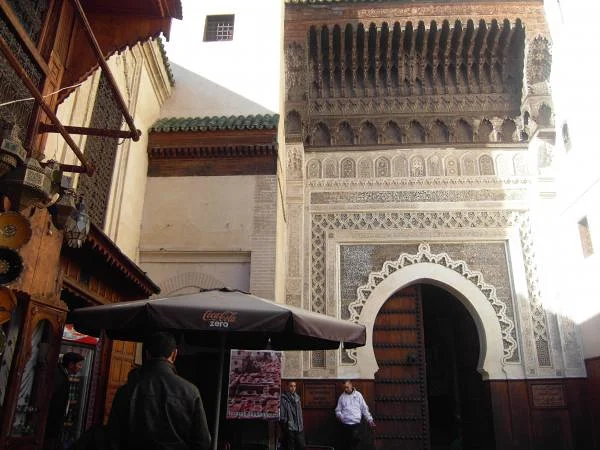
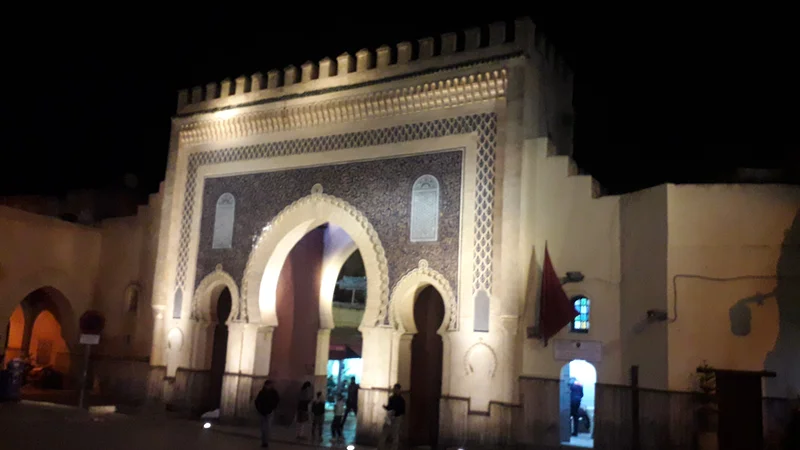
The defining neighborhood here is the ancient medina, a UNESCO World Heritage site since 1981. It stands as the largest medieval city in North Africa, sprawling across more than 9,000 narrow alleyways. Getting lost in Fez-el-Bali, the historic walled quarter, is practically part of the itinerary. You enter through one of the monumental gates cut into the ramparts that frame the old town. Bab Boujloud is the most striking, with brilliant blue and green ceramic tiles laid in 1913. The commercial corridors of Talâa Kbira to the north and Tala Seghira to the south overflow with traditional merchants and food stalls amid a lively sensory mix of sounds, spices, and bright textiles. Local cooperatives offer hands-on introductions to argan oil production, Moroccan pastry baking, and traditional weaving. The Bou Inania madrasa ranks as the architectural crown jewel of the medina, showcasing intricate bronze metalwork, carved cedar wood, onyx, marble, and colorful tilework. The Merenid Tombs sit on a nearby hill, offering panoramic sunset views over the entire medina.
Mosques, Festivals, and Tanneries
Fès-el-Jdid, the new town the Merinids built beside the medina in the 13th century, holds the royal palace and the mellah. Back in Fez-el-Bali, Karaouine functions simultaneously as the oldest continuously operating university in the world and a major mosque capable of holding 20,000 worshippers. Because interior access is restricted to Muslims, non-Muslim visitors view it from the threshold. Housed in a 19th-century summer palace, the Batha Museum displays an extensive collection of Moroccan craftsmanship, including wood carvings, Berber textiles, and regional musical instruments. Its Andalusian-style garden hosts the annual World Sacred Music Festival, a major international gathering featuring musical acts from around the globe alongside literary debates, film screenings, and art exhibitions. The Nejjarine Museum of Wooden Arts and Crafts also warrants a stop.
Another essential stop is the tanners' quarter, an area known for intense aromas and striking visual contrasts. Near Place Seffarine, the Chouara Tanneries process leather goods famed for their durability. Visiting in the morning lets you watch artisans working alongside stone vats filled with natural dyes.
When to go
Temperatures stay mild year-round in Fez, but spring and autumn offer the most comfortable weather. Summer temperatures spike significantly, often reaching oppressive levels during the afternoon. June is an ideal time to visit if you want to experience the World Sacred Music Festival firsthand.
How to get there
There are no nonstop flights from North America: you connect in Madrid, Paris, or Casablanca, and the final European leg into Fez runs about two hours and forty-five minutes. Airfare drops considerably during the off-season, with tickets starting as low as $45*.
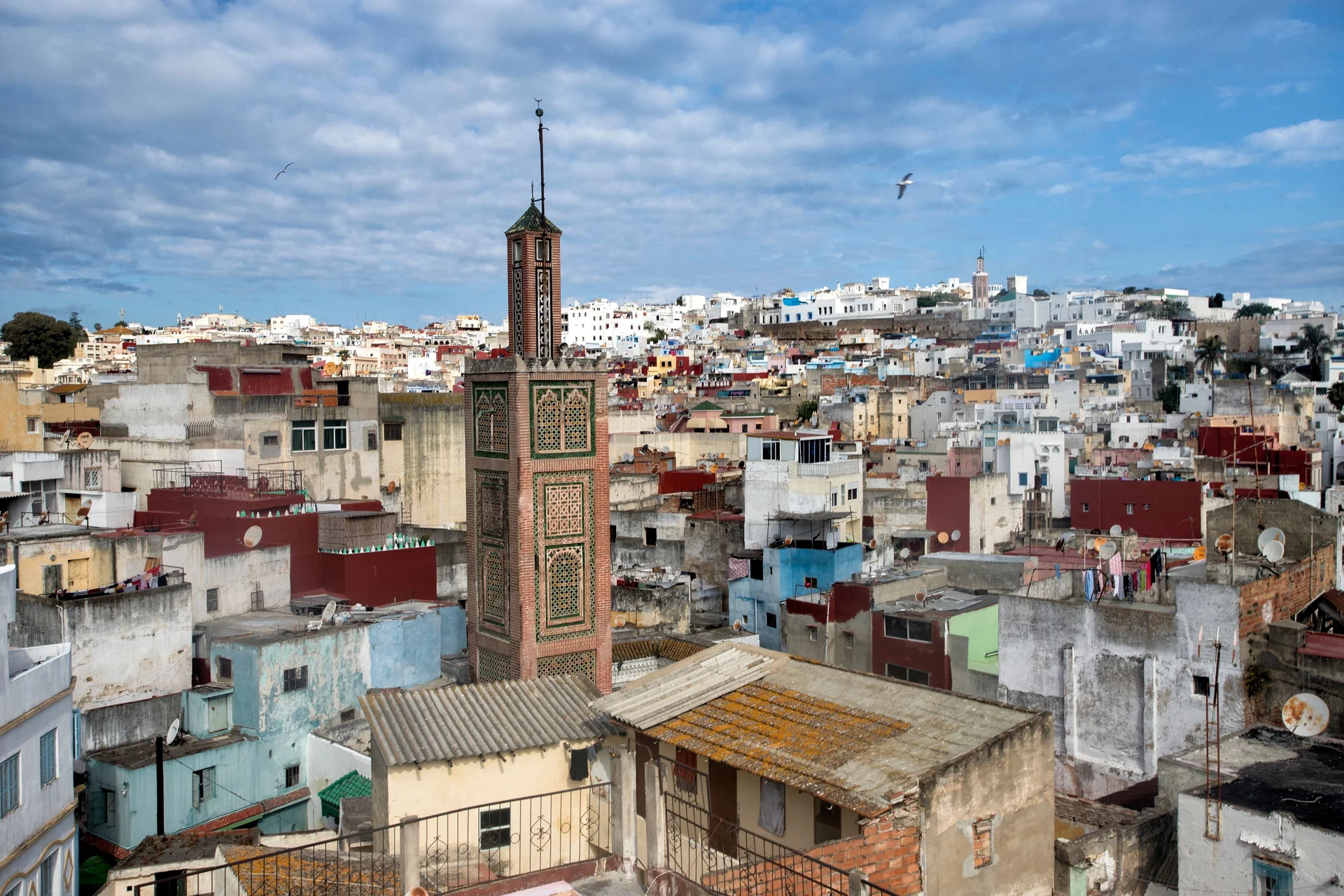
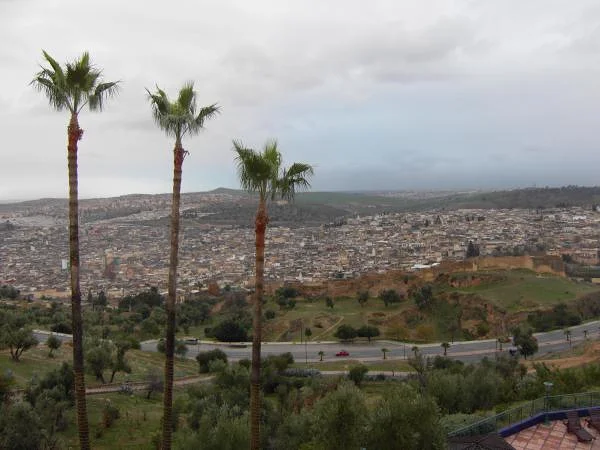
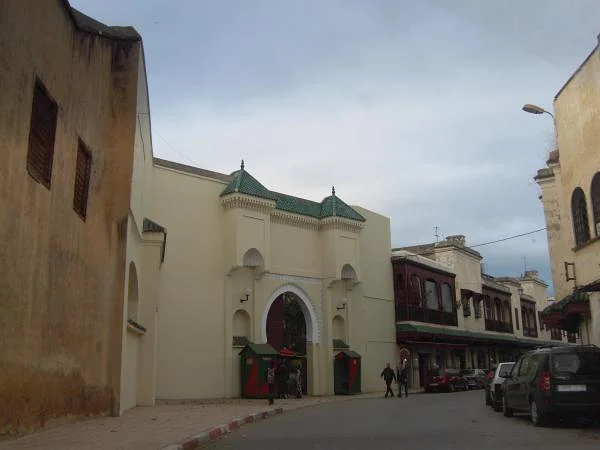
Fez is an incredible city, an absolute must-visit during a trip to Morocco. You get woken up by the sound of prayer, because there are mosques on every street corner. The streets are very narrow, a real maze. Every step is a discovery.
You have to go up to the carpet merchants' rooftops to see the large vats for dyeing leathers and skins. Fez is well known for its craftsmanship. It is the perfect place to buy bags and carpets.