

Agadir, the city that chose concrete over ruins
On February 29, 1960, an earthquake flattened Agadir in seconds, killing more than 12,000 people. What strikes you today is not the lack of a centuries-old medina, but the light: an Atlantic clarity reminiscent of Southern California that sweeps across the massive bay and its six kilometres of sand. It is a city rebuilt for the sun, not for folklore.
Is this destination for you?
You will like Agadir if you are looking for guaranteed sunshine year-round, a wide and secure beach, and a quiet base for exploring southern Morocco without the chaos of Marrakech.
You might be disappointed if you are hunting for the soul of old medinas or typical Moroccan architecture, as the modern city rebuilt after 1960 feels more functional than picturesque.
Great for:
- Families looking for a safe beach and complete resort amenities
- Surfers ranging from beginners to advanced
- Travelers chasing off-season sun (during the North American winter)
- Anyone wanting a base to explore Paradise Valley or the desert
Not ideal for:
- History buffs and lovers of historic medinas
- Travelers who dislike standardized resort hotels
- Those seeking intense cultural immersion right in the city center
An accessible budget compared to the rest of the region
| Expense | Range |
|---|---|
| Night in a basic hotel | 150 to 300 MAD |
| Night in a comfortable hotel | 500 to 1200 MAD |
| Quick bite (tagine, sandwich) | 25 to 50 MAD |
| Sit-down restaurant meal | 100 to 250 MAD |
| Transportation and daily activities | 100 to 200 MAD |
Indicative rates subject to change, in Moroccan dirhams (MAD)
Practical realities
The city is well-equipped for international travel: private hospitals, ATMs everywhere, and decent Wi-Fi. The Corniche and the seafront are patrolled and monitored in the evening, which gives families peace of mind.
The climate stays mild almost year-round thanks to Atlantic trade winds, rarely reaching scorching levels even in the summer. French is widely spoken in the tourism sector, which makes everyday interactions straightforward.
The Corniche and the beach, the pulse of the city
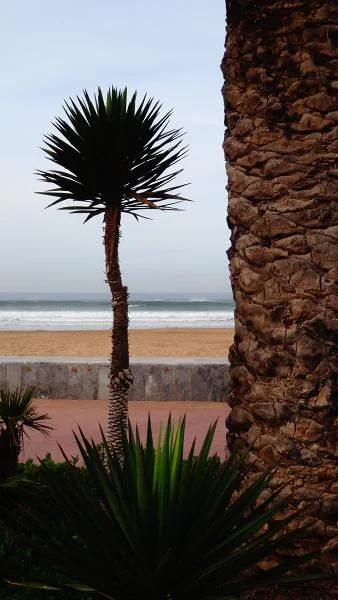
Agadir's waterfront stretches for nearly six kilometres of fine sand, lined with palm trees and sidewalk cafes. This is where beach life concentrates: beach volleyball, impromptu surf lessons, and vendors selling freshly squeezed orange juice.
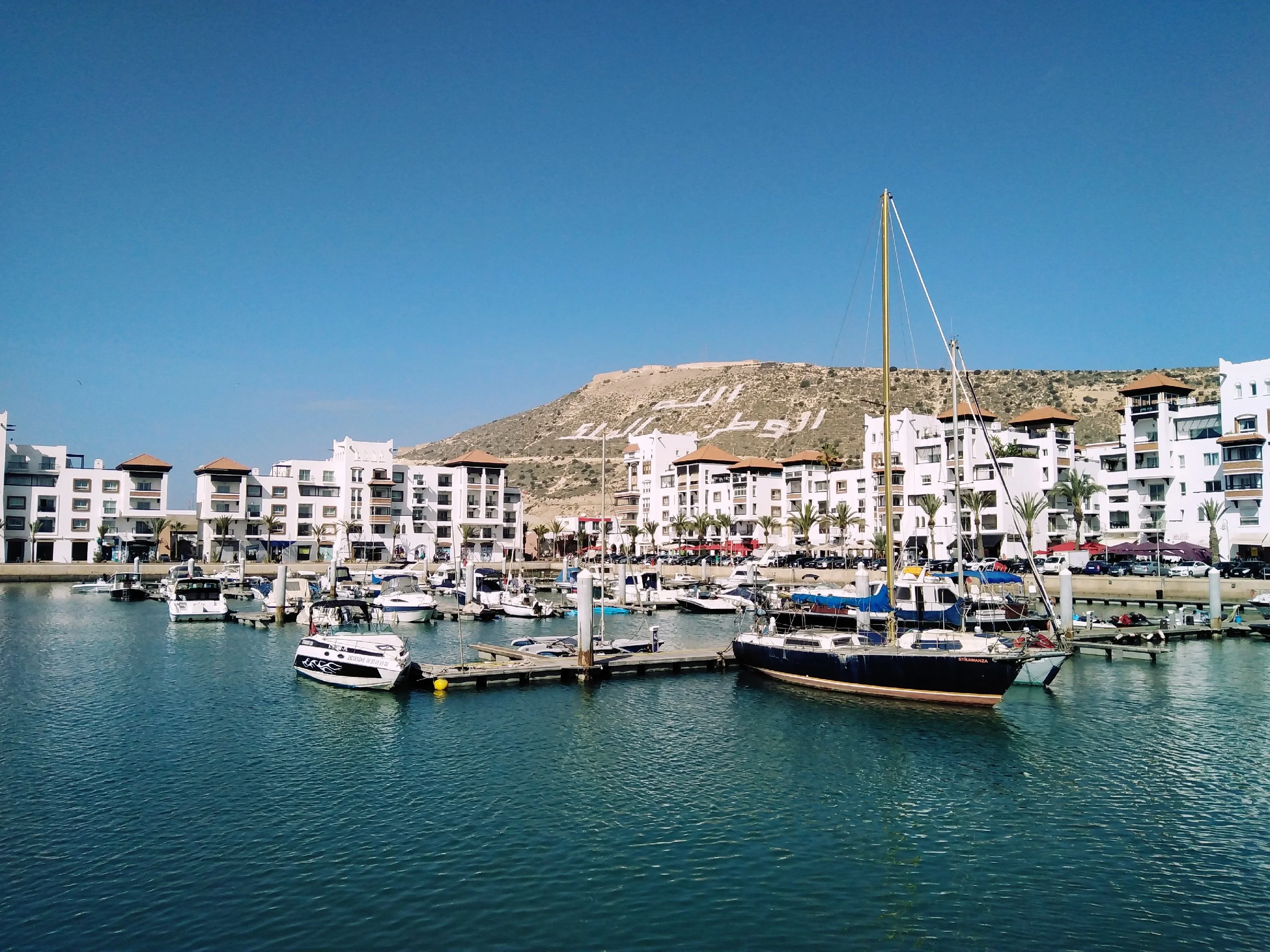
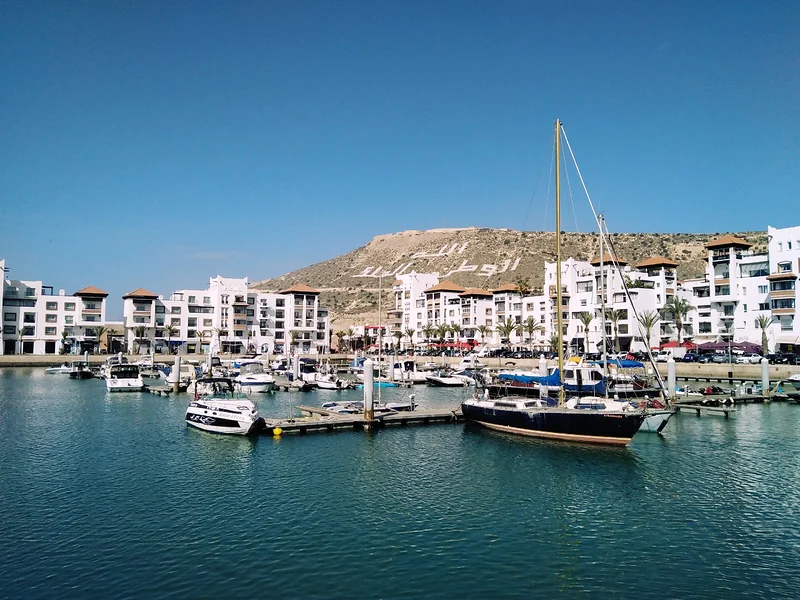
The newer marina district leans into a Mediterranean aesthetic with blue and white buildings, fish restaurants, and boutiques. It is a solid spot to start an evening that is lively without being overwhelming.
Friendly tip: Skip the main beach in front of the large hotels during peak summer days because it gets packed. Aim for early morning or late afternoon when the low light over the ocean turns spectacular.
Taghazout and Tamraght, the surfer hangouts
About twenty minutes north, the former fishing village of Taghazout has turned into the epicenter of Moroccan surfing. The vibe is relaxed, mixing surf schools, smoothie cafes, and makeshift coworking spaces for digital nomads.
A bit closer to Agadir, Tamraght offers a similar atmosphere that feels more authentic and less crowded with tourists. Spots like Anchor Point and Banana Beach pull in surfers from all over the world, from beginners to pros.
Paradise Valley and the backcountry
Roughly thirty minutes from the city, Paradise Valley hides freshwater pools cradled by rocks where you can swim under the shade of palm trees. It makes for an easy day trip, often paired with a hike through the surrounding hills.
Farther out, the road to Immouzzer cuts through green mountain landscapes dotted with seasonal waterfalls and Berber villages, offering a sharp contrast to the flat coastline.
Where to eat and drink in Agadir?
The Bab El Bahar municipal market is the spot to try Moroccan-style grilled fish, often picked straight from the display case before being cooked right in front of you. It is loud, colorful, and remarkably cheap.
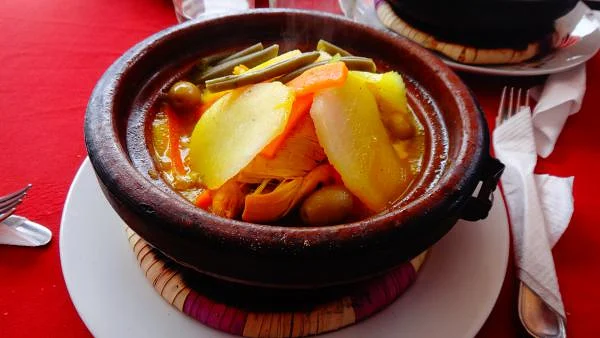
On the sweet side, do not miss out on gazelle horns (almond-filled pastries) and mint tea served at the cafes along the Corniche. For a more sit-down meal, the marina restaurants serve up fish tagines and fresh seafood.
Where to stay in Agadir and around?
The Corniche and Mohammed V Boulevard area holds most of the large resort complexes, which is handy for direct beach access. The marina provides a more intimate, recent setting.
For a different experience, staying in Taghazout or Tamraght lets you live at the pace of surf culture in guesthouses often run by enthusiasts.
How to get to Agadir?
Al Massira Airport (code AGA) receives direct flights from numerous European cities, with more frequent connections during winter and spring. It sits about 25 kilometres from downtown.
From Marrakech, expect roughly a three-hour drive or bus ride. Long-distance coaches also run from Casablanca and Essaouira.
How to get around Agadir?
Downtown and the Corniche are easy to navigate on foot or by bike since the terrain is flat. The orange petit taxis are inexpensive for short trips around town, provided you negotiate the fare or insist on the meter.
To reach Taghazout or Paradise Valley, your best bet is to rent a car or book a private driver for the day since public transit is limited outside the center.
When to go to Agadir?
You can visit year-round thanks to the climate tempered by the Atlantic. Spring (March to May) and fall (September to October) strike the best balance between pleasant weather and manageable crowds. July and August see heavy traffic from domestic Moroccan tourists, pushing hotel prices up.
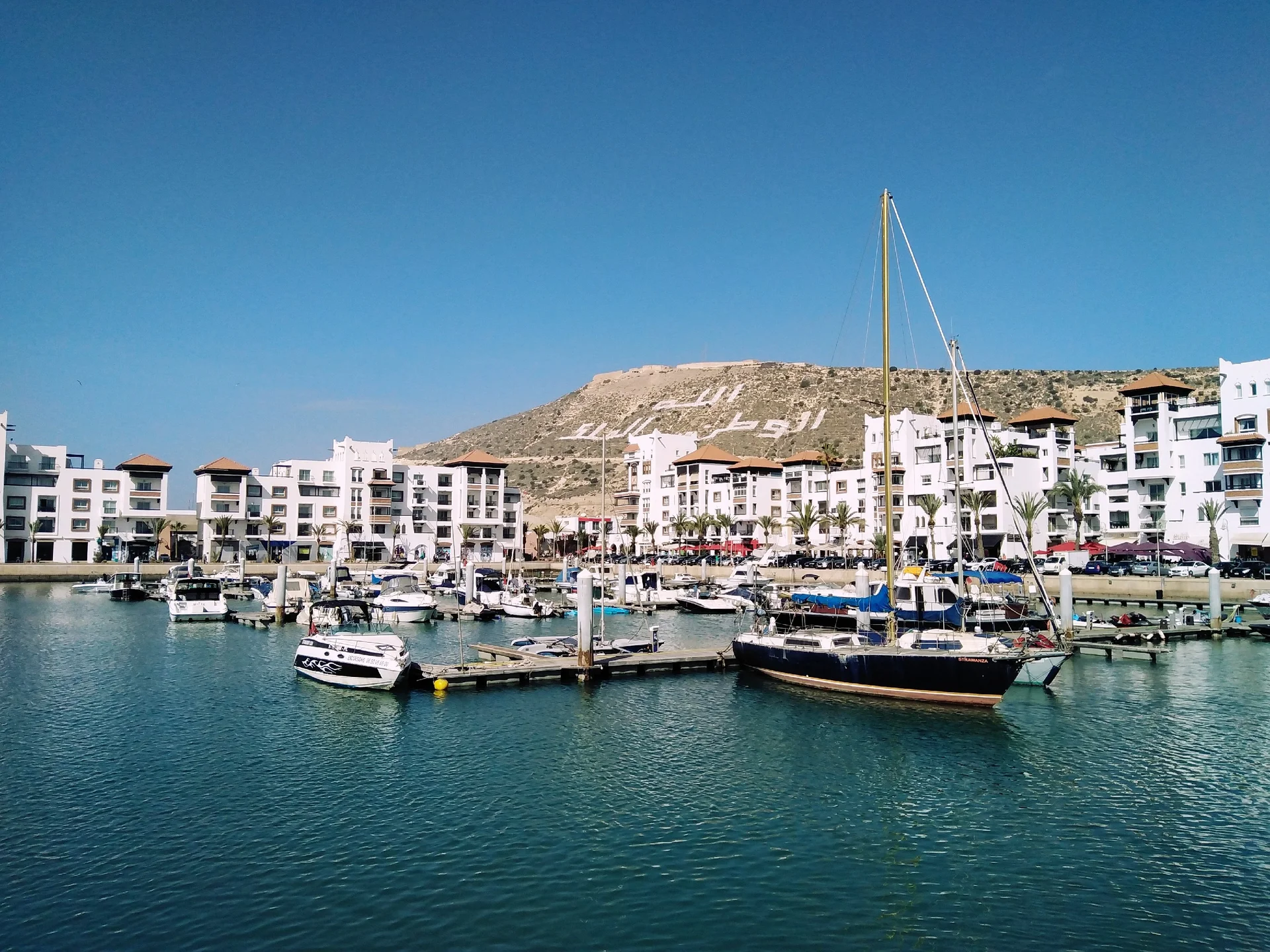
A very beautiful, quiet city known for its golf courses, its wide crescent-shaped beach, and its seafront promenade lined with cafes, restaurants, and bars.