
Rabat at a glance
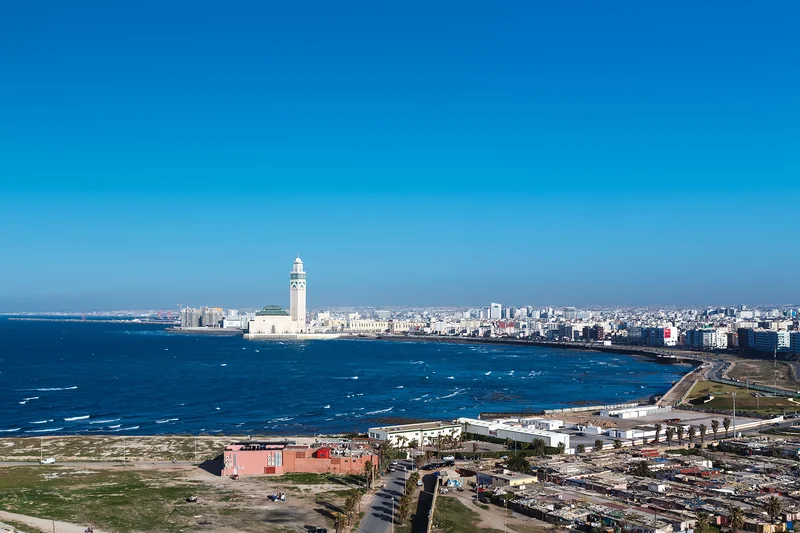
Morocco's capital sits right on the Atlantic coast, offering a distinct alternative to the country's busier tourist hubs. Founded in the 12th century, this imperial city operates as a genuine center of daily life and culture where you experience Moroccan rhythms firsthand.
At the heart of Moroccan history
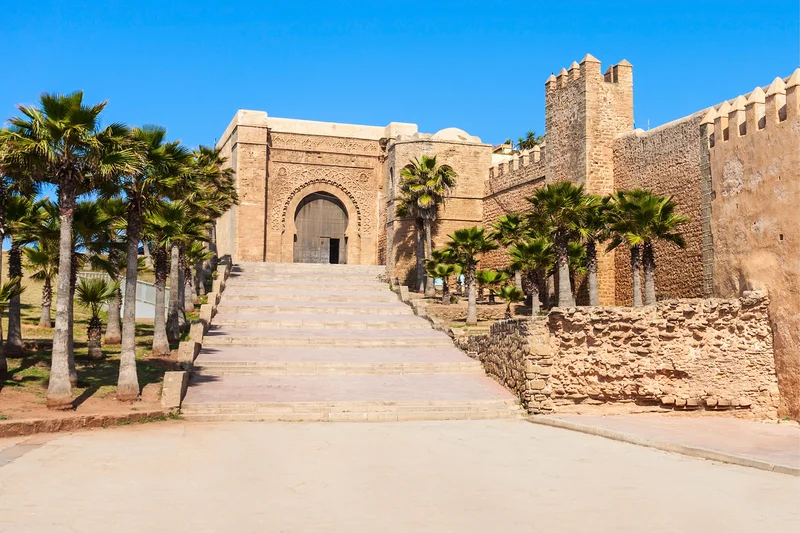
A UNESCO World Heritage site, the Kasbah of the Udayas is an absolute must-see in Rabat. Walking through this ancient fortified military camp offers a direct look into Morocco's political and cultural past. You can wander narrow alleys framed by whitewashed walls and enjoy the surprising quiet inside the kasbah, located just steps from the Rabat Beach. Make time for the exceptional Museum of History and Civilizations, which traces Morocco's timeline from prehistory all the way through the contemporary Islamic era.
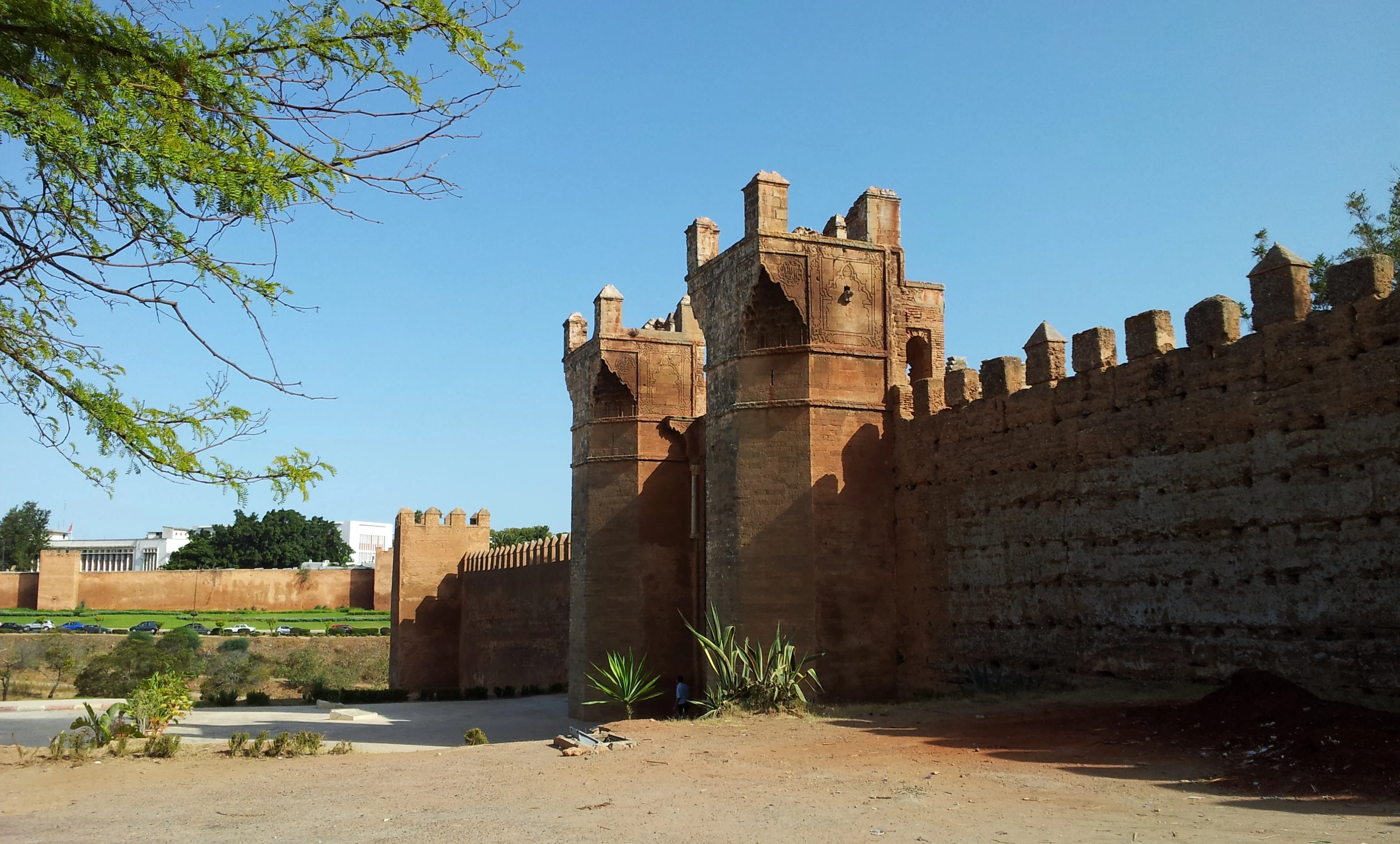
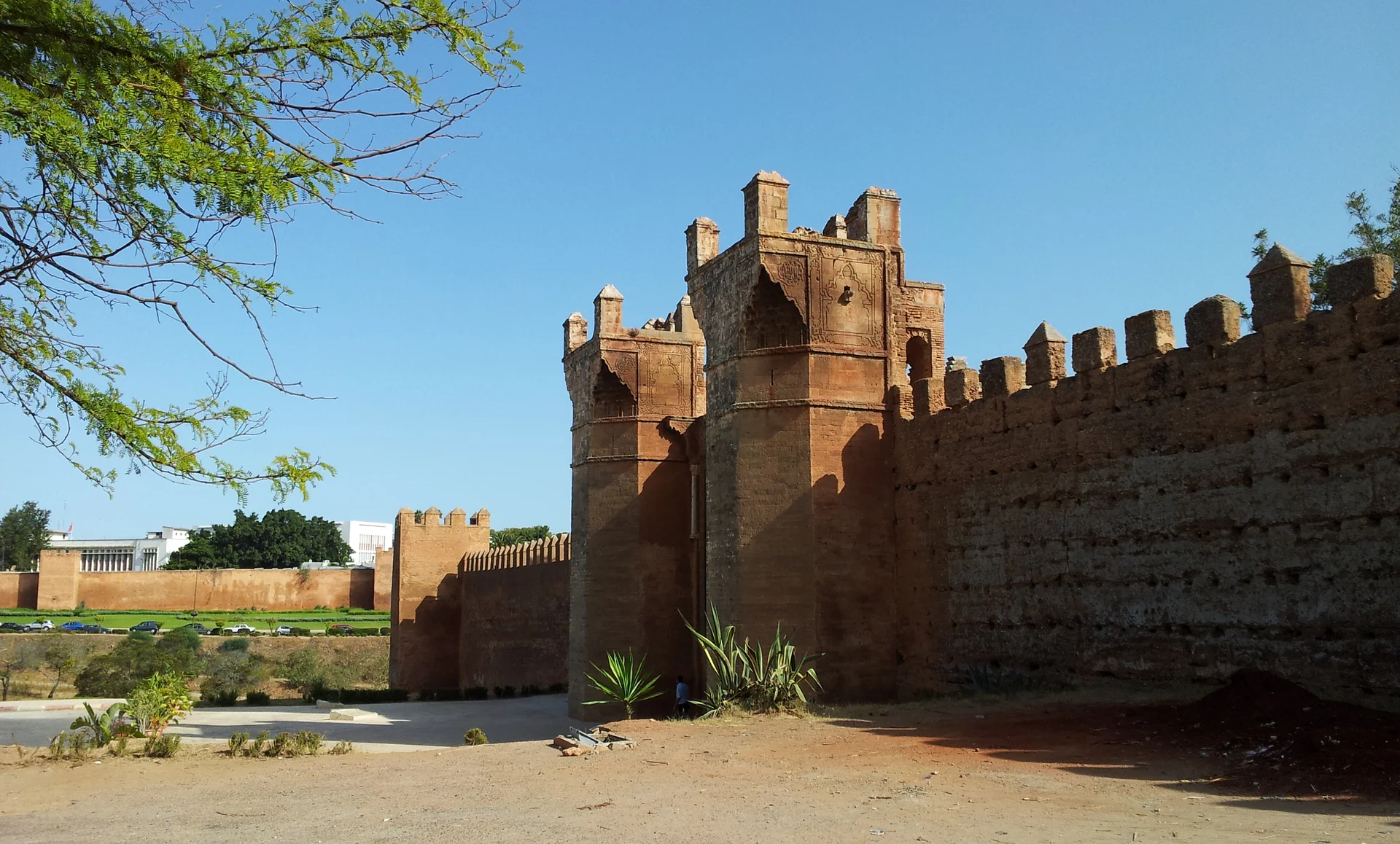
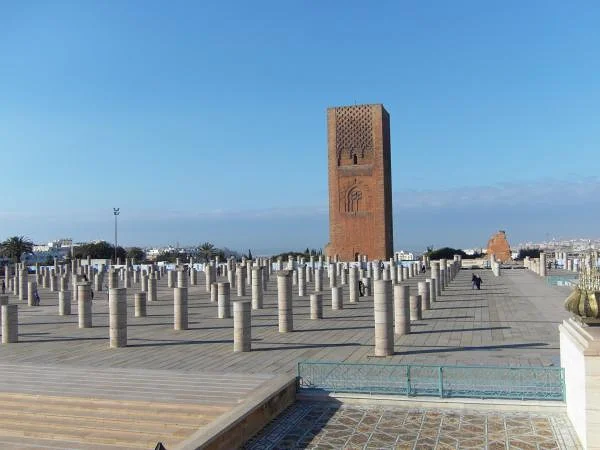
Head about a mile and a half from downtown to reach the Chellah Necropolis. Built over the ruins of an ancient Roman city, this atmospheric site holds layers of history. Stork nests sit atop the ruined tombs, and the grounds offer sweeping views over the Bouregreg River. It carries a remarkably peaceful and poetic energy, making it a favorite spot for a late afternoon walk as the light hits the stone.
Life at the local rhythm
Skip the overwhelming crowds found in Fez or Marrakech and head instead to the Rabat Souk. You will find a much calmer environment here for browsing. The finest leather goods are concentrated on Rue des Consuls. If you do not mind getting slightly turned around, dive deeper into the stalls to track down authentic pastillas (flaky pigeon or chicken pies with almonds and cinnamon), traditional tajine, or local sweets like chebakias (sesame and honey pastries scented with orange blossom and anise), briwates (crispy almond triangles), and other Maghrebi baked goods.
To decompress after the market noise, head to the Botanical Trial Gardens, established in 1914 during the French Protectorate. It is an ideal spot to put the local proverb into practice: those who hurry are already dead. If leafy paths and local flora are not your priority, you can check out the coast, though swimming here requires caution because the surf can run rough and debris occasionally washes ashore.
When to go
Rabat enjoys an oceanic climate where temperatures rarely top 86 degrees Fahrenheit, making it comfortable to visit nearly year-round. To minimize rain and maximize sunshine, plan your trip between May and October.
How to get there
No airline flies nonstop from North America to Rabat itself. Royal Air Maroc serves Casablanca direct from New York, Washington, Miami and Montreal, and a train runs from that airport to Rabat in about an hour and a half. If you are already in Europe, low-cost carriers fly straight into Rabat-Salé from a number of cities, with fares from $90 to $230* depending on the airline.
I visited an old center with a souk, then by crossing a boulevard, some old houses painted blue. Interesting, but you can see it all in 2 hours. To see other things, you have to take a taxi and travel quite a ways. That aspect disappointed me a little. I was expecting to find a larger old city in the Moroccan capital, with more things to see on foot.