
Visiting Casablanca, a blend of modern life and Moroccan tradition
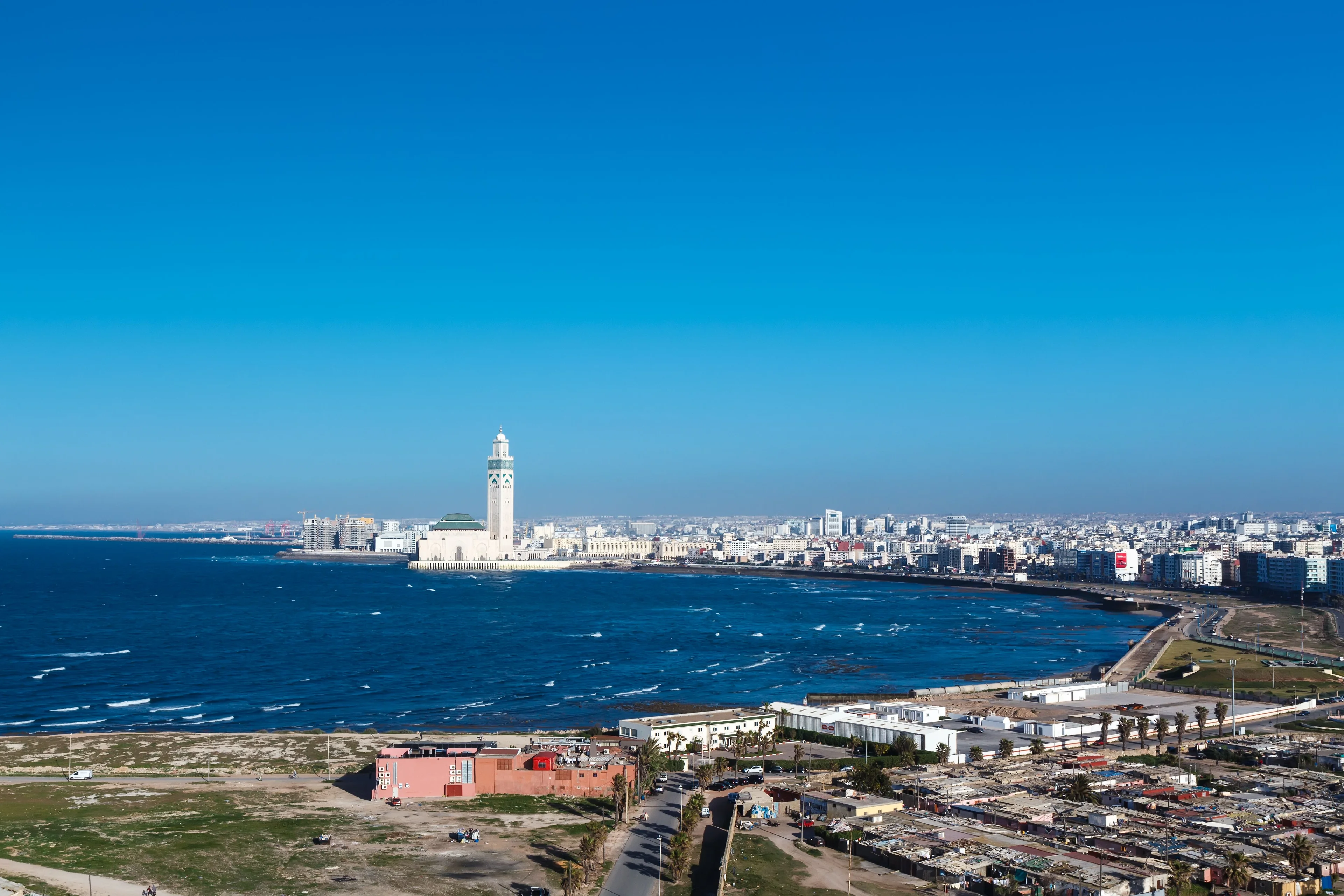
Casablanca, the largest city in Morocco, sits on the Atlantic coast as a study in contrasts. As the country's economic hub, it balances a deep-rooted cultural legacy with a fast-paced urban environment. Its architectural variety, historic footprint, and modern amenities offer a different perspective on the Moroccan experience for those looking beyond the usual tourist trail.
Whether you have a passion for history, an eye for art, or are simply looking for some coastal relaxation, Casablanca offers a multifaceted trip.
Hassan II Mosque, an architectural feat
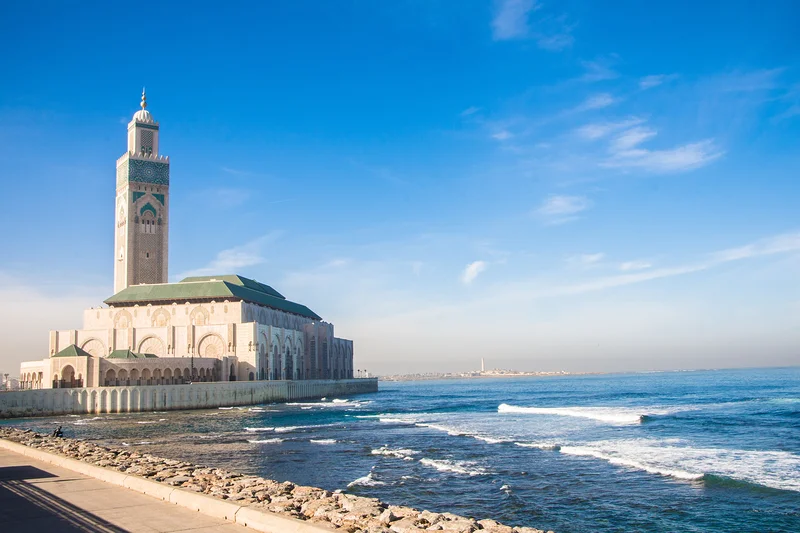
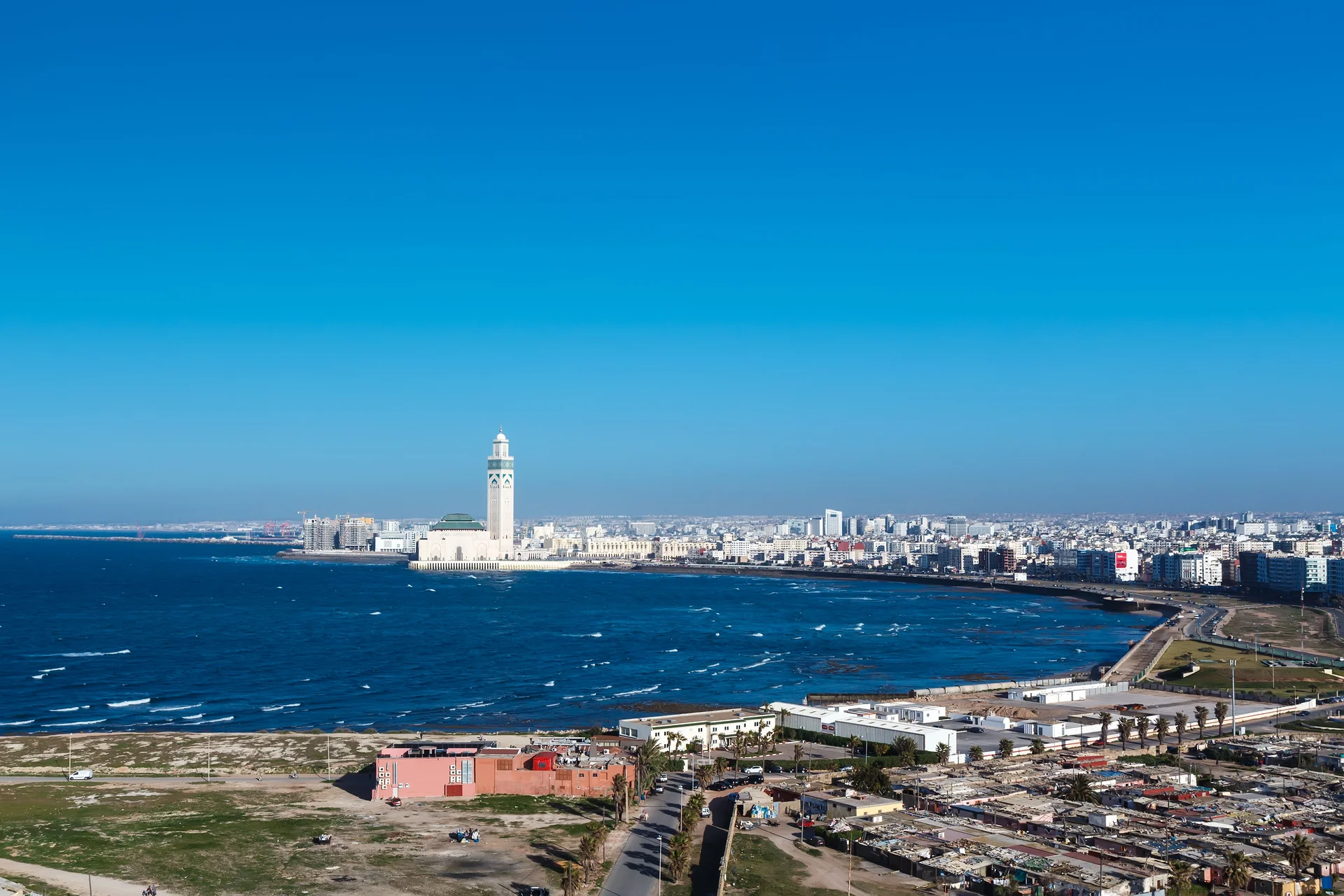
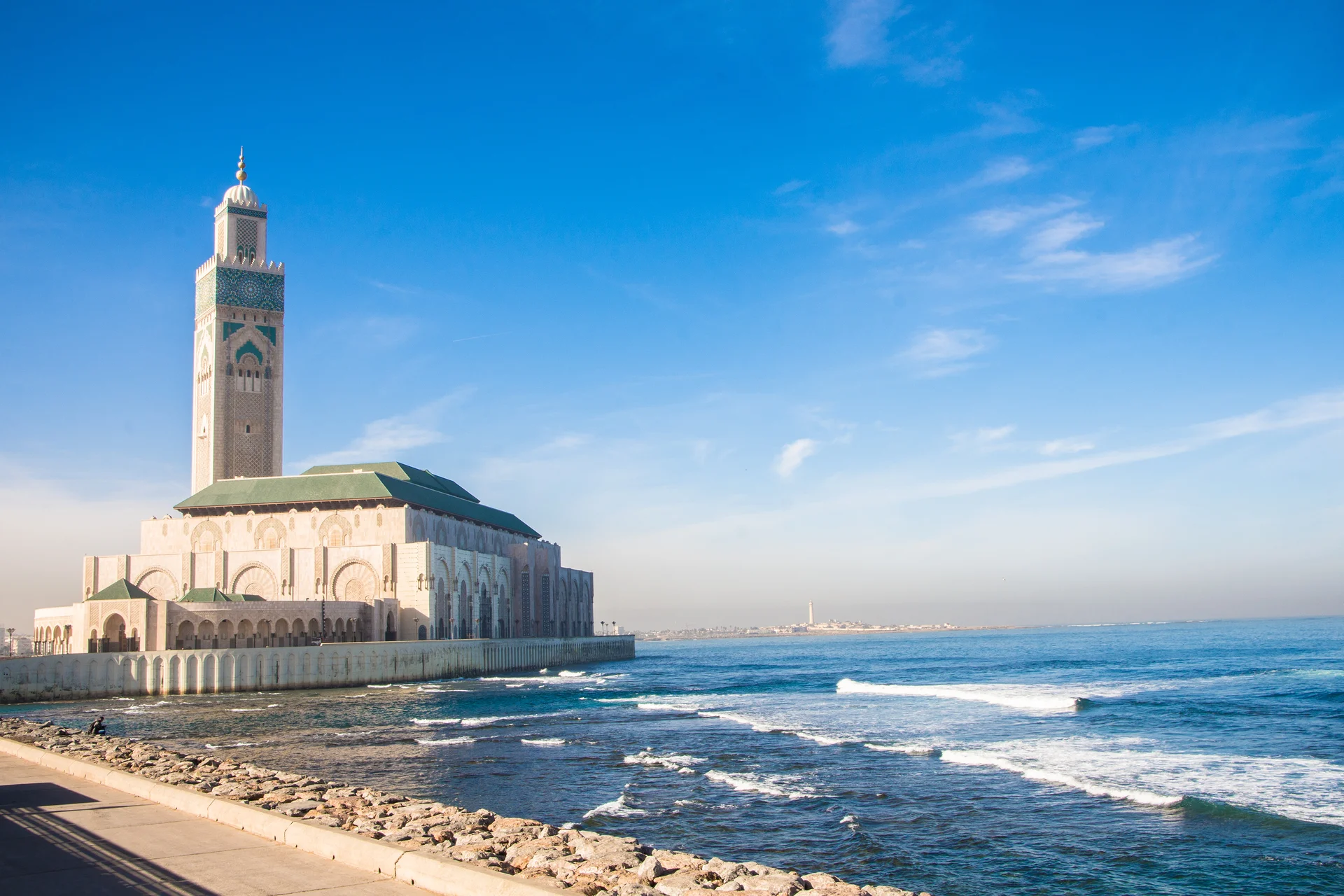
The mosquée Hassan II stands as the city's most recognizable landmark. It is among the largest mosques in the world, perched right on the edge of the Atlantic Ocean. The structure is anchored by a 210-meter minaret, the tallest in the world, and the interior is a masterclass in craftsmanship featuring marble, ceramic tilework, and hand-carved wood. Guided tours are available for non-Muslims, providing an up-close look at contemporary Islamic architecture and expansive ocean views.
The Casablanca Medina, a step back in time
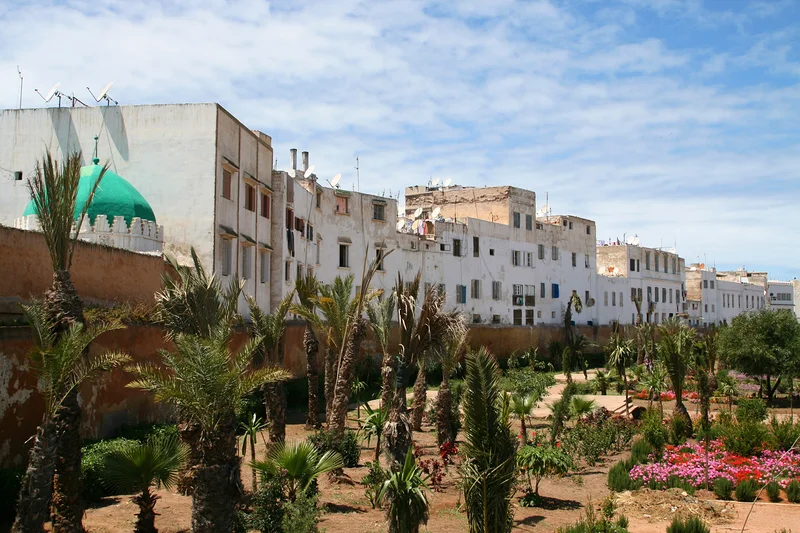
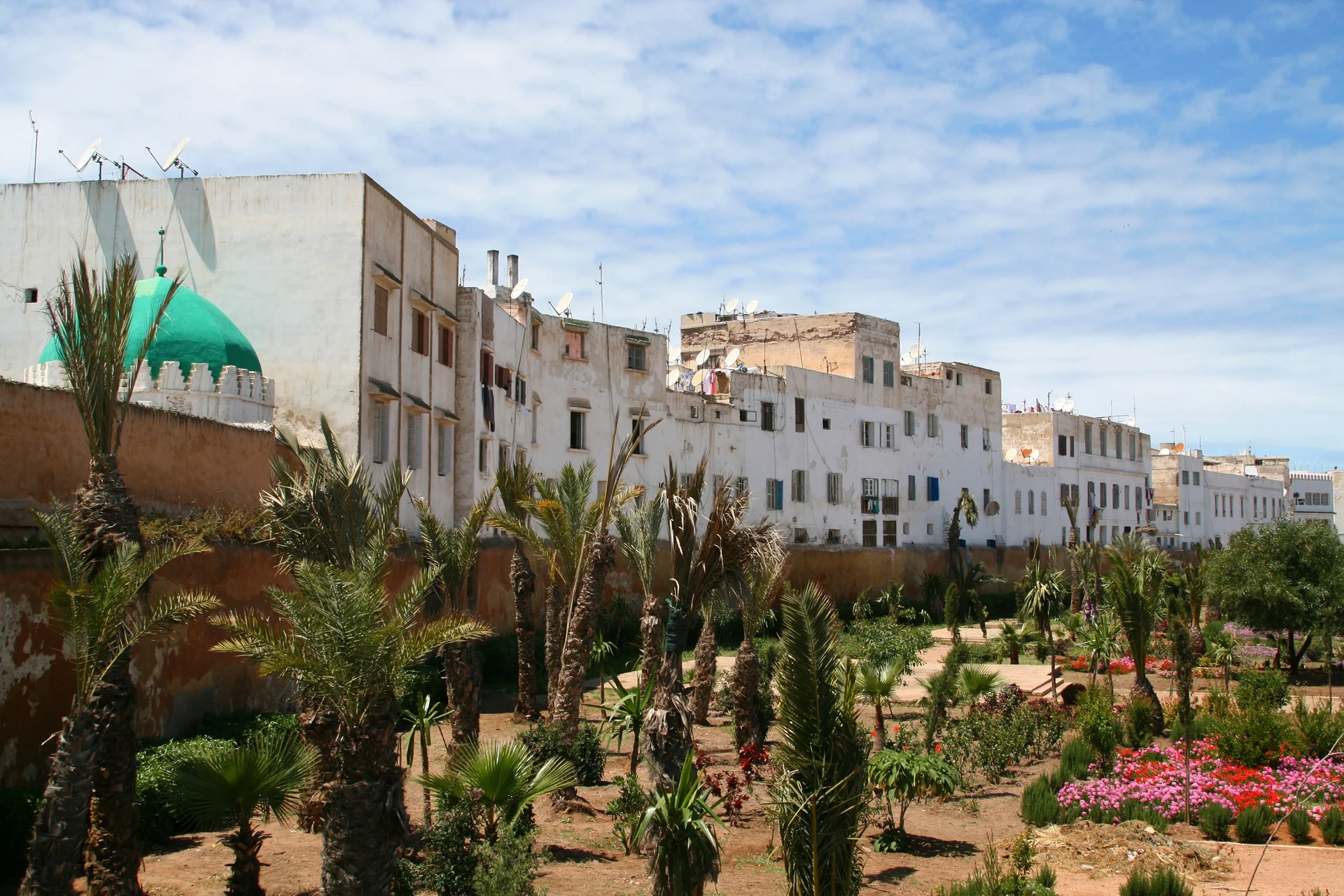
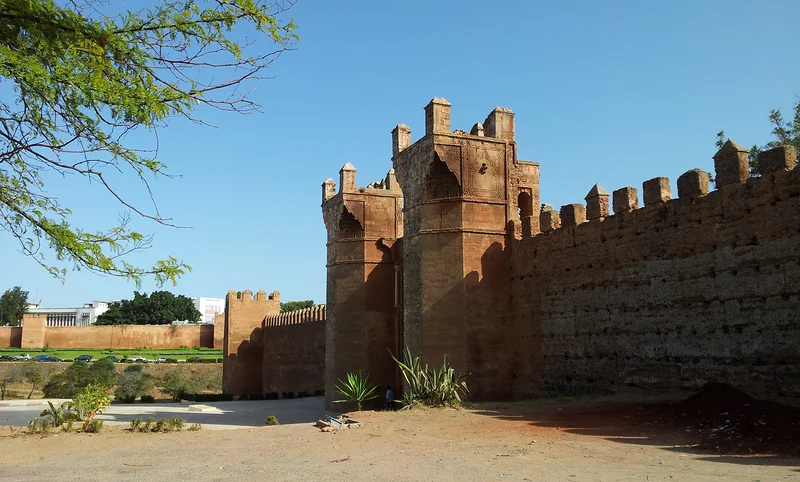
While it lacks the sheer scale of the medinas in Fès or Marrakech, the medina in Casablanca is the place to get a feel for traditional Moroccan life. Its narrow alleyways are packed with craft shops, souvenir stalls, and small local eateries. It is a prime spot to wander, sample local street food, and observe traditional artisans at work. History buffs should make a point to see the anciennes fortifications.
The Art Deco district, a colonial legacy
Casablanca is defined by a distinct Art Deco aesthetic, a remnant of the période coloniale française. The district is home to numerous buildings with elegant facades, such as the cinéma Rialto and the hôtel Lincoln. A walk along the boulevard Mohammed V reveals these historic structures, which serve as a time capsule from an era when the city was modernizing through a refined European lens.
The Aïn Diab corniche, a coastal escape
The corniche d'Aïn Diab is the city's waterfront, a favorite hangout for locals and travelers alike for its beach access, restaurants, and cafes. It is the go-to spot for cooling off in the ocean or taking a long walk by the water. Once the sun goes down, the area shifts gears with a lively bar and club scene. If you find yourself nearby, the Morocco Mall is a massive complex that features a giant aquarium and even an indoor ice rink.
When to go
The best time to visit Casablanca is during the shoulder seasons, specifically from March to May or September to November. The weather is temperate during these months, helping you avoid the intense heat of the summer and the largest crowds, making it much easier to walk the city comfortably.
How to get there
The aéroport international Mohamed V is located about 30 km from the center of Casablanca and is easily reached by taxi or train. There are daily flights connecting the airport to major cities in Europe, with flight times typically ranging from 2.5 to 3 hours.
I didn't particularly enjoy Casablanca. It is a very big city, much more modern than Marrakech, so it feels less like an escape for a tourist. Depending on the neighborhood, the atmosphere is very different. In the upscale areas, I think it is pleasant for expats, especially for women who feel more free. Otherwise, aside from the magnificent and huge Hassan II Mosque by the sea, which is accessible to non-Muslims, there is not much of interest.