Visiting Morocco: Where Africa, Europe, and the Arab World Collide
Morocco sits just nine miles from the southern tip of Spain, yet it feels like a completely different planet. The gap between Marrakech's packed medina and the dead silence of the Sahara is one of the most dramatic contrasts you'll find anywhere on earth, and you can experience both in the same week.
Cities With Real Character
Marrakech: The One Everyone Talks About
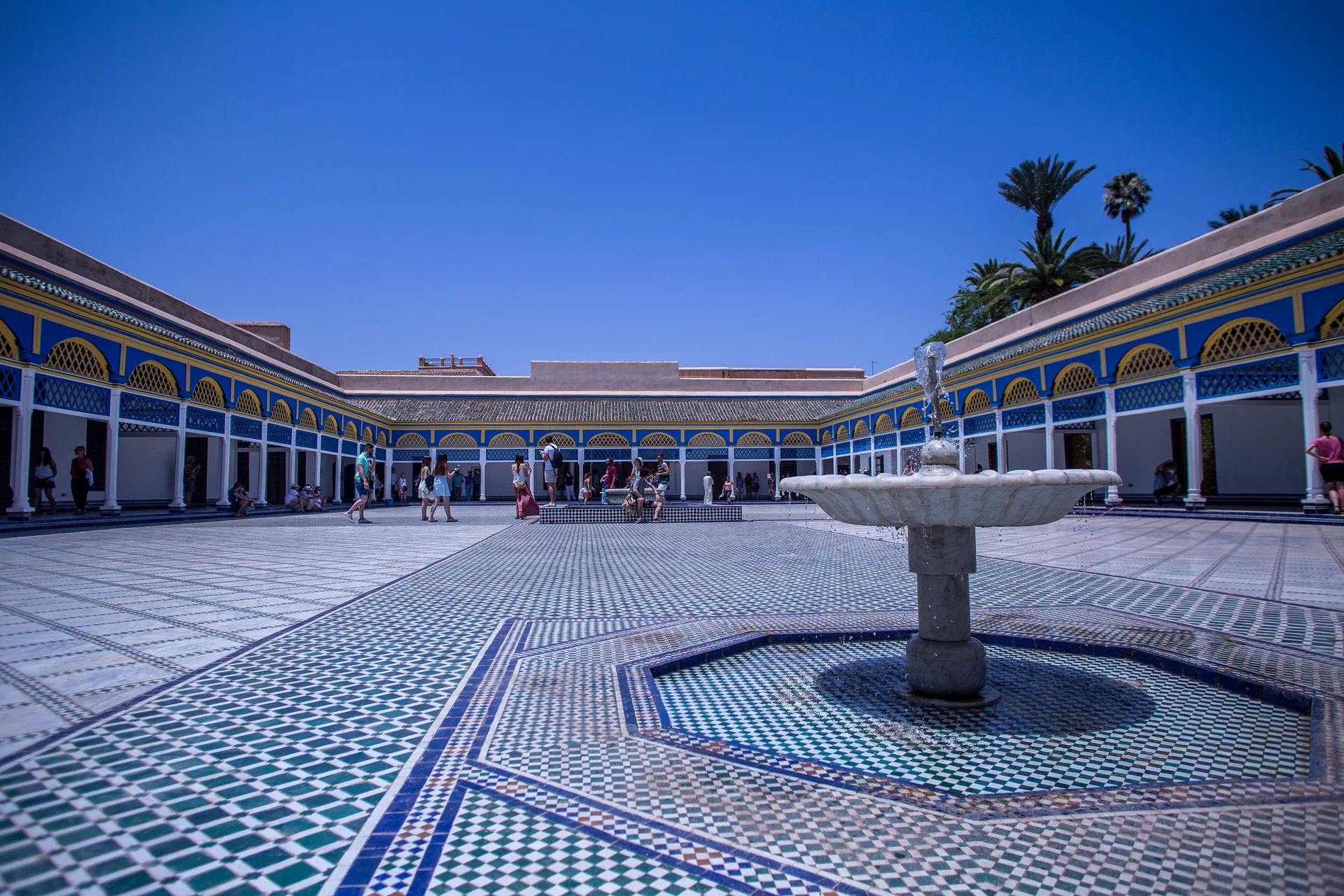
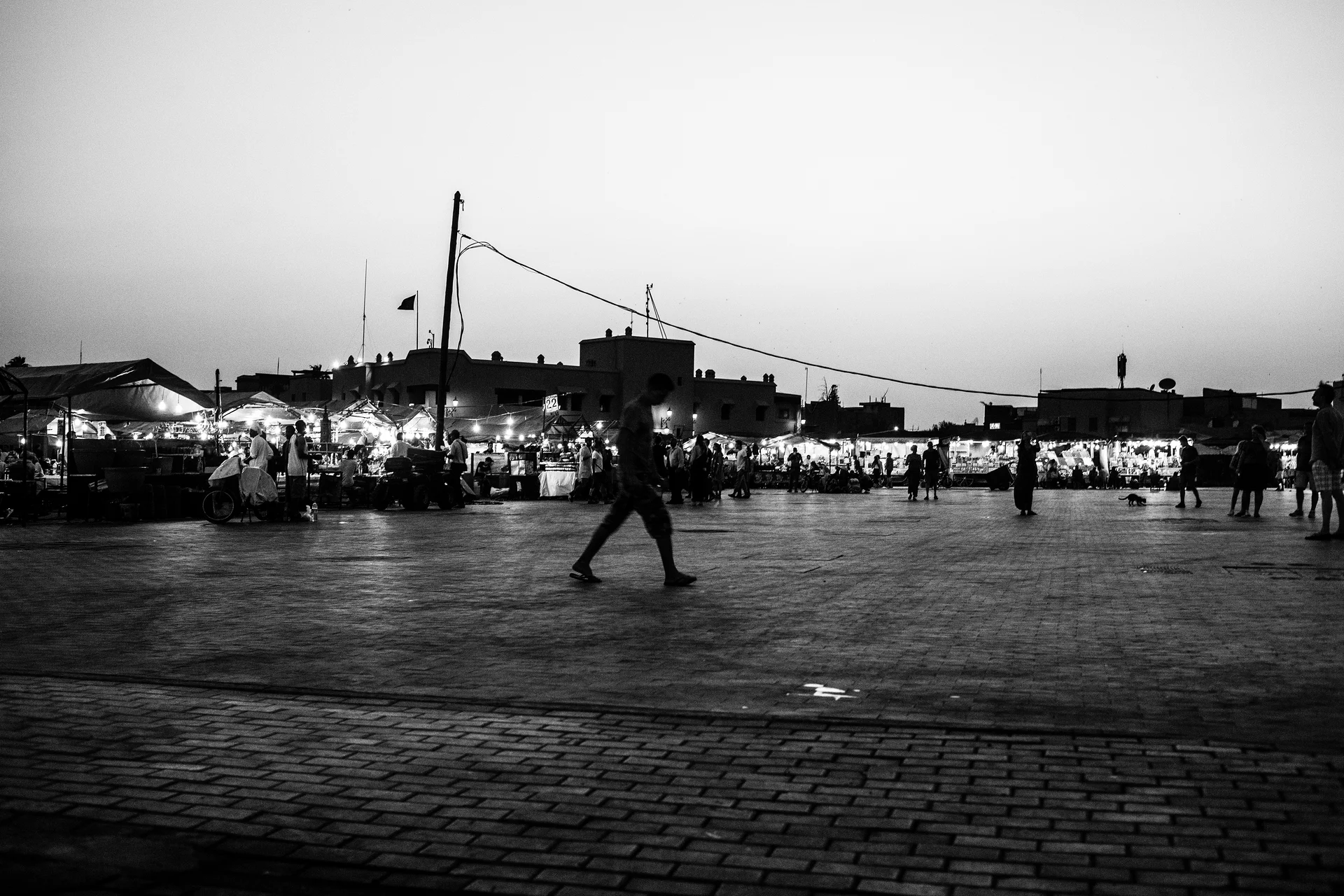
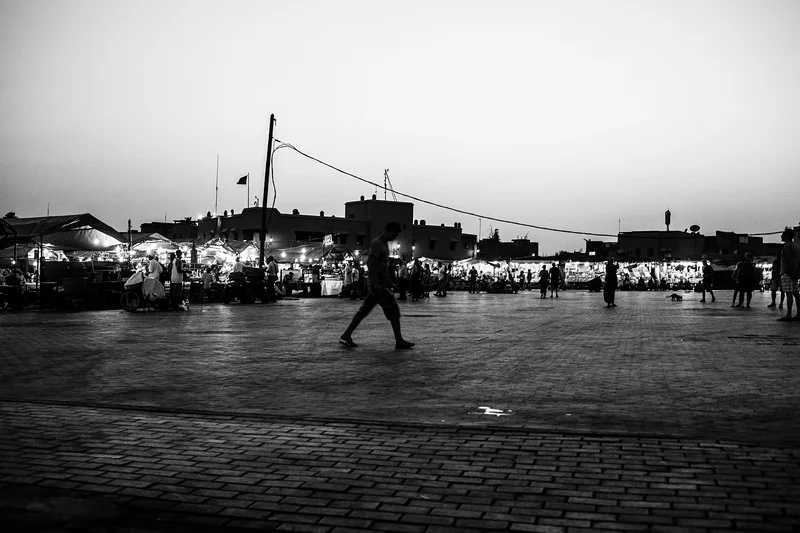
Marrakech earns its reputation. Start at Jemaa el-Fna square, where snake charmers, food stalls, and street musicians compete for your attention from morning until well past midnight. From there, lose yourself in the souks and the old medina, a UNESCO-listed maze of alleyways where every turn reveals something unexpected. Make time for the Majorelle Garden, a cobalt-blue botanical garden that was later owned by Yves Saint Laurent, and the Ben Youssef Madrasa, the largest Quranic school in Morocco, with some of the most intricate tilework you'll see anywhere.
Casablanca, Fes, and Meknes: Three Takes on the Same Country
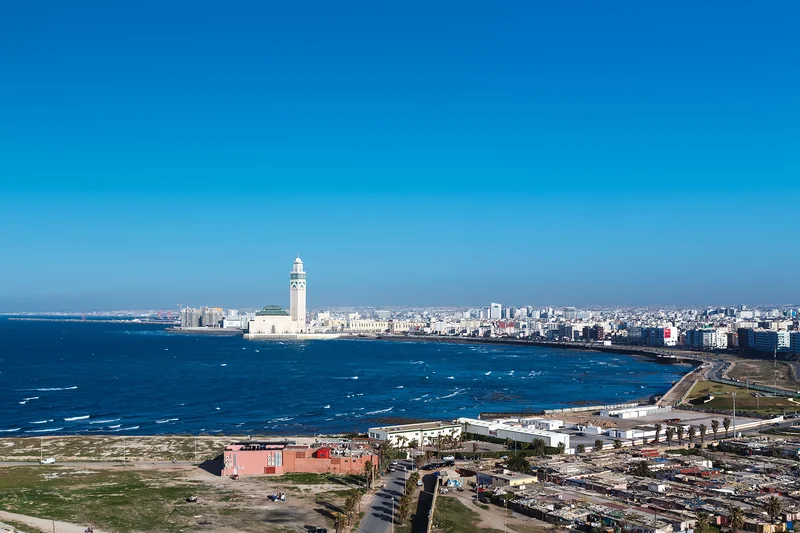
Casablanca is Morocco's economic engine, a coastal city on the Atlantic with a mix of Moorish and Art Deco architecture that surprises most first-time visitors. The Hassan II Mosque is the main draw, one of the largest mosques in the world, with its minaret visible from miles offshore. The city has the most active restaurant and nightlife scene in the country.
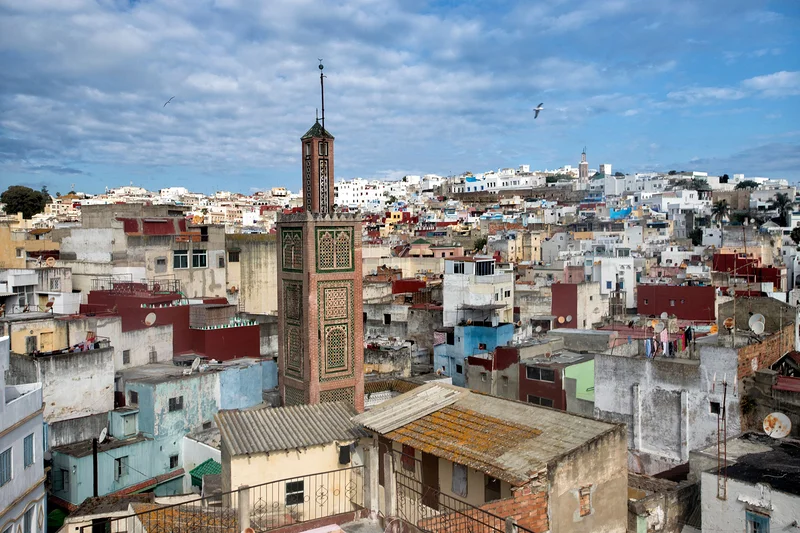
Fes is worth the trip almost entirely for its medina, which is genuinely labyrinthine in a way that even Marrakech isn't. Don't stress about getting turned around. That's part of it. Every June, the city hosts a major world sacred music festival that draws performers from across the globe.
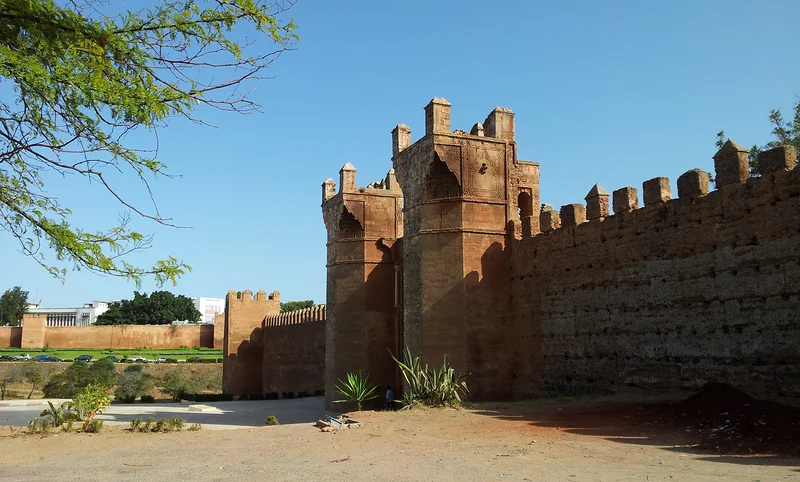
Meknes is often skipped, which is a mistake. This imperial city has massive monumental gates and a slower pace that makes it a good counterpoint to the more tourist-heavy stops.
The Sahara: Bigger and Quieter Than You Expect
The Sahara is the largest hot desert on earth, and Morocco gives you access to some of its most accessible and photogenic stretches.
The Dunes
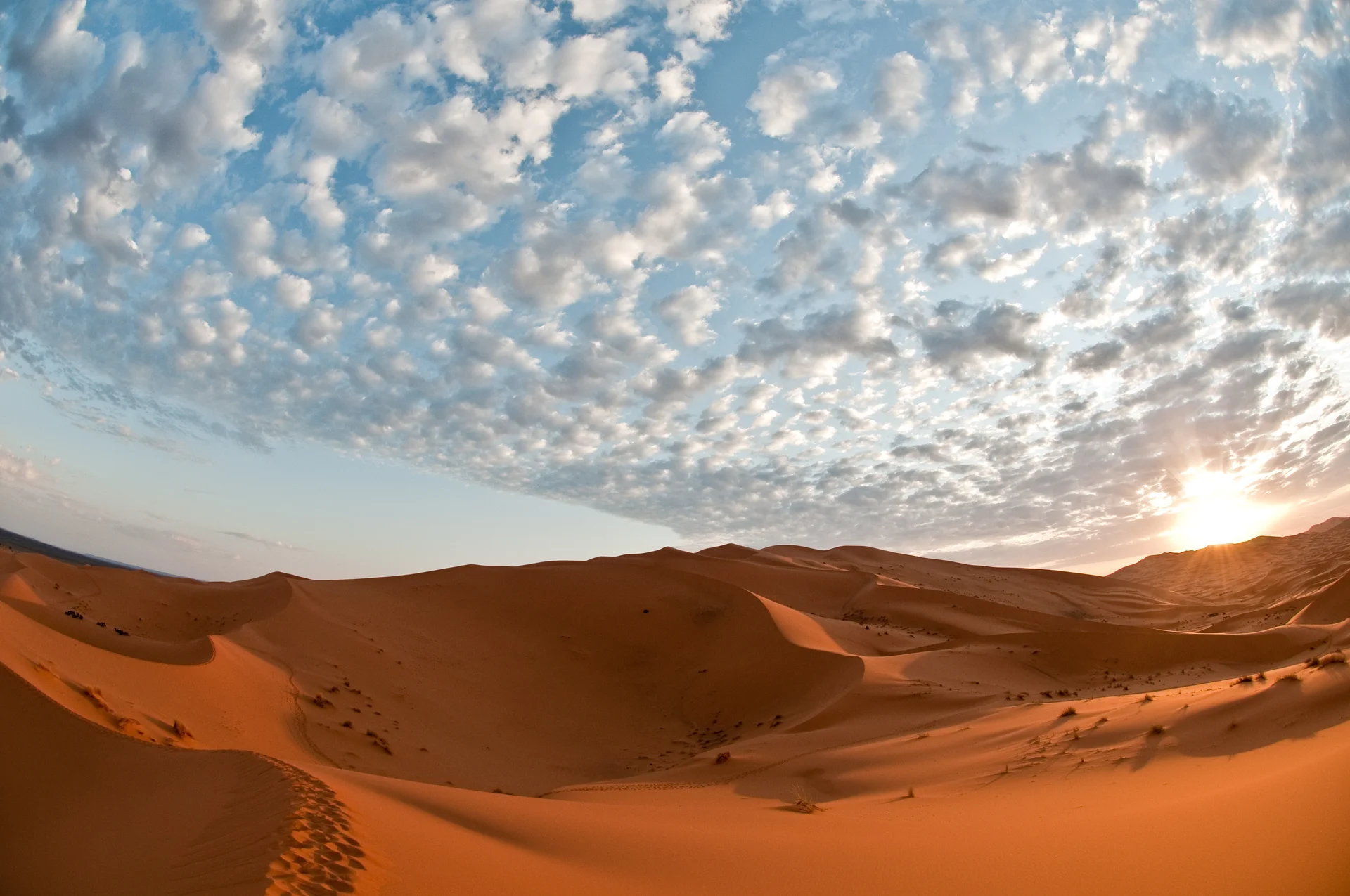
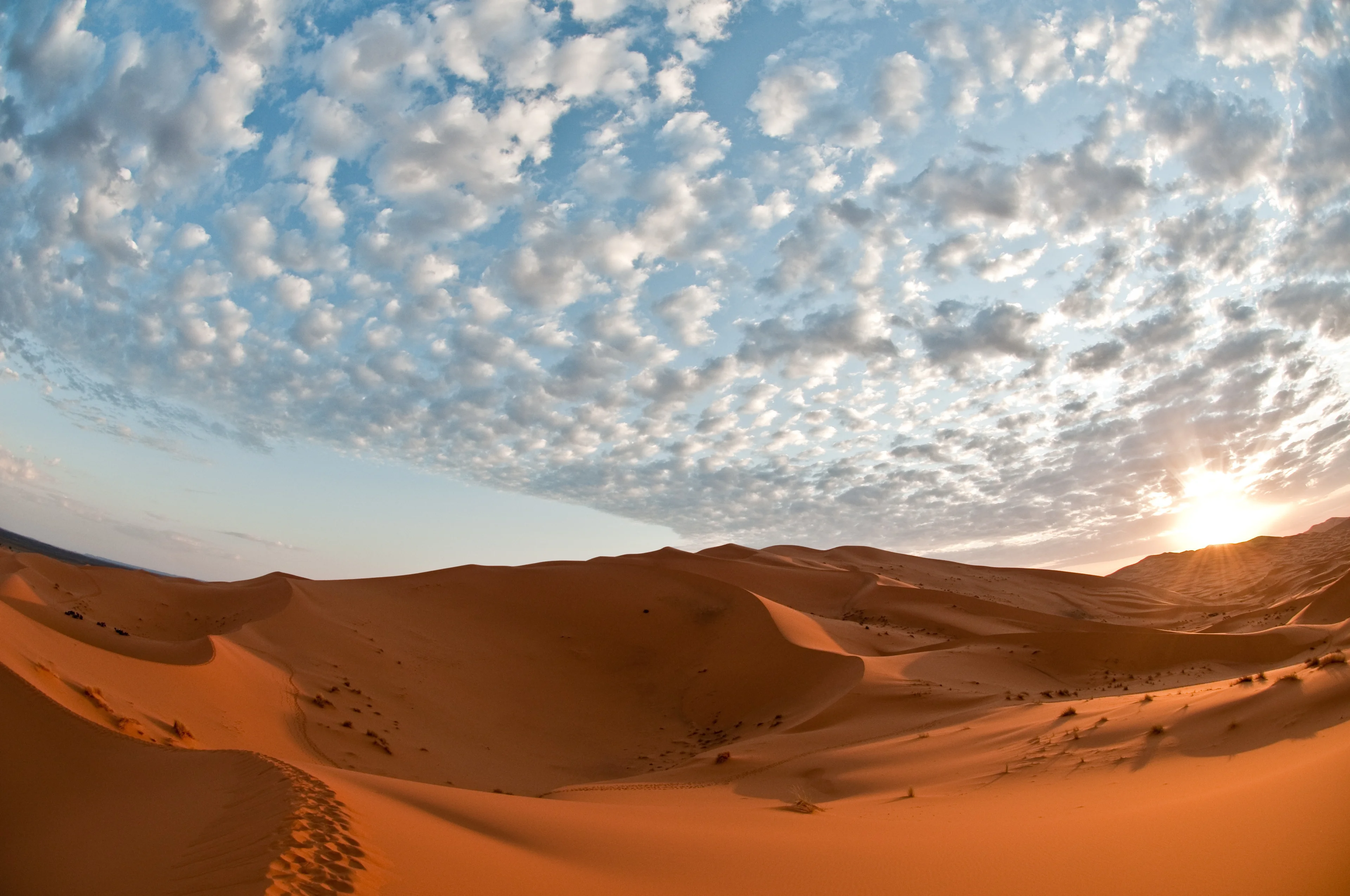
A camel ride through the dunes of Erg Chebbi at sunset is the kind of thing that actually lives up to the photos. The sand turns deep orange and pink as the light drops. Head to the dunes of Erg Chigaga after dark for stargazing. Light pollution is essentially nonexistent out here, and the sky on a clear night is genuinely something else.
The Draa Valley
The Draa Valley, which runs between Marrakech and the Malian border, is one of the more underrated routes in the country. Along the way you'll pass mud-brick fortresses at Timidarte, Zagora, and Agdz. Spend a night in a casbah, a traditional fortified guesthouse that once served as a caravan stop along the trans-Saharan trade routes. Many have been converted into small inns.
The Atlas Mountains: Green, Cold, and Nothing Like the Desert
The center of Morocco looks nothing like the south. The Atlas range rises sharply, bringing green valleys, rainy autumns, and snow-capped peaks in winter. Think of it as Morocco's version of the Rockies, minus the ski resorts.
Hikers can explore the High Atlas and pass through Berber villages that have changed little in centuries. Serious trekkers can attempt Mount Toubkal, which tops out at 13,671 feet (4,167 meters) and is the highest peak in North Africa. After the climb, the local tradition of mint tea or wild wormwood tea, served scalding hot, is exactly what you'll want.
Beaches, Surf, and Atlantic Coast
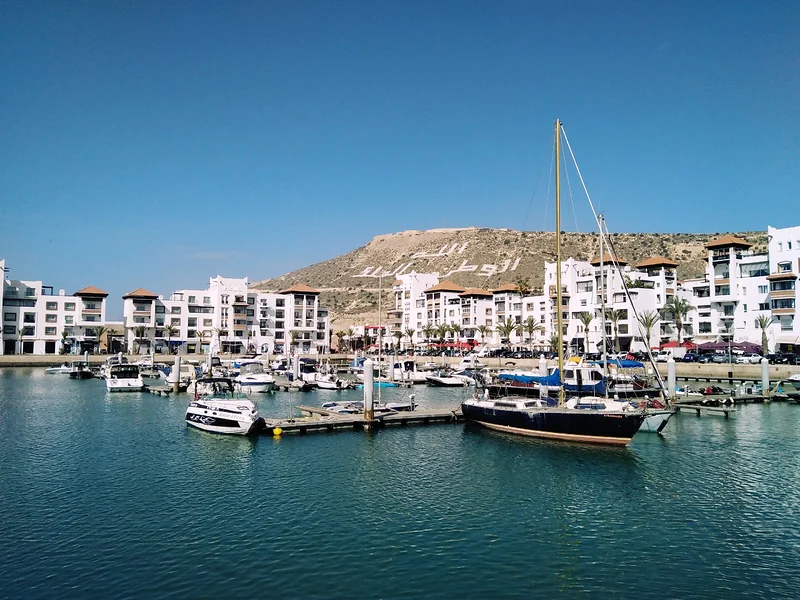
Morocco has a long Atlantic coastline, and it delivers. Agadir has wide sandy beaches and a well-developed resort infrastructure. Essaouira is the laid-back alternative, a whitewashed walled city with a strong wind that makes it better for walking and eating than swimming.
For surfers, Taghazout, Dakhla, and Sidi Kaouki are the top spots in the country. The breaks range from mellow beach breaks good for beginners to more serious point breaks for experienced surfers.
The Food: Spiced, Slow-Cooked, and Worth the Calories
Moroccan cooking pulls from Berber, Arab, and Mediterranean traditions, and the results are some of the most layered flavors you'll find on the continent. Couscous is traditionally served on Fridays, and tagine, the slow-cooked stew of meat, vegetables, and dried fruit, is on every menu for good reason. Save room for almond and honey pastries, including gazelle horns (crescent-shaped cookies filled with almond paste), which pair perfectly with a glass of hot mint tea.
When to Go
The best windows are spring (April to May) and fall (September to October). Summer heat is brutal, particularly in the interior and the south. Winter is pleasant in Marrakech but nights in the desert can drop below freezing, so pack accordingly.
Getting There
Morocco has several international airports. Casablanca Mohammed V is the main hub, with the most direct flight options from the US. Marrakech Menara and Fes also handle international traffic. From the East Coast, expect a flight time of roughly 7 to 8 hours with a connection in Europe. Round-trip fares from major US cities typically run 700 to 1,100 MAD equivalent in taxes and fees on top of the base fare, with total tickets often landing between $600 and $1,000 depending on the season and carrier.
Getting Around
Morocco has a solid train and bus network connecting Casablanca, Marrakech, Fes, and other major cities. Grand taxis (shared long-distance taxis) fill the gaps between towns where trains don't run. Petit taxis handle city trips and are cheap, typically 15 to 30 MAD (about $1.50 to $3) for a ride within a city center. For the Sahara, the Atlas, or anywhere off the main corridors, renting a car is the practical choice and gives you the freedom to stop when something catches your eye.