Ouarzazate, the Desert Gateway That Won Over Hollywood
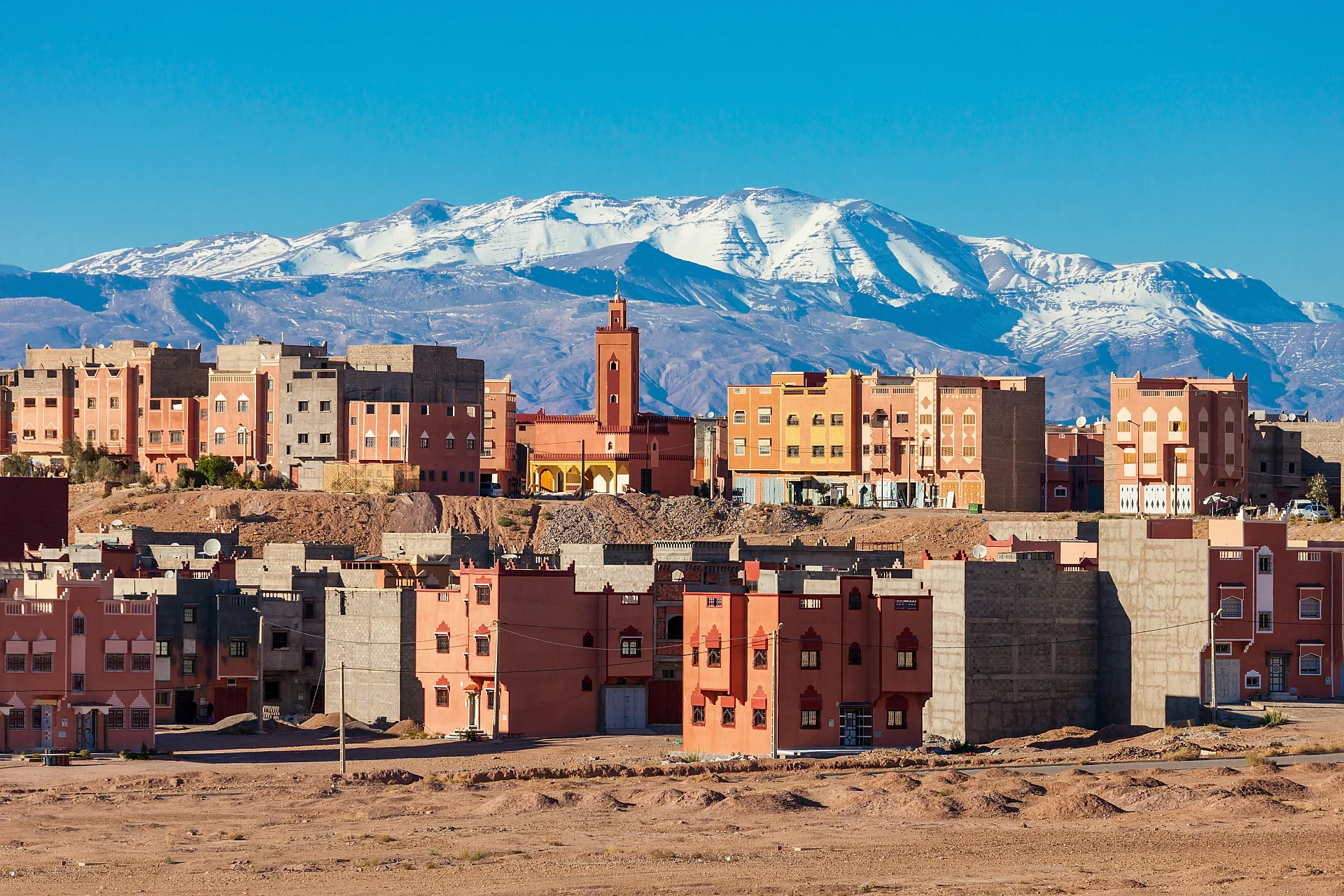
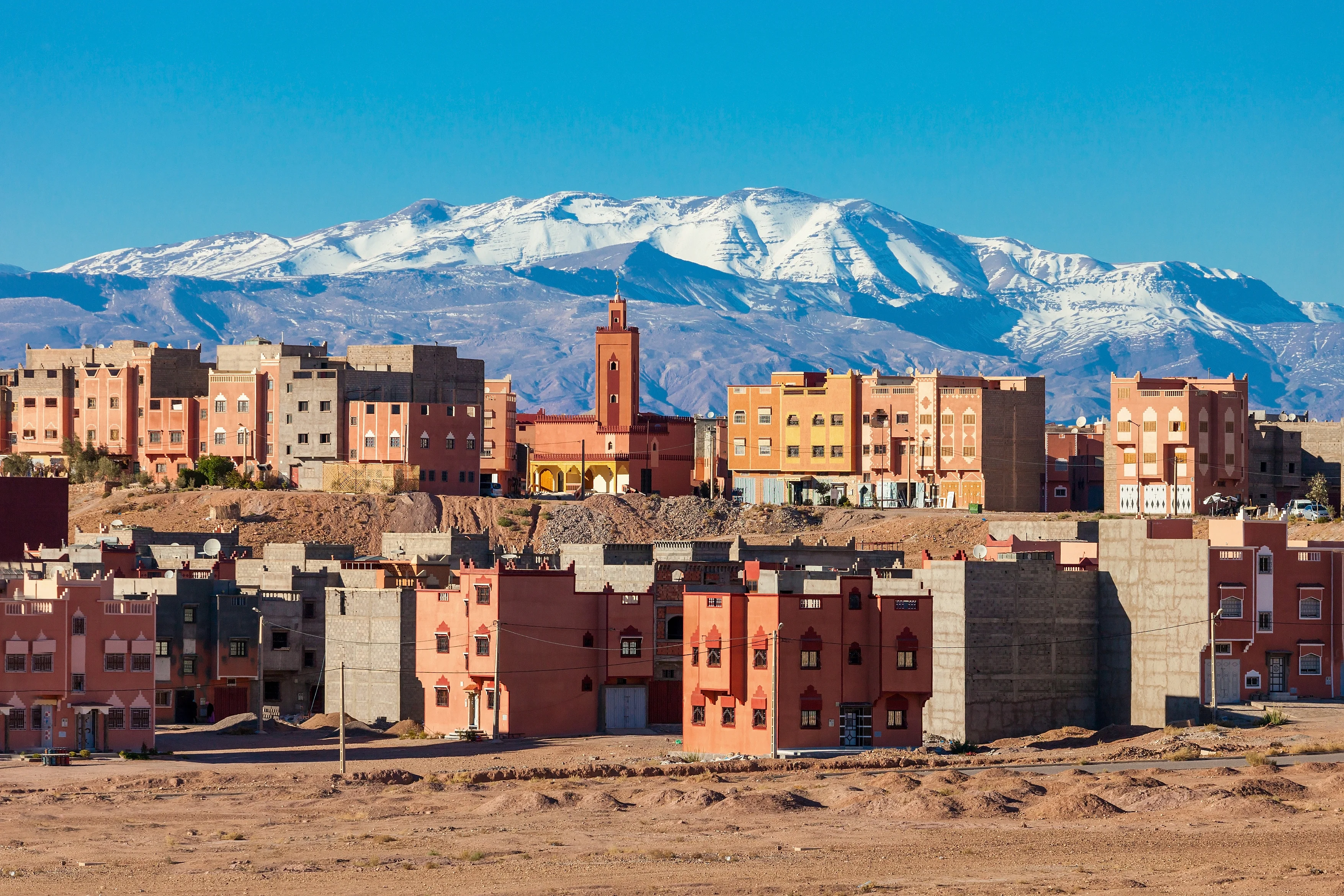
The wind kicks up ocher dust along Avenue Mohammed V. Somewhere behind a bare hill, an Egyptian pyramid sits right next to a papier-mâché Tibetan temple. Welcome to the city where Lawrence of Arabia, Gladiator, and Game of Thrones set up their backlots. Ouarzazate feels like nowhere else in Morocco, fueled as much by the film industry as by the desert wrapping around it.
Is This Destination Right For You?
If you dream of sand dunes, ocher kasbahs, and a preview of the Sahara, Ouarzazate checks every box. It is also a playground for movie buffs who want to walk the sets where dozens of blockbusters were filmed.
On the flip side, if you are after a classic Moroccan city with a buzzing medina and chaotic souks, look elsewhere. Ouarzazate functions primarily as a stopover hub, feeling practical yet slightly cold at its core, built for tourism and filmmaking rather than casual wandering.
Great for:
- Film fans and studio tours
- Travelers heading out toward the desert of Merzouga or Zagora
- Fans of rammed earth architecture (kasbahs, ksour)
- Photographers chasing sahara light
Not ideal for:
- Anyone wanting a living, authentic medina
- Extended stays without a desert excursion
- Nightlife seekers
An Accessible Budget Compared to Marrakech or Fes
| Expense | Range |
|---|---|
| Simple hotel night | $17 to $29* |
| Night in a riad or comfortable hotel | $45 to $90* |
| Quick bite (tagine, sandwich) | $3.40 to $6.80* |
| Sit-down restaurant meal | $9 to $17* |
| Transport and activities per day | $12 to $34* |
| Backpacker daily total | $34 to $51* |
| Comfort daily total | $79 to $146* |
Estimated rates subject to change
Practical Realities: What to Know Before You Go
Ouarzazate relies heavily on tourism and cinema, and it shows. Hotels, tour agencies, and 4x4 rentals are everywhere, and pushy touts can linger near major sites. Desert weather means brutal summers topping 104°F in July and August, while winter brings chilly nights, especially the farther out you get toward the dunes.
The city remains safe and calm overall, lacking the high-octane chaos of the major imperial medinas. French is widely understood, especially in the tourism sector. Solo female travelers will not face any hurdles here that do not apply elsewhere in Morocco, provided you stick to standard travel smarts.
Kasbah Taourirt, the Historic Soul of the City
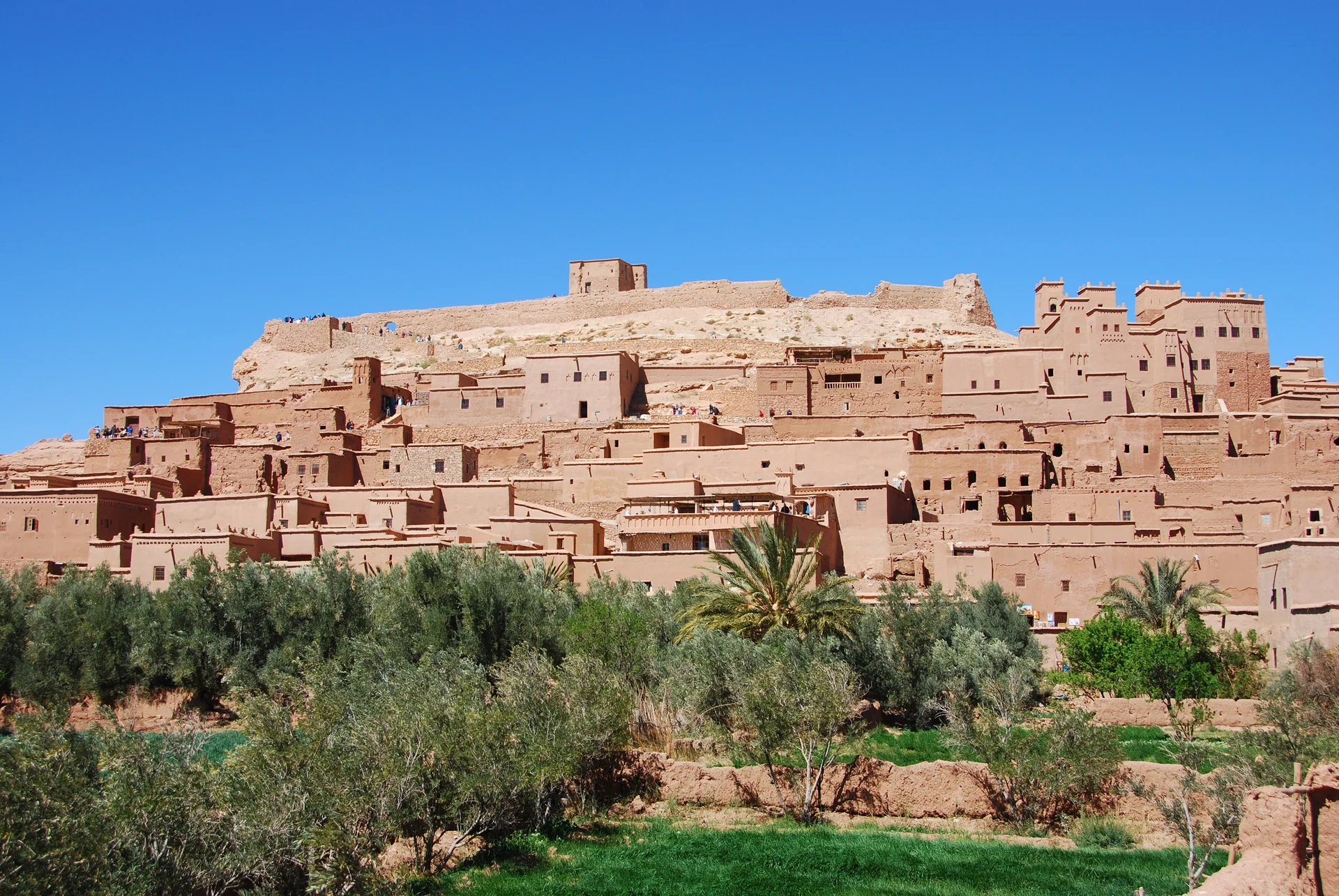
Once home to the Glaoui, a powerful Berber family that controlled the old caravan trade routes, Kasbah Taourirt stands out with its sculpted mud-brick walls and labyrinthine alleys. Part of the site has been restored, while the rest remains in a raw, weathered state that tells a heavier historical story.
Friendly tip: Show up in the late afternoon when the low sun casts a golden glow over the ocher walls and the tour buses have cleared out.
Movie Studios, Between the Atlas and Hollywood
Ouarzazate hosts several production studios, including the famous Atlas Studios, where abandoned film sets dating back to the 1980s still sit out in the open. Walking through them puts you right between a half-collapsed Egyptian sphinx and fake temple facades in a surreal setting.
Nearby, the UNESCO-listed site of Ait Ben Haddou easily demands a half-day on its own. This fortified earthen ksar has starred in countless productions and remains the most photogenic landmark in the region.
Noor Solar Power Station, Symbol of a Reinvented Morocco
Just outside town, the Noor solar power plant covers hectares of desert with its curved mirrors. It is one of the largest concentrated solar power installations on the planet, creating a futuristic contrast with the centuries-old kasbahs surrounding it.
Toward the Gates of the Sahara
Ouarzazate acts primarily as a base camp for exploring the desert. The Drâa Valley, its palm groves, and crumbling ksour stretch southward, while the road to Merzouga cuts through dramatic mineral terrain before reaching the dunes of Erg Chebbi.
Where to Eat and Drink in Ouarzazate?
Local menus lean on reliable Moroccan classics: kefta tagine with eggs, Friday couscous, and pastilla show up across downtown spots. The local eateries near Avenue Mohammed V serve up simple, hearty portions on a budget.
For mint tea with a view of the hills, head to the terraces on the outskirts of town. They offer a much quieter escape than the noisy downtown center.
Where to Stay in Ouarzazate and Around?
Downtown packs in most of the budget and mid-range hotels, which work well for a quick overnight stop. For a more atmospheric stay, several converted kasbahs on the edge of town and near Ait Ben Haddou offer rooms overlooking the Atlas Mountains at reasonable rates.
How to Get to Ouarzazate?
Ouarzazate Airport (code OZZ) handles direct flights from select European cities during peak tourist seasons. From North America, plan on a connection in Europe or Casablanca. By road, expect about a 4-hour drive from Marrakech over the Tichka Pass, a winding and dramatic route through the High Atlas.
How to Get Around Ouarzazate?
Downtown is easy to cover on foot since the main points of interest sit relatively close together. To reach Kasbah Taourirt, the film studios, or Ait Ben Haddou, taxis and organized tours are your best bet because public transit options are minimal.
Car rental remains the most practical choice for exploring the region at your own pace, especially if you want to knock out multiple sights in a single day without waiting on a driver.
When to Go to Ouarzazate?
Spring (March to May) and autumn (September to November) bring the most comfortable temperatures, perfect for outdoor sightseeing and desert trips. Summer heat makes daytime touring exhausting, while winter nights drop quickly into cold temperatures.