Moulins à Vents

Things to do in the Netherlands: 19 must-see attractions in 2026

Discover our members' favorite destinations in the Netherlands, plus reviews, practical info, and traveler photos...

Our members' favourite places in the Netherlands

Ranked on recommendations from travellers who went there

#1 Amsterdam +168 recs

In Amsterdam, bicycles and houseboats set the daily pace along UNESCO-listed canals. Between the masterpieces at the Rijksmuseum, the bohemian alleys of the Jordaan, and the old-school atmosphere of local brown cafes, the Dutch capital maintains an easygoing urban rhythm. It is a city of colorful tulips and a distinct sense of independence that makes it easy to lose track of time.

#2 Maastricht +22 recs

Most travelers heading to the Netherlands make straight for Amsterdam, but skipping the capital opens up plenty of rewarding alternatives. Maastricht holds genuine appeal and makes an ideal destination for a long weekend.

A City Known for Its Famous Treaty

Tucked into the far south of the country, Maastricht is one of the oldest and most significant cities in the Netherlands. It is best known worldwide as the birthplace of the Treaty of Maastricht, making it the official birthplace of the European Union. Many Europeans know the city entirely because of that historic agreement, but Maastricht is much more than a political landmark or open-air museum. It is a lively, high-energy university town, with the University of Maastricht bringing in students from all over Europe.

A Place to Slow Down and Enjoy Life

Several neighborhoods in Maastricht deserve a spot on your itinerary. The university district is packed with bars, restaurants, bookstores, and local shops. Sidewalk cafés, a laid-back local atmosphere, and a large green park draw plenty of students who end up staying long-term. From there, you can easily walk over to the historic old town and its centuries-old architecture.

The Vrijthof square serves as the social heart of Maastricht, anchored by the striking twin bell towers of the Basilica of Saint Servatius and Church of Saint John. Pedestrianized shopping streets radiate outward, lined with walkers stopping to try a slice of vlaai, the local Limburg fruit tart. Food lovers should also keep some spare change handy for the city's famous FEBO snack bars, where you can grab a hot, breaded beef kroket straight from an automated vending wall.

Parks, Woodlands, and Scenic Walks

Maastricht invites exploration on foot, and its extensive network of bike lanes makes cycling just as appealing. Head out to the Maastricht woods or take a reflective trip to the American Cemetery in nearby Margraten. Closer to the center, the leafy Waldeckpark offers an easy green escape. Inside the park, the sculpture The Girl and the Giraffe by Michel Huisman highlights the plight of endangered wildlife. Finally, the ramparts walk delivers a quiet stretch of green space where locals love to stroll and picnic on weekends.

When to Go

Maastricht works as a year-round destination, but the warm months from May to September bring the best weather for exploring the parks and historic alleys on foot.

Getting There

Reaching Maastricht from major US hubs usually means flying into Amsterdam Schiphol or a nearby European hub, then catching a connecting train. If you are traveling up from northern France or neighboring regions by car, expect a drive of around 4 hours from Paris.

Another option is flying or taking the train into Amsterdam and continuing south by rail to Maastricht. The final train leg takes about 2 hours and 30 minutes, with tickets running between $23 and $34*.

#3 Haarlem +9 recs

Haarlem is a city in the northern Netherlands and the capital of North Holland, positioned between Amsterdam and the North Sea beach resorts of Zandvoort or Bloemendaal. During the 17th century, it ranked among the most influential cities of the Dutch Golden Age. Following a period of religious persecution, invasion, and a Spanish siege in 1573, Haarlem proved its resilience and eventually became a haven for immigrants of all backgrounds. Today, the city is defined by its floral heritage, its thousand-plus landmark buildings lining the Spaarne river that flows through the center, and a collection of shops and cafes that make it an easy place to spend time.

Haarlem's Golden Age

Founded in the 9th century, Haarlem grew quickly. It gained its status as a free city about 750 years ago. Carried by the boom of the Dutch Golden Age, Haarlem saw massive economic and cultural expansion, fueled by the textile and shipbuilding industries, local breweries, and the trade of flowers like tulips, hyacinths, and narcissi.

After the devastating fire of 1576, the city was extensively rebuilt and redesigned during the 17th century in a classic Renaissance style under the direction of architect Lieven de Key. He designed several of the city's iconic monuments, including the meat market or Vleeshal, which has since been converted into an exhibition space.

A lively city steps from Amsterdam

Stroll through the Grote Markt, which serves as the city's historic center and is home to Saint Bavo Church, converted to Protestantism in 1578 following the city's siege. One of the most recognizable views in Haarlem is the Molen de Adriaan windmill, which overlooks the river.

Haarlem has a deep cultural footprint, having long hosted impressionist painters who were drawn to the portrait galleries of artist Frans Hals, whose major works are now housed in a museum dedicated to his name. Haarlem also contains the oldest museum in the Netherlands, the Teylers Museum, built in 1778 in the spirit of the Enlightenment and focused on the advancement of science and the arts. Its collection even includes works by Rembrandt and Michelangelo.

Haarlem is a regional shopping destination filled with boutiques and antique stores. Don't miss the Gouden Straatjes (Golden Streets) for a bit of window-shopping.

When to go

Haarlem is at its best during the warmer months, from May through September, or during the flower season starting in mid-March. As a major hub for flower cultivation and trade, the city is a primary stop on the Bloemen Route (Flower Route).

How to get there

Haarlem is an easy 15-minute train ride from Amsterdam. Once in Haarlem, you can hop on a bus to reach the sandy beaches of Bloemendaal aan Zee (line 81) or Zandvoort (line 81 or 84).

#4 Enschede +4 recs

Once a textile hub turned university city, Enschede provides a welcome departure from the packed streets of Amsterdam. As the birthplace of Grolsch beer, the city pulses with the energy of FC Twente soccer matches and the outdoor cafes lining Oude Markt. Its Saturday market ranks among the largest in the Netherlands, while local museums showcase an industrial past that has been boldly reimagined.

#5 Volendam +4 recs

The cry of gulls over the seawall, the salty scent of smoked eel drifting from smokehouses, the clack of wooden clogs on the cobblestones of the Doolhof... This small fishing port in the Netherlands, founded in the 14th century, cultivates an identity so distinct that a local once put it this way: "There are 16 million Dutchmen and 22,000 residents of Volendam." Translation: we are different, and proud of it.

Yes, the town lives on tourism. Yes, you will cross paths with souvenir shops and day-trippers from Amsterdam. But beyond the postcard folklore, Volendam keeps the soul of a fishing village, with colorful wooden houses packed tightly along the Markermeer lake and locals fiercely attached to their traditions.

Volendam: A Getaway for Fans of Authentic Dutch Charm

This destination suits travelers seeking total immersion in traditional Dutch culture, families looking for an easy day trip from Amsterdam, and photography buffs dreaming of postcard-worthy shots. You can easily see the village in half a day, or stretch it to a full day if you add Marken.

On the flip side, if you avoid tourist hotspots or want rugged adventure, skip it. The harbor swarms with crowds in peak season and the atmosphere remains heavily geared toward tourism. Budget-wise, figure on $34 to $68* per person for a day covering transport, food, and activities. No car is needed because bus 316 from Amsterdam Central drops you right there in 20 minutes.

Strolling the Seawall and the Doolhof Labyrinth

The beating heart of the village is its seawall running alongside the harbor. Traditional fishing boats bob gently here while restaurants roll out their terraces facing the Markermeer lake. The vibe bounces between festive energy and quiet contemplation depending on the hour you visit. Early morning or late afternoon off-season brings out the village at its most peaceful.

Slip away next into the Doolhof, which literally means maze. This historic neighborhood in the heart of the old village lives up to its name with narrow alleys winding without obvious logic between wooden houses and tiny canals. Fishermen once lived here, and in the 19th and 20th centuries, artists drawn to the unique light and atmosphere set up shop.

Do not miss the Art Hotel Spaander, a legendary 1854 establishment where painters came to lodge and find inspiration. The walls of the interior restaurant still overflow with artwork left as payment by broke artists. A walk will lead you to the Sint-Vincentiuskerk church, a quiet witness to the village's Catholic past.

Friendly tip: to photograph the colorful houses without the crowds, venture into the Oude Kom, another old street far less traveled than the main seawall. The facades are just as photogenic and you will run into more locals than tourists.

Diving Into Maritime History: Museums and Traditions

The Volendam Museum and Its Cigar Band House

The Volendam Museum steps back into local life between 1850 and 1950 through period room reconstructions, traditional costumes, and everyday objects. The real surprise hides inside: the Cigar Bands House, a room entirely covered in mosaics made from 11 million cigar bands. It is a massive, hypnotic project depicting the map of the Netherlands and even the Empire State Building. Coffee or tea is offered at the entrance, and a warm welcome is guaranteed.

Experience Volendam: The Village in Virtual Reality

Experience Volendam offers an immersive setup using virtual reality goggles that drop you right into the port of 1916. You virtually stroll among boats, discover old-time trades, and pass locals in period dress. The introductory guided tour rounds out the VR experience nicely. Expect about $11* per person, with options to snap a photo in traditional costume.

The Palingsound Museum and the Musical Soul of the Village

Historically, the village survived on fishing and smoking eel. The Palingsound Museum tracks this tradition while exploring the rise of palingsound, literally eel sound, a characteristic pop music genre that defined a whole generation of Dutch artists. It is an unexpected dive into local cultural identity.

Friendly tip: if weather permits, pedal out to the De Kathammer windmill standing among the pastures about 2 kilometers from downtown. The path cuts through the classic green countryside of North Holland and offers a relaxing break after the bustling harbor.

From Volendam to Marken: Crossing to a Former Island

From the port, the Volendam Marken Express whisks you across to the former island of Marken in 25 minutes, connected to the mainland by a causeway since 1957. The boat ride across the Markermeer lake delivers great views while an audio guide shares the fascinating history of these fishing communities.

Over on Marken, traditional architecture immediately stands out: houses built on mounds of earth or stilts to dodge floods before the dikes went up. The pace is even slower than in Volendam, and the mood is noticeably less touristy. Make sure to catch the Marken Museum explaining local customs, the old clog factory, and the walk out to the Paard van Marken lighthouse, built in 1839 and still working.

Volendam has a small, modest, yet welcoming beach for a refreshing swim in the fresh water of the Markermeer, which used to be saltwater before the Afsluitdijk closed in 1932. It works well for families with kids on hot summer afternoons.

Where to Eat and Drink in Volendam?

The undisputed specialty remains raw herring (haring), served with chopped onions that you slide down in one gulp, head tilted back, the Dutch way. Seawall kiosks sell them for about $2.30*. Try the kibbeling too, which are crispy fried cod nuggets, alongside smoked eel (paling), a historic local specialty with a strong flavor and naturally rich texture.

For a sit-down meal with a view, Smit-Bokkum excels in smoked fish dishes and even houses a small museum and gourmet shop. Plan for around $40* per person. Restaurant De Lunch, right in the harbor, dishes out traditional fish plates in an authentic setting packed with mementos. For a budget-friendly option, De Haven serves generous fish and chips at fair prices right on the seawall.

On the cheese front, taste Gouda and Edam at nearby cheese farms like Alida Hoeve or Henri Willig, both offering free tastings and production demos. Some spots also demonstrate how artisans carve wooden clogs (klompen).

Where to Stay in Volendam and Around?

The village features a few boutique hotels, including the famous Hotel Spaander (Best Western Signature Collection) with a unique historic feel and art-covered walls. It is ideal for soaking up the local artistic vibe. The Hotel Old Dutch provides a comfortable alternative right downtown.

For something different, the Marinapark Volendam rents out small houses modeled after traditional local architecture, making them great for families. Expect anywhere from $90 to $169* a night depending on the season and room tier.

If everything is booked or you want a change of pace, Edam (5 km away) has more lodging choices wrapped in equally charming surroundings. Amsterdam sits just 20 kilometers away, meaning you can crash in the capital and swing out for day trips if you want maximum flexibility.

How to Get to and Around Volendam?

From Amsterdam, grab bus 316 at Central Station (Centraal Station). The ride takes 20 minutes and costs about $5.70* one way. The Amsterdam and Region Ticket day pass (around $14*) covers regional transit and pays off if you stack multiple stops. Buses run all day long with high frequency.

By car, figure on 20 to 25 minutes from Amsterdam via the A10 and then the N247. Paid parking lots (around $5.70* a day) sit right along the village edge. Once you arrive, everything is walkable as you can cross the historic center end to end in 15 minutes.

Plenty of organized tours out of Amsterdam pair Volendam with Marken, Zaanse Schans (windmills), and Edam (cheese). That is handy if you are short on time or prefer to skip the logistics.

When to go?

Spring (April-May) and summer (June-August) bring the best weather with temperatures between 15 and 22°C. It is also peak tourist season, so expect crowds along the seawall between 11 AM and 4 PM, especially on weekends. Tour buses roll in constantly.

Autumn (September-October) hits the sweet spot with mild weather, gorgeous light for photography, and way fewer people on weekdays. Winter turns cold and windy, but offers an authentic mood if you want total quiet. Some restaurants close in the off-season, so double-check before you head out.

#6 The Hague +3 recs

The Hague, or Den Haag in Dutch, is the third-largest city in the Netherlands. While it is not the capital, it serves as the seat of the Dutch government and parliament, and it is the primary workspace for the royal family at Noordeinde Palace. Located in the heart of the Randstad, a massive metropolitan area home to millions, The Hague also hosts major international institutions like the International Court of Justice and the International Criminal Court. You can tour the Peace Palace, home to the International Court of Justice; the International Criminal Court occupies a separate building in Scheveningen.

A cultural hub in the Netherlands

The Hague was founded in the 13th century when Count William II of Holland commissioned a castle here. The project was never fully completed, but the Ridderzaal, or Hall of the Knights, remains from that era. It is now part of the Binnenhof complex, which anchors the activity of the Dutch government and parliament. You can tour this hall to see its Gothic architecture and stained glass windows featuring the coats of arms of noble Dutch families. The Binnenhof is one of the city's most striking sites, overlooking the large Hofvijver pond and its small island.

The city center is home to the most significant museums, including the Mauritshuis, housed in an elegant 17th-century mansion. Inside, you will find major works of Dutch painting, such as Vermeer's Girl with a Pearl Earring. To round out your tour, head to the Escher Museum, named after the famous Dutch artist who utilized woodcuts to create mind-bending optical illusions.

From dunes to the beach: outdoor activities in The Hague

The Hague offers plenty of outdoor access thanks to its seaside location and long stretch of sand at Scheveningen Beach. If you are looking to get out on the water, head toward Kijkduin. Otherwise, check out the Pier, an impressive structure on stilts that features various attractions, including a Ferris wheel standing about 60 meters (nearly 200 feet) tall.

Follow the coast to explore the Dutch Dunes National Park, which is best navigated on foot or by bike. On your way back toward the center, take a break at Clingendael Park to walk through its peaceful Japanese garden.

If you want a crash course in the country while staying in The Hague, visit Madurodam. This attraction, which opened in 1952, is one of the most popular in the region. It features a massive model display showcasing the unique architecture and city planning of the Netherlands.

When to go

The best time to visit The Hague is during the warmer months to take full advantage of the outdoor amenities.

How to get there

To reach The Hague, you will likely connect through Amsterdam or Rotterdam by air or train. The Hague is well-connected by rail from both cities.

#7 Eindhoven +2 recs

Eindhoven is the fifth most populated city in the Netherlands, located in the southern part of the country within the province of North Brabant. The city dates back to the 13th century, when Duke Henry I of Brabant granted it municipal rights along with the privilege of holding its own market. Head to Markt square, the historic heart of the city, to catch a glimpse of the few remaining period houses. This is still where weekly food markets and flea markets take place today. As a historic trading hub, Eindhoven is a prime destination for shopping, with boutiques clustered around Demer and Rechtestraat, while Stratumseind street takes over after dark as the longest stretch of bars in the Netherlands. On your way, you will pass Saint Catherine's Church, a striking neo-Gothic landmark.

A lively Dutch city

Eindhoven really took off in the 19th century as it entered the industrial age, largely driven by the electronics giant Philips, which initially manufactured lighting systems. Located right downtown, the Philips Museum traces this history and the company's evolution from its founding in 1891 to the present day.

At one time, an entire district of the city was entirely dedicated to Philips operations: Strijp-S, once nicknamed the forbidden city. Revitalized and redeveloped, this former industrial complex has transformed into a trendy neighborhood packed with bars, independent shops, and restaurants.

The Dutch capital of design

Eindhoven is celebrated for building a thriving culture and design industry, anchored by the Van Abbemuseum, one of the foremost modern and contemporary art museums on the European continent. Opened back in 1936 and expanded in 2003 by architect Abel Cahen, it houses significant artistic collections spanning from cubism and pop art to minimalism, featuring works by internationally renowned masters like Picasso, Dubuffet, Chagall, and Mondrian. Nearby and on the same theme, make sure to check out Eindhoven's DesignHuis.

Many structures around the city reflect its bold design ambitions, including the Blob, a bulbous glass and steel structure marking the entrance to the De Admirant shopping center, designed by Italian architect Massimiliano Fuksas.

For automotive enthusiasts, the DAF Museum showcases the iconic vehicles of the manufacturer globally renowned for its trucks and buses.

When to go?

The best window to visit Eindhoven runs from June to September. However, design aficionados shouldn't miss Glow Eindhoven in November, a weeklong festival of light installations that illuminates the entire city.

How to get there?

By car, you will take the A67 or A2 highways. You can also fly into Eindhoven Airport, the country's second-busiest airport, served directly by budget carriers. Additionally, frequent train and bus lines connect Amsterdam to Eindhoven in just over an hour. A short drive away in Nuenen, the Van Gogh bicycle path is a must-see. It glows in the dark with a design inspired by the famous painter's The Starry Night.

#8 Rotterdam

As the second-largest city in the Netherlands, Rotterdam is a key player in the Randstad, a massive metropolitan area home to over 7 million people. Located at the mouth of the Rhine and Meuse rivers, the city grew around industrial and port commerce. Today, its port stretches for 42 kilometers. Crisscrossed by numerous waterways, Rotterdam serves as a prime example of a city managing complex hydraulic engineering. In 1940, roughly 90% of the city center was destroyed by German bombardment. Since then, the city has reinvented itself through bold architectural and cultural projects.

A Modern and Lively Port City

Start your tour on Witte de Withstraat, the artistic heart of Rotterdam. Nearby, you will find the famous yellow cube houses designed by architect Piet Blom. Their design is striking, especially since they are tilted at a 45-degree angle. You can tour a show home at the Show Cube Museum, or even spend the night in one, as a hostel has opened its doors there. Soak up the energetic atmosphere of the Oude Haven, and for lunch, head to the Markthal, a massive indoor market housed under an inverted U-shaped structure.

Enjoy a cultural excursion at Museum Park. You will find the Kunsthal, which hosts a variety of rotating exhibitions. Its design was led by internationally renowned architect Rem Koolhaas, who famously incorporated actual tree trunks into the building's structure. At the center of the park sits the Depot Boijmans Van Beuningen, which temporarily houses the collections of the museum of the same name, featuring works ranging from the Middle Ages to the contemporary era.

Continue your visit a bit further west to discover the historic Delfshaven district, where you will find traditional Dutch houses. While in the area, do not miss the Pilgrim Fathers Church, known for hosting the pilgrims before their departure for the Americas. The Pilgrim brewery is another local must-visit.

Curiosities to see in Rotterdam

Rotterdam is a city of contrasts. Climbing to the top of the nearly 200-meter-tall Euromast tower will give you a clear perspective on that. Afterward, cross the swan-shaped Erasmus Bridge, which connects the north and south sides of the city, to get closer to the Kop Van Zuid district.

Check out the skyline, featuring high-rises like De Rotterdam or the Maastoren, and look for the famous historic Hotel New York, where hopeful travelers once departed for the New World. From here, on the Wilhelminapier, water taxis set off across the harbour, notably to the trendy Katendrecht peninsula. Swing by the photography museum, which holds over 120,000 items, and do not miss the Van Nelle Factory, a former coffee, tea, and tobacco plant that is now a UNESCO World Heritage site.

When to go

The best time to visit Rotterdam is during the warmer months between May and September. If you can, plan your trip to coincide with the World Port Days in September.

How to get there

Rotterdam is well-connected to Paris by the Eurostar train line and is accessible by air via the Rotterdam The Hague Airport. Once you are there, make full use of the numerous water taxis that connect the city's different districts.

#9 Texel

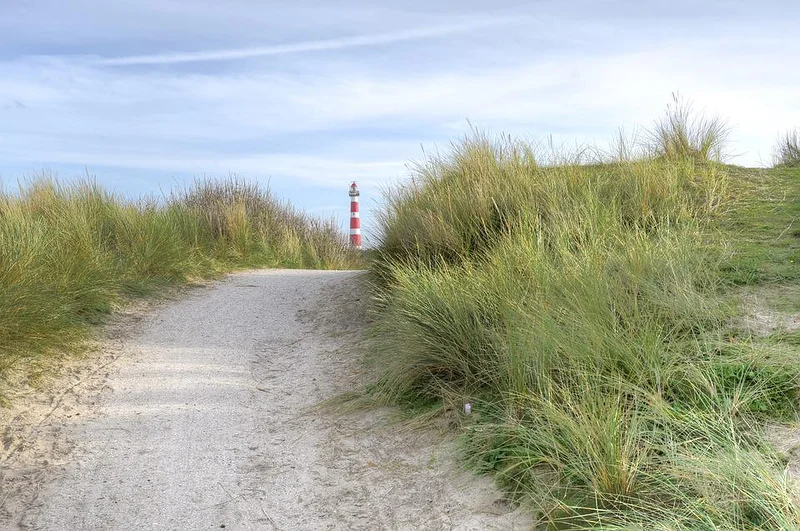
Texel is an island where life moves to the rhythm of the wind. Skip the car and hop on a bike to explore vast beaches, rugged dunes, and the island's iconic lighthouse. Grab a local beer, meet the famous sheep, and experience a true break from the daily grind. It is a breath of fresh air and a straightforward escape from the mainland pace, perfect for anyone looking to recharge.

Our members' favourite things to do in the Netherlands

Ranked on recommendations from travellers who did them

#1 Rijksmuseum (Amsterdam) +28 recs 4.6/5

The Rijksmuseum is the most visited museum in the Netherlands, drawing huge crowds daily. Its roots stretch back to an art gallery opened in 1800. Following a decade-long overhaul, it reopened in 2013 as the premier cultural stop in Amsterdam. Visitors come to see masterpieces from the Dutch Golden Age by Vermeer, Hals, and Steen. The main attraction is Rembrandt's famous painting The Night Watch (De Nachtwacht). Beyond that canvas, the museum holds centuries of art, best explored independently or on a multilingual guided tour.

See the guide See deals

#2 Anne Frank House (Amsterdam) +24 recs 4.6/5

The story of Anne Frank, a Jewish teenager who hid with her family in Amsterdam during World War II to escape Nazi persecution, is known worldwide. Tucked away behind their spice shop, they lived in total seclusion for two years. Frank wrote her diary here, later published in over 60 languages. In 1960, the Anne Frank House opened as a museum documenting their time in these rooms.

See the guide See deals-7%AVYGEO7

#3 Flower Market (Amsterdam) +22 recs 4.6/5

Set along the canal surrounding the historic center of Amsterdam, Bloemenmarkt is a heavily touristed floating flower market that surprises visitors with vibrant colors and thousands of bulbs sold individually at prices well below what you would pay back home. Alongside the famous tulips that serve as the country symbol, you will find a seasonal rotation of daffodils, snowdrops, hyacinths, carnations, peonies, violets, orchids, and many other specimens.

While stalls were moored along the Amstel river back in the 19th century, florists now operate from fixed barges where miniature greenhouses continuously release delicate floral scents. Ideally positioned between the Muntplein (Mint Square) and the Koningsplein (Royal Square) along the city main thoroughfare, Bloemenmarkt is iconic without necessarily being a mandatory stop, offering a pleasant stroll right through the Dutch capital. As a genuine local institution, it has evolved its offerings over time and now stocks more affordable souvenirs than actual plants.

Since not every traveler gets to experience the spring events at the Keukenhof gardens, located about twenty minutes from Schiphol airport or the Flevoland festival less than an hour by car from the capital, the Flower Market serves as a convenient alternative while showcasing Dutch expertise in horticulture and floral design.

If you prefer a more authentic market atmosphere, head over to the Albert Cuypmarkt in the Pijp neighborhood just south of the center. There you will find fresh cut flowers alongside local specialties like pickled herring and cheeses in every color.

#4 Van Gogh Museum (Amsterdam) +21 recs 4.3/5

The Van Gogh Museum holds the largest collection of the artist's work in the world. See over 200 paintings, including Sunflowers, The Bedroom, and Almond Blossom. The chronological layout follows his rapid evolution, moving from his early dark Dutch period to his colorful years in the South of France over just one decade.

See the guide See deals-7%AVYGEO7

#5 Dam Square (Amsterdam) +16 recs 4.6/5

Dam Square is the undisputed commercial and cultural hub of Amsterdam. Located just a short walk from Central Station, this open space serves as the backdrop for the neoclassical Paleis op de Dam (Royal Palace of Amsterdam), the Gothic Nieuwe Kerk (New Church), and the National Monument commemorating the victims of World War II. It is a high-energy area where you will find a constant mix of tourists and locals navigating the square on foot or by bicycle. Three of the city's busiest streets converge here: Nieuwendijk (New Dike), Kalverstraat (Calf Street), and Damstraat (Dam Street). You will also find the upscale NH Grand Hotel Krasnapolsky and the De Bijenkorf department store, which offers a shopping experience similar to a high-end American luxury retailer.

As the historic cradle of the city, the Dam, which means dam in Dutch, was built on the Amstel river by Count Floris V of Holland in the 13th century. It created Damrak, the country's first harbor, which was filled in 50 years later. In 1655, the rectangular square became the site of the seat of government, where Louis Bonaparte later resided. The location evolved into a center of power and commerce, eventually linked to the new port through an intricate system of canals.

In 1408, the Gothic Nieuwe Kerk was built on the square, modeled after its counterpart in Amiens. Having survived two fires, its facade has changed significantly since its original construction. Today, it remains the site of royal investitures and state funerals for the nation's most prominent figures.

The National Monument was erected in 1956 by architect Jacob Oud. Every May 4th, more than 20,000 people gather here for the national day of remembrance.

Each year, for Nationale Tulpendag (National Tulip Day), a temporary garden is installed directly on Dam Square. If you are in town during this event, it is worth stopping by to see the display.

#6 Vondelpark (Amsterdam) +11 recs 4.7/5

Vondelpark is the most popular and vibrant park in Amsterdam. Stretching across 47 hectares, it is a go-to spot for strolls, picnics, and unwinding. The park features dense trees, winding paths, ponds, and lakes spanning over 15 km, plus open-air concerts and theater performances. Whether you want to run, spot wildlife, or relax outdoors, this iconic green space welcomes everyone.

#7 Vrijthof (Maastricht) +11 recs 5/5

Vrijthof is the most vibrant square in Maastricht, packed with historical architecture. From open-air concerts, including the famous André Rieu performances, to the Preuvenemint food festival and Christmas lights, it is the city hub. See the Sint Servaaskerk and Sint Janskerk churches, the Spanish Government House museum, the Hoofdwacht exhibition space, and the Generaalshuis theater.

#8 Begijnhof (Amsterdam) +6 recs 2.5/5

The Begijnhof is a quiet courtyard ringed by traditional houses from the 17th and 18th centuries. These homes once housed Beguines, pious Catholic women who lived in community, devoting their lives to the poor and sick. Today, it remains a peaceful retreat. Visit for regular masses or guided tours detailing local history.

#9 NEMO Science Museum (Amsterdam) +2 recs 3.7/5

Located at Oosterdok in Amsterdam, the NEMO Science Museum is a hub for science and technology. Nearly 20,000 items trace breakthroughs from the 19th and 20th centuries, covering electricity, sound, gravity, and digital tech. Designed by Renzo Piano, the building features a sleek, modern aesthetic, plus a rooftop terrace with panoramic views of Amsterdam.

See the guide See deals-7%AVYGEO7

#10 Volendam Museum (Volendam) +2 recs 4/5

The Volendam Museum documents local history, cultural phenomena, and regional folklore. Explore the area through paintings, furnished rooms, and displays recreating village life from 1850 to 1950. You can also visit Experience Volendam, a museum featuring a virtual reality headset tour that brings the early 20th century to life.

See the guide See deals-7%AVYGEO7
See the best activities in the Netherlands

The Netherlands Beyond Clichés: Canals, Bikes, and Way More Than Tulips

One-quarter of Dutch territory sits below sea level. This country literally engineered its existence against the elements by pumping, diking, and dredging. That stubborn relationship with space explains why the Dutch managed to pack so many museums, architectural feats, and daily life into a territory roughly twice the size of New Jersey.

The Netherlands Works for Almost Everyone, As Long as You Skip the Clichés

Amsterdam usually steals all the attention, often at the expense of everything else. That is a mistake. The country deserves a wider look, and it works just as well for a quick long weekend as it does for a two-week bike road trip.

Great destination for:

  • City trippers: Amsterdam, Rotterdam, Utrecht, and The Hague sit less than an hour from each other
  • Art and museum lovers who want access to collections that rank among the best in Europe
  • Cyclists looking to ride the most developed bike lane network on earth
  • Family travelers thanks to top-tier infrastructure and a very safe environment
  • Nature seekers drawn to coastal dunes, forests, wetlands, and North Sea beaches
  • Rail travelers: Amsterdam is about four hours from London and three from Paris or Brussels by direct train

Skip this destination if:

  • You want guaranteed sunshine and warmth because the local weather shifts constantly year-round
  • You hate crowds since Amsterdam gets packed during the summer months
  • You are on a tight budget because lodging ranks among the highest in Western Europe
  • You are looking for mountain ranges and vast wilderness

A Western European Budget: Comfortable But Not Cheap

The Netherlands will not break the bank, but hotel rates in Amsterdam climb fast. Booking well ahead is almost mandatory during peak season. Rotterdam and Utrecht offer much more reasonable alternatives.

Estimated budgets for different trip styles in the Netherlands (excluding international transit)
Trip Style Destination Duration Estimated Budget / Person
Art and culture city trip Amsterdam 1 weekend (2 nights) $290 to $570*
Architecture and urban design Rotterdam 2 to 3 days $230 to $450*
Tulips and countryside Keukenhof and Leiden region 2 to 3 days $230 to $450*
Biking road trip Entire Netherlands 1 to 2 weeks $680 to $1,350*
Nature and major parks Hoge Veluwe and Veluwe 3 to 4 days $290 to $570*

A Remarkably Easy Country to Navigate

Almost everyone speaks English, trains run on time, and the cycling infrastructure is flawless. US citizens do not need a visa for tourist stays up to 90 days, though you will need a valid US passport and soon an ETIAS travel authorization when European entry rules update. It is one of the most accessible European destinations for a first-time solo trip or a family vacation.

The language barrier simply does not exist here since English is spoken fluently by nearly everyone, even in rural towns. Dutch remains the official language, but a few polite local words go a long way.

Amsterdam Through Local Eyes Instead of Standard Guidebooks

Amsterdam struggles with summer overtourism. That said, its UNESCO-listed canals, gabled facades, and world-class museums truly deserve a spot on your itinerary if you visit smart.

The Rijksmuseum is a must-see for its stellar Rembrandt and Vermeer collections, and the Anne Frank House draws heavy interest as well. Book your tickets online weeks in advance for both spots to skip the endless walk-up lines. The Stedelijk Museum focuses on modern art and design, and it usually stays less crowded while remaining just as engaging.

Friendly tip: Skip the historic center for meals and head to neighborhoods like De Pijp around the Albert Cuyp Market or the Jordaan for a genuinely local atmosphere. Head out early around 7:30 or 8:00 AM when the canals are nearly empty and photo opportunities open up without the crowds.

Cities Worth a Stop

  • Rotterdam is a favorite for architecture fans. Rebuilt entirely after the 1940 bombings, it serves as a bold laboratory for contemporary design. Check out the soaring arches of the Markthal, the pencil-shaped Rotterdam Library, and Piet Blom's tilted cube houses to see a masterclass in modern urban planning.
  • Utrecht feels like Amsterdam without the massive crowds, offering lower prices and a distinct neighborhood feel. Water-level cellar restaurants line the canals, the Dom Tower dominates the skyline, and bicycles rule every street. It takes just 30 minutes by train to get there from Amsterdam.
  • The Hague deserves more attention than guidebooks give it. As the seat of government and international law, it also houses the Mauritshuis, an intimate museum holding Vermeer's Girl with a Pearl Earring. A ten-minute tram ride takes you out to Scheveningen, the largest beach resort in the country.

Windmills, Polders, and Postcard Villages

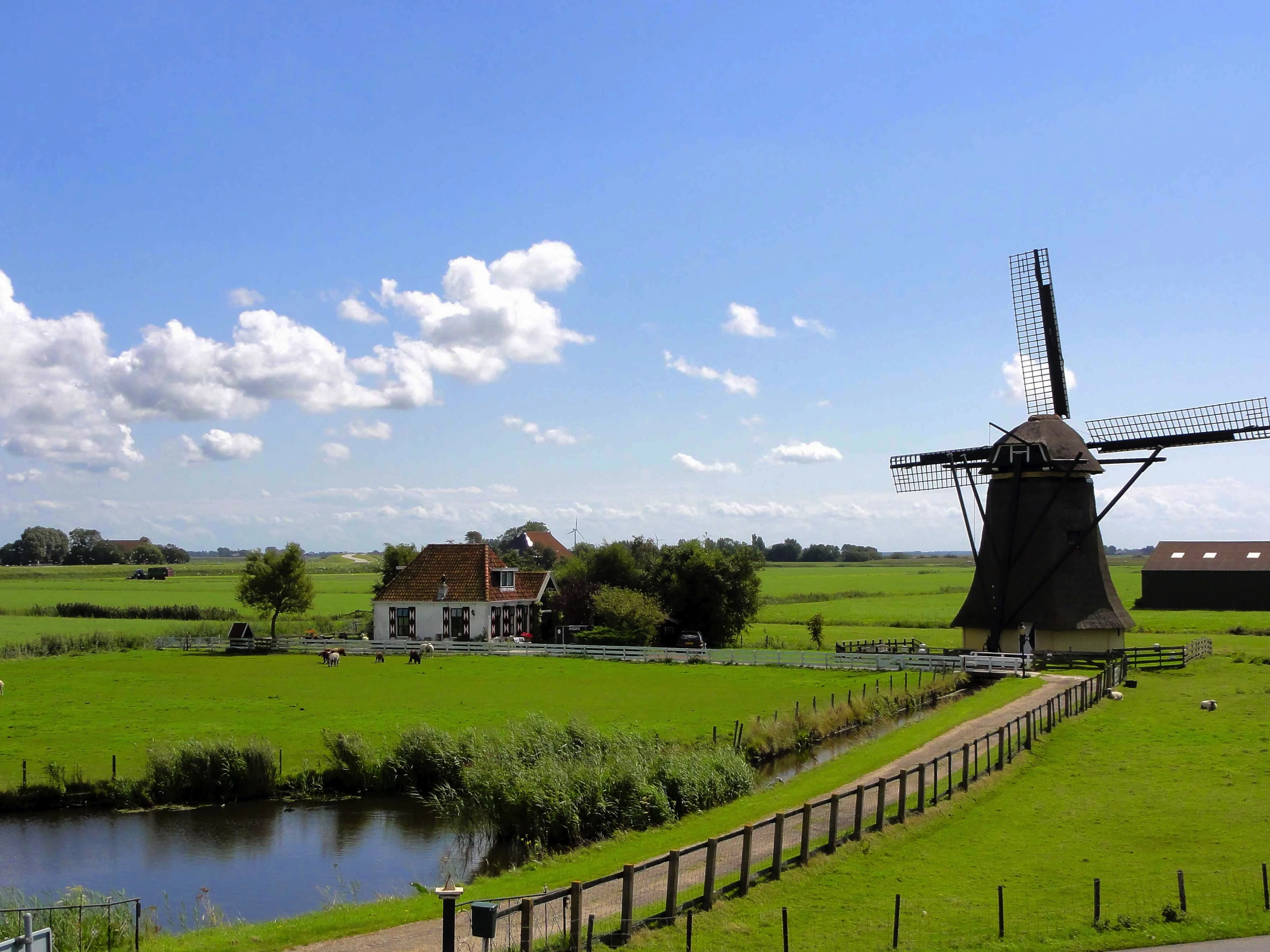
The Dutch landscape is as much a human creation as it is a natural one. The windmills scattered across the polders are not just for decoration as they pumped water away for centuries to make farming possible. Many of them still operate today.

Zaanse Schans sits twenty minutes northwest of Amsterdam and reconstructs a 17th-century village complete with working windmills, painted wooden homes, and cheese-making workshops. It is touristy, but well put together. An even better option is Kinderdijk near Rotterdam, where nineteen authentic windmills line a UNESCO-protected polder landscape. The late afternoon light here is incredible.

Volendam and Marken sit along the IJmeer lake, keeping their maritime look intact with colorful houses and occasional locals wearing traditional festive clothing. It leans into folklore, but still holds plenty of charm.

Tulip Fields and Dutch Wilderness

From April to May, the Bollenstreek (bulb region) between Leiden and Haarlem bursts into bright bands of color. Keukenhof Park opens from mid-March to mid-May as the largest spring flower garden on earth with seven million bulbs planted annually. Crowds are massive, but the sight makes the trip worthwhile.

If you want nature far from the tulips and tour buses, Hoge Veluwe National Park in Gelderland province sits two hours from Amsterdam and covers 5,500 hectares of sand dunes, forests, and heathland. Free white bikes sit at every entrance so visitors can explore the trail network on two wheels. The Kröller-Müller Museum sits right inside the park and holds one of the largest Van Gogh collections anywhere.

Friendly tip: To see the tulip fields without the chaos, skip focusing solely on Keukenhof. The bike paths running between Lisse and Hillegom cut through endless rows of flowers and offer much better photo ops than the crowded park. Ride a bike out there on a weekday morning.

The Frisian Islands: The Other Edge of the Country

Just off the northern coast, the West Frisian Islands form an archipelago that most international travelers miss entirely. Texel is the largest and easiest to reach via a twenty-minute ferry from Den Helder, offering sandy beaches, bird sanctuaries, and a windswept North Sea atmosphere.

Vlieland and Terschelling stay even quieter and more isolated. Cars are banned or heavily restricted on these islands, meaning you get around by bicycle, sleep in small boutique inns, and eat fresh local fish. It is a side of the Netherlands most visitors never see.

Dutch Cuisine: Between Maritime Roots and an Unexpected Food Scene

Dutch cooking battled a rough reputation for a long time. It leans simple and hearty as a legacy of a seafaring and farming nation, but it offers genuine highlights. Haring (raw cured herring) is eaten straight by the tail with diced onions and pickles. It is a street food ritual every visitor should try, preferably at an outdoor fish stall rather than a sit-down restaurant.

Stroopwafels (thin caramel-filled waffle cookies) and bitterballen (crispy fried gravy croquettes served at bars with mustard) form two pillars of local snack culture. Cheeses like Gouda and Edam taste best when you try aged (oud) versions rather than the mild young blocks exported worldwide.

Amsterdam and Rotterdam run lively restaurant scenes heavily influenced by Indonesian flavors left over from the colonial era. A rijsttafel, which is an Indonesian feast featuring dozens of small dishes served around rice, is an institution you should try at least once. The Fenix Food Factory market in Rotterdam stands out as a top spot to sample a bit of everything inside a converted industrial warehouse.

When to Visit the Netherlands

Spring (April through May) stands as the peak season for an obvious reason: tulips. It also brings the best weather with comfortable temperatures and bright daylight. Naturally, it is also the busiest time for crowds, especially around Keukenhof.

Summer (June through August) is ideal for sidewalk cafe culture, outdoor festivals like the North Sea Jazz Festival in Rotterdam during July or DGTL in Amsterdam over Easter, and coastal beach days. Temperatures rarely pass the mid-70s. This is peak travel season, so book lodging and museums months in advance.

Fall brings fewer crowds and lower hotel rates to the cities. Winter turns gray and cold, but holiday markets and outdoor ice rinks give the towns a cozy energy. December also brings Sinterklaas celebrations across the country on December 5th.

How to Get to the Netherlands

High-speed rail is the most comfortable and eco-friendly option if you are arriving from major European hubs like Paris or Brussels. The Eurostar runs straight from Paris Gare du Nord to Amsterdam in just over three and a half hours, with early-bird tickets available. From Brussels, the train ride takes under two hours.

Flying makes sense if you are arriving from cities without direct rail connections. Amsterdam Airport Schiphol operates as one of Europe's largest hubs, served by carriers like Air France, KLM, and various budget airlines. Rotterdam The Hague Airport offers a smaller and sometimes cheaper alternative.

Getting Around the Netherlands

Biking is the ultimate way to get around. The country maintains thousands of miles of marked cycling paths. Bikes are available for rent at train stations through OV-fiets short-term rentals or from independent local shops. It is often the fastest way to navigate urban centers.

The NS (Nederlandse Spoorwegen) rail network is dense and remarkably punctual, connecting every major city multiple times an hour. The OV-chipkaart lets you tap into all public transit including trains, buses, trams, and subways nationwide using a single card, and day passes make things easy for visitors.

Cars work well for exploring rural areas, the Frisian Islands, or the polders of Zeeland province. In the cities, however, parking is expensive and complicated. In Amsterdam, street parking can cost a lot per hour. Public transit and bikes remain much better choices for city stays.
Find the best travel deals in the Netherlands

Hotels and stays Flights Car rentals Custom trips

Trip ideas and themed activities

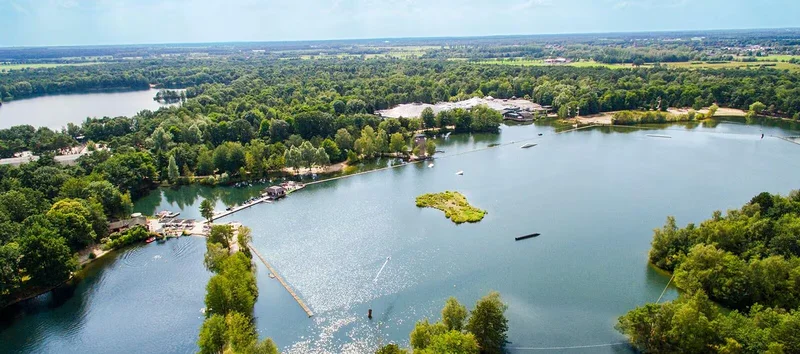
Center Parcs Netherlands

Center Parcs launched in the Netherlands in 1968 and now operates nine locations ranging from the coast of Zeeland to the forests of Drenthe. You will find water parks known as Aqua Mundo, high-ropes courses, and fully equipped private rentals. These resorts serve as a straightforward getaway for families or groups looking for outdoor access paired with modern amenities.

Top photos posted by members

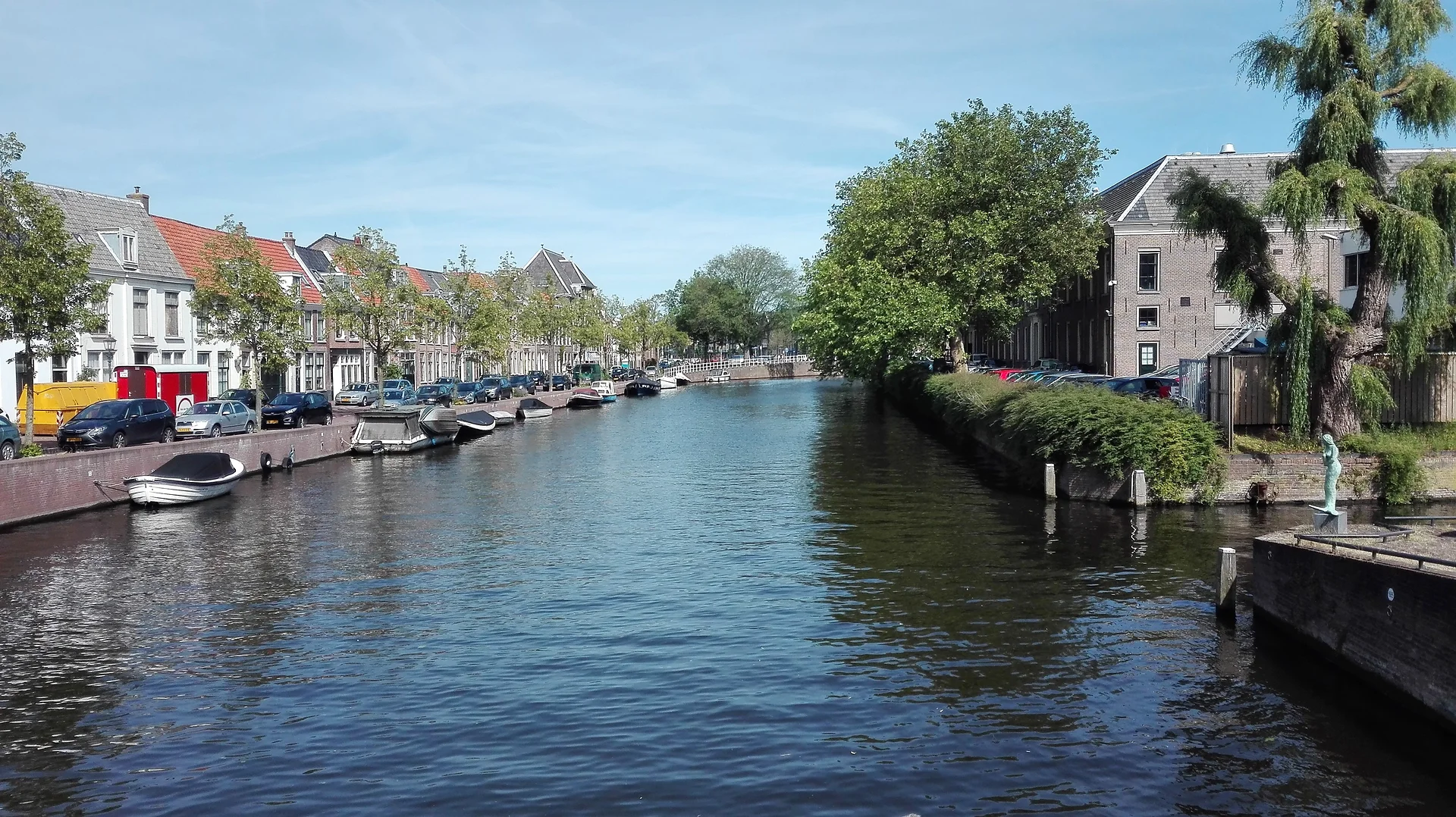
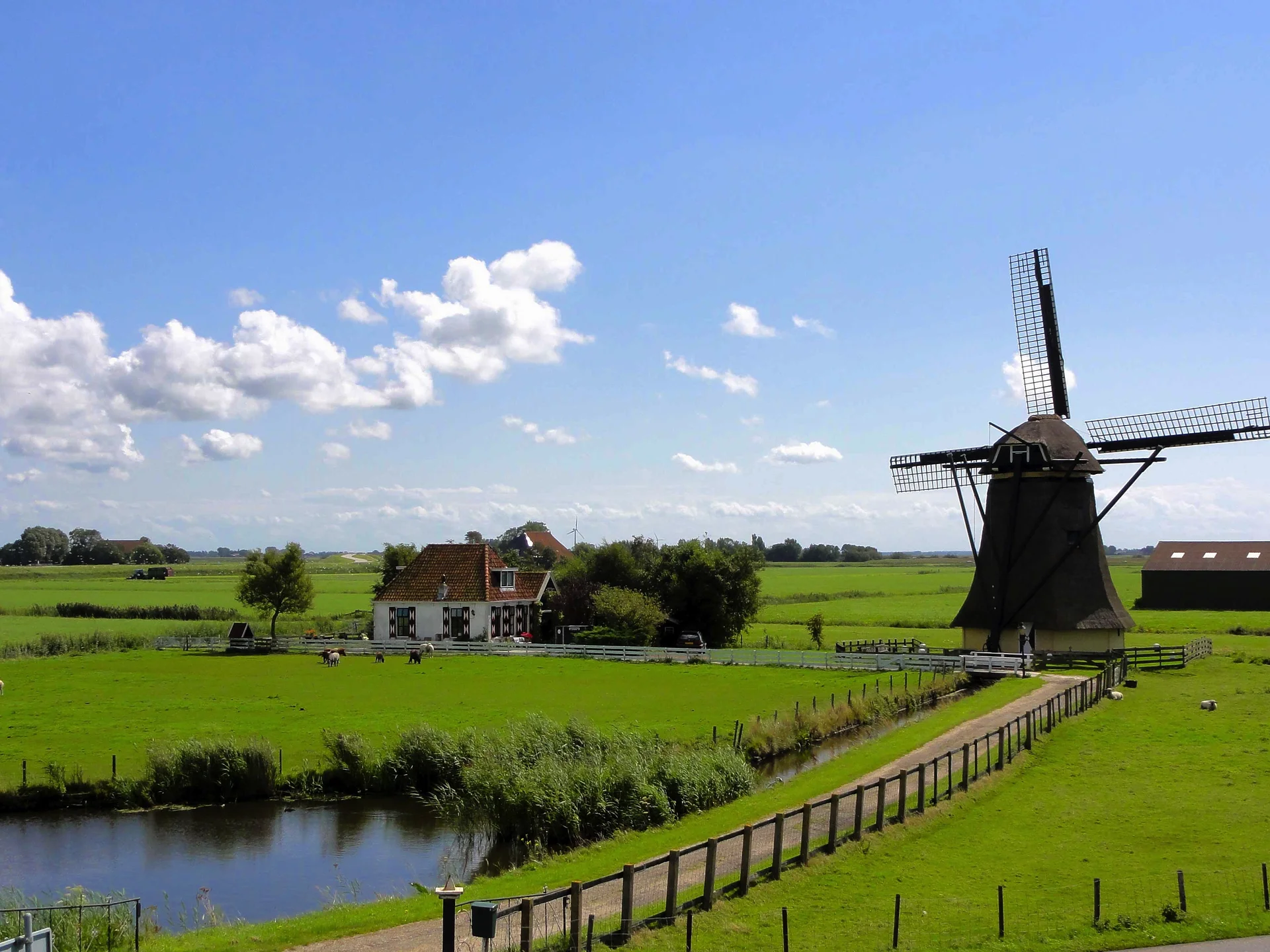
Moulins à Vents
St. Maarten_Final.mp4
Canal de Haarlem

Articles about the Netherlands

Traveler reviews

St. Maarten - The Dutch Side

A wonderful Caribbean island with the bluest warm waters. We stayed on the Dutch side which was so welcoming and tranquil. You can visit Maho Beach and watch the planes fly right over your head or dri…

68

Intense experience

The tour lets you discover how Anne Frank and her family lived in hiding for more than two years and realize the horror they went through during this dark period of history. A very moving and memorabl…

36

Perfect starting point to explore the city

This central square, typical of big northern cities, is the perfect spot to meet up with friends and get a first glimpse of what awaits in Amsterdam. We visited during the day and the square was reall…

145

Bucolic vibe in the city center

We stumbled upon this market by accident while wandering the streets of Amsterdam. It was such a nice surprise. This market is a festival of color and scents. It is a paradise for tulip lovers, the fl…

74

The famous Dutch windmills

We wanted to see those iconic Dutch windmills. Just north of Amsterdam, we found the town of Zaandam and its famous Zaanse Schans neighborhood. It is an area that houses historic green houses and well…

171