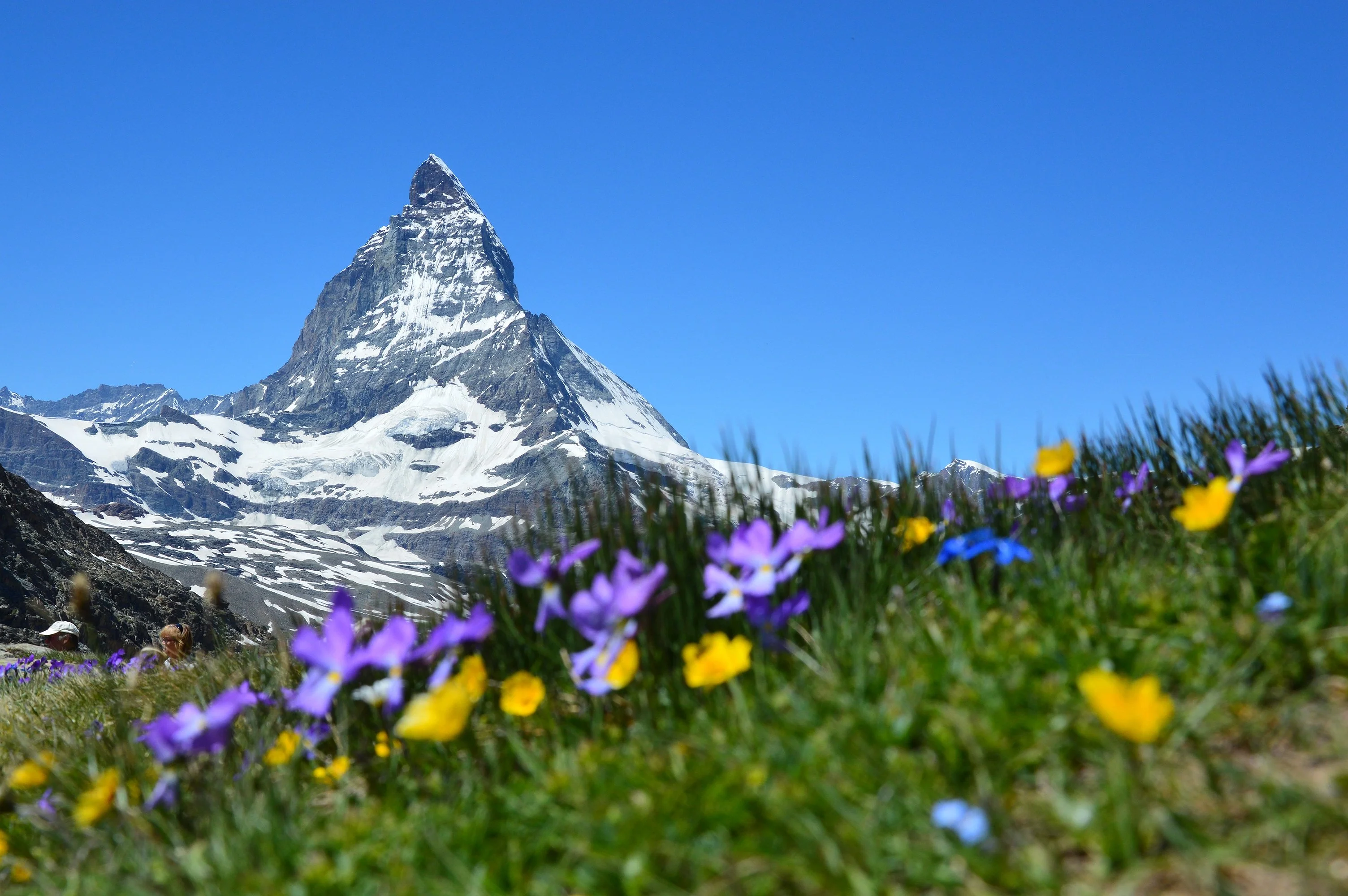
Mont Cervin
  1. Top destinations
  2. Europe
  3. Switzerland

Things to do in Switzerland: 15 must-see attractions

Discover our members' favorite destinations in Switzerland, plus reviews, practical info, and traveler photos...

The 5 most beautiful cities to visit in Switzerland

#1 Geneva +41 recs

Geneva trades the stiff, buttoned-up Swiss stereotype for a cosmopolitan energy that feels more like a relaxed European capital. You can spend your morning walking the cobblestones of the Old Town or exploring free museums, then transition to a swim at the Bains des Pâquis, a local favorite where people jump into the lake year-round. Between the towering Jet d'Eau and the world-class chocolate shops, the city strikes a balance between Swiss efficiency and a slower, French-inspired pace of life.

#2 Bern +10 recs

Even though it feels relatively small for a European capital with fewer than 150,000 residents, Bern serves as the seat of the Swiss federal government. Nestled right against the Aar river, the city preserves deep historical roots, notably its old town, which holds Unesco World Heritage status. Positioned just a short distance from the Alps and the sweeping Gantrisch Nature Park, Bern offers a prime location packed with points of interest whenever you travel through Switzerland.

The elegant old town of Bern

Most of the narrow streets and the six kilometres of covered arcades making up Bern's old town date back to the 14th century. The cityscape features sandstone architecture, such as the Bern Minster, a church reformed since 1528 whose construction began in 1421, detailed with Gothic stonework. The main portal stands out clearly, carved by Erhart Kung with 294 figurines portraying scenes and figures from the Last Judgment. Climb the 312 steps of the bell tower for a sweeping view over the rooftops and the distant Alpine backdrop.

Another major landmark in Bern is the expansive Bundesplatz, featuring 26 water jets, one for each of the cantons that make up Switzerland. This public square sits directly in front of the Federal Palace, the seat of Swiss political power topped with distinctive green domes. Strolling through the downtown streets, you will likely cross paths with the Zytglogge, or Clock Tower. Four minutes before every hour, mechanical figures including a bear, a golden rooster, a jester, and Chronos come to life across its facade.

Top sights in Bern

If you enjoy gardens and green spaces, head straight to the Bern Rose Garden. Beyond its hundreds of varieties of roses and irises, this elevated park offers clear vantage points looking down over the city. The garden sits directly above the famous Bear Park, honoring the city's symbolic animal. Traveling with family or children, drop by the Dählhölzli zoo park to see animals like leopards, wolves, and puffins.

On the cultural side, Bern delivers strong options. The Paul Klee Center occupies an undulating contemporary building designed by Renzo Piano. The Art Museum displays notable works by renowned artists and has welcomed visitors since 1879. Finally, you can dive into the life and mind of one of history's most famous physicists at the Einstein House, located within an apartment he lived in during his time in the city.

When to go?

Any season works well for a trip to Bern. Consider timing your visit for the fourth Monday of November, when the city hosts a massive onion market, an unusual local event celebrating the vegetable in every imaginable form.

How to get there?

The most practical way to reach the Swiss capital from the US is flying into Zurich or Geneva, then taking a direct train to Bern, with direct rail links also available from Lausanne.

#3 Lugano +5 recs

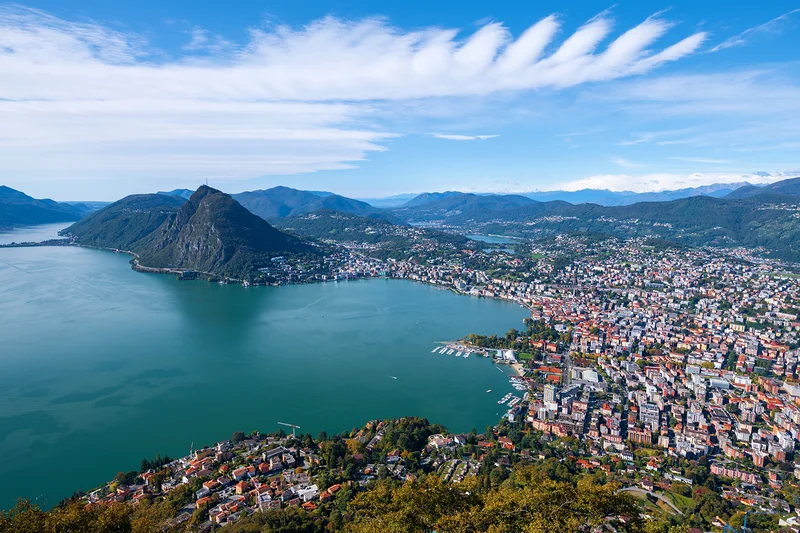
Lugano sits in the Ticino canton, tucked into the Italian speaking southern corner of Switzerland. Framed by Mount Brè and San Salvatore, the city hugs the shores of Lake Lugano right near the border with Italy. It is a prosperous city, functioning as a major financial hub and conference center for the country. Thanks to its southern location beneath the Alps, it enjoys a mild, almost Mediterranean climate that fosters lush subtropical greenery. You can experience this plant life firsthand at Parco Ciani, a landscaped park bordering the lake. While walking through, take in some local culture: the park is home to Villa Ciani, which hosts fine arts exhibitions, alongside the cantonal natural history museum.

Highlights of Lugano

With its Renaissance architecture clustered around Piazza della Riforma and a historic pedestrian downtown typical of Lombardy, Lugano retains an unmistakable northern Italian feel. Admire the striking San Lorenzo Cathedral, a regional landmark, before heading down to the lakefront for a stroll past charming arcades filled with boutiques and eateries. If you are looking for high end shopping, Via Nassa is where you will find the most exclusive storefronts.

You are just a short walk from the striking Santa Maria degli Angioli Church, which houses an impressive Passion and Resurrection fresco painted by Bernardino Luini, a pupil of Leonardo da Vinci. For art lovers, the Museo d'arte della Svizzera Italiana (MASI) focuses on fine arts, while the LAC serves as a dedicated space for contemporary creation.

Culture enthusiasts will also want to check out the Museum of Cultures, featuring ethnographic exhibits spanning Europe, Asia, and Africa. Just outside the city center in a traditional residence, the Hermann Hesse Museum explores the life and works of the celebrated writer.

An Exceptional Natural Setting

Lugano stands out for its dramatic natural backdrop. Beyond the lake, which tempts visitors with a swim, the city is ringed by peaks like Mount San Salvatore, often compared to Rio de Janeiro's Sugarloaf Mountain. Two different funiculars make accessing the surrounding mountains straightforward. One leaves from Cassarate and climbs to Monte Brè, offering access to scenic hiking trails and the olive tree path running along the lake. The other departs from Lugano-Paradiso and heads up to Mount San Salvatore, where the summit rewards you with sweeping panoramic views over the city, the lake, and the high peaks of the western Alps.

When to Go

Lugano has an unusually mild climate that makes year round visits appealing. That said, you may want to skip January and February, which tend to be the coldest and wettest months.

Getting There

Direct trains and buses connect Lugano to Zurich and Milan in under two hours, making it an exceptionally convenient stop.

#4 Zurich +4 recs

Far beyond its reputation for banks and luxury boutiques, Zurich is an exceptionally welcoming city that makes for a fantastic weekend getaway. Switzerland's largest metropolis pairs a charming historic core with a striking setting right between the water and the mountains.

History, food, and art

Start your exploration in the Old Town, split right down the middle by the Limmat River. On the right bank, the imposing Romanesque Grossmünster collegiate church commands the skyline with its twin towers. Cross over to the left bank to wander the medieval lanes of the Schipfe neighborhood, admire historic facades with ornate details, and browse local artisan shops. The Fraumünster church is well worth a stop for its stained-glass windows designed by Marc Chagall and Augusto Giacometti, the cousin of the famous sculptor. Nearby, the Lindenhof esplanade shaded by ninety linden trees delivers sweeping views over the rooftops below.

The neighborhood is also the right spot to sit down for a hearty cheese fondue at a traditional tavern. Fans of Gruyère, Vacherin, and Appenzell will be entirely in their element. Finish off with a taste of iconic Swiss chocolates, with the Sprüngli confectionery standing out as arguably the most famous name in Zurich, if not all of Switzerland. Walk off lunch with a visit to the city's Thermal Baths, or dive into one of its many museums. The Swiss National Museum houses a vast collection of Swiss historical artifacts, while the Kunsthaus Zurich art museum draws crowds with works stretching from the eighteenth century to the present day. For something a bit different, check out the FIFA World Museum or the House of Electronic Arts.

Outdoors and natural beauty

Away from the upscale storefronts and busy streets, Zurich showcases Switzerland's natural scenery at its best. The city sits on the edge of a 42 kilometre long lake that draws locals by the hundreds for summer swimming. A 3 kilometre waterfront promenade is a favorite for weekend walkers and runners, and you can easily take a scenic mini-cruise on the water. If you happen to be visiting in November, do not miss Expovina, a floating wine festival hosted right on boats docked along the shore. Outdoor enthusiasts looking for alpine air should set aside at least a day to head toward the Swiss Alps. Countless hiking trails wind through the mountains, though those taking it easy can simply ride the train or hike up Uetliberg mountain to an elevation of 869 metres.

When to go

June through August brings the warmest weather and sunniest days for exploring on foot. November through March brings cooler temperatures, though winter conditions in the city rarely drop to extremes.

How to get there

Flights from European hubs like Paris to Zurich cost around $140* with a flight time of 1 hour and 20 minutes nonstop. You can also catch a train from Paris, which gets you to the central station in 4 hours and 20 minutes. If you are starting closer to the border in Strasbourg, Zurich is just a 2 hour and 30 minute drive away.

#5 Lucerne +2 recs

Lucerne is a city in central Switzerland, sitting right on the edge of Lake Lucerne. The Old Town is remarkably well preserved, featuring medieval defensive structures like the Museggmauer, an 870-metre (2,850-foot) rampart that once protected the city from invaders. As Lucerne's most iconic landmark, the Chapel Bridge, or Kapellbrücke, spans the Reuss river as a covered wooden footbridge decorated with 17th-century murals. Right in the middle of the span stands the Wasserturm, a 34-metre (112-foot) medieval water tower.

A charming city in the heart of Switzerland

Wander through the winding alleys of the Old Town and across its historic squares to take in Lucerne's architectural heritage. The Weinmarkt, for instance, is an elegant public square anchored by a fountain dating back to 1481. Right next door, the Hirschenplatz stands out for its richly decorated historic building facades, many of which enjoy protected status.

Cross the historic Dance of Death Bridge, known locally as the Spreuerbrücke, which also spans the Reuss to connect you to the southern bank. Here, you will find the striking Jesuit Church of Lucerne. You can also explore the Rosengart Collection, which exhibits notable works by masters like Picasso and Klee. Continue east toward the lakefront to see the Lucerne Culture and Congress Centre, commonly called the KKL, designed by internationally acclaimed architect Jean Nouvel and completed in 1999. The concert hall inside was built with advanced acoustics, developed in collaboration with American acoustician Russell Johnson. This lakeshore area is also where you catch historic paddle steamers for lake cruises.

Reconnecting with the mountains around Lucerne

Surrounded by dramatic peaks, Lucerne serves as a gateway to Mount Pilatus and Mount Rigi. Both are reachable by cable car, offering scenic hiking trails and sweeping views over the city and the surrounding valley.

To dive into the glacial history that shaped the local geology, head over to the Glacier Garden.

Discovering Swiss history

Two nearby monuments highlight the humanistic values woven into the history of Switzerland. First is the Lion Monument, a sculpture carved directly into a sandstone cliff face to honor the Swiss Guards who died protecting King Louis XVI of France. Right nearby stands the Bourbaki Panorama, one of the few surviving circular panoramic paintings in the world, which depicts a dramatic episode from the Franco-Prussian War of the 19th century.

When to go

Both summer and winter offer great reasons to visit Lucerne. If your travel dates align, try to catch the Lucerne Festival, a major classical music event held during different seasons throughout the year.

Getting there

From North America you land at Zurich Airport, an hour away by direct train. Lucerne connects easily by train and bus to major Swiss cities. By car, the A4 motorway links Lucerne to Zurich in just fifty minutes.

Ranking of the 10 activities selected by our editors in Switzerland

#1 Jet d'Eau (Geneva) +10 recs 4.7/5

Right in the harbor of Geneva sits an attraction that became the defining symbol of the city. Blasting water at 200 km/h from the jetée des Eaux-vives, the Jet d'Eau reaches a peak height of 140 m. Illuminated after dark and operational since 1881, it shifts colors for special events. Visitors can walk right up to its base or admire it from across the water.

#2 Chillon Castle (Veytaux) +8 recs 5/5

Perched on the edge of Lake Geneva, Chillon Castle is a medieval fortress that served as a residence for the Dukes of Savoy before becoming a prison. Its well-preserved architecture and dramatic setting make it a favorite. Explore furnished rooms, dungeons, and local history exhibits. Climbing the towers provides panoramic views of the water and mountains in Veytaux, Switzerland.

#3 English Garden (Geneva) +5 recs 4.5/5

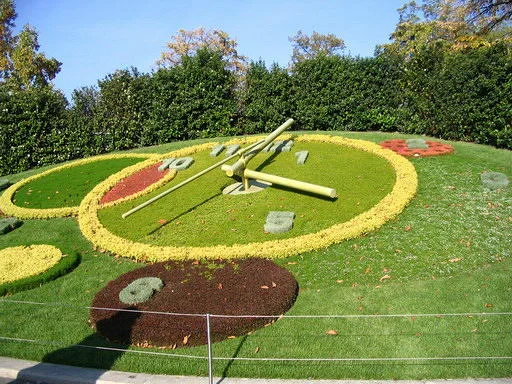
Along the left bank quays of Lake Geneva, the English Garden is a standout stroll in Geneva. While compact, its winding paths, monumental fountain, and centuries-old trees give it a distinct character. Near the famous Jet d'eau, it houses another city icon: the Flower Clock. Featuring an eighteen-meter circumference, this masterpiece of thousands of seasonal blooms celebrates Swiss watchmaking.

#4 Rose Garden (Bern) +2 recs 4/5

Perched above the historic center, the Rose Garden in Bern functions as an elevated urban retreat. The grounds feature over 200 rose varieties and 200 iris varieties. Rhododendrons, water lily ponds, and Japanese cherry trees create a seasonal rotation of color. With a library, playground, and restaurant, this site offers panoramic views over the old town of Bern.

#5 St. Pierre Cathedral (Geneva) +2 recs 4/5

Perched on the highest hill in Geneva, St. Pierre Cathedral anchors the Old Town. A site of immense historical significance, it has served as a Protestant church since 1535. Built in 1158, this structure features a unique mix of a neoclassical portico, Romanesque capitals, and the Gothic Chapelle des Macchabées (Chapel of the Maccabees). Climb 157 steps for 360-degree views, or explore the archaeological site beneath the floor.

#6 Kunsthaus Zurich (Zurich) +2 recs 4/5

Kunsthaus Zurich is the largest fine arts museum in Switzerland. Located in downtown Zurich, the museum recently doubled its size with a new, eco-friendly wing designed by David Chipperfield. Explore art from the 13th century to today, featuring works by Monet, Giacometti, and Andy Warhol. Digital archives are expanding access to its collections worldwide.

#7 Museum of Art and History Geneva (Geneva) +2 recs 4/5

The Museum of Art and History Geneva is a century-old cultural staple. Spanning 7,000 square meters across eight levels, this grand palace showcases art history and the city's deep cultural roots. Explore 25,000 volumes in the art and archaeology library, visit satellite locations across Geneva, or view digital collections online.

#8 Doubs Regional Natural Park (Saignelégier) +1 rec 5/5

The Doubs Regional Natural Park is a cross-border sanctuary spanning France and Switzerland, featuring diverse landscapes and extensive hiking trails. Look for lynx, falcons, kites, and bats in the wild. For a miniature perspective, visit the Musée d'histoire naturelle de La Chaux-de-Fonds (Natural History Museum of La Chaux-de-Fonds) in Saignelégier to see an intricate paper model created by origami professionals.

#9 Verbier (Bagnes) +1 rec 4/5

The ski resort of Verbier overlooks the Quatre Vallées ski area, a massive Swiss destination featuring 410 kilometres of slopes, backcountry routes, cross-country trails, and even a sledding run. You will find a buzzing resort packed with shops, bars, and restaurants. Make sure to explore the charming village of Bagnes that gave the resort its name.

#10 Mont Fort (Bagnes)

Soaring to 3,328 meters (10,918 feet), Mont Fort commands the sprawling Bagnes ski area in Switzerland. Reached by cable car, the peak delivers a 360-degree view of the Matterhorn and Mont Blanc.

Winter brings a technical black diamond run. Summer swaps snow for hiking trails, a zipline flying over the glacier, and an igloo bar.

See the best activities in Switzerland

Visiting Switzerland: Alpine Peaks, Mirror Lakes, and a Country That Speaks Four Languages

Switzerland is one of those places where the reality actually matches the postcard. Four languages, four distinct cultural zones, and a landscape that shifts from Mediterranean palm trees to glacier-capped peaks within a few hours' drive. It's precise, clean, and at times almost surreally well-organized. It's also expensive, and the social vibe can feel reserved if you're used to warmer, more spontaneous cultures.

Is Switzerland the right trip for you?

If you love hiking, mountain scenery, world-class art museums, and cities where the trains run exactly on time, Switzerland is a strong yes. If you're chasing nightlife, street-food chaos, or a budget-friendly adventure, you'll hit a wall fast. The cost of living here is among the highest in Europe: a sit-down lunch, a coffee, and a mid-range hotel room all cost noticeably more than in the neighboring countries. The Swiss tend to be polite but reserved with strangers, which can read as cold if you're expecting Southern European warmth.

For hikers, outdoor enthusiasts, and anyone who appreciates a country that simply works, Switzerland delivers consistently. If you need chaos to feel alive, you may find it a little too tidy.

Lake Geneva and the French-speaking west

The shores of Lake Geneva (Lac Léman) have a particular pull. In Geneva, the lakefront promenades are made for walking, with the iconic Jet d'Eau shooting 459 feet into the air. The city's mix of UN headquarters, old-town cobblestones, and high-end watch boutiques creates a genuinely unusual atmosphere you won't find anywhere else.

Lausanne, about 40 minutes east by train, has steep, winding streets and a university-town energy that keeps it from feeling stuffy. Montreux comes alive each summer during its famous jazz festival, and in December it hosts one of Europe's most atmospheric Christmas markets. Just outside town, Chillon Castle sits directly on the lake's edge and is one of the best-preserved medieval castles in the country.

Friendly tip: Walking the Montreux waterfront promenade, slow down and look for the small statues and tucked-away gardens that most visitors walk right past.

German-speaking Switzerland: culture and Alpine tradition

Roughly two-thirds of Switzerland is German-speaking, and it shows in the architecture, the pace, and the cultural priorities. Basel punches well above its weight on the art scene, with dozens of museums packed into a compact city (Art Basel, the world's leading contemporary art fair, happens here every June). In Bern, the medieval arcaded walkways (Lauben) run for nearly four miles through the old town, keeping pedestrians dry in the rain. Lucerne has the famous Chapel Bridge, a 14th-century covered wooden bridge, plus views across the lake to the Alps that are genuinely hard to beat.

Zurich is Switzerland's largest city and its financial capital, but it also has a serious gallery scene that holds its own against London or Paris. Head south toward Interlaken in the Bernese Oberland and you're in the shadow of the Eiger, Mönch, and Jungfrau, three of the Alps' most recognized peaks. The surrounding villages, with their classic chalets and green meadows, look like they were designed as a film set.

Friendly tip: Take the Jungfraujoch train as early as possible. The summit station sits at 11,332 feet and gets crowded fast. Early morning gives you the views and the quiet.

Ticino: Switzerland's Italian side

Cross the Alps heading south and Switzerland changes completely. The canton of Ticino (the Italian-speaking region) has a Mediterranean feel that genuinely surprises first-time visitors. In Lugano, palm trees line the lakefront, café terraces fill up in the late afternoon, and a short funicular ride takes you up Monte San Salvatore for panoramic views over the water and the surrounding peaks.

The villages of Val Verzasca, with their stone houses and the river's famous turquoise water, feel completely removed from the rest of Switzerland. Thrill-seekers should know that the Contra Dam near Locarno is one of the highest bungee jump sites in the world (220 meters/720 feet), made famous by the opening sequence of a James Bond film. The shores of Lake Maggiore, which Switzerland shares with Italy, are good for boat trips and summer festivals.

Graubünden and the wild east

The canton of Graubünden (the Grisons) is Switzerland's largest and least densely populated. Mountain forests, high-altitude lakes, and deep valleys dominate the landscape. The Swiss National Park is the country's only national park and one of the oldest in Europe, where ibex and marmots are a regular sighting on the trails.

In winter, St. Moritz, Davos, and Arosa attract an international skiing crowd. The slopes here are genuinely excellent, with St. Moritz in particular carrying a reputation for both terrain and glamour. Summer flips the same landscape into prime hiking and cycling territory, with high-altitude routes that rank among the best in Europe.

Friendly tip: Lake Cauma (Caumasee) near Flims is one of the most beautiful lakes in the Grisons. Go late in the afternoon when the light hits the turquoise water and most of the day-trippers have left.

Swiss food: beyond fondue and chocolate

Swiss food has a reputation that undersells it. Yes, fondue (melted cheese served with bread for dipping) and raclette (cheese melted tableside and scraped over potatoes) are the real deal, especially in winter. And yes, the chocolate is exceptional, from historic houses like Lindt and Läderach to small-batch artisan makers. But the country's culinary range goes further than that.

Swiss wines are almost entirely consumed domestically and rarely exported, which means most Americans have never tried them. The Valais region produces solid reds, and the Lavaux vineyard terraces above Lake Geneva (a UNESCO World Heritage Site) make excellent whites. Try the local Chasselas grape if you get the chance. Regional specialties worth seeking out include Grisons nut tart (a dense, caramel-walnut pastry) and Ticinese polenta, which reflects the canton's Italian roots.

When to go to Switzerland

Switzerland works year-round, but the experience varies significantly by season. Spring and summer (May through September) are ideal for hiking, lake swimming, and exploring cities without heavy crowds. Fall brings excellent foliage through the vineyards and forests, particularly around Lavaux and the Bernese Oberland. Winter is ski season, and the major resorts are in full operation from December through March.

Ticino in the south has a noticeably milder climate than the rest of the country. Even in January, you can sit outside at a lakeside café in Lugano on a sunny day, which feels completely out of place for Switzerland and is exactly the point.

Getting to Switzerland from the US

US citizens don't need a visa for Switzerland for stays up to 90 days. Switzerland is not in the EU but is part of the Schengen Area, so your 90-day Schengen clock applies. Make sure your US passport is valid for at least six months beyond your travel dates.

Direct flights from the US land primarily at Zurich (ZRH) and Geneva (GVA). Flight time from New York is around 8-9 hours; from the West Coast, plan for 11-12 hours with a connection. Once in Europe, Switzerland is easily reached by high-speed rail: Zurich, Basel, and Geneva are all well connected to Paris, Frankfurt, and Milan by fast trains.

If you're driving in Switzerland, you'll need an annual motorway vignette (a toll sticker), which is required on all Swiss highways. It's sold at border crossings, gas stations, and post offices. Driving without one risks a fine.

Getting around Switzerland

The Swiss rail network is one of the most reliable in the world, full stop. Trains run on time, connections are tight, and the coverage is comprehensive. The Glacier Express (Zermatt to St. Moritz) and the Bernina Express (Chur to Tirano, Italy) are two of the most scenic train rides in Europe, passing through high Alpine passes and across dramatic viaducts. Both can be booked as tourist experiences or simply used as practical transport.

Cable cars and funiculars connect the valleys to the peaks throughout the Alps, and ferries cross all the major lakes on regular schedules. In cities, trams and buses fill in the gaps. Most Swiss cities are compact enough to walk or bike across easily, and rental bikes are widely available. Renting a car is only worth it if you're planning to explore remote valleys that don't have train service.
Find the best travel deals in Switzerland

Hotels and stays Flights Car rentals Custom trips

Top photos posted by members

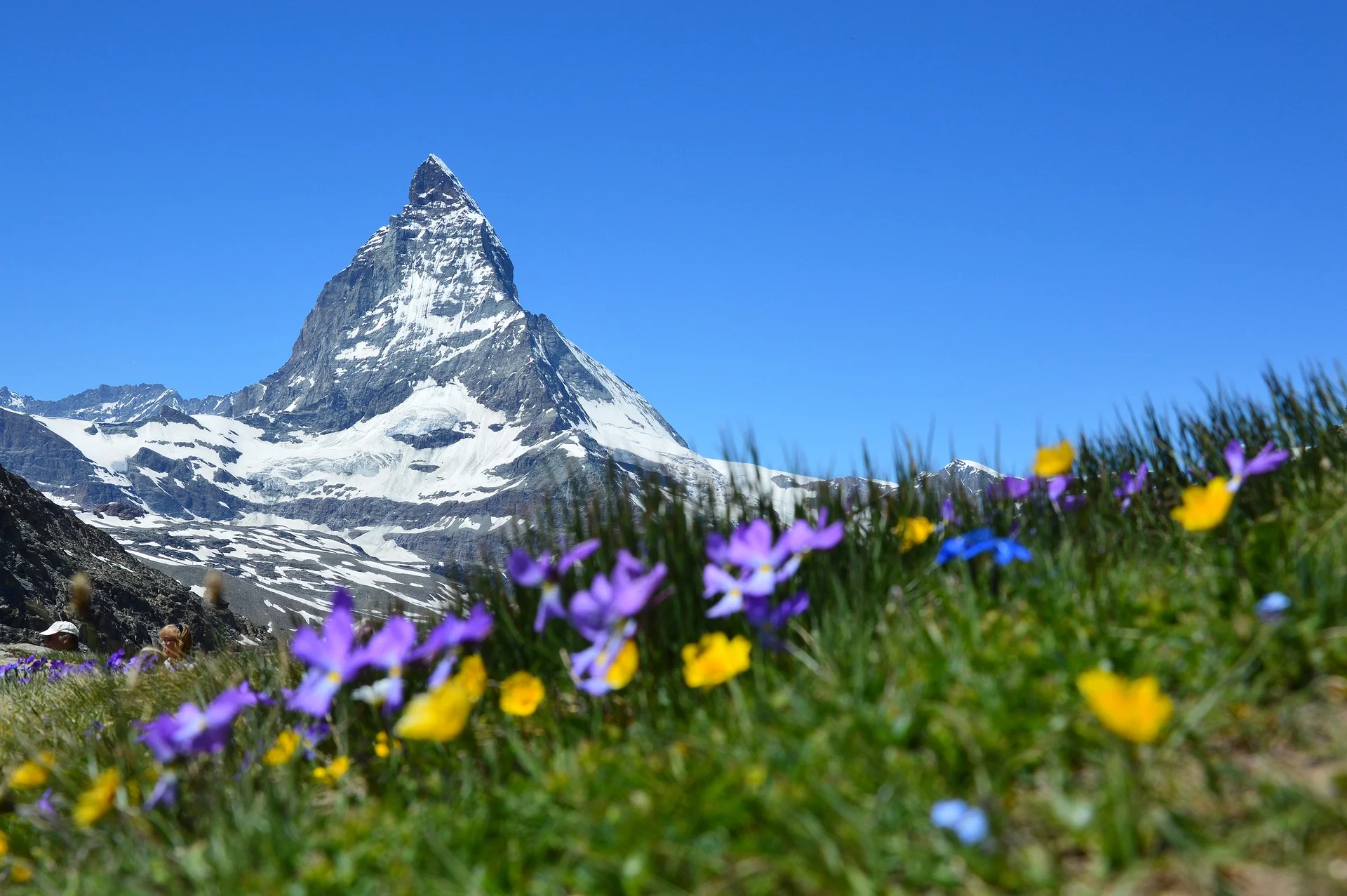
Mont Cervin
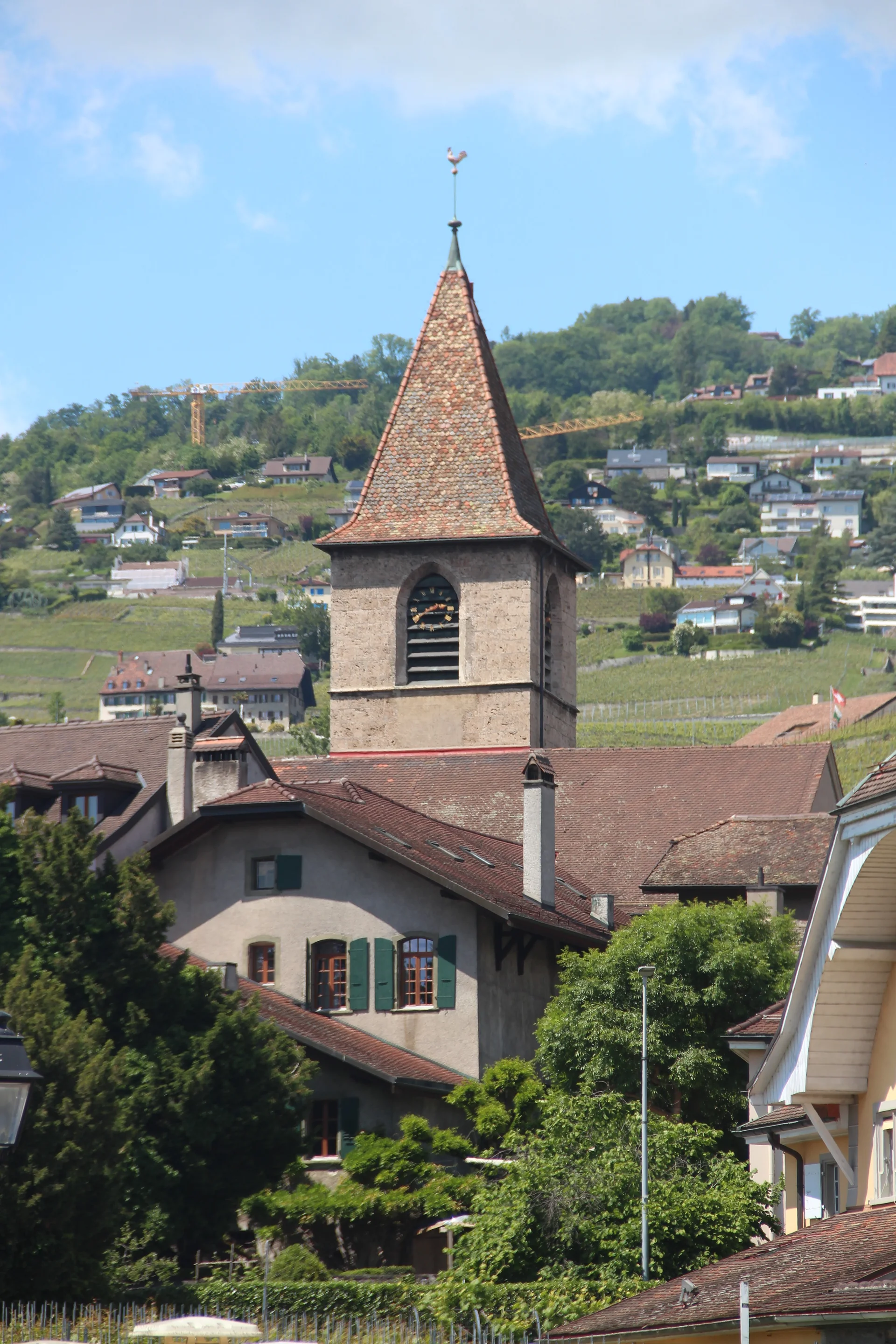
Temple de Cully
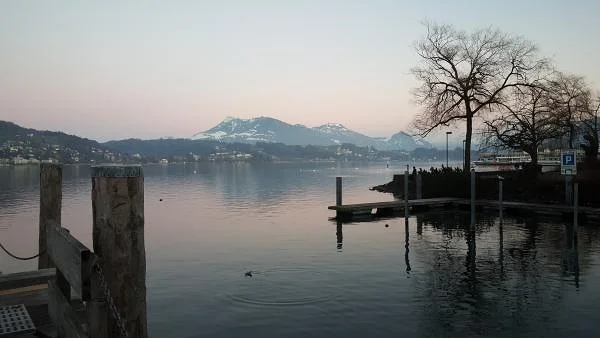
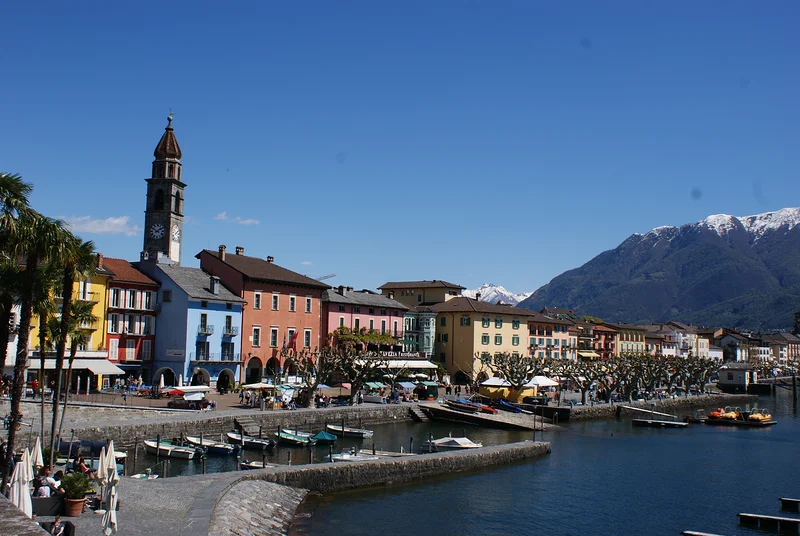
Port de Luzern

Articles about Switzerland

Latest reviews

Two very different vibes

I spent a full day in Lausanne to visit a Swiss friend. At first, I found the city pretty average, especially around the train station. Fortunately, the historic part made up for it. The cathedral and…

122

Family friendly vibe in a modern stadium

I discovered the Stadion Wankdorf during the 2025 Women's Euro for the Switzerland vs. Iceland match. There was a great atmosphere throughout the whole game. Even though I was rooting for the opposing…

38

A beautiful bridge and an exceptional view

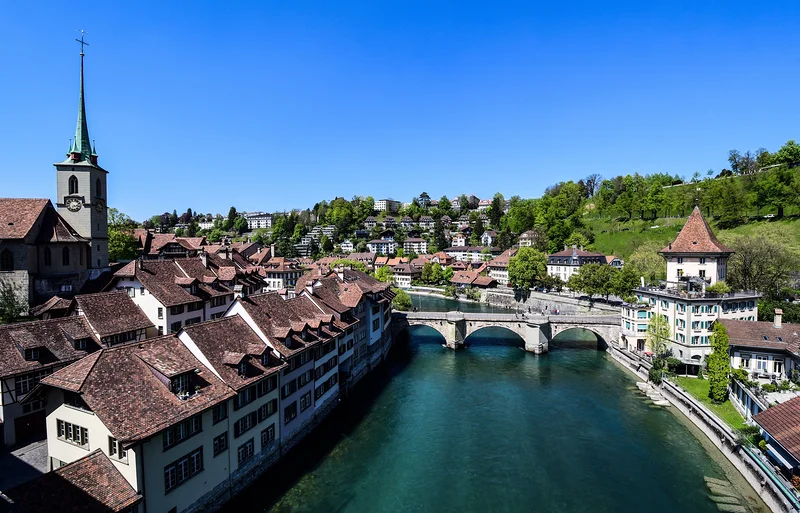
The Nydeggbrücke connects the old town to the Bear Pit. From this bridge, which crosses the Aare, you can admire the Untertorbrücke, the Nydeggkirche, and the charming houses overlooking the river.

87

The Swiss capital is worth the trip!

I was pleasantly surprised by Bern. After having a negative first impression while driving around the city on the highway, I finally discovered that the Swiss capital is home to a remarkable city cent…

123

A city of exceptional beauty

I discovered this city during the Women's Euro soccer championship. Crossed by a river and nestled on the shore of a lake, Thun blends the old and the new pretty well. It is possible to get across thi…

72