
Visiting La Chaux-de-Fonds
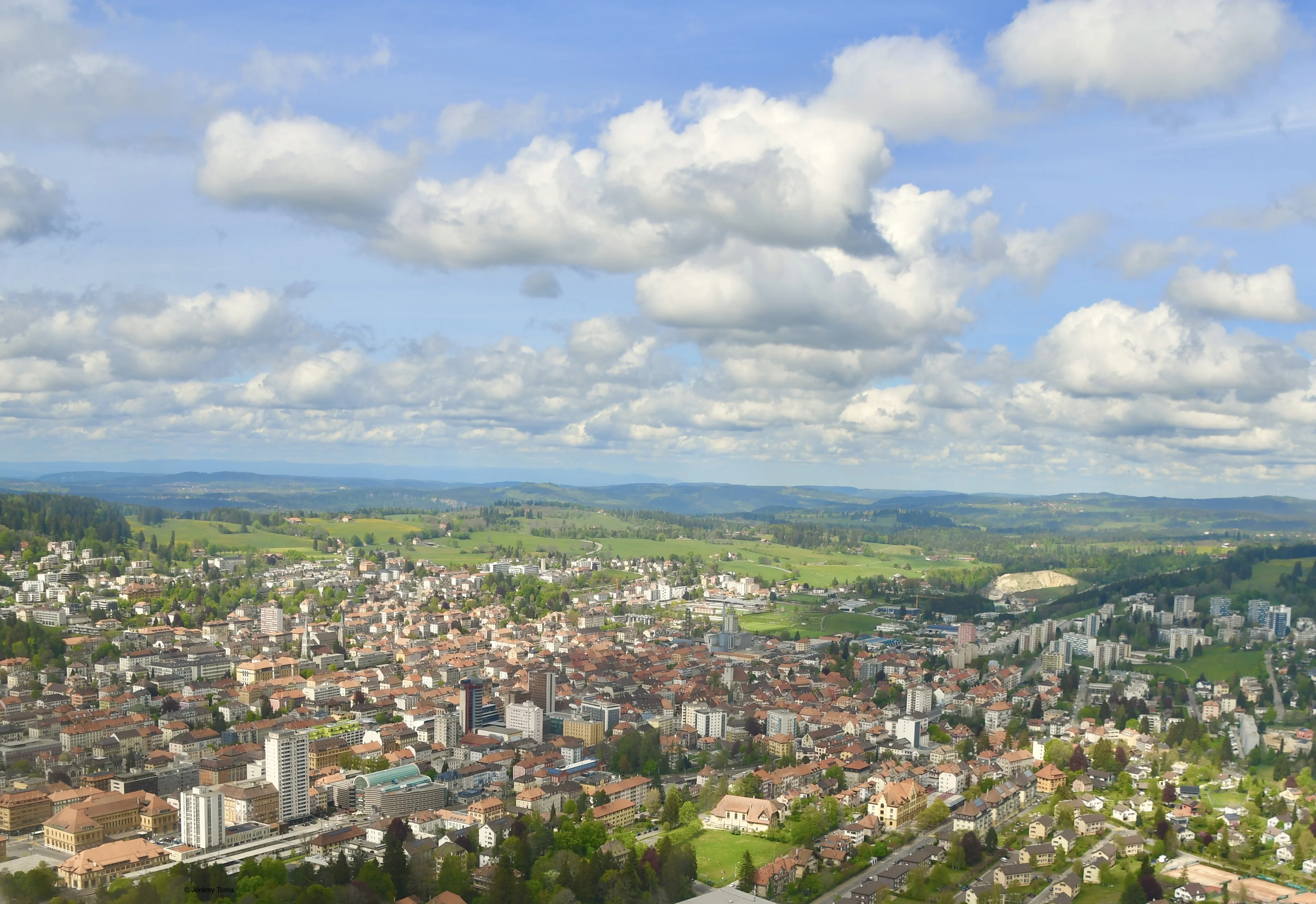
La Chaux-de-Fonds sits at an elevation of about 1000 metres in the
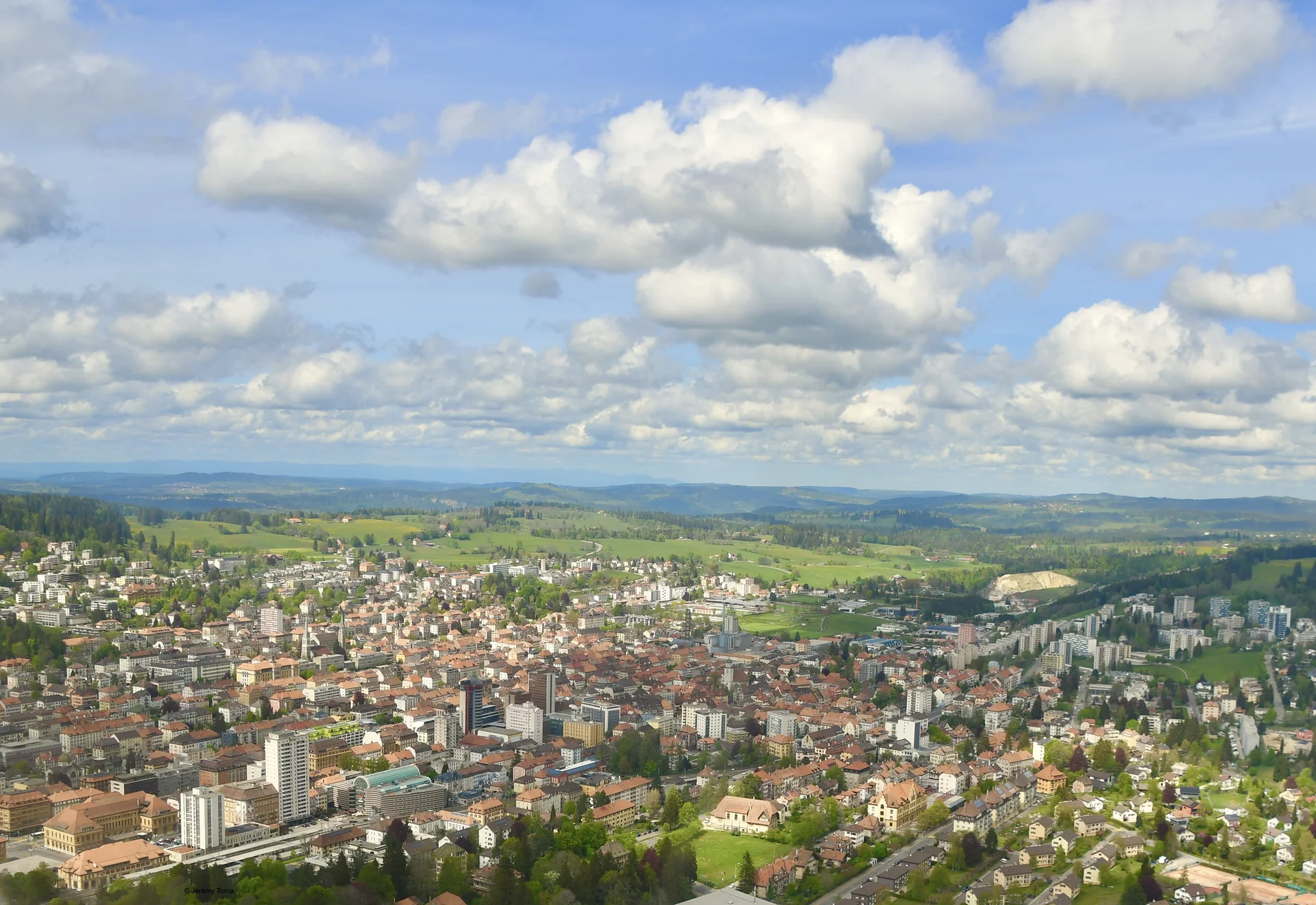
Jura mountains of Switzerland, not far from Neuchâtel. The town holds major architectural and urban planning significance, having been redesigned after a devastating fire in 1794 on a grid pattern developed and implemented by Charles-Henri Junod. This new layout was specifically designed to support the watchmaking industry, which was highly advanced in this part of Switzerland. La Chaux-de-Fonds is also the birthplace of the renowned architect and urban planner Le Corbusier, who built several homes here, including the Maison Blanche, a residence designed and outfitted for his parents.
Switzerland's Watchmaking Town
Part of La Chaux-de-Fonds is inscribed as a UNESCO World Heritage Site for its watchmaking town planning. The city was entirely rebuilt at the end of the eighteenth century to foster the watchmaking trade. Evidence of this modern planning remains visible in the design and orientation of the former workshops, as well as in the creation of grand avenues and wide public squares meant to facilitate the smooth movement of workers.
La Chaux-de-Fonds is a stop along the Swiss watchmaking route that stretches between Geneva and Basel through the Jura mountains. To dive deeper into the design and history of the watchmaking industry, head to the International Watchmaking Museum, which houses roughly 4500 pieces dating from the seventeenth century to the present day.
La Chaux-de-Fonds is also where Art Nouveau took off with numerous structures dating from the early twentieth century. It features a distinct local variant called the pine tree style, which showcases ornaments inspired by local Jura fauna and flora.
Things to Do in La Chaux-de-Fonds
On the cultural front, check out the Fine Arts Museum in La Chaux-de-Fonds, which features a strong collection of Swiss and international artists, including works by Matisse, Le Corbusier, Van Gogh, and Pissarro. The Quartier Général, housed in the city's former slaughterhouses, serves as a contemporary art center. Finally, the Museum of Country Life and Crafts highlights the traditional daily life of the farming families who originally crafted the very first clocks and pendulums.
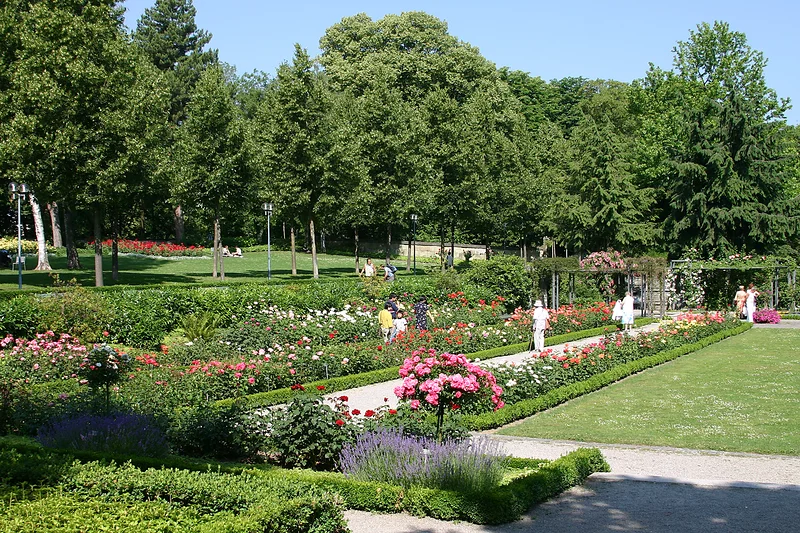
Whether traveling with family or friends, do not skip a visit to the Bois du Petit-Château zoo. It is a scenic green space with free admission where you can wander among animals, reptiles, and amphibians in the vivarium. A small adjoining museum also displays elements of African wildlife.
When to Go
If you love snow, plan your trip to La Chaux-de-Fonds in the winter. The ideal time to explore all the city's sights is during the spring and summer seasons, between June and September.
How to Get There
To reach La Chaux-de-Fonds, take a train or flight to Geneva, catch a connecting train to Neuchâtel, and then continue on to your final stop. Note that a direct regional train connects Besançon and La Chaux-de-Fonds in about 1 hour and 45 minutes.

We made a little detour to this town almost by accident. We were surprised by the richness of its heritage. The watchmaking museum reconstructs the history of the master watchmakers who settled in the region and will teach you a lot about the techniques that go into how our dear little watches and clocks actually work. La Maison Blanche, with its very unique architecture, is a creation of Le Corbusier, who was also from the area.
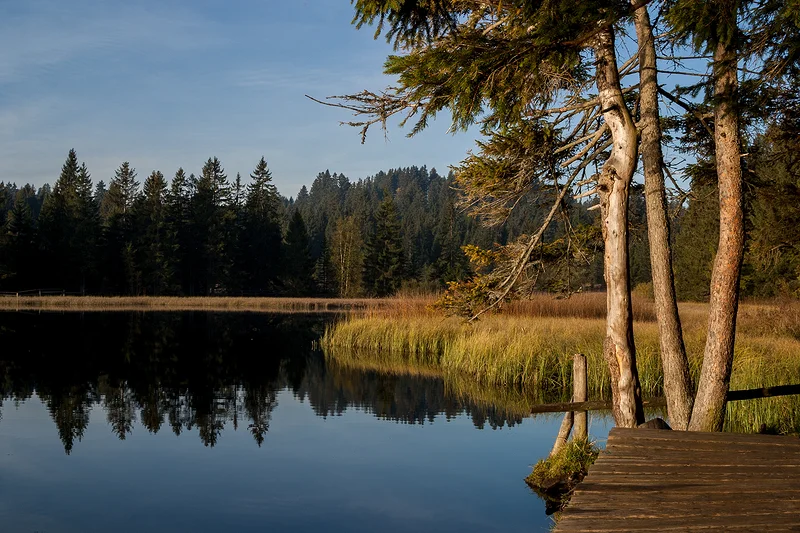
The town itself is full of charm, and it is a UNESCO World Heritage site. The region is very beautiful. To the north, the Parc Naturel du Doubs is splendid and easily accessible (it is still just mid-altitude mountains).