Visiting Saignelégier
Saignelégier is a Swiss village perched above the Doubs Valley near the border with France. It sits at the heart of the Franches-Montagnes, a sprawling 200 square kilometer plateau tucked into the heights of the Jura mountains. The region earned its name during an era when the local prince-bishop exempted the territory from taxes to encourage settlement in what was then considered a harsh, inhospitable climate. Today, the area around Saignelégier offers a sense of seclusion, characterized by expansive pastures and dense spruce forests.
A charming Jura mountain village
During the 17th century, Saignelégier served as the base for the lords of the Franche-Montagne seigneury, a legacy that left behind several historic homes and an understated, elegant neo-baroque church.
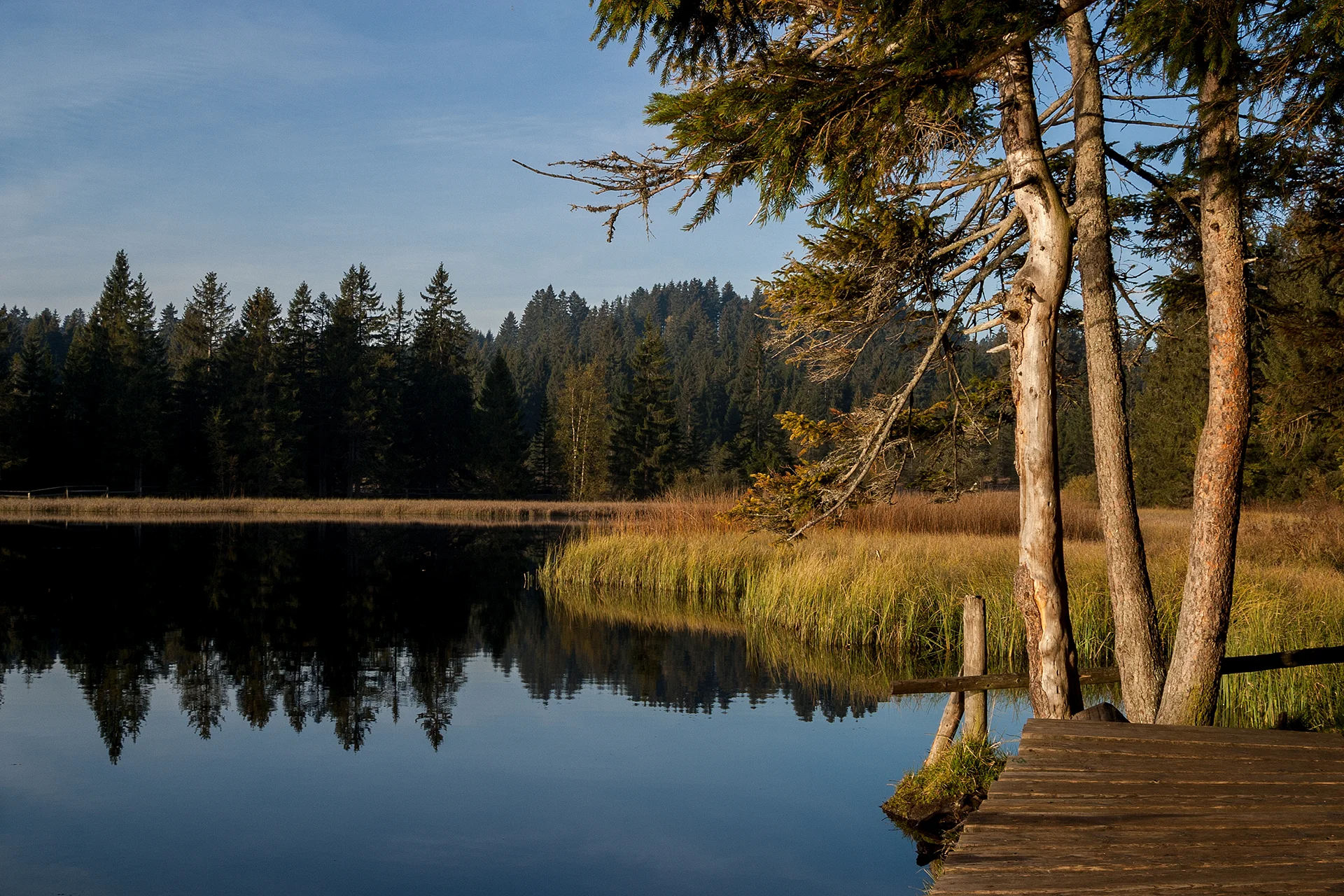
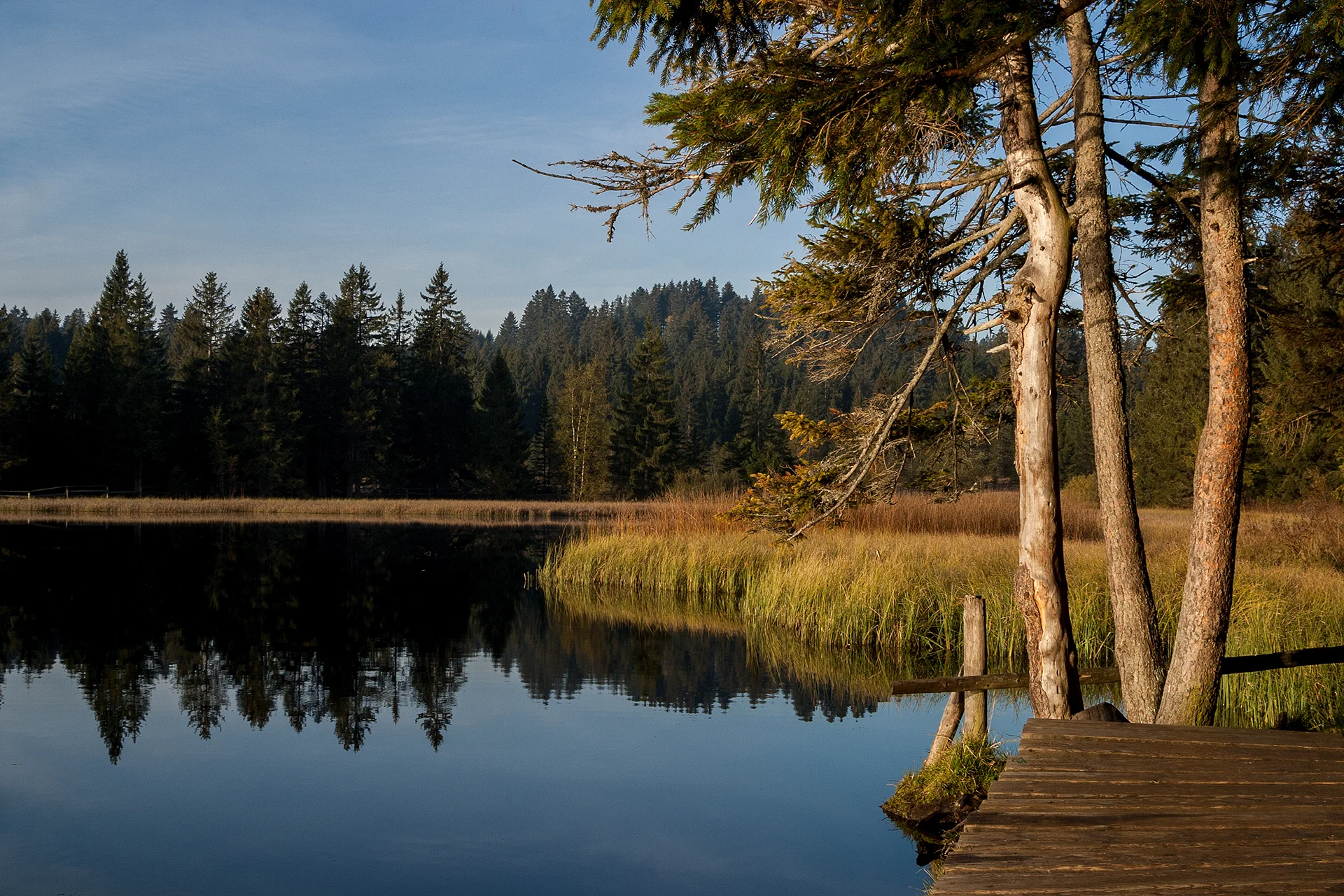
The real draw of Saignelégier, however, is its natural surroundings. The village is an ideal jumping-off point for exploring the parc naturel régional du Doubs. Hikers often follow the marked trail from the village to l’étang de la Gruère, a peat bog that showcases the region's unique wetland ecology. Along the way, you can stop at the Centre Nature Les Cerlatez for insights into how the last ice ages shaped these wetlands. The étang des Royes, a quieter and more rugged body of water located within the municipality, is another worthwhile spot for those seeking solitude.
A haven for horses
If you are an equestrian enthusiast, Saignelégier is a must. The Franches-Montagnes region boasts over 200 kilometers of dedicated riding trails. Within the village, you can find local outfitters offering wagon and carriage rides. For a closer look at the local horse breeds, visit the Fondation pour le Cheval in the hamlet of Le Roselet, just outside the village. The sanctuary cares for retired horses, ponies, donkeys, and mares with their foals. If you visit in August, you can catch the Marché-Concours national de chevaux, the largest annual horse gathering in Switzerland.
When to go
Your timing depends on your preferred pace. Winter opens up the landscape for cross-country skiing and snowshoeing. When spring and summer arrive, the focus shifts to long-distance hiking through a landscape dotted with isolated farmhouses, meadows, and thick spruce forests.
How to get there
By car, you can reach the village via route 18. A regional train line also connects Saignelégier to La Chaux-de-Fonds in about forty minutes.