
Visiting Besançon
As the historic capital of the Franche-Comté, Besançon carries over 2,000 years of history. It was already a known settlement during the Gallo-Roman era under the name Vesontio. Beyond its cultural heritage, the city is known for its abundant green spaces. Tucked into a dramatic loop of the Doubs River, the old town is highly walkable. Surrounded by hills and forests like the Chailluz forest, which features 1,780 hectares of wild nature and a wildlife park, the city sits just a stone's throw from the Jura mountains, offering plenty of options for excursions with family or friends.
The incredible heritage of Besançon
Walking through the narrow streets of the old town is a highlight of any trip here. Make sure to pass under the Porte Rivotte, a remnant of the former city walls, or admire the intricate carvings on the Porte Noire, a triumphal arch dating back to the 2nd century.
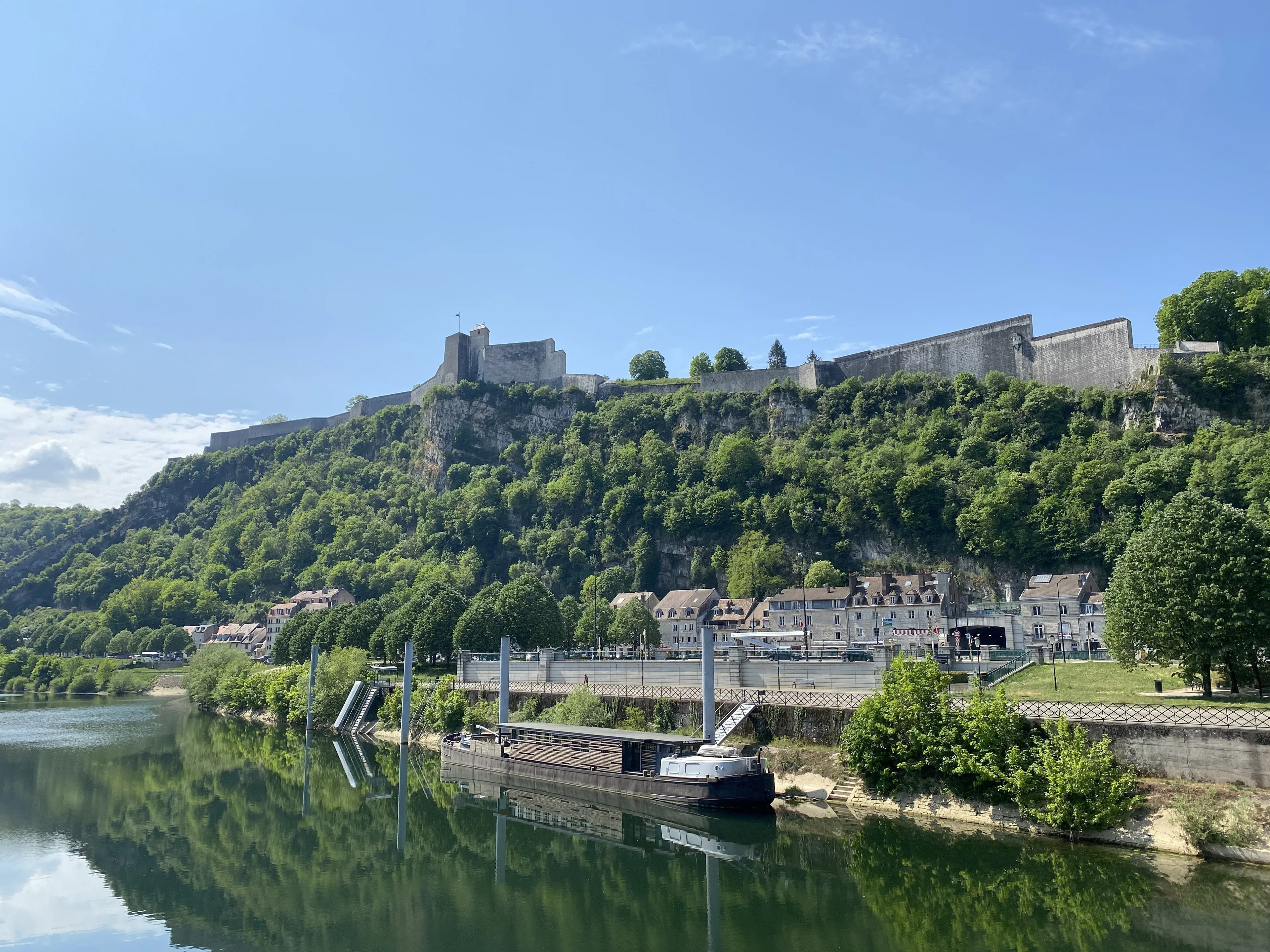
One of the city's most significant architects was the Marquis de Vauban, the mind behind the massive Citadel of Besançon, which holds UNESCO World Heritage status. This fortress includes 10 kilometers of walls, with ramparts reaching 5 meters in width and nearly 20 meters in height. Another legacy of the master of French fortification is the Quai Vauban, a pedestrian path developed in the late 17th century that stretches 600 meters along the Doubs.
To get the best vantage points of the city's architecture, cross the Pont Battant to reach the neighborhood of the same name. Centered around the charming Madeleine church, the winding streets climb up toward Fort Griffon, which offers excellent views looking down over the historic center. From this side of the river, you can also enjoy Parc Micaud, an English-style garden that provides a quiet, green escape along the water.
The museums of Besançon
Besançon offers significant cultural stops, starting with the Musée du Temps (Museum of Time), which explores the region's historic expertise in watchmaking. To see this craftsmanship in action, visit the Cathédrale Saint-Jean, home to one of the most impressive astronomical clocks in France. This mechanical jewel is made of 30,000 parts, was designed in the 19th century, and is still wound by hand every single day.
For art lovers, do not miss one of the oldest museums in France, the Musée des Beaux-Arts et d'archéologie. Established in 1694, it houses an impressive graphic arts collection featuring over 6,000 drawings. Finally, take a walk through the birthplace of one of France's greatest literary masters, Victor Hugo, who was born in Besançon in 1802.
When to go
The climate in Besançon can turn quite harsh in the winter, so aim to visit during the warmer months between April and September.
How to get there
If driving, you will likely arrive via the A36 motorway. Besançon is well-connected by rail with two high-speed TGV stations: the Besançon Viotte station located right in the city center and the Franche-Comté TGV station, which is a 15-minute shuttle ride away from the city.
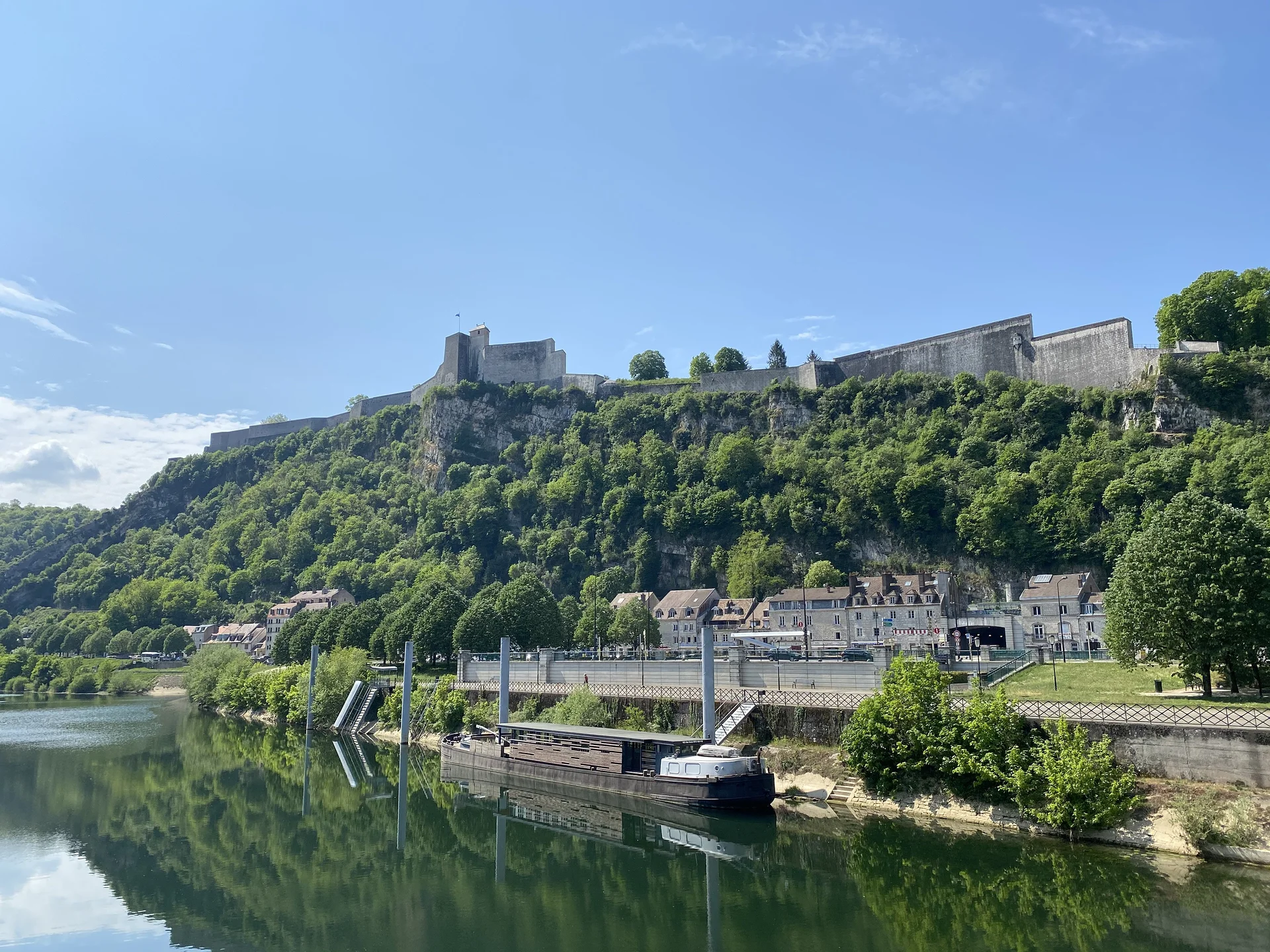
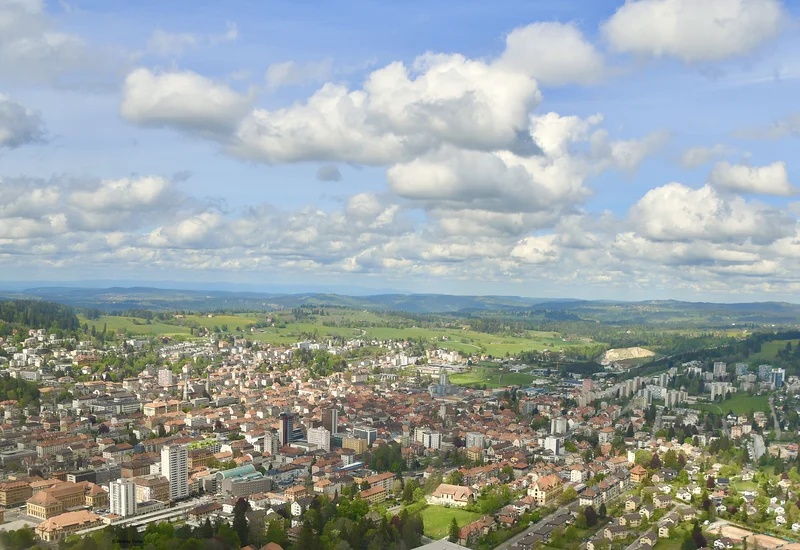
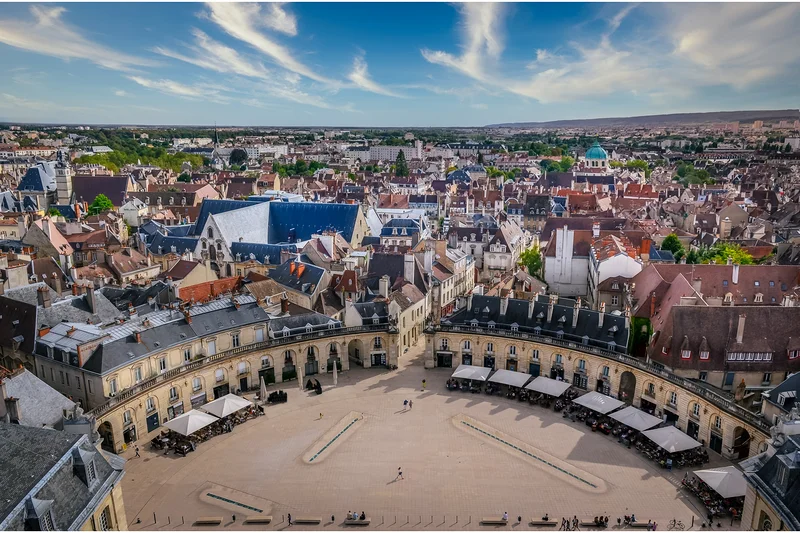
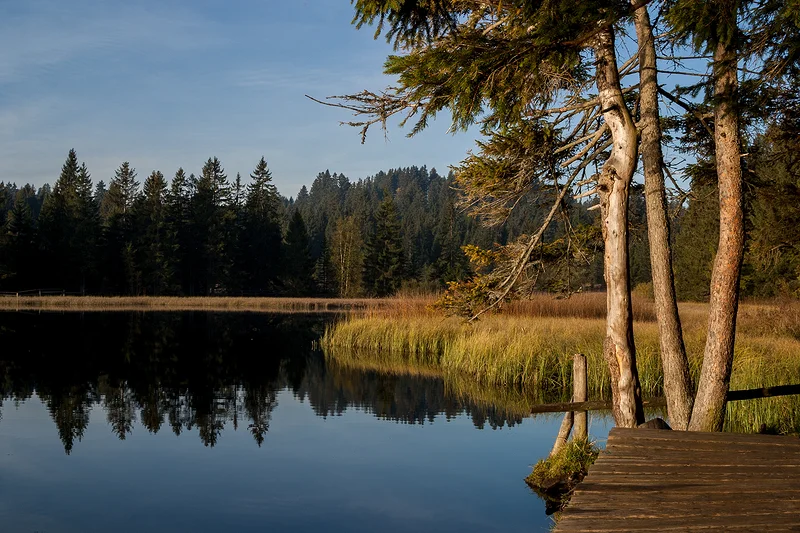
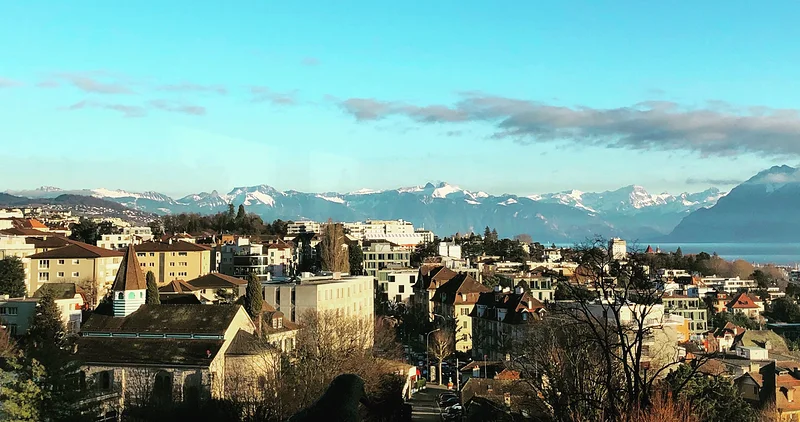
Besançon deserves to be better known! A very pretty city settled back in the Roman era, it is famous today for its impressive Vauban citadel. There are some really beautiful walks to do in the area with views over the loop of the Doubs river below. Plus, the food there is super good!