
Exploring Dijon, Burgundian Elegance Between Heritage and Cuisine
Where else can you brush a tiny stone owl for good luck, wander through a palace once ruled by dukes more powerful than the king, feast on escargot in herb butter, and sip a house kir? Welcome to Dijon, a Burgundian capital that refuses to choose between glazed tile roofs and gastronomic dining tables, medieval alleyways and confident modernity.
Dijon: The Ideal Destination for Time-Crunched Foodies
Dijon is the ultimate choice for a straightforward cultural and culinary weekend. Its UNESCO-protected historic district is entirely walkable, and food is the undisputed ruler here, anchored by the renowned Cité Internationale de la Gastronomie et du Vin. History and architecture enthusiasts will find plenty to love with the Palais des Ducs, Romanesque churches, and half-timbered townhouses.
If you are looking for coastal energy or unbridled nightlife, keep moving because Dijon cultivates a measured, refined quiet, especially in the off-season. For families, it is a safe bet thanks to the Parcours de la Chouette, which turns sightseeing into a fun scavenger hunt. The only minor drawback is that a car is unnecessary in the center, though it becomes nearly essential for exploring the surrounding vineyards.
A Reasonable Budget for a Character-Rich City
Good news: Dijon is notably more wallet-friendly than France's larger metro areas. Expect to budget between $85 and $124* per person, per day for a balanced trip covering lodging, meals, and activities. Hotel rooms range from $57* a night for a basic setup to $135* for three-star comfort, with some standout finds in the historic center hovering around $90*. When it comes to dining, a meal at a classic brasserie will run you $17 to $29*, while high-end gastronomic spots climb to $57* and up.
The Historic Core and Its Stone Secrets
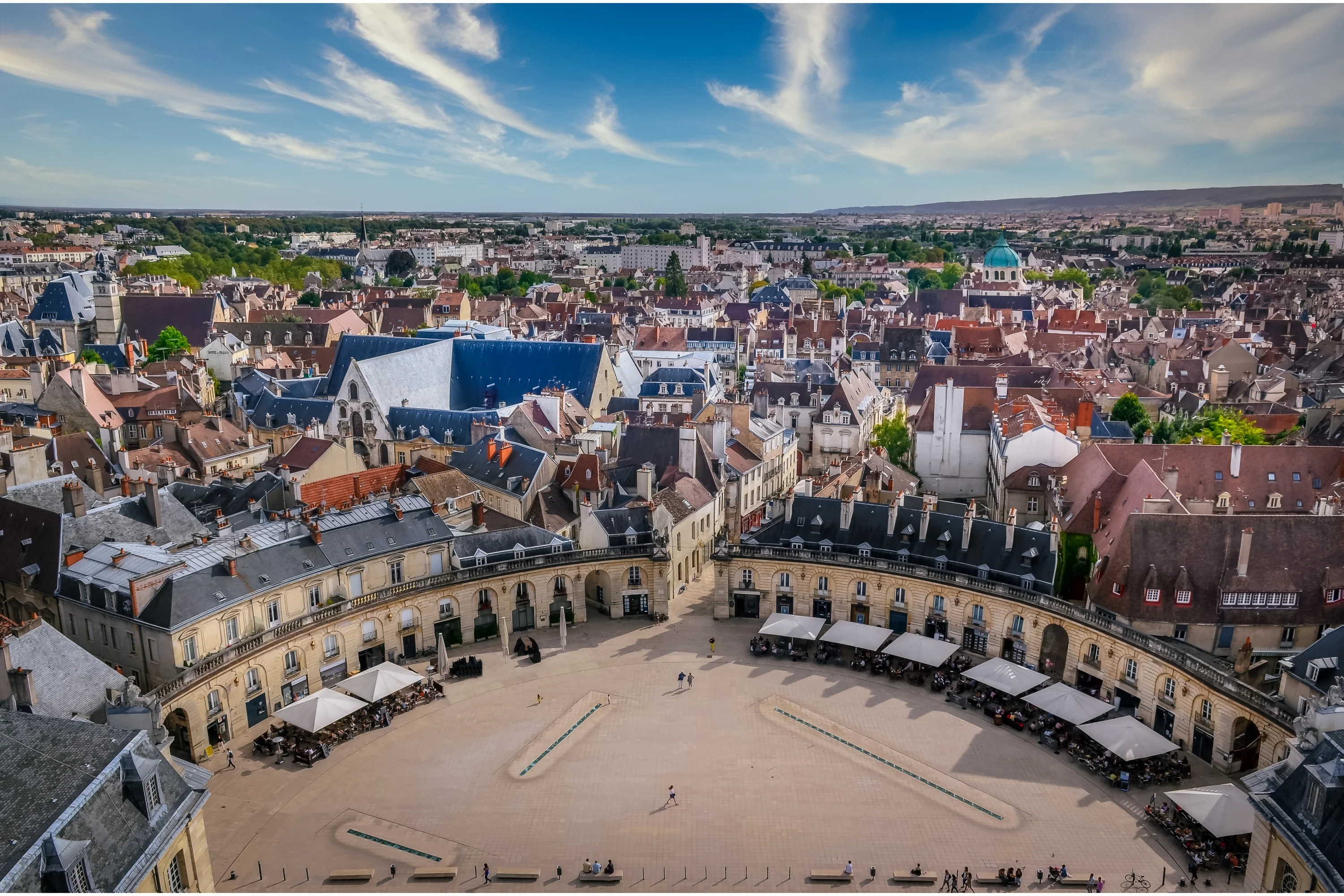
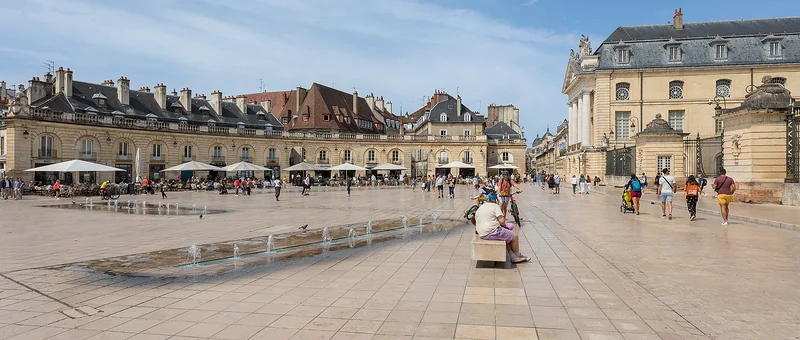
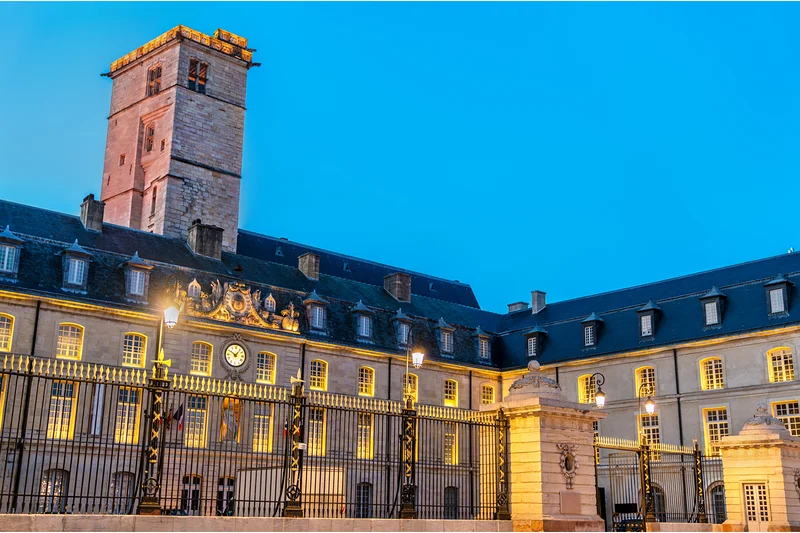
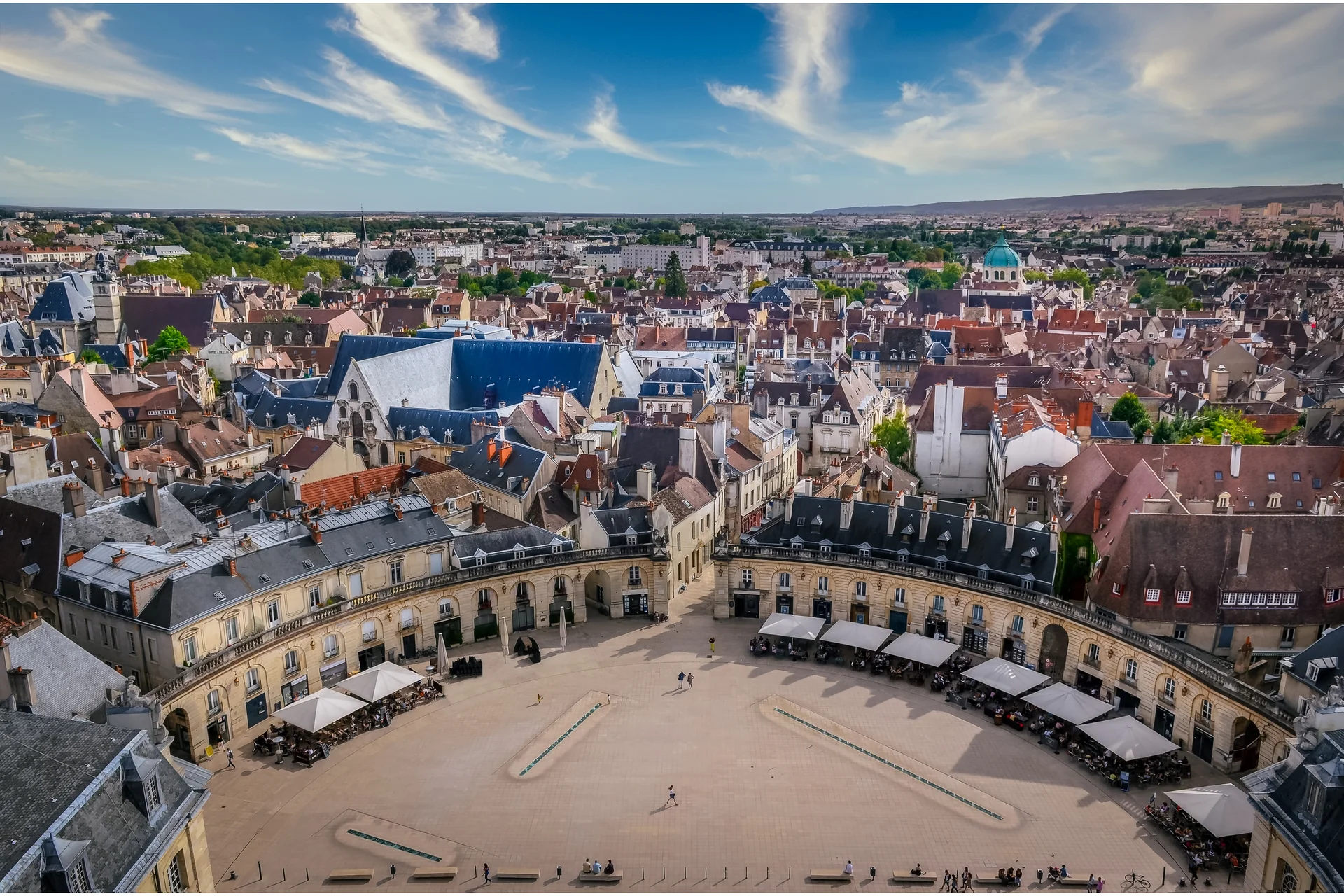
Downtown Dijon reads like an open-air history book. Start at the Place de la Libération, a majestic semicircle facing the Palais des Ducs et des États de Bourgogne. Today, this palace houses the Musée des Beaux-Arts (free admission!), one of France's oldest museums, featuring the sculpted tombs of the dukes that will leave you awestruck. Do not miss the climb up the 316 steps of the Tour Philippe le Bon. Standing 46 meters tall, the view sweeps across the entire city and its rolling hills.
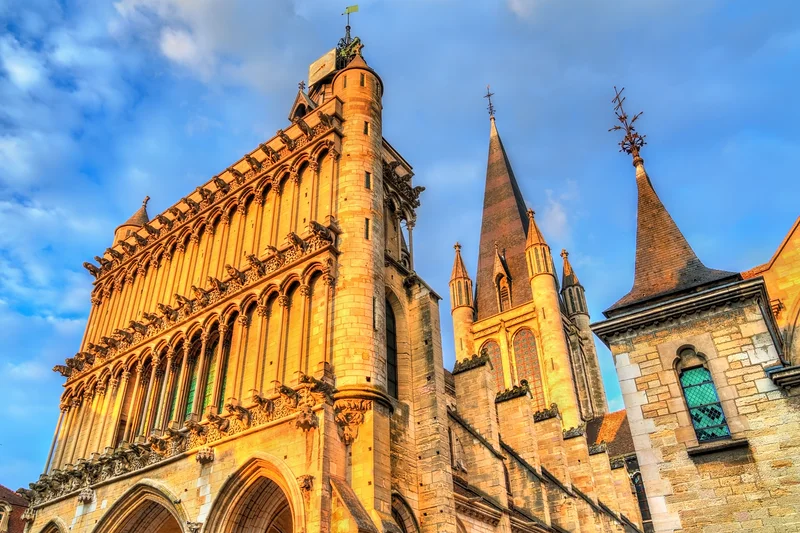
Next, lose yourself in the labyrinth of the rue des Forges and its surrounding streets. Half-timbered homes sit side by side with Renaissance townhouses and hidden interior courtyards. The église Notre-Dame deserves a stop for its gargoyle-studded facade and its famous jacquemart, a mechanical clock whose figures have struck the hours since the 14th century.
Friendly tip: follow the gold arrows embedded in the pavement for the Parcours de la Chouette. This 22-step sightseeing route guides you to the essentials without getting lost. The mobile app is well-designed, but the paper booklet from the tourist office adds a more poetic touch to a waterside stroll.
The Covered Markets and Dijon's Food Scene
The Halles du Marché, a 19th-century iron-and-glass market structure, pulses with life on Tuesdays, Thursdays, Fridays, and Saturdays. This is where you experience the true soul of Burgundy: Epoisses cheese with an aroma that carries for yards, parsley ham sliced right in front of you, and fresh black currants in season. The stalls overflow with authentic local goods, miles away from tourist gimmicks.
A short walk away, the Cité Internationale de la Gastronomie et du Vin occupies the former General Hospital. This ultra-modern complex features cooking classes, Burgundian wine tastings, and several restaurants in a polished setting. The Village Gastronomique gathers artisan food stalls for quick bites, perfect for a fast lunch between museum stops.
Mustard, Much More Than a Condiment
Head to the historic Maille boutique on rue de la Liberté, open since 1845, where you can buy mustard straight from the pump just like the old days. For a look at how it is made, take a 30-minute trip to Beaune to visit the Moutarderie Fallot, the last independent family house producing this iconic condiment with local seeds. Guided tours cost $12*.
Friendly tip: arrive at the market hall around 9 AM on Saturday to soak up the atmosphere at its peak before the 11 AM rush. The vendors have more time to chat and are much more generous with samples.
Gardens and Green Escapes
Dijon wears its green spaces with pride. The Jardin Darcy, right across from the train station, provides an immediate breath of fresh air with its monumental fountain and striking sculptures. Better for families, the Parc de la Colombière spans 33 hectares of shaded paths, ideal for an afternoon picnic.
Botanical enthusiasts will want to head to the Jardin de l'Arquebuse, which combines a botanical garden featuring 3,500 plant species, a natural history museum, and a planetarium. It packs five hectares of biodiversity right into the city, complete with tropical greenhouses that save rainy days with kids. If you want to stretch your legs, Kir Lake on the edge of town offers scenic walking paths along the water that locals love on Sundays.
Excursions into the Burgundian Vineyards
Just a few kilometers south begins the legendary Route des Grands Crus, an unbroken chain of wine villages with heavy-hitting names: Marsannay, Gevrey-Chambertin, Vougeot, and Vosne-Romanée. Local wine estates offer guided tastings (generally $17 to $34*) where you can learn the nuances of Burgundian appellations, from Pinot Noir to Chardonnay.
The Château de Marsannay, less than 10 km from Dijon, makes a great starting point with its 40 hectares of organic vineyards and Cistercian cellars. Further out, the village of Châteauneuf-en-Auxois, ranked among France's prettiest villages, is worth a detour for its hilltop medieval castle and panoramic view over the canal de Bourgogne.
Friendly tip: rent e-bikes to explore the Route des Grands Crus. The tourist office maps out twenty-kilometer loops combining vineyards and villages, giving you the freedom to taste wine without worrying about driving.
Where to Eat and Drink in Dijon
Dijon cooking blends traditional Burgundian recipes with modern creativity. Classic dishes take center stage: bœuf bourguignon simmered in red wine for hours, œufs en meurette poached in a wine sauce with bacon and onions, and escargots de Bourgogne swimming in garlic and parsley butter. Do not miss the jambon persillé, a jellied ham terrine speckled with fresh parsley, or poulet Gaston Gérard, a local recipe invented by accident in 1930 when the mayor's wife rescued a ruined chicken dish using mustard, white wine, and Comté cheese.
On the sweet side, pain d'épices (gingerbread) from the Mulot & Petitjean house (founded in 1796) is a must, along with nonnettes, little spice cakes filled with orange marmalade. Sweet tooths also flock to the chocolate Burgundy snails from the Chocolaterie de Bourgogne, filled with praline. Naturally, kick off any evening with a homemade kir, which pairs Dijon crème de cassis with chilled Bourgogne Aligoté white wine.
For top-tier dining, L'Hostellerie du Chapeau Rouge holds two Michelin stars for exceptional cuisine. For something more casual, Le Comptoir de la Cité inside the Cité de la Gastronomie serves regional dishes and a great charcuterie selection in a chic bistro setting. The indoor market also features casual food stalls for sampling local specialties without breaking the bank.
Getting There and Getting Around Dijon
High-speed TGV trains connect Paris and Dijon in 1 hour 30 minutes with multiple daily departures, with tickets starting at $29* if booked in advance. Dijon Ville station empties right into the city, leaving you a 10-minute walk from the historic center. From Lyon, the train takes 2 hours. Driving from Paris takes about 3 hours via the A6 highway, sitting at the junction of the A31, A38, and A39 motorways. The closest major airport is Lyon-Saint-Exupéry, a 2-hour drive away.
Once you arrive, the pedestrian-only downtown is best explored on foot since everything sits within a one-kilometer radius. The Divia tram and bus network efficiently serves outer neighborhoods and nearby towns. A single ticket costs $1.60*, and a day pass runs $5.10*. Underground parking garages in the center charge $2.30 to $3.40* per hour, but it is easier to use the free park-and-ride lots on the edge of town and take the tram in.
Exploring the surrounding vineyards requires a car unless you choose the organized cycling tours run by the tourist office. Electric bike rentals cost roughly $29* per day.
When to go
Dijon is a pleasure to visit from April through October, with a sweet spot in May-June and September-October when temperatures hover between 18 and 25°C and golden light illuminates the glazed roofs. September marks the start of the grape harvest in the vineyards, an incredible time for wine lovers. In November, the famous Vente des Vins des Hospices de Beaune (held the third weekend of the month) draws crowds with wine tastings and gourmet food markets.
Winter stays quiet with temperatures around 5°C, though Christmas lights bring extra charm to the streets and lantern-lit tours from the tourist office create a fairytale atmosphere. Avoid August if possible, as the heat can be intense, with temperatures reaching up to 35°C some summers, and many local shops close for annual summer holidays.
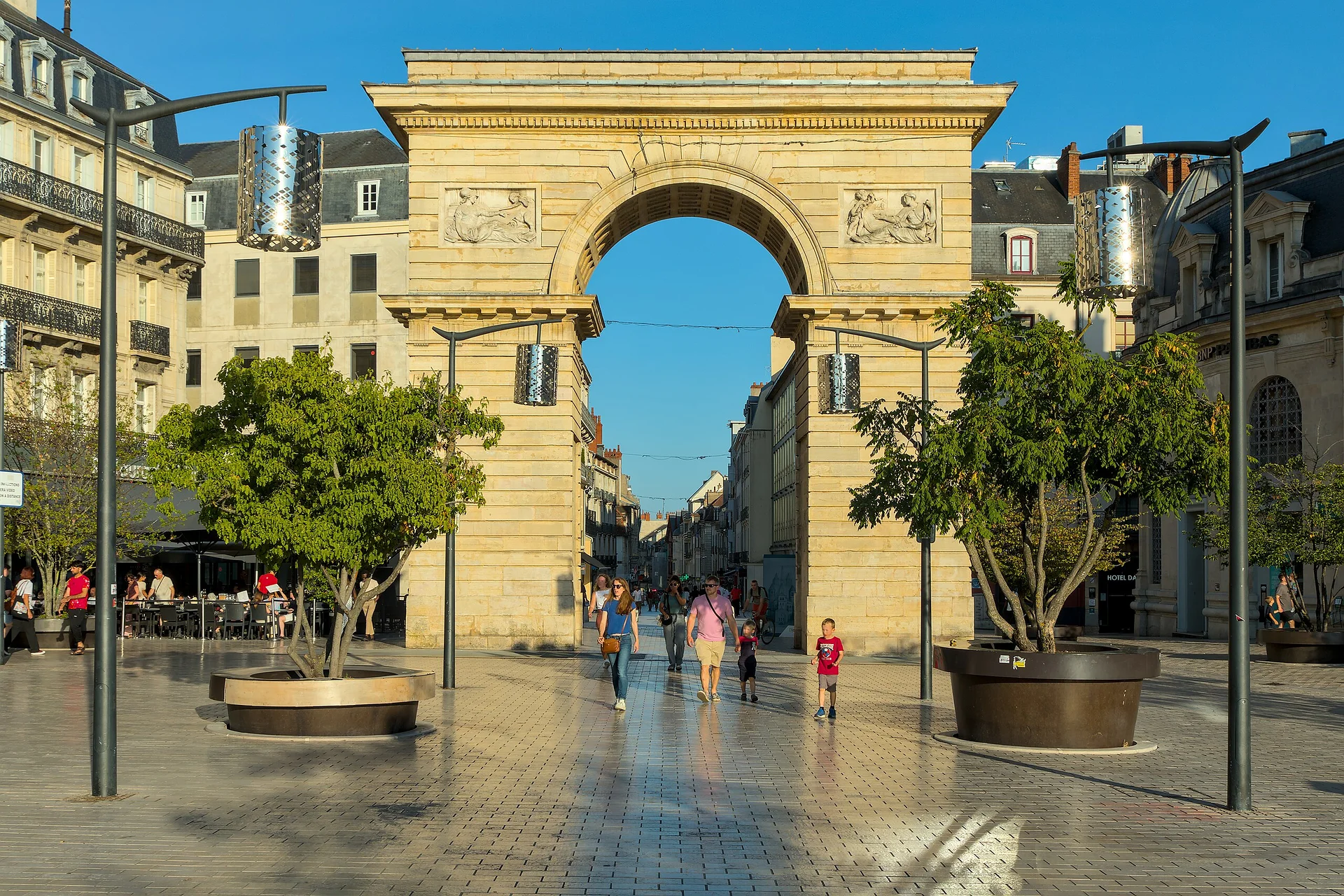
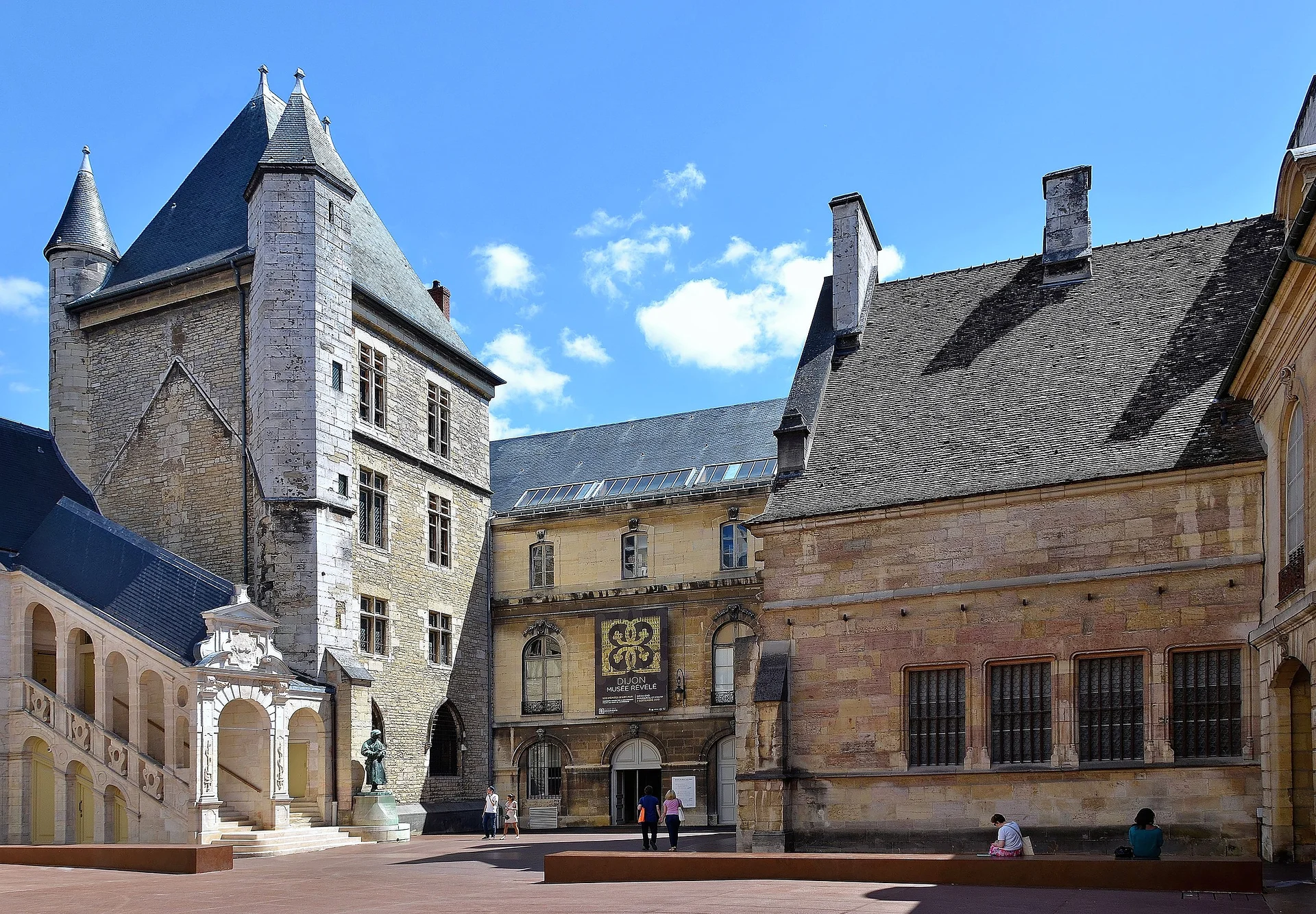
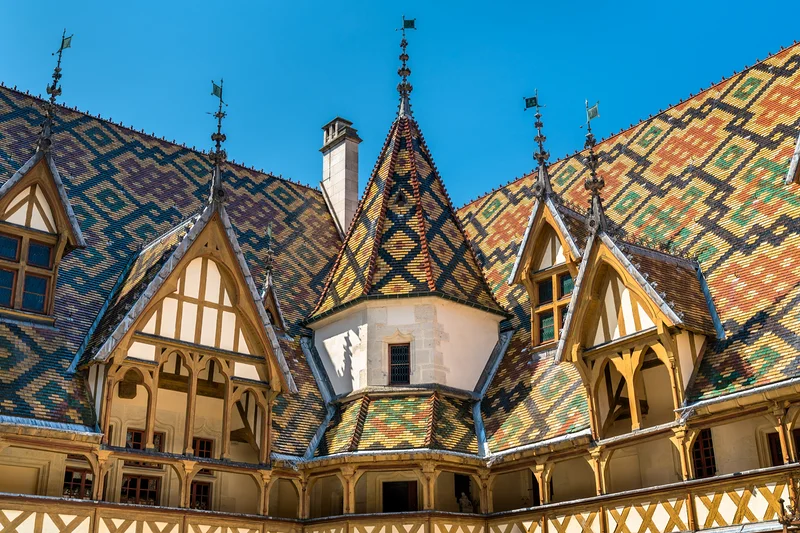
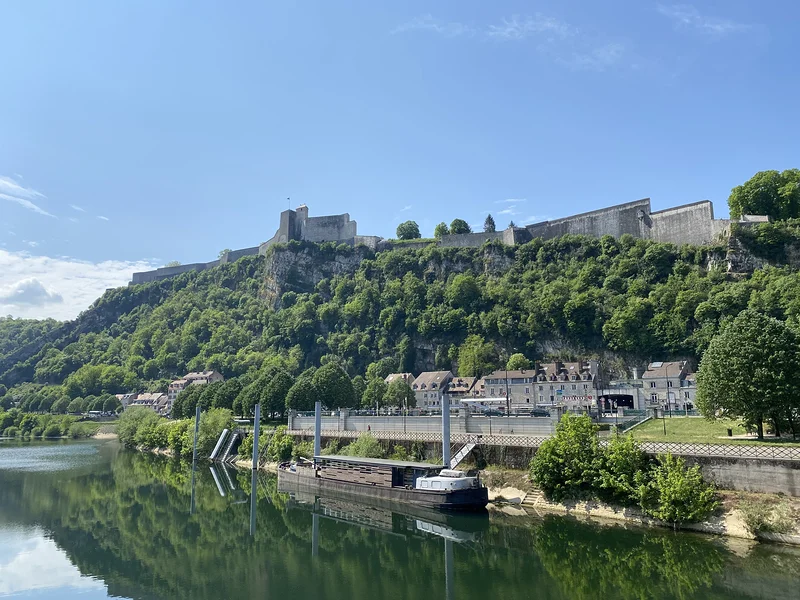
Dijon offers a compact city center that makes for an easy urban hike, and the sights are everywhere. For my part, I fell in love with the Palais des Ducs de Bourgogne. It is a true testament to the grandeur of the city and an absolute must-see. You can discover the superb Museum of Fine Arts there. All around, the shopping streets invite you to stroll and make some culinary discoveries!