Belgium, a compact nation of striking contrasts: beers, belfries, and comic strips
A country the size of Maryland that packs in three official languages, UNESCO-recognized brewing traditions, and more comic books per capita than anywhere else on earth. Belgium often gets rushed through as a quick stopover between major European capitals. That is a mistake.
Is Belgium right for your next trip?
Whether you are planning a quick weekend getaway or a full road trip, Belgium adapts to different travel styles. It is not a beach destination or a remote wilderness escape, but it delivers strongly in other areas.
Ideal destination for:
- Weekend city breaks accessible from major European hubs
- Fans of medieval architecture and UNESCO heritage sites
- Food lovers interested in artisanal beer, chocolate, frites, and fine dining
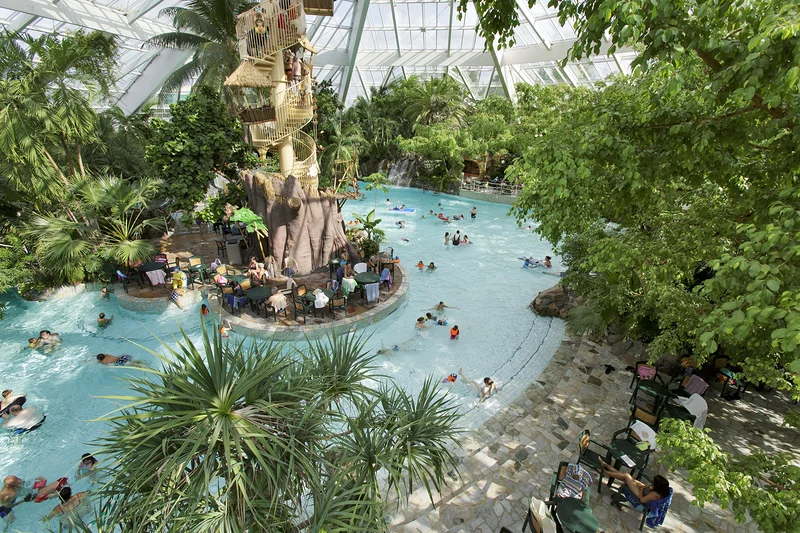
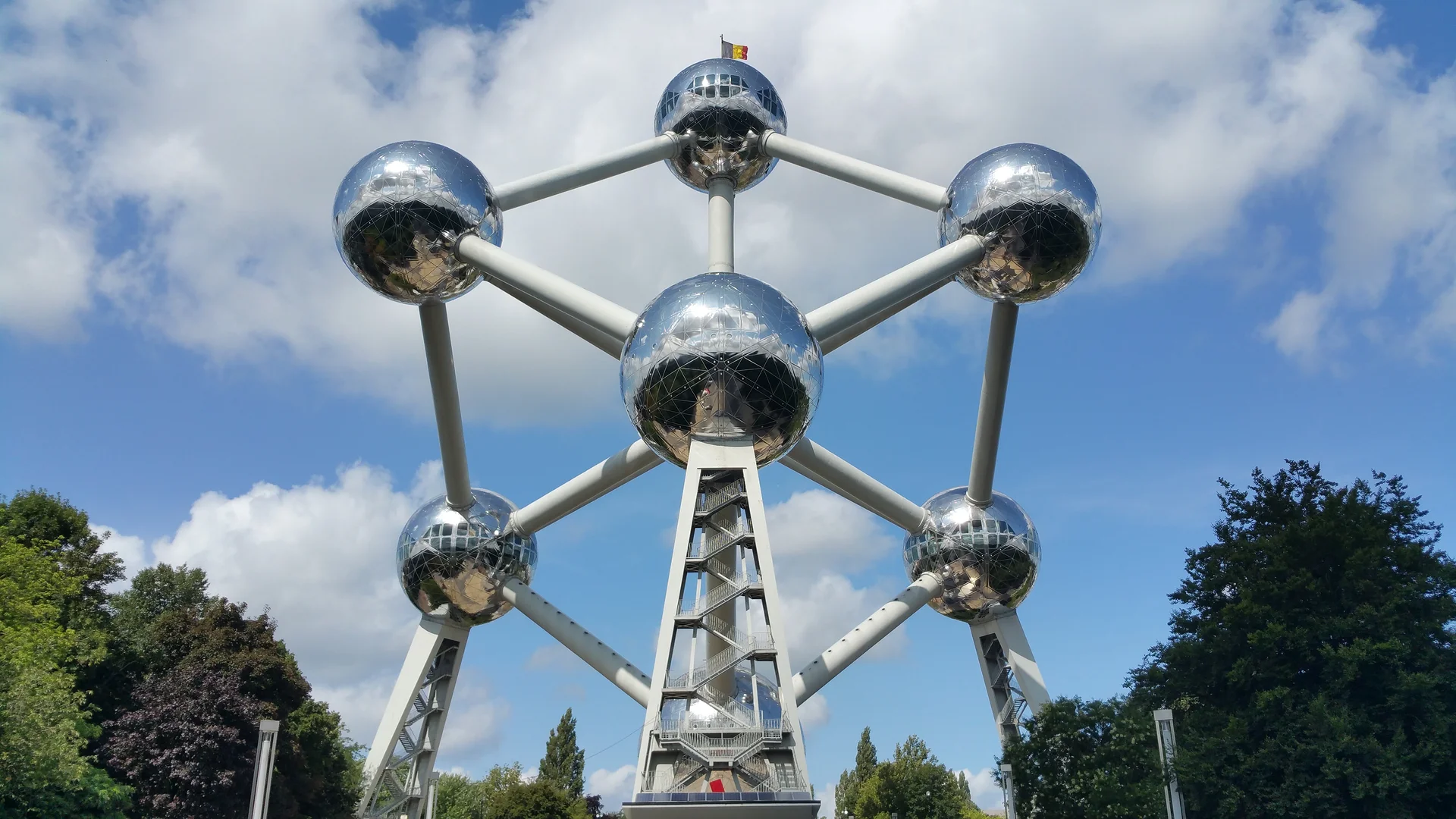
- Families traveling with kids, thanks to interactive museums, parks, and the Atomium
- Festival-goers heading to events like Tomorrowland, Pukkelpop, and the Ghent Festivities
- Hikers and cyclists exploring the Ardennes and Flanders
- Travelers curious about local culture, comic books, street art, and fashion in Antwerp
Not recommended for:
- Anyone looking for guaranteed sunshine and tropical beaches
- Travelers who want to avoid crowds, as Bruges gets packed during peak season
- Tight budgets, since Western European pricing applies here
- Seekers of vast wilderness and complete isolation
A reasonable budget for Western Europe
Belgium is not inexpensive, but it remains more manageable than Switzerland or the Nordic countries. A city trip to Brussels or Bruges can easily be budgeted around $113 to $169* per day for lodging, meals, and sightseeing. The Ardennes offer more wallet-friendly options.
| Trip Type | Destination | Duration | Estimated Budget per Person |
|---|---|---|---|
| Art and culture city break | Brussels | 1 weekend (2 nights) | $230 to $450* |
| Medieval city break | Bruges and Ghent | 3 to 4 days | $340 to $680* |
| Hiking and nature | Ardennes (Durbuy, Bouillon) | 4 to 5 days | $290 to $570* |
| Fashion and food | Antwerp | 2 to 3 days | $290 to $620* |
| Summer festival | Boom (Tomorrowland) and Ghent | 1 week | $570 to $1,350* |
| Full road trip | All of Belgium | 10 to 14 days | $1,020 to $2,030* |
Navigating a country with three distinct sides
Belgium divides into three major linguistic and cultural regions: Flanders in the north where Dutch is spoken, Wallonia in the south where French is spoken, and Brussels in the center, which is officially bilingual. This division goes beyond administration, as local mindsets, architecture, cuisine, and even humor change noticeably from one area to the next.
Moving from Wallonia into Flanders brings noticeable shifts in street signs and accents. That contrast is part of the appeal, letting you experience a shift in culture without crossing an international border.
Cities worth exploring in depth
Brussels, the capital
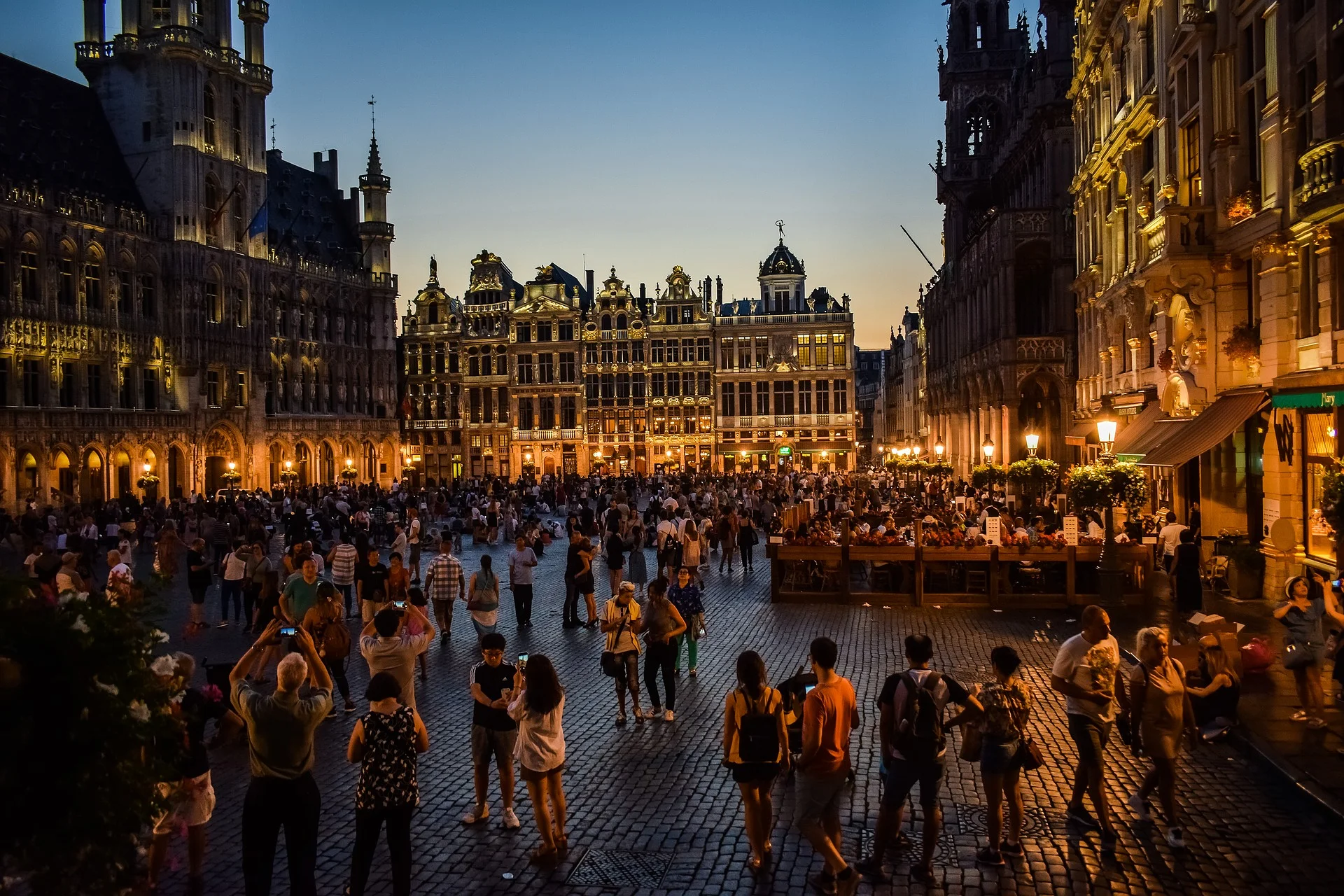
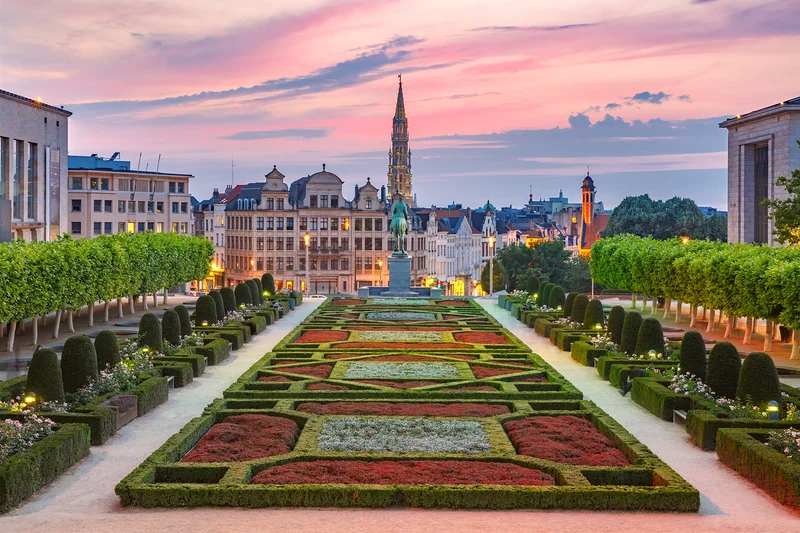
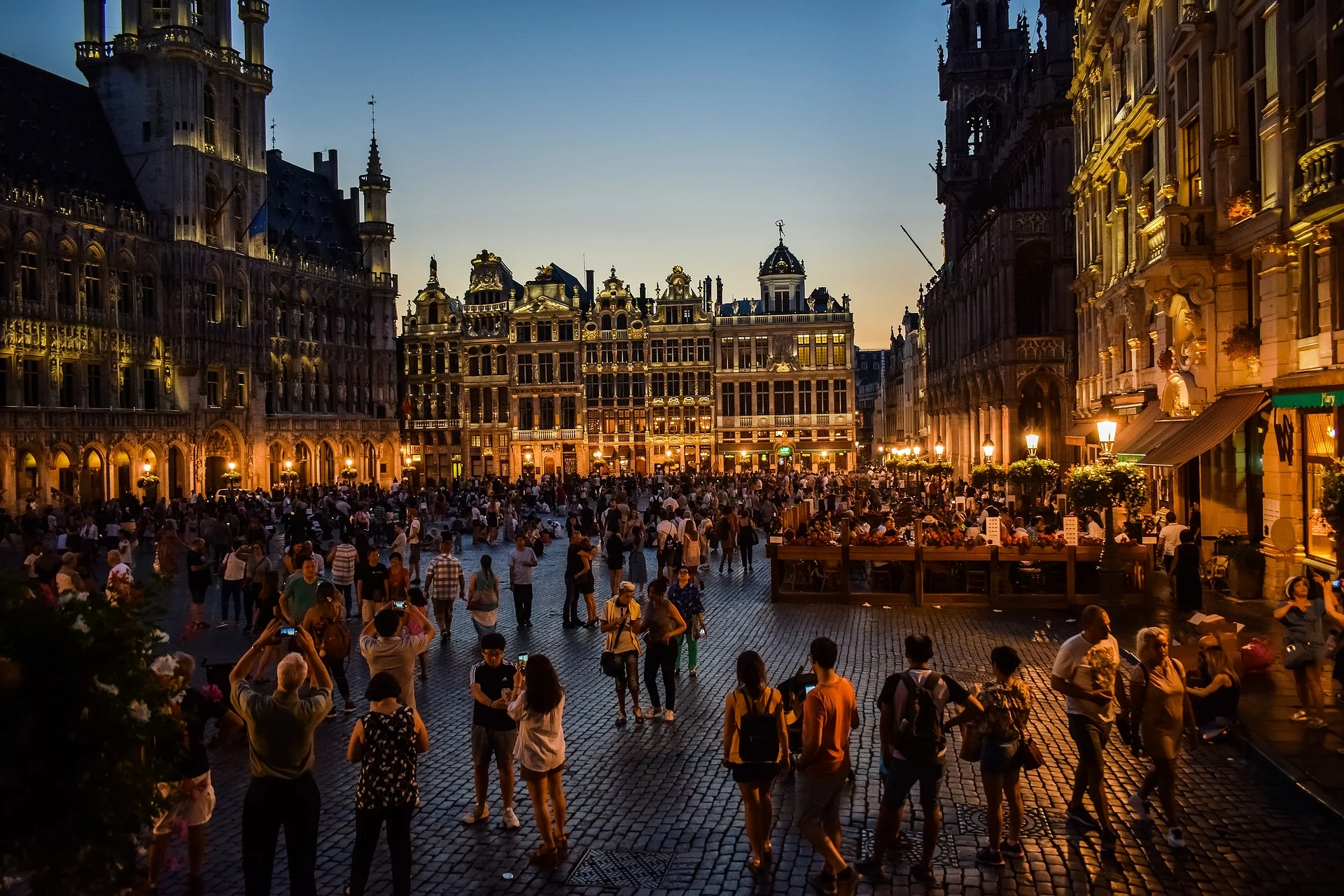
Brussels can feel a bit confusing at first glance. It lacks the picture-postcard uniformity of Bruges and the compact layout of Amsterdam, but it rewards those who stick around. The UNESCO-listed Grand-Place stands as one of the finest baroque squares in Europe. Down in the Marolles neighborhood, the daily flea market at Place du Jeu de Balle showcases a working-class side of the city that holds its ground.
The Magritte Museum and the Royal Museums of Fine Arts of Belgium house some of the best-curated Flemish collections on the continent. When evening hits, the Saint-Gilles neighborhood and the Ixelles district offer a diverse lineup of bars and restaurants.
Bruges, the romantic choice
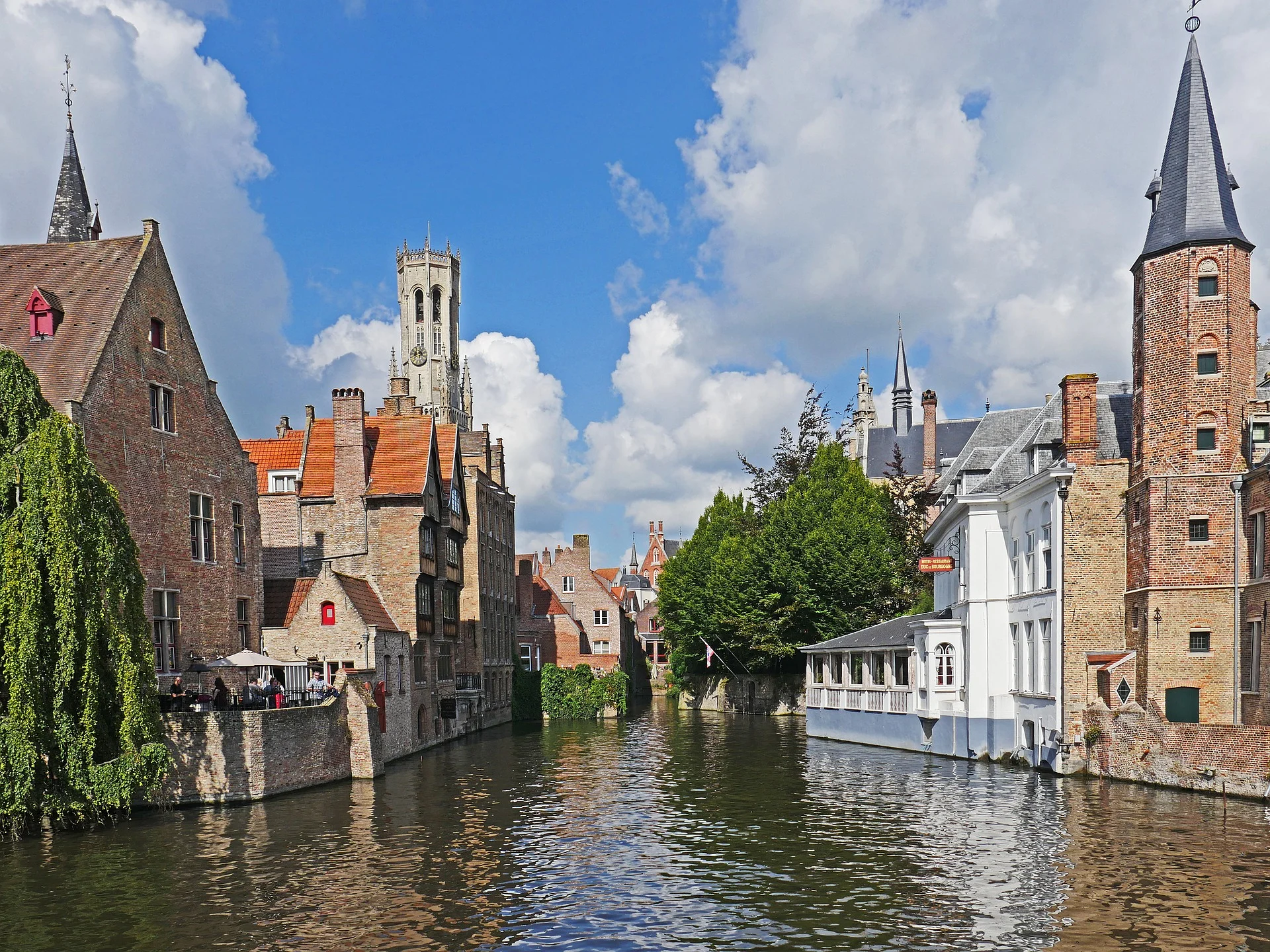
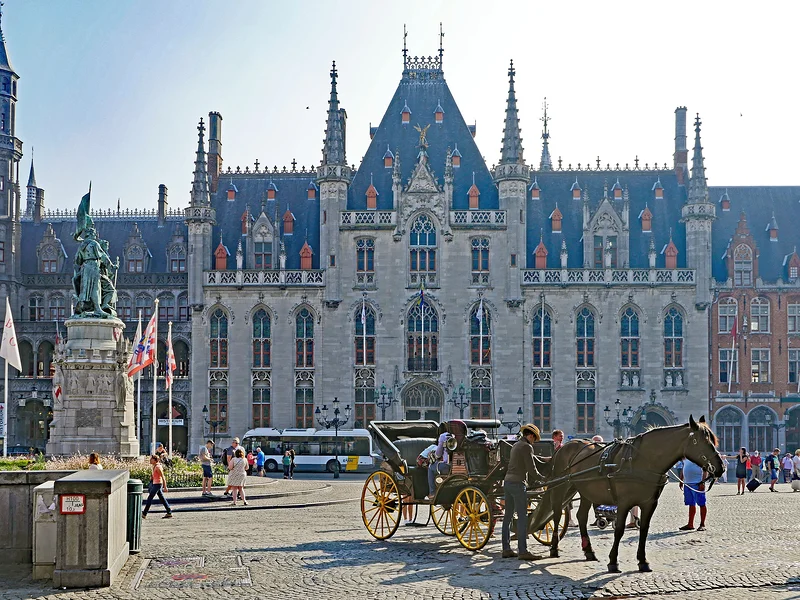
Bruges functions almost like an open-air museum that requires some strategy. July and August bring heavy crowds to the cobblestone lanes. Visit in the off-season on a misty autumn morning, however, and the canals, the Belfry, and the stepped-gabled facades turn genuinely atmospheric. The Groeninge Museum preserves an exceptional collection of Flemish Primitive paintings.
Friendly tip: Skip the restaurants right around the Markt in Bruges, where prices climb and quality drops. Head for the quieter lanes behind the Church of Our Lady to find spots where locals actually eat.
Ghent, the vibrant hub
Ghent is perhaps the easiest city to fall for. Less famous than Bruges, it matches its neighbor's historical weight with the imposing Gravensteen castle and Van Eyck's masterpiece altarpiece, the Adoration of the Mystic Lamb, inside Saint Bavo Cathedral. Best of all, it remains a lively university town with a strong music and cultural scene.
Antwerp and Liège: two distinct urban personalities
Antwerp operates on another scale entirely. As the global capital of cut diamonds, one of Europe's top ports, a city tied to Rubens, and the birthplace of Flemish fashion through the legendary Antwerp Six group of designers, its cultural density catches visitors off guard. The Antwerp Central Station ranks among the grandest railway terminals in Europe and justifies a look on its own. Over by the Scheldt River, the MAS museum provides 360-degree views from its rooftop.
Liège, located in the Walloon region, runs on raw, proud energy. It is less tourist-focused and unapologetically down-to-earth. The Sunday morning La Batte market is a local institution, much like the regional specialty of meatballs in sweet-and-sour sauce known as boulets à la liégeoise, best enjoyed at a neighborhood pub. Climbing the 374 steps of the Bueren Mountain stairway earns you a sweeping view over the Meuse River.
The Ardennes, the wilder side of Belgium
South of Namur, the landscape changes. The Belgian Ardennes feature dense forests, deep river valleys, and gray-stone villages that feel centuries away from the rest of the country. This is where travelers come for hiking, kayaking on the Lesse or Ourthe rivers, and escaping the buzz of the Flemish cities.
Durbuy promotes itself as the smallest city in the world, a claim open to debate, but its valley-bottom medieval setting is undeniable. Perched on a rocky outcrop over the Semois River, the Bouillon Castle makes for one of the most dramatic historical sites in the country.
The Han-sur-Lesse Caves also warrant a stop, offering guided tours through miles of underground chambers filled with stalactites and an underground river. It is a classic excursion that delivers on its reputation.
Friendly tip: Exploring the Ardennes without a car is possible by taking the train to Namur and connecting to regional buses for the main valleys. Renting a car remains the best approach, however, if you want to explore the winding forest roads at your own pace.
The Belgian coast: 67 kilometres of sandy shores
Belgium has a North Sea coastline stretching from De Panne in the west to Knokke-Heist in the east. Sixty-seven kilometres of breezy, wide sandy beaches backed by dunes and connected by the Kusttram, the longest coastal tram line in the world at 68 km.
This is not the Mediterranean, but Belgians love their coast for good reason. Ostend carries a lively, unpretentious seaside atmosphere complete with a casino, a fish market, and art deco architecture. De Haan stands out as the most well-preserved resort town, featuring Belle Epoque villas nestled in the dunes.
Quick guide to the coastal towns:
- Knokke-Heist: upscale resort with art galleries, luxury boutiques, and an affluent crowd
- Ostend: the most active and accessible spot, making a solid base for coastal exploration
- De Panne: ideal for land sailing and proximity to nature reserves
Belgian cuisine: far beyond fries and chocolate
Belgian cooking is frequently underestimated. The country boasts a high concentration of Michelin stars per capita, but everyday local food is hearty, comforting, and straightforward.
Moules-frites serve as the national dish, available from September through April in traditional brasseries that keep portions generous. Chicons au gratin, featuring endives wrapped in ham with a bechamel sauce, represent ultimate Walloon comfort food. The sweet-and-sour meatballs of boulets à la liégeoise are a core part of Wallonia's culinary identity.
On the sweet side, Belgian chocolate is the real deal. Houses like Neuhaus, Leonidas, and Marcolini handle cacao with precision. Liège waffles, which are dense and studded with caramelized sugar pearls, differ entirely from light, crisp Brussels waffles. Then there is the beer: more than 1,000 varieties are brewed nationwide, ranging from Trappist ales produced at Orval, Chimay, and Rochefort to lambics and gueuzes from the Senne valley.
Friendly tip: Skip the tourist trap fry shops around the main squares. A genuine Belgian frietkot is recognizable by the line of locals out front and the use of beef tallow in the fryer. In Brussels, Maison Antoine on Jourdan Square remains a reliable choice.
When is the best time to visit Belgium?
Belgium experiences a temperate oceanic climate, meaning mild summers averaging 20 to 25°C, grey and humid winters, and the possibility of rain at any time. Expect changeable weather.
Spring, from April to May, is prime time for the Flemish cities, bringing smaller crowds, soft light, and the opening of outdoor café terraces. Summer brings peak season crowds along with Tomorrowland in Boom at the end of July and the Ghent Festivities in July, both requiring advance planning.
Autumn turns the Ardennes into a landscape worthy of a Flemish master painter. December brings the Christmas markets in Brussels and Liège, which buzz with activity despite the cold. Winter is the ideal low season for visiting Bruges without the tour groups.
How to get to Belgium?
From Paris, the Eurostar connects to Brussels-Midi station in 1h20 to 1h30. It is the most convenient option, with tickets dropping below $34* when booked in advance. High-speed trains also run from Lille to Brussels in just 38 minutes.
Flying makes sense for longer-distance travel within Europe or from other continents. The two main airports are Brussels-Zaventem, the hub for Brussels Airlines with global connections, and Charleroi, located further out and used by budget carriers like Ryanair and Wizz Air.
Long-distance buses like FlixBus connect various French cities to Brussels affordably, though travel times are significantly longer. US citizens traveling on a US passport do not need a visa for tourist stays up to 90 days in the Schengen Area, though European travel authorization requirements apply.
How to get around Belgium?
The national rail network operated by the SNCB is dense and dependable for travel between major cities. Brussels, Bruges, Ghent, Antwerp, and Liège are all reachable in under 1 hour and 30 minutes from the capital. The Go Pass 10 offers fixed-rate multi-ride tickets for travelers under 26 looking to save money.
Within Brussels, the STIB network of subways, trams, and buses covers the city efficiently. In Bruges and Ghent, bicycles are the best way to get around thanks to world-class cycling infrastructure.
For the Ardennes and the wider countryside in Wallonia or Flanders, a car rental provides the greatest flexibility. Roads are generally well-maintained and clearly marked. City-center parking costs money and can be challenging in places like Brussels and Antwerp, so using park-and-ride lots on the outskirts and switching to public transit works best.