
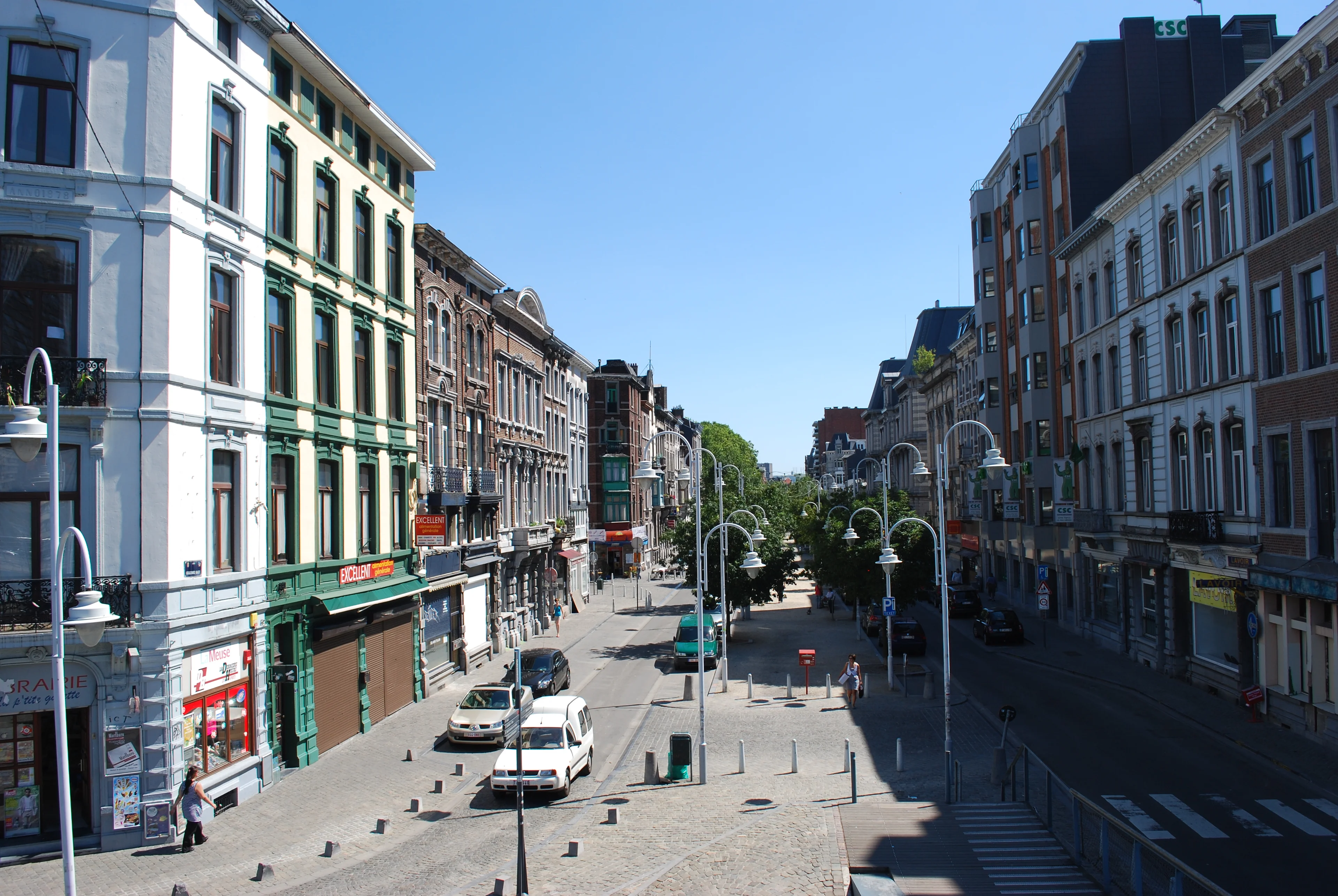
Liege at a glance
As the largest city in Wallonia and the third largest in Belgium, Liege often flies under the radar for American travelers crossing the Atlantic. Yet its remarkably preserved medieval downtown and high-speed rail connections make it an easy and rewarding addition to a European itinerary.
A living past
Tucked between France, Germany, and the Netherlands, this Belgian city sits at a true European crossroads. Locals prize its rich history, boasting close to 400 landmarked monuments. Strolling through the center reveals a striking mix of architectural eras and styles. While you cannot list them all, standouts include the 13th-to-15th-century Saint Paul's Cathedral, the 18th-century City Hall known as La Violette, the 16th-to-19th-century Palace of the Prince-Bishops, and the 19th-century Royal Opera of Wallonia. Numerous historic churches and collegiate buildings reflect the region's deep religious roots.
Do not miss the Cité-Miroir, a former public bathhouse and thermal complex transformed into a striking exhibition and performance venue. Art and history enthusiasts should also set aside half a day for the Grand Curtius, a historic mansion converted into a museum spanning more than 5,000 square meters of decorative arts, archaeology, Mosan art, and historic weapon collections.
Getting outside and tasting local specialties
Liege also embraces modern design, as seen immediately upon stepping inside the striking glass and steel Guillemins Station, engineered by Spanish architect Santiago Calatrava in the 21st century. Looking for a workout? Tackle the Montagne de Bueren, a grueling straight shot of 374 steps. At the top, you get sweeping views over the Citadel grounds. The Coteaux de la Citadelle walking paths are a weekend favorite for families, featuring terraced greenery ideal for strolling or relaxing in the sun. Just beyond, the Bois des mineurs woods create the feel of a deep forest. Afterward, wander the narrow dead-end alleys of the Hors-Château neighborhood, flanked by historic townhouses and bursting with blooms in warm weather.
When the walking works up an appetite, dive into Walloon gastronomy. The undisputed star of the city is the authentic Liege waffle, packed with caramelized pearl sugar. You can find them all over town, best picked up fresh from a traditional bakery. Une Gaufrette Saperlipopette, located on rue des Mineurs, ranks among the most famous spots. For dinner, try boulets à la liégeoise (large pork and beef meatballs simmered in a sweet Liege syrup sauce) paired with a local craft beer.
When to go
The weather in Liege avoids extreme swings, typical of the broader Belgian climate. Summer brings pleasant daytime warmth, though rain showers are common year-round. Spring and autumn tend to bring overcast skies, but rarely bitter cold.
How to get there
For US travelers already touring Europe, getting to Liege is straightforward. From Paris, the drive takes about 3 hours and 50 minutes, or you can hop on the Eurostar train and arrive in just 2 hours and 30 minutes. Travelers coming from other European hubs typically fly into Brussels, then catch a connecting train or bus for a one-hour trip straight to Liege.
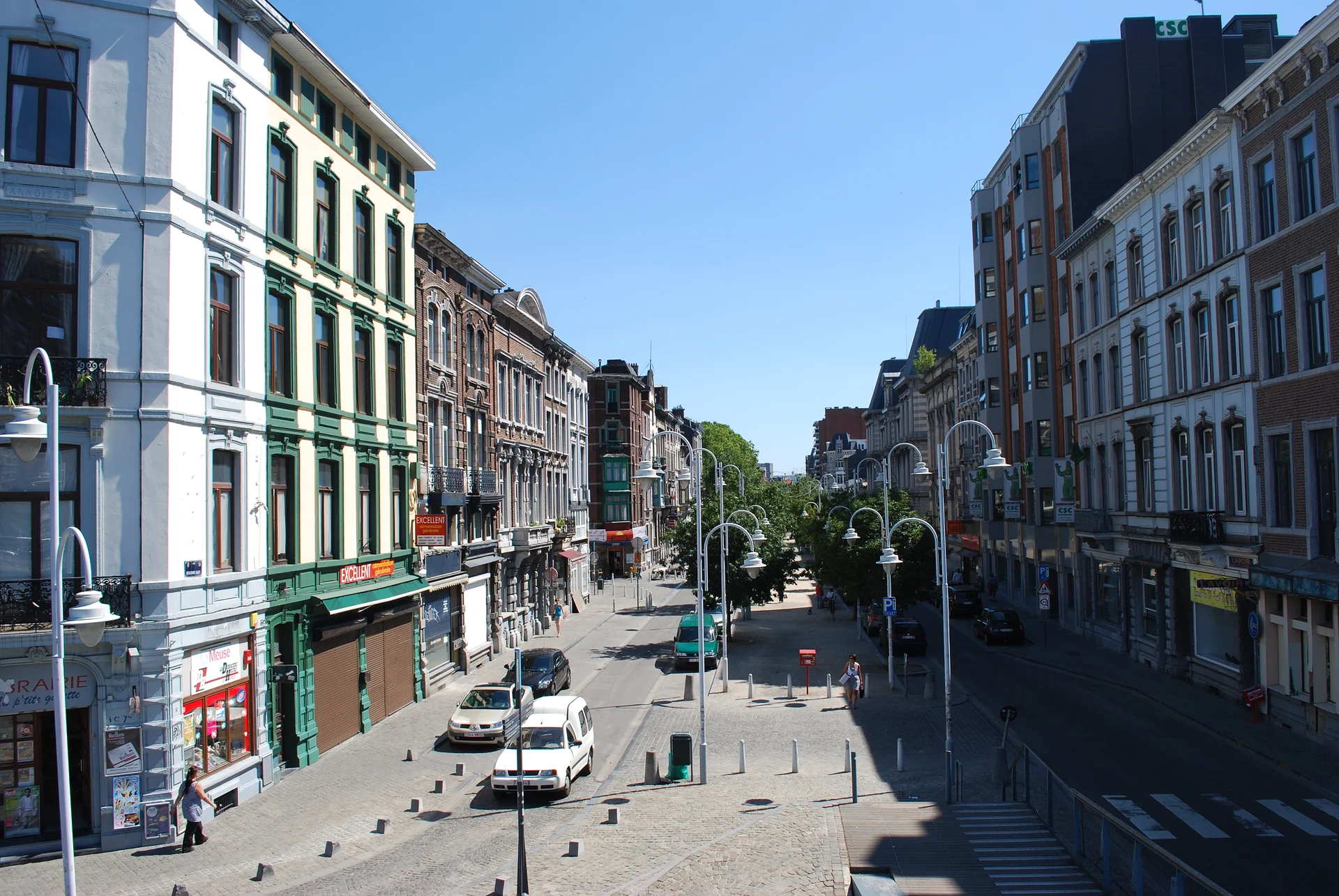
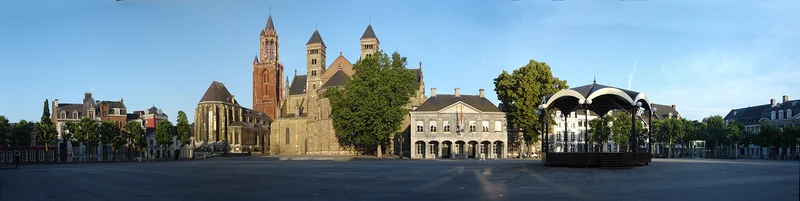
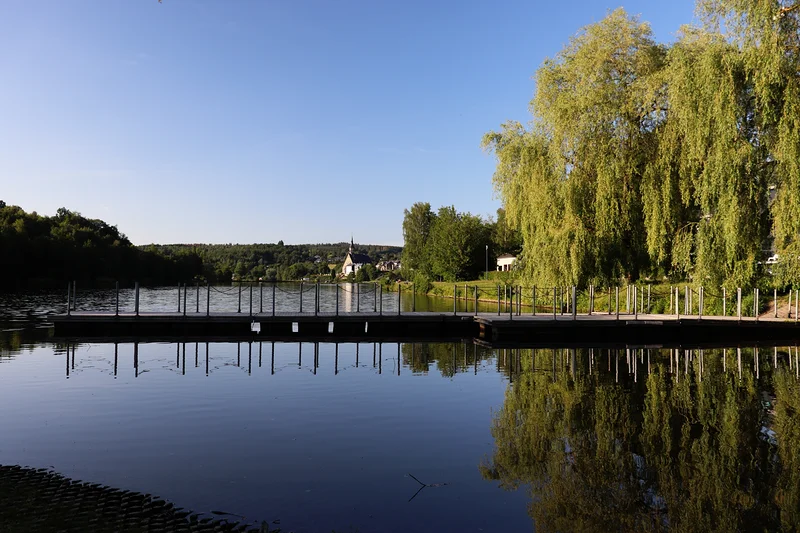
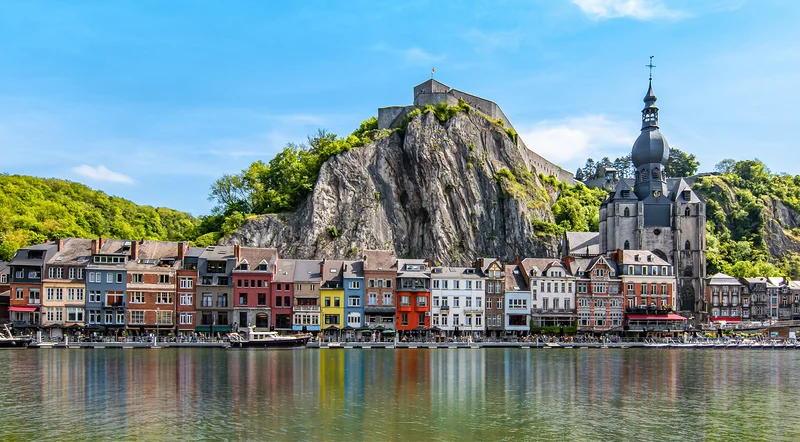
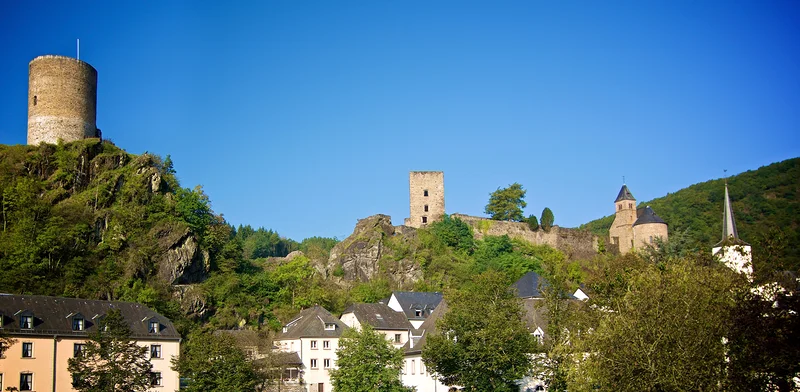
I have been there twice. At first, I had a hard time understanding the nickname "cité ardente" (ardent city) given to this city, which is not very touristy. You have to take the time to really discover and rediscover Liege to appreciate it. It is a dynamic and warm city, made very pleasant by its provincial setting. It offers several museums worth seeing, notably the Museum of Walloon Life and the Museum of Modern Art. On Sundays, a huge market lets you buy good regional products. Many walking or hiking routes are possible toward the Montagne de Bueren and the Coteaux de la Citadelle. While Liege does not have the beauty of Brussels or Bruges, I recommend you spend a weekend there.