
Brussels, the capital that refuses to take itself too seriously
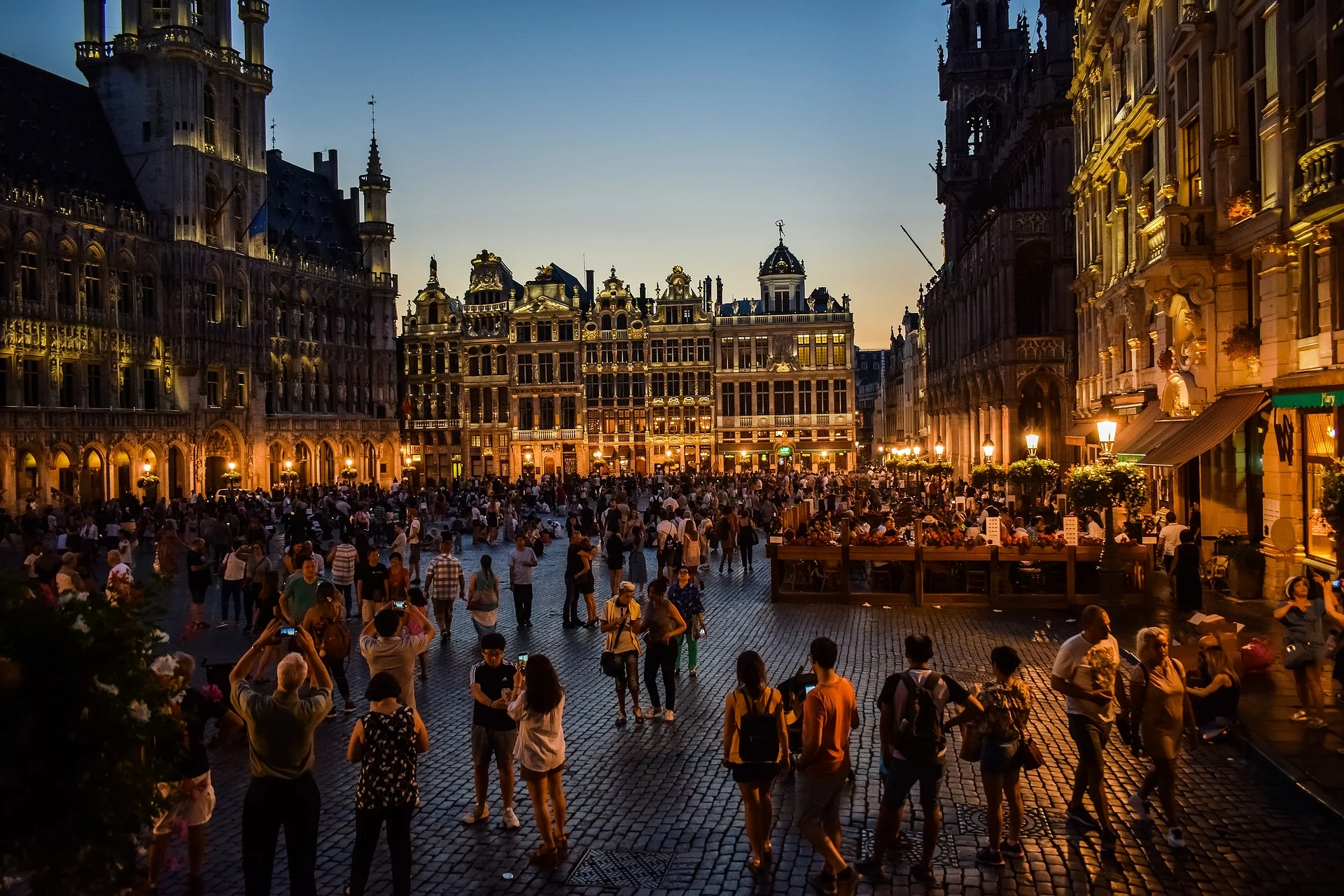
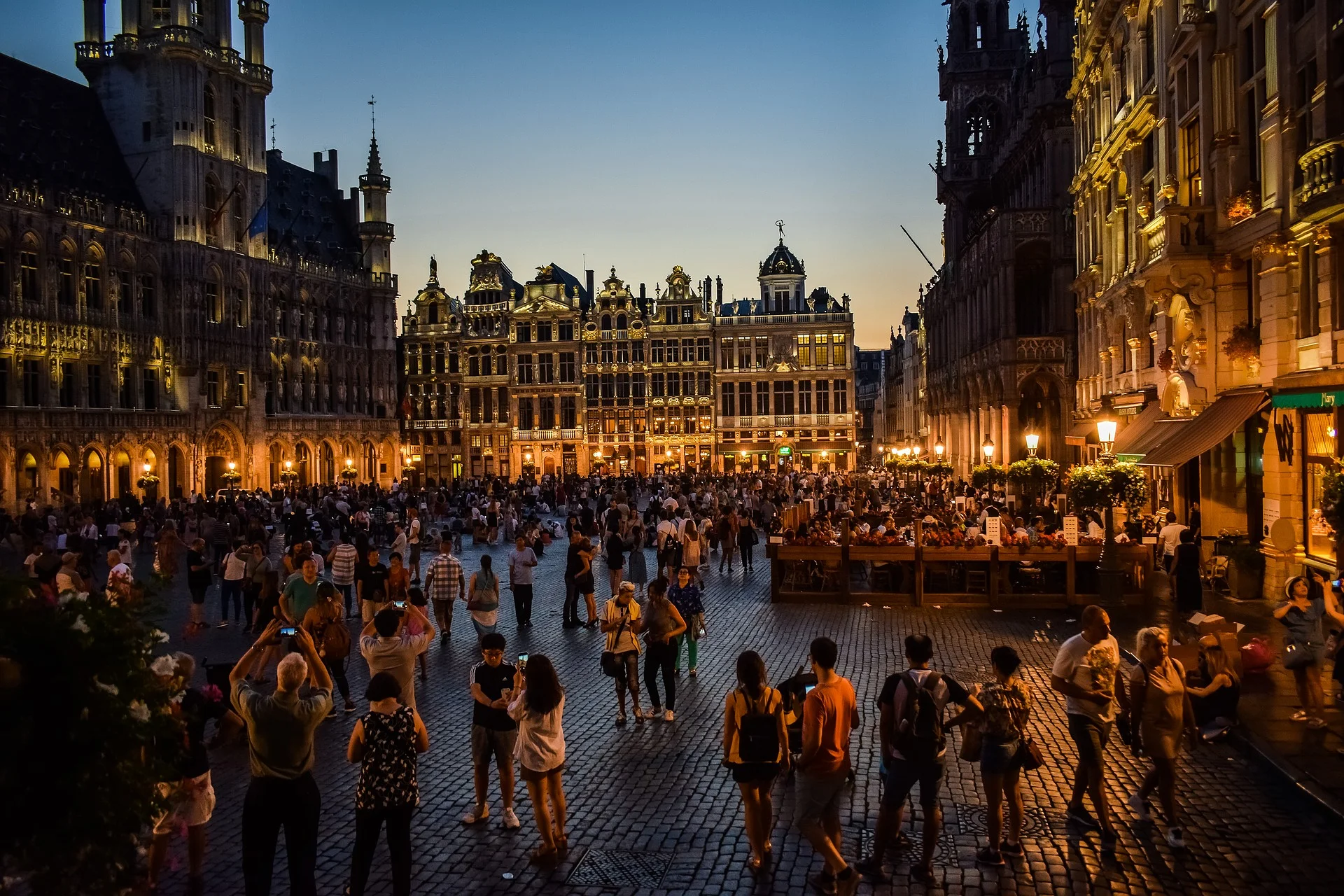
It is 8:00 AM on the Grand-Place. The gilded facades of the guild houses catch the early morning sunlight, and the scent of warm waffles mixes with the smell of coffee drifting from nearby brasseries. A kid on a scooter zips across the cobblestones, completely unfazed by the baroque splendor all around.
That is the whole essence of the Belgian capital: a UNESCO-listed city that keeps its feet firmly on the ground, where you can walk from a Gothic masterpiece to a paper cone of fries in three strides.
The most underrated European capital
Many travelers rush right through the city on their way to Bruges or Ghent. That is a mistake. Beneath its slightly gray administrative reputation, Brussels hides a creative energy and food scene that rivals neighboring heavyweights. You can easily explore the city on foot in 2 to 3 days, with each neighborhood revealing a totally distinct personality.
Belgium has three official languages, but Brussels itself is officially bilingual, and that duality shows up on every street corner with bilingual signs, a mix of Latin and Germanic influences, and a uniquely Belgian sense of self-deprecation. There is no language barrier to worry about since most locals speak fluent English.
Great destination for:
- Fans of beer, chocolate, and hearty food
- Comic book and Art Nouveau enthusiasts
- Budget-conscious city-trippers
- Families traveling with kids, thanks to playful museums and the city's walkable scale
- Culture lovers and museum buffs
Not ideal for:
- Anyone looking for guaranteed sunshine and heat
- Beachgoers and water sports fans
- Travelers seeking wide-open natural spaces or mountain hiking
A reasonable budget for a European capital
Good news: Brussels remains notably easier on the wallet than Paris, Amsterdam, or London. Prices do spike during major European institutional events when central hotels book up solid during the workweek. Aim for weekends to snag better rates.
| Expense item | Price range |
|---|---|
| Hostel bed or basic hotel night | $29 to $68* |
| Comfortable hotel or boutique B&B night | $90 to $158* |
| Quick bite (fries, sandwich, kebab) | $5.70 to $12* |
| Sit-down restaurant meal (main + drink) | $21 to $34* |
| Transit + one activity for the day | $12 to $29* |
| Backpacker daily budget | $68 to $96* |
| Comfortable daily budget | $146 to $230* |
An easy city to navigate
The historic center is largely pedestrian, compact, and simple to get around on foot. Public transit works smoothly, with the metro, tram, and bus networks covering most of the metro area for $2.50* per ride, topped off by a $9* daily cap. Contactless payment is accepted practically everywhere, so you rarely need physical cash.
Weather-wise, let us be honest: rain is part of the scenery. Even in summer, a lightweight rain jacket is your best friend. Temperatures stay mild year-round, rarely dropping below 0 °C in winter or climbing past 28 °C in summer.
Safety in Brussels
The city is generally safe for travelers. Standard common sense applies, like watching out for pickpockets in crowded tourist zones such as the Grand-Place or rue Neuve. At night, it is best to avoid lingering alone around the Midi and Nord train stations, along with outlying districts like Cureghem or Molenbeek. Solo female travelers will not run into any particular trouble during daylight hours.
The historic center: from the Grand-Place to the Marolles
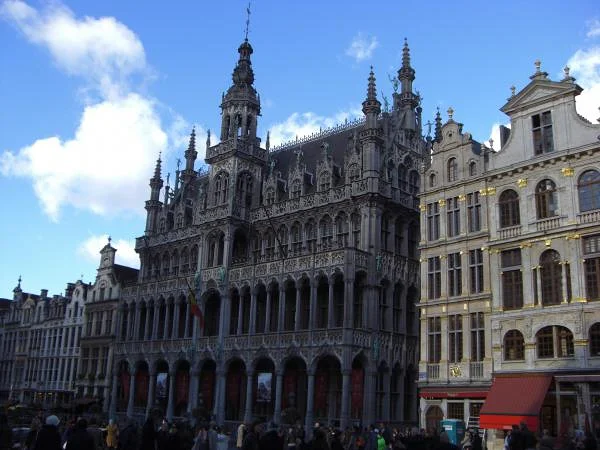
Everything starts on the Grand-Place, a UNESCO World Heritage site. Victor Hugo once called it the most beautiful square in the world. The Gothic Town Hall and surrounding guild houses put on a dazzling display of gold leaf and intricate carvings. It is the beating heart of the city, looking just as magnificent by day as it does at night when the facades light up.
A few minutes away on foot, the Manneken-Pis draws crowds. Prepare yourself because the statue stands barely 22 inches tall. Disappointment over its size is practically a rite of passage, but go anyway for the tradition. The little guy owns over a thousand outfits, which are displayed at the City Museum inside the Maison du Roi.
Friendly tip: skip the restaurants right on rue des Bouchers, located just off the Grand-Place. The hosts are aggressive, prices are inflated, and the food is usually mediocre. Head for the adjacent side streets or the Sainte-Catherine neighborhood instead.
Head down into the Marolles, the working-class neighborhood par excellence. Every morning, the flea market on place du Jeu de Balle unearths vintage treasures. The vibe here is gritty and far removed from the typical tourist trail. You can still hear a colorful local Brussels dialect spoken here, blending French and Flemish. Rue Haute and rue Blaes are packed with vintage shops, art galleries, and neighborhood cafes where locals hang out.
Mont des Arts and Le Sablon: culture and treats
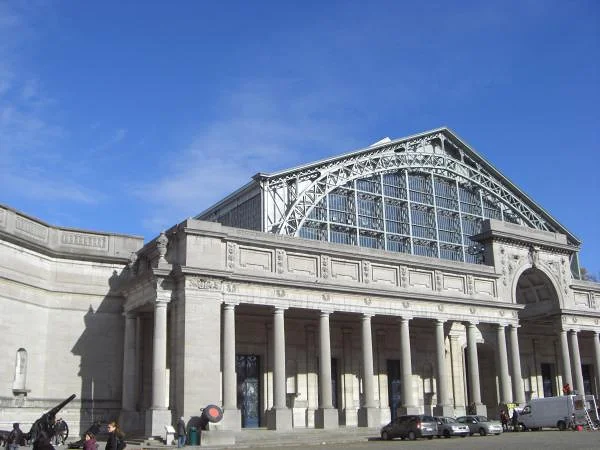
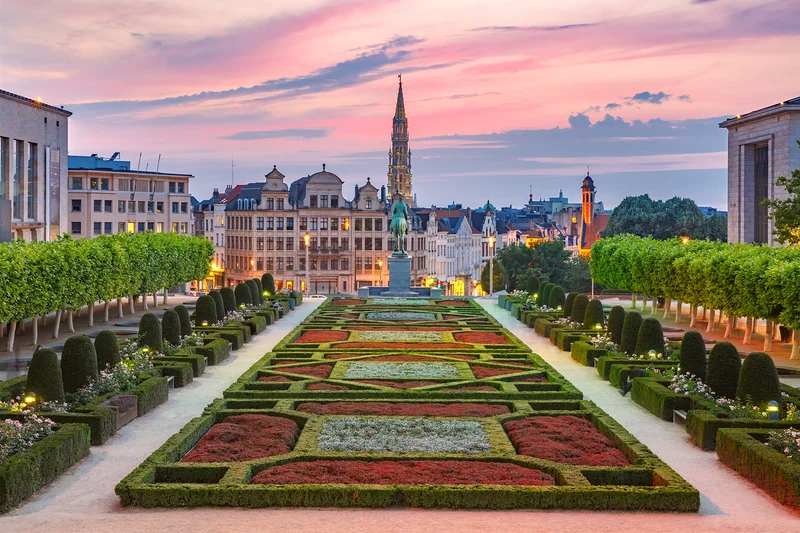
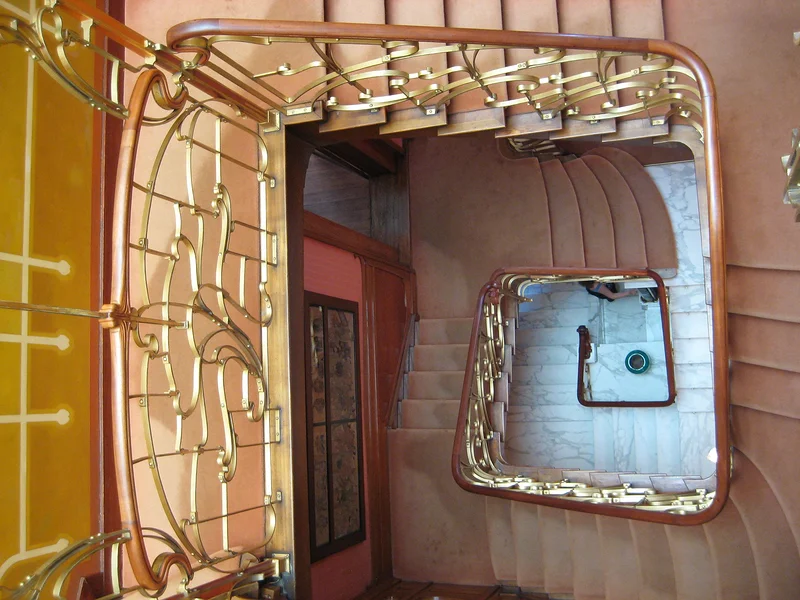
The Mont des Arts packs an impressive concentration of museums into just a few blocks. The Musical Instruments Museum occupies a stunning Art Nouveau building and features an audio guide where every instrument comes to life.
Right next door, the Royal Museums of Fine Arts hold masterworks by Bruegel, Rubens, and an entire floor dedicated to Magritte.
If you plan on hitting up several museums, the Brussels Card grants admission to 49 museums and covers public transit for 24, 48, or 72 hours. It pays for itself once you visit three museums in a single day.
The Sablon neighborhood just down the hill is the go-to spot for chocolatiers and antique dealers. On weekends, an antique market sets up on place du Grand-Sablon. This is where locals pick up high-end pralines for special occasions. The storefronts of Pierre Marcolini and Wittamer are worth a peek even if your budget says otherwise.
Sainte-Catherine and Dansaert: the contemporary Brussels wave
The Sainte-Catherine neighborhood is a foodie haven. As a former commercial port and fish market, it retains a deep-rooted seafood restaurant tradition. Noordzee / Mer du Nord, an open-air fish counter right on place Sainte-Catherine, is an absolute institution. You eat grey shrimp croquettes standing up with a glass of white wine in hand, come rain or shine.
Rue Antoine Dansaert stretches that experience into a more creative direction. Independent Belgian fashion boutiques, concept stores, and artisanal coffee shops line the street, which Time Out magazine once ranked among the coolest in the world. We at Avygeo consider this the most exciting pocket of the city right now.
Friendly tip: to taste freshly brewed craft beer, stop by Brussels Beer Project or Walvis late in the afternoon. Local microbreweries are constantly experimenting and rotate their tap lists frequently.
From the European Quarter to the Atomium: the other face of the city
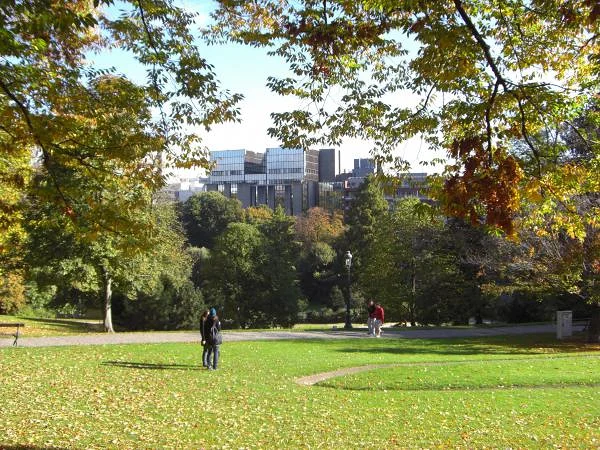
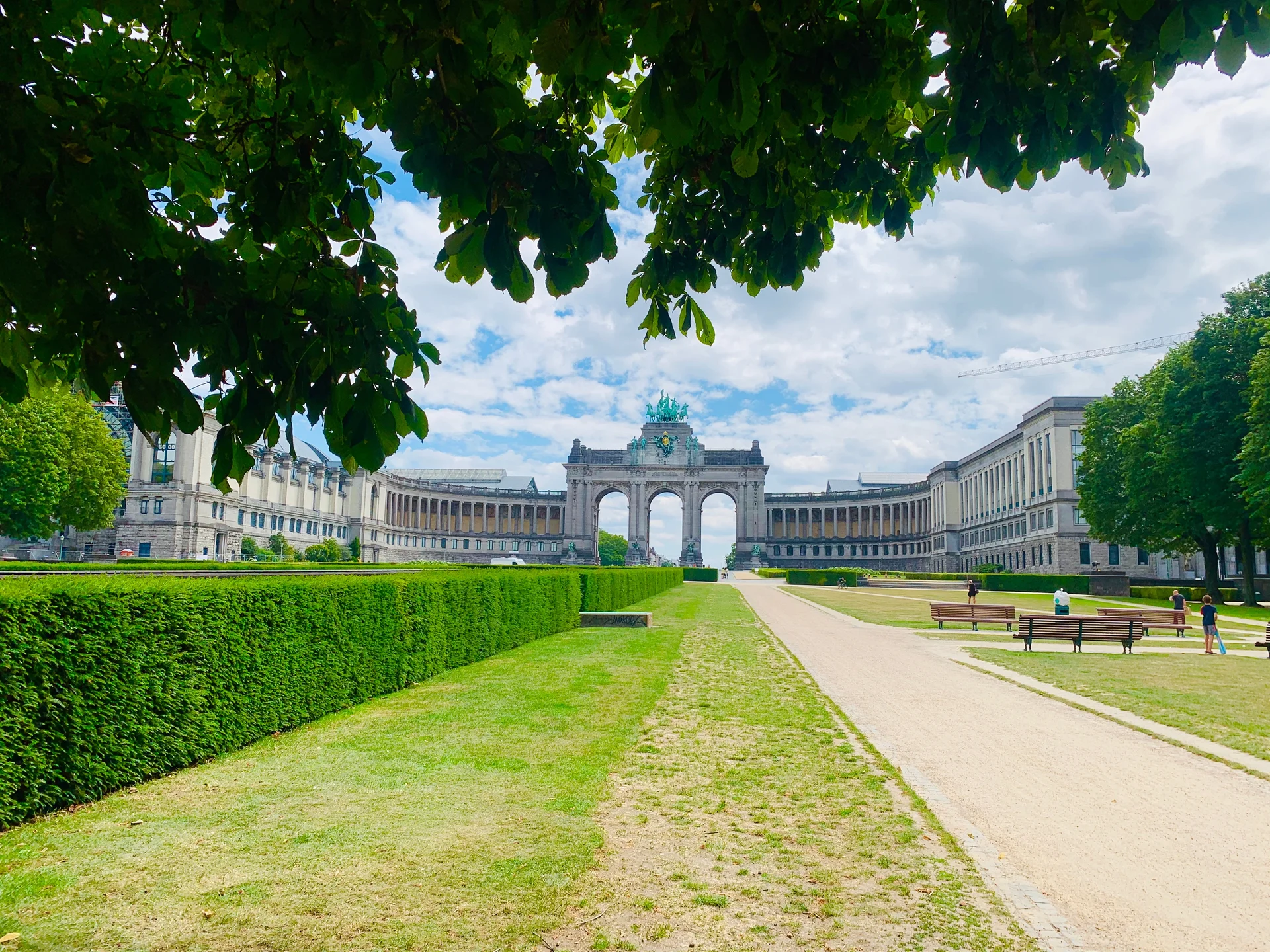
The European Quarter contrasts sharply with the historic center. Here, the glass-and-steel architecture of the European Parliament and the European Commission looms large. The Parlamentarium, a free and interactive visitor center, explains how EU institutions work in a surprisingly engaging way. Nearby, the Cinquantenaire Park and its triumphal arch provide a grand setting for a stroll.
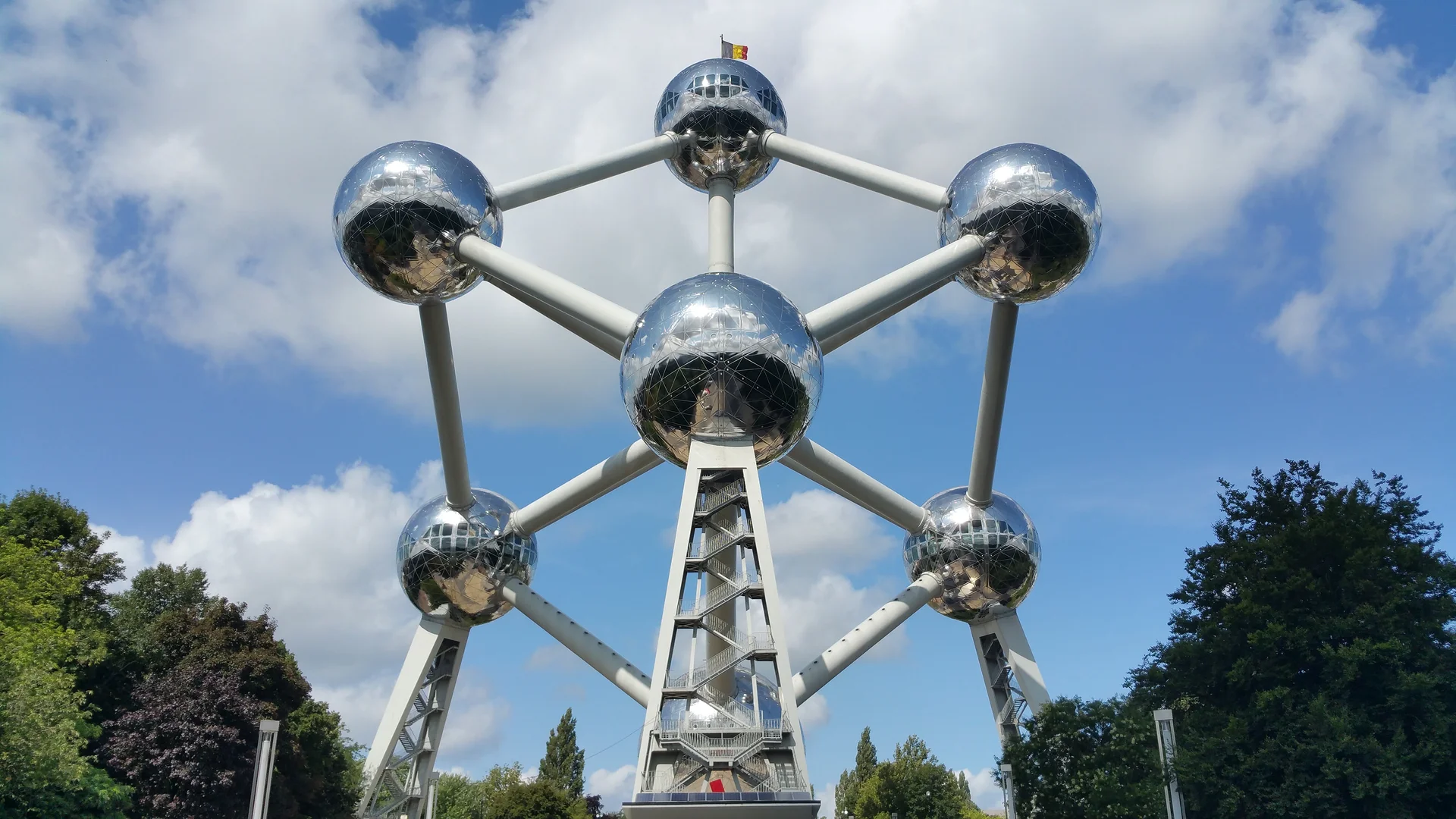
Further north on the Heysel plateau, the Atomium remains the city's most photographed landmark. This 335-foot metal structure, built for the 1958 World's Fair, represents an iron crystal magnified 165 billion times. The panoramic view from the top sphere makes the trip worthwhile. Expect tickets to run around $18*.
Comic books are the city's other great cultural pride. The Belgian Comic Strip Center, housed in a former textile warehouse designed by Victor Horta, traces the history of the ninth art from Hergé and Tintin to modern creators. Out on the streets, more than 60 painted murals form an open-air comic book trail.
Where to eat and drink in Brussels
Brussels gastronomy goes far beyond waffles and chocolate. Mussels and fries are the national dish, best enjoyed between September and February when mussels are in season. Flemish carbonnade, a beef stew braised in dark beer, and waterzooi, a creamy chicken or fish chowder, are also well worth seeking out.
When it comes to fries, skip the tourist stands downtown and head straight to Maison Antoine on place Jourdan or Frit'Flagey. Order samurai sauce, a spicy mix of mayonnaise and harissa that is hugely popular with locals. For waffles, two distinct styles exist: the Brussels waffle, which is light and rectangular, and the Liege waffle, which is denser and sweeter.
Belgian beer is an entire world unto itself, with roughly a thousand different brews made across the country. The Delirium Café, with its 2,000 offerings, is the most famous spot, though it is also the most touristy. For a more local feel, try À la Mort Subite, a classic beer hall with decor that has not changed since 1928.
How to get to Brussels?
Traveling by train is the most comfortable option. The Eurostar connects Paris Gare du Nord to Brussels-Midi in 1 hour and 22 minutes, with tickets starting around $33* when booked in advance. From Lille, the ride takes just 35 minutes. OUIGO trains also run the route for even less, around $15*, though the journey takes about 3 hours.
By car, Brussels is 1 hour and 15 minutes from Lille and 3.5 hours from Paris via the A1 highway. City-center parking is expensive and tricky, running $2.30 to $4.50* per hour on the street, so it is better to use park-and-ride lots on the outskirts linked to the metro.
By plane, Brussels-Zaventem Airport connects to the center in 20 minutes by train. Charleroi-Brussels South Airport, which handles budget airlines, sits further out with a shuttle bus ride taking about 1 hour. From France, the train remains significantly faster and less stressful door-to-door than flying.
How to get around Brussels?
The center is exceptionally easy to explore on foot. For longer hops, the STIB network covers the city via metro, tram, and bus. A ticket costs $2.50* using a MOBIB card, capped at $9* per day. The Brussels Card bundles unlimited transit if you decide to buy one.
Driving a car is discouraged in the city center due to heavy traffic and scarce, pricey parking. Taxis are steep, costing at least $12 to $17* for a short ride. Uber operates here, but fares remain high. Bike-sharing via Villo! is available, though Brussels traffic is not always the friendliest for cyclists.
When to go?
Spring and early autumn hit the sweet spot between pleasant weather and manageable crowds. Summer brings warmth and events like the Belgian Beer Weekend on the Grand-Place, but the city gets much busier. Winter brings holiday markets that warm up the gray days. Try to avoid the weeks of major EU summits when hotel rates spike and traffic gets tangled.
dans les commentaires du carnet de voyages " Voir les incontournables de Bruxelles en un week-end " publier par "Birdy"