
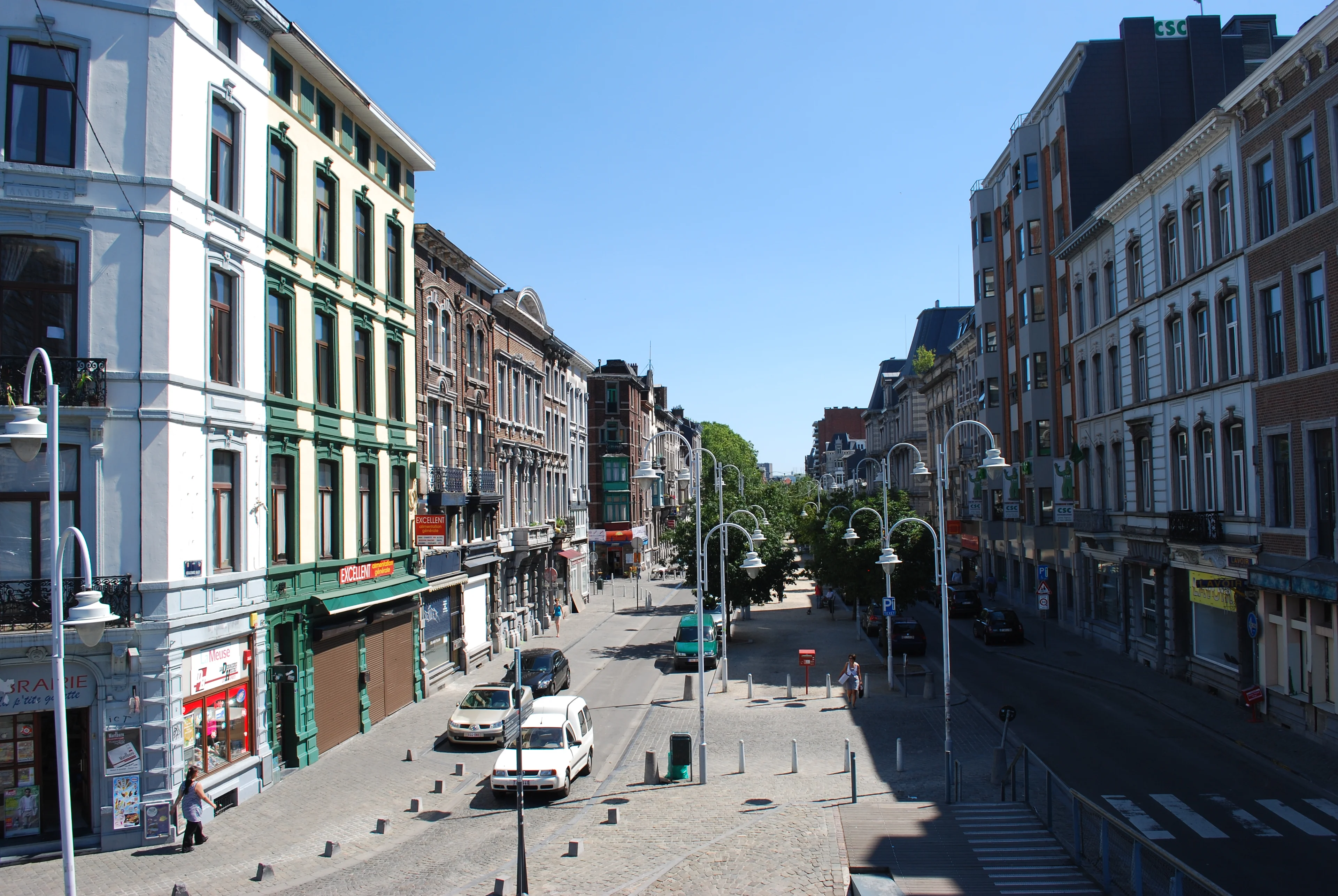
Liege at a glance
As the largest city in Wallonia and the third-largest in Belgium, Liege often flies under the radar for international travelers. Its proximity to major European hubs and a preserved medieval city center make it a prime choice for a weekend escape.
A living history
Tucked between France, Germany, and the Netherlands, Liege occupies a strategic spot. The city takes pride in its heritage, with nearly 400 protected monuments. Walking through the center offers an architectural timeline, from the 13th-century Saint-Paul Cathedral to the 18th-century Town Hall, known as La Violette. You will also see the 16th-century Palais des Princes-Evêques and the 19th-century Opéra Royal de Wallonie. The city's skyline is defined by its many historic churches and collegiate buildings, reflecting a deep religious influence.
Don't miss the Cité-Miroir, where former public baths have been transformed into a modern exhibition and performance space. Art and history enthusiasts should set aside at least a half-day for Grand Curtius, a former palace that now houses over 5,000 square meters of decorative arts, archaeology, Mosan art, and weaponry collections.
Exploring and dining
Liege balances its history with modern infrastructure. You will see this immediately upon arriving at the Liège-Guillemins railway station, a striking glass-and-steel structure designed by Spanish architect Santiago Calatrava. If you are up for a climb, tackle the Montagne de Bueren, a steep staircase of 374 steps. The view from the top overlooking the Citadelle site is the reward. For a more relaxed pace, the Coteaux de la Citadelle offers terraced gardens perfect for a weekend stroll or a picnic. Further out, the Bois des Mineurs provides a quick escape into woodland. Back in town, wander the narrow alleys of the Hors-Château neighborhood, where historic townhouses are lined with flowers during the warmer months.
When you are ready to eat, lean into the local Walloon cuisine. The city's culinary icon is the Liege waffle, a denser, pearl-sugar-crusted treat. Look for them in local artisanal bakeries, such as Une Gaufrette Saperlipopette on rue des Mineurs. For dinner, try boulets, which are meatballs made with a mix of pork, beef, and Liege syrup, typically paired with a local craft beer.
When to go
Liege experiences a temperate climate typical of the region. Summers bring pleasant temperatures, though rain is common. Other seasons tend to be gray, though rarely bitter cold.
Getting there
Liege is accessible by car from major neighboring cities. If you are coming from further afield, the high-speed train is the most efficient option. For those flying into the region, most travelers arrive via Brussels, which is connected to Liege by a one-hour bus or train ride.
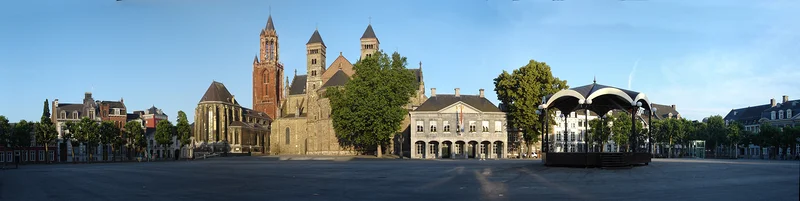
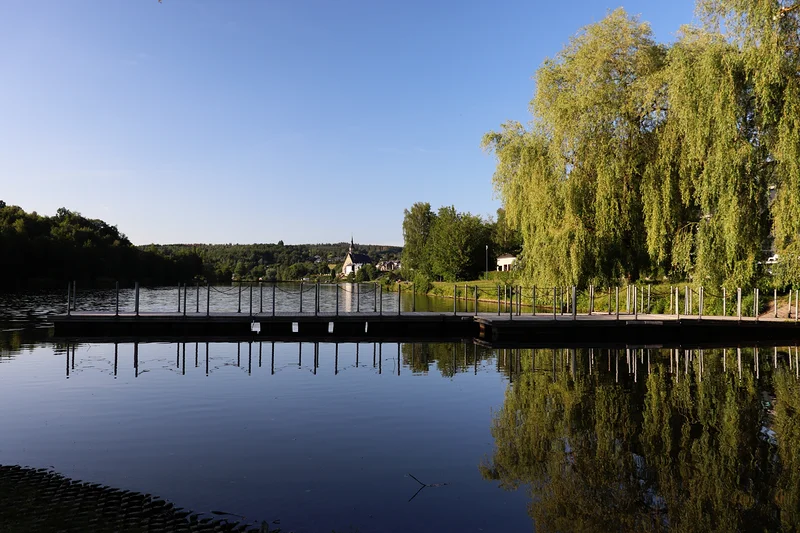
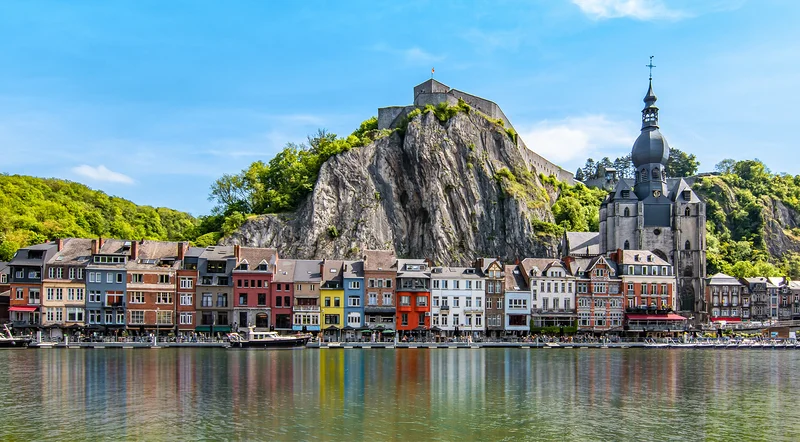
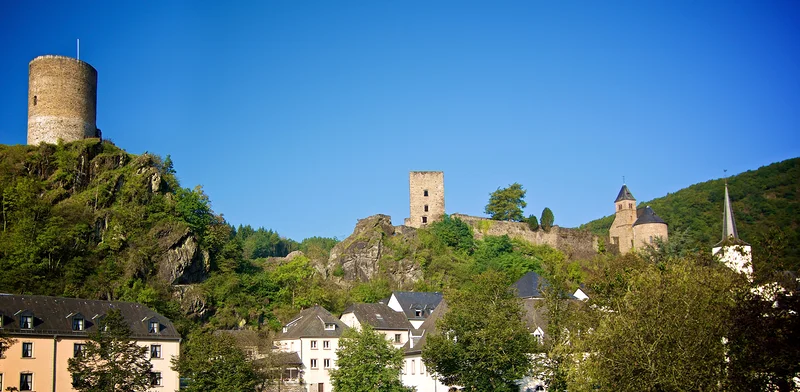
I have been there twice. At first, I had a hard time understanding the nickname "cité ardente" (ardent city) given to this city, which is not very touristy. You have to take the time to really discover and rediscover Liege to appreciate it. It is a dynamic and warm city, made very pleasant by its provincial setting. It offers several museums worth seeing, notably the Museum of Walloon Life and the Museum of Modern Art. On Sundays, a huge market lets you buy good regional products. Many walking or hiking routes are possible toward the Montagne de Bueren and the Coteaux de la Citadelle. While Liege does not have the beauty of Brussels or Bruges, I recommend you spend a weekend there.