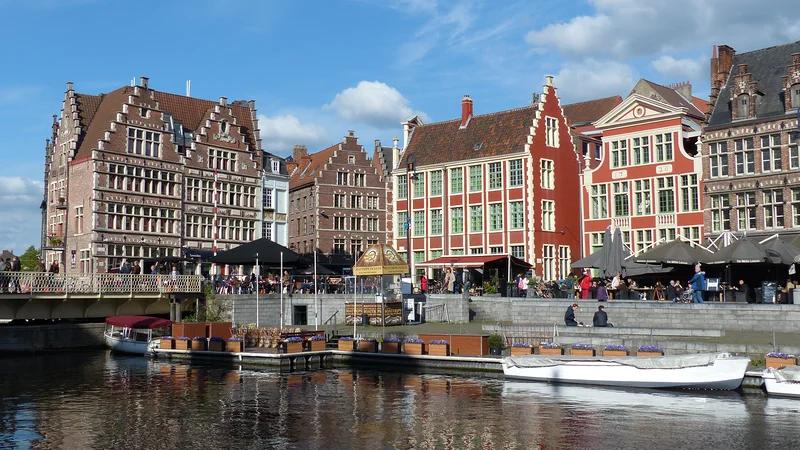
Belgium: Three Languages, a Thousand Beers, and More Comic Books Per Capita Than Anywhere on Earth
A country roughly the size of Maryland that has three official languages, a brewing tradition recognized by UNESCO, and more comic books per capita than any other nation on the planet. Most travelers blow through Belgium on the way from Paris to Amsterdam. That's a mistake.
Is Belgium the Right Trip for You?
Short city break or full road trip, Belgium works for a pretty wide range of travelers. It's not a beach destination and it won't satisfy anyone chasing wilderness adventure, but it punches well above its weight in almost every other category.
thumb_up Great fit for:
- Travelers doing a long weekend in Europe who want something beyond Paris or Amsterdam
- Architecture and UNESCO heritage enthusiasts
- Food and drink lovers: beer, chocolate, fries, and serious Michelin-starred cooking
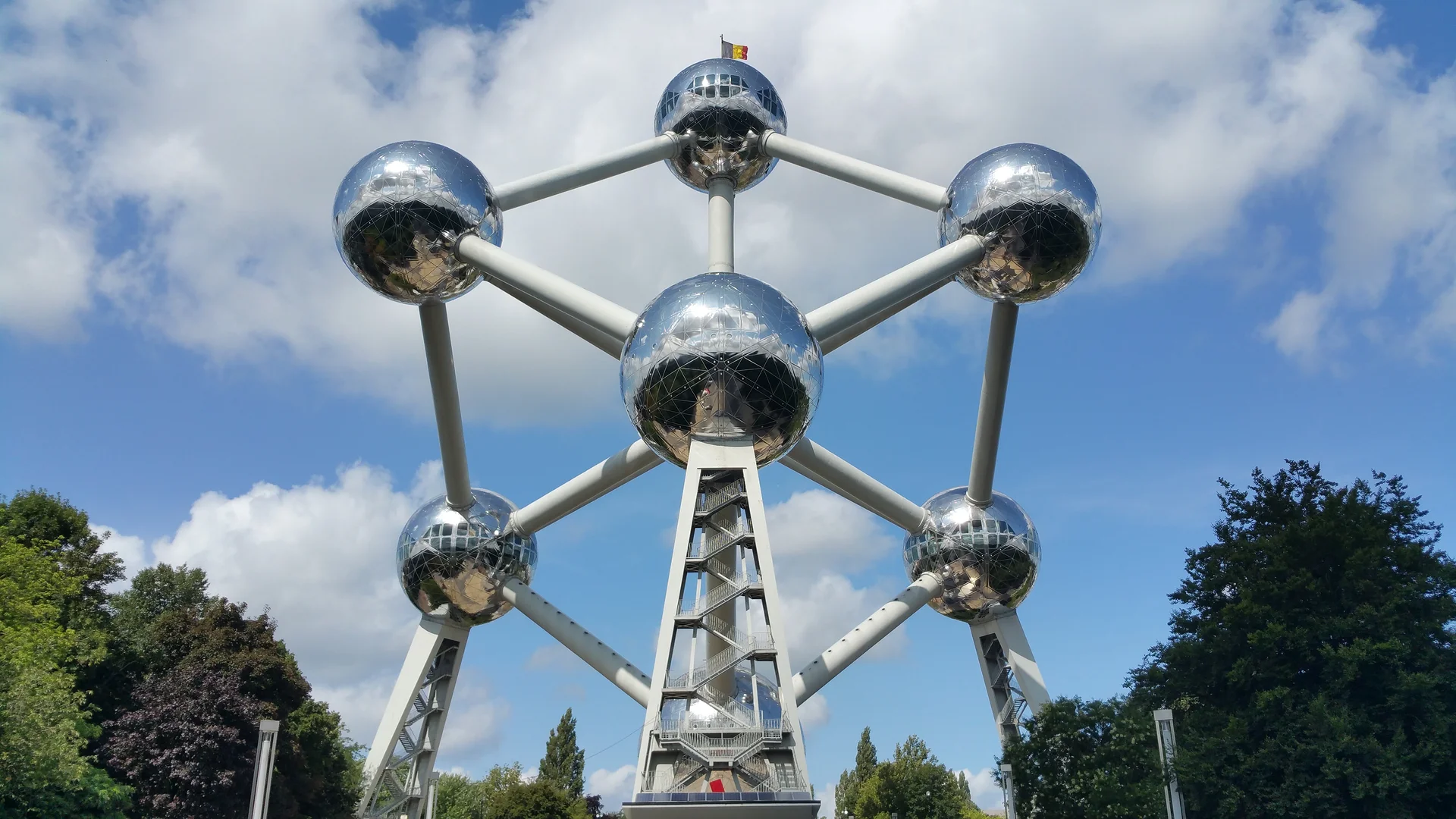
- Families with kids (interactive museums, theme parks, the Atomium)
- Festival-goers: Tomorrowland, Pukkelpop, the Ghent Festivities
- Hikers and cyclists, especially in the Ardennes and Flanders
- Travelers interested in local culture, comics, street art, and fashion (Antwerp)
warning Not a great fit for:
- Anyone counting on guaranteed sunshine and tropical beaches
- Crowd-averse travelers: Bruges in peak summer is genuinely overwhelmed
- Shoestring budgets: Belgium is Western Europe, and prices reflect that
- Those looking for remote wilderness and true isolation
What to Budget: Western Europe Pricing, Without the Swiss Sticker Shock
Belgium isn't cheap, but it's more manageable than Switzerland or Scandinavia. A city trip to Brussels or Bruges runs comfortably on €100 to €150 per day (about $108 to $163), covering a decent hotel, meals, and admission fees. The Ardennes region tends to be easier on the wallet.
| Trip Type | Destination | Duration | Estimated Budget / Person |
|---|---|---|---|
| Art and culture city break | Brussels | Weekend (2 nights) | €200 to €400 (about $215, $435) |
| Medieval city break | Bruges + Ghent | 3 to 4 days | €300 to €600 (about $325, $650) |
| Hiking and nature | Ardennes (Durbuy, Bouillon) | 4 to 5 days | €250 to €500 (about $270, $540) |
| Fashion and food | Antwerp | 2 to 3 days | €250 to €550 (about $270, $595) |
| Summer festival | Boom (Tomorrowland) / Ghent | 1 week | €500 to €1,200 (about $540, $1,300) |
| Full road trip | All of Belgium | 10 to 14 days | €900 to €1,800 (about $975, $1,950) |
Getting Your Bearings in a Three-Culture Country
Belgium is split into three distinct linguistic and cultural regions: Flanders in the north (Dutch-speaking), Wallonia in the south (French-speaking), and Brussels in the center, officially bilingual. This isn't just an administrative division. The mentality, the architecture, the food, and even the sense of humor shift noticeably from one region to the next.
For a US traveler, crossing from Wallonia into Flanders is one of Belgium's more interesting quirks. The road signs switch languages, the accents change, the whole atmosphere feels different, and you haven't crossed a single border. That's genuinely rare anywhere in the world.
Cities Worth More Than a Quick Pass-Through
Brussels, the Capital
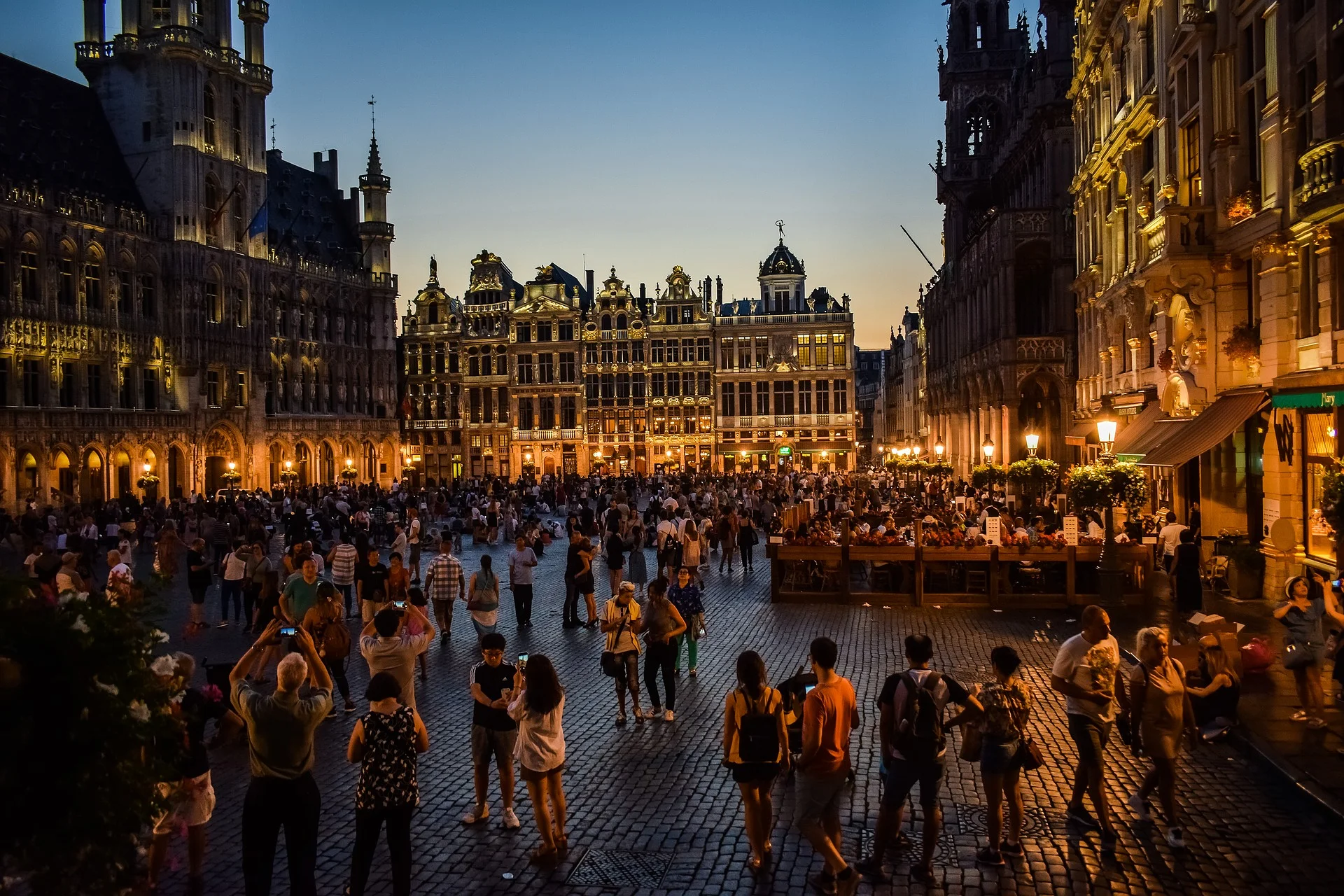
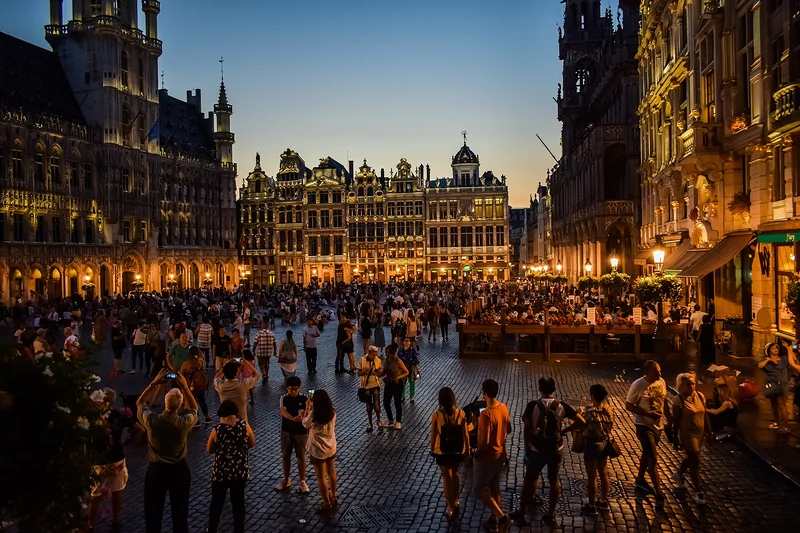
Brussels tends to throw people off at first. It's less immediately photogenic than Bruges, less compact than Amsterdam. But it rewards time. The Grand-Place, a UNESCO-listed baroque square, is legitimately one of the finest in Europe. The Marolles neighborhood and its daily flea market at Place du Jeu de Balle show a grittier, working-class Brussels that still holds its own.
The Magritte Museum and the Royal Museums of Fine Arts rank among the best-presented Flemish art collections on the continent. Come evening, the neighborhoods of Saint-Gilles and Ixelles offer a bar and restaurant scene that's genuinely diverse and worth exploring.
Bruges, the Romantic One
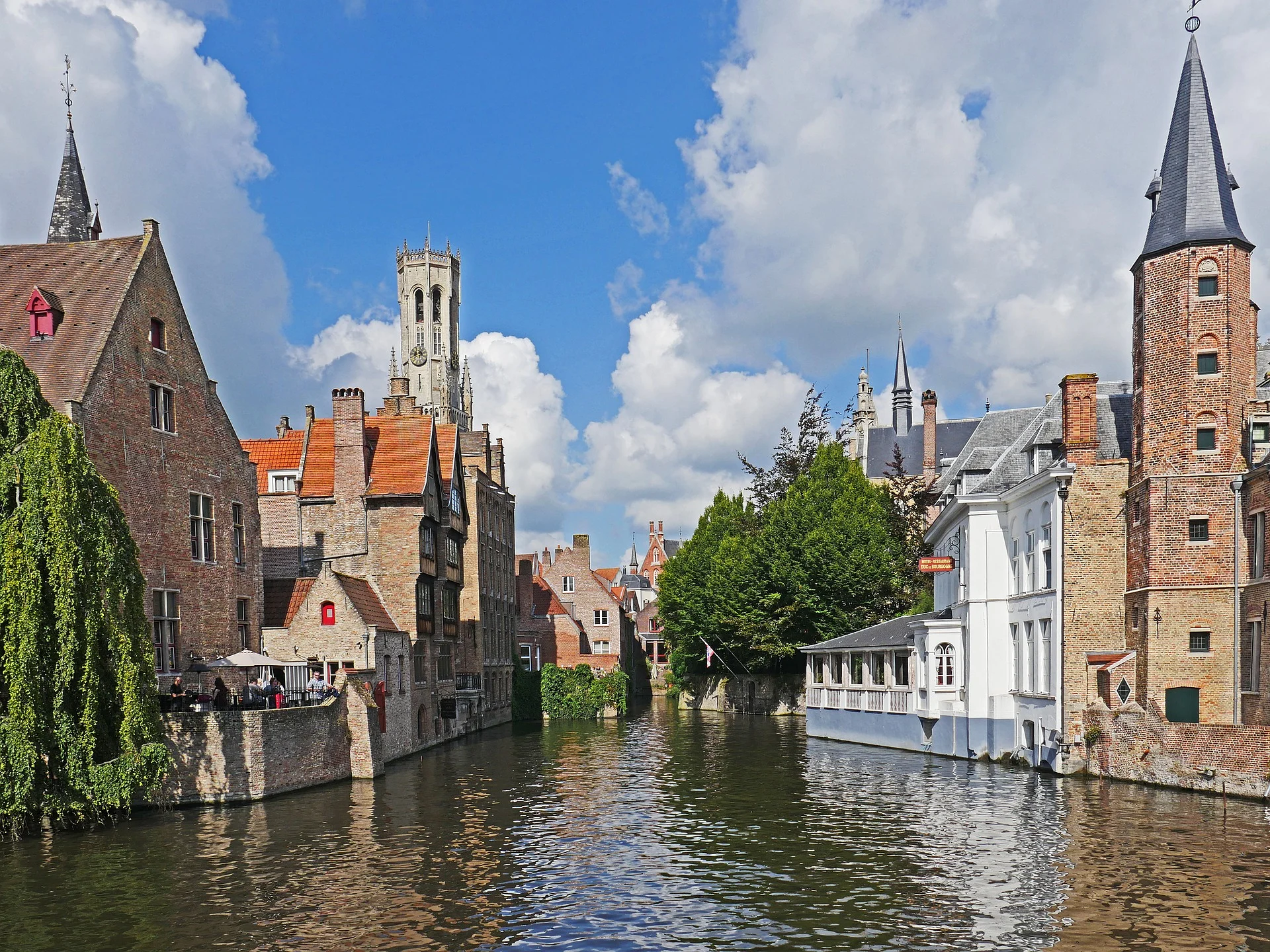
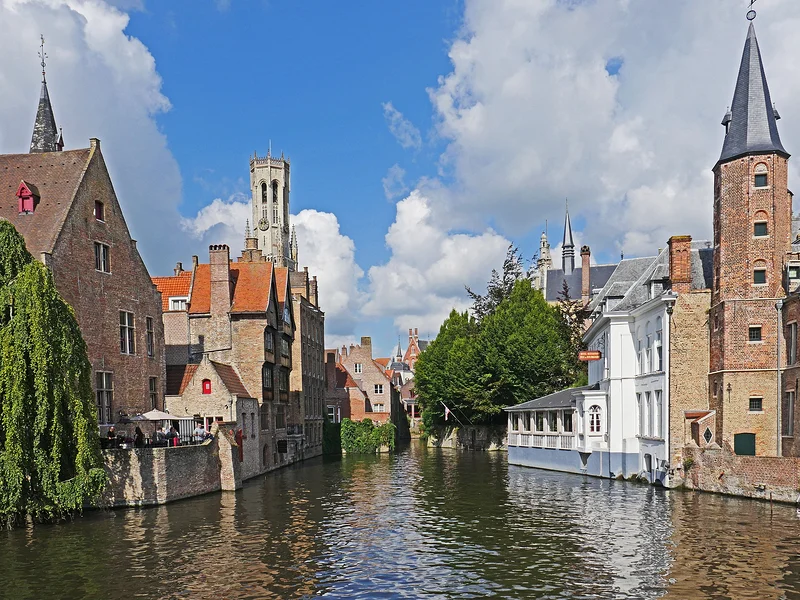
Bruges is a museum city, and you need to go in with realistic expectations. In July and August, the cobblestone lanes are packed. But visit on a misty autumn morning, and the canals, the Belfry, and the stepped gable facades have a quality that's hard to shake. The Groeninge Museum holds a collection of Flemish Primitives that's genuinely rare anywhere in the world.
Insider tip: In Bruges, skip the restaurants around the Markt square. Prices are inflated and quality drops off fast. Head instead to the side streets behind the Church of Our Lady for spots where locals actually eat.
Ghent, the Lively One
Ghent is probably the city that disappoints the fewest people. Less famous than Bruges, it's just as historically rich, with the Gravensteen (Castle of the Counts of Flanders) and Van Eyck's Adoration of the Mystic Lamb altarpiece at Saint Bavo's Cathedral. More importantly, it's an active university city with a real music and cultural scene, not a place frozen in amber for tourists.
Antwerp and Liège: Two Cities That Couldn't Be More Different
Antwerp operates at a different level. It's the global capital of cut diamonds, one of Europe's most important ports, the city of Rubens, and the birthplace of Flemish fashion through the legendary Antwerp Six (Ann Demeulemeester, Dries Van Noten, and their contemporaries). The cultural density here catches most visitors off guard. The Central Station, regularly cited as one of Europe's most beautiful, is worth the trip on its own. The MAS Museum on the banks of the Scheldt River has a 360-degree rooftop view of the city and the port.
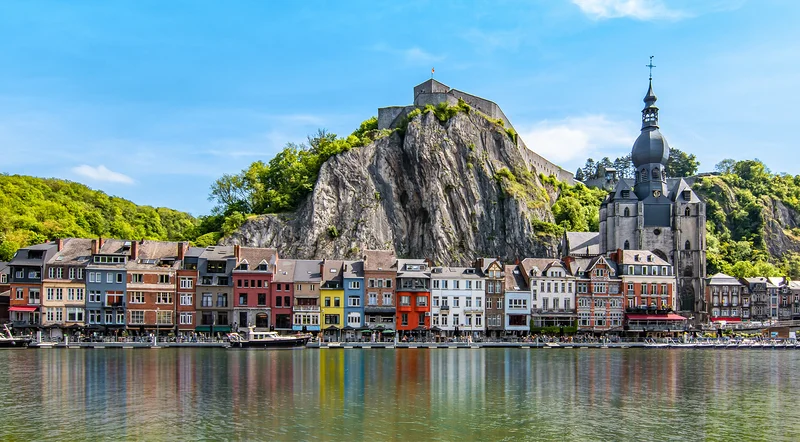
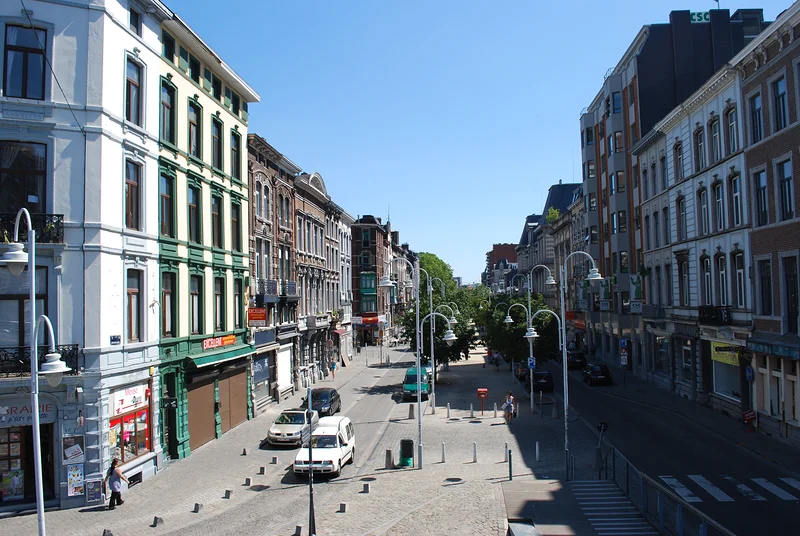
Liège, over in Wallonia, runs on a completely different energy. Less touristy, rougher around the edges, and proud of it. The Sunday morning Batte market along the Meuse is an institution. So are the boulets à la liégeoise (meatballs in a sweet-savory sauce) and the live music cafes. The Montagne de Bueren staircase, 374 steps straight up, rewards the climb with a view over the Meuse that earns every step.
The Ardennes: Belgium's Other Side
South of Namur, the landscape shifts entirely. The Belgian Ardennes are dense forest, deep river valleys, and gray stone villages that feel like they belong to a different century. This is where you come to hike, kayak the Lesse or the Ourthe rivers, and decompress from the Flemish cities. Think the Catskills, but older and with better beer.
Durbuy bills itself as "the smallest city in the world," a claim that's debatable, but the medieval setting at the bottom of a river valley is the real deal. Bouillon Castle, built on a rocky spur above the Semois River, is one of the most dramatically situated historic sites in the country.
The caves at Han-sur-Lesse are also worth the detour: several miles of underground galleries with stalactites and an underground river, accessible by guided tour. It's a classic attraction, but one that actually delivers.
Insider tip: You can reach the main Ardennes valleys from Brussels by train to Namur, then regional buses. But if you want to explore the back roads and forest tracks properly, rent a car. There's no substitute.
The Belgian Coast: 42 Miles of North Sea Beach
Belgium has a North Sea coastline stretching from De Panne in the west to Knokke-Heist in the east. Forty-two miles of fine sand beaches, reliably windy, backed by dunes, and connected end to end by the Kusttram, a coastal tram line that at 42 miles is the longest in the world.
This is not the Mediterranean. But Belgians love their coast, and for good reason. Ostend has an unpretentious seaside energy, with a casino, a fish market, and some solid Art Deco architecture. De Haan is the most preserved resort town on the coast, with Belle Époque villas tucked into the dunes.
Key stops along the coast:
- Knokke-Heist: the upscale option, art galleries, luxury boutiques, well-heeled crowd
- Ostend: the most accessible and active, a solid base for exploring the coast
- De Panne: ideal for land sailing and close to nature reserves
Belgian Food: Way Beyond Fries and Chocolate
Belgian cuisine is one of the most underrated in Europe. The country has more Michelin stars per capita than France, which is saying something. But the food most Belgians actually eat day to day is generous, hearty, and completely unpretentious.
Moules-frites (mussels and fries) is the national institution, served September through April in brasseries that don't skimp on portions. Chicons au gratin (Belgian endive wrapped in ham and baked in béchamel) is Wallonia's definitive comfort dish. Boulets à la liégeoise, meatballs in a sweet-savory sauce, are a point of regional pride in Liège and throughout Wallonia.
On the sweet side, Belgian chocolate is not a marketing myth. Houses like Neuhaus, Leonidas, and Marcolini approach cacao with a precision that shows in the product. Liège waffles (thick, dense, with caramelized sugar pearls baked in) and Brussels waffles (lighter, crispier, eaten fresh) are two genuinely different things, not interchangeable. And then there are the beers: over 1,000 varieties brewed in Belgium, from the Trappist ales of abbeys like Orval, Chimay, and Rochefort to the spontaneously fermented lambic and gueuze beers produced in the Senne Valley near Brussels.
Insider tip: Skip the "tourist fry shops" near the main squares. A real Belgian frietkot has a line of locals at the counter and uses beef fat in the fryer. In Brussels, Maison Antoine on Place Jourdan is a reliable benchmark.
When to Go to Belgium
Belgium has an oceanic climate: mild summers averaging 68 to 77°F, gray and damp winters, and rain that can show up in any month. That's just the deal, and you plan around it.
Spring (April and May) is the best window for the Flemish cities. Crowds haven't arrived yet, the light is soft, and the terraces are open. Summer is peak season, anchored by Tomorrowland in Boom (late July) and the Ghent Festivities in July. Both events sell out well in advance, so plan accordingly.
Fall turns the Ardennes into something that looks like a Flemish Old Master painting. The Christmas markets in Brussels and Liège (December) are among the liveliest in Europe despite the cold. Winter is actually the ideal time to visit Bruges if you want the city without the crowds.
Getting to Belgium from the US
From the US, you'll fly into Brussels Airport (Zaventem), the main international hub served by Brussels Airlines with connections across all continents, or into Brussels South Charleroi Airport, which is farther from the city center but used by budget carriers like Ryanair and Wizz Air. Zaventem is the more convenient option for most American travelers.
US citizens do not need a visa for Belgium for stays up to 90 days. Your US passport needs to be valid for the duration of your stay. Belgium is part of the Schengen Area, so your 90-day allowance is shared across all Schengen countries.
Once you're in Europe, getting to Belgium by train is fast. The Eurostar connects London to Brussels in around 2 hours. From Paris, Brussels-Midi station is about 1 hour 20 minutes by high-speed train, with advance tickets sometimes dipping below €30 (about $32). From Lille, it's just 38 minutes.
Getting Around Belgium
The Belgian national rail network, operated by SNCB, is dense and reliable for city-to-city travel. Brussels, Bruges, Ghent, Antwerp, Liège: all are reachable from the capital in under 90 minutes. If you're under 26 and planning multiple train trips, the Go Pass 10 (10 journeys at a fixed price) is worth looking into.
In Brussels, the STIB network (metro, tram, bus) covers the city well. In Bruges and Ghent, a bike is genuinely the best way to get around. Both cities have cycling infrastructure that's among the best in Europe, and rentals are easy to find.
For the Ardennes and the rural parts of Wallonia or Flanders, a rental car is the most practical option. Roads are generally in good shape and well-signed. Parking in city centers is paid and can be complicated, especially in Brussels and Antwerp. Your best bet is to park at a peripheral lot with a transit connection rather than trying to drive into the center.