
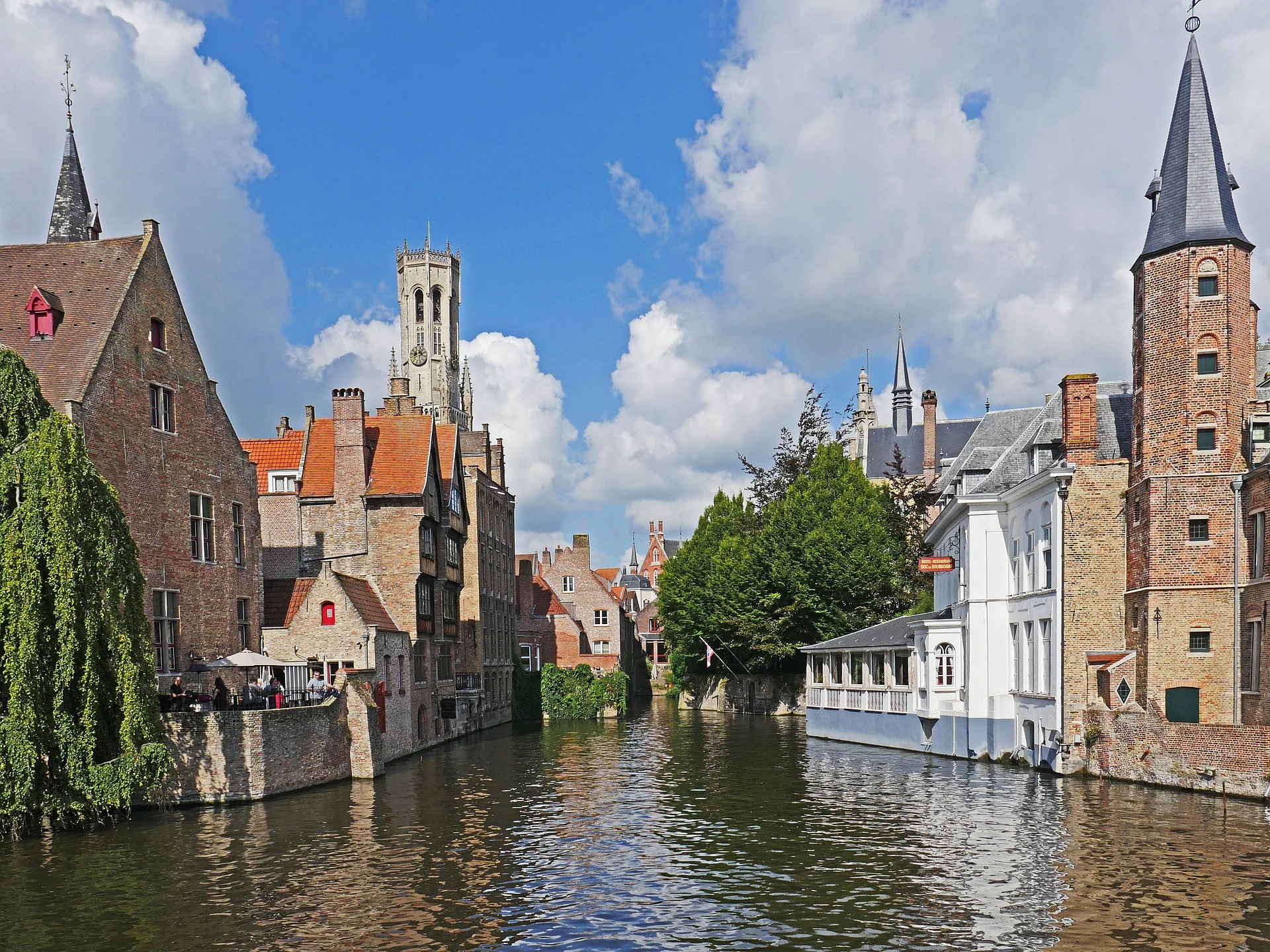
Visiting Bruges, a medieval lace town floating on water
The click-clack of hooves on cobblestones echoes between gabled facades. A swan glides under a stone bridge. The scent of hot cocoa mixes with the aroma of abbey beer. Less than three hours from Paris, this Flemish city feels frozen in the 14th century, when it ruled supreme over the European wool and lace trade.
A paradise for romantics and food lovers
Want to disconnect without boarding a flight? This city welcomes you with open arms. Its historic center can be explored entirely on foot in a single day, though it deserves a two- or three-day stay to fully soak in the atmosphere. Architecture lovers, couples looking for a romantic getaway, and craft beer aficionados will find their happy place here. Partygoers and extreme adventure seekers, on the other hand, might find the local pace a bit slow.
Downtown is almost entirely pedestrian, with cars kept to a bare minimum. There is no need to rent a car, as your own two legs will do just fine. The city breathes tranquility, especially on weekdays during the shoulder season. On weekends and in summer, tour groups flood the Markt and the canals, but you only need to duck down a side alley to find peace and quiet.
A reasonable budget for an architectural jewel
Plan for between $102 and $135* per person per day for a comfortable stay. A restaurant meal runs around $23*, a pint of Brugse Zot will cost you $4.50 to $5.70*, and a mid-range hotel room starts at $90-$113* per double room. Museums charge reasonable admission fees ($12-$17*), and many churches are free to visit. Good news: supermarkets are about 20% cheaper than in France, which is handy for picnics by the canals.
The medieval heart: Markt and its surroundings
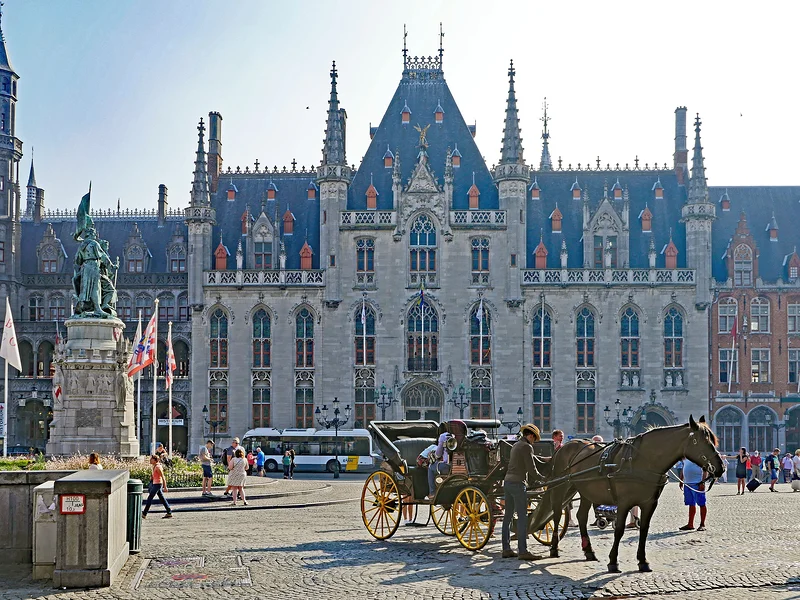
Everything starts on the Grand-Place, the main square surrounded by guild houses with colorful facades. The Belfry towers over everything at 83 meters, with 366 steps to climb for those with enough breath. The view from the top justifies the effort, as the entire city spreads out beneath you like a checkerboard of red roofs and silver canals. The 47-bell carillon rings every quarter hour, a melody that has rocked the city since the 13th century.
Just steps away, the Burg square brings together the former Gothic city hall and the Basilica of the Holy Blood, which houses a relic venerated for centuries. The Romanesque lower chapel contrasts with the neo-Gothic upper chapel, two eras living side by side under the same roof. On Friday afternoons, visitors can catch a glimpse of the famous vial during a public ceremony.
Friendly tip: climb the belfry right when it opens at 9:30am, before the tour buses arrive. The stairwell is narrow, and human traffic jams on the steps ruin the experience.
The southern canals: Minnewater and the Beguinage
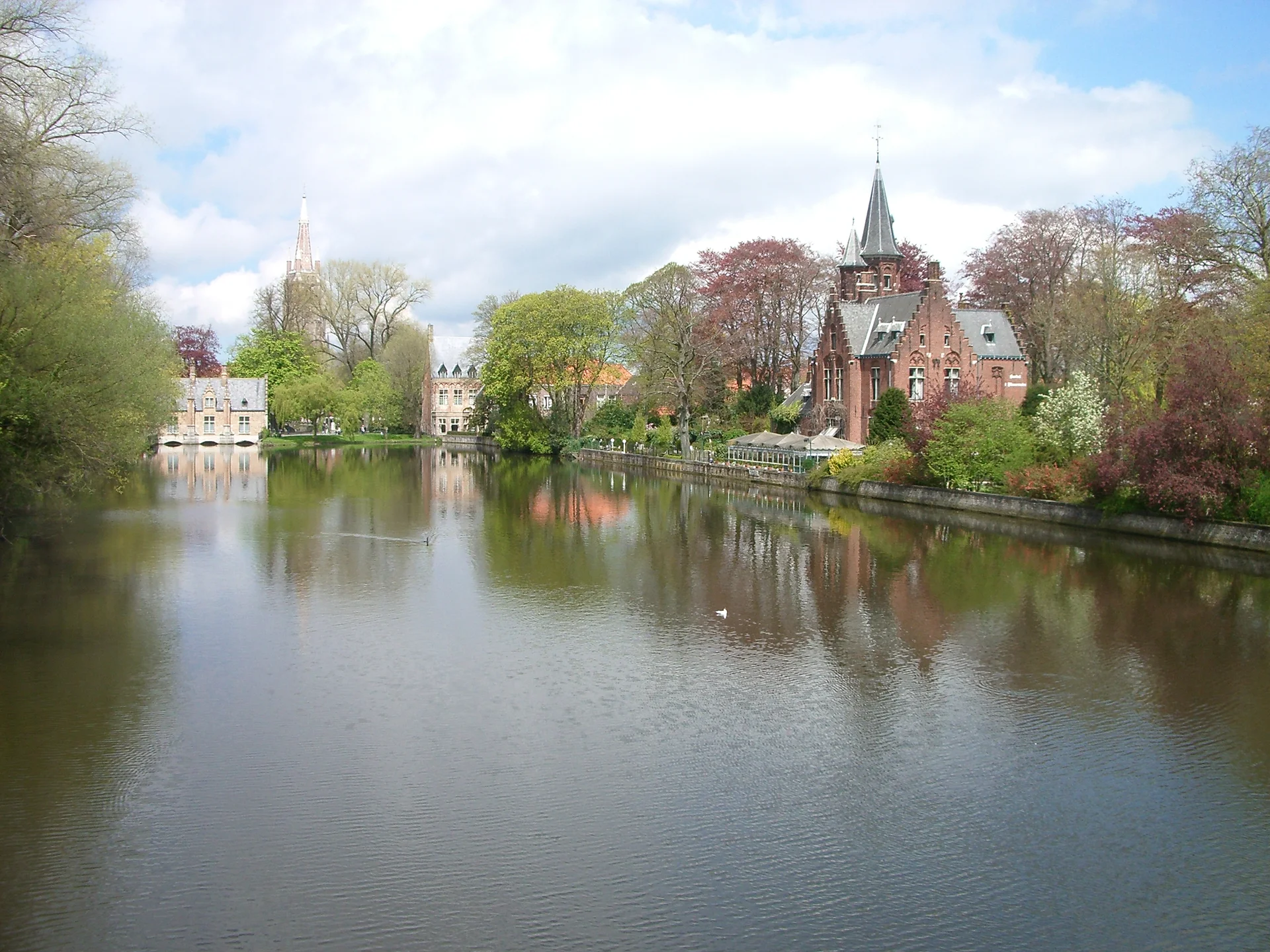
The Minnewater Lake, renamed the Lake of Love by romantics, forms a peaceful stretch of water where swans paddle. The bridge crossing it offers a postcard view, especially at sunset when the water takes on golden reflections. The adjacent park is ideal for picnics away from the tourist buzz.
Right next door, the Ten Wijngaerde Princely Beguinage plunges you into another era. Founded in 1245, this peaceful haven with white facades and a monastic garden once welcomed Beguines, laywomen living in religious community. Now inhabited by Benedictine sisters, the site maintains an atmosphere of quiet reflection. Entering the courtyard is free, and the silence is golden.
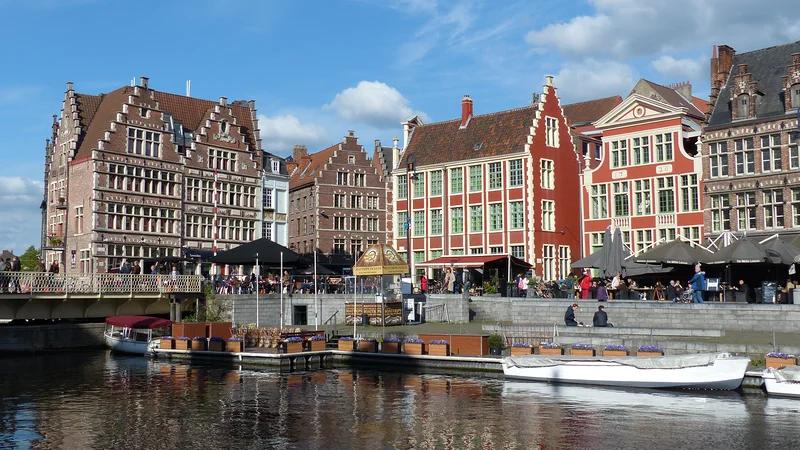
The Groenerei, or green canal, is well worth your time. This waterway lined with trees and ivy-covered facades stands out as one of the most photogenic spots in town. Café terraces sit right on the water, making it the perfect place to sip a local beer while watching tour boats drift past.
Friendly tip: rent a bike and pedal out to Damme, a medieval village 7 km to the northeast, via the Damme canal. The bike path runs alongside the water, cuts through polders, and offers a bucolic escape far from the crowds.
The museum district and the Church of Our Lady
The Church of Our Lady boasts one of the tallest brick church towers in the world, rising 115.6 meters. Inside, Michelangelo's white marble Madonna and Child is worth the trip all by itself. It is the Florentine master's only sculpture to leave Italy during his lifetime, an absolute rarity. The Gothic choir and the tombs of Charles the Bold and Mary of Burgundy complete this concentrated dose of history.
The Groeningemuseum brings together an impressive collection of Flemish Primitives, including works by Jan van Eyck, Hans Memling, and Hieronymus Bosch. The striking colors and meticulous details of these 15th-century paintings fascinate even visitors unfamiliar with medieval art. Nearby, the Saint John's Hospital houses the Memling Museum, set up inside one of Europe's oldest surviving hospital buildings.
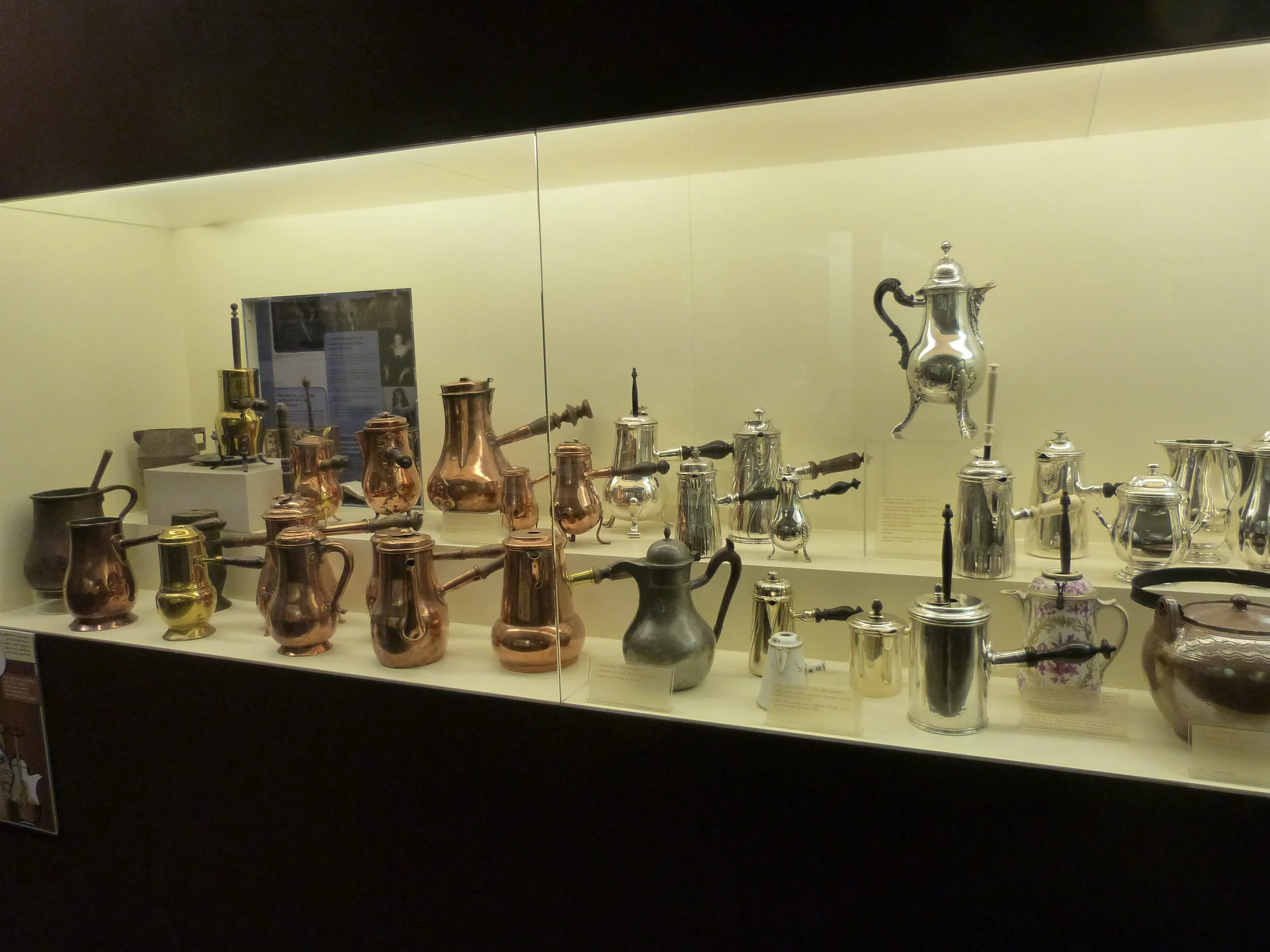
For the curious, Choco-Story traces the history of chocolate with a tasting at the end, and the Frietmuseum celebrates the Belgian fry in all its glory. Housed in a 14th-century building, the latter combines educational seriousness with a healthy dose of humor. You will leave with an irresistible urge to order a steaming paper cone of fries.
Saint-Gilles and residential neighborhoods
A ten-minute walk from the Markt, the Saint-Gilles neighborhood has a much more authentic feel. Here, local residents do their grocery shopping, kids play on the squares, and cafés cater to locals rather than tourists. The 15th-century Saint-Gilles Church is worth a look, and neighborhood bistros often serve better food than downtown spots for comparable prices.
Along Langestraat, independent shops alternate with trendy bars. Jacobin, a contemporary bistro set inside a 16th-century gabled house, serves fusion cuisine against a backdrop of exposed timber beams and intentionally raw walls. The rock soundtrack and relaxed vibe contrast sharply with traditional restaurants in the historic center.
Friendly tip: tour the Brasserie De Halve Maan, the last operating brewery in the city center. The guided tour (45 minutes, in French) ends with a tasting on the rooftop terrace offering panoramic views. A fun fact: the brewery pumps its beer to the bottling plant through a 3 km underground pipeline.
Where to eat and drink in Bruges
Flemish cooking blends heartiness with straightforward flavors. Flemish carbonnade, a beef stew simmered in dark beer with gingerbread, warms both body and soul. Waterzooi, a creamy chicken or fish stew, melts in your mouth. North Sea gray shrimp croquettes crunch satisfyingly with every bite, and mussels and fries arrive in steaming pots.
On the sweet side, you cannot skip Liège waffles (loaded with caramelized sugar pearls) and artisanal chocolate. The city has a crazy density of chocolatiers, including The Chocolate Line, which dares to use unusual flavors like wasabi and bacon, alongside Dumon for purists. Speculoos biscuits and cinnamon-spiced Bruges lace cookies are made for nibbling with coffee.
When it comes to beer, Bruges has three active breweries. Try the blond or dark Brugse Zot, brewed right on-site at De Halve Maan. Abbey beers (Westmalle, Chimay) often clock in at 8 to 10 percent alcohol, so tread carefully. Local cafes serve each beer in its own specific glassware, a ritual followed religiously.
For a sit-down meal, Le Mystique serves modern gastronomy in the intimate setting of the Hotel Heritage (tasting menu starting at $111*). De Vlaamsche Pot dishes out hearty traditional plates in a cozy atmosphere. Cantine Copine revisits Flemish fare with a contemporary twist. For an affordable bite, De Middenstand on 't Zand square draws locals and regulars with straightforward Belgian comfort food.
How to get to and around Bruges
From Paris, the Eurostar via Brussels gets you to the city in about 2.5 to 3 hours. From Brussels, direct trains depart every hour with a 1-hour travel time. The train station sits 1.5 km south of the center, a 20-minute walk or a short bus ride away. The Ostend-Bruges Airport is 25 km away, reached via a 15-minute bus ride followed by a 15-minute train. From Brussels-Zaventem Airport, a direct train connects to Bruges in an hour.
By car, plan for 3 hours from Paris via the highway. Keep in mind that the historic center is nearly entirely pedestrian, and underground parking garages cost $18* for 24 hours. The best strategy is the station parking garage, which is huge (1,700 spaces) and economical ($6.90* per day). A free bus takes you from the lot straight to the Markt in 10 minutes.
Around town, your feet will do the job. The oval-shaped center measures 2 to 3 km across, making everything easy to reach. To explore the surrounding area, rent a bike: the city features 900 km of bike paths, and the flat Flemish countryside is ideal for cycling. Rentals start at $4.50* an hour or $14* for the day. The station's Blue-bike even costs just $1.20* a day for train ticket holders.
Local De Lijn buses serve outlying neighborhoods ($2.90* per ticket), but honestly, you will not need them. Sightseeing boats ply the canals every 20 minutes from Rozenhoedkaai, offering a 30-minute cruise for $9*. It is romantic yet touristique, so the choice is yours.
When to go?
From May to September, Bruges puts on its best show with temperatures hovering between 16 and 21 degrees and generous sunshine. Summer (July-August) brings massive crowds, fully booked hotels, and soaring prices. If you do not mind the crowds, it is also prime season for music festivals and outdoor terraces packed until 10pm.
Spring (April-May) and early autumn (September) offer the best compromise: mild temperatures, fewer tourists, and more reasonable rates. Parks and gardens burst with color in May, and the days stay long. September combines pleasant weather with a more authentic vibe.
Winter turns the city into a Christmas card scene, especially in December during the Winter Glow (Wintergloed) festival, featuring magical light displays, an ice rink, and holiday markets. It gets cold (4 to 8 degrees) and damp, but museums are empty and prices drop by 30 to 40 percent. Fog wraps the canals in a mysterious veil, and cozy cafes transform into delightful shelters. Skip November, the grayest and rainiest month of the year.
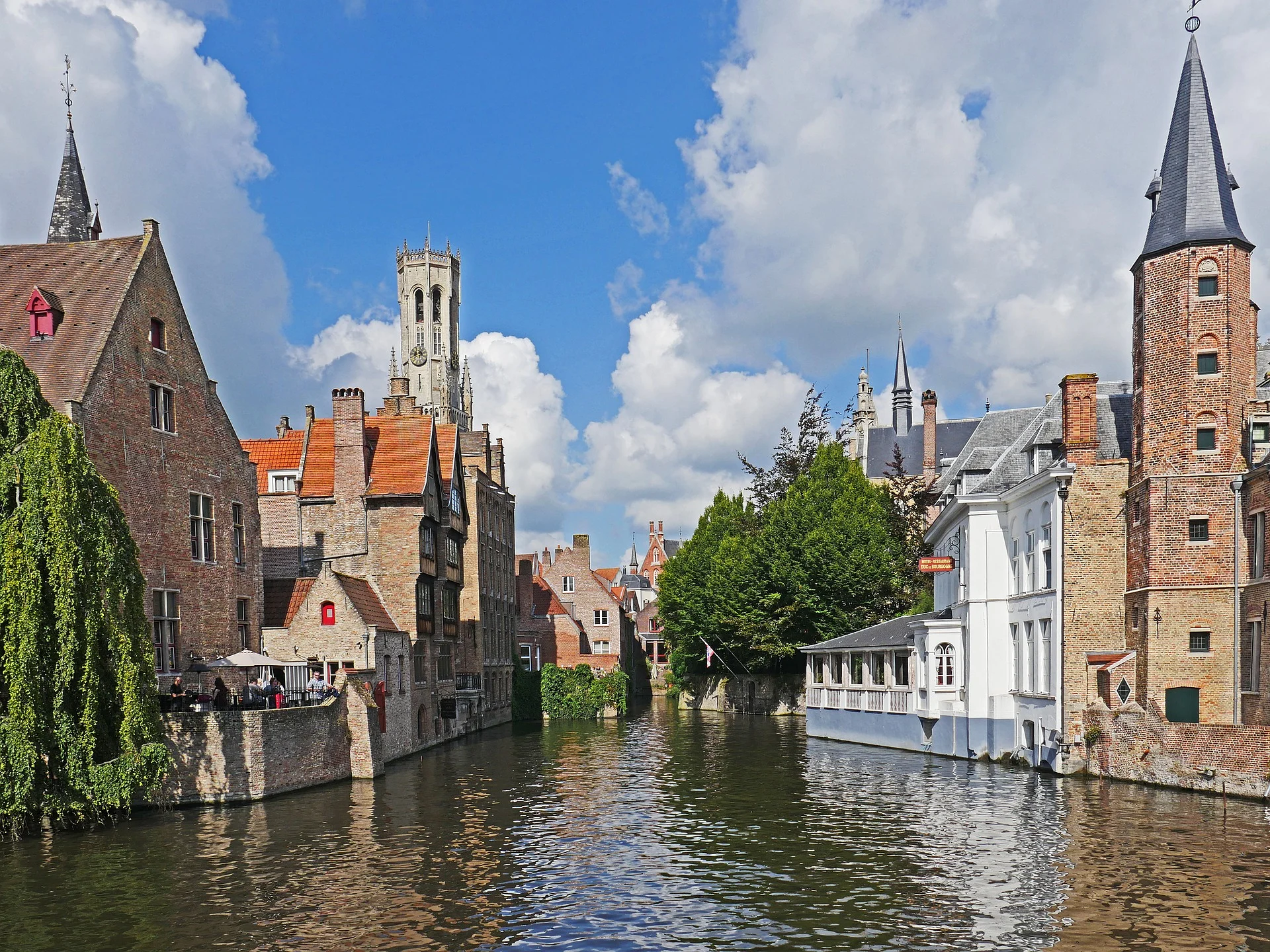
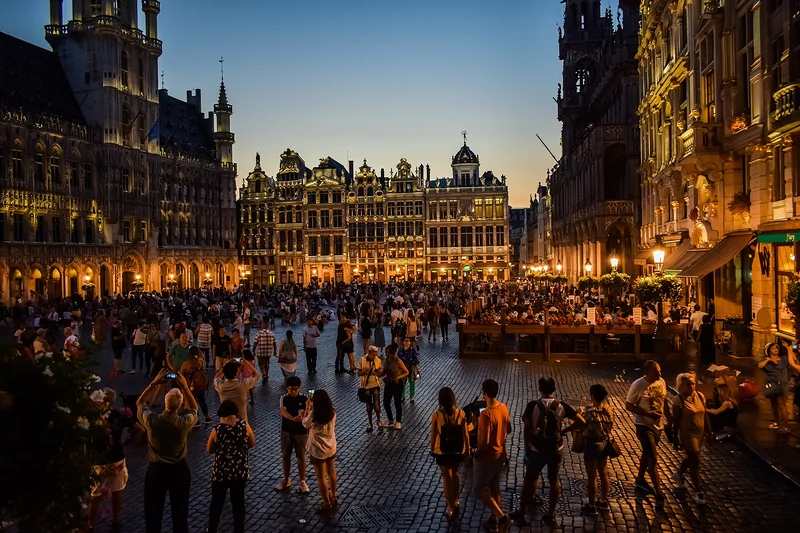
For a romantic city getaway in Belgium, choose Bruges. You will not be disappointed! The old center, which you can explore easily on foot, is full of charm, with its little streets, canals, and picturesque houses.