
Lille, the big city that mastered the art of feeling small
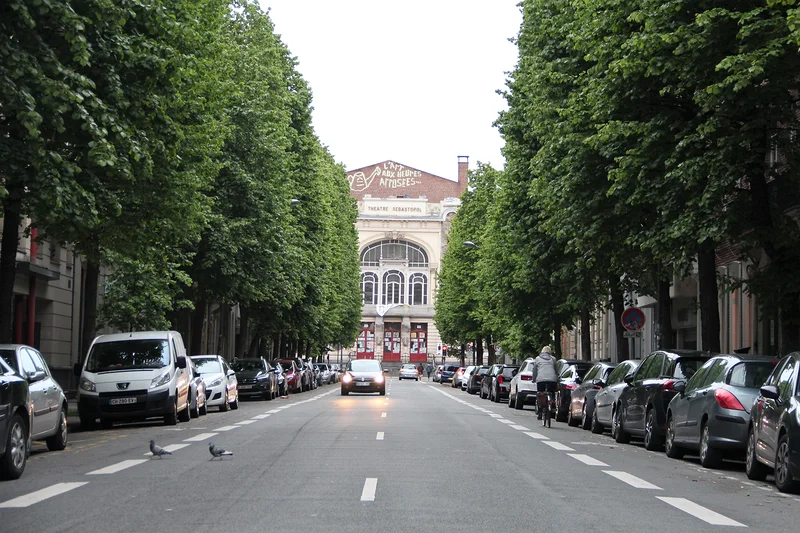
The scent of warm waffles drifts across the Grand'Place. At noon, sidewalk tables spill over onto the pavement despite a mottled gray sky. Around you, the sing-song northern accent punctuates conversations. Locals have a distinct knack for turning a simple coffee break into a thoroughly social affair. Here, no one is ever in a rush. The city keeps its Flemish village soul beneath the surface of a European metropolis.
Lille: a city for those who love surprises
Lille appeals to travelers looking for a human-scale destination with real cultural depth. The Palais des Beaux-Arts holds its own against major French museums, the Flemish facades of Vieux-Lille span centuries of history, and the local dining scene is worth the trip. Craft beer fans will find themselves in heaven, with the Belgian border just 15 kilometers away.
This destination might disappoint those hoping for guaranteed sunshine. The northern weather stays unpredictable, with frequent downpours even in summer. Travelers in a rush will also miss the point, since Lille is best savored slowly in traditional taverns and cobbled alleys.
A gentle budget for a big city
Plan for $79 to $135* per day for a couple. A meal in an estaminet runs between $17 and $29* per person. The subway and tram network is efficient, with a day pass at $5.90*.
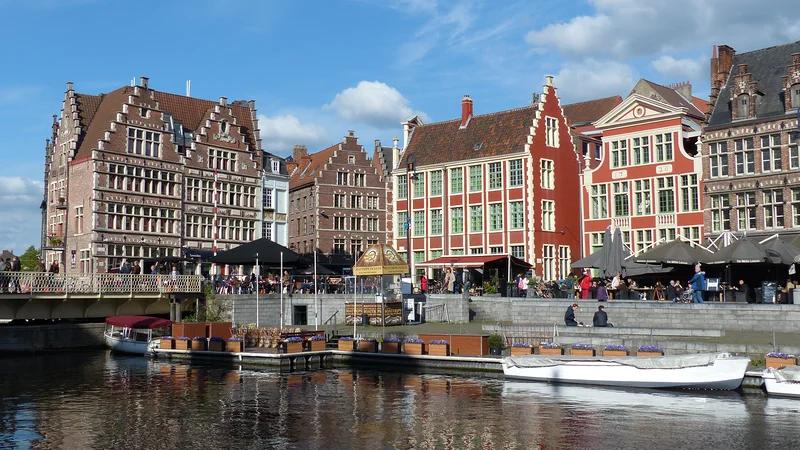
Vieux-Lille: Flemish facades and polished cobblestones
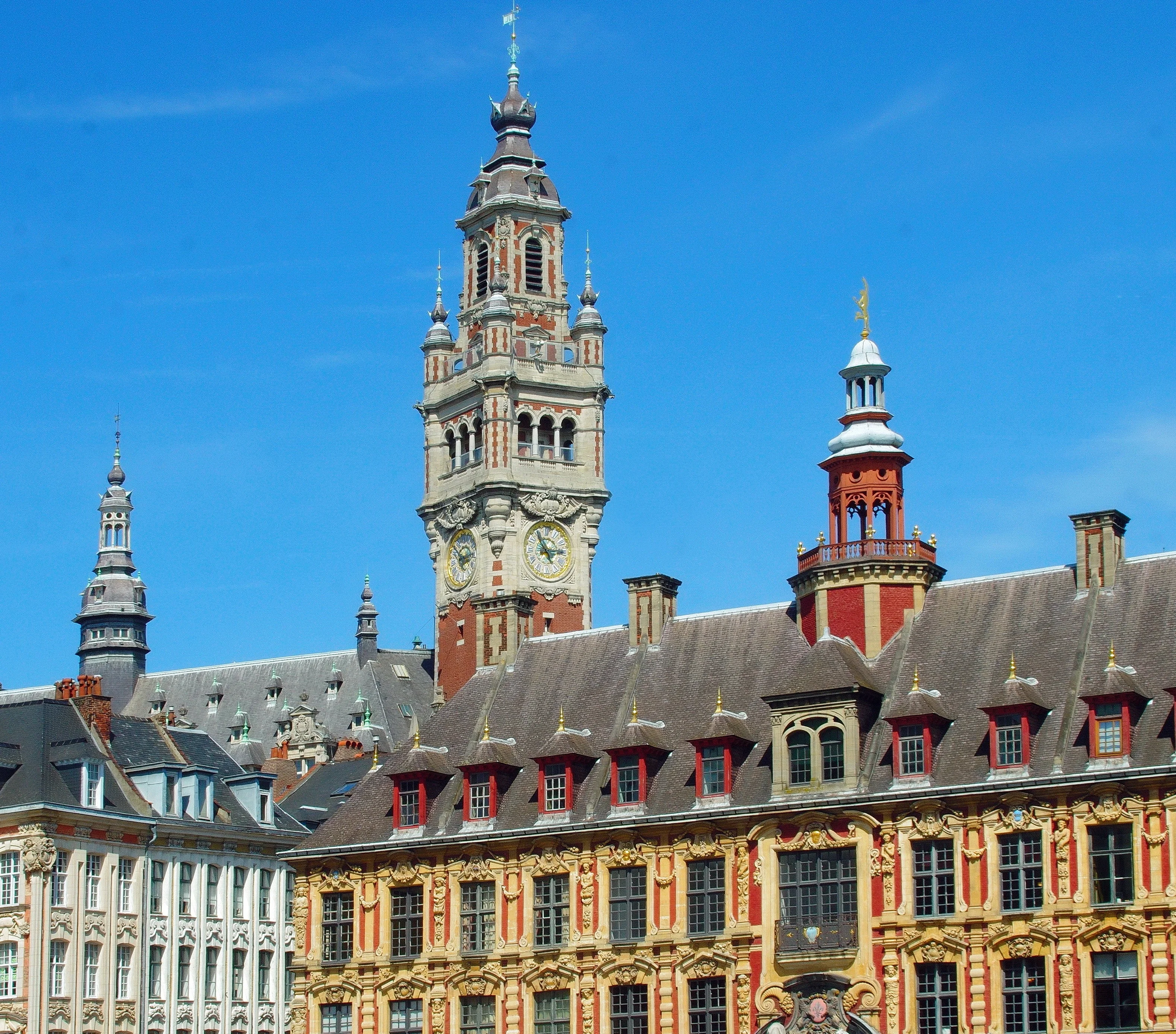
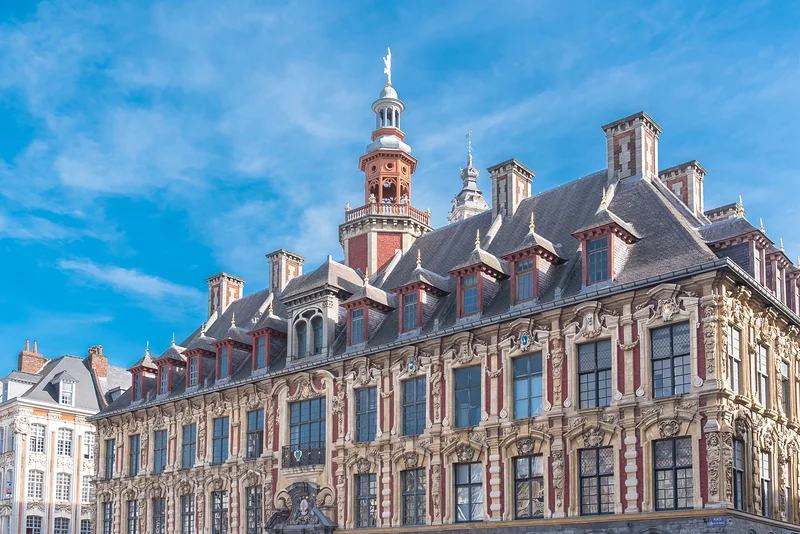
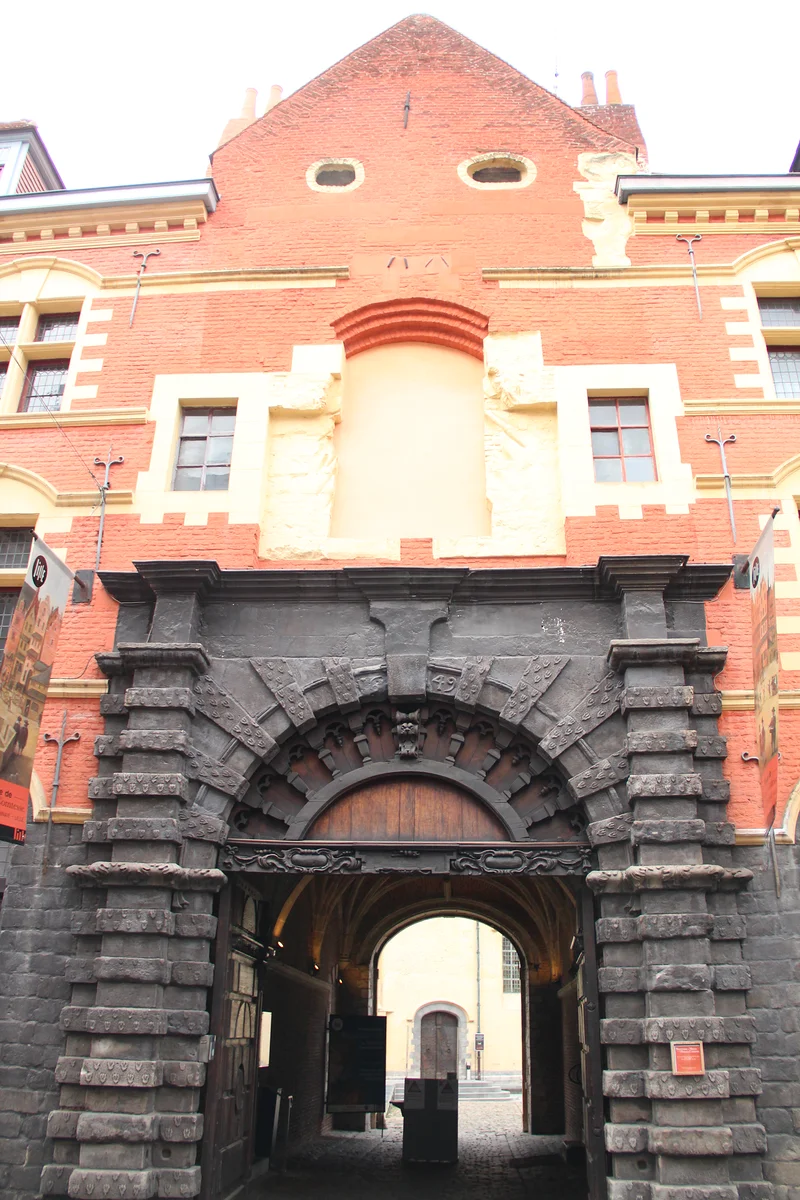
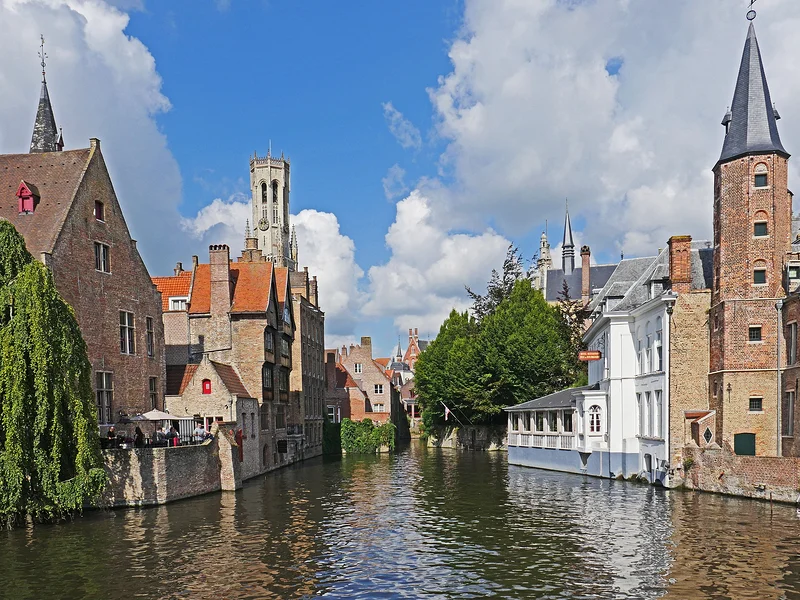
Vieux-Lille holds most of the city's architectural charm. Its red-brick and white-stone houses mostly date back to the seventeenth and eighteenth centuries. Rue de la Monnaie and rue Esquermoise line up designer boutiques, chocolatiers, and antique shops.
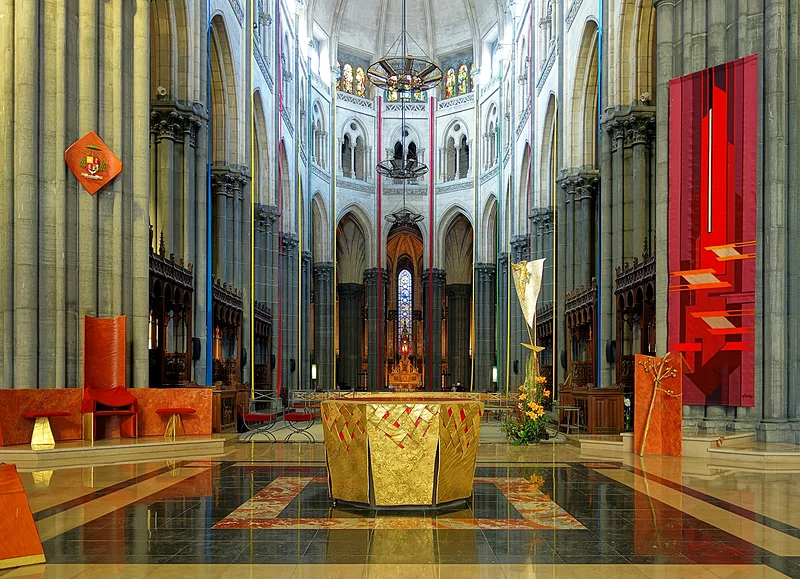
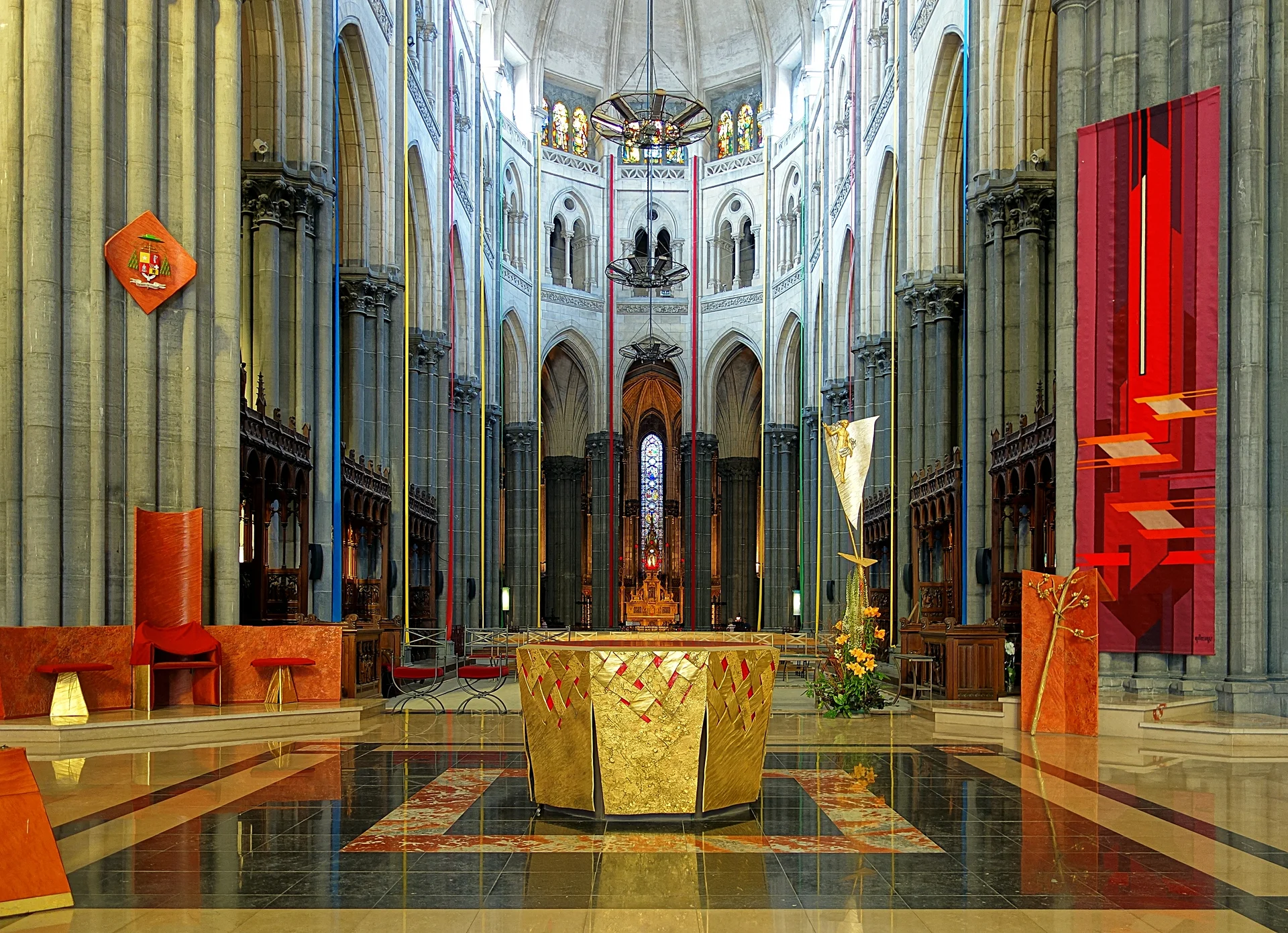
The tiny and quiet place aux Oignons offers a respite far from the shopping crowds. A few restaurant tables set up here when the weather warms. Farther north, the cathédrale Notre-Dame-de-la-Treille surprises visitors with its contemporary translucent marble facade, finished only in 1999.
Friendly tip: rue de Gand, often overlooked by visitors, hides the best spots for a local beer. In the evening, the atmosphere here is much more relaxed than on the Grand'Place.
From the Grand'Place to the Citadelle: the beating heart
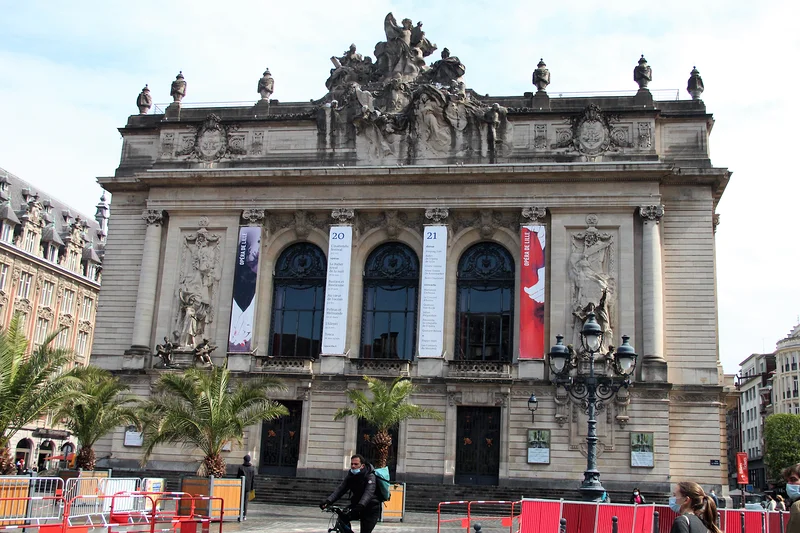
The Grand'Place, officially place du Général-de-Gaulle, forms the central hub of the city. The Goddess Column commemorates the Austrian siege of 1792. All around, the outdoor cafe seating stays packed.
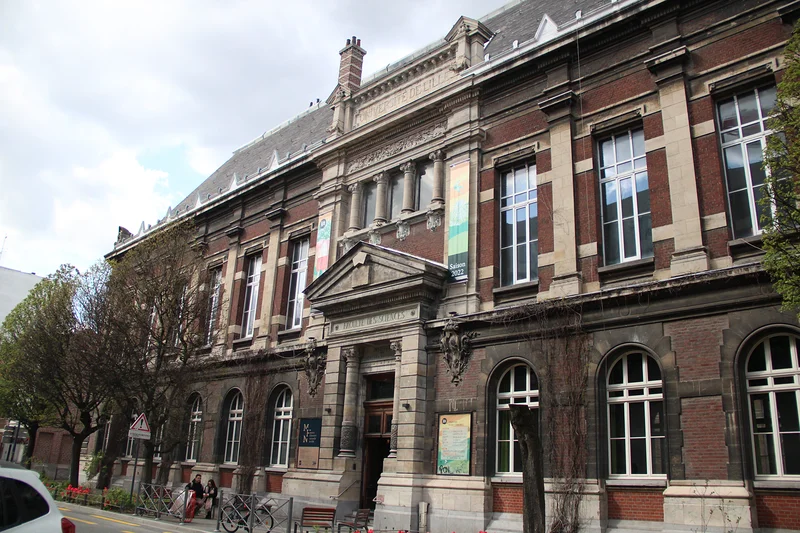
Heading west, the Palais des Beaux-Arts deserves several hours. Its Flemish painting collections and scale models of fortified northern towns are genuinely impressive. Admission costs $7.90*, and it is free on the first Sunday of the month.
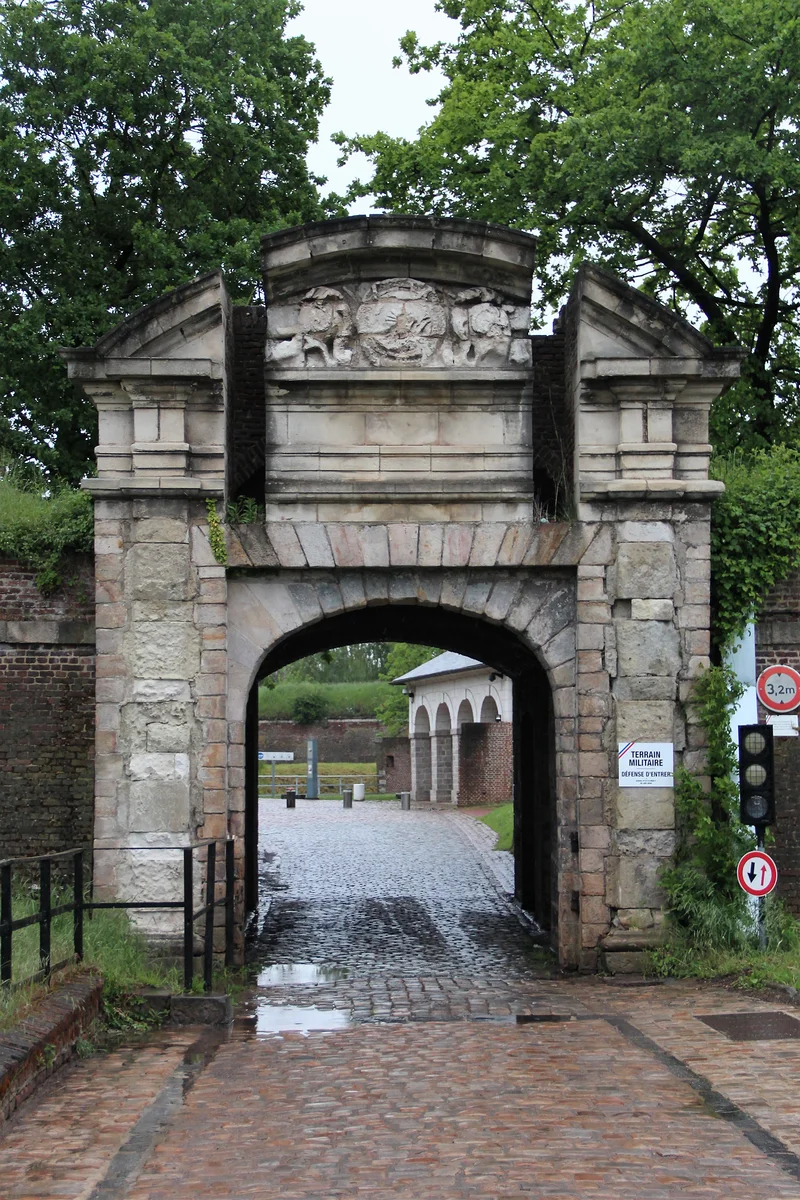
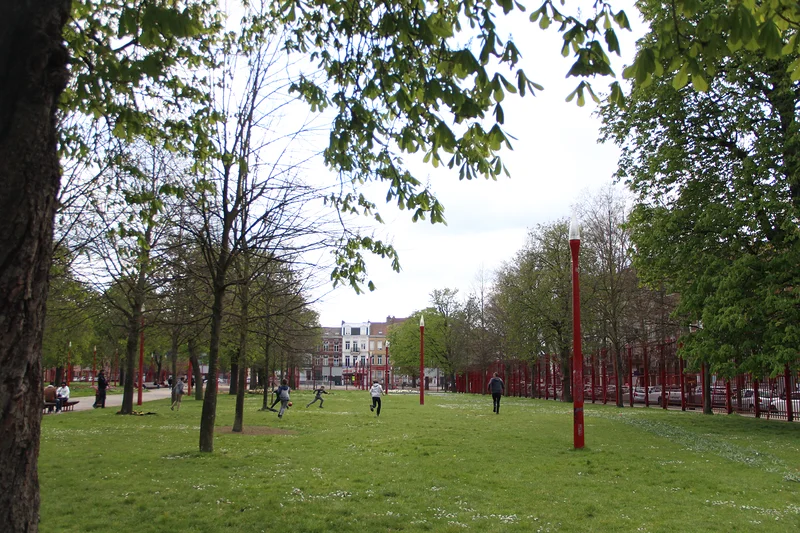
Farther out, the Citadelle built by Vauban remains an active military base, so it is off-limits to the public. However, the surrounding parc de la Citadelle offers 60 hectares of green space where locals run and picnic. The zoo is a hit with families.
Wazemmes: the working-class and cosmopolitan neighborhood
Ten minutes on foot from the center, Wazemmes shifts the atmosphere entirely. This multicultural, working-class neighborhood pulses with a different energy. Middle Eastern grocery stores sit next to traditional French fry stands, and trendy cafes occupy old storefronts.
The marché de Wazemmes, held every Sunday morning, ranks among the largest markets in France. Stalls overflow with produce, spices, fabrics, and flea market goods. The vibe is loud, cheerful, and sometimes chaotic. Get there before 10 a.m. to avoid the peak crowds.
Friendly tip: do not leave the market without trying a fricadelle-frites from one of the food stands. It is greasy, simple, and pure northern culture.
Euralille: the business district designed by Koolhaas
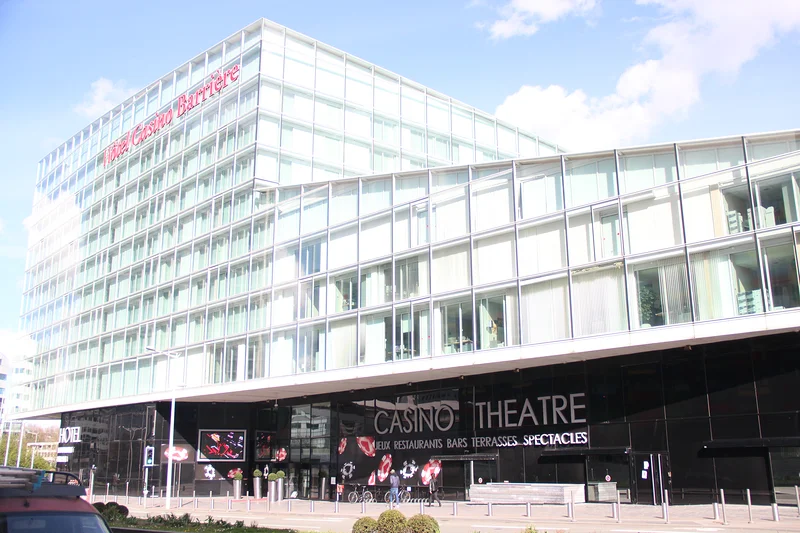
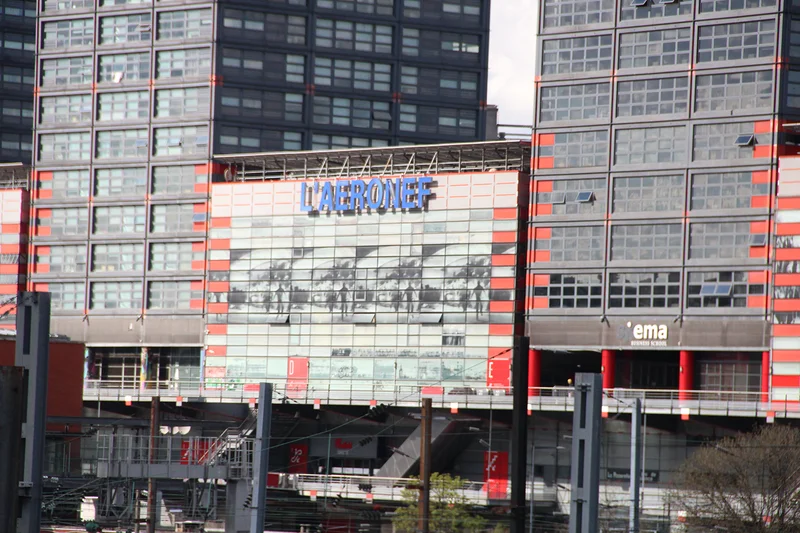
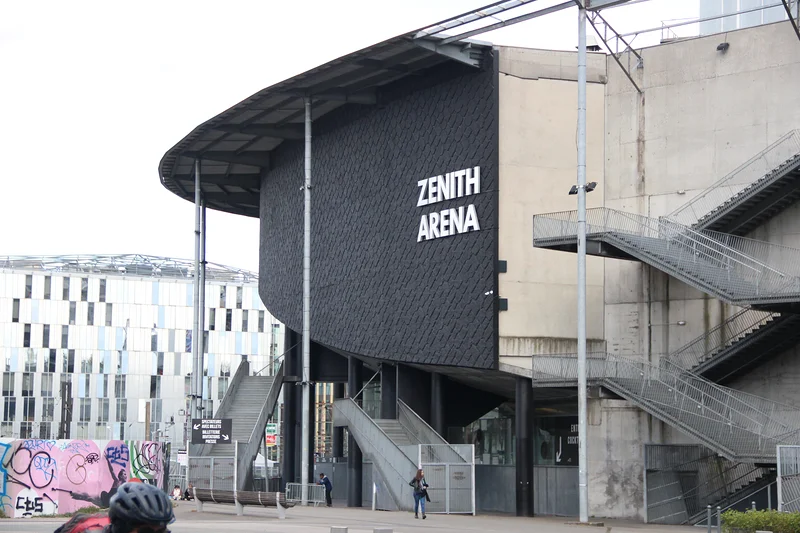
Behind the Lille-Europe train station, the Euralille neighborhood creates a striking contrast with Vieux-Lille. Architect Rem Koolhaas designed this business district in the 1990s. The bold buildings divide opinion, with some finding them visionary and others ugly.
The shopping mall does not draw many travelers, but the architectural walk is worth a look. Parc Matisse, wedged between the towers, surprises visitors with its island of giant bamboo.
Where to eat and drink in Lille
Lille cuisine goes heavy on comfort food. The welsh, a thick slice of bread drowned in cheddar melted with beer, fills you up for the day. Carbonnade flamande, beef slow-cooked in dark beer with gingerbread, warms up winter evenings. For dessert, the brown sugar-filled waffle known as gaufre fourrée à la vergeoise remains the local staple.
Traditional estaminets keep the old Flemish tavern spirit alive. Dark wood paneling, checkered tablecloths, and pub games on the tables make the atmosphere just as important as the food. Chez la Vieille on rue de Gand and Le Barbue d'Anvers on rue Saint-Étienne are reliable choices. For beer, order a 3 Monts or a Jenlain, both brewed in the region.
How to get to and around Lille
The TGV puts Lille 1 hour from Paris, 35 minutes from Brussels, and 1 hour 20 minutes from London via Eurostar. Fares start at $22* from Paris when booked ahead. The modest Lesquin airport serves a handful of European destinations, and a shuttle connects it to the center in 20 minutes for $9*.
Once you arrive, the automated VAL subway covers the metro area efficiently. The historic center is easy to walk, taking 15 minutes between the Grand'Place and the Citadelle. The V'Lille bike-share program rounds out options for longer trips.
When to go
Spring and early fall bring the best weather conditions, with mild temperatures and moderate crowds. Summer stays pleasant despite occasional showers. The Braderie de Lille on the first weekend of September turns the city into a massive open-air flea market. Two million visitors flood the streets, so book your lodging months ahead or skip this period if you hate crowds.
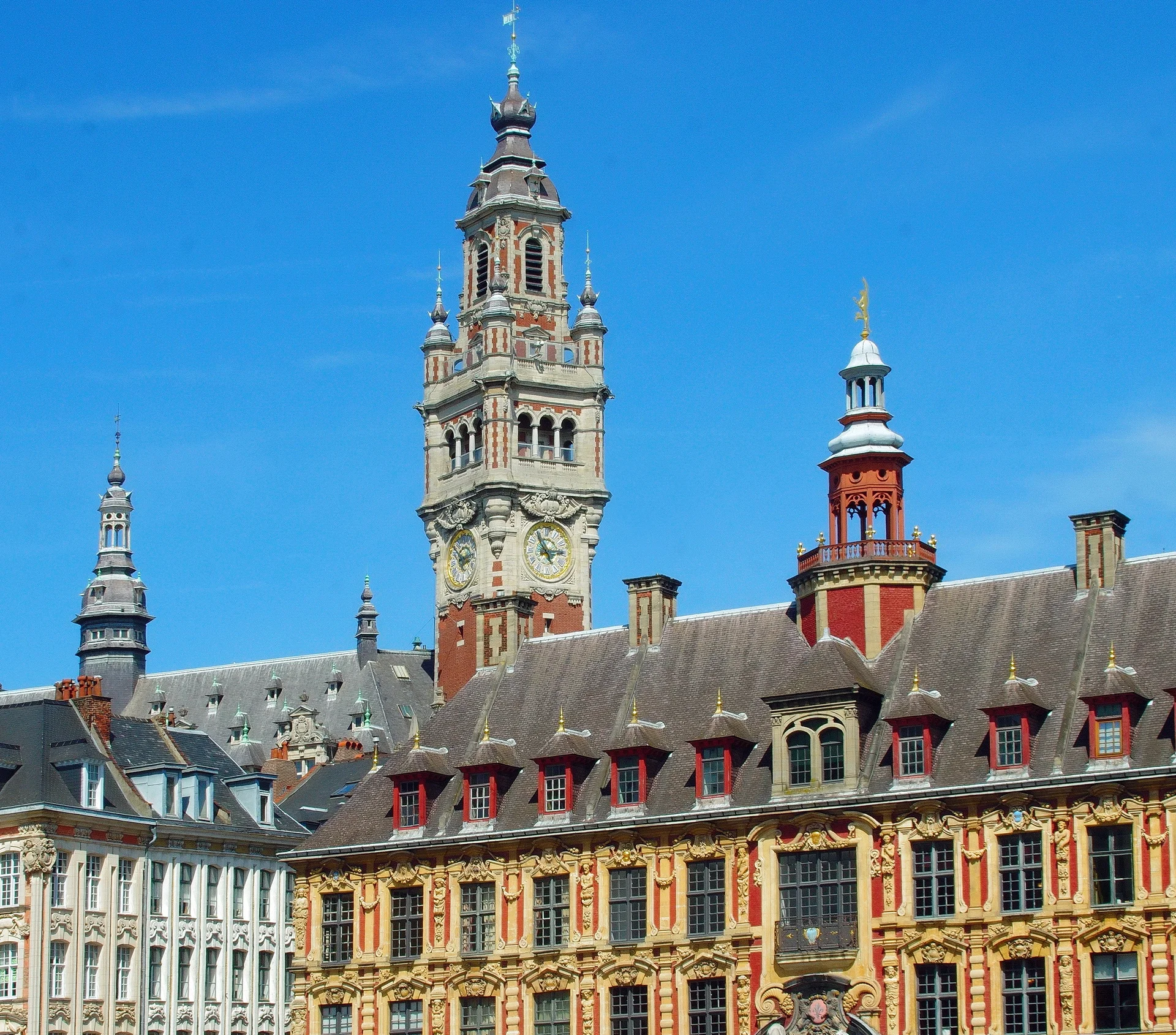
Comme disait Courbis, le Soleil est dans le cœur des gens :)