
Visiting the Palais des Beaux-Arts de Lille
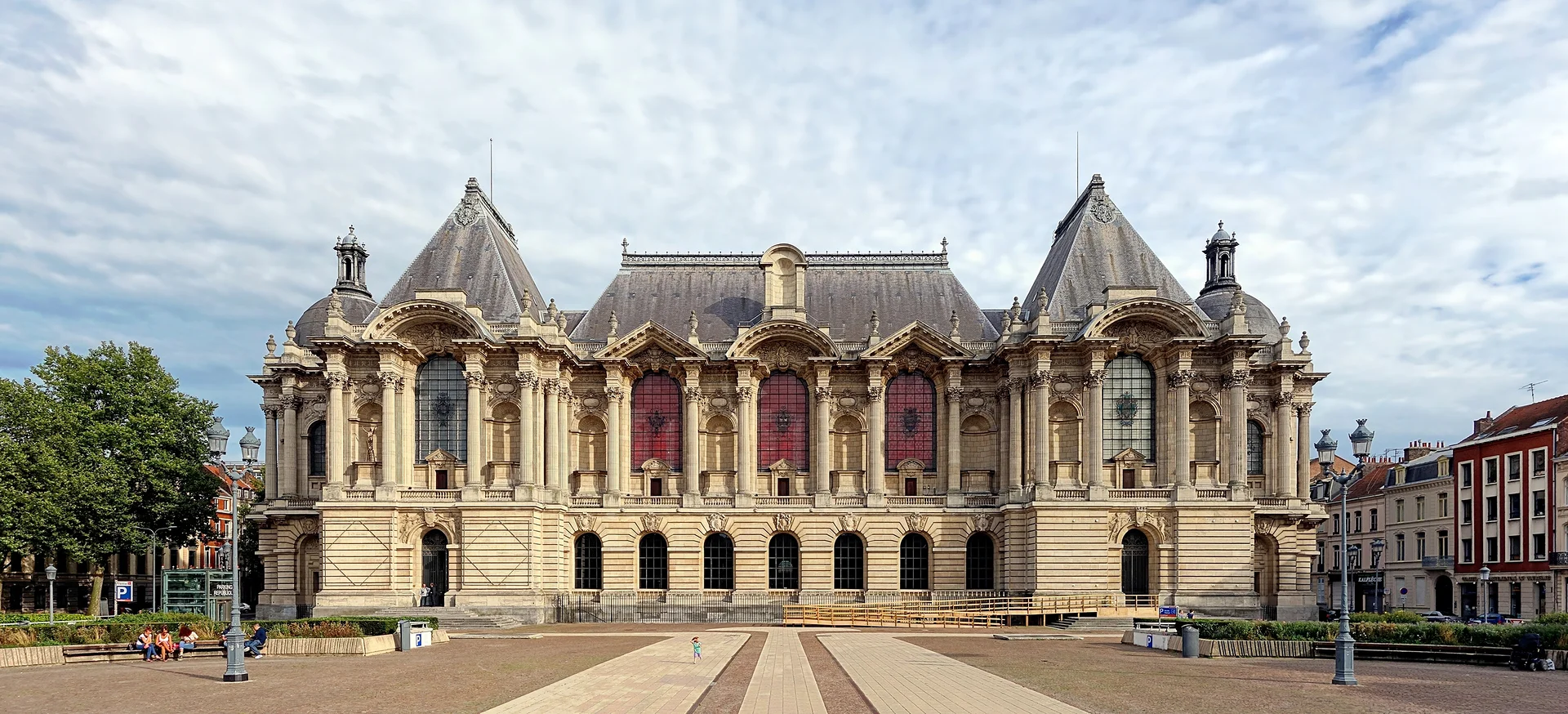
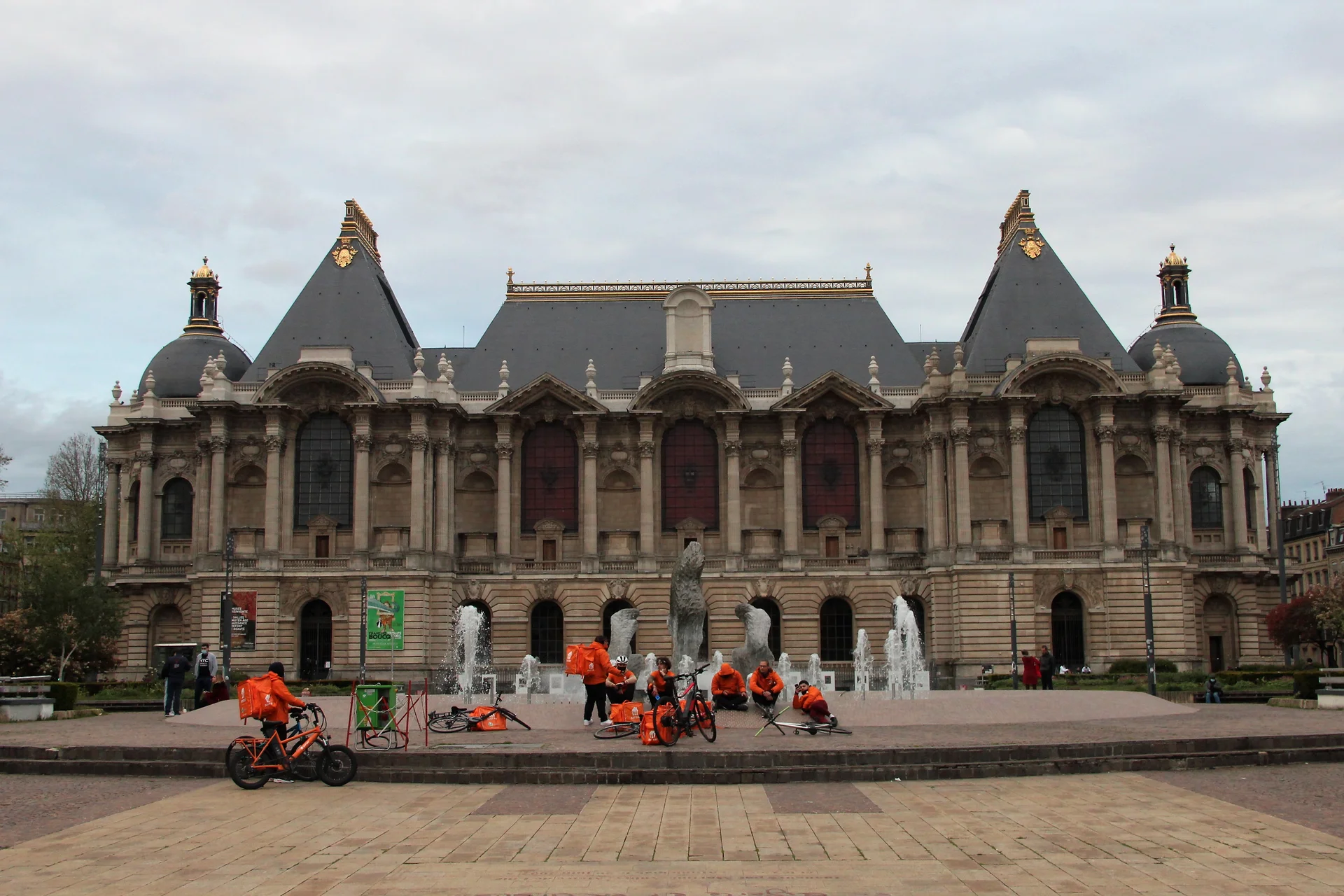
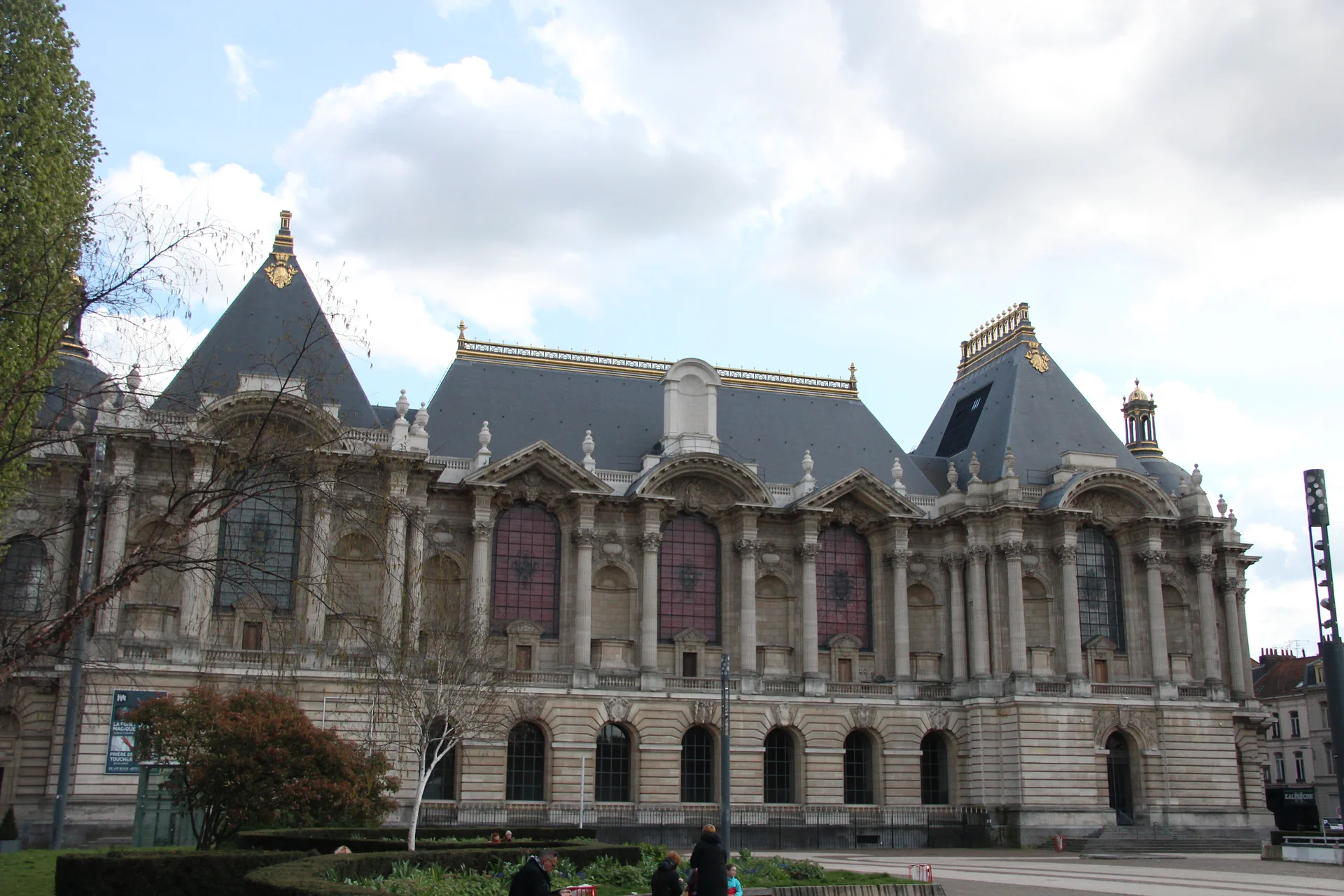
In Lille, in the Hauts-de-France region, sits the second largest fine arts museum in France. Established in the late 18th century, it was added to the inventory of historic monuments in 1975.
History
During the French Revolution, numerous artworks were confiscated from the nobility and the clergy. Louis Joseph Watteau, a painter and director of the art academy, proposed to the city government that a museum be created for public education. Thus, in 1793, some twenty confiscated paintings were displayed at the academy.
Between 1841 and 1875, the collection more than tripled, making a dedicated space necessary. Géry Legrand, mayor of Lille, then decided on the construction of a fine arts palace. The project was funded through the sale of lottery tickets. With a budget of 2.5 million francs, architects Edouard Bérard and Fernand Delmas were entrusted with the project. Construction began in 1885 and lasted 7 years. However, funds ran short, and guests at the inauguration discovered a building missing its entire rear half.
Following thefts and damage during the First World War, the museum did not undergo a true renovation until 1991. The work was awarded to Jean-Marc Ibos and Myrto Vitart, and the museum reopened in June 1997.
The Palais des Beaux-Arts de Lille
Spanning 12 000m² of exhibition space and housing the second largest art collection in the country, this Lille museum is a cultural stop you will want to make.
Its collection includes nearly 1500 paintings, but the museum reaches beyond major fine arts. It also exhibits ancient pieces, seals, and heraldic objects. Visitors will find 15 relief maps of 18th century fortified towns, alongside collections of ceramics, sculptures, and drawings.
A surprising, multifaceted museum where there is always something new to uncover.
Opening hours
| Monday | 14:00-18:00 |
|---|---|
| Tuesday | Closed |
| Wednesday | 10:00-18:00 |
| Thursday | 10:00-18:00 |
| Friday | 10:00-18:00 |
| Saturday | 10:00-18:00 |
| Sunday | 10:00-18:00 |
Hours data: © OpenStreetMap contributors

If you have some time, I highly recommend visiting this palace. I found the painting collection particularly interesting, with works by Eugène Delacroix, Géricault, Courbet, and Monet. My favorite find remains the discovery of Turner's The Burning of Constantinople. The section dedicated to sculptures also includes a few masterpieces, notably Rodin's Fallen Angel. Not to mention some very beautiful Chinese ceramics.