Visiting De Panne, its wild dunes and theme park
Located on the Belgian coast right at the French border, De Panne is a coastal town that pairs a low-key atmosphere with protected natural areas. Known primarily for its long, fine-sand beach and the Plopsaland theme park, it attracts visitors looking for a quiet, natural escape. De Panne also has a few cultural and historical spots that warrant a stop.
A welcoming and protected beach
The beach at De Panne is the widest in Belgium. Spanning several miles, it is a prime spot for sand yachting, which is a regional specialty. The beach is spacious enough that it rarely feels crowded, even during the peak summer months.
Nature and hiking opportunities
De Panne is home to several notable nature reserves like the Westhoek reserve, where you can explore protected wild dunes and observe local wildlife. The area is crisscrossed with well-marked trails that make navigating these natural spaces straightforward.
Low-key but interesting local history
The Paul Delvaux Museum, dedicated to the famous Belgian surrealist painter, is worth the time. You can view a large collection of original works that chart the artist's career. Another landmark is Saint-Pierre Church in the city center, a prime example of early 20th-century local architecture.
Family fun
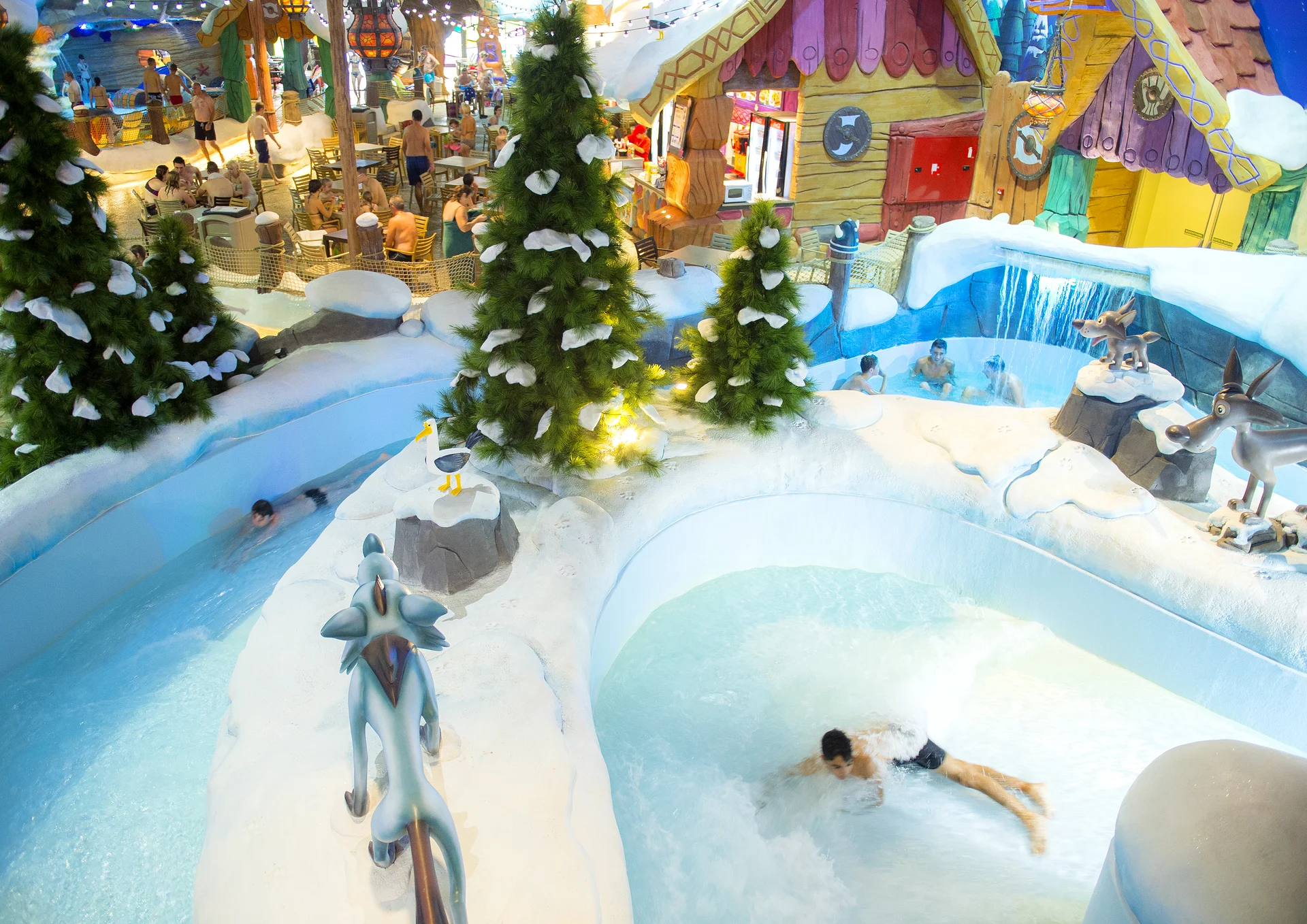
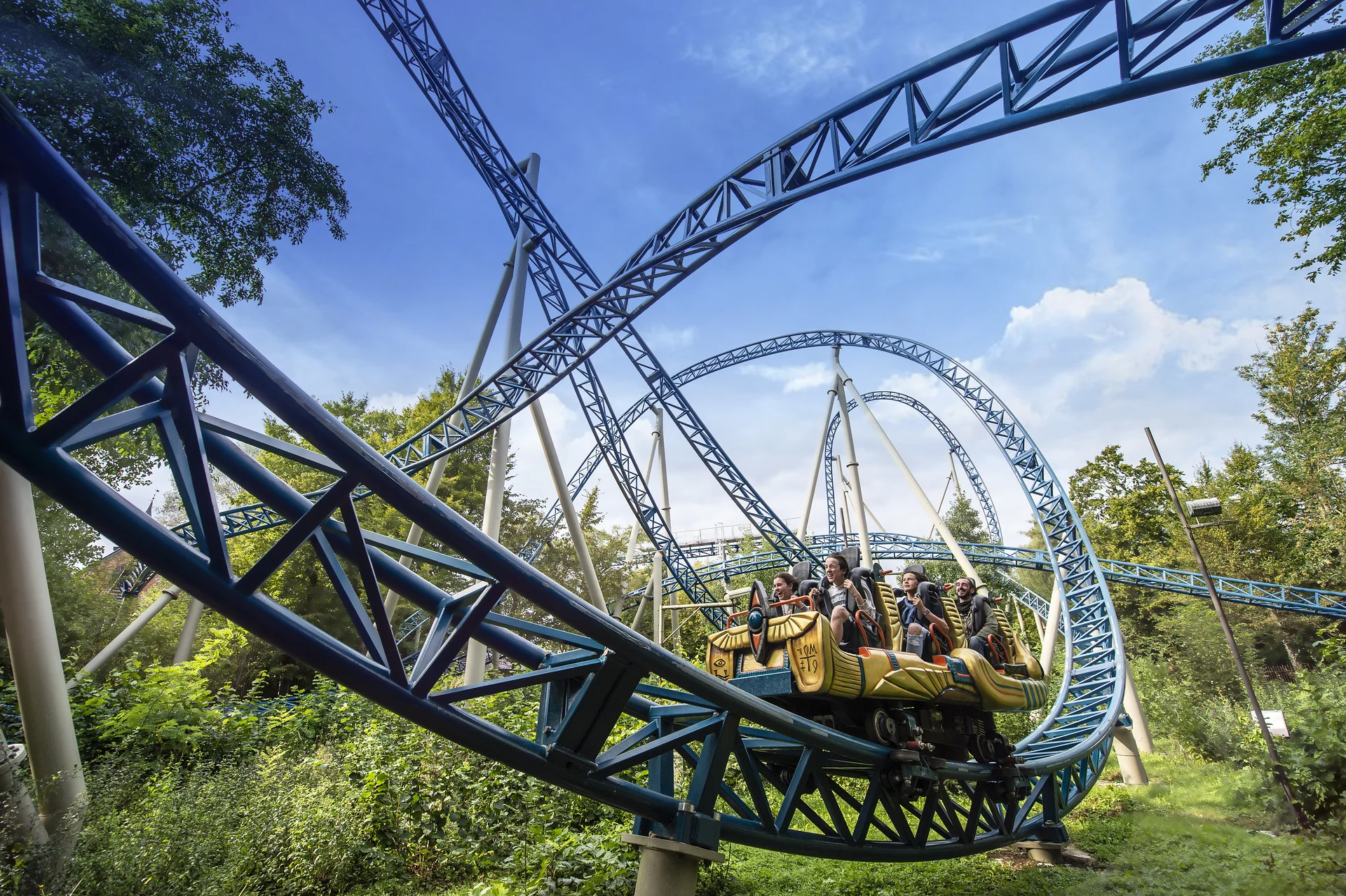
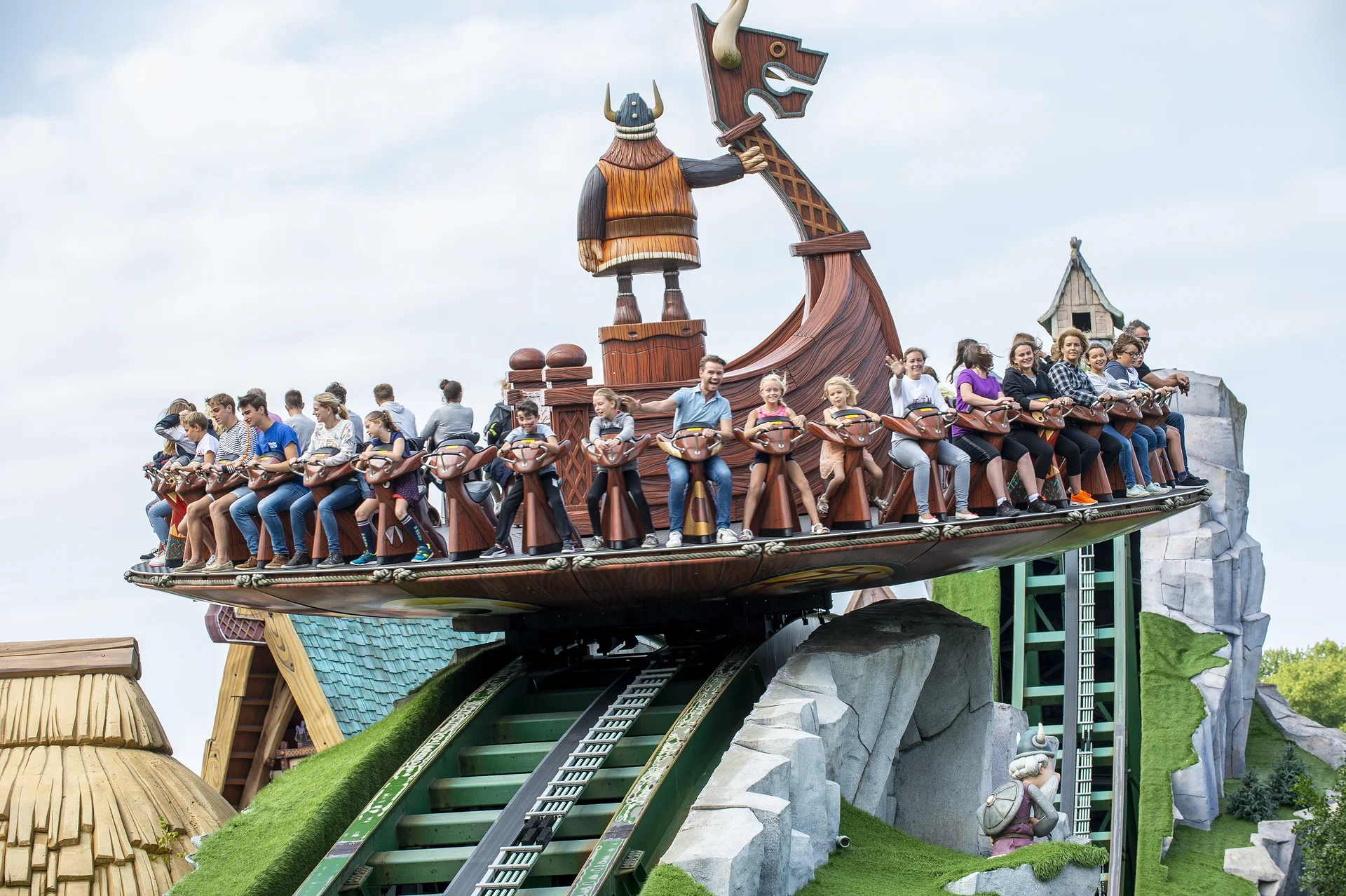
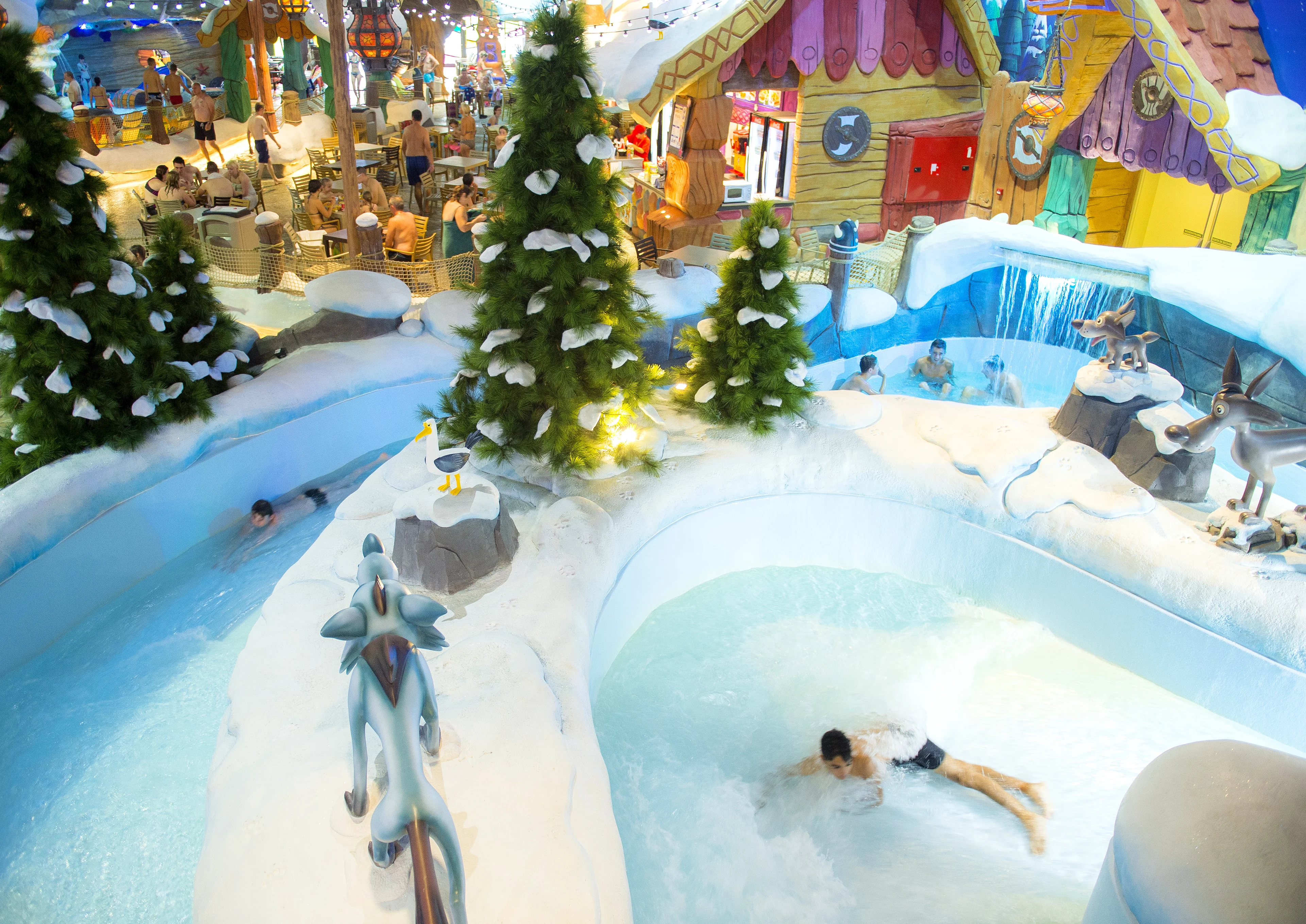
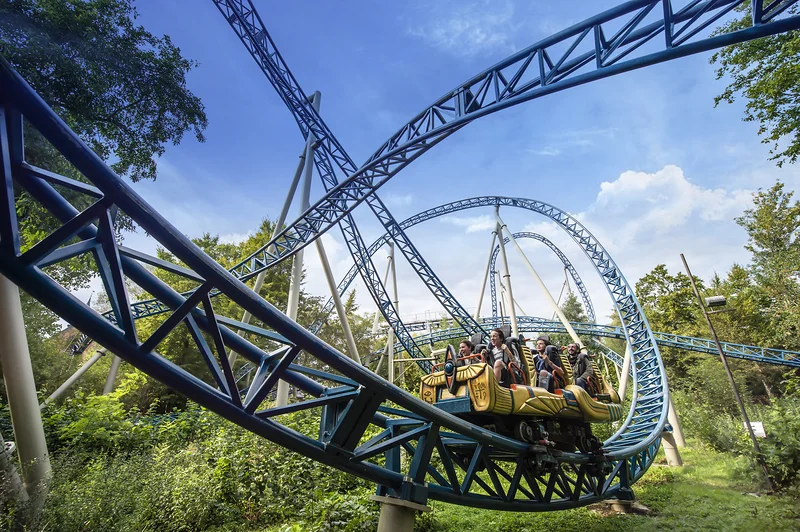
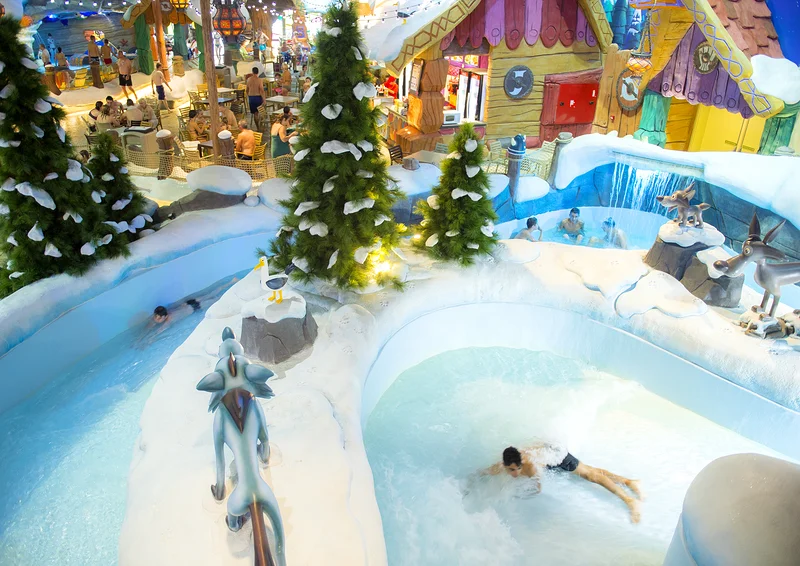
For families, Plopsaland De Panne is a well-maintained theme park with rides for all ages. It is a solid choice for a day trip if you are passing through the region.
The marine flavors of De Panne
Culinary life in De Panne is tied to the sea. Moules-frites (mussels and fries) are the standard, best paired with a crisp Belgian beer. Do not miss the local gray shrimp, which are often served fresh or prepared as croquettes.
Where to eat?
- Hostellerie Le Fox (City center)
- Au Filet de Sole (Waterfront)
- Moeder Lambik (City center)
Where to stay?
- Hotel Royal (City center)
- C-Hotels Continental (Waterfront)
- Hotel Cajou (City center)
When to go?
The best time to visit De Panne is from April through September, when the weather is mild and the days are long. Spring is prime time for seeing the nature reserves in bloom, while summer brings more activity, including events like the annual kite festival in April.
How to get there?
De Panne is accessible from Brussels or Lille by car or train. From Brussels, expect a drive of about 1.5 hours or a 2-hour train ride with a connection in Ghent or Bruges. Train tickets typically run between 20 and 35 EUR (about $22, $38), depending on the season.
How to get around?
The town is small enough to explore on foot or by bike, which is the best way to take in the landscape and the relaxed, family-friendly vibe.