Visiting Boulogne-sur-Mer, the salty heart of the Opal Coast
The first thing that hits you in Boulogne-sur-Mer is not a view, but a smell. That mix of sea air, fresh fish, and damp ropes drifting around the harbor. It is the scent of authenticity, of a town that does not put on airs and lives by the rhythm of the tides, long before it ever became a tourist destination.
Boulogne-sur-Mer: is it the right spot for you?
This city is a paradise for the curious and for families. If you love authentic harbor vibes, old stone buildings steeped in history, and massive aquariums, you will be in your element. It is the ideal destination for anyone looking for a strong dose of sea air without the fuss of overly polished beach resorts.
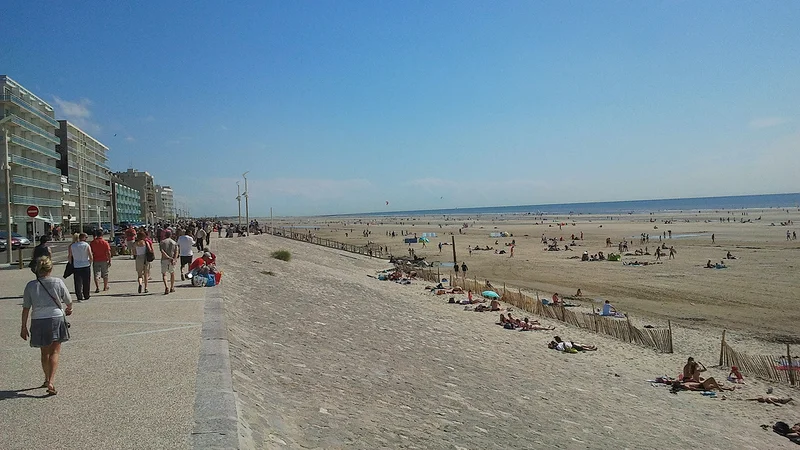
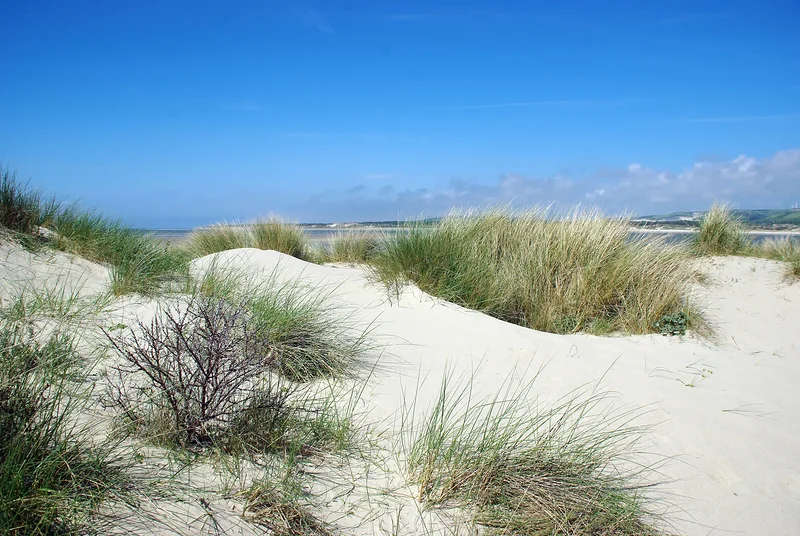
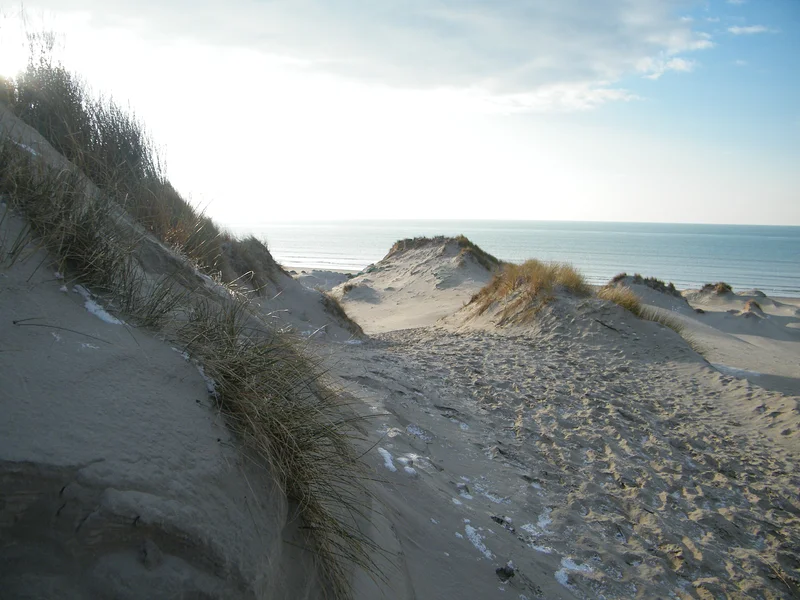
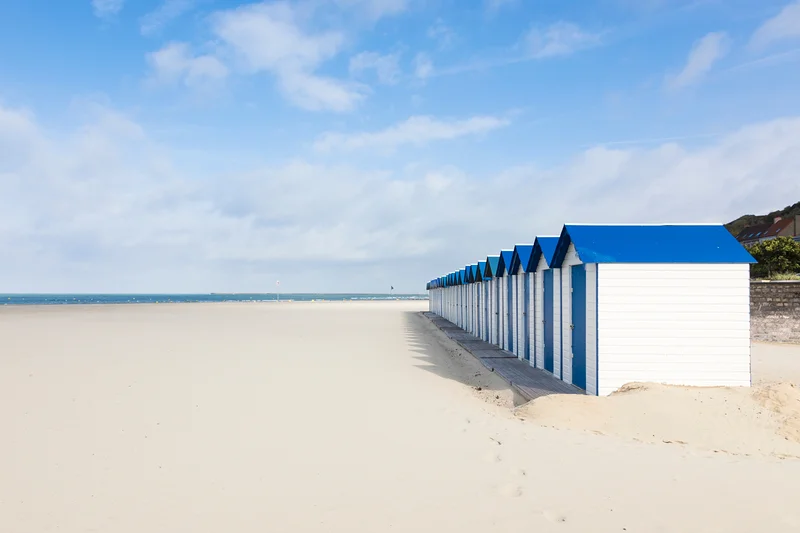
However, if you only care about fine sand beaches and lounging around, you might be a little let down. The beach in Boulogne is large, but it is not the main draw. The city has two distinct sides, the busy lower town and the historic upper town, which require a bit of walking. It has plenty of character, sometimes raw, but always genuine.
The fortified town: a leap back in history
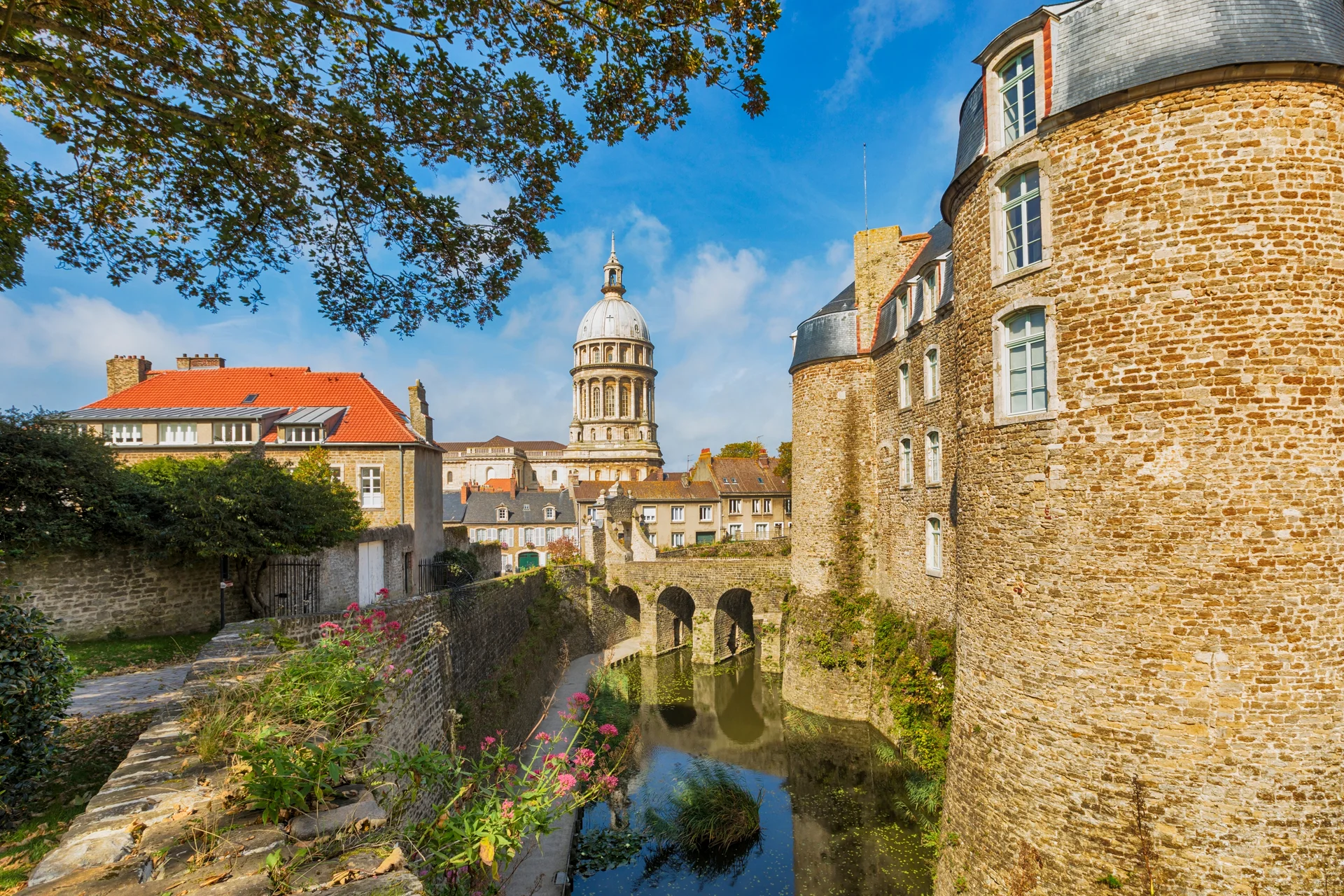
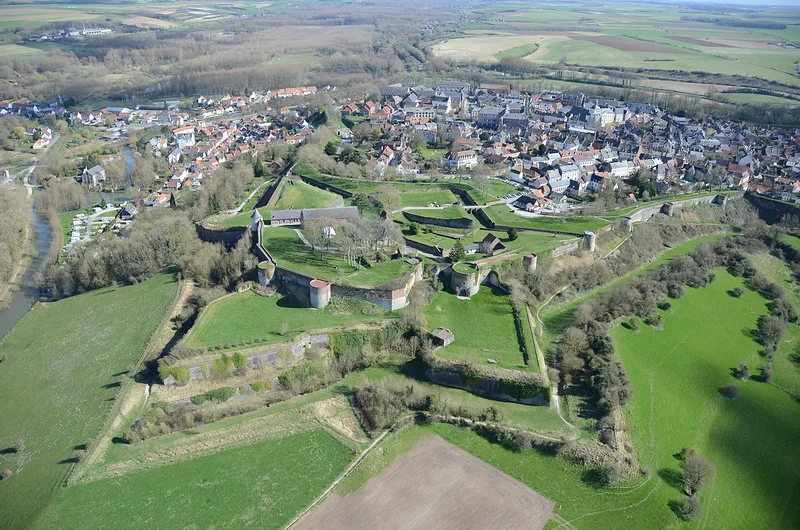
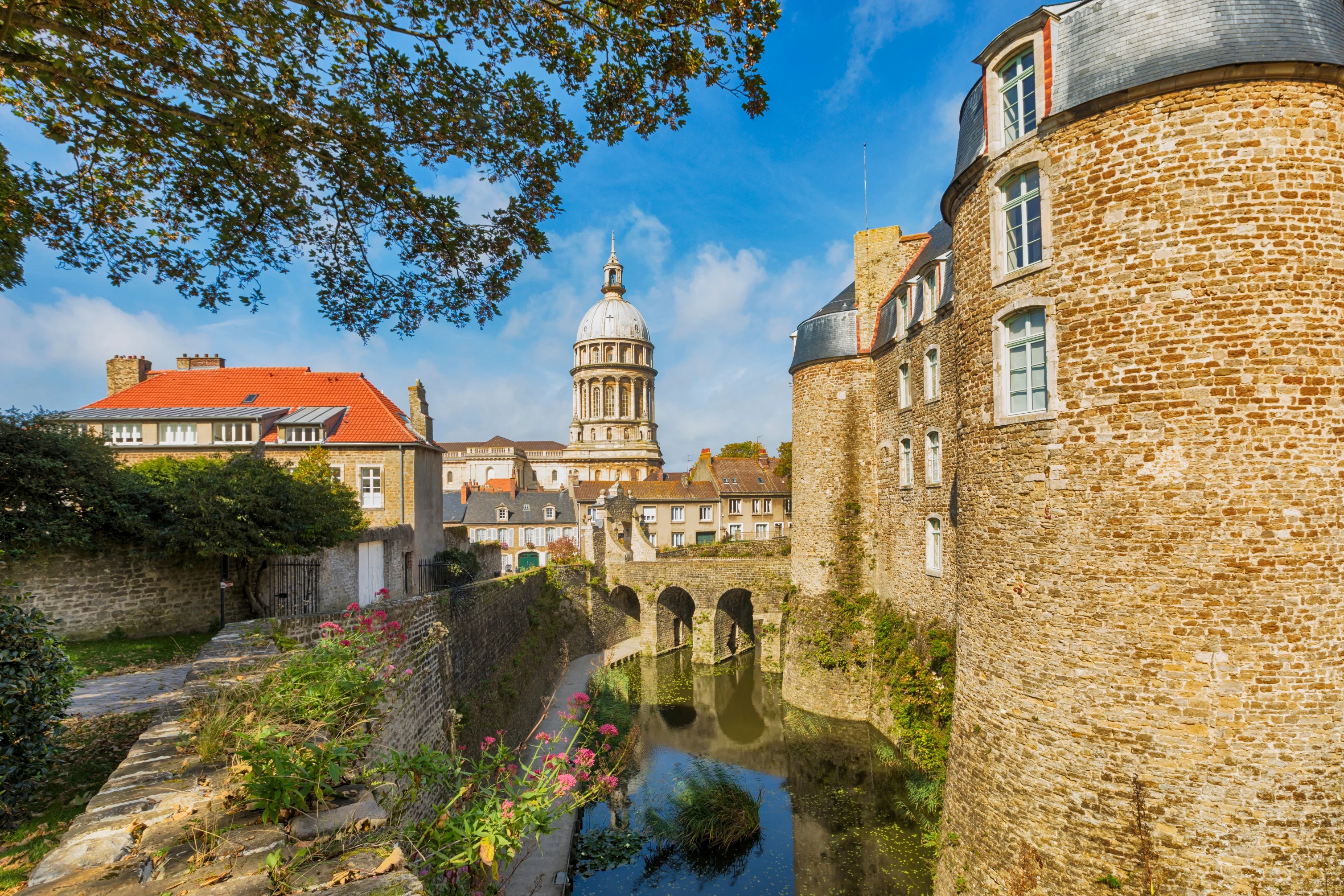
Climbing up toward the old town changes the atmosphere completely. The noise of the port fades away, replaced by the quiet of cobbled lanes. Surrounded by remarkably preserved ramparts dating back to the 13th century, this city within a city feels like true time travel. A walk along the rampart walkway offers sweeping views over the rooftops and the harbor down below.
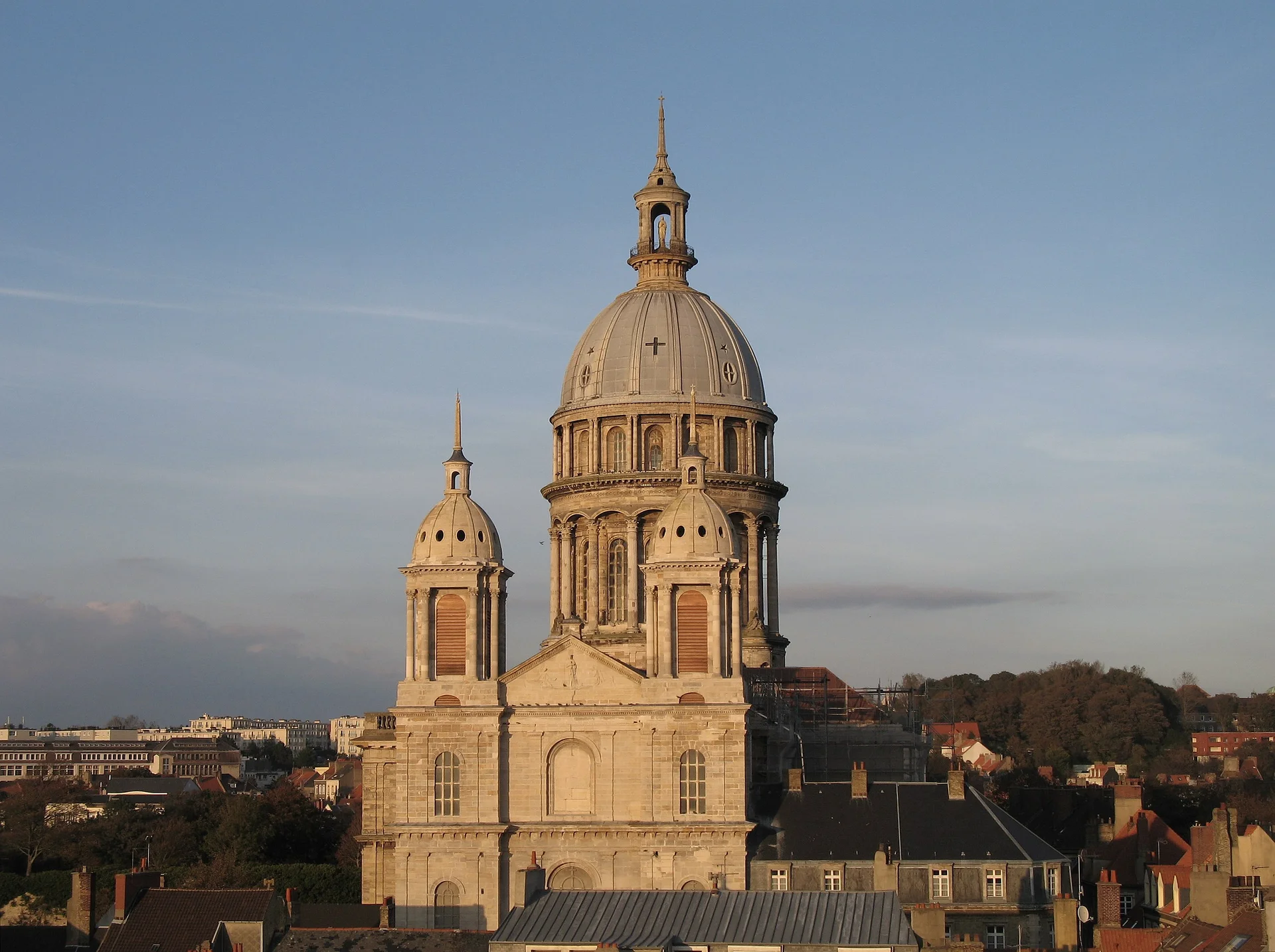
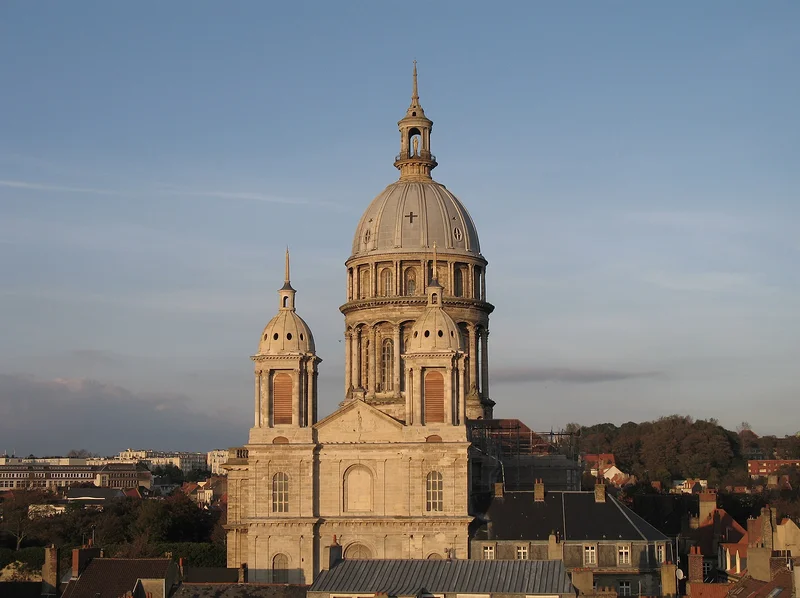
Right in the heart of the upper town, the imposing basilica of Notre-Dame stands out with its dizzying dome soaring past 100 meters high. Make sure to check out its crypt, one of the largest in France, which is a true labyrinth of rooms decorated with frescoes. Right next door, the castle-museum holds eclectic collections ranging from Egyptian antiquities to Inuit art.
Friendly tip: Head up to the top of the belfry, a UNESCO World Heritage site. It is the oldest monument in town, and the panoramic view from the walkway is the ultimate reward after the climb.
The port: the beating heart of the city
Heading down to the lower town means diving straight into the soul of Boulogne. This is where the heartbeat of France's top fishing port is located. Activity here is constant, from the trawlers returning in the early morning to the fish auction where the catch is traded. The atmosphere is working-class, lively, and deeply genuine.
Along quai Gambetta, fisherman stalls sell their catch straight to buyers. It is a rare chance to pick up fish of unmatched freshness, from sole and mackerel to herring, which is a true local specialty. It is a colorful and bustling scene you should not miss.
Friendly tip: For the full experience, check out the Maison de la Beurière, a small fisherman's cottage kept just as it was in the early 20th century. It offers a touching look into the harsh daily lives of sailor families.
Nausicaá: a voyage into the heart of the oceans
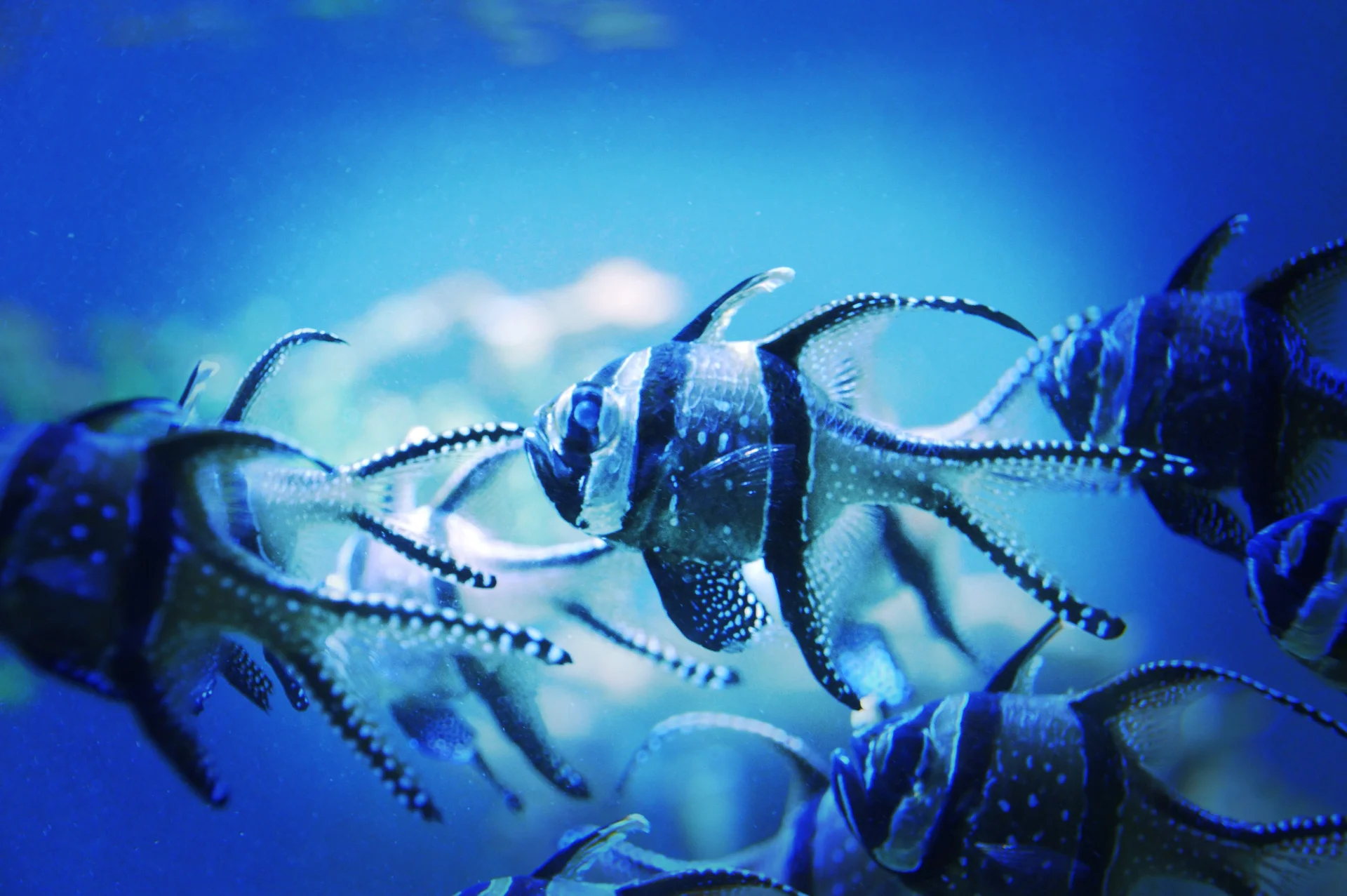
You cannot talk about Boulogne without mentioning Nausicaá. Much more than just an aquarium, it is Europe's largest complex dedicated to the marine world. Visiting is a spectacular dive into the beauty and fragility of the oceans, equal parts entertaining, educational, and utterly fascinating.
The massive High Sea tank, featuring its giant glass window and transparent tunnel, brings you face-to-face with sharks, manta rays, and thousands of fish. Give yourself a solid half-day here, because the site is huge and every thematic zone is worth lingering over.
Where to eat and drink in Boulogne-sur-Mer?
The answer is obvious: seafood! Try herring in every style imaginable: smoked, marinated, or as rollmops. Treat yourself to a seafood platter or a pot of mussels and fries right by the port. For dessert, look out for a bakery selling tarte au papin, a sweet local specialty.
Where to stay in Boulogne-sur-Mer and the surrounding area?
For convenience and a lively atmosphere, the hotels in the lower town near the port and Nausicaá are a great pick. For charm and quiet, choose a spot inside the fortified town, where you will feel like you are sleeping in another era. The B&Bs tucked away there are often packed with character.
How to get to and around Boulogne-sur-Mer?
Travelers from North America land in Paris, from where the TGV reaches Boulogne in about two and a half hours. The town has great train connections from major cities like Paris or Lille. Boulogne-Ville station sits in the lower part of town.
On foot is the best way to explore both halves of the city, though the climb up to the old town can be a bit steep. A reliable bus network makes getting around simple.
When to go?
Spring and summer are the most pleasant times to enjoy long days and the unique light of the Opal Coast. July brings the town to life with the Fête de la Mer, a major gathering of traditional sailing ships. Winter can be raw and windy, but it delivers dramatic landscapes and a much more intimate atmosphere.