Saint-Quentin-en-Tourmont, Where Birds Rule the Roost
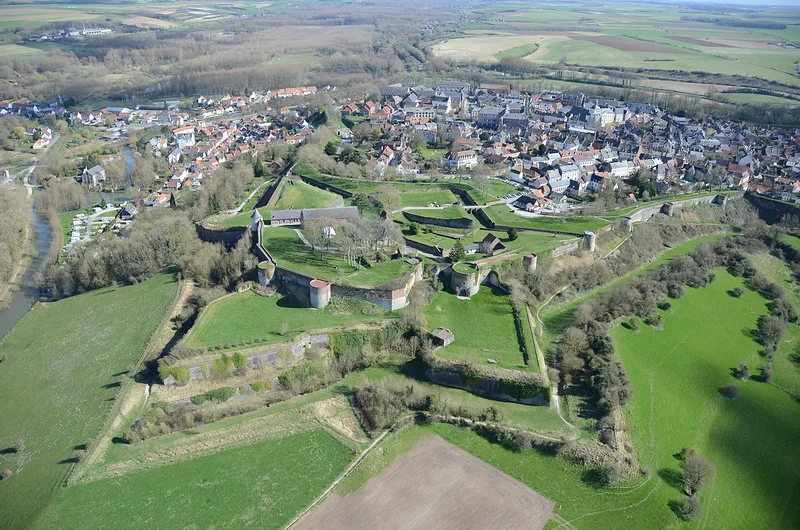
The raspy call of a Eurasian spoonbill cuts through the morning quiet. Inside observation blind number 6 at the Marquenterre Park, about ten visitors hold their breath, binoculars trained on a ballet of gray herons. Here, right on the edge of the Somme Bay, a village of 300 residents has turned into a sanctuary for thousands of migratory birds. It is also the home turf of a horse breed born fifty years ago in these very dunes: the Henson.
A Low-Key Paradise for Nature Lovers
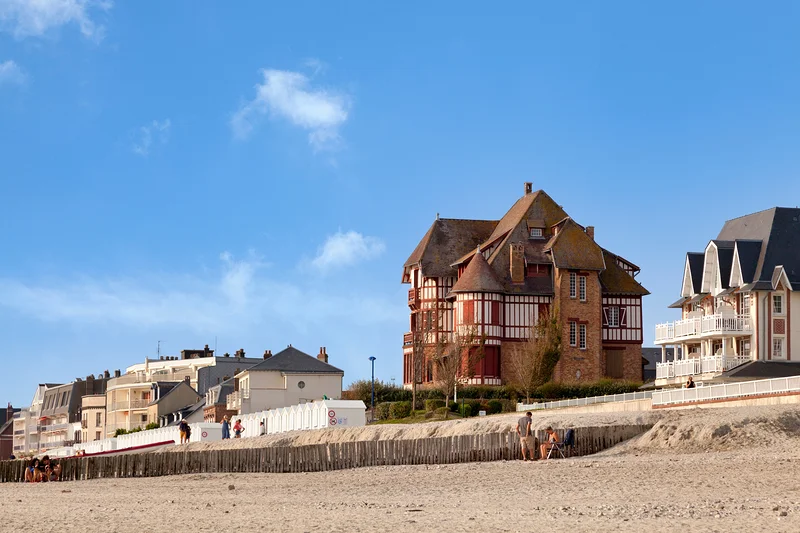
Skip the souvenir shops and tourist traps. This Picardy village has no crowded beach and no historic downtown to tour. It draws a specific crowd: amateur birders, families looking for wide-open spaces, and riders dreaming of galloping across the sand. Nightlife seekers and partygoers will want to look elsewhere.
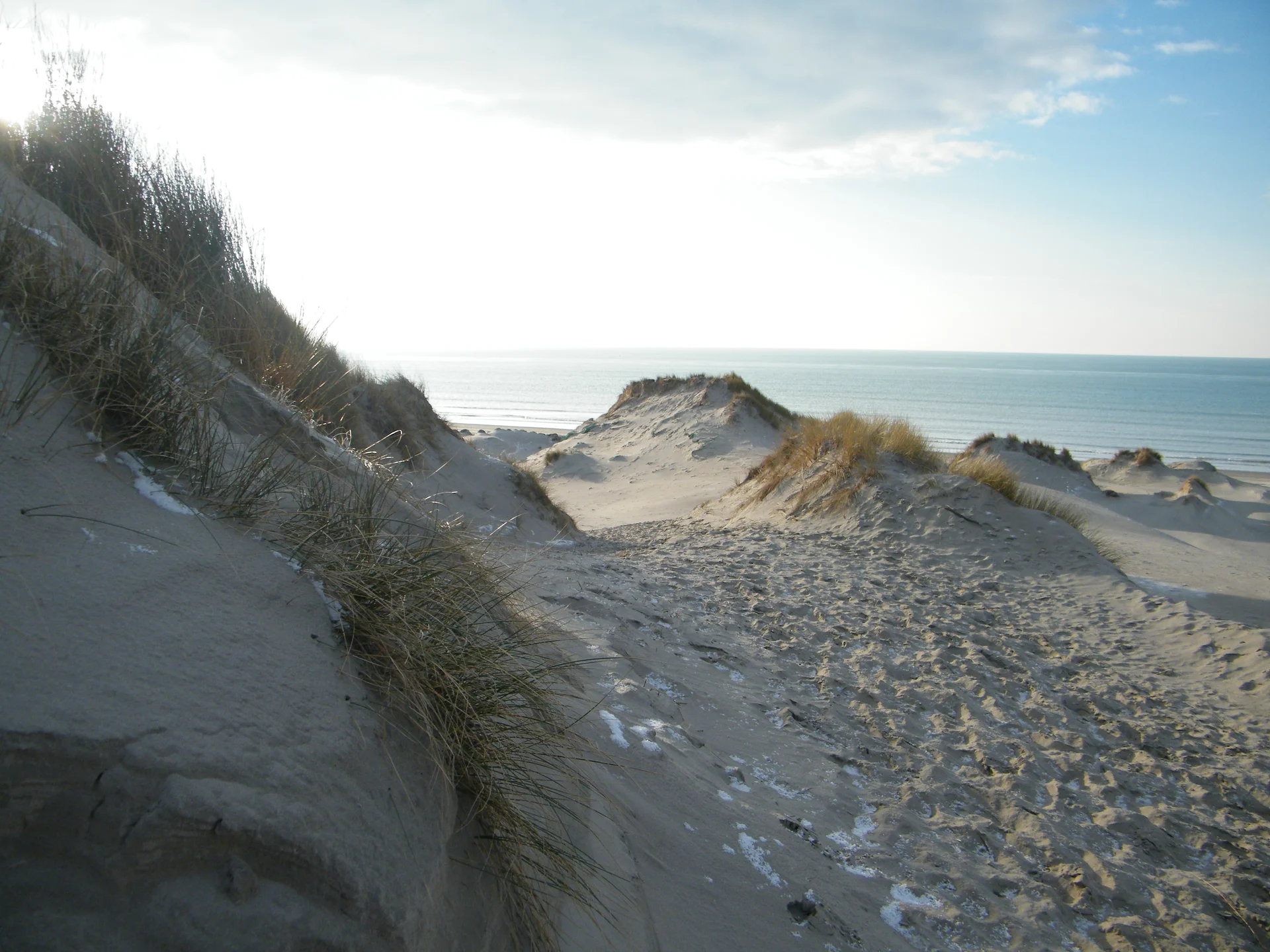
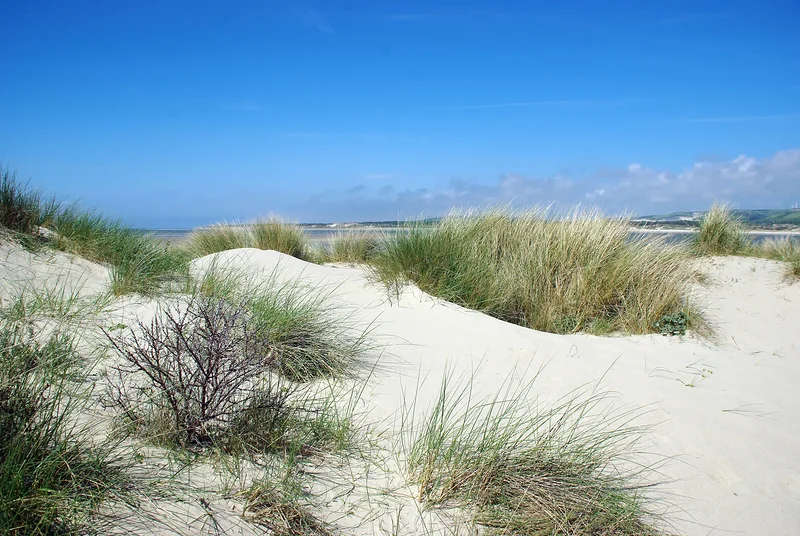
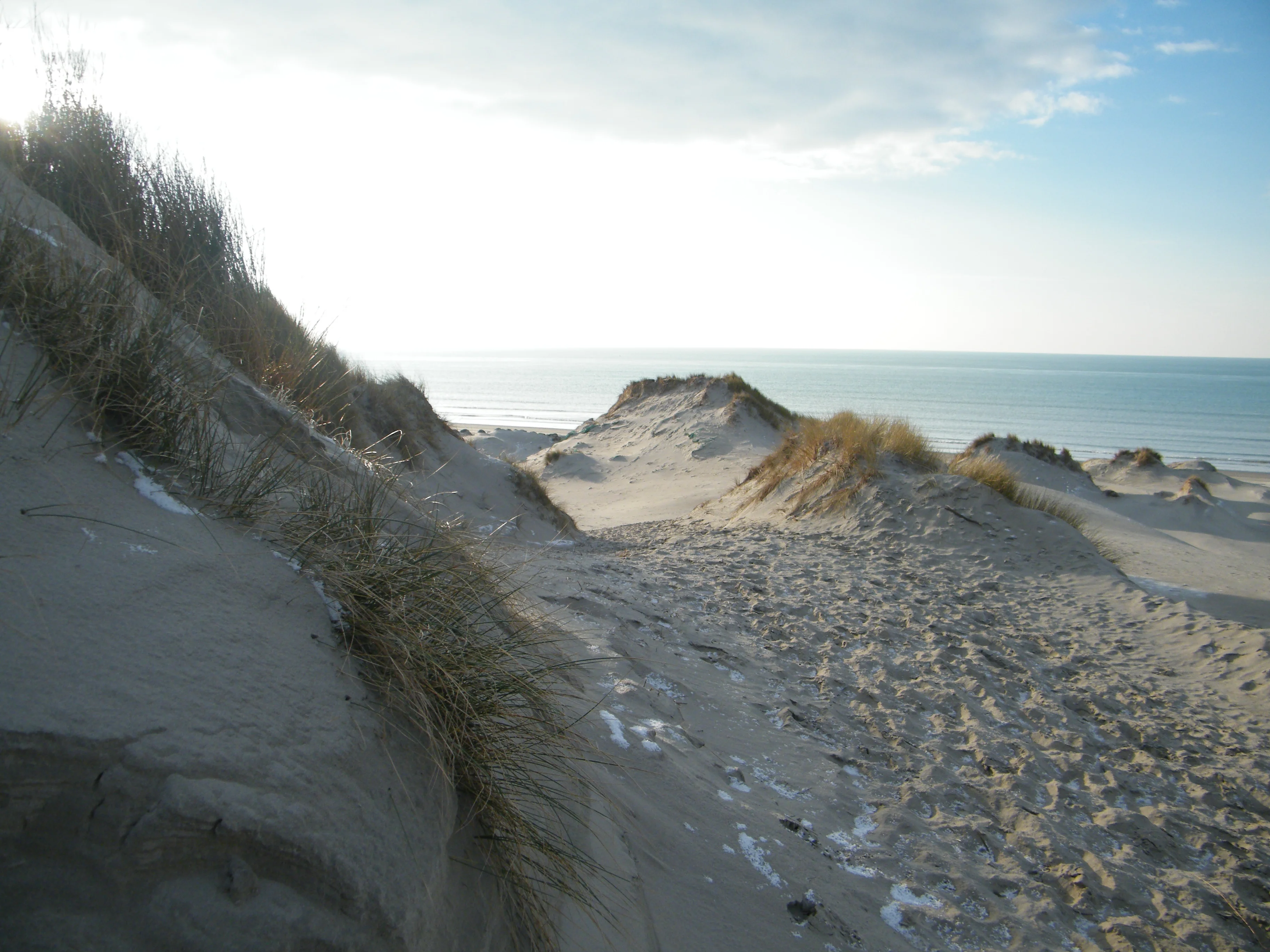
A car is practically essential. Public transit exists, but it is limited to a few weekly buses. The pace here is slow and contemplative. People come to observe, hike, and breathe in the salt air. The 260 hectares of dunes, pine forests, and marshes in the Marquenterre Estate are enough to fill several days.
A Reasonable Budget for a Nature Getaway
Plan on spending between $68 and $135* per night depending on where you stay, from campgrounds to eco-lodges. Admission to the bird park costs about $17* per adult. A 3-hour horseback ride runs $52* per person, or $38* in a group.
Marquenterre Park: Observing Without Disturbing
The Marquenterre Ornithological Park is the beating heart of the destination. Spread across 6 kilometers of trails, 13 wooden blinds let you get close to the wildlife without scaring them off. Spoonbills, pied avocets, storks, and gray herons are among the more than 300 species that pass through this major European migratory crossroads.
Naturalist guides are stationed in the blinds to share their knowledge. Give yourself at least a half day. The full loop takes 2 to 3 hours of easy walking, and two shortcuts are available for families with young kids or visitors in a rush.
Friendly tip: rent binoculars at the entrance if you do not have your own. Without them, the experience loses 80 percent of its value. Rental costs just a few euros and changes everything.
Riding a Henson Through the Dunes
The Henson horse was born right here in the 1970s, a cross between Norwegian Fjord stallions and local mares. Officially recognized as a breed in 2003, this compact golden horse is known for its calm temperament and resilience in coastal weather. Around 200 Hensons live freely on the estate out of a total population of 1,200 in France.
The Henson Equestrian Centers offer rides for all skill levels. Beginners stick to a walk through the pine forest, while experienced riders can gallop on the beach and cross the bay at low tide. It is an intense sensory experience with the salty wind in your hair and sand under hooves.
Friendly tip: book the 3-hour option instead of the short ride. You get to fetch your horse directly from the pasture, which adds to the charm. Group outings at $38* per person offer great value.
The Trans'Henson: A Free Spectacle in Late October
Every year on the last Sunday of October, the Trans'Henson brings together hundreds of riders to herd the horses to their winter pastures. The 2025 edition took place on October 26. The event is free and open to spectators, featuring equestrian shows and local food trucks.
Somme Bay: Seals and Mega Tides
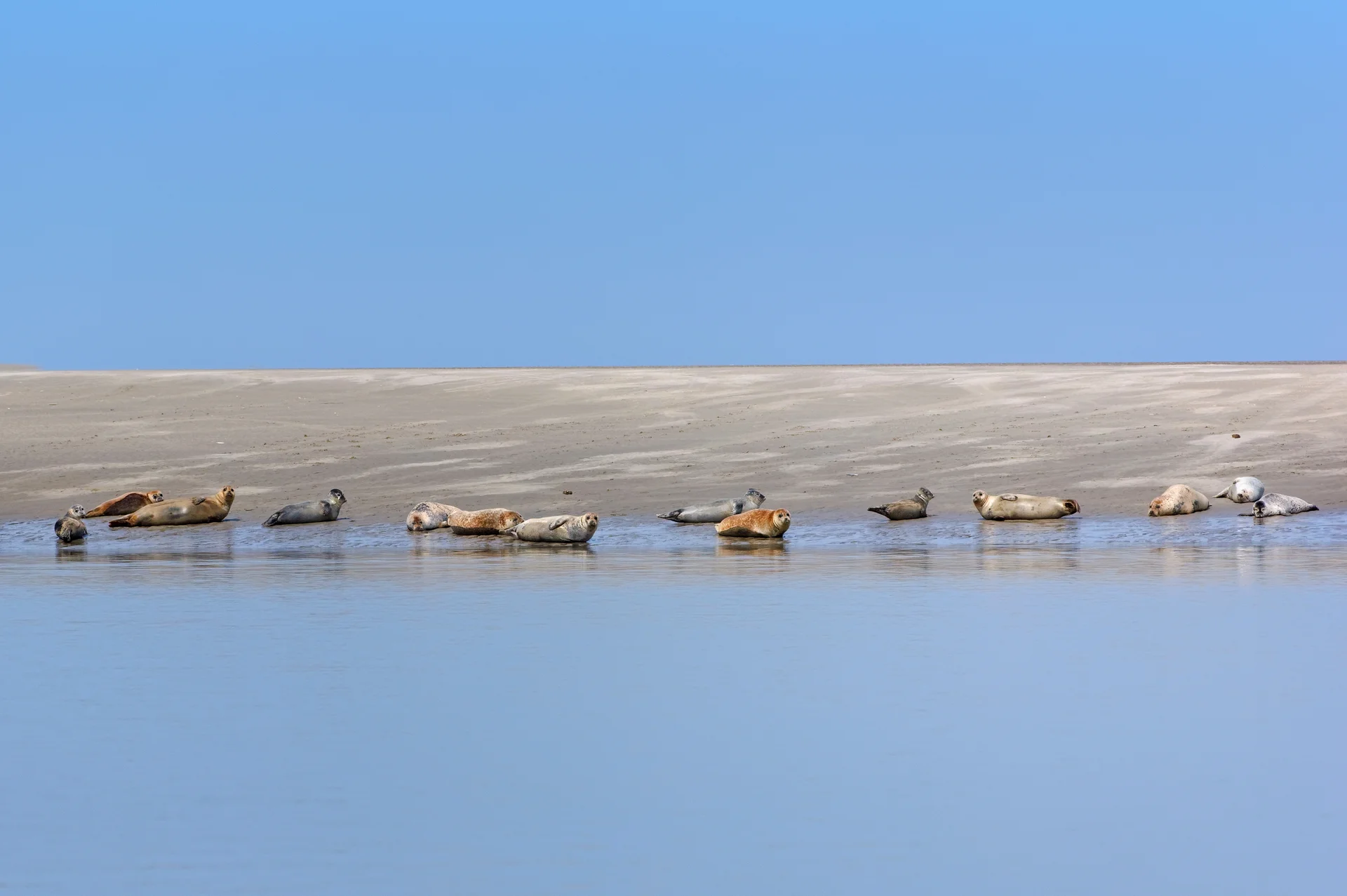
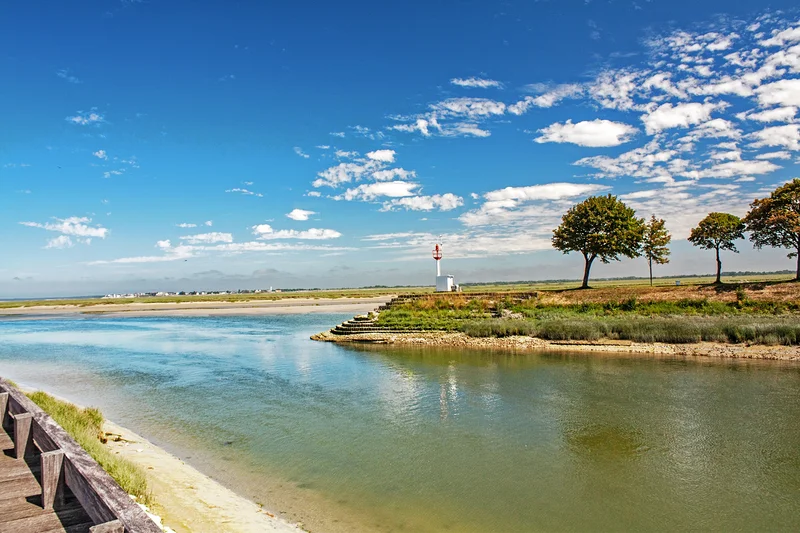
A few miles from the village, the Somme Bay opens up into mudflats and salt marshes. Harbor seals and gray seals can be spotted from the Pointe du Hourdel, on the far side of the bay, about a 40-minute drive around via Noyelles-sur-Mer. The resident colony sits around 300 seals. Viewing is free, but keep your distance since these are wild animals that should not be disturbed.
Spring tides put on quite a show. The bay drains completely, revealing miles of sand where you can walk all the way to the neighboring towns of Le Crotoy and Saint-Valery-sur-Somme. Guides offer accompanied crossings to steer clear of dangerous quicksand areas.
Where to Eat and Drink in Saint-Quentin-en-Tourmont?
The village itself has very few restaurants. Most visitors pack a picnic for the park or head to neighboring towns. In Rue, the Saturday morning market is the spot to load up on local goodies: gâteau battu, a rich and airy brioche emblematic of Picardy, samphire harvested in the salt marshes, and freshly caught gray shrimp.
For a sit-down meal, head toward Le Crotoy or Saint-Valery-sur-Somme. Ficelle picarde, a savory crepe stuffed with ham and mushrooms under a melted cheese and cream crust, is on every menu. Salt-marsh lamb, raised on pastures regularly flooded by the tides, develops a unique flavor from the salt-heavy grass. A cold Colvert beer, brewed right in Rue, pairs well with these specialties.
Where to Stay in and Around Saint-Quentin-en-Tourmont?
Lodging leans heavily into nature immersion. Le Piloti features 7 lodges and cottages overlooking the pond right in the heart of Marquenterre. Expect to pay $102 to $169* a night for this high-end, adults-only setup. Ecolodge Le Bruit de l'Eau offers a similar vibe with a sauna and breakfast included.
Campgrounds dominate the area. The 4-star La Haie Penée and Le Champ Neuf offer tent sites and mobile homes starting around $45* a night. For tighter budgets, guest rooms in surrounding villages start around $68*. The Marquenterre Estate also hosts corporate retreats and group events.
How to Get to and Around Saint-Quentin-en-Tourmont?
Driving is the most practical way to get around. From Paris, plan for 2.5 hours via the A16 highway, taking exit 24 toward Rue and Le Crotoy. The Marquenterre park parking lot is large and free. From Lille, the drive takes about 1.5 hours.
By train, the closest stations are Noyelles-sur-Mer and Rue, both about 15 kilometers away. The Trans80 709 bus line connects Noyelles station to the Marquenterre parking lot, but schedules are sparse. Renting a car or taking a taxi gives you much more flexibility.
When to go?
Spring and autumn are prime times for birdwatching. April hosts the Bird and Nature Festival with plenty of events and activities. Summer is great for families but draws larger crowds. Winter can be cold and windy, but it brings a wild atmosphere and lower lodging rates.